
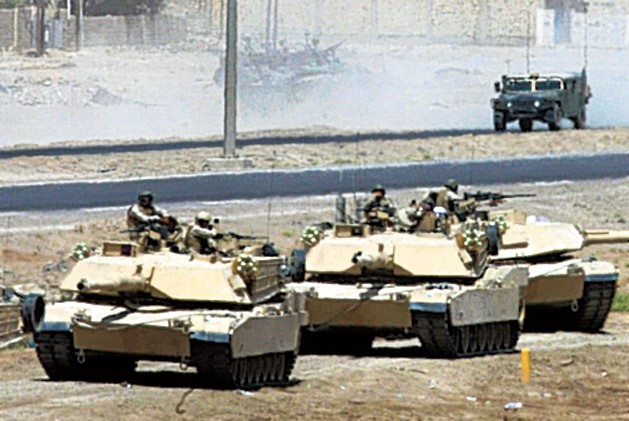
Dramatic increases in infant mortality, cancer and leukaemia in the Iraqi city of Fallujah, which was bombarded by US Marines in 2004, exceed those reported by survivors of the atomic bombs that were dropped on Hiroshima and Nagasaki in 1945, according to a new study.
Iraqi doctors in Fallujah have complained since 2005 of being overwhelmed by the number of babies with serious birth defects, ranging from a girl born with two heads to paralysis of the lower limbs. They said they were also seeing far more cancers than they did before the battle for Fallujah between US troops and insurgents.
Their claims have been supported by a survey showing a four-fold increase in all cancers and a 12-fold increase in childhood cancer in under-14s. Infant mortality in the city is more than four times higher than in neighbouring Jordan and eight times higher than in Kuwait.
Dr Chris Busby, a visiting professor at the University of Ulster and one of the authors of the survey of 4,800 individuals in Fallujah, said it is difficult to pin down the exact cause of the cancers and birth defects. He added that “to produce an effect like this, some very major mutagenic exposure must have occurred in 2004 when the attacks happened”.
US Marines first besieged and bombarded Fallujah, 30 miles west of Baghdad, in April 2004 after four employees of the American security company Blackwater were killed and their bodies burned. After an eight-month stand-off, the Marines stormed the city in November using artillery and aerial bombing against rebel positions. US forces later admitted that they had employed white phosphorus as well as other munitions.
In the assault US commanders largely treated Fallujah as a free-fire zone to try to reduce casualties among their own troops. British officers were appalled by the lack of concern for civilian casualties. “During preparatory operations in the November 2004 Fallujah clearance operation, on one night over 40 155mm artillery rounds were fired into a small sector of the city,” recalled Brigadier Nigel Aylwin-Foster, a British commander serving with the American forces in Baghdad.
He added that the US commander who ordered this devastating use of firepower did not consider it significant enough to mention it in his daily report to the US general in command. Dr Busby says that while he cannot identify the type of armaments used by the Marines, the extent of genetic damage suffered by inhabitants suggests the use of uranium in some form. He said: “My guess is that they used a new weapon against buildings to break through walls and kill those inside.”
The survey was carried out by a team of 11 researchers in January and February this year who visited 711 houses in Fallujah. A questionnaire was filled in by householders giving details of cancers, birth outcomes and infant mortality. Hitherto the Iraqi government has been loath to respond to complaints from civilians about damage to their health during military operations.
Researchers were initially regarded with some suspicion by locals, particularly after a Baghdad television station broadcast a report saying a survey was being carried out by terrorists and anybody conducting it or answering questions would be arrested. Those organising the survey subsequently arranged to be accompanied by a person of standing in the community to allay suspicions.
The study, entitled “Cancer, Infant Mortality and Birth Sex-Ratio in Fallujah, Iraq 2005-2009”, is by Dr Busby, Malak Hamdan and Entesar Ariabi, and concludes that anecdotal evidence of a sharp rise in cancer and congenital birth defects is correct. Infant mortality was found to be 80 per 1,000 births compared to 19 in Egypt, 17 in Jordan and 9.7 in Kuwait. The report says that the types of cancer are “similar to that in the Hiroshima survivors who were exposed to ionising radiation from the bomb and uranium in the fallout”.
Researchers found a 38-fold increase in leukaemia, a ten-fold increase in female breast cancer and significant increases in lymphoma and brain tumours in adults. At Hiroshima survivors showed a 17-fold increase in leukaemia, but in Fallujah Dr Busby says what is striking is not only the greater prevalence of cancer but the speed with which it was affecting people.
Of particular significance was the finding that the sex ratio between newborn boys and girls had changed. In a normal population this is 1,050 boys born to 1,000 girls, but for those born from 2005 there was an 18 per cent drop in male births, so the ratio was 850 males to 1,000 females. The sex-ratio is an indicator of genetic damage that affects boys more than girls. A similar change in the sex-ratio was discovered after Hiroshima.
The US cut back on its use of firepower in Iraq from 2007 because of the anger it provoked among civilians. But at the same time there has been a decline in healthcare and sanitary conditions in Iraq since 2003. The impact of war on civilians was more severe in Fallujah than anywhere else in Iraq because the city continued to be blockaded and cut off from the rest of the country long after 2004. War damage was only slowly repaired and people from the city were frightened to go to hospitals in Baghdad because of military checkpoints on the road into the capital.
Month: June 2019
Blitz Wolf (1942)
Blitz Wolf is an early anti-German World War II Hitler-parodying cartoon produced in 1942 by Metro-Goldwyn-Mayer. It was directed by Tex Avery and produced by Fred Quimby. It was nominated for the Academy Award for Best Short Subject: Cartoons.
The plot is a parody of the Three Little Pigs, told from a Second World War anti-German propaganda perspective. In this cartoon, the pigs go to war against Adolf Wolf (Adolf Hitler), who is set on invading their country, Pigmania. The two pigs who built their houses of straw and sticks claim they don’t have to take precautions against the wolf, because they signed non-aggression pacts with him. The pig who built his house of stone, “Sergeant Pork” (an homage to Sergeant York), does take his precautions and outfits his house with defense machinery.
Adolf Wolf invades Pigmania, despite the two pigs protesting that he signed a treaty with them. He destroys their houses, forcing the pigs to hide in the third pig’s house, prompting a battle between the two parties. Towards the end of the cartoon, Adolf Wolf is blown out of his bomber plane by the pigs’ artillery shells filled with Defense bonds and falls down to Earth alongside a bomb, which promptly blows him to Hell upon impact. There he realizes he is dead and says: “Where am I? Have I been blown to… ?”, whereupon a group of devils adds: “Ehhhh, it’s a possibility!”, in reference to a then well-known catchphrase by Jerry Colonna.
Half in the Bag v Batman v Superman – episode 106
Mike and Jay meet “””Rich””” a new employee to Lightning Fast VCR Repair. They decide to see Batman V Superman and talk about it.
Now listening to Wes Craven’s New Nightmare by J. Peter Robinson and Skyfall by Thomas Newman…

Crushing the Occupy Movement – How Wall Street Used Government Forces to Suppress Political Dissent
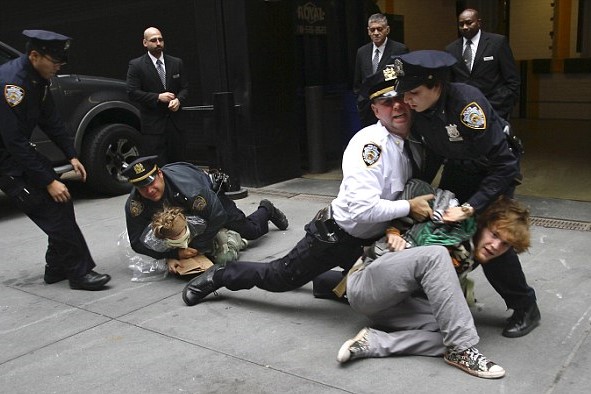
It has been over two years since the Occupy Movement was brutally destroyed by a coordinated national effort led by the FBI and the Department of Homeland Security. Since that time, much documentation has been released under the Freedom of Information Act. Even though they are heavily redacted, these documents provide a frightening window into how far corporate America along with the federal, state, and local governments acting as their agents were willing to go to destroy a populist social movement like Occupy.
Despite all the documentation we have, there are still many out there who are in denial about these facts. After reading some recent comments that misrepresent what happened to the Occupy Movement, I decided to review how Occupy was so brutally squelched by Wall Street and corporate America using government forces as their agents acting upon their behalf.
Terrorism. The word alone can bring about unwarranted fear in otherwise normal people. The images of the twin towers of the World trade Center were deeply etched into the American psyche and created a climate of intense fear which provided the rationale for the current “war on terror.” But what is terrorism and how is a terrorist organization defined? Let’s start with Merriam Webster’s dictionary which defines terrorism as thus:
the use of violent acts to frighten the people in an area as a way of trying to achieve a political goal
This definition seems fairly straight forward. But then if we look at the FBI’s definition of terrorism, the definition of terrorism becomes more muddied. There are multiple definitions of terrorism, but for this diary we are looking at the definition of domestic terrorism. The FBI’s own definition requires a three part test and yet the Occupy Movement was branded as a terrorist threat before the first tent was placed in Zuccotti Park. Let’s examine just how FBI’s open ended interpretation of their own definition of terrorism was and can be selectively used to squelch public dissent such as was the case with the Occupy Movement..
“Domestic terrorism” means activities with the following three characteristics:
– Involve acts dangerous to human life that violate federal or state law;
– Appear intended (i) to intimidate or coerce a civilian population; (ii) to influence the policy of a government by intimidation or coercion; or (iii) to affect the conduct of a government by mass destruction, assassination. or kidnapping; and
-Occur primarily within the territorial jurisdiction of the U.S.
The first subsection of the definition is particularly important in that it requires an organization to be engaged in acts that are dangerous to human life and violate state and federal law. I would argue that the Oath Keepers guarding the Bundy Ranch definitely met this part of the definition in that they physically threatened federal agents with high powered military style weapons. Yet they were not treated as a terrorist organization. When the government’s reaction to the Oath Keepers’ threats upon federal agents is compared to the Occupy Movement, it is almost laughable that the FBI could consider Occupy a terrorist organization at all.
There was never any remote indication that the Occupy Movement intended to do anything enumerated in subsection two. But the FBI decided to categorize the Occupy Movement as a terrorist organization early on in its inception as evidenced by the FBI’s own documents that were obtained under the FOIA. (note: my bolding added for emphasis)
FBI documents just obtained by the Partnership for Civil Justice Fund (PCJF) pursuant to the PCJF’s Freedom of Information Act demands reveal that from its inception, the FBI treated the Occupy movement as a potential criminal and terrorist threat even though the agency acknowledges in documents that organizers explicitly called for peaceful protest and did “not condone the use of violence” at occupy protests.
These documents show that the FBI and the Department of Homeland Security are treating protests against the corporate and banking structure of America as potential criminal and terrorist activity. These documents also show these federal agencies functioning as a de facto intelligence arm of Wall Street and Corporate America.
Not only was Occupy, a peaceful public protest group, categorized as a terrorist organization for no legitimate reason other than they challenged corporate America and the big money on Wall Street, but the FOIA documents showed another equally disturbing aspect to the government’s coordinated effort to shut down and destroy the Occupy Movement. Early on in the movement, the FBI was collecting data on many of the protestors, particularly those who may have appeared to in leadership roles. This was clearly in violation of laws protecting the public from such intrusive investigations without a warrant or cause.
The FBI denied the surveillance accusations by saying that its investigation did not include “unnecessary intrusions into the lives of law-abiding people” and that its prohibited from investigating Americans “solely for the purpose of monitoring activities protected by the First Amendment or the lawful exercise of other rights.” Of course, if you classify the actions as “domestic terrorism,” other rules apply.
The documents obtained by the Partnership for Civil Justice Fund clearly show that the Occupy Movement was targeted by the federal government as a terrorist threat from its very beginning even prior to the initial occupation of Zuccotti Park.
…the documents show that from the start, the FBI – though it acknowledges Occupy movement as being, in fact, a peaceful organization – nonetheless designated OWS repeatedly as a “terrorist threat”
As detailed at multiple sources, including an excellent article in the Guardian by Naomi Wolf, the extent by which the government and private corporate interests had merged their surveillance and ultimately coordinated the brutal crackdown on the Occupy Movement is shockingly reminiscent of other totalitarian societies. (note: my bolding added for emphasis)
The document – reproduced here in an easily searchable format – shows a terrifying network of coordinated DHS, FBI, police, regional fusion center, and private-sector activity so completely merged into one another that the monstrous whole is, in fact, one entity: in some cases, bearing a single name, the Domestic Security Alliance Council. And it reveals this merged entity to have one centrally planned, locally executed mission. The documents, in short, show the cops and DHS working for and with banks to target, arrest, and politically disable peaceful American citizens.
So why was Occupy singled out for such brutal treatment while other, more violent and extreme organizations have been given a pass? There can be only one reason. By its presence and its message, Occupy posed a huge political threat to the big money power brokers on Wall Street and elsewhere in the corporate America. Occupy’s message about the 99% had the potential to make it become such a strong nationwide social movement that the politicians would not be able to ignore it. Occupy had to be stamped out early on and its participants had to be made an example of to deter future public social movements that might challenge the power of big corporate money.
One thing is abundantly clear despite those who defend the current administration’s action on this, and that is that Occupy was targeted by a nationwide effort which was coordinated through the FBI and the Department of Homeland Security acting on behalf of big money and corporate America to ensure that it would not succeed.
What happened to Occupy should serve as a warning to everyone about the dangerous fusion of corporate interests and our public institutions. The corporate capture of our government institutions is dangerous to us as a free people. Those who fail to learn from the history of how the Occupy Movement was suppressed will be doomed to have it repeated upon them.
Ally Sheedy
Ally Sheedy chats with Corey Brunish about Short Circuit.
Absolute Capitalism
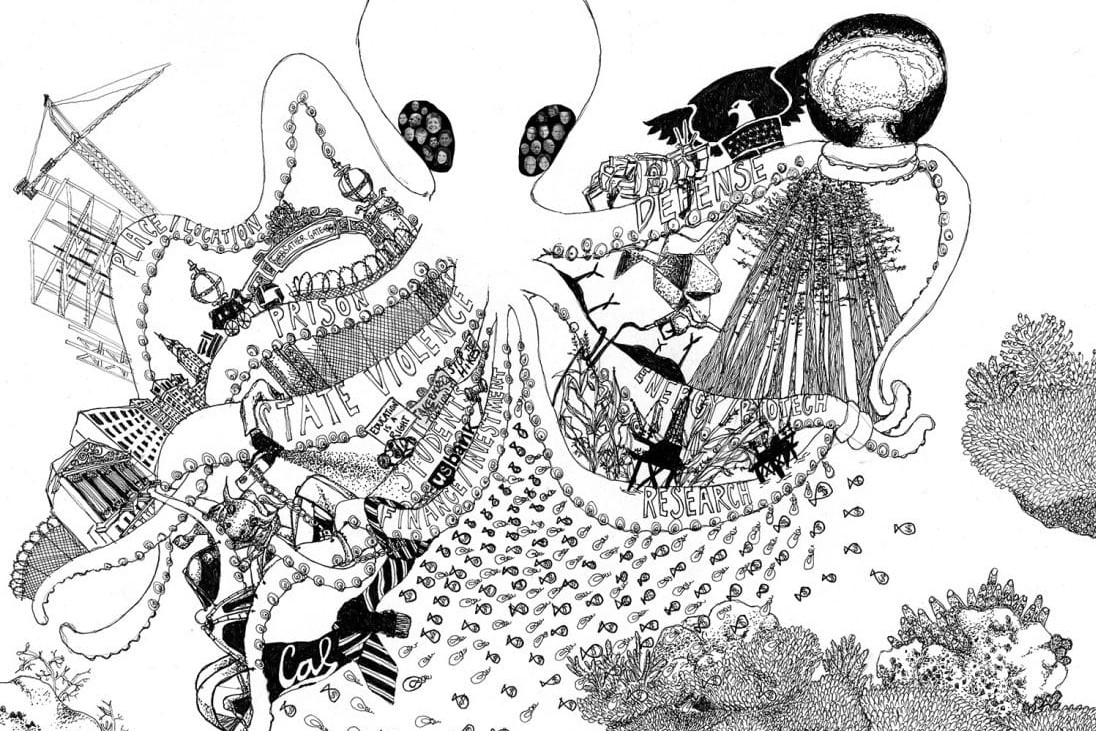
The French poet Charles Baudelaire wrote in 1864 that “the cleverest ruse of the Devil is to persuade you he does not exist!”1 I will argue here that this is directly applicable to today’s neoliberals, whose devil’s ruse is to pretend they do not exist. Although neoliberalism is widely recognized as the central political-ideological project of twenty-first-century capitalism, it is a term that is seldom uttered by those in power. In 2005, the New York Times went so far as to make neoliberalism’s nonexistence official by running an article entitled “Neoliberalism? It Doesn’t Exist.”2
Behind this particular devil’s ruse lies a deeply disturbing, even hellish, reality. Neoliberalism can be defined as an integrated ruling-class political-ideological project, associated with the rise of monopoly-finance capital, the principal strategic aim of which is to embed the state in capitalist market relations. Hence, the state’s traditional role in safeguarding social reproduction—if largely on capitalist-class terms—is now reduced solely to one of promoting capitalist reproduction. The goal is nothing less than the creation of an absolute capitalism. All of this serves to heighten the extreme human and ecological destructiveness that characterizes our time.
The Origins of Neoliberalism
The notion of neoliberalism is nearly a century old, although its main political influence is much more recent. It first arose as an ideology in the early 1920s in the face of the collapse of liberalism nearly everywhere in Europe, and in response to the rise of German and Austrian social democracy, particularly developments in Red Vienna.3 It had its first notable appearance in Austrian economist and sociologist Ludwig von Mises’s three works: Nation, State, and Economy (1919), Socialism (1922), and Liberalism (1927).4 Mises’s ideas were immediately recognized as representing a sharp departure from classical liberalism, leading the prominent Austro-Marxist Max Adler to coin the term neoliberalism in 1921. Mises’s Socialism was subjected to a sharp critique by another gifted Austro-Marxist, Helene Bauer, in 1923 and to a more extended critique entitled “Neoliberalism” by the German Marxist Alfred Meusel, writing for Rudolf Hilferding’s Die Gesellschaft in 1924.5
For Meusel and Bauer, the neoliberal doctrine presented by Mises was far removed from classical liberalism and constituted a new doctrine devised for the era of “mobile capital” or finance capital, of which Mises was a “faithful servant.”6 It was expressly aimed at justifying the concentration of capital, the subordination of the state to the market, and an openly capitalist system of social control. Mises’s neoliberalism, Meusel wrote, was characterized by the “merciless radicalism with which he attempts to derive the totality of social manifestations from a single principle” of competition. Everything opposed to the complete ascendance of the competitive principle was characterized by Mises as “destructionism,” which he equated with socialism. For Mises, Charles Dickens, William Morris, George Bernard Shaw, H. G. Wells, Émile Zola, Anatole France, and Leo Tolstoy were all “without perhaps being aware of it…recruiting agents for Socialism…paving the way for destructionism,” while actual Marxists were nothing more than destructionists, pure and simple.7
In Liberalism, Mises explicitly distinguished between “the older liberalism and neoliberalism” on the basis of the former’s commitment, at some level, to equality, as opposed to the complete rejection of equality (other than equality of opportunity) by the latter.8 The question of democracy was resolved by Mises in favor of “a consumers’ democracy.” Where democracy is concerned, he wrote, “free competition does all that is needed.… The lord of production is the consumer.”9
Mises was to exert an enormous influence on his younger follower Friedrich von Hayek, who was originally drawn to Mises’s Socialism and who attended Mises’s private seminars in Vienna. They shared a hatred of the Austro-Marxists’ Red Vienna of the 1920s. In the early 1930s, Hayek left Vienna for the London School of Economics at the invitation of Lionel Robbins, an early British neoliberal economist. Mises took on the role of economic consultant to the Austrofascist Chancellor/dictator Engelbert Dollfuss prior to the Nazi takeover. In his work Liberalism, Mises declared: “It cannot be denied that Fascism and similar movements [on the right] aiming at the establishment of dictatorships are full of the best intentions and that their intervention has, for the moment, saved European civilization. The merit that Fascism has thereby won for itself will live on eternally in history.”10 He later emigrated to Switzerland and then to the United States with the support of the Rockefeller Foundation, taking up a teaching post at New York University.
The Great Transformation Reversed
The most important critique of neoliberalism in the early post-Second World War years was to be Karl Polanyi’s attack on the myth of the self-regulating market in The Great Transformation, published in 1944, at a time when the allied victory was already certain and the nature of the postwar order in the West was becoming clear. Polanyi’s critique grew out of his earlier defense of Red Vienna in the 1920s, where he had identified to a considerable extent with Austro-Marxists like Adler and Otto Bauer, strongly opposing the views of Mises, Hayek, and others on the right. The neoliberal project, Polanyi explained in The Great Transformation, was to embed social relations in the economy, whereas prior to capitalism the economy had been “embedded in social relations.”11 Polanyi’s book, however, appeared in a context in which it was assumed that the neoliberal perspective was all but doomed, with the “great transformation” standing for the triumph of state regulation of the economy, at a time when John Maynard Keynes was recognized as the dominant figure in state-economic policy, in what came to be known as the Age of Keynes.
Nevertheless, Polanyi’s deeper concerns regarding attempts to rejuvenate market liberalism were, in part, justified. The Walter Lippmann Colloquium held in France in 1938, just prior to the outbreak of the Second World War, with Mises and Hayek both present, had constituted the first step at creating a capitalist international among major intellectual figures. At the time, the term neoliberalism was explicitly adopted by some participants, but was to be later abandoned, no doubt with the memory of the strong critiques that arose in the 1920s.12 Still, the neoliberal project was taken up again after the war. In 1947, a mere three years after the publication of Polanyi’s The Great Transformation, the Mont Pèlerin Society was established. It was to become the institutional basis, along with the University of Chicago Department of Economics, for the reemergence of neoliberal views. A key participant in the inaugural conference, in addition to Mises, Hayek, Robbins, Milton Friedman, and George Stigler, was Karl Polanyi’s younger brother, Michael Polanyi, the noted chemist, philosopher of science, and virulent Cold Warrior.13
Keynesianism dominated the entire period of what is now sometimes called the Golden Age of capitalism in the first quarter-century after the Second World War. But in the mid–1970s, with the appearance of a major economic crisis and the beginnings of economic stagnation first manifested as stagflation, Keynesianism disappeared within the economic orthodoxy. It was to be replaced by neoliberalism, first in the guise of monetarism and supply-side economics, and then in the form of a generalized restructuring of capitalism worldwide and the creation of a market-determined state and society.14
The critical figure who best captured the essence of neoliberalism almost the moment that it rose to dominance, analyzing it extensively in his 1979 lectures at the Collège de France on The Birth of Biopolitics, was Michel Foucault.15 As Foucault brilliantly explained, the role of the state is no longer to protect property, as in Adam Smith, or even to be an executive for the common interests of the capitalist class, as in Karl Marx. Rather, its role under neoliberalism became one of the active expansion of the market principle, or the logic of capitalist competition, to all aspects of life, engulfing the state itself. As Foucault wrote,
Instead of accepting a free market defined by the state and kept as it were under state supervision—which was, in a way, the initial formula of liberalism, [neoliberals]…turn the formula around and adopt the free market as [the] organizing and regulating principle of the state.… In other words: a state under the supervision of the market rather than a market supervised by the state.…
And what is important and decisive in current neo-liberalism can, I think, be situated here. For we should not be under any illusion that today’s neo-liberalism is, as is too often said, the resurgence or recurrence of old forms of liberal economics which were formulated in the eighteenth and nineteenth centuries and are now being reactivated by capitalism for a variety of reasons to do with its impotence and crises as well as with some more or less local and determinate political objectives. In actual fact, something much more important is at stake in modern neo-liberalism.… What is at issue is whether a market economy can in fact serve as the principle, form, and model for a state which, because of its defects, is mistrusted by everyone on both the right and the left, for one reason or another.16
In a nutshell, Foucault declared: “The problem of neo-liberalism is…how the overall exercise of political power can be modeled on the principles of the market economy.” Its single-minded goal is “privatized social policy.”17
In the neoliberal era, the state was not to intervene to counter the effects of the system, but was simply to promote through its interventions the spread of the rule-based system of the market into all recesses of society. It was thus the guarantor of a self-regulating and expansive market, from which neither the society nor the state itself were immune.18 Monopoly and oligopoly were no longer considered violations of the principle of competition, but mere manifestations of competition itself.19 Perhaps most important in distinguishing classical liberalism and neoliberalism, according to Foucault, was the emphasis of the former on a fictional equal exchange or quid pro quo. For neoliberalism, in contrast, free competition, reinterpreted to embrace monopoly power and vast inequalities, was the governing principle, not exchange.20
The overriding of the state’s social-reproductive role in favor of neoliberal financialization was most apparent, Foucault argued, in the demise of social insurance, along with all forms of social welfare. In the neoliberal system, “it is up to the individual [to protect himself against risks] through all the reserves he has at his disposal,” making the individual prey to big business without any protection from the state. The result of this shift was the further growth of privatized financial assets monopolized by a very few.21
Neoliberalism, conceived in this way, is the systematic attempt to resolve the base-superstructure problem, perceived as an obstacle to capital, through the introduction of “a general regulation of society by the market” to be carried out by a state—itself subordinated to the market principle. This new capitalist “singularity” is to be extended to all aspects of society, as an all-inclusive principle from which no exit is possible.22 Even economic crises are to be taken as mere indicators of the need to extend the logic of the market further.
As Craig Allan Medlen, building on Paul A. Baran and Paul M. Sweezy’s Monopoly Capital, explains in Free Cash, Capital Accumulation and Inequality, today’s neoliberal order involves a systematic shift in the “boundary line” between state economic activities and the private sector. This boundary line has now shifted decisively against the state, leaving little room for the state’s own consumption and investment, outside of the military sector, and with the state increasingly subsidizing the market and capital through its fiscal and monetary operations.23
When neoliberalism reemerged in the late 1970s, it was thus as an opportunistic virus in a period of economic sickness.24 The crisis of Keynesianism was related to deepening problems of surplus capital absorption or overaccumulation in the developing monopoly-capitalist economy. Neoliberal restructuring arose in these circumstances first in the forms of monetarism and supply-side economics, and then evolved into its current form with the financialization of the system, itself a response to economic stagnation. With the growth of excess capacity and stagnant investment, money capital increasingly flowed into the financial sector, which invented new financial instruments with which to absorb it.25 Financial bubbles propelled the economy forward. None of this, however, removed the underlying stagnation tendency. In the decade since the Great Recession, as distinguished from all previous post-Second World War decades, the capacity-utilization rate in manufacturing in the United States has never surpassed 80 percent—a level chronically insufficient to ignite net investment.26
All of this reflects the transition from twentieth-century monopoly capital to twenty-first-century monopoly-finance capital.27 This is evident in an explosion of credit and debt, institutionalized within the system despite periodic financial crises, leading to a whole new financial architecture for amassing wealth. The seizure of excess profits on a world scale through the new imperialism of the global labor arbitrage was made possible by digital systems of financial and technological control, and the opening of the world market after 1989. All of this has culminated in a globalized process of financialization and value capture, directed by the financial headquarters of multinational corporations at the apex of the capitalist world economy.28
The diminishing role of the state both as an instrument of popular sovereignty and of social protection has led to a crisis of liberal democracy. The greatest inequality in history plus the undermining of the economic and social conditions of the vast majority of the population has given rise to massive, but still largely inarticulate, discontent.29 Capital’s response to this destabilizing situation has been to try to mobilize the largely reactionary lower-middle class against both the upper-middle class and the working class (especially through racist attacks on immigrants), while making the state outside the market the enemy—a strategy that David Harvey has recently referred to as a developing “alliance” between neoliberalism and neofascism.30
Absolute Capitalism and Social-System Failure
In Foucault’s interpretation, neoliberalism is as remote from laissez-faire as it is from Keynesianism. As Hayek argued in The Constitution of Liberty, the neoliberal state is an interventionist, not laissez-faire, state precisely because it becomes the embodiment of a rule-governed, market-dictated economic order and is concerned with perpetuating and extending that order to the whole of society. If the neoliberal state is noninterventionist in relation to the economic sphere, it is all the more interventionist in its application of commodity principles to all other aspects of life, such as education, insurance, communications, health care, and the environment.31
In this ideal, restructured neoliberal order, the state is the embodiment of the market and is supreme only insofar as it represents the law of value, which in Hayek’s terms is virtually synonymous with the “rule of law.”32 The hegemonic class-property relations are encoded in the juridical structure and the state itself is reduced to these formal economic codes embodied in the legal system.33 What Hayek means by “the rule of law,” according to Foucault, is the imposition of “formal economic legislation” that “is quite simply the opposite of a plan. It is the opposite of planning.” The object is to establish “rules of the game” that prevent any deviation from the logic of commodity exchange or capitalist competition, while extending these relations further into society, with the state as the ultimate guarantor of market supremacy.34 Foucault contends that this principle was most explicitly enunciated by Michael Polanyi, who wrote in The Logic of Liberty: “The main function of the existing spontaneous order of jurisdiction is to govern the spontaneous order of economic life.… [The] system of law develops and enforces the rules under which the competitive system of production and distribution operates.”35
Hence, the supremacy of the dominant social relations of production or hegemonic class-property forms is encoded in the rule of a commodified legal structure. The new Leviathan, which has discarded any precapitalist trappings, is no longer a force above or external to the realm of commodity exchange—that is, a superstructure—but is subordinated to the logic of the market, which it is its role to enforce.36 This, Foucault suggests, is Max Weber’s rational-legal order, which turns out to be simply the imposition of formal economic relations circumscribing the state. At the same time, the state is given the role of enforcing this new privatized order through its monopoly of the legitimate use of force.37
Hence, Abraham Bosse’s famous frontispiece for Thomas Hobbes’s Leviathan, depicting the giant sovereign composed of individuals who have transferred their sovereignty to the monarch, would today take the form of a giant rational-legal individual in a two-piece suit composed internally of corporations, replacing the multitude.38 The crownless sovereign power would now be portrayed as holding not a scepter in one hand and a sword in the other, but the fourteenth amendment of the U.S. Constitution (originally meant to ensure the rights of former slaves but transformed into the basis of corporate personhood) in one hand and a cruise missile in the other. The neoliberal Leviathan is a state that increasingly has a single function and follows a single market logic—and in those terms alone it is absolute and represents an absolutist capitalism.
Naturally, absolute capitalism is not without contradictions, of which five stand out: economic, imperial, political, social-reproductive, and environmental. Together, they point to a general system failure. The economic-crisis tendencies are best viewed from the standpoint of Marx’s wider critique of the laws of motion of capital. Economically, neoliberalism is a historical-structural product of an age of mobile monopoly-finance capital that now operates globally through commodity chains, controlled by the financial headquarters of the multinational corporations in the core of the world economy, which dominate international capital flows.39 The inherent instability of the new absolute capitalism was marked by the Great Financial Crisis of 2007–9.40 Overaccumulation and stagnation remain the central economic contradictions of the system, leading to corporate mergers and financialization (the shift toward the amassing of financial assets by speculative means) as the main countervailing factors. All of this, however, simply exacerbates the top-heavy character of twenty-first-century capitalism intensifying its already-existing long-term tendencies toward disequilibrium and crisis.41
Neoliberal globalization refers specifically to the system of global labor arbitrage and commodity chains, coupled with the growth of worldwide monopolies. The fulcrum of this form of imperialism is the systematic exploitation of the fact that the difference in wages between the global North and South is greater than the difference in their productivities. This creates a situation whereby the low unit labor costs in emerging economies in the global South become the basis of today’s supply chains and the new system of value capture.42 These international economic conditions mark the advent of a new imperialism that is generating increasing global inequality, instability, and world struggle, made worse in our age by declining U.S. hegemony, which points to the prospect of widening and unlimited war.
As indicated above, the neoliberal regime represents a new synergy of state and market, with the increasing subordination of the social-reproduction activities of the state to capitalist reproduction. Whole sections of the state, such as central banking, and the main mechanisms of monetary policy, are outside effective governmental control and under the sway of financial capital. Under these circumstances, the state is increasingly viewed by the population today as an alien entity. This raises contradictions with respect to the three key social classes below the super-rich and the rich: the upper-middle class, the lower-middle class, and the working class.
In a broad sketch focusing on advanced capitalist society, the upper-middle class can be seen as consisting predominantly of a professional-technical stratum deeply suspicious of any attacks on government, since its position is dependent not simply on its economic class but also on the general system of political rights. It is therefore wedded to the liberal-democratic state. In contrast, when taken by itself, the lower-middle class, made up mainly of small business owners, middle management, and corporate-based white-collar salaried and sales workers (particularly the white, less-educated, rural, and fundamentalist-religious sectors), is generally antistate, procapital, and nationalist. It sees the state as chiefly benefitting its two main enemies: the upper-middle class and the working class—the former perceived as benefitting directly from the state, the latter increasingly designated in racial terms.43 The lower-middle class includes what C. Wright Mills called “the rearguarders” of the capitalist system, mobilized by the wealthy in times of crisis when a defense of capitalist interests is considered essential, but represents in itself an extremely volatile element of society.44 The working class, essentially the bottom 60 percent of income earners in the United States, is the most oppressed and most diverse population (and thus the most divided), but nonetheless the enemy of capital.45
The biggest threat to capital today, as in the past, is the working class. This is true both in the advanced capitalist countries themselves and even more so in the periphery, where the working class overlaps with the dispossessed peasantry. The working class is most powerful when able to combine with other subaltern classes as part of a hegemonic bloc led by workers (this is the real meaning of the Occupy Wall Street movement’s “we are the 99%”).
The 1 percent thus find themselves potentially without a political base, which remains necessary to continue the neoliberal, absolute-capitalist project. Thus, from Donald Trump to Jair Bolsonaro, we see the emergence of a tenuous working relationship between neoliberalism and neofascism, meant to bring the rear guard of the system into play. Here, the goal is to enlist the white, rural, religious, nationalistic lower-middle class as a political-ideological army on behalf of capital. But this is fraught with dangers associated with right-wing populism and ultimately threatens the demise of the liberal-democratic state.46
The major gender, race, community, and class contradictions of capitalist society today reflect crises that extend beyond the narrow confines of workplace exploitation to the wider structures in which the lives of working people are embedded, including the major sites of social reproduction: family, community, education, health systems, communications, transportation, and the environment. The destruction of these sites of social reproduction, along with deteriorating working conditions, has brought back what Frederick Engels called “social murder,” manifested in the declining life expectancy in recent years in the mature capitalist economies.47 It is in these wider social domains that such issues as the feminization of poverty, racial capitalism, homelessness, urban-community decay, gentrification, financial expropriation, and ecological decline manifest themselves, creating the wider terrains of class, race, social-reproductive, and environmental struggle, which today are merging to a remarkable degree in response to neoliberal absolute capitalism.48
The conflict between absolute capitalism and the environment is the most serious contradiction characterizing the system in this (or any)phase, raising the question of a “death spiral” in the human relation to the earth in the course of the present century.49 The age of ecological reform, in the 1970s, was soon displaced by a new age of environmental excess. In absolute capitalism, absolute, abstract value dominates. In a system that focuses above all on financial wealth, exchange value is removed from any direct connection to use value. The inevitable result is a fundamental and rapidly growing rift between capitalist commodity society and the planet.
Exterminism or Revolution
As we have seen, Mises employed the notion of destructionism to characterize the role of socialism. So important was this in his perspective that he devoted the entire fifty-page-long Part 5 of his book Socialism to this topic. “Socialism,” he wrote, “does not build; it destroys. For destruction is the essence of it.” It simply carries out the “consumption of capital” with no replacement or increase. Destructionism was best characterized, in his view, as a society that in the present consumed to the utmost extent, with no concern for the future of humanity—a future which he saw as residing in the accumulation of capital.50
Ironically, today’s monopoly-finance capital is typified by the very kinds of absolute destructionism that Mises so deplored. Although technological change (particularly via the military) continues to advance, capital accumulation (investment) is stagnant at the center of the system, except where spurred on temporarily by tax cuts on corporations and privatization of state activities. Meanwhile, income and wealth inequality is rising to stratospheric levels; workers worldwide are experiencing a decline in material conditions (economic, social, and ecological); and the entire planet as a place of human habitation is in jeopardy. All this is the result of a system geared toward the most egregious forms of exploitation, expropriation, waste, and predation on a world scale. Science now tells us that the capitalist juggernaut, if present trends continue, will soon undermine industrial civilization and threaten human survival itself—with many of the worst effects occurring during the lifetime of today’s younger generations.
A useful reference point, with which to gain a historical and theoretical perspective on the present planetary emergency, is Marx and Engels’s analysis of conditions in colonial Ireland from the 1850s to the 1870s.51 Here, the operative term was extermination. As Marx wrote in 1859, English (and Anglo-Irish) capitalists after 1846—marking the Great Irish Famine and the Repeal of the Corn Laws—were involved in “a fiendish war of extermination against the cotters,” or the mass of Irish peasant subsistence farmers “ground to the dust” and dependent on the cultivation of potatoes as a subsistence crop. Irish soil nutrients were being exported with Irish grain, without return, to feed English industry.52 The decades immediately following the Great Famine were thus referred to by Engels as the Period of Extermination.53 The term extermination as used here by Marx and Engels, along with many of their contemporaries, had two related meanings at the time: expulsion and annihilation.54 Extermination thus summed up the terrible conditions then facing the Irish.
At the root of the Irish problem in the mid–nineteenth century was a “more severe form of the metabolic rift” associated with the colonial system.55 With the gradual expulsion and annihilation after 1846 of the poor peasant farmers, who had been responsible for fertilizing the soil, the entire fragile ecological balance underlying the production of crops and the replacement of nutrients in Ireland was destabilized. This encouraged further rounds of clearances, expulsion of the peasantry, consolidation of farms, and the replacement of tillage with pasture geared to English meat consumption. The Irish peasants were thus faced, as Marx put it in 1867, with a choice between “ruin or revolution.”56
Today, analogous conditions are arising on a planetary scale, with subsistence farmers everywhere finding their conditions undermined by the force of global imperialism. Moreover, ecological destruction is no longer mainly confined to the soil, but has been extended to the entire Earth System, including the climate, endangering the population of the earth in general and further devastating those already existing in the most fragile conditions. In the 1980s, Marxist historian E. P. Thompson famously penned “Notes on Exterminism, the Last Stage of Civilisation” examining planetary nuclear and environmental threats.57 It is no secret that human lives in the hundreds of millions, perhaps billions, are threatened this century by material destruction—ecological, economic, and military/imperial. Innumerable numbers of species are now on the brink of extinction. Industrial civilization itself faces collapse with a 4°C increase in global average temperature, which even the World Bank says is imminent with the continuation of today’s business as usual.58 Hence, the old socialist slogan famously associated with Rosa Luxemburg, Socialism or Barbarism!, is no longer adequate and must be replaced either by Socialism or Exterminism!, or with Marx’s Ruin or Revolution!
The neoliberal drive to absolute capitalism is accelerating the world toward exterminism or destructionism on a planetary scale. In perpetrating this demolition, capital and the state are united as never before in the post-Second World War world. But humanity still has a choice: a long ecological revolution from below aimed at safeguarding the earth and creating a world of substantive equality, ecological sustainability, and satisfaction of communal needs—an ecosocialism for the twenty-first century.
At the University of British Columbia in Vancouver. Summer of 2017.


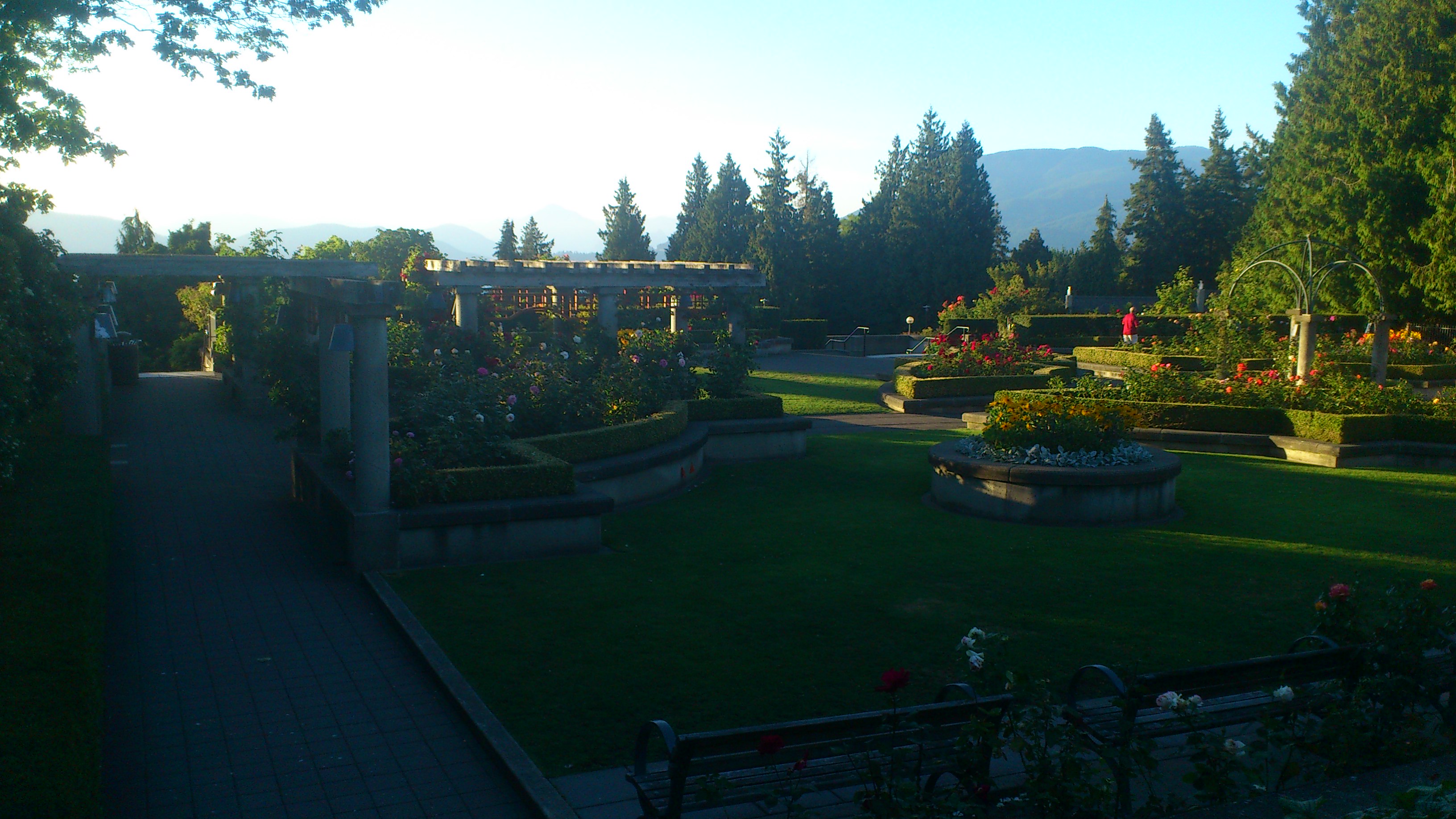

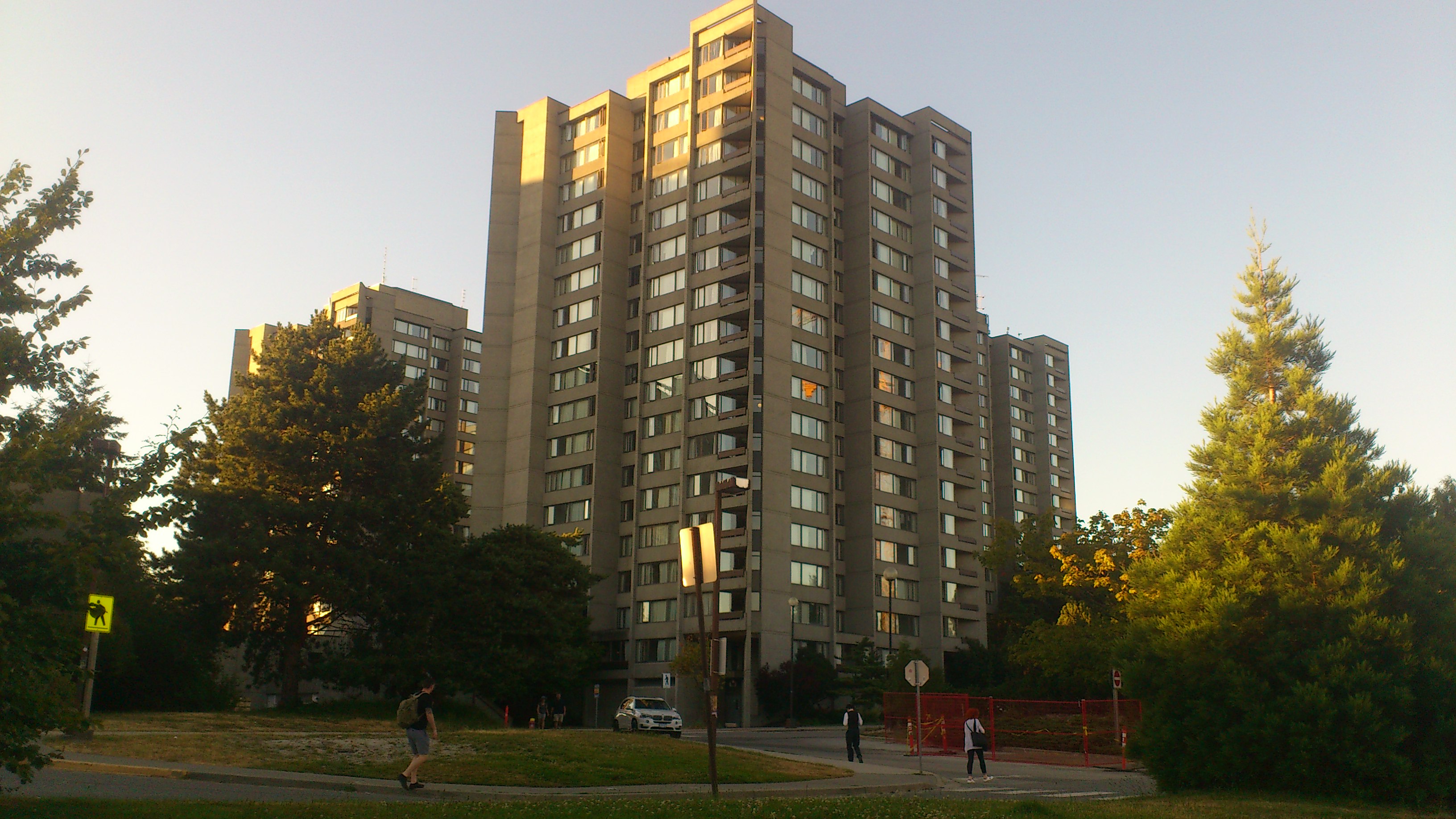


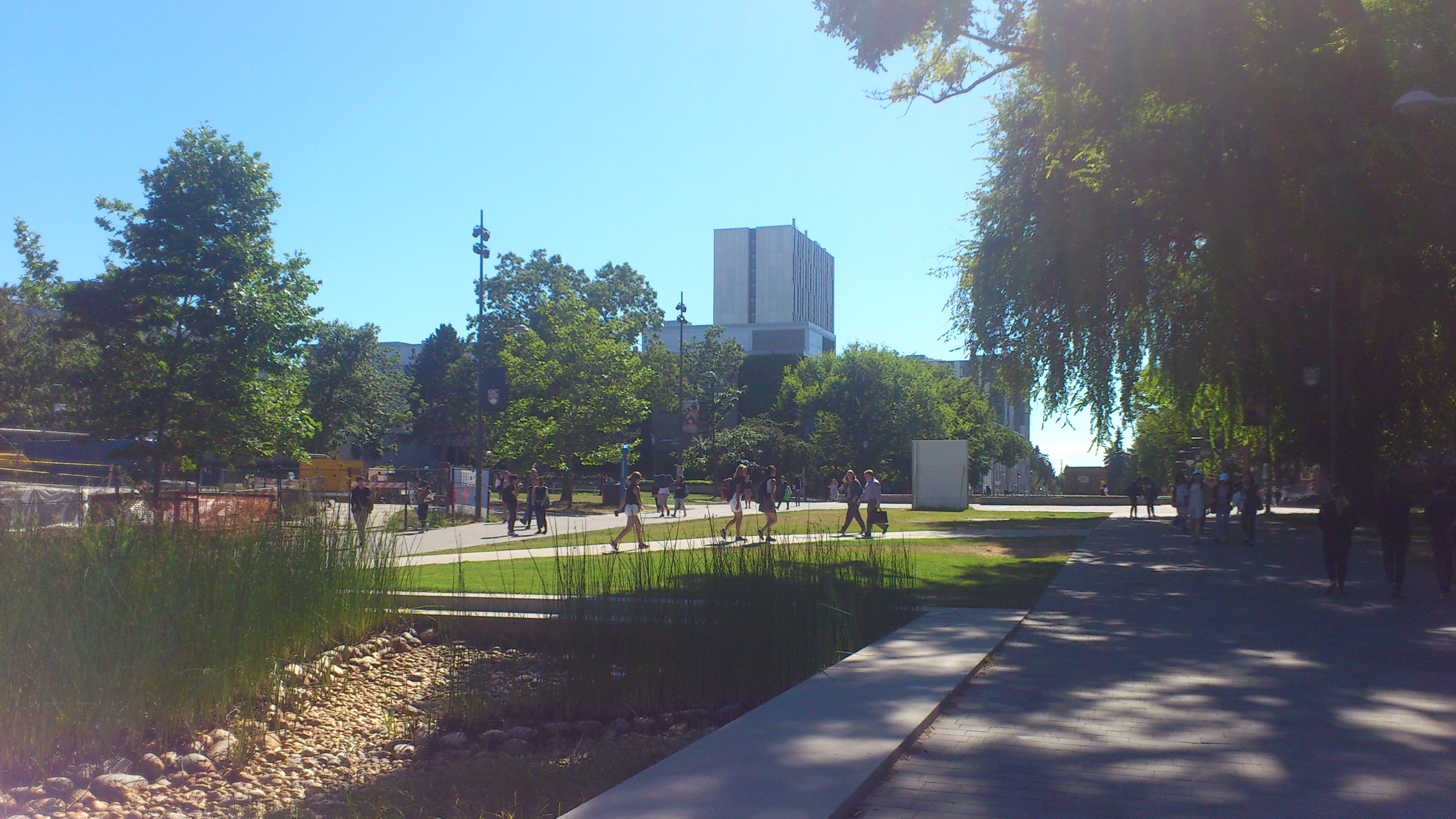
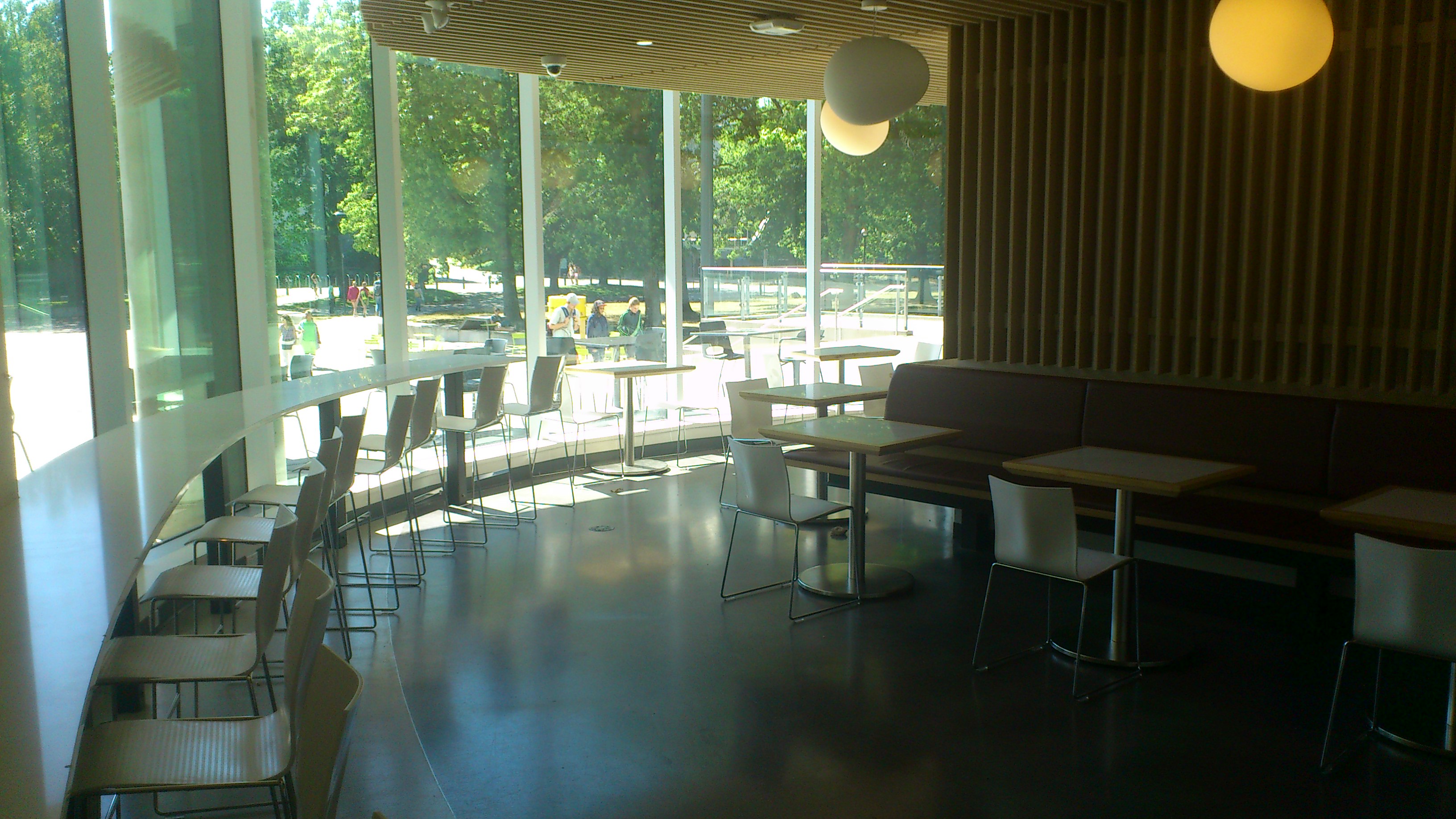
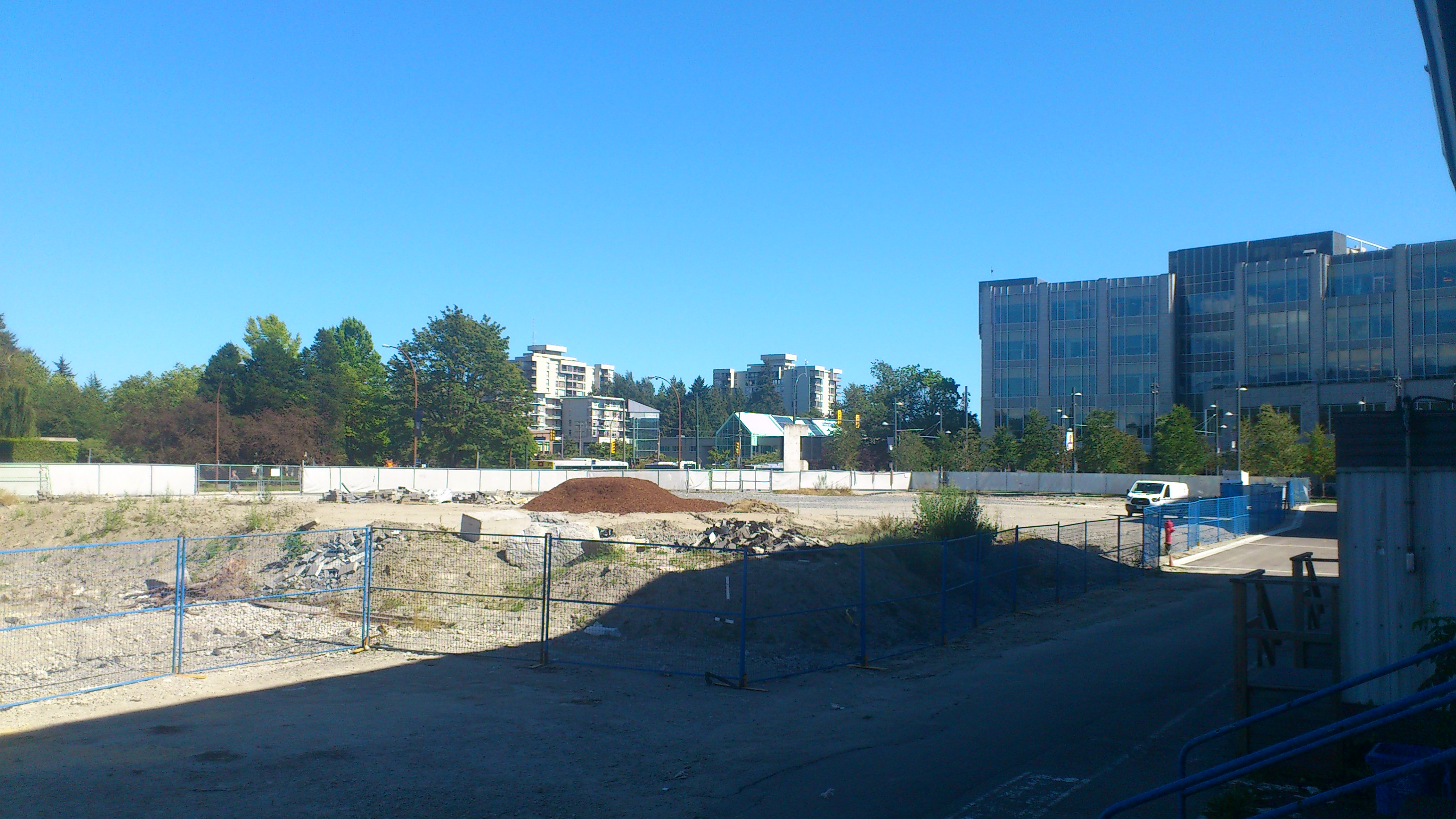
The University of British Columbia (UBC) is a public research university with campuses in Vancouver and Kelowna, British Columbia. Established in 1908, UBC is British Columbia’s oldest university. The university is ranked among the top 20 public Universities worldwide and among the top three in Canada. With an annual research budget of $600 million, UBC funds over 8,000 projects a year.
The Vancouver campus is situated about 10 km (6 mi) west of Downtown Vancouver. UBC is home to TRIUMF, Canada’s national laboratory for particle and nuclear physics, which houses the world’s largest cyclotron. In addition to the Peter Wall Institute for Advanced Studies and Stuart Blusson Quantum Matter Institute, UBC and the Max Planck Society collectively established the first Max Planck Institute in North America, specializing in quantum materials. One of the largest research libraries in Canada, the UBC Library system has over 9.9 million volumes among its 21 branches. The Okanagan campus, acquired in 2005, is located in Kelowna, British Columbia.
As of 2017, eight Nobel laureates, 71 Rhodes scholars, 65 Olympians, ten fellows in both American Academy of Arts & Sciences and the Royal Society, and 208 fellows to the Royal Society of Canada have been affiliated with UBC.Three Canadian prime ministers, including Canada’s first female prime minister Kim Campbell and current prime minister Justin Trudeau have been educated at UBC.
The main campus is at Point Grey, approximately 10 kilometres (6.2 mi) from downtown Vancouver. It is near several beaches and has views of the North Shore mountains. The 7.63-square-kilometre (1,890-acre) Pacific Spirit Regional Park serves as a green-belt between the campus and the city. Buildings on the Vancouver campus occupy 1.09 million m2 (11.7 million sq ft) gross on 1.7 square kilometres (420 acres) of maintained land. The campus street plan is mostly in a grid of malls (some of which are pedestrian-only). Lower Mall and West Mall are in the southwestern part of the peninsula, with Main, East, and Wesbrook Malls northeast of them.
The campus is not within Vancouver’s city limits, and therefore UBC is policed by the RCMP rather than the Vancouver Police Department. However, the Vancouver Fire Department provides service to UBC under a contract. In addition to UBC RCMP, there is also the UBC Campus Security that patrols the campus. Postage sent to any building on campus includes Vancouver in the address.
UBC Vancouver also has two satellite campuses within the City of Vancouver: at Vancouver General Hospital, for the medical sciences, and at Robson Square in downtown Vancouver, for part-time credit and non-credit programmes. UBC is also a partner in the consortium backing Great Northern Way Campus Ltd, and is affiliated with a group of adjacent theological colleges, which include the Vancouver School of Theology, Regent College, Carey Theological College and Corpus Christi College.
The campus is home to numerous gardens. The UBC Botanical Garden and Centre for Plant Research, the first UBC department, holds a collection of over 8000 different kinds of plants used for research, conservation and education. The UBC botanical garden’s original site was at the “Old Arboretum”. All that remains of it today are trees planted in 1916 by John Davidson. The old arboretum is now home to many buildings including the First Nations House of Learning. The Nitobe Memorial Garden, built to honour Japanese scholar Inazo Nitobe, the garden has been the subject of more than fifteen years’ study by a UBC professor, who believes its construction hides a number of impressive features, including references to Japanese philosophy and mythology, shadow bridges visible only at certain times of year, and positioning of a lantern filled with light at the exact date and time of Nitobe’s death each year. The garden is behind the University’s Asian Centre, which was built using steel girders from Japan’s exhibit at Osaka Expo.
The campus also features the Chan Centre for the Performing Arts: a performing arts centre containing the Chan Shun Concert Hall, Telus Studio Theatre and the Royal Bank Cinema. It is often the site of convocation ceremonies and the filming location for the 4400 Center on the television show The 4400, as well as the Madacorp entrance set on Kyle XY. It has also been featured as the Cloud 9 Ballroom in the re-imagined Battlestar Galactica (Season 1, Episode 11: Colonial Day).
Since the mid 1980s UBC has worked with property developers to build several large residential developments throughout UBC’s campus. Such developments include: Chancellor Place, Hampton Place, Hawthorn Place and Wesbrook Village.
 Igor's Blog