





https://www.selux.us/usa/en/cases/west-side-highway
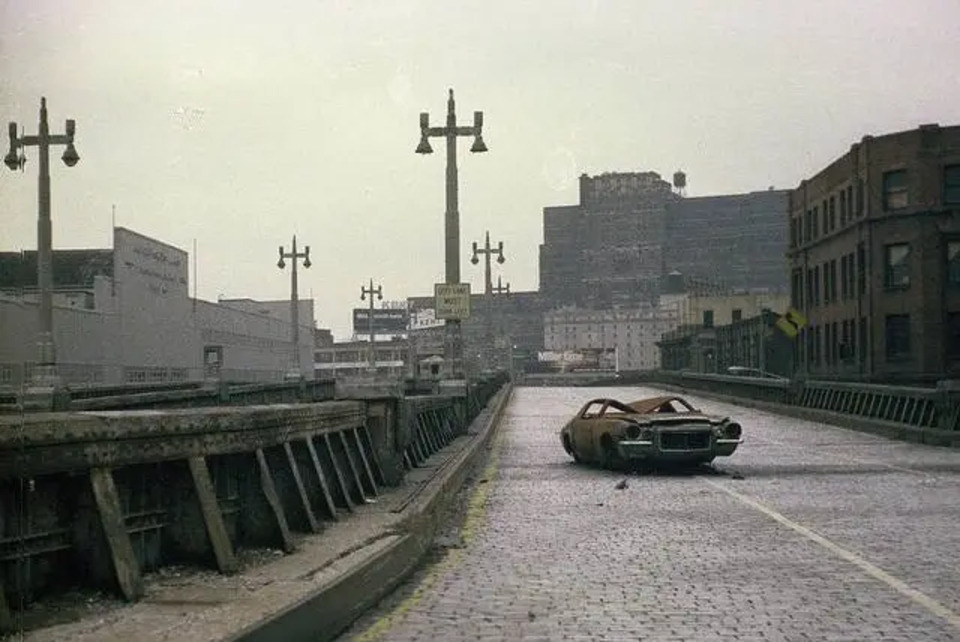
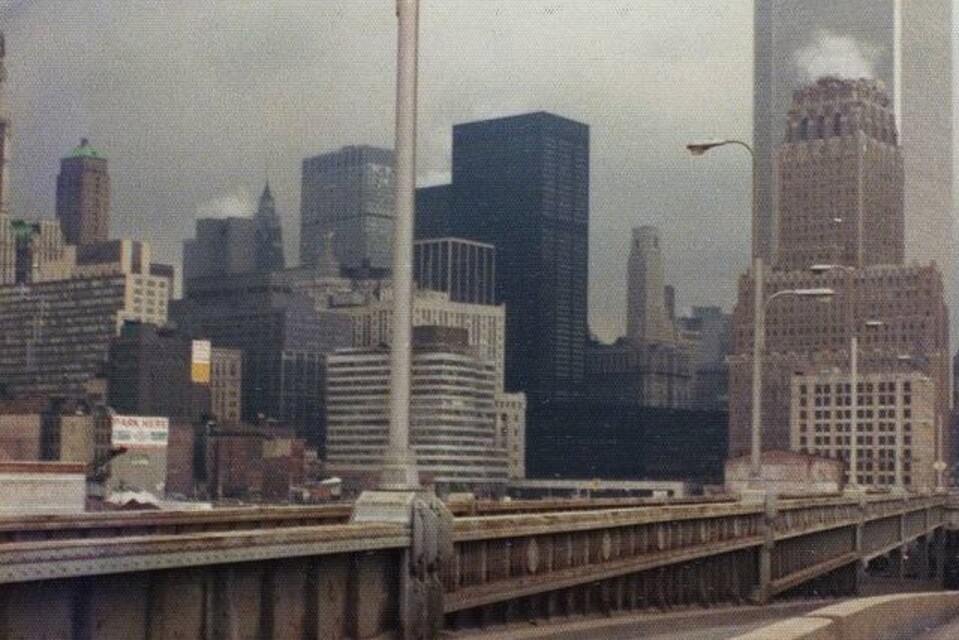
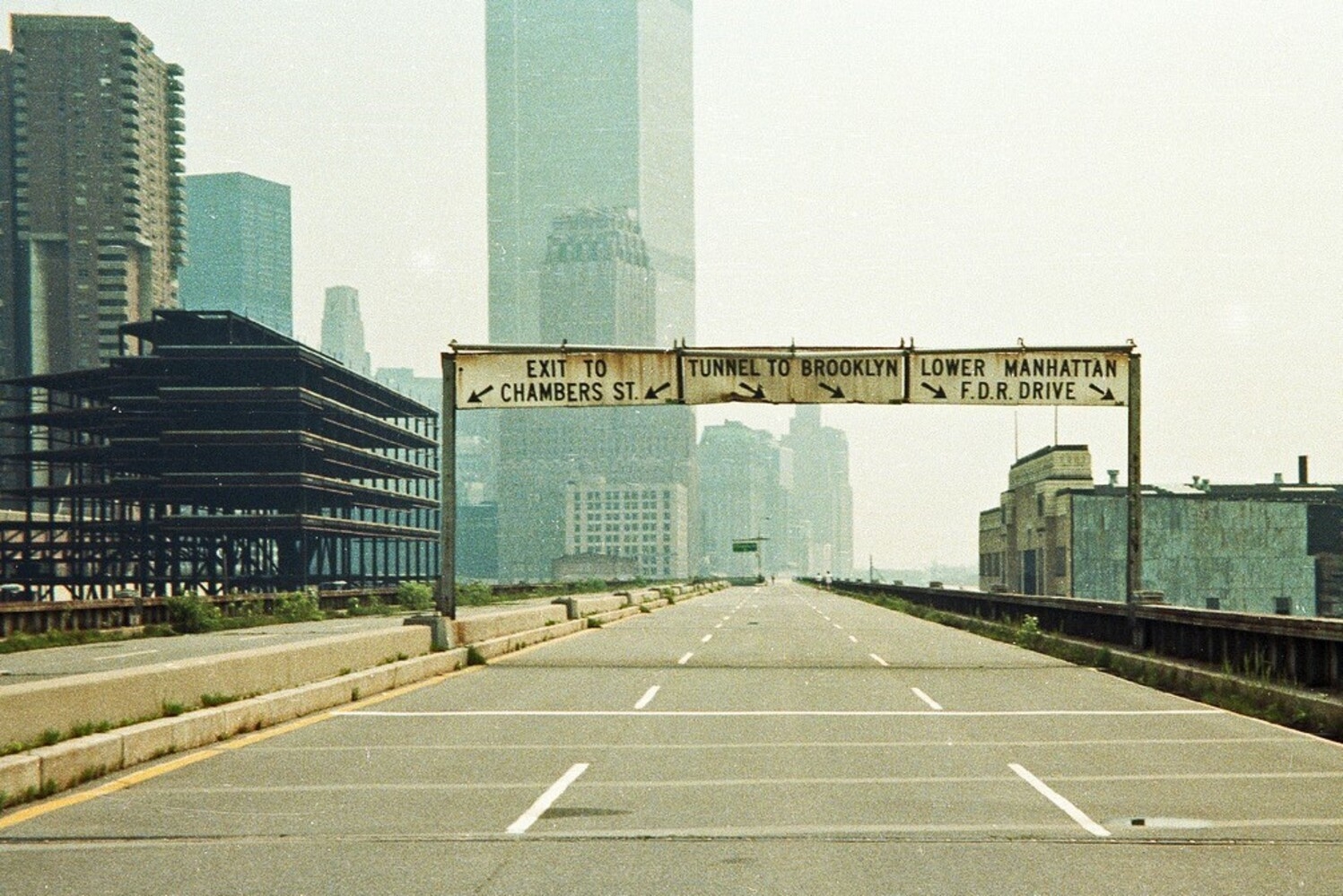
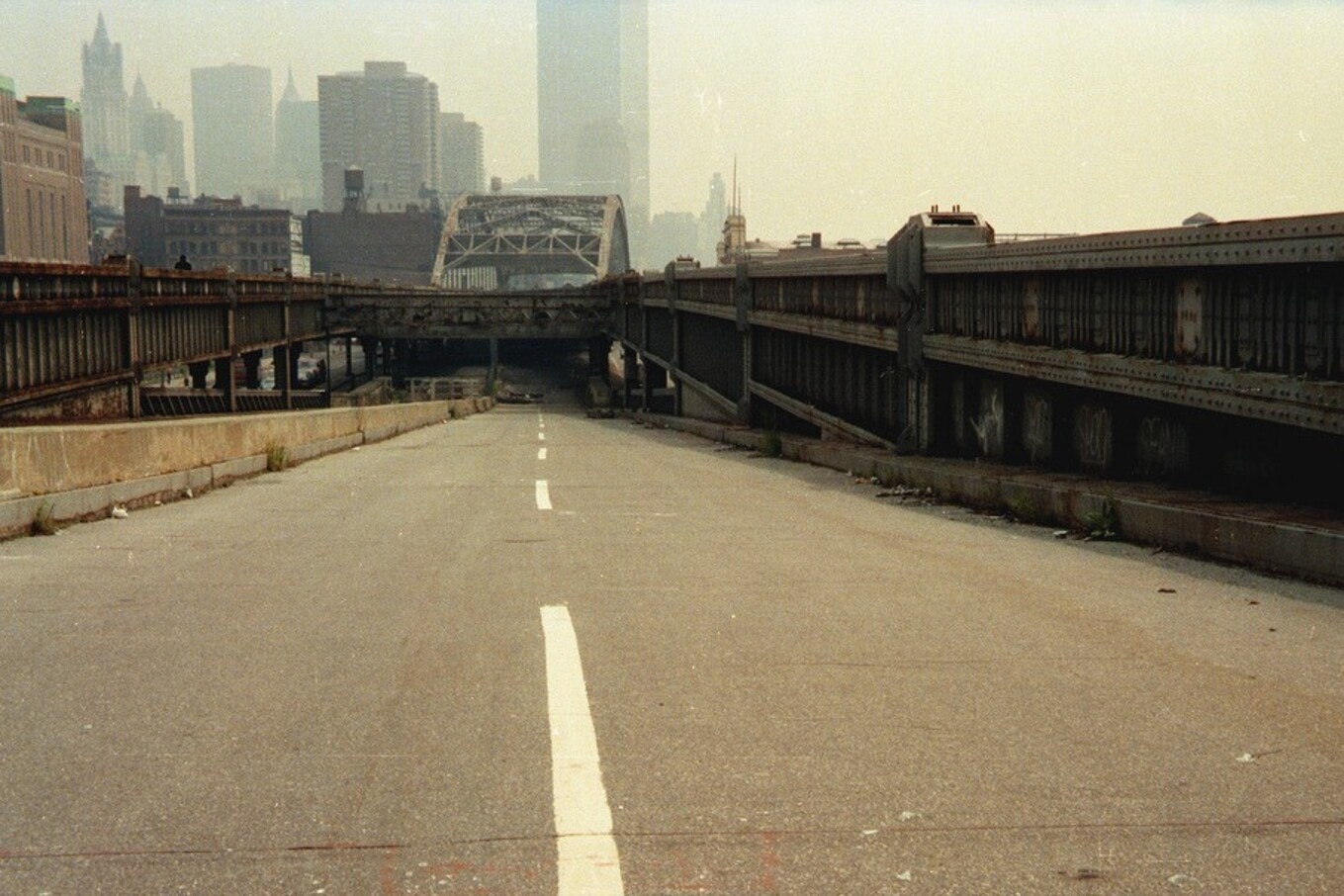
The West Side Highway (officially the Joe DiMaggio Highway) is a mostly surface section of New York State Route 9A (NY 9A) that runs from West 72nd Street along the Hudson River to the southern tip of Manhattan in New York City. It replaced the West Side Elevated Highway, built between 1929 and 1951, which was shut down in 1973 due to neglect and lack of maintenance, and was dismantled by 1989. The current highway was complete by 2001, but required some reconstruction due to damage sustained in the 9/11 attacks. It uses the surface streets that existed before the elevated highway was built. Thousands of tourists, joggers, bikers, and commuters travel the West Side Highway every day.
Selux Corral Columns and Bollards were installed at the West Side Highway, located across from the Jacob Javitz Convention Center on the downtown New York riverside. The columns gracefully illuminate the terminal as well as riverwalk attractions.
Halo is a series full of people’s happiest memories and moments. So in preparation for Halo Infinite let’s go through the Halo Series to see how the games hold up. Welcome to the Halo Series Retrospective
Timestamps:
0:00 Intro
2:21 Halo CE
15:25 Halo 2
28:57 Halo 3
48:41 Halo ODST
59:37 Halo Reach
1:17:18 Halo 4
1:31:43 Halo 5
1:47:27 Outro


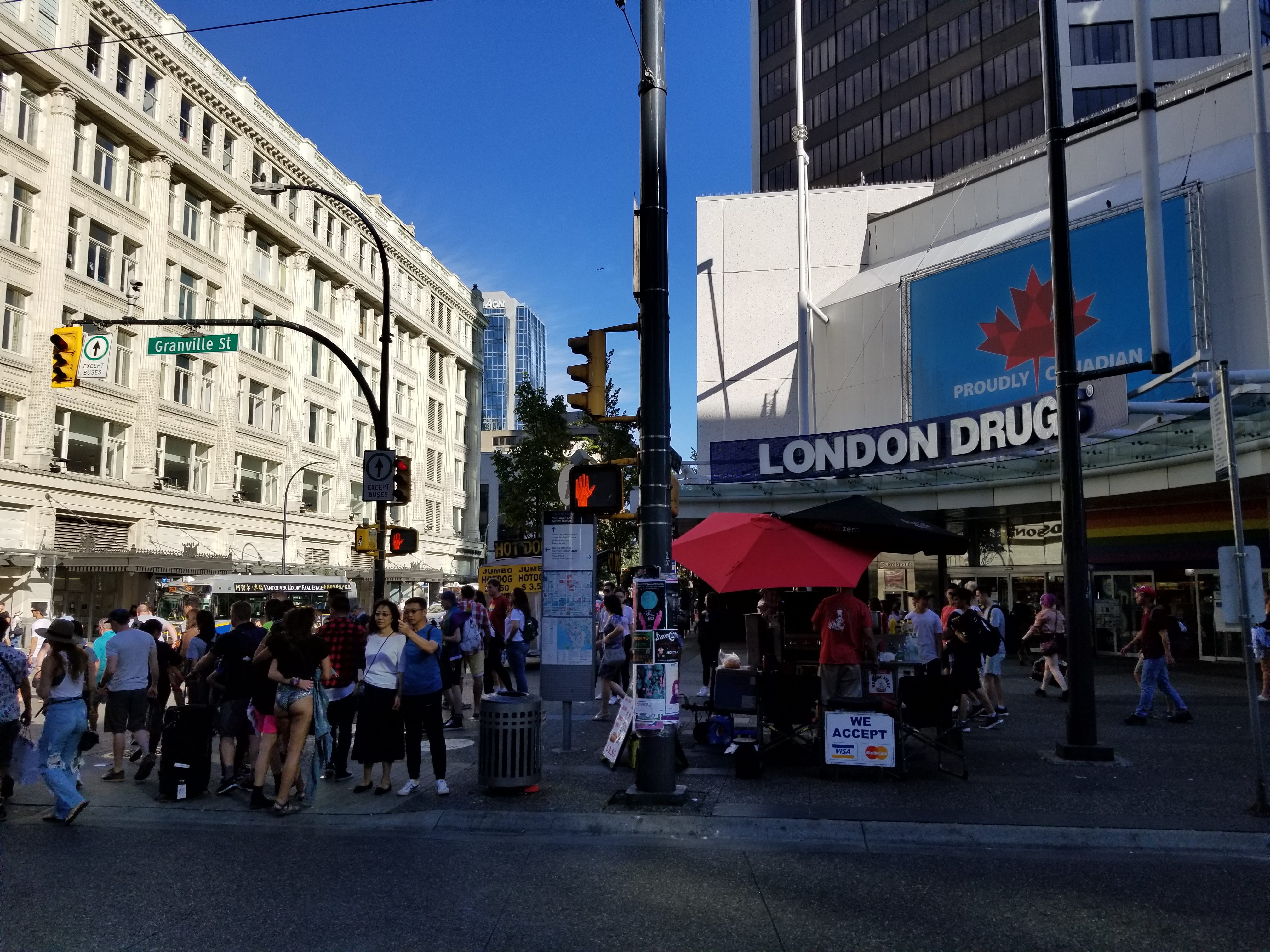
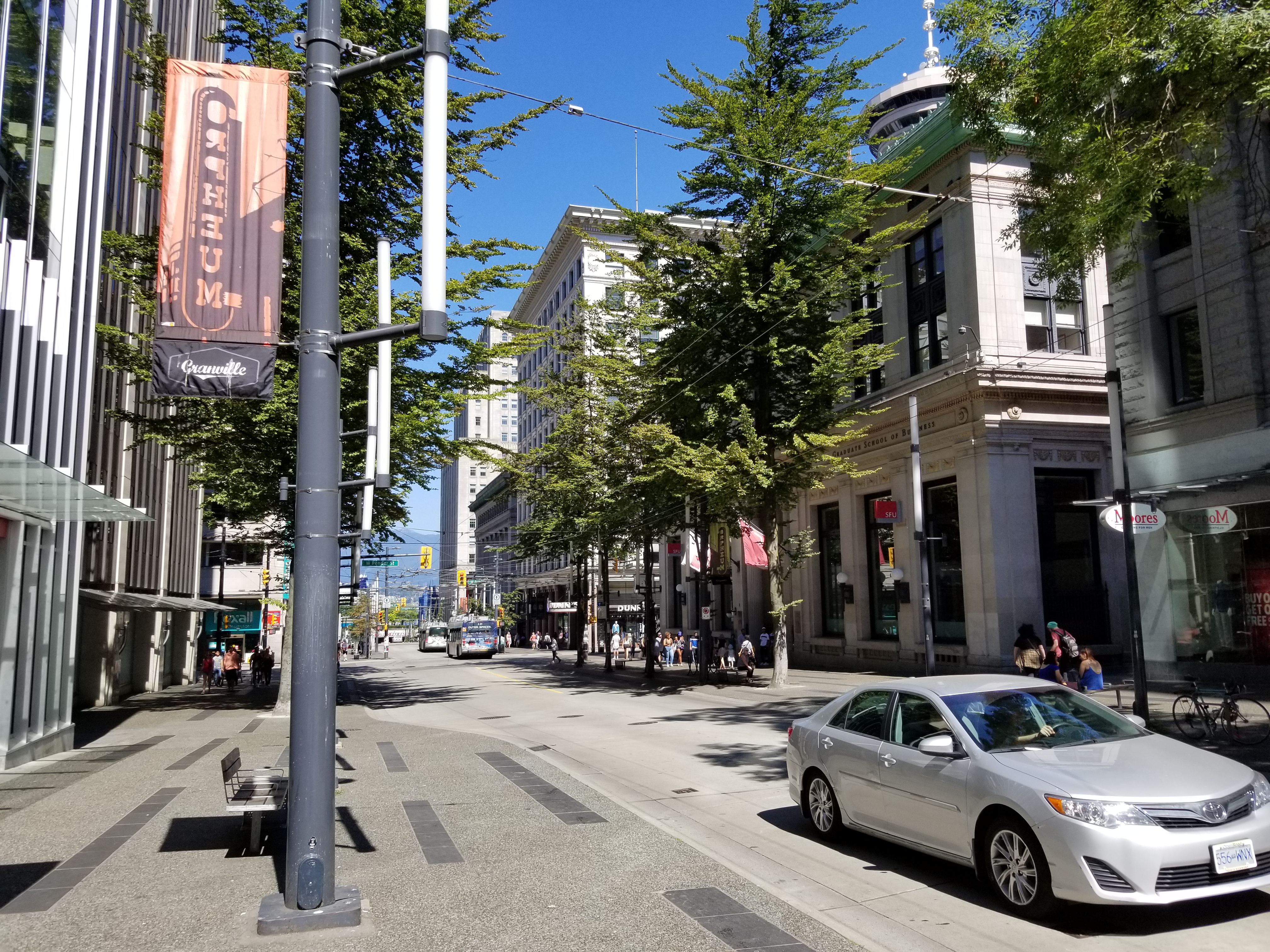
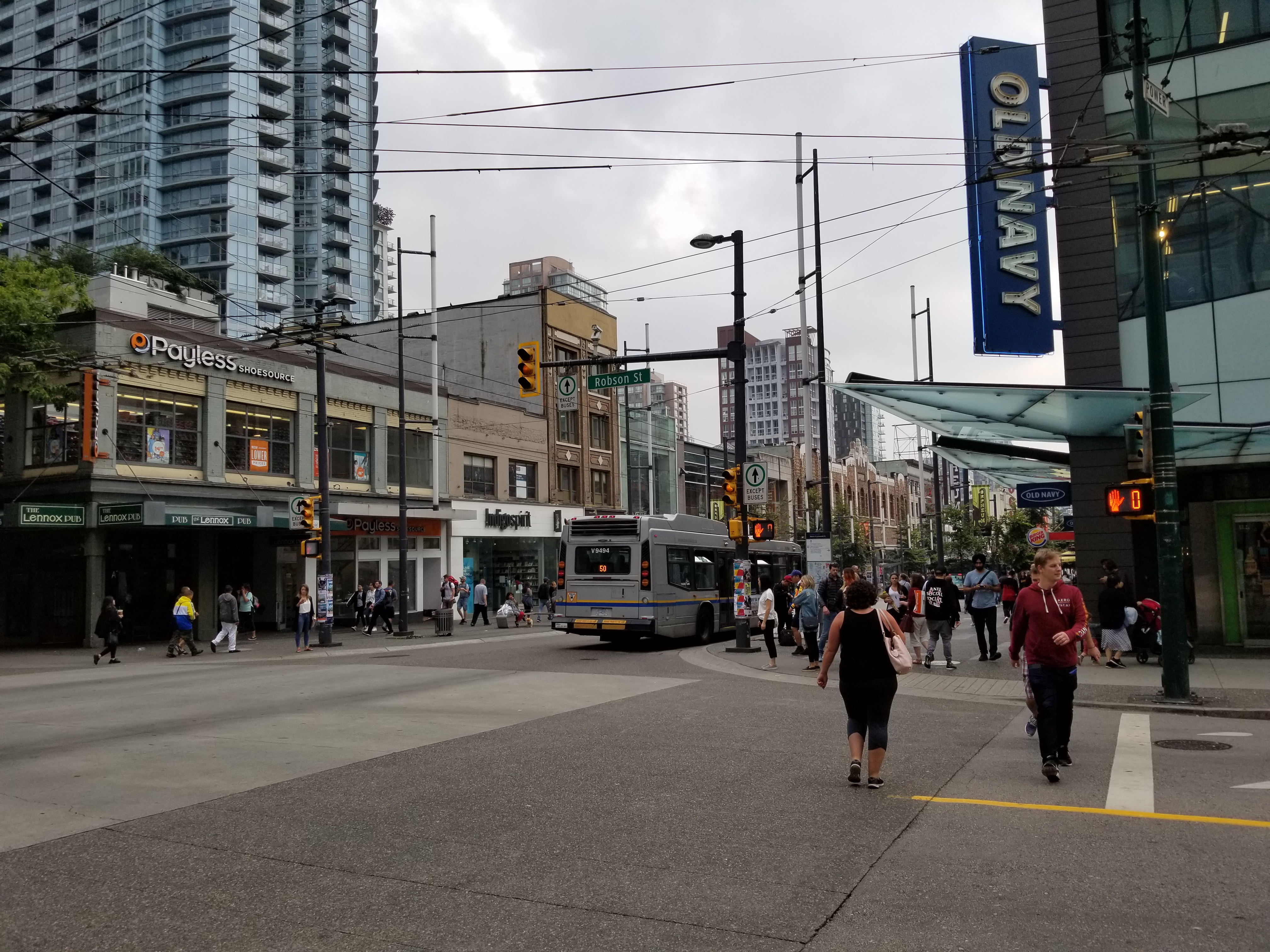
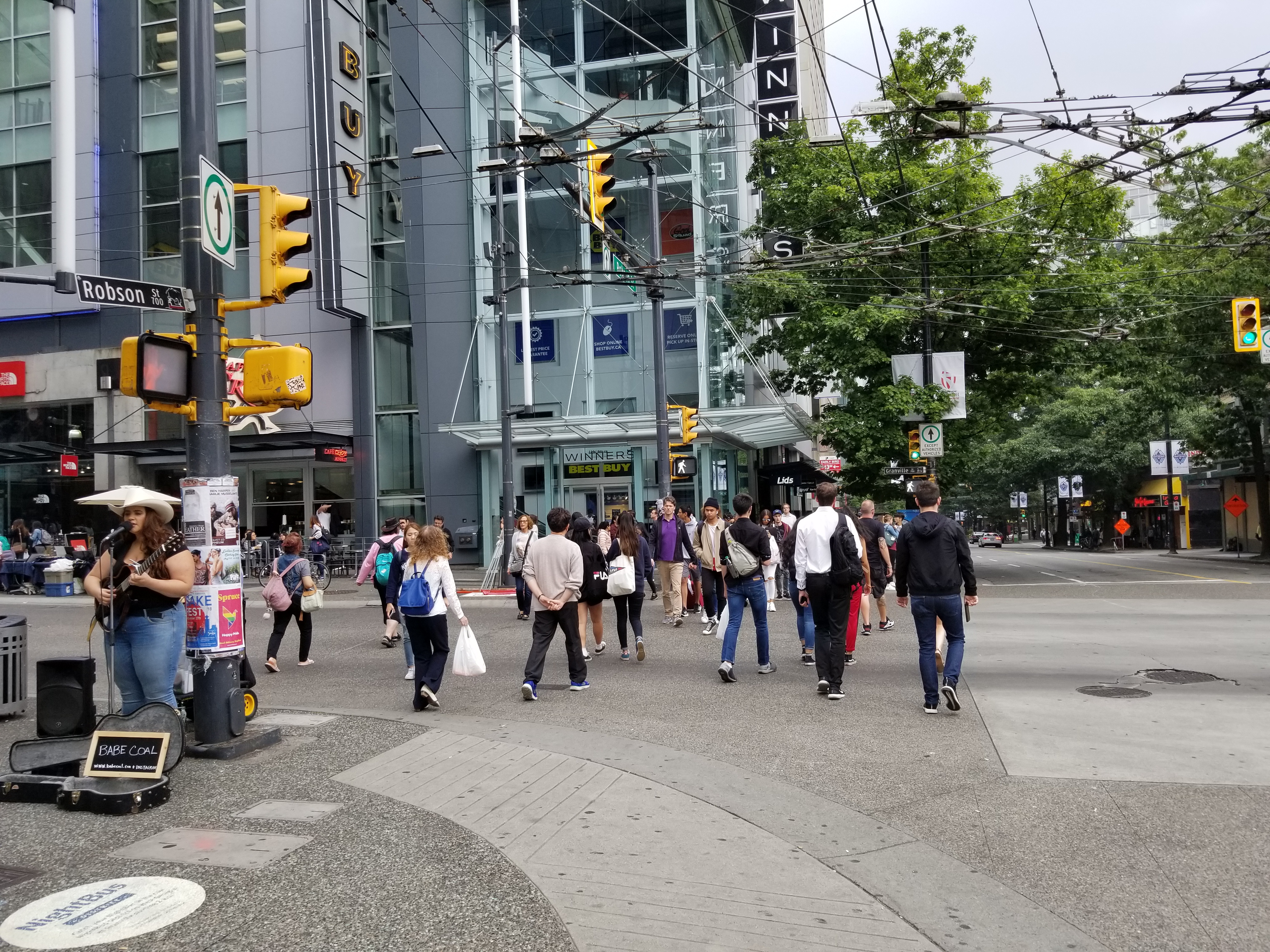

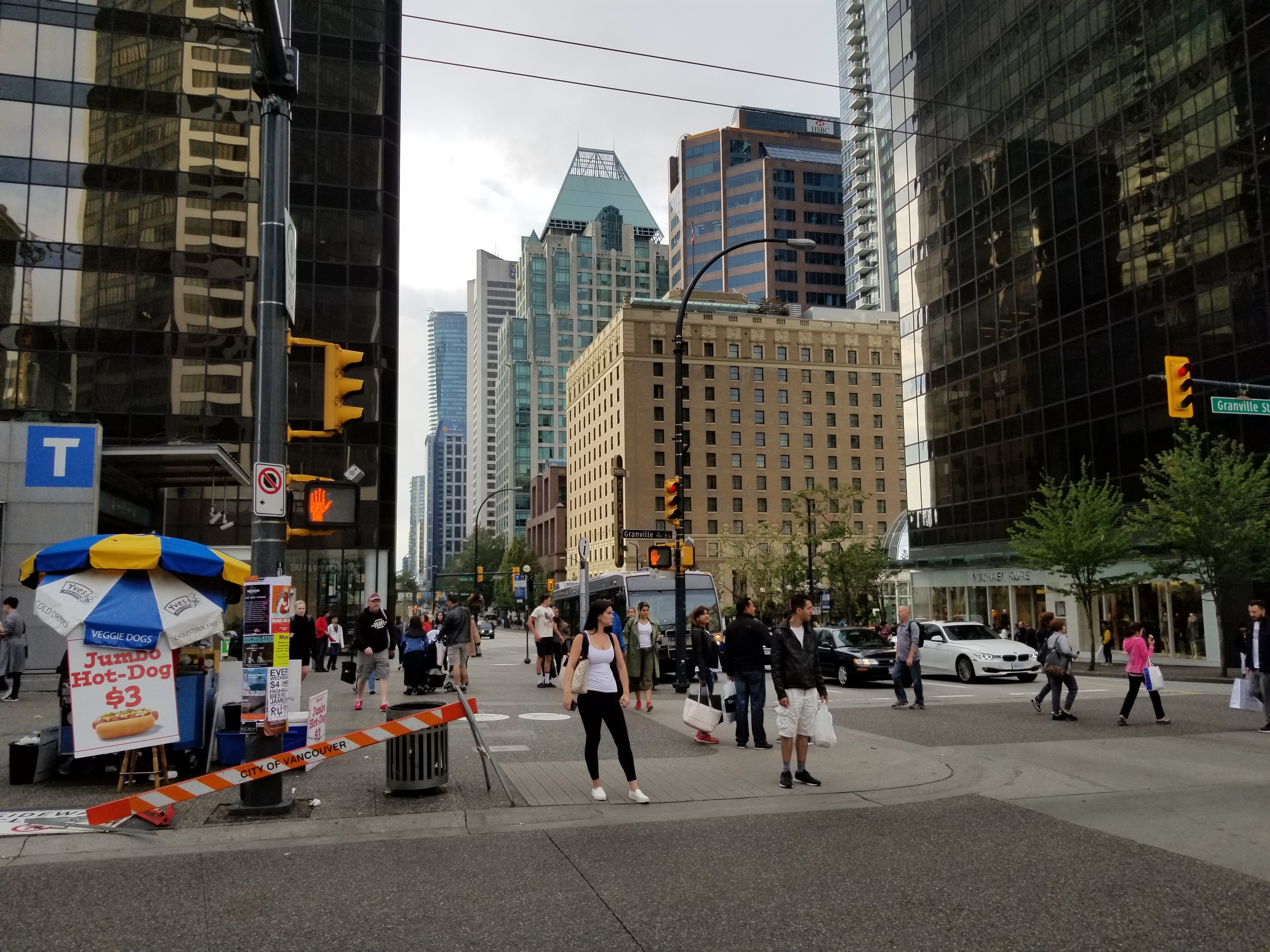


Granville Street is a major street in Vancouver, British Columbia, Canada, and part of Highway 99. Granville Street is most often associated with the Granville Entertainment District and the Granville Mall. This street also cuts through suburban neighborhoods like Shaughnessy, and Marpole via the Granville Street Bridge.
The community was known as “Gastown” (Gassy’s Town) after its first citizen – Jack Deighton, known as “Gassy” Jack. “To gas” is period English slang for “to boast and to exaggerate”. In 1870 the community was laid out as the “township of Granville” but everybody called it Gastown. The name Granville honours Granville Leveson-Gower, 2nd Earl Granville, who was British Secretary of State for the Colonies at the time of local settlement.
In 1886 it was incorporated as the city of Vancouver, named after Captain George Vancouver, who accompanied James Cook on his voyage to the West Coast and subsequently spent 2 years exploring and charting the West Coast.
During the 1950s, Granville Street attracted many tourists to one of the world’s largest displays of neon signs.
Towards the middle of the twentieth century, the Downtown portion of Granville Street had become a flourishing centre for entertainment, known for its cinemas (built along the “Theatre Row,” from the Granville Bridge to where Granville Street intersects Robson Street), restaurants, clubs, the Vogue and Orpheum theatres, and, later, arcades, pizza parlours, pawn stores, pornography shops and strip clubs.
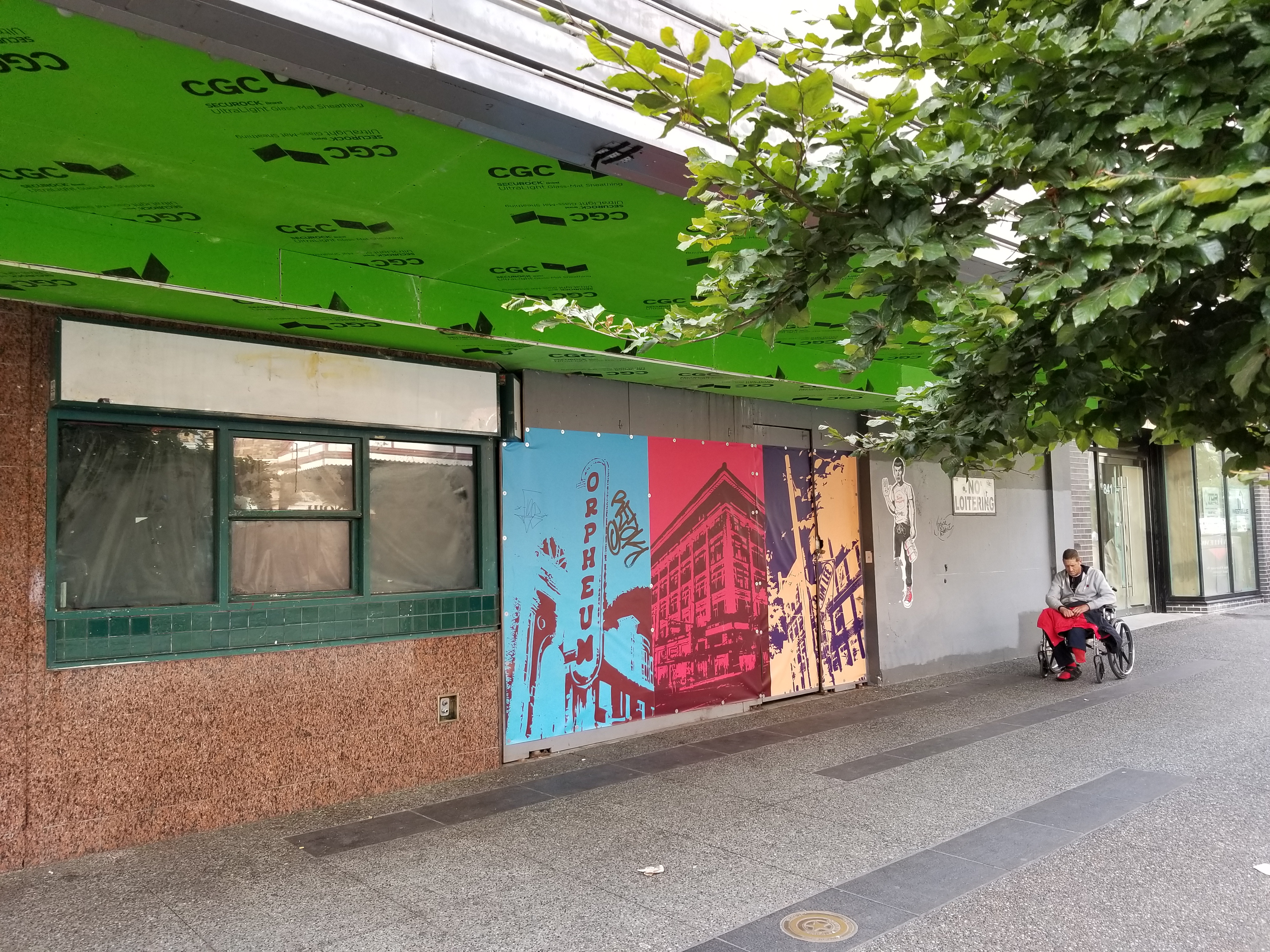
By the late 1990s, Granville Street suffered gradual deterioration and many movie theatres, such as “The Plaza, Caprice, Paradise, [and] Granville Centre […] have all closed for good,” writes Dmitrios Otis in his article “The Last Peep Show.” In the early 2000s, the news of the upcoming 2010 Winter Olympic Games, to be hosted in Whistler, a series of gentrification projects, still undergoing as of 2006, had caused the shutdown of many more businesses that had heretofore become landmarks of the street and of the city.
Also, Otis writes that “once dominated by movie theatres, pinball arcades, and sex shops [Downtown Granville is being replaced] by nightclubs and bars, as […it] transforms into a booze-based ‘Entertainment District’.” In April 2005, Capitol 6, a beloved 1920s-era movie theatre complex (built in 1921 and restored and reopened in 1977) closed its doors (Chapman). By August 2005, Movieland Arcade, located at 906 Granville Street became “the last home of authentic, 8 mm ‘peep show’ film booths in the world” (Otis). On July 7, 2005, the Granville Book Company, a popular and independently owned bookstore was forced to close (Tupper) due to the rising rents and regulations the city began imposing in the early 2000s in order to “clean up” the street by the 2010 Olympics and combat Vancouver’s “No Fun City” image. (Note the “Fun City” red banners put up by the city on the lamp-posts in the pizza-shop photograph). Landlords have been unable to find replacement tenants for many of these closed locations; for example, the Granville Book Company site was still boarded up and vacant as of July 12, 2006.
While proponents of the Granville gentrification project in general (and the 2010 Olympics in specific) claim that the improvements made to the street will only benefit its residents, the customers frequenting the clubs and the remaining theatres and cinemas, maintain that the project is a temporary solution, since the closing down of the less “classy” businesses, and the build-up of Yaletown-style condominiums in their place, will not eliminate the unwanted pizzerias, corner-stores and pornography shops – and their patrons – but will simply displace them elsewhere (an issue reminiscent of the city’s long-standing inability to solve the problems of the DTES).
Jamiroquai’s official music video for ‘Deeper Underground’.
I don’t only play old video games from time to time. I read old video game magazines too. I recently finished reading the April 1999 issue of the Official U.S. PlayStation Magazine. It took more than a year for me to get through it because I read it slowly. This issue features an article about Final Fantasy VIII, which got released in Japan before it got released in North America, and about some RPGs that got released for the PlayStation in 1998 and 1999. It’s stated in the article that Final Fantasy VII played a very big role in popularizing role-playing video games, especially in North America. Another article is about the PocketStation. Although I have no interest in the PocketStation, the article was still an interesting read for me. And there are dozens of reviews of games for the PlayStation in the issue too. What surprised me a little is that Silent Hill (1999) received a rating of 4 out of 5 stars from the magazine. Silent Hill is now considered to be a classic and one of the greatest video games of all time. I played it a few years ago for the first time on my Anbernic RG350m, and I can say that it’s easily one of the best PlayStation games that I’ve played. In fact, it’s one of the most memorable video games that I’ve played. Xenogears (1999), which is another PlayStation classic, also got 4 out of 5 stars from the magazine. I played Xenogears on my PlayStation Vita several years ago. Since Silent Hill is a great video game, this makes me wonder if any of the people that were involved in making this game were autistics. It’s because so many of the greatest video game designers, like so many of the greatest and most original people in any other creative field, are autistics. I can, of course, try to find out, but this would take time. Autistics create what neurotypicals (normal people) admire and try to imitate. Anyway, this issue of PlayStation Magazine also features a Silent Hill guide with maps and walkthroughs. Overall, this issue isn’t bad because it got me interested in some PlayStation games that I didn’t know about before. Most of the pleasure for me came from the fact that I was reading a magazine that got released at a time when many great video games were being made. It was a time when, for example, Square still made good RPGs. If anyone is wondering if I played The Legend Of Zelda: Tears Of The Kingdom (2023) yet, I have to say no. I don’t own a Nintendo Switch, and I don’t plan on buying a Switch. But Tears Of The Kingdom is available only on the Switch. I already pointed out in an earlier post that I stopped buying anything that’s made by Nintendo after I found out that Nintendo has been shutting down ROM websites and suing the owners of these websites and of emulation websites. And Nintendo is continuing this endeavor. Therefore, I won’t be buying Tears Of The Kingdom or anything else made by Nintendo. It’s possible that I won’t buy anything by Nintendo ever again. Although I must admit that Nintendo has managed to make several very good video games since the release of the Switch in 2017, none of them, except for The Legend Of Zelda: Breath Of The Wild, have been on my mind for long. I haven’t been losing sleep from the fact that I haven’t played any of the newer Nintendo games because I own plenty of other games on other consoles. I’m not a child anymore, and, therefore, owning the latest stuff, like the latest video games or consoles, isn’t important to me. For example, I finished playing Silent Hill 3 (2003) for the PlayStation 2 at the end of 2023, although I used the PCSX2 emulator to play it on my laptop. Playing Silent Hill 3 did bring enjoyment to me, and I like this game almost as much as I like Silent Hill and Silent Hill 2. Although the story and the characters aren’t as good as the ones in the first two games, Silent Hill 3 still features a gripping story and plenty of creepy, superb locations. These areas, like the areas in Silent Hill 2, are sixth-generation console graphics at their best and most memorable. These graphics may not be as detailed as the graphics in later video games, but their design and use of light make them better than a lot of what came later. Among the influences on Silent Hill 3 are the film Jacob’s Ladder (1990) and the works of horror novelist Stephen King. Other than Silent Hill 3 and Halo 4, I haven’t yet finished playing the other few video games that I’ve been slowly playing in the last several months. So, even seeing the films Rich Evans: An American Saga and The Stoklasa Paradox didn’t bring me as much fun as playing Silent Hill 3 last year.
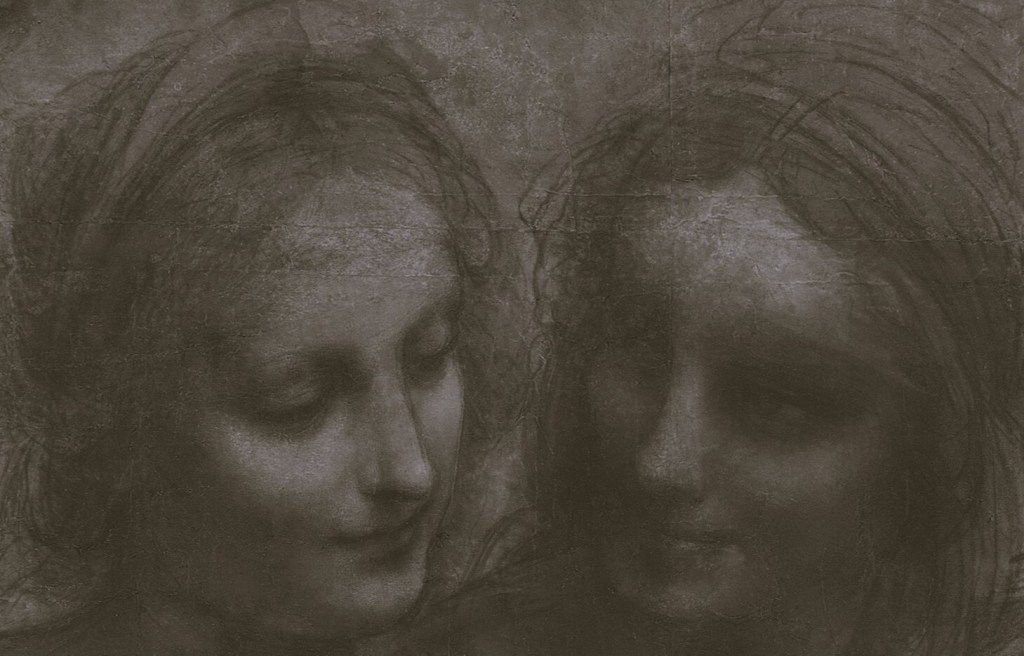
Another thing that I can claim is that I finished reading Caroline Finkel’s book ‘Osman’s Dream: The History of the Ottoman Empire 1300-1923’ (2005) a few months ago. This is one of the books that Andrei Fursov recommended on his webpage. It took several years for me to finish reading Osman’s Dream because I was reading it slowly. The book is thick (about 1,000 pages), and, therefore, finishing to read it felt like quite an accomplishment for me. It’s simply a standard history of the Ottoman Empire. There’s nothing offensive about this book. Since Osman’s Dream is a modern book, the author’s writing is nothing special. In fact, I can even say that the author’s writing style is kind of dull, but that’s to be expected from modern books. So, overall, Osman’s Dream was a fine read for me, and I can definitely recommend it because I did get some new information from it. But I was somewhat familiar with the history of the Ottoman Empire even before I began reading Finkel’s book. Since I got an urge to find out more about Leonardo da Vinci and his works several months ago, one of the books that I bought is ‘Leonardo da Vinci’ (1975) by Maurice Rowdon. This book is old and well-written, but it’s not thick and it features many photographs and all of the paintings by Leonardo in color, which is the big reason why I bought it. I haven’t yet finished reading the book, but the author described Leonardo as follows. “Just as Florence was all that was modern in fifteenth-century Europe. It was what we in our day call a ‘democracy’, namely a society controlled by money-interests rather than military dukes like Milan or an aristocracy whose names were in a Golden Book like Venice or by the Church like Rome (with its satellite towns all over the Romagna) or by hereditary princes like Naples and the Two Sicilies or by clever, often cruel, usurpers like most of the other towns in Italy. The Medici were, in Leonardo’s time, the top political family, with a network of banks all over Europe, the chief function of which was to lend money to other political families. Edward IV of England won his wars, and laid the basis of the English state, on Medici loans. The Holy Roman Emperor, Maximilian, borrowed plentifully, as his wife Margaret did too (between them they broke the Medici bank at Bruges). Yet in Florence the Medici were simply private citizens. He began to intrigue and puzzle the Milanese, and it was no doubt curiosity as much as need that made Ludovico summon him to Court one day. It is said that he received Leonardo standing up (he was, after all, a year younger than Leonardo, apart from being a usurper). And it is also said that of the two Leonardo was the less nervous. That was typical of him. He loved luxury but lived simply; he believed in princes but felt superior to them. But then he felt superior to almost everyone in the matter of intelligence. He was prepared to demean himself for his ideas, but in his style of life never. He had few ardent moral concerns, as Michelangelo had. He was never much worried about whether the Church reformed itself or not. His mind went on working as if society did not exist, but, more than that, as if people did not exist either. Yet he delighted in people. He delighted in his young servant boy whom he picked up in Milan at the age of ten and called ‘Salai’ or ‘little devil’. But it was a strangely uninvolved delight. Ludovico was frightened of the conspirator’s dagger. And Leonardo was safer at the Court of a frightened man than at a settled Court with its fixed intrigues which could cold-shoulder an enigma, as he himself was. He took long walks, of which the reclusive (and enigmatic) landscape of rocks and water in the second Virgin of the Rocks was the result. He went on dissecting at night in Milan’s hospital. In one sense at least he was an ideal friend for a prince – for his extreme reserve was never coldness, his understanding of princely problems was without familiarity, his love of processions and balls and fireworks and melodramas (as the musical plays fashionable at courts came to be called) never tipped over into licence. Solitude always claimed him back. It revealed the future. He predicted the least predictable aspects of the modern world – air travel, space travel (‘many creatures of the earth shall mount up among the stars’), the telephone (‘men from the most remote countries shall speak to one another and shall reply’), nuclear physics. He had no interest in wealth, though he preferred to be surrounded by it. Probably he could have amassed a fortune out of his commissions had he tried. He never bothered so much as to prove himself reliable – and patrons like to know if the work they finance is going to get finished. His delays, especially in Milan, during his most fertile period, were due to an over-full mind: he simply could not prevent ideas rushing pell-mell into it – for scythe-armed chariots, airburst shells, brothels with three entrances to secure anonymity for visitors. The friars of the Immaculate Conception would find him gazing at the half-finished picture from a chair, or walking in the fields, or poring over a book, or drawing something fantastic.” Another book that I’ve been reading slowly is ‘Broca’s Brain: Reflections on the Romance of Science’ (1979) by Carl Sagan. Although I began reading it only recently, and so far I’ve finished reading only 14% of this book, I’m still mentioning it now because Sagan’s brief overview of Albert Einstein’s life in the book struck me a little. Although famous autistics (at least those with Asperger syndrome) are very common, Einstein is usually one of the autistics that are mentioned on internet lists about autism, though I think that these lists, at least the ones that are easy to find, are terrible because they list only several people at most. In this way, such lists give one the impression that famous autistics are rare and that they’re not all around us, which is not true. Einstein is also mentioned in the book ‘Genius Genes: How Asperger Talents Changed the World’ (2007) by Michael Fitzgerald. This is another book that I’m slowly reading now. The other autistics mentioned in Fitzgerald’s book are Thomas Jefferson, Stonewall Jackson, Archimedes, Charles Babbage, Paul Erdos, Norbert Wiener, David Hilbert, Kurt Godel, Bernard Montgomery, Charles de Gaulle, Isaac Newton, Charles Darwin, Nikola Tesla, Henry Cavendish, Gregor Mendel, Gerard Manley Hopkins, H. G. Wells, Charles Lindbergh, John Broadus Watson, and Alfred Kinsey. When it comes to my own observations as of late, I think that the actress Jennifer Jones, the chemist Fritz Haber, the physicist Philip Morrison, the actress Elizabeth Taylor, the physician Avicenna, the actress Greta Garbo, the patron saint Joan of Arc, the musician Kurt Cobain, the film director Alfred Hitchcock, the physicist Marie Curie, the physicist J. Robert Oppenheimer, the industrialist Henry Ford, the engineer Robert H. Goddard, the inventor Thomas Edison, the rocket engineer Sergei Korolev, and the mathematician Srinivasa Ramanujan are famous people that are no longer alive that had autism. The animator Hayao Miyazaki isn’t dead, but I will still mention that he is autistic because he’s easily one of my favorite directors and manga artists. Anyway, Sagan’s description of Einstein impacted me because it revealed that Einstein was very similar to me. Of course, since Einstein also had autism, I expected to have some similarities with this famous theoretical physicist, but I didn’t expect for him to be so similar to me. It turns out that his thoughts, views, opinions, behavior, and actions were very similar to mine. But I can be considered a moderate in comparison to him because his autistic disobedience and his actions were more extreme than mine. I had no interest in Einstein until recently, and, in order to find out more about him, I recently bought the book ‘Einstein: The Life and Times’ (1971) by Ronald William Clark in paperback form when I was at a used book store. When it comes to the issue of whether or not there are more autistic males than autistic females, I think that there is no issue here. I think that there are just as many autistic females as autistic males. When I attended high school, I came across at least a few autistic female students and at least a few autistic male students. A high school is the best place for determining the percentage of autistics in society because it’s the only place where almost every person in society has to go. When it comes to autistic males in my grade, there was me, there was a student from Iran, and there was a Canadian student. It’s possible that there were a few others, like a Chinese-Canadian male student, but I’m not entirely sure about the others. So, there were at least three male students with autism, myself included. When it comes to autistic females, there was a Chinese-Canadian student, there was a student from Iraq, and there was a student from Indonesia. It’s possible that there were a few other autistic female students, but I’m not sure about them. The Chinese-Canadian female with autism was somewhat short and somewhat chubby. She was quiet and she kind of dressed like a boy. She wore the same clothes every day, which consisted of a black cap, a black jacket, a shirt, and black pants. She also wore glasses. It wasn’t easy to speak to her because she spoke quietly, she spoke rarely, and she had trouble engaging in conversations. The girl from Iraq was kind of skinny and of medium height. Many autistic girls have an eating disorder when they’re teenagers. She dressed normally, though she always wore pants or jeans, and she was considerably more sociable than the Chinese-Canadian girl. Still, she was the quiet type of autistic girl. Autistic girls can be quiet or they can be loud. The ones that are loud and that talk a lot often sound like they’re talking nonsense because engaging in socially acceptable conversations isn’t something that comes naturally to them. They can also often be mean and rude. The girl from Iraq usually had her head bent slightly downward. She had an autistic brother who was a year or two older than her and who attended the same school. This brother of hers had plenty of autistic aggression and he was impolite. This girl from Iraq had good manners, but she could be blunt at times, and she actually approached me and tried to form a friendship with me. So, I got to speak to her on several occasions. The autistic girl from Indonesia also tried to form a friendship with me. She too had good manners, she wore glasses, and she was kind of skinny. Perhaps it is true that autistics are attracted to one another, though I must say that normal (neurotypical) girls approached me too. Maybe some girls just find me attractive. There were also two twin girls from Japan in my grade. One was named Satoko and the other was named Ayako. They were both short and skinny, though Ayako was very skinny, almost skin and bones. They were both quiet, and they tried to do well academically. Although I didn’t get to speak to them, I think that they were autistics. Ayako was bullied in gym class. Many autistic girls, like many autistic boys, get bullied and ostracized at school. When it comes to the Chinese-Canadian girl with autism, I actually saw her getting bullied in class once. I can add that at least five of my teachers in high school had autism. So, as it turns out, there were at least several autistics in my grade, and I think that there were more autistic girls than autistic boys. When it comes to society as a whole, it’s possible that a few percent are people with Asperger syndrome, and there are probably just as many autistic women as autistic men.


Russia has undergone a dramatic economic and political transformation since the fall of the Soviet Union. This unique experience makes Russia an especially compelling case study in inequality research agenda. With such episodes as a failure of Soviet egalitarian ideology, the ‘big bang’ transition to the market economy, or the emergence of the so-called oligarchs (Guriev and Rachinsky 2005), charting Russian inequality patterns may cast additional light on the role of policies, institutions and ideology for understanding inequality dynamics. At the same time, recent inequality development needs to be also considered in the convergence discourse and regarding the possibility of inclusive growth.
In a recent paper, we focus on measuring inequality and explaining how the various existing sources can be combined in order to put Russia’s inequality trajectory in historical and comparative perspective (Novokmet et al. 2017).1 We find that official inequality estimates vastly underestimate the concentration of income in Russia. We also provide the first complete balance sheets for private, public, and national wealth in post-Soviet Russia, including an estimate for offshore wealth. This paper is part of a broader project that attempts to produce distributional statistics that are comparable across countriebs (Alvaredo et al. 2016).
The rise of private property in Russia
The major change that occurred between 1990 and 2015 is of course the transition from communism to capitalism, i.e. from public to private property. The net national wealth amounted to slightly more than 400% of national income in 1990, including about 300% for net public wealth (roughly three quarters) and little more than 100% for net private wealth (one quarter). In 2015, the proportions are basically reversed: net national wealth amounts to 450% of national income, including more than 350% for net private wealth and less than 100% for net public wealth (Figure 1). The dramatic fall in net public wealth happened in a couple of years only, between 1990 and 1995, following the so-called shock therapy and voucher privatisation.
One key finding is the critical role played by housing for the rise of private wealth (see Figure 2). Private housing increased from less than 50% of national income in 1990 to 250% of national income in 2008-2009, and decreased to about 200% of national income by 2015. This rise has been a result of both the volume effect, stemming from the huge housing privatisation transfer, and the price effect induced by the rise of real estate prices.
But what is particularly striking is the very low level of recorded financial assets owned by Russian households. Household financial assets have always been less than 70-80% of national income throughout the 1990-2015 period, and they have often been less than 50% of national income. In effect, it is as if the privatisation of Russian companies did not lead to any significant long-run rise in the value of household financial assets. The initial decline in financial assets was predictable, when Soviet-era savings were literally wiped out by the hyper-inflation of the early 1990s. And more generally, one can argue that in the chaotic monetary and political context of the 1990s it is not too surprising that the market value of household financial assets remained relatively low until the mid to late 1990s. What is more difficult to understand is why such extremely low valuations persisted well after, in particular, in spite of the spectacular Russian stock market boom that occurred between 1998 and 2008.
In our view, the main explanation for this paradox is the fact that a small subset of Russian households own very substantial offshore wealth, i.e. unrecorded financial assets in offshore centres. In particular, there is a large gap between very high trade surpluses during the 1990-2015 period – mostly driven by exports in oil and gas – and relatively limited accumulation of net foreign assets. According to our benchmark estimates, offshore wealth has gradually increased between 1990 and 2015, and represents about 75% of national income by 2015,3 i.e. roughly as much as the recorded financial assets of Russian households. That is, there is as much financial wealth held by rich Russians abroad – in the UK, Switzerland, Cyprus, and similar offshore centres – as is held by the entire Russian population in Russia itself. Moreover, the wealth held offshore by rich Russians is about three times larger than official net foreign reserves.
When considered in international comparison, the evolution of aggregate wealth in Russia – together with that of China and other ex-communist countries – can be viewed as an extreme case of the general trends documented in all developed countries since the 1970s-1980s, notably a general rise of private wealth relative to national income, accompanied by the fall of public property (Piketty and Zucman 2014, Piketty 2014). In Russia, private wealth has increased enormously relative to national income, but the ratio is ‘only’ of the order of 350-400% in 2015, i.e. at a markedly lower level than in China and in Western countries (see Figure 3). We should stress that the gap would be even larger if we did not include our estimates of offshore wealth in Russia’s private wealth. Moreover, the rise of Russian private wealth has been almost exclusively at the expense of public wealth, in the sense that national wealth – the sum of private and public wealth – almost did not increase relative to national income (from 400% in 1990 to 450% by 2015) (Figure 1). In contrast, China’s national wealth reached 700% of national income by 2015.
The rise of income inequality in Russia
We construct new income distribution series by combining national accounts, survey, wealth, and fiscal data. To our knowledge, this is the first attempt to exploit Russian national income tax tabulations to correct official survey-based inequality estimates. We find that surveys vastly under-estimate the rise of inequality since 1990. According to our benchmark estimates, the top 10% income share rose from less than 25% in 1990-1991 to more than 45% by 2015 (as opposed to around 35% suggested by surveys), and the top 1% income share from less than 5% at the outset of the transition to around 20-25% (as opposed to around 10% suggested by surveys). It is also worth pointing out that this enormous rise came together with a massive collapse of the bottom 50% share, which dropped from about 30% of total income in 1990-1991 to less than 10% in mid-1990s, before gradually returning to about 18% by 2015.
If we consider the period 1989-2016 as a whole, average per adult national income has increased by 41% according to our benchmark estimates, i.e. at about 1.3% per year. As noted, the different income groups have enjoyed widely different growth experiences. The bottom 50% earners benefited from very small or negative growth, the middle 40% from positive but relatively modest growth, and the top 10% from very large growth rates (see Figure 4).
In the long run, the evolution of income inequality in Russia appears like an extreme version of the long-run U-shaped pattern observed in the West during the 20th century (Figure 5). Income inequality was high under Tsarist Russia, then dropped to very low levels during the Soviet period, and finally rose back to very high levels after the fall of the Soviet Union. Top income shares are now similar to (or higher than) the levels observed in the US. On the other hand, inequality has increased substantially more in Russia than in China and other ex-communist countries in Eastern Europe.4 Figure 6 shows the marked divergence after the fall of Communism in the top 1% income share in Russia as compared to Poland, Hungary, and the Czech Republic.
In conclusion, our new findings reveal an extreme level of inequality in Russia and a persistent concentration of rent-based resources – which are unlikely to be the best recipes for sustainable development and growth. However, we should stress that the lack of data access and financial transparency makes it very difficult to properly analyse inequality dynamics in Russia. We have done our best to combine the various existing data sources in the most plausible manner, but the quality of raw available data remains highly insufficient. This is an ongoing project, and we have no doubt that the Russian series reported here will be improved in the future, as refined methods are designed and better data sources (hopefully) become available.
 Igor's Blog