
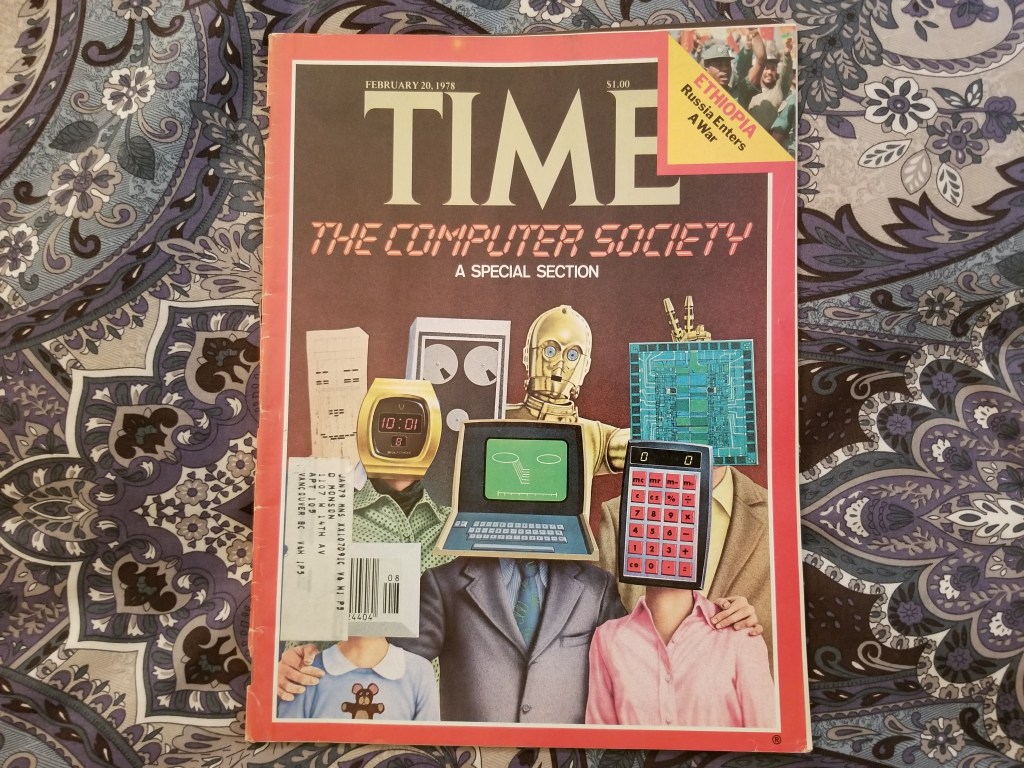
Now reading Time magazine Vol. 111 No. 9: The Age Of Miracle Chips (February 20, 1978)…

Tolstoy was one of the greatest novelists of all time and also a social reformer with his followers sometimes being called ´Tolstoyians´. He was as famous as the Tsar in Russia during his lifetime. He was a huge landowner and became very critical of landowners and their properties while continuing to live in his original house. He continued to live there until his flight from his house in the middle of the night, just before his death. He was a massively contradictory personality, as many great artists are. He was an out-of-control gambler, a sex addict, into his third decade of life with an extremely high sex drive. He went from sexual addiction to puritanism. He was a good soldier but had death anxiety. He turned his back on riches for poor people’s lifestyle. He had a tendency to go from one extreme to the other. He went against institutional religion and created his own form. He was oppositional and defiant. He had some insight because he said ´surrounded by human offal and the biggest offal of all is me´, (Troyat, 1967). He also asked ´am I am monster? I am probably lacking something´, (Troyat, 1967). Many great writers have contradictory personalities, (Fitzgerald, 2004) but Tolstoy was probably the most contradictory of them all. These contradictions were critical to the superb literature that he produced, possibly the greatest literature of all, for example, ´Anna Karenina´ and ´War and Peace´.
Background and childhood:
He had private education and was a shy child. He became a university drop out. For many years, he led a wild out-of-control life, became a gambling addict, engaged in promiscuity, abused alcohol and was delinquent in a variety of ways. He showed evidence of conduct disorder and antisocial personality. Nobody could give up such an extreme, debased addicted antisocial lifestyle except by a mechanism of conversion, for example, conversion to his own brand of religion. Tolstoy said ´I believe in one, incomprehensible God´. Indeed to many people, Tolstoy was incomprehensible himself. Troyat (1967) stated that a Tolstoy novel was ´dominated by the idea that a man’s real life begins when the spiritual forces in him triumph over his animal nature´. This of course, is the central event in his own personal history. His time in the army gave him experience of military life and battles.
Travelling:
He went on a kind of ´Grand Tour´ between 1857 and 1861 and met many great writers.
Personality:
He described himself as a young man, (Troyat, 1967) as ´awkward, untidy, socially uncouth … irritable and tiresome to others, immodest, intolerant and shy´ … a ´boar´ … ´unstable´, ´stupidly aggressive´ … ´I am so lazy that idleness has become an ineradicable habit with me. Yet, there is one thing I love more than virtue: fame´. Many of these traits could fit with autism. He also stated that because of his incessant gambling ´I am sick of myself that I would like to forget I even exist´ (Troyat, 1967). In conversation, he was often oppositional with people, contradicted people and engaged in endless quarrelling. He was easily bored and needed novelty-seeking and sensation-seeking, which he got in his writing (Fitzgerald, 2008). He was very undiplomatic. He did not even bother to go to his brother’s funeral, and simply made excuses for this. He threatened someone who criticised his work to a duel but didn’t carry it out. He was described as a ´megalomaniac´, (Troyat, 1967). During his out-of-control period, he tended to build ´castles in the air´ (Troyat, 1967). He was at that time, the eternal optimist. He would say ´I know you won’t believe me, but I’ve changed´ (Troyat, 1967). Of course, at that time, he hadn’t changed. He always showed vicious misogyny and ´regarded women as a necessary evil´ (Troyat, 1967). He blamed women for his sex addiction. He was a very emotional man and found it hard to control his emotions. He had a piercing gaze, which is common enough in persons on the autism spectrum. He was fascinated by colour and was a sharp observer. Some accusations that he made against himself include ´vanity´, ´boasting´, ´sloth´, ´deceitfulness´, ´waiting for miracles´, ´contrariness´, ´excessive self-confidence´, ´passion for gambling´ (Troyat, 1967) were correct. He made some progress with some of these traits when he converted to peasant values. It’s hardly surprising that he had at one time, VD.
Teacher:
He became fascinated with the education of peasant children. He dressed like the parents of those children in shabby clothes and refused the privileges of the nobility. He gave up alcoholic drinks, refused to eat meat. He took on a more ascetic life. In history, a number of Christian Saints behaved in the same way.
Personality and marriage:
He was impulsive and rushed in marriage to an eighteen-year-old at a time when he had lost all his teeth and was in his third decade. Both wanted to be loved by the other, but they didn’t manage to achieve this. In Tolstoy’s novels, he shows a great understanding of the female mind, but could not apply this knowledge to his wife. After an initial period, he could only see marriage as a prison with his wife as a jailer. For Tolstoy, marriage was a kind of death in life and a destroyer of creativity and was simply human bondage. He had severe deficits in the marriage, in personal and social relating and gross empathy deficits and an incapacity to love his wife. He lacked a Theory of Mind in terms of understanding his wife and the hurt he was causing her. It was a most terrible emotional marriage for her. He could only think of the pain she caused him and indeed, he often drove her to behavioural outbursts, threats of suicide, immaturity and what they called at that time, hysteria. Of course, Tolstoy was emotionally immature himself. He damaged the marriage right away by forcing her to read his diary of all his sexual and abusive exploits. Tolstoy forced her into thirteen pregnancies, and it was lucky that she did not die from constant childbearing, as so many women did. It’s hardly surprising that in one late pregnancy, she tried to abort herself. In relation to the pregnancies, Tolstoy was sadistic and callous. He was also a depressive spouse. Tolstoy stated, when in a melancholic state ´art is not only useless but even harmful´ (Anargyros-Klinger, 2002). His wife thought he had a ´mystics stare´, (Troyat, 1967). This peculiar stare is common enough in ASD. Tolstoy also showed ´coldness towards his children´ (Troyat, 1967). Tolstoy (Meyers, 2005) told her that the very air ´around (her) was infected´. In some ways, they could not live with each other and could not live without each other. They would both threaten to leave the home. Neither couple could understand the other. Certainly, Tolstoy was right in the novel, ´Anna Karenina´ that ´all happy families are alike, but an unhappy family is unhappy after its own fashion´. Tolstoy created in his own marriage, a colossally unhappy marital state. Even worse, he made a savage and direct attack in his novel, ´The Kreutzer Sonata´, about a man murdering his spouse. Readers saw this novel as related to his wife and his marital situation. She was massively humiliated. Then, Tolstoy moved out of the marital bed which further humiliated her. He was extremely misogynistic. Tolstoy wrote (Meyers, 2005) that ´woman is generally stupid … she cannot understand the simplest thing … (and) for seventy years, I have been lowering and lowering my opinion of women … they should stop ruining´ life. His wife (Meyers, 2005) said ´he is a beast, a murderer, I cannot look at him´. Finally, Tolstoy left home in the middle of the night and stopped at Astapovo Railroad Station. He became ill, refused to see his wife and died. The marriage had lasted about fifty years and was a sadomasochistic marriage. Sometimes, these sadomasochistic marriages have very long duration. They quarrelled about ´sex, love, property, art, family and religion´, for about fifty years (Meyers, 2005).
Narrow interests:
He wrote a vast amount and did not like wasting time on social chit-chat as his wife did. He hated himself for the time he wasted on this. Life was meaningless for him if he was not writing. Nevertheless, his wife was important in completing novels and on one occasion, she ´copied the almost illegible manuscript of a massive novel seven times´ (Meyers, 2005). This bordered on masochism.
Peasant life – The life of the peasant:
Meyers (2005) notes that in 1883, Tolstoy ´came to the conclusion that property was evil and suddenly decided to give up the management of his house, his land and literary copyrights´. This became an obsession for the rest of his life, and he handed all the work of his assets and estate over to his spouse. He began to dress like a peasant and developed followers which were called, ´Tolstoyians´ many of whom exploited him and invaded his home which upset his wife. He was naïve about their exploitation of him. He became a kind of ´saint-like´ figure. The contradiction was that he still lived in the estate.
Conclusion:
He was extremely eccentric and showed evidence of a pathological creative personality. There was also evidence of the autism spectrum with severe social relationship problems with severe social reciprocity problems, some naivety, gross empathy deficits, Theory of Mind deficits especially in his marriage, narrow interests and a piercing gaze. He was extremely visual, which is often one of the strengths of ASD. Its very difficult to put great geniuses like Tolstoy into a single category because they are in many ways, all over the place and this is what gives them their great creativity.


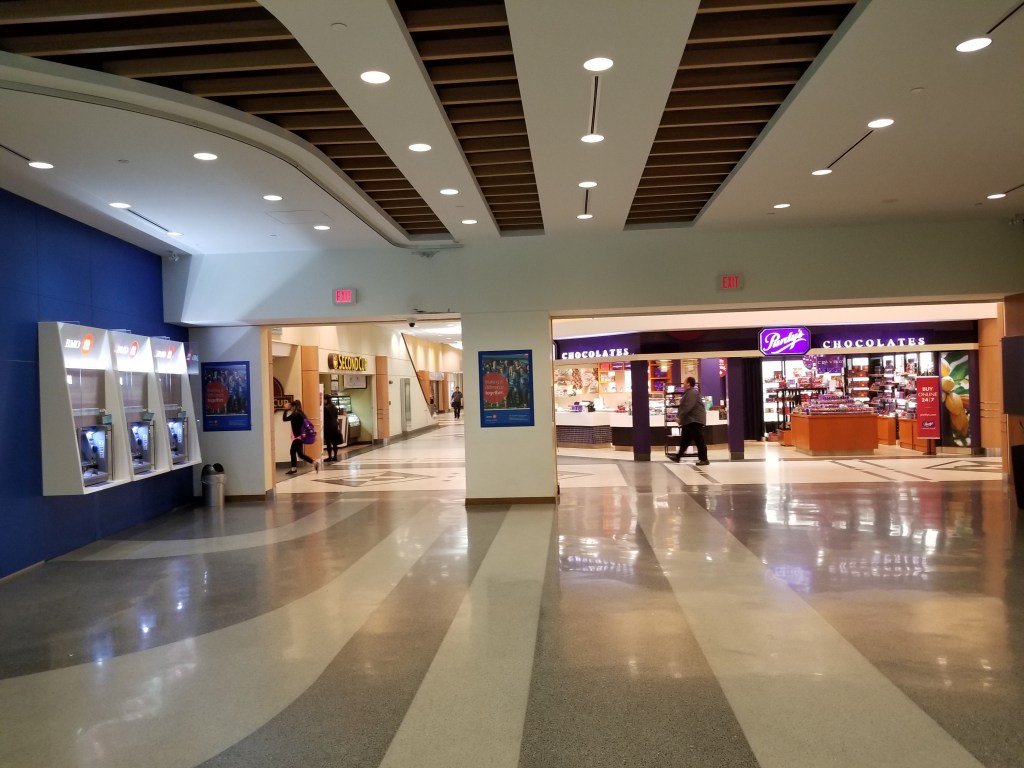
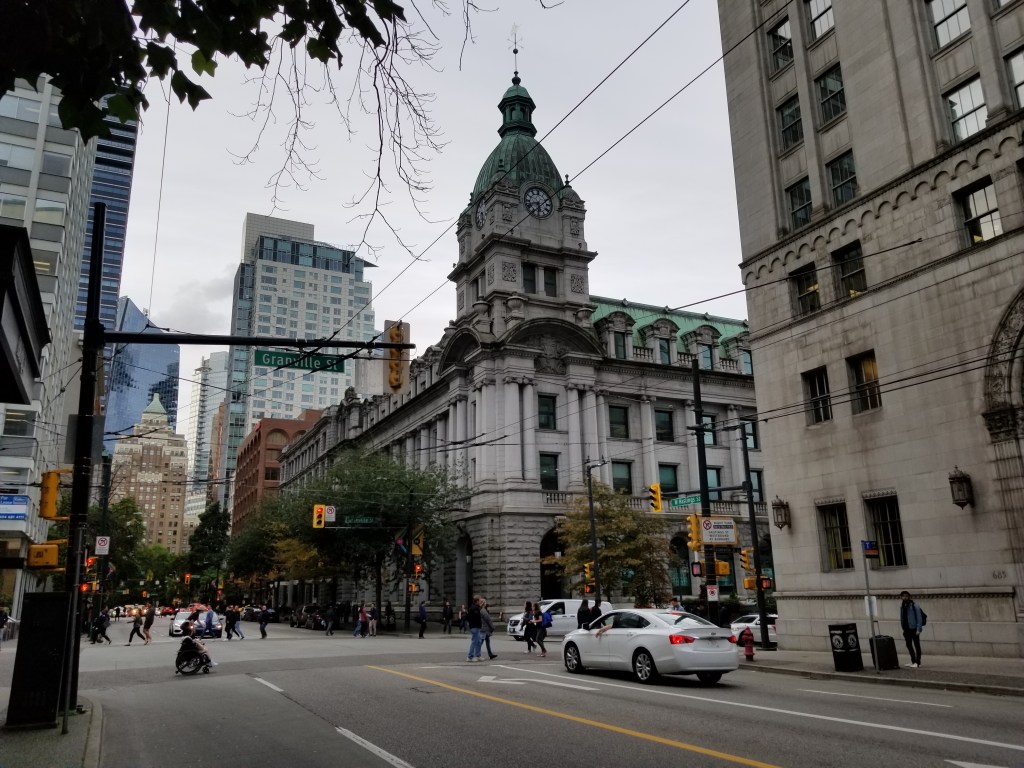


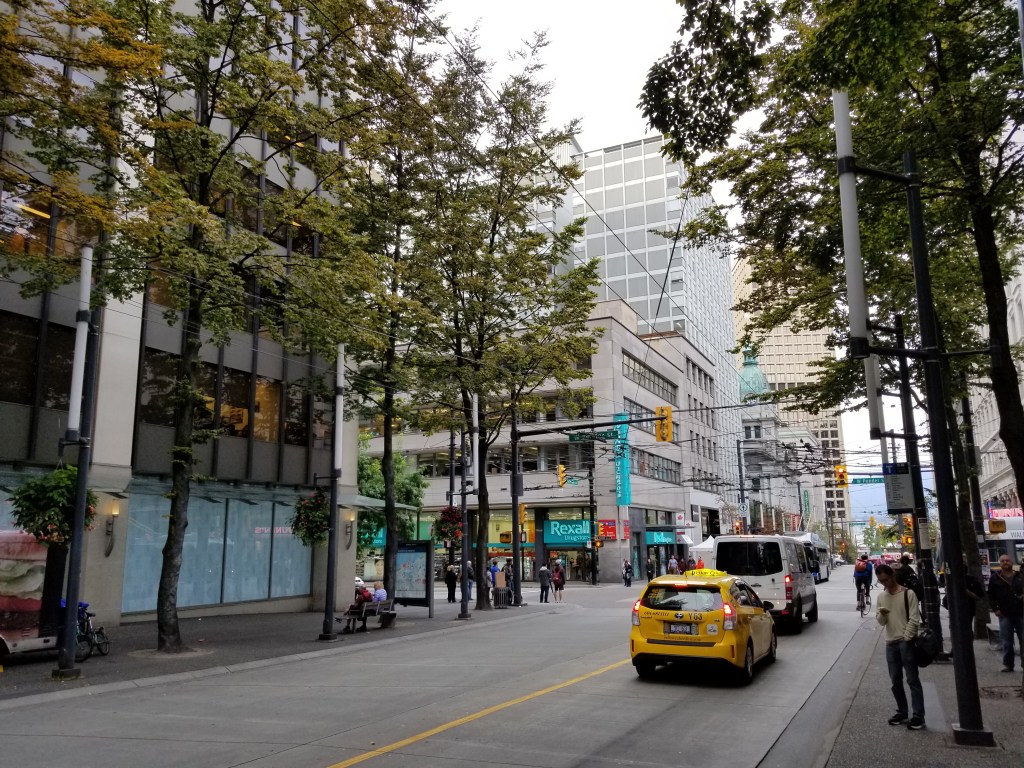

Granville Street is a major street in Vancouver, British Columbia, Canada, and part of Highway 99. Granville Street is most often associated with the Granville Entertainment District and the Granville Mall. This street also cuts through suburban neighborhoods like Shaughnessy, and Marpole via the Granville Street Bridge.
The community was known as “Gastown” (Gassy’s Town) after its first citizen – Jack Deighton, known as “Gassy” Jack. “To gas” is period English slang for “to boast and to exaggerate”. In 1870 the community was laid out as the “township of Granville” but everybody called it Gastown. The name Granville honours Granville Leveson-Gower, 2nd Earl Granville, who was British Secretary of State for the Colonies at the time of local settlement.
In 1886 it was incorporated as the city of Vancouver, named after Captain George Vancouver, who accompanied James Cook on his voyage to the West Coast and subsequently spent 2 years exploring and charting the West Coast.
During the 1950s, Granville Street attracted many tourists to one of the world’s largest displays of neon signs.
Towards the middle of the twentieth century, the Downtown portion of Granville Street had become a flourishing centre for entertainment, known for its cinemas (built along the “Theatre Row,” from the Granville Bridge to where Granville Street intersects Robson Street), restaurants, clubs, the Vogue and Orpheum theatres, and, later, arcades, pizza parlours, pawn stores, pornography shops and strip clubs.
By the late 1990s, Granville Street suffered gradual deterioration and many movie theatres, such as “The Plaza, Caprice, Paradise, [and] Granville Centre […] have all closed for good,” writes Dmitrios Otis in his article “The Last Peep Show.” In the early 2000s, the news of the upcoming 2010 Winter Olympic Games, to be hosted in Whistler, a series of gentrification projects, still undergoing as of 2006, had caused the shutdown of many more businesses that had heretofore become landmarks of the street and of the city.
Also, Otis writes that “once dominated by movie theatres, pinball arcades, and sex shops [Downtown Granville is being replaced] by nightclubs and bars, as […it] transforms into a booze-based ‘Entertainment District’.” In April 2005, Capitol 6, a beloved 1920s-era movie theatre complex (built in 1921 and restored and reopened in 1977) closed its doors (Chapman). By August 2005, Movieland Arcade, located at 906 Granville Street became “the last home of authentic, 8 mm ‘peep show’ film booths in the world” (Otis). On July 7, 2005, the Granville Book Company, a popular and independently owned bookstore was forced to close (Tupper) due to the rising rents and regulations the city began imposing in the early 2000s in order to “clean up” the street by the 2010 Olympics and combat Vancouver’s “No Fun City” image. (Note the “Fun City” red banners put up by the city on the lamp-posts in the pizza-shop photograph). Landlords have been unable to find replacement tenants for many of these closed locations; for example, the Granville Book Company site was still boarded up and vacant as of July 12, 2006.
While proponents of the Granville gentrification project in general (and the 2010 Olympics in specific) claim that the improvements made to the street will only benefit its residents, the customers frequenting the clubs and the remaining theatres and cinemas, maintain that the project is a temporary solution, since the closing down of the less “classy” businesses, and the build-up of Yaletown-style condominiums in their place, will not eliminate the unwanted pizzerias, corner-stores and pornography shops – and their patrons – but will simply displace them elsewhere (an issue reminiscent of the city’s long-standing inability to solve the problems of the DTES).




The most remarkable thing about WandaVision is how familiar it feels. Despite being new — it’s the first Marvel series on Disney+ and the first new Marvel anything in ages — WandaVision feels as welcoming as a beloved TV rerun.
Oh sure, there is a sinister force lurking that threatens to tear it all apart. And being a Marvel Studios production, WandaVision doesn’t commit nearly enough to the bit to say anything new about its characters or the artificiality of television. Nor is the show really weird enough. But as a playful homage to the type of TV we don’t see anymore, WandaVision is a blast that proves there’s plenty of dimensions still left to explore in the Marvel Cinematic Universe.
Premiering on January 15, WandaVision throws viewers back to a bygone era when TV was appointment viewing. Elizabeth Olsen and Paul Bettany reprise their Avengers roles as the mystical Wanda Maximoff and synthetic Vision, respectively. But rather than star in a modern thriller with rudimentary plots, an impeccably costumed Olsen and Bettany ham it up in a mid-century sitcom with nods to I Love Lucy and Bewitched. (The show’s first few episodes are in black and white with 4:3 framing.) Here, in this impossible and likely false reality, Wanda and Vision are newlyweds who navigate dire challenges like nosy neighbors, playing host to Vision’s boss for dinner, and their neighborhood talent show.
It’s all very clever and immensely fun. And it succeeds by virtue of Olsen and Bettany, whose performances are so textured in this unusual framework that you can and will be fooled into thinking their big screen Marvel roles have been small screen darlings this whole time. Their screwball antics and exaggerated gestures take up the space they were denied in any of their Avengers appearances.
There were times watching WandaVision where I believed I was actually watching a lost sitcom, newly unearthed. A married witch and robot living in suburbia? That’s not any more strange than Alf.
Unfortunately, for all Bettany and Olsen give to the show and its attention to detail — WandaVision filmed in front of a live audience, and TV legend Dick Van Dyke was an unofficial consultant — the show cuts corners where it needn’t. Its biggest betrayal is in its clean, 4K resolution that betrays the immersion. Even high-definition transfers of I Love Lucy contain grain that is absent in WandaVision. This isn’t a grave sin, but when a show like WandaVision shoots for the moon, you wonder why it’s content for the stars.
Still, there hasn’t been anything like WandaVision ever, in 2021 or 1961. And for all its creeping darkness — ripped straight from its dual comic source materials of Brian Michael Bendis’ House of M and Tom King’s The Vision — WandaVision is ineffably comforting. Even if you didn’t grow up cheating bedtime to watch Nick at Nite, the tropes and aesthetics of the mid-century sitcom are so baked into our shared psyche, it’s impossible not to feel at ease watching something with a laugh track.
For years, it was TV sitcoms’ many happy families and inoffensive hijinks that kept generations heated by the warming glow of the screen. It isn’t surprising why Disney rival WarnerMedia spent an eye-watering $500 million to stream Friends. These shows worked, and they still work today.
But WandaVision isn’t aiming to enter the pantheon of endlessly rewatchable sitcoms like Friends or The Office. By the end of Episode 3 (the last one Disney provided for review), it’s clear Wanda and Vision’s world is about to get a lot less nostalgic.
As the Marvel Cinematic Universe stages its long-awaited comeback without a standard-issue Marvel blockbuster like Black Widow, The Falcon, and The Winter Soldier, or even Eternals to satiate audiences, the most daring thing about WandaVision isn’t that it’s so “weird” or “strange” — it’s that it’s comforting. Right now, maybe that’s what we need the most.
WandaVision streams January 15 on Disney+.
These are my winners for the best in physical media of 2023. As always I am limited to the titles I could personally purchase and review. 2023 was a standout year for catalog releases so this is merely my attempt to highlight important technical aspects and the hard work put in by many talented people that frequently gets overlooked. I also hope this can serve as a helpful buyer’s guide for those looking to pick up some incredible releases.
00:00 Red Carpet Nominees
05:39 Awards Start and Introduction
11:03 Best Artwork-Bruce Lee At Golden Harvest LE, Arrow
12:12 Best Steelbook or LE packaging standard release: Young Guns UHD steelbook, Lionsgate
14:23 Best Silent Film Release: TIE- The Trap, Kino. The Mystic and The Unknown, Criterion.
16:13 Best Film Restoration: Bruce Lee at Golden Harvest, Arrow
18:25 Best audio restoration: The Man Who Knew Too Much Perspecta Stereo, Universal
20:17 Best Encoding Blu-ray: The Big Gundown, Fidelity In Motion, Indicator
22:11 Best Encoding UHD: TIE-Bruce Lee At Golden Harvest, Barbarella-Arrow. Cinderella, Disney.
24:34 Best improvement using same master, Blu-ray: TIE- The Kiss Before The Mirror and The Big Gundown, Indicator.
27:09 Best improvement using same master, UHD: Touch of LE, Eureka.
28:11 Best improvement over previous flawed video masters: Bruce Lee At Golden Harvest, Arrow.
28:53 Best effort in handling multiple cuts, audio tracks and presentations. Blu-ray: The Big Gundown, Indicator.
29:04 Best effort in handling multiple cuts, audio tracks and presentations UHD: Bruce Lee At Golden Harvest, Arrow
29:35 Best Audio Commentary: TIE- David J. Skal-The Unknown, Criterion. Nora Fiore-The Kiss Before The Mirror, Indicator.
37:08 Best Supplemental Features Package-Bruce Lee At Golden Harvest, Arrow.
38:05 Best Supplemental Feature: The Final Game of Death-Bruce Lee At Golden Harvest, Arrow.
38:46 Best Documentary: The Final Game of Death-Bruce Lee At Golden Harvest, Arrow.
38:53 Special Award for Excellence in Film History Supplements: The Final Game of Death-Bruce Lee At Golden Harvest, Arrow.
41:16 Best of 2023 Awards
41:23 Best Audio Quality: Bruce Lee At Golden Harvest, Arrow.
43:30 Best Picture Quality Blu-ray: Tarzan The Ape Man, Warner Archive.
44:48 Best Picture Quality UHD: TIE- The Ranown Westerns, Criterion. Barbarella, Bruce Lee At Golden Harvest, Arrow.
49:36 Blu-ray of the Year: The Big Gundown LE, Indicator.
51:44 4K UHD of the Year: Bruce Lee At Golden Harvest, Arrow.
52:33 Best Boxset of the Year: Bruce Lee At Golden Harvest, Arrow.
53:19 Disc of the Year 2023: Bruce Lee At Golden Harvest, Arrow.
56:23 Best Labels of 2023
56:29 Best US label: Warner Archive
59:04 Best UK label: Arrow Video
01:01:35 Best Label: Arrow Video
01:02:56 Final Summary





https://vancouverpublicspace.ca/inventory/601-hastings-street-at-seymour-street-princess-plaza/
Site Name: Princess Plaza
Name and Address:
Photoset: https://flic.kr/s/aHsjUWissX
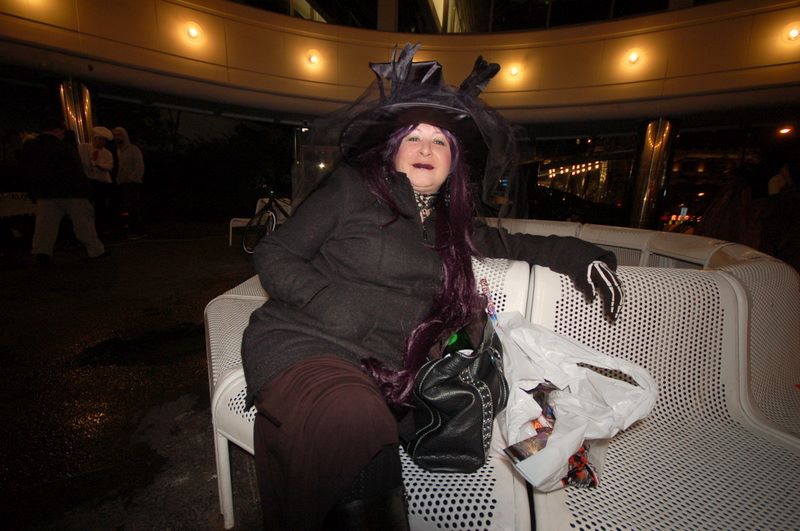
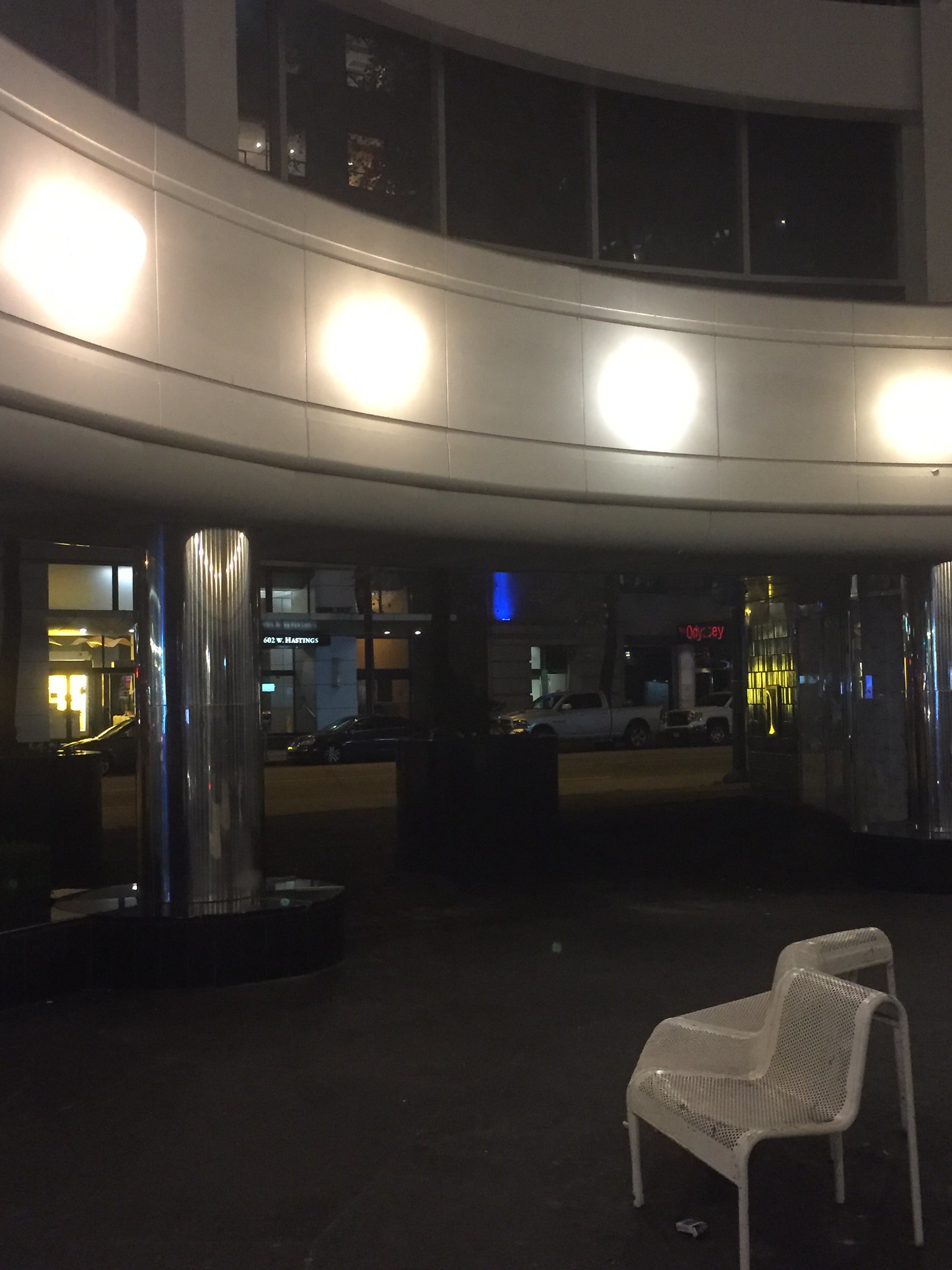
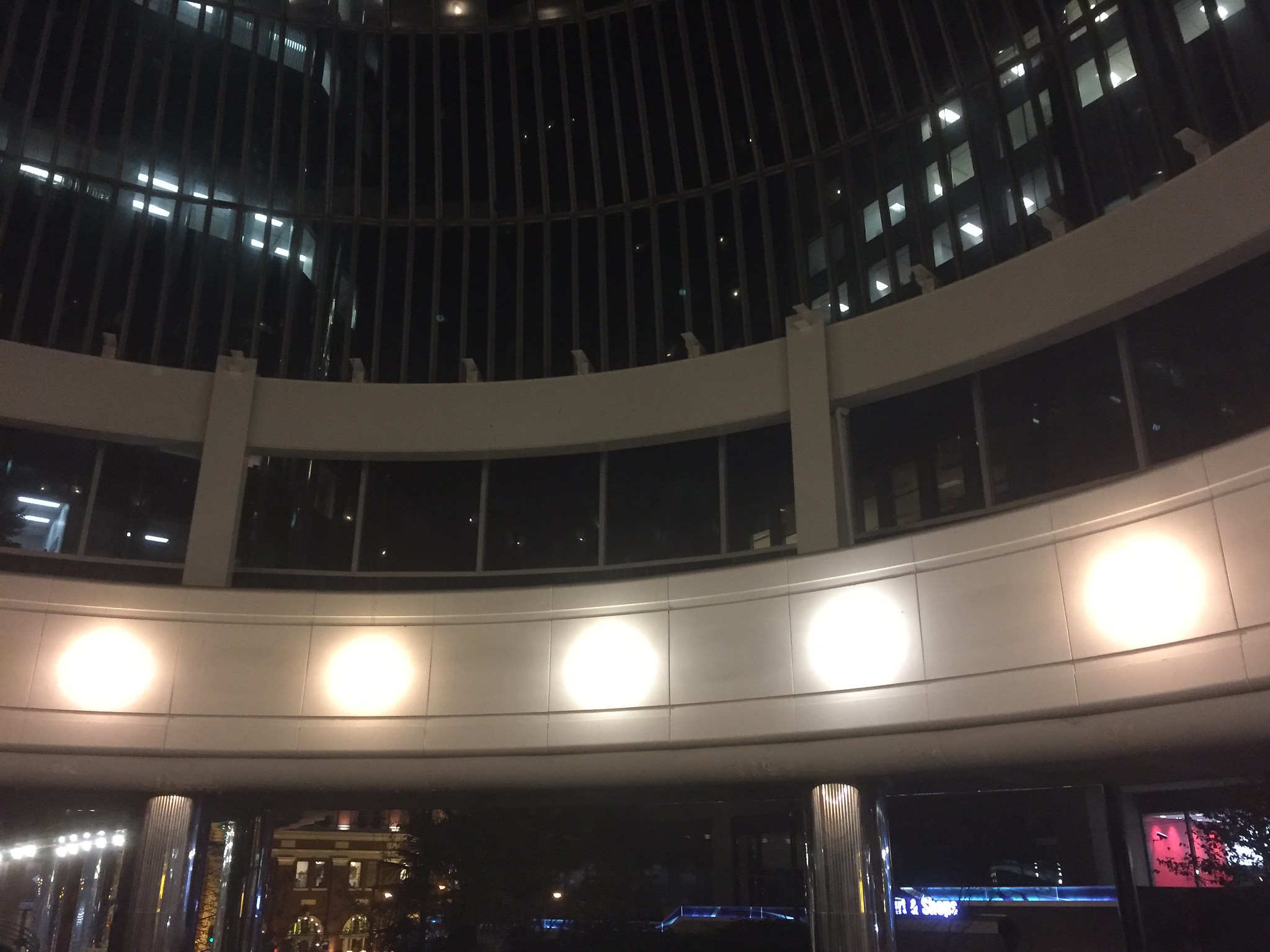
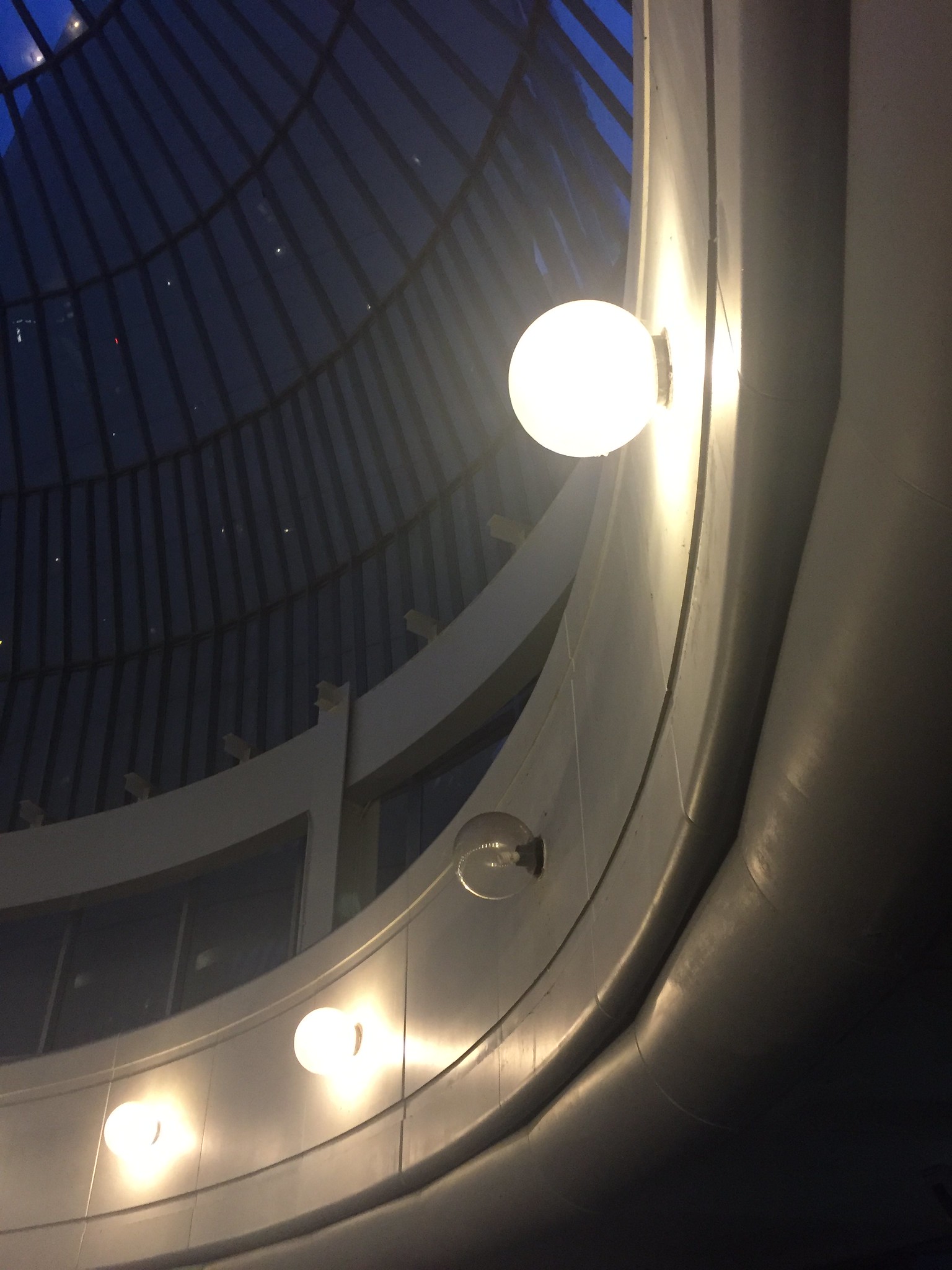
Description: A mixture of open-space and covered public space. The site is primarily defined by a heavy, domed structure – open at ground level. The site offers one of the few weatherproof public spaces in downtown. A significant change in grade exists between north and south ends of the site – necessitating a sizeable flight of stairs at then north end.
Components: Atrium; Edge space
Year Built: 1982
Ownership status: Private
History Notes: The atrium/plaza was built in 1982, as part of the development of the adjascent Princess Building. In 2014, a proposal was submitted to the City of Vancouver to redevelop the building into a larger office tower. This rezoning was approved in 2015.
Key Events, Usage in History, Timeline:
Locational Context: The atrium dome is located SE of the Princess Building, an 11-storey office tower. Surrounding context includes other office and retail uses. To the east: SFU’s downtown campus.
Site Orientation: Various; primarily south and east
Dimensions:
Design Features:
Furniture and Amenities:
Security: Site has CCTV cameras inside.
Access:
General Usage or Observational data: The space is used informally, and in relatively low numbers. Often a spot for smokers, or people taking a break.
Typology: Enclosed Space – Atrium
Evaluation Details:
These are my awards for the worst in physical media and catalog title masters for the calendar year of 2023. There were unfortunately many compromised releases and masters but two so outshone the others that they dominate these awards: the desecration of American Graffiti and the Warner studio release of the Fleischer Superman cartoons. And the specter of James Cameron looms large…
00:00 Intro goof
00:00:32 Introduction
02:24 WTF disc of the year:
04:03 Worst artwork:
05:05 Most disappointing audio:
05:48 Worst audio:
05:56 Worst over processing of preexisting audio source:
06:33 Worst audio desecration:
07:51 Disc most ruined by no original audio:
08:21 Cheapest feeling and least effort boxset:
09:38 Worst 4K UHD picture quality:
12:04 Worst Blu-ray Picture Quality:
13:21 Worst encoding, UHD:
14:21 Worst Encoding BD:
15:12 Dumbest Encoding UHD:
15:43 Dumbest Encoding BD:
16:04 Worst HDR:
16:47 Worst Supplemental Feature:
21:54 Most problematic and error ridden disc:
23:03 Most problematic boxset:
25:00 Cheapest reissue practices:
26:17 Most annoying reissue practice:
28:36 New Low for Film Preservation: James Cameron 4K remasters
29:53 Lifetime Achievement Award for continued Video Idiocy: James Cameron
30:09 Worst UHD of the Year:
32:25 Worst Blu-ray of the Year:
33:23 Special Award for Video Incompetence-
34:38 Worst disc of the year:
36:57 Top 10 worst
37:18 #10
37:34 #9
37:55 #8
38:24 #7
39:03 #6
40:02 #5
40:48 #4
41:03 #3
42:04 #2
42:36 #1
42:58 Final Summary
45:47 Outro Goof
 Igor's Blog