

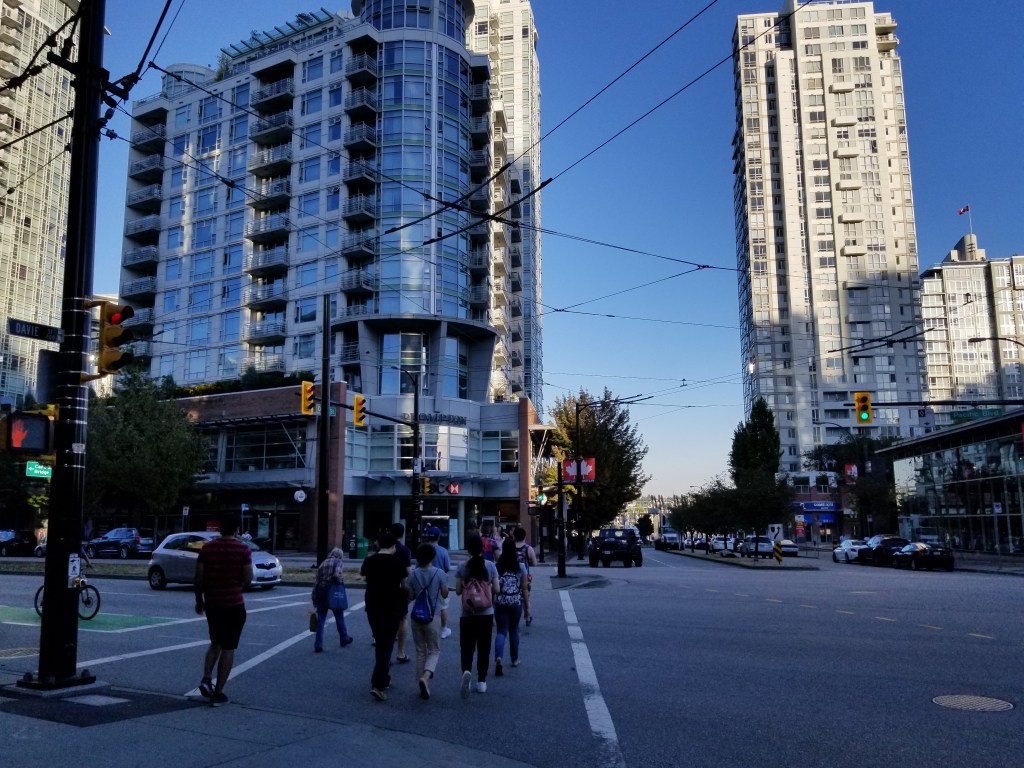
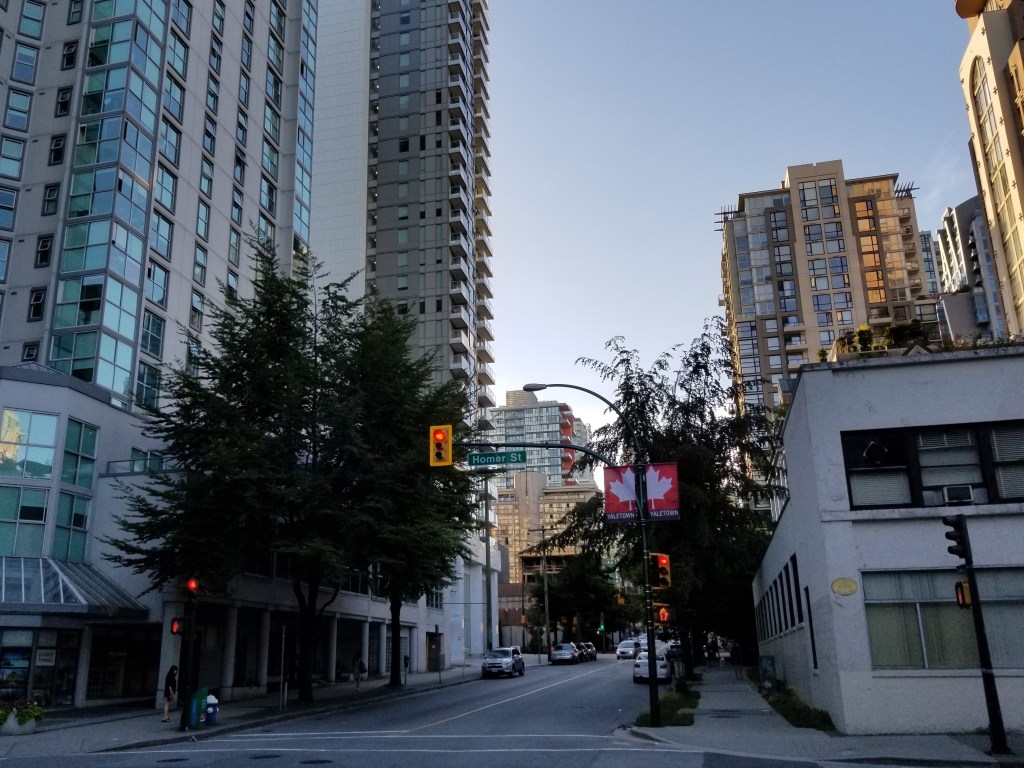
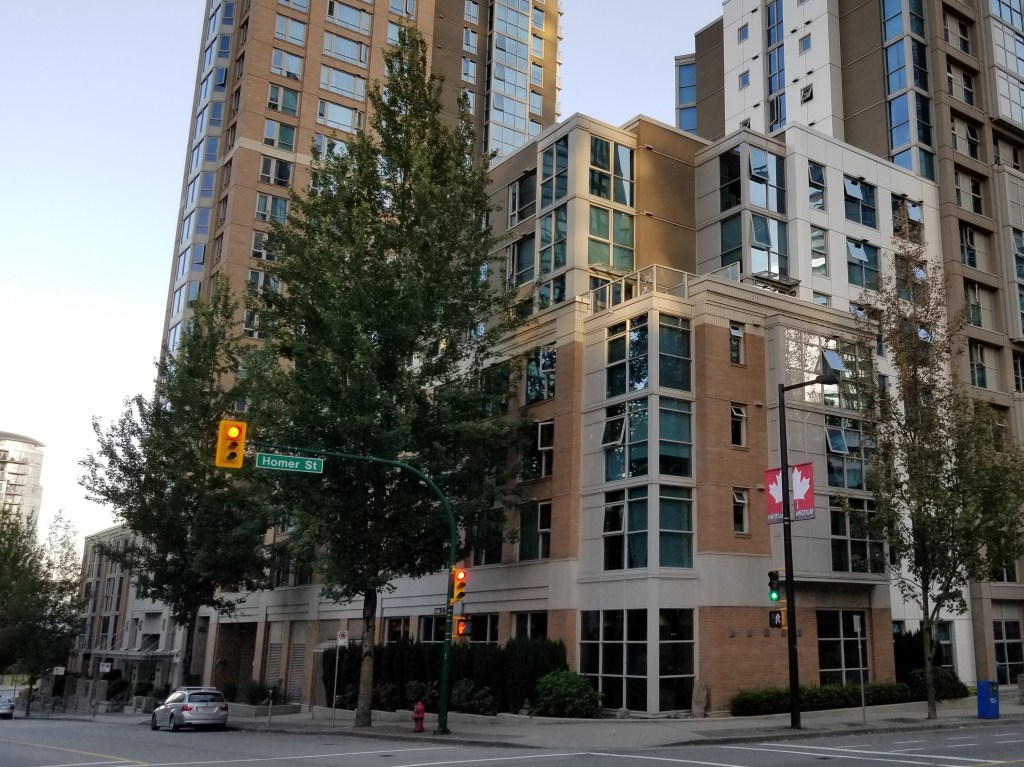
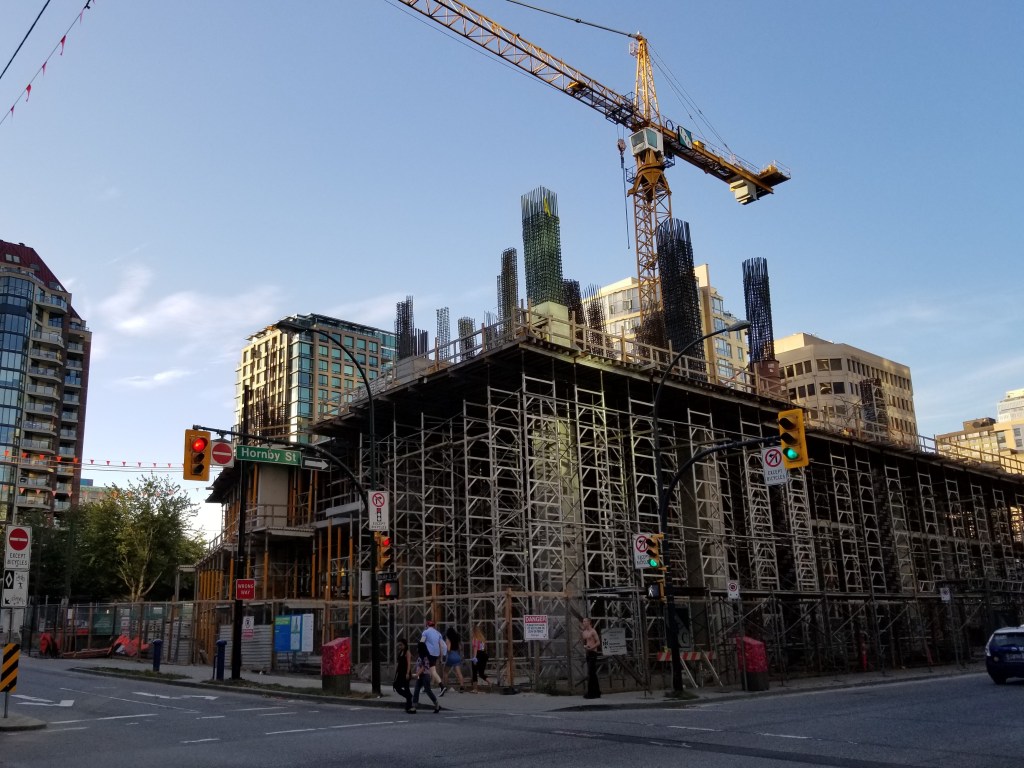
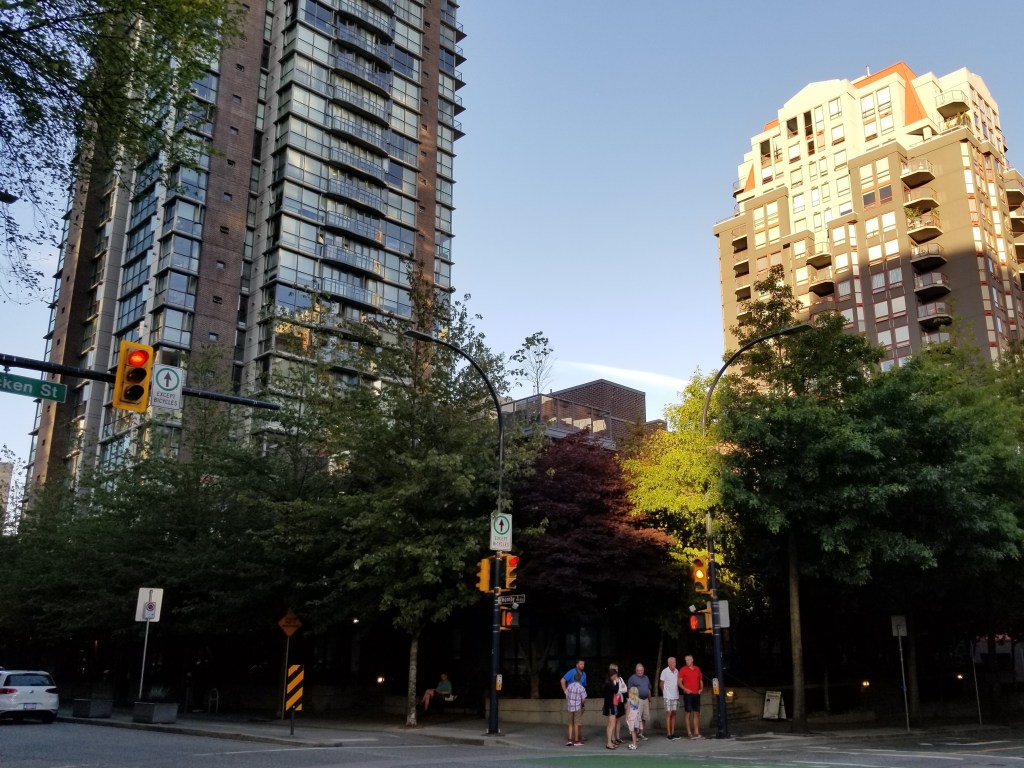
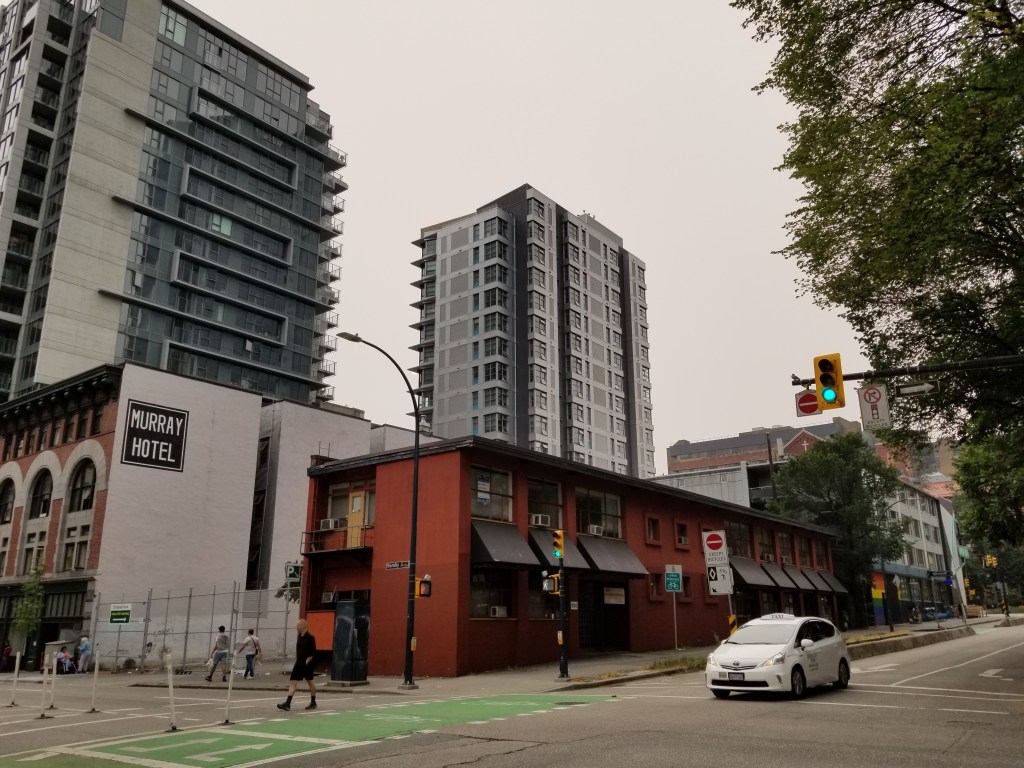
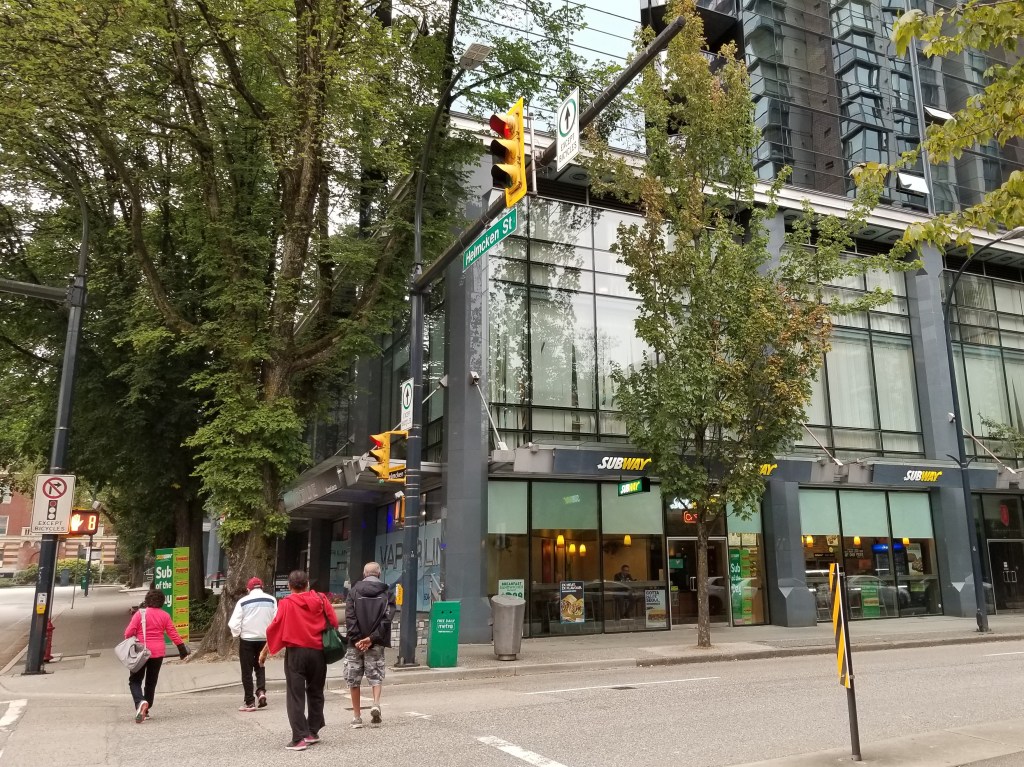
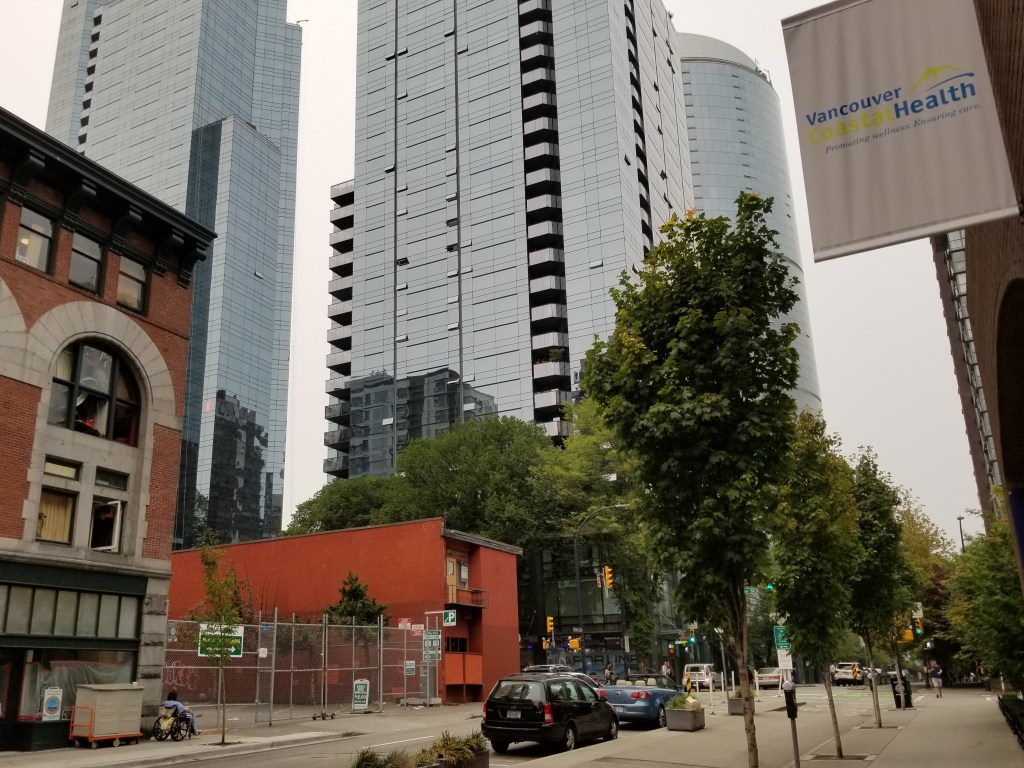
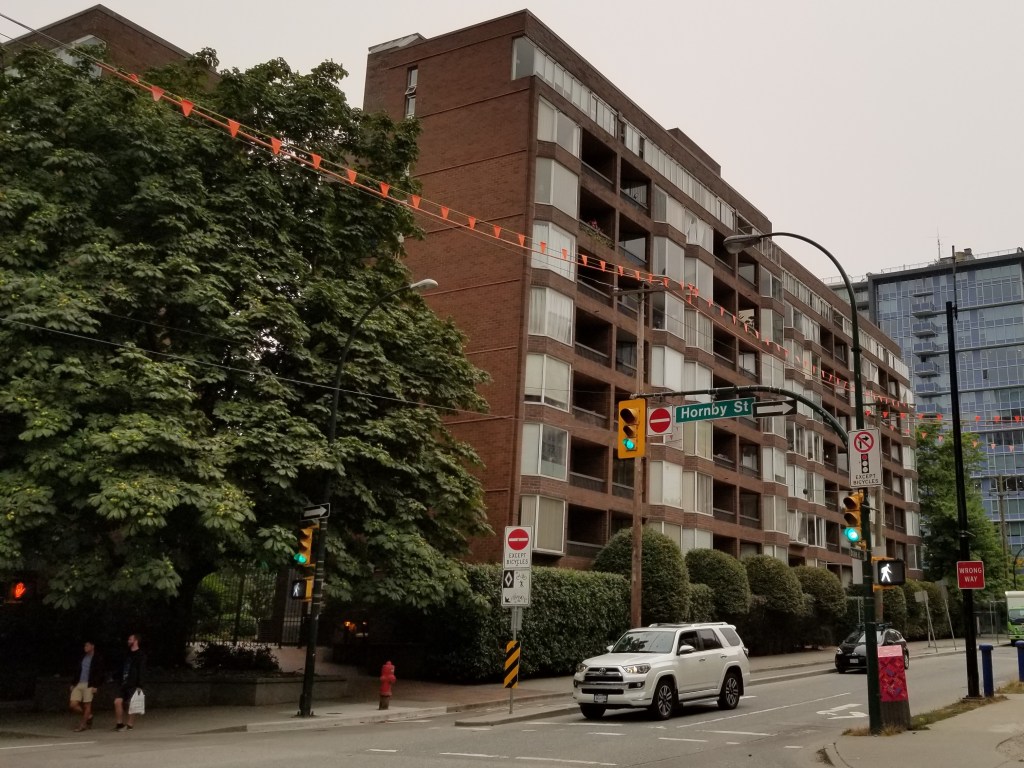
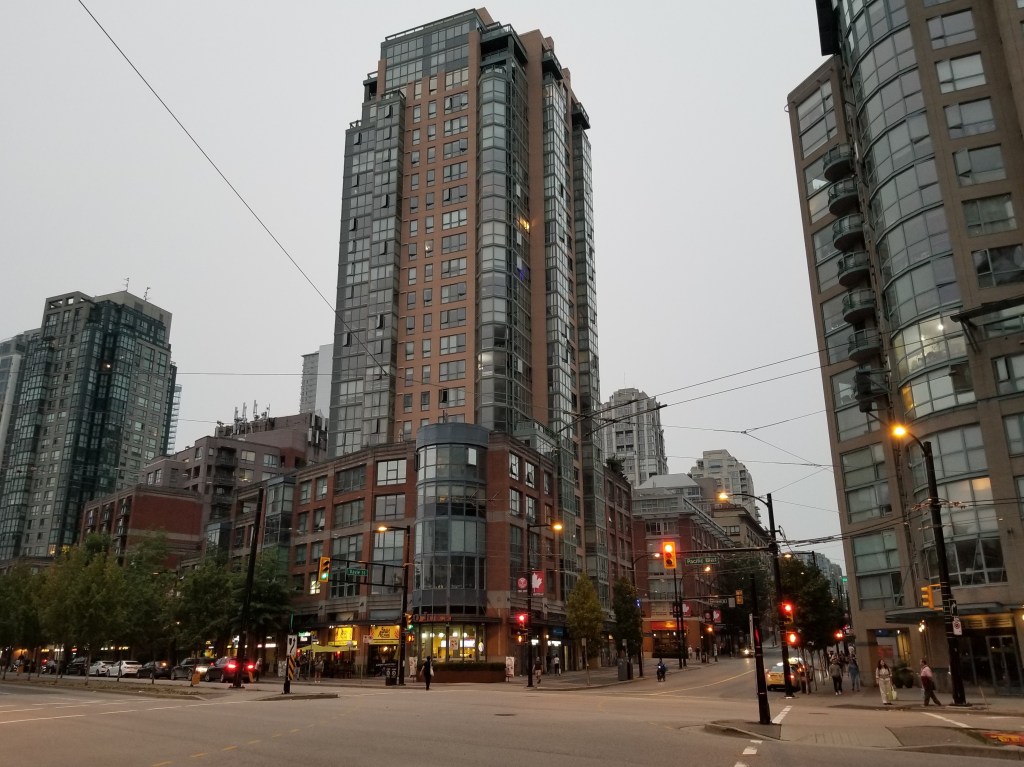
Davie Village (also known as Davie District or simply Davie Street) is a neighbourhood in the West End of Vancouver, British Columbia, Canada. It is the home of the city’s gay subculture, and, as such, is often considered a gay village, or gaybourhood. Davie Village is centred on Davie Street and roughly includes the area between Burrard and Jervis streets. Davie Street—and, by extension, the Village—is named in honour of A.E.B. Davie, eighth Premier of British Columbia from 1887 to 1889; A.E.B’s brother Theodore was also Premier, from 1892 to 1895.
Along Davie Street are a variety of shops, restaurants, services, and hotels catering to a variety of customers, in addition to private residences. The business with the most notoriety is Little Sister’s Book and Art Emporium (“Little Sister’s”), a gay and lesbian bookstore, because of its ongoing legal battles with Canada Customs that have received extensive national media coverage. Many businesses and residents along Davie Street and in the West End generally also fly rainbow flags as a symbol of gay pride, and many of the covered bus stop benches and garbage cans along Davie Street are painted bright pink.
The Village hosts a variety of events during the year, including the Davie Street Pride Festival which runs in conjunction with Vancouver’s annual Gay Pride Parade, during which sections of the street are closed to motor traffic.
Davie Day is also held each year in early September, to celebrate local businesses and the community itself. This Day is designed to build awareness and promote the surrounding businesses, and is focused around Jervis to Burrard Street.
The Davie Street Business Association coined the name “Davie Village” in 1999 and also commissioned banners from local artist Joe Average, which fly from lampposts in the district. The two-sided banners depict a rainbow flag on one side and a sun design by Average on the other.
Davie Village is also home to the offices of Xtra! West, a biweekly LGBT newspaper, Qmunity (formerly the Gay and Lesbian Centre) which provides a variety of services for the city’s lesbian, gay, bisexual, and transgender residents, and the Vancouver Pride Society, which puts on the annual Pride Parade and Festival.
A lot of people in BC are having a hard financial time right now, but autistic people face disproportionate amounts of income inequality. It’s an issue that affects our ability to care for ourselves, live a life we’re excited about, and build meaningful careers. Those are just a few of the impacts. But why are autistic adults in poverty? 🤔
This article will dive into some of the causes, and in the next blog, we’ll talk about possible paths toward poverty reduction. Read more here: https://www.autismbc.ca/blog/autistic-adults/poverty-autistic-adults/
We believe #equityisworthwhile at AutismBC. Are you an autistic person struggling with money? What kinds of professional opportunities do you find helpful? If you’re a caregiver or loved one of an autistic person with helpful tips, insights, or comments, we’d also love to hear from you in the comments. 💬
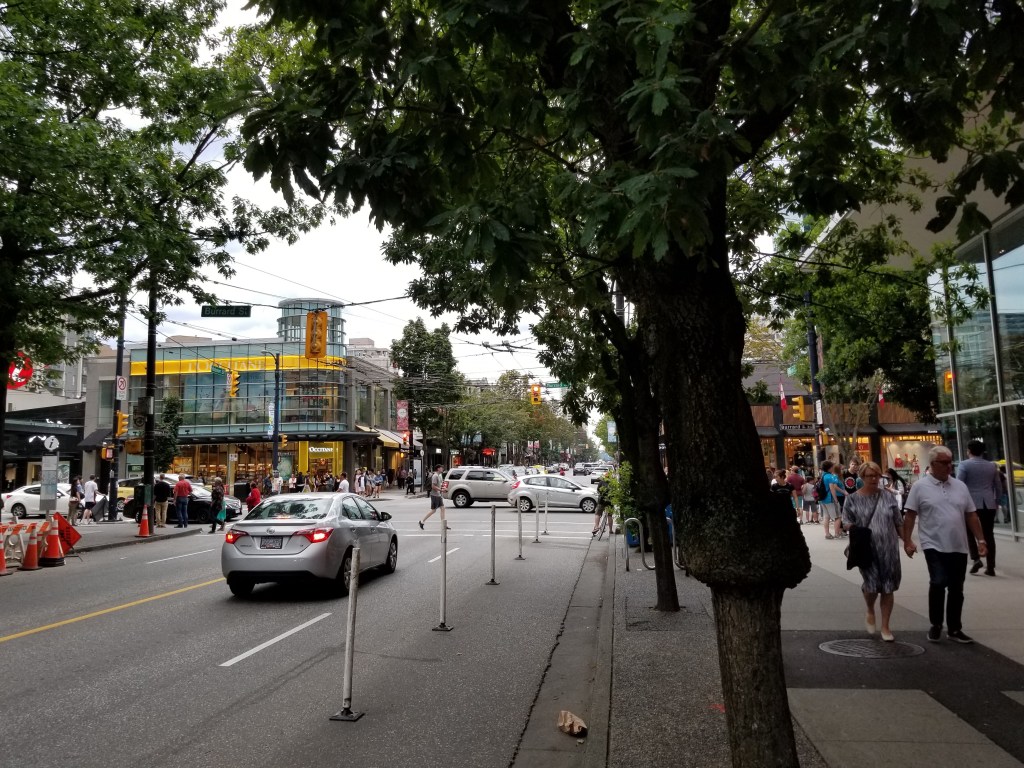
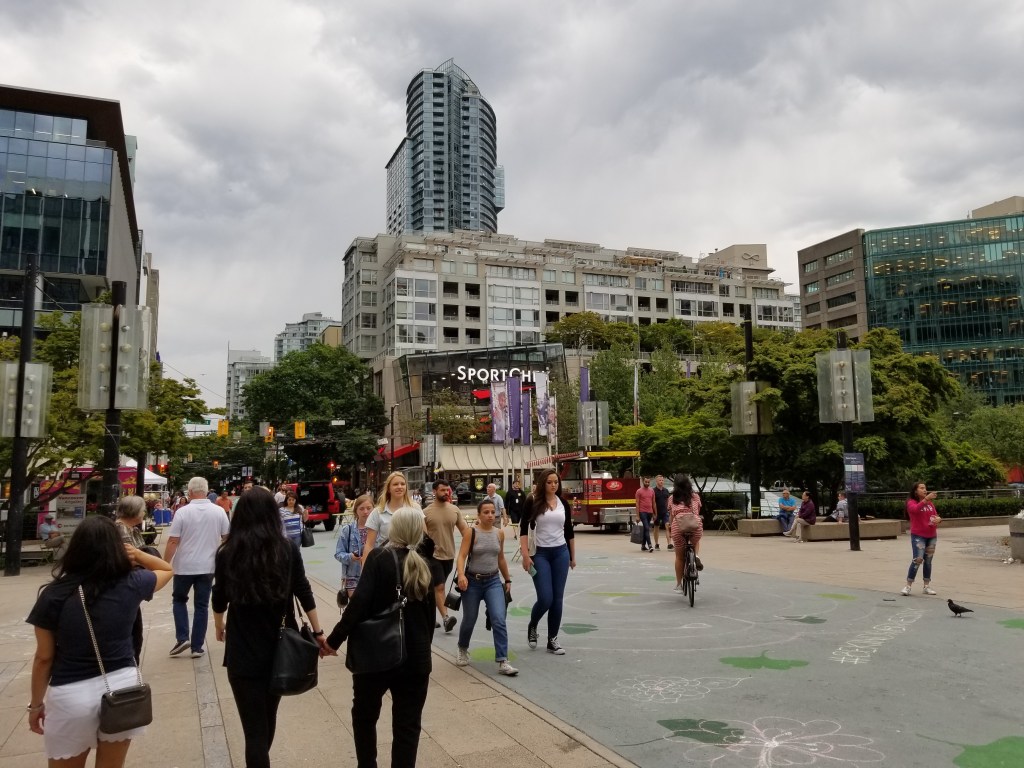
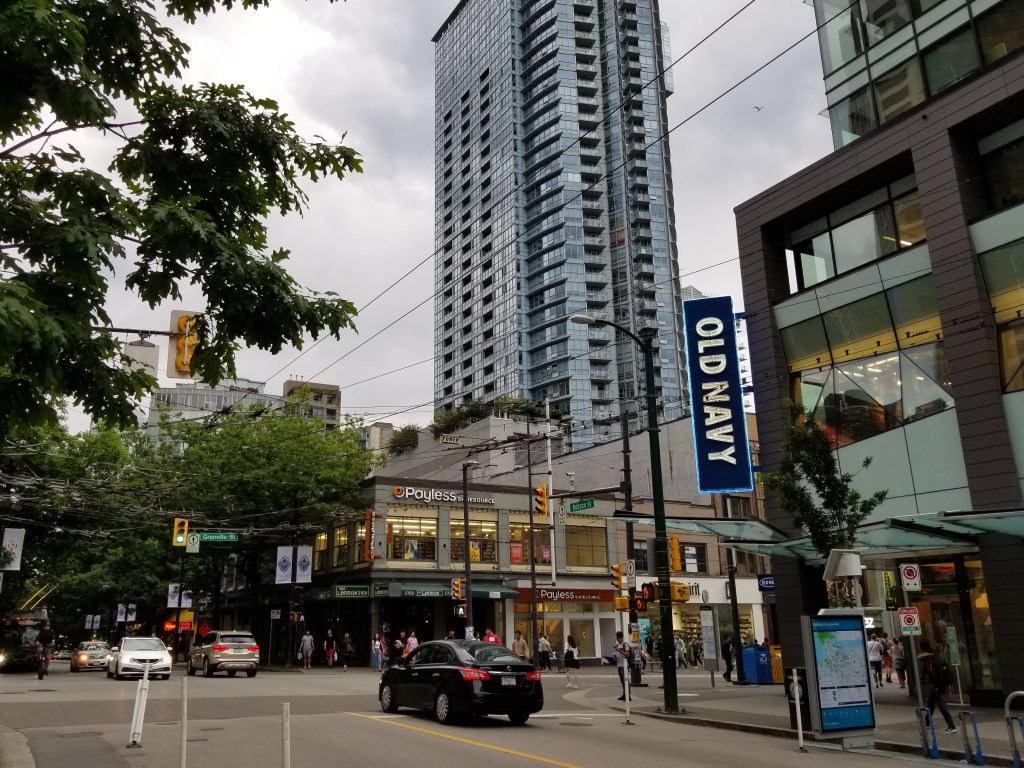
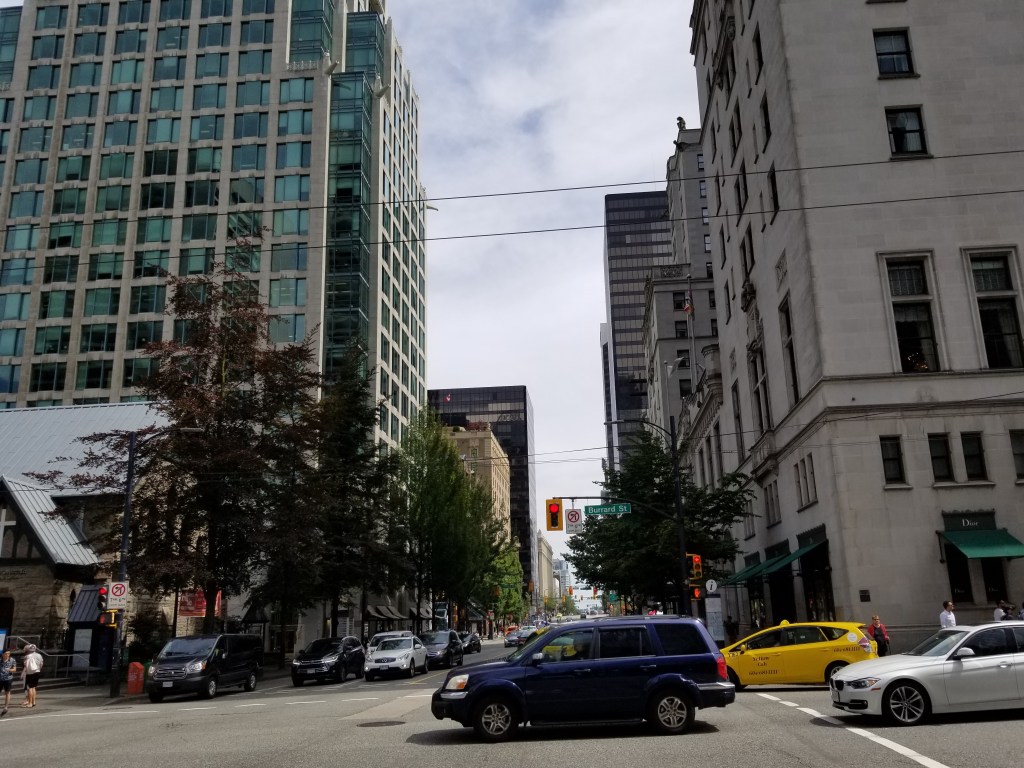
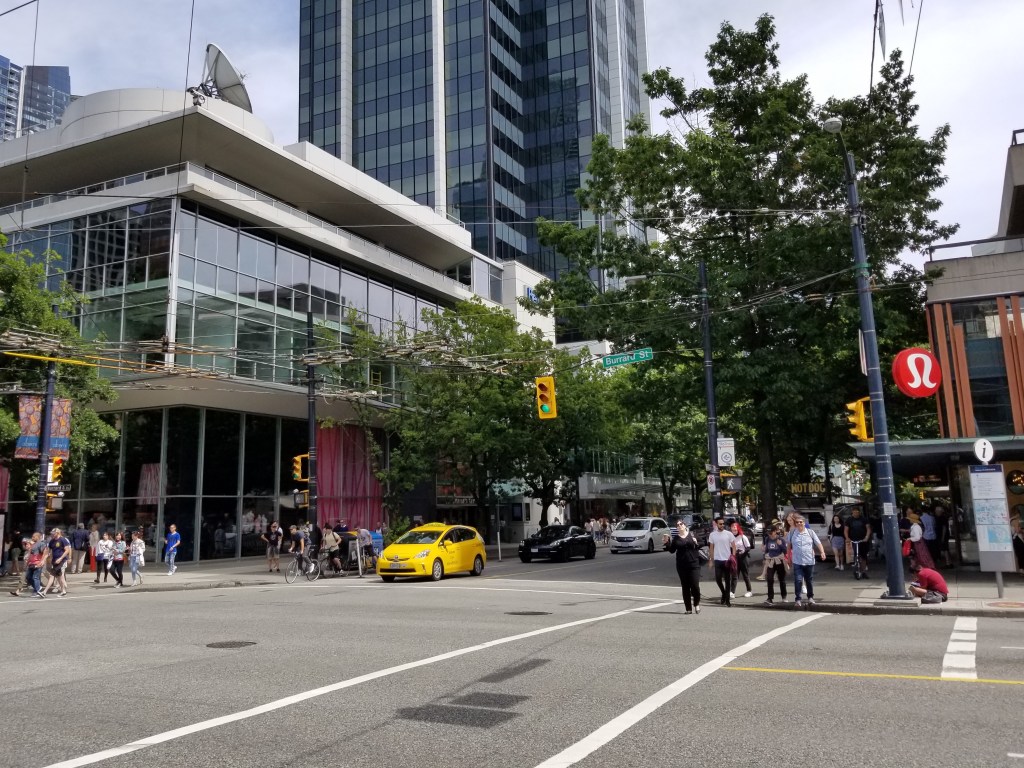
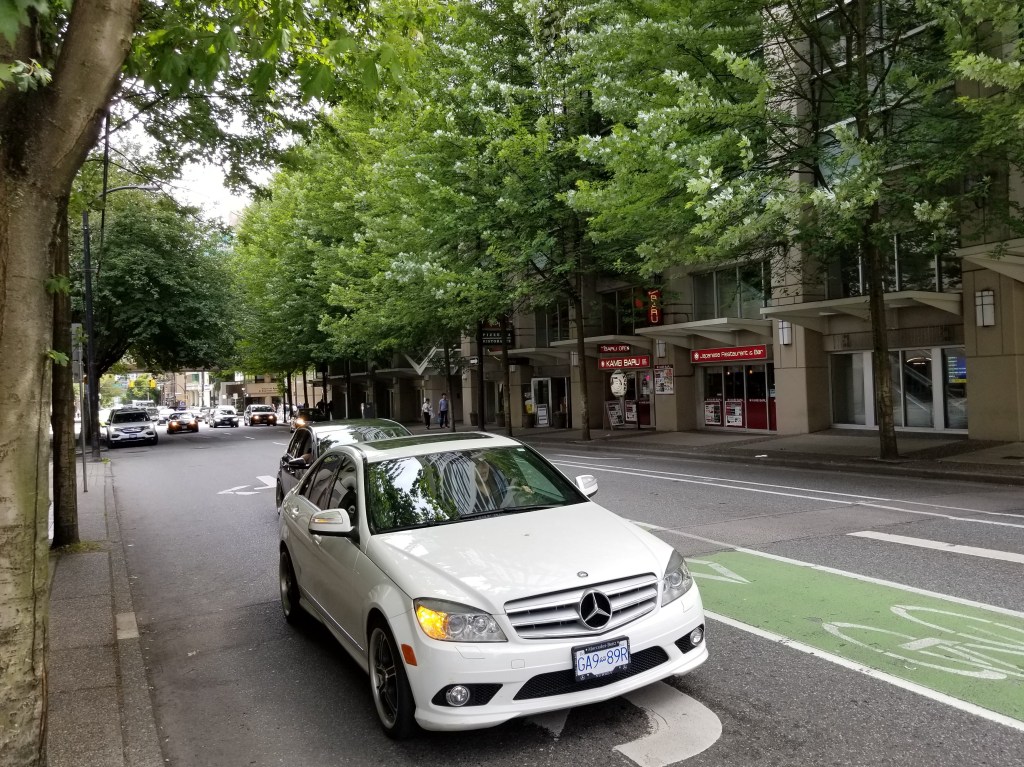
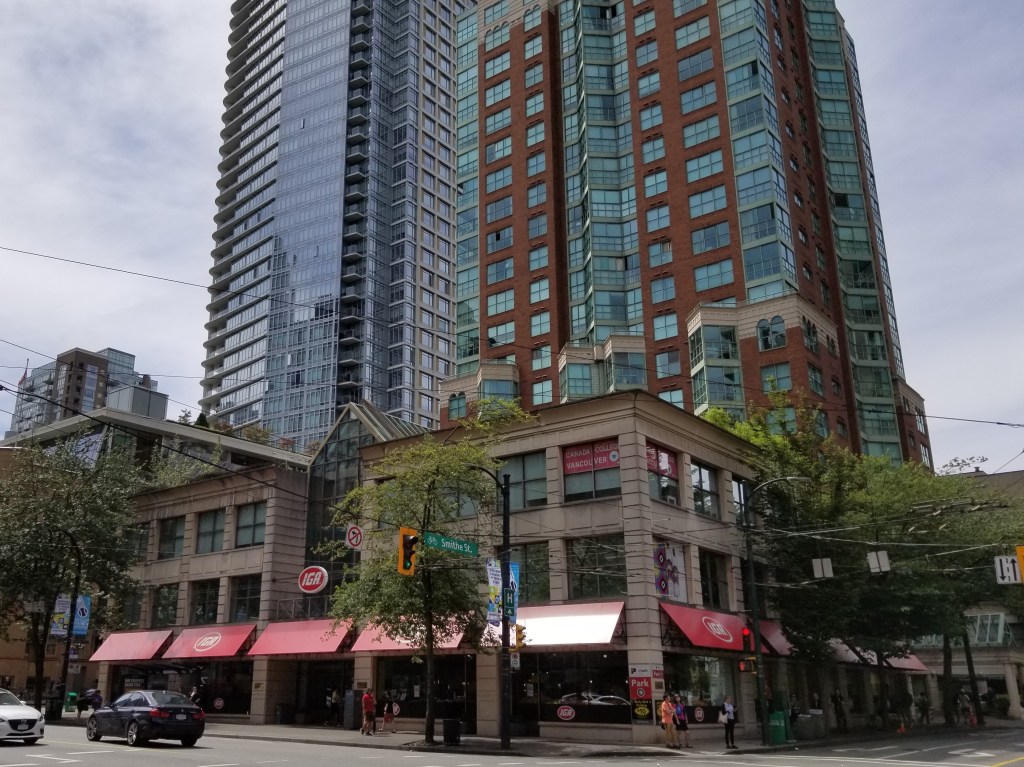
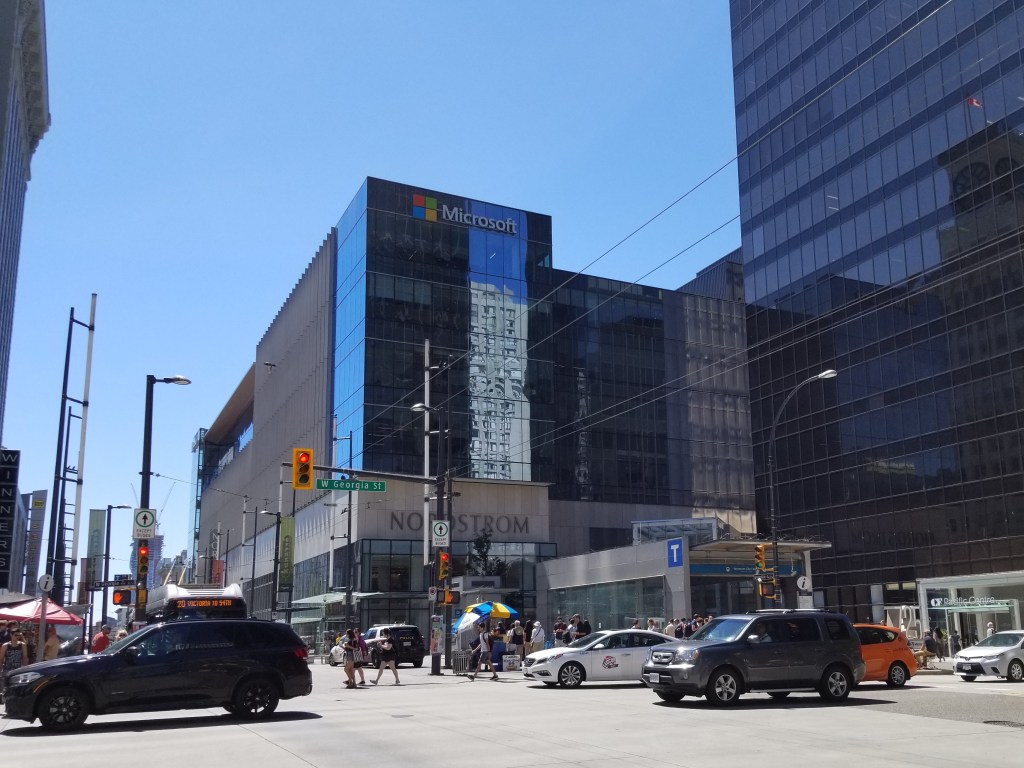
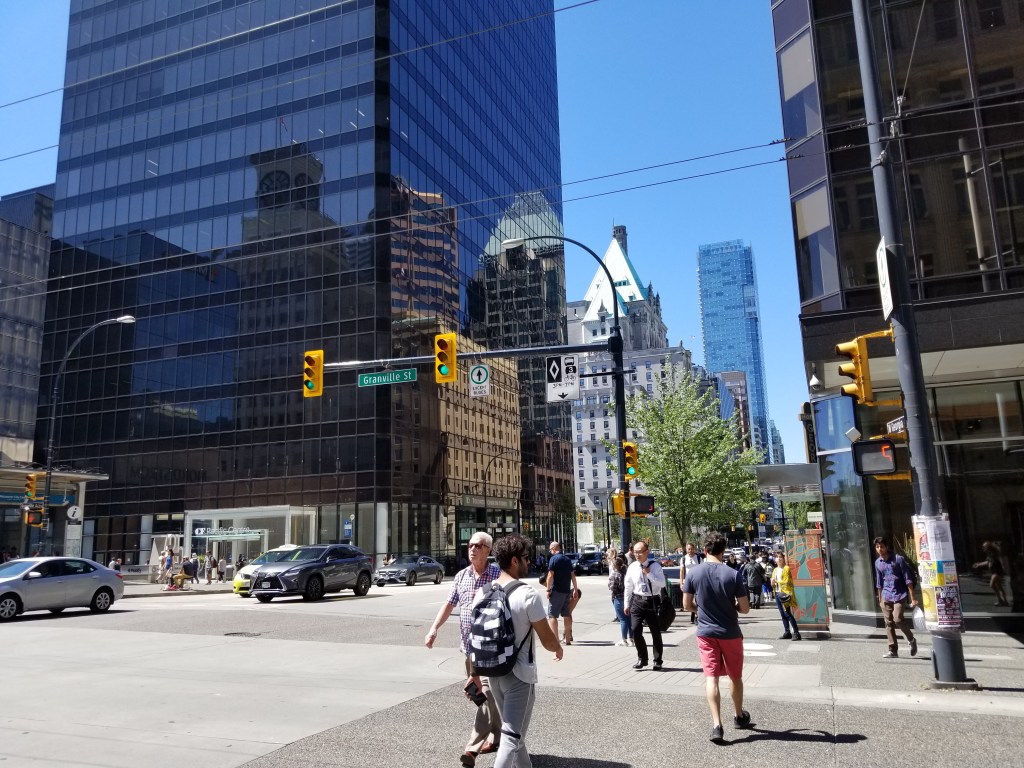
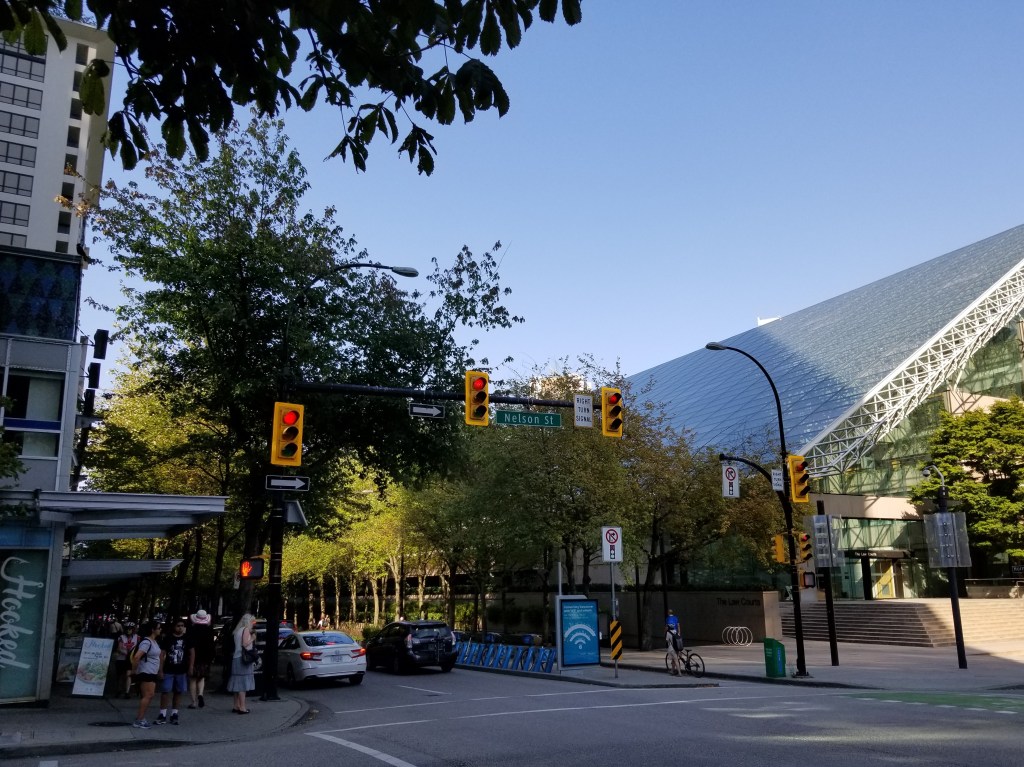
Robson Street is a major southeast-northwest thoroughfare in downtown and West End of Vancouver, British Columbia, Canada. Its core commercial blocks from Burrard Street to Jervis were also known as Robsonstrasse. Its name honours John Robson, a major figure in British Columbia’s entry into the Canadian Confederation, and Premier of the province from 1889 to 1892. Robson Street starts at BC Place Stadium near the north shore of False Creek, then runs northwest past Vancouver Library Square, Robson Square and the Vancouver Art Gallery, coming to an end at Lost Lagoon in Stanley Park.
As of 2006, the city of Vancouver overall had the fifth most expensive retail rental rates in the world, averaging US$135 per square foot per year, citywide. Robson Street tops Vancouver with its most expensive locations renting for up to US$200 per square foot per year. In 2006, both Robson Street and the Mink Mile on Bloor Street in Toronto were the 22nd most expensive streets in the world, with rents of $208 per square feet. In 2007, the Mink Mile and Robson slipped to 25th in the world with an average of $198 per square feet. The price of each continues to grow with Vancouver being Burberry’s first Canadian location and Toronto’s Yorkville neighbourhood (which is bounded on the south side by Bloor) now commanding rents of $300 per square foot.
In 1895, train tracks were laid down the street, supporting a concentration of shops and restaurants. From the early to middle-late 20th century, and especially after significant immigration from postwar Germany, the northwest end of Robson Street was known as a centre of German culture and commerce in Vancouver, earning the nickname Robsonstrasse, even among non-Germans (this name lives on in the Robsonstrasse Hotel on the street). At one time, the city had placed streetsigns reading “Robsonstrasse” though these were placed after the German presence in the area had largely vanished.
Robson Street was featured on an old edition of the Canadian Monopoly board as one of the two most expensive properties.
 Igor's Blog