

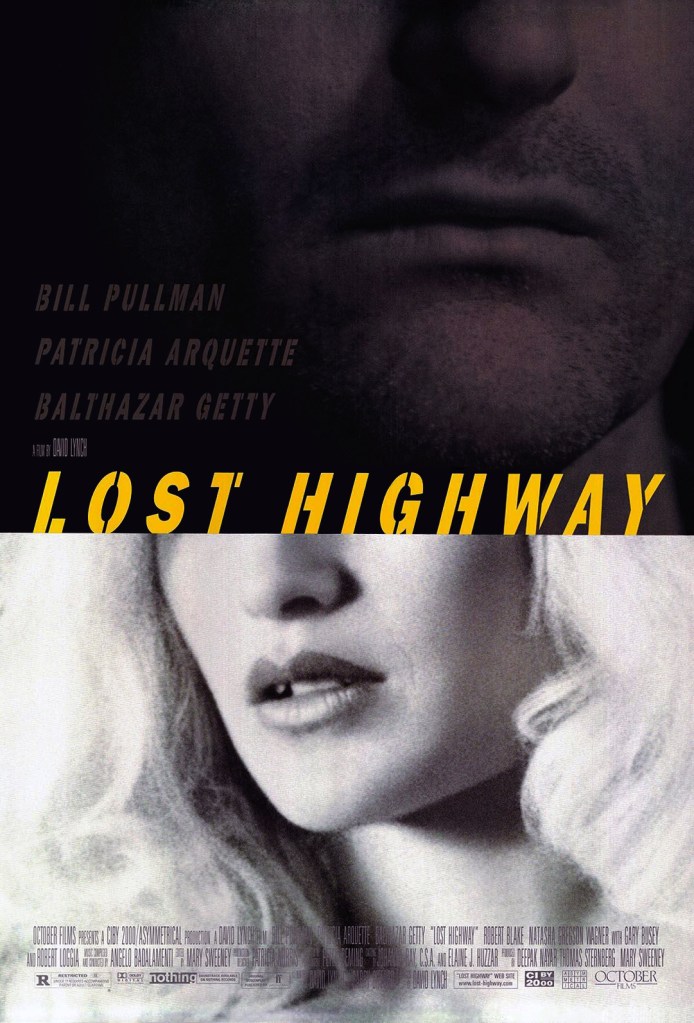


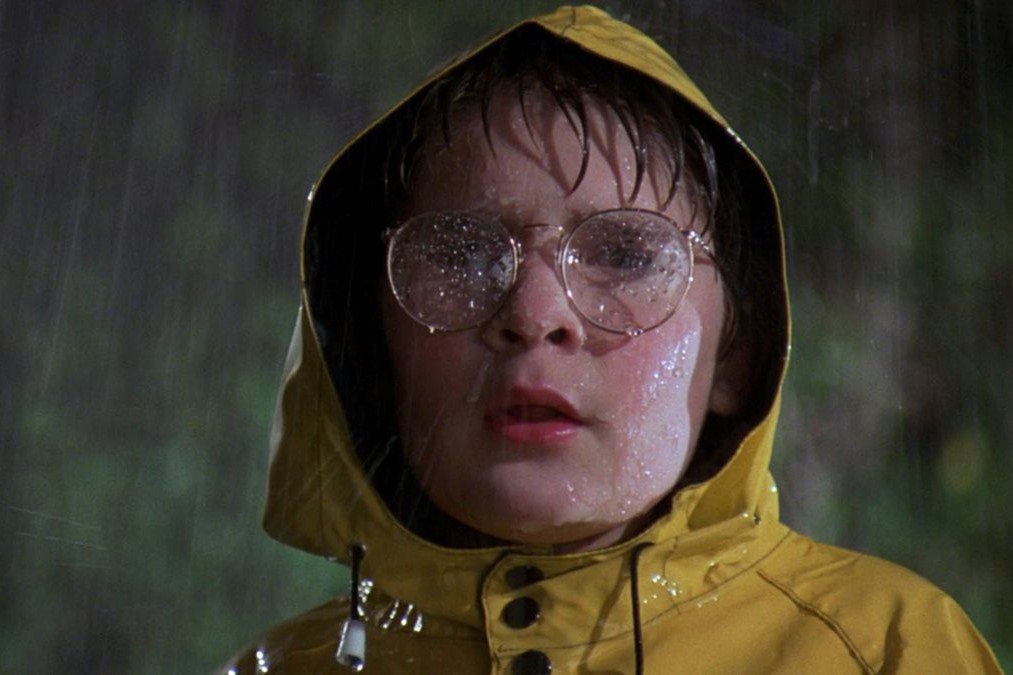
On March 22, 2020, Friday the 13th: A New Beginning turned 35 years old. I’m pleased to be able to write about it today, as it has always been my fave of the series.
Friday the 13th: A New Beginning is the 5th installment of the now essential Friday the 13th slasher series. I personally find it to be the campiest and most interesting, probably due to its patchwork of troubled personalities setting. The film was directed by Danny Steinmann who also gave us revenge flicks like Savage Streets in 1984, and horror flick The Unseen in 1980. The film stars John Sheppard (The Hunt For Red October 1990) as an older Tommy Jarvis, Shavar Ross (Diff’rent Strokes TV series) as young Reggie, and one of my fave scream queens, Tiffany Helm (Red Letter Day 2019 – read our review here, In The Tall Grass 2019 – read our review here) and many more.
The film was a box office hit at the height of the franchise, bringing in $22,000,000 worldwide from a budget of merely $2,000,000. The movie delivers in gore, dark humor, soundtrack (especially the song “His Eyes” by Pseudo Echo), story, and pure entertainment the whole way through.
The setting for Friday the 13th: The New Beginning is a halfway house that is run by the very sweet Pam (Kinnaman) and Dr. Matthew Letter (Richard Young: Indiana Jones And The Last Crusade 1989). A traumatized, teenaged Tommy Jarvis is sent to live there after surviving his horrific past with Jason at Camp Crystal Lake and losing his sister and mother to the killer. It’s obvious that Tommy, while quite artistic and crafty, is dealing with some serious anger issues. The other kids in the house have their fair share of problems as well, and they’re all forced to deal with one another’s tumultuous personalities day to day, all while being harassed by the local cops. They also endure some quirky neighbors!
Things start to get bloody when resident Vinnie (Anthony Barrile: Girlfriend from Hell 1989) murders another boy, Joey (Dominick Braskia: Evil Laugh 1986), after an incident involving a chocolate bar. A series of grizzly and unexplained killings follow, and the situations in which they occur (enchiladas anyone?) provide a campy and gory backdrop to this classic 1980s slasher.
Friday the 13th: A New Beginning opens with one of our favorite serial slashers being dug up by a couple of local rabble rousers, who in turn are murdered by the suddenly reanimated killer. All this is witnessed by a young Tommy Jarvis (Corey Feldman). Is it real or just in his dreams? We will soon find out.
What follows is a wild, sex-crazed and drug-fueled 92 minutes of blood-splattering chills and terror as the cast is picked off one by one by a homicidal masked maniac. The movie comes complete with a twist ending… I assume we’ve all seen it, but if not…
It turns out that he killer is not Jason at all but a copycat killer paramedic. Scorned over the loss of his son – the innocent and troubled chocolate-fiend, Joey, from the first kill – Roy Burns (Dick Wieand: The In-Laws 1979) takes his bloody revenge on the halfway house teens.
This franchise has always been for the outcasts, especially those rejected in some way by society, and I feel we can identify with this particular breed of rebel teenagers as they try to make their way through life.
We are all stuck inside at the moment, so why not delve into your horror den and have a little fright fest? Friday the 13th: A New Beginning offers up the delicious 1980s snack which just might be the campy, gory slasher that we all may need at the moment. In honor of the film’s 35th anniversary, I’d recommend revisiting what is ultimately a quintessential part of 1980s horror culture and pop in the VHS for old times’ sake. Or stream it on Amazon from where you sit.
In collaboration with CBC The National, Microsoft co-founder and philanthropist Bill Gates talks to The Sunday Magazine host Piya Chattopadhyay about his new book Source Code, revealing insights about his personal story and how he became one of the world’s most influential business leaders.
00:00 Source Code: My Beginnings
00:41 I was a different kind of kid
01:23 Conflict inside the Gates home
02:29 Discovering computers
04:04 Dropping out of Harvard at 19
05:04 Reigning in the power of AI
06:49 Influence of tech leaders in politics
08:20 Today, I would be diagnosed with autism



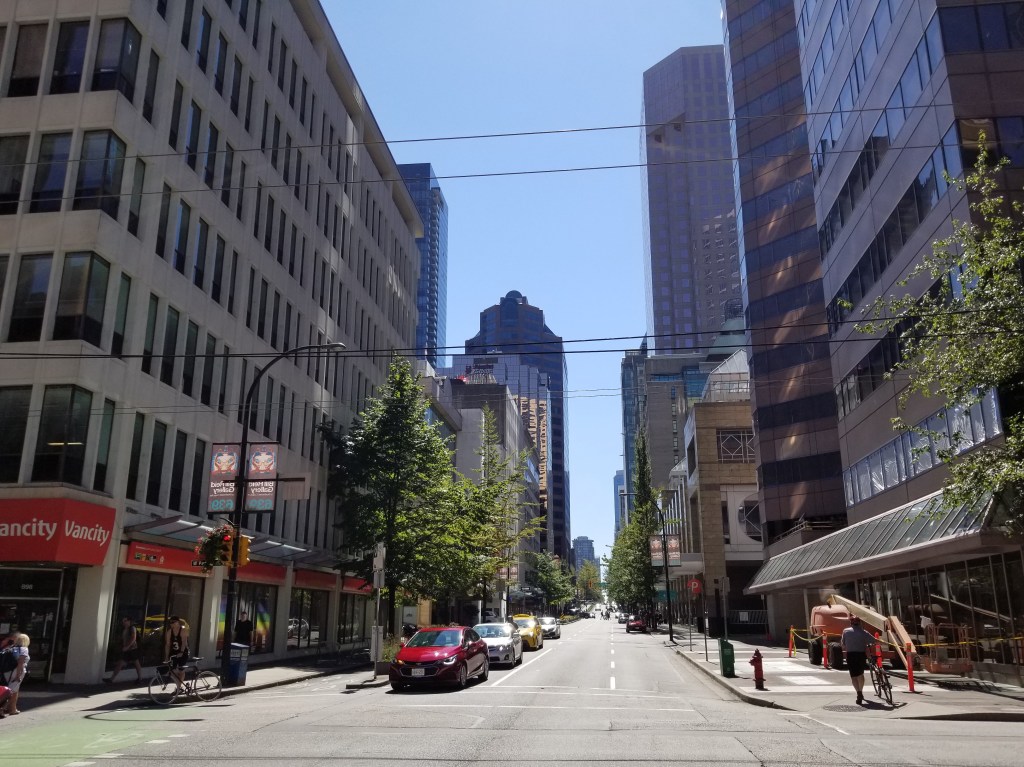
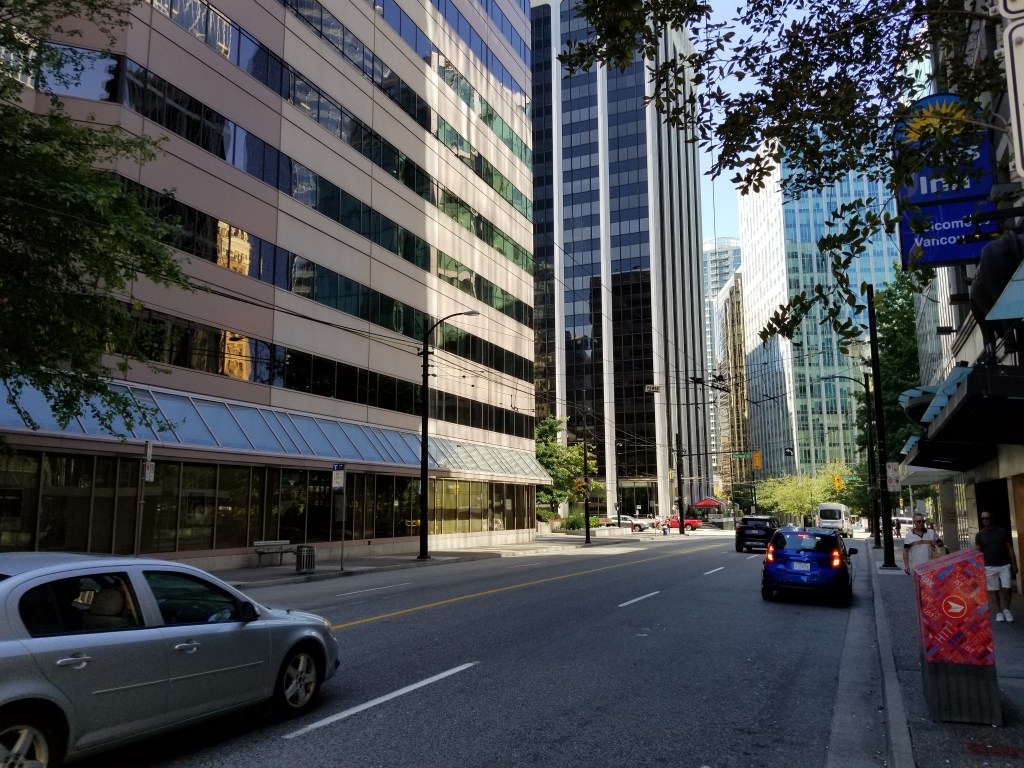


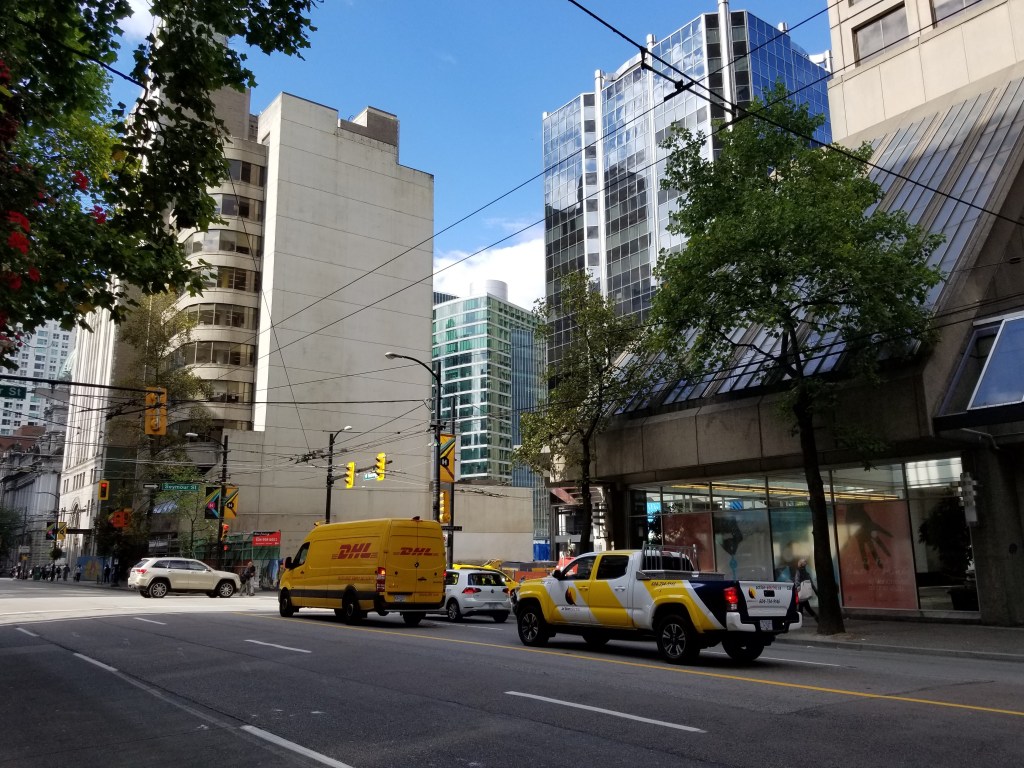
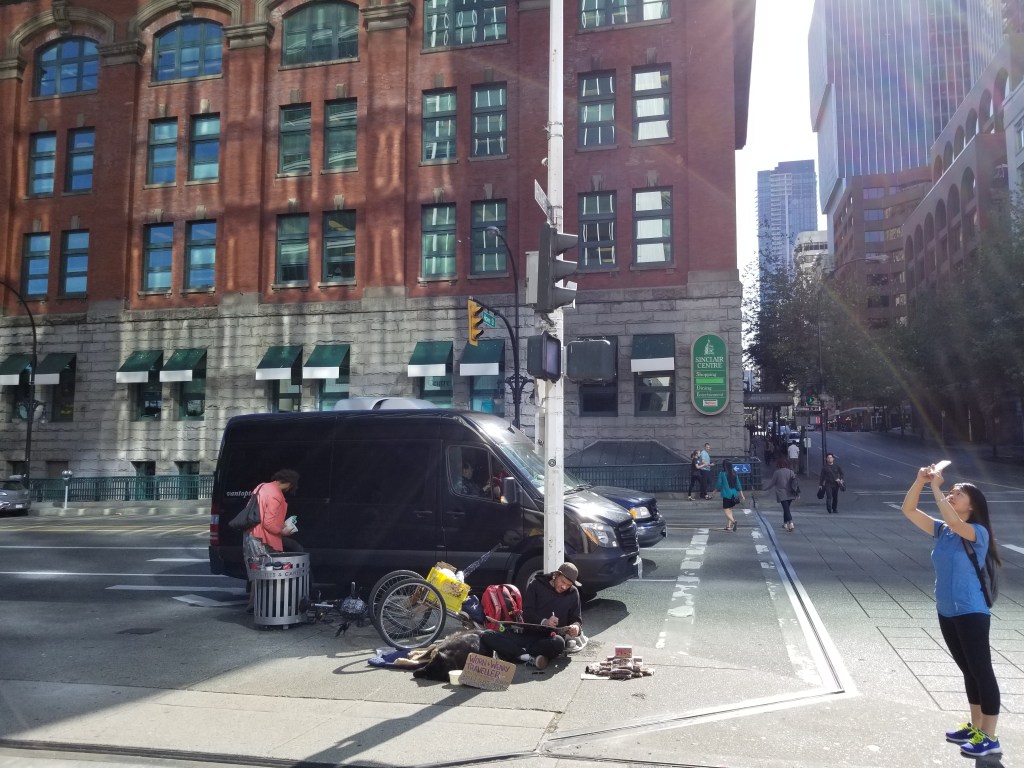
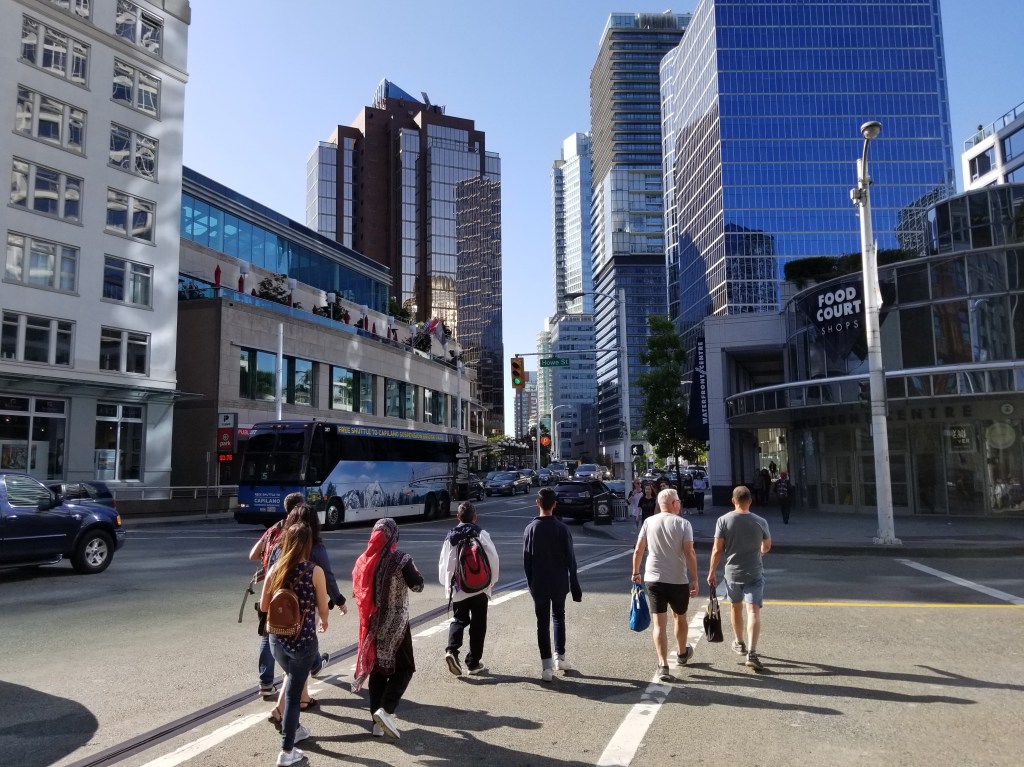
West Pender Street is a key artery in Downtown Vancouver, running parallel to East Pender Street but situated closer to the central business district. It’s a hub for commerce, education, and historical architecture, blending Vancouver’s modern growth with its rich past.
West Pender Street stretches through the heart of Downtown Vancouver, west of Main Street, where East Pender Street transitions into Chinatown. It runs roughly east-west, connecting key areas of the city’s financial and cultural districts.
West Pender Street is near major landmarks like the Vancouver Lookout (at 555 West Hastings Street, just a block south), Gastown to the northeast, and the waterfront along Burrard Inlet to the north. It’s also close to transit hubs like Waterfront Station, making it highly accessible.
One of the standout features on West Pender Street is the London Building, located at 626 West Pender Street, as mentioned in the web search results (web ID: 0). This heritage structure, built in 1912 during Vancouver’s pre-Great War building boom, is a fine example of Edwardian-style commercial architecture. Designed by the architectural firm Somervell & Putnam, the building features an embellished cornice, decorative coursing, medallions at the upper levels, and a richly ornamented iron storefront at street level. Constructed for the London and British North American Company, it reflects Vancouver’s early 20th-century growth as a commercial hub. The building is 113 years old as of 2025, blending historical charm with modern amenities. Today, the London Building houses the West Pender Campus of University Canada West (UCW), a private university offering business and technology-focused programs.
West Pender Street is dotted with other historic buildings, such as The Permanent (at 330 West Pender Street), a former bank turned event space built in 1907. These structures highlight the area’s role in Vancouver’s early development as a financial center.
University Canada West’s West Pender Campus is located in the London Building. This campus is strategically positioned for students. Many of the world’s biggest companies have offices within walking distance, providing students with access to a network of prospective employers in Vancouver’s financial district. The campus offers an inspiring setting, combining the historic ambiance of the London Building with modern facilities for education.
West Pender Street is part of Vancouver’s central business district, with numerous office buildings, including 905 West Pender Street. This reflects the street’s role as a commercial hub, attracting businesses, law firms, and tech companies.
West Pender Street balances historical architecture with modern development. While buildings like the London Building evoke the past, the area is bustling with contemporary office towers, cafes, and restaurants catering to professionals and students. The street is close to cultural attractions. The Permanent is a heritage event space that hosts private events, weddings, and cultural gatherings, adding a social vibrancy to the area. A short walk from West Pender Street takes you to Gastown (known for its cobblestone streets and Victorian buildings), the Vancouver Lookout, and the waterfront at Canada Place. West Pender Street is highly walkable, with wide sidewalks and proximity to public transit options like the SkyTrain (Waterfront Station) and bus routes. It’s also bike-friendly, aligning with Vancouver’s emphasis on sustainable transport.
The street’s central location means it’s often on the route for parades, festivals, and markets, such as the Vancouver Christmas Market or Pride Parade, which pass through nearby areas. Given its proximity to corporate offices, West Pender Street is a hotspot for professional events, networking meetups, and industry conferences. West Pender Street is generally safe, being in the bustling financial district. However, as with any urban area, it’s wise to stay aware, especially in the evenings, given its proximity to the Downtown Eastside, which faces social challenges.


This has been a terrible year for game preservation, and Nintendo’s latest moves have shut down Ryujinx, the second most advanced Nintendo Switch emulator, which leaves the future of Switch game preservation in jeopardy. Some might frame the legal action against Yuzu and Ryujinx, the two most high-profile Switch emulators, as an effort to curb piracy. This sort of myopic, short-term thinking has plagued the gaming industry. Nintendo has shut down its e-stores for the Wii, the Wii U, and the 3DS. At some point, Nintendo will undoubtedly do the same for Switch and its upcoming Switch 2 successor.
Nintendo has not shown any particular skill at in-house emulation, as the Switch’s N64 emulation was initially terrible. The fidelity of Switch emulation was relatively advanced for a currently active console, thanks to Yuzu and Ryujinx, and the cessation of these projects due to legal pressure from Nintendo makes it less likely there will be successors taking up the mantle any time soon. Nintendo is not going to preserve the entirety of the Switch library and make it perpetually available to the public, as the shutdown of its legacy console e-stores confirms. This is where emulation could help preserve games.
Every time Nintendo wins a lawsuit or pressures an out-of-court settlement in its favor, like Nintendo’s $2 million lawsuit against hackers, it simply reinforces the notion that Nintendo is a draconian legal juggernaut, ready and willing to throw its dollars at getting its way. The legitimacy of their legal arguments is irrelevant, since almost every worldwide legal system favors the party with deeper pockets. Whether a defendant could win is irrelevant – they cannot afford to win. For that reason, both Yuzu and Ryujinx folded, shutting down their operations and deleting the emulators to avoid being steamrolled by Nintendo.
Anyone arguing that Nintendo was in the right in these lawsuits should be reminded that the Nintendo Switch Joy-Con lawsuits ended in Nintendo’s favor. It is a universally known and undeniable fact that Switch Joy-Cons suffer from drift. A legal victory by Nintendo does not change that, it is simply a testament to the efficacy of the company’s legal team. Past lawsuits, like those of Sony against Bleem, show emulation is protected by legal precedent. A hypothetical suit between equally funded parties could have resulted in a similar result for Yuzu or Ryujinx, but realistically, they cannot match Nintendo’s resources.
A Steam Deck trailer removed Switch emulation footage, and the fact that portable form factor computers can emulate the Switch better than the Switch itself runs its own game library is a reason some gaming fans prefer to play via emulation than on the native hardware, even for games they own. Nintendo shutting down the major emulators for Switch is of dubious value, even to the company, as it is hard to correlate piracy with genuine lost revenue. The blow to game preservation is far more tangible. The increasing momentum of Nintendo’s aggressive litigation practice certainly shows no signs of slowing.
Consider Nintendo’s lawsuit against Palworld on patents, not copyrights. Nintendo has patented a massive number of game design elements over the years. Much like the emulation argument, if two equally funded sides were to duke it out in the courts, it is likely that many of Nintendo’s patents could not hold up, as they are intuitive and necessary aspects of modern game design. Few parties are as well funded as Nintendo. Against any smaller company, Nintendo can simply leverage the threat of protracted litigation, and force the smaller company to back down, even if the legal argument ultimately lacks substance.
When Nintendo ordered destruction of ROM files, it was not a victory over piracy, but a blow to preservation, akin to burning books. The industry and its lobbyists consistently focus on lost revenue – even hypothetical, potential lost revenue for games not currently in circulation. There may be a vibrant Switch e-store now, and it might remain so if the Switch’s successor is backward compatible, but in one or two decades, this becomes more uncertain. Emulators take time to develop, particularly as they are usually the passion projects of hobbyists. Few such hobbyists will poke the bear, given Nintendo’s aggressive legal tactics.
Any infringement, big or small, may eventually put a fan game and its developer in the crosshairs of Nintendo’s legal team. A Mario Kart knockoff costume rental service was sued, and numerous nonprofit fan games and tributes, and nonprofit emulation projects, have faced similar pressures. After seeing the hard work done towards the creation of Yuzu and Ryujinx abruptly erased, any other emulation pioneers would likely hesitate to repeat such efforts, knowing they could be the next ones targeted by Nintendo. Had Yuzu and Ryujinx persisted, by the time the Switch e-stores closed there could have been a flawless emulation alternative.
Recently, the Hachette v. Internet Archive lawsuit resolved with another blow to media access and preservation, but when it comes to gaming, Nintendo leads the pack with its inappropriate and overzealous litigation. Academics have struggled to legally access game ROMs for preservation and academic research, as the video game industry’s lobbyists focus on even the remote possibility that legacy games might be repackaged and resold to a new generation. Video game companies seem to have no inherent interest in preserving the legacy of the medium or treating video games as something of lasting artistic value, only in their bottom line.
Note: Yuzu was shut down as part of an out-of-court settlement associated with a lawsuit by Nintendo against its developers. The details of the Ryujinx shutdown are hazier, but Nintendo contacted the developers and reached an agreement for them to cease the project, suggesting the mere threat of legal action was sufficient to persuade the developer to abandon Ryujinx.
For those trained to think like stockholders, concerns over potential lost sales due to piracy could make the downfall of both major Switch emulators seem like a victory of some kind. For real fans of video games, this is clearly a worst-case outcome. If video games truly matter as an art form, if the medium has any lasting value that deserves to be preserved for future generations, fans cannot count on gaming companies to preserve that legacy. Gaming fans can count on Nintendo targeting any successors to Yuzu and Ryujinx, however, ensuring the Nintendo Switch library dies when its e-store closes.
Bringing back the ol’ 3Dio for a good ol’ fashioned ear exam & outer ear cleaning RP 😀 so, you’ve gotten yourself in a very ~sticky~ situation – like losing a fight with a roll of packaging tape. Oddly enough, it’s only on your ears. Curious. There are some intense-ish and straight intense parts of this video, those parts have been marked in the timestamps so one can avoid the heavy sounds if they wish!
Introduction ~ 00:00 – 03:05
Inspecting Your Ears ~ 03:05 – 06:08
Pulling Off The Tape (Intense-ish) ~ 06:08 – 14:07
Double Checking Your Ears ~ 14:07 – 15:00
Palpating Your Ears (Intense) ~ 15:00 – 17:01
Assembling Otoscope ~ 17:01 – 17:55
Looking Inside Your Right Ear (Intense-ish) ~ 17:55 – 20:36
Looking Inside Your Left Ear (Intense-ish) ~ 20:36 – 22:30
Getting Ready For Ear Cleaning (Intense-ish) ~ 22:30 – 24:28
Wiping Off Your Left Ear ~ 24:28 – 26:51
Wiping Off Your Right Ear ~ 26:51 – 29:39
Cleaning Your Left Ear w/ Cotton Buds ~ 29:39 – 33:36
Cleaning Your Right Ear w/ Cotton Buds ~ 33:36 – 36:51
Wiping Off Your Left Ear Again (Intense-ish) ~ 36:51 – 37:58
Wiping Off Your Right Ear Again (Intense-ish) ~ 37:58 – 39:09
Swabbing Your Left Ear Dry ~ 39:09 – 40:21
Swabbing Your Right Ear Dry ~ 40:21 – 41:52
Drying Off Your Left Ear (Intense) ~ 41:52 – 43:22
Drying Off Your Right Ear (Intense) ~ 43:22 – 45:45
Double Checking Your Ears (Intense-ish) 45:45 – 46:40
Aftercare (Intense-ish) ~ 46:40 – 47:47
Taking Notes 47:47 – 48:40
Final Bits ~ 48:40 – 50:09
Hope y’all enjoy, have a whale of a day! 🙂

 Igor's Blog