



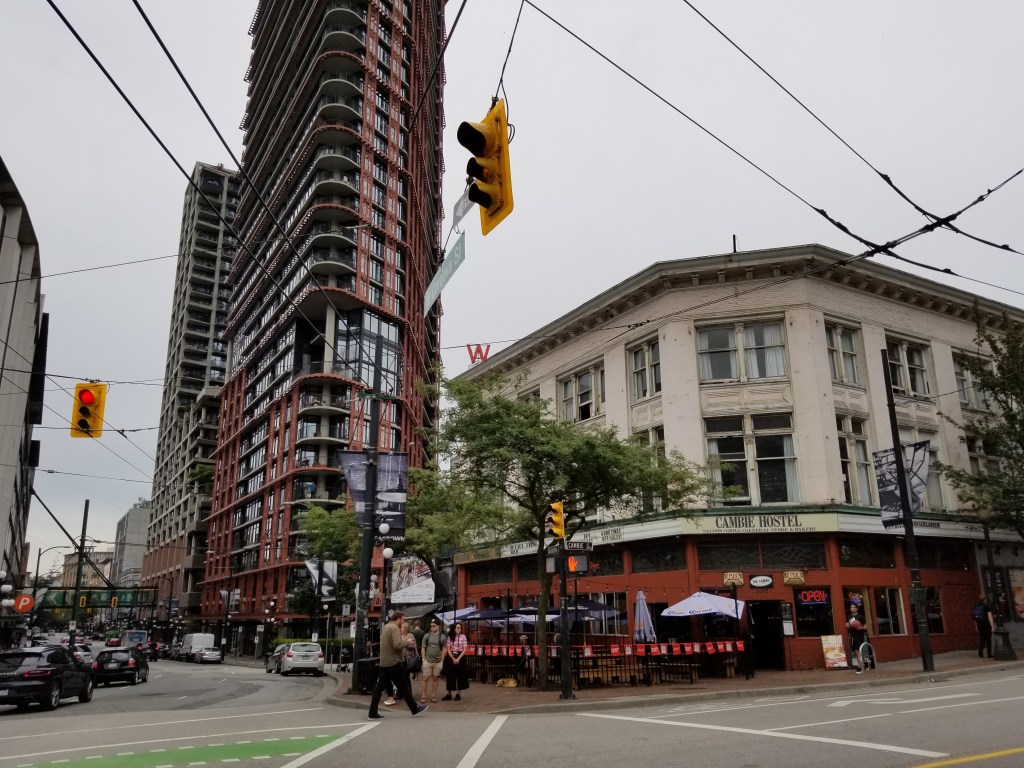
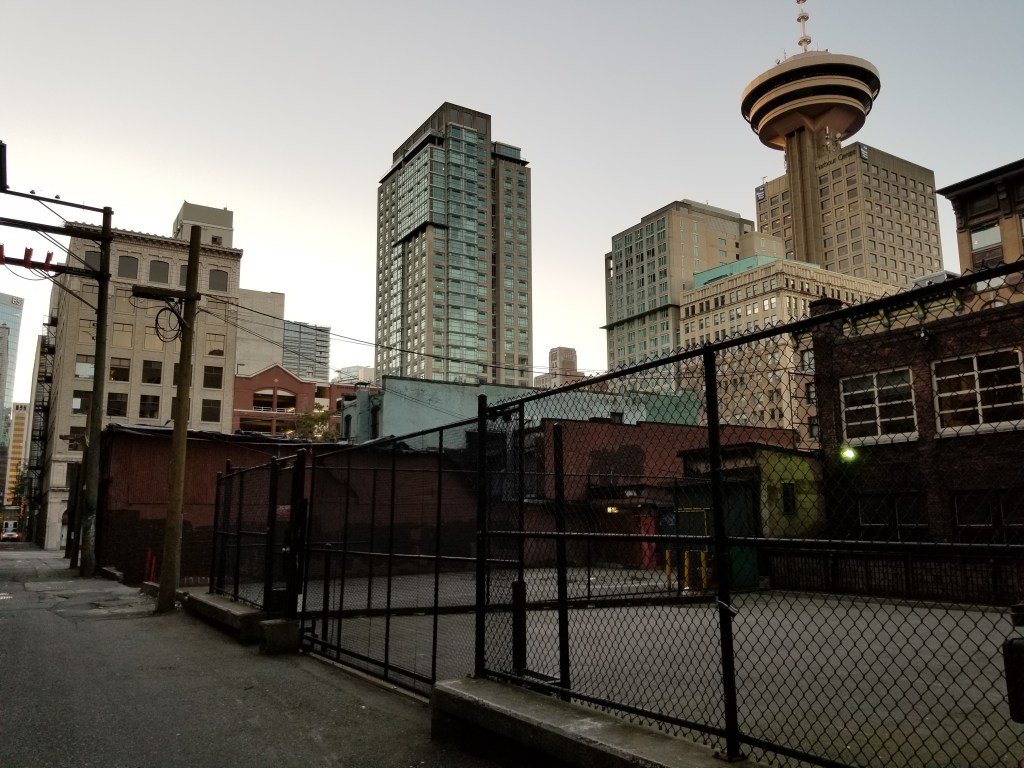
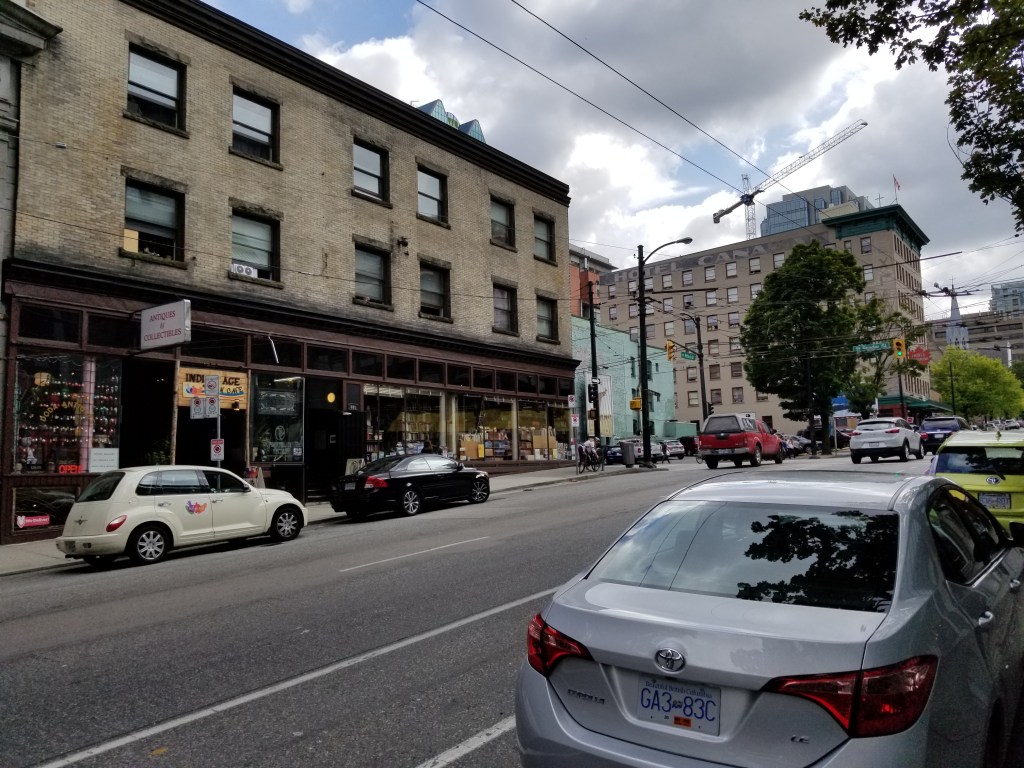
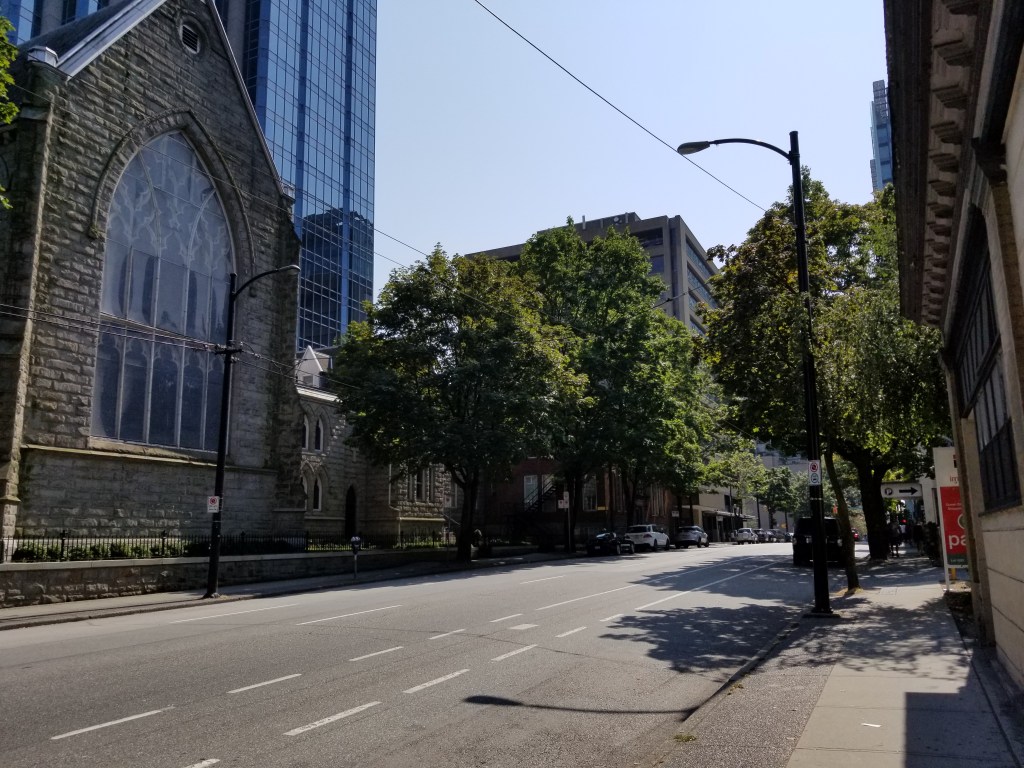
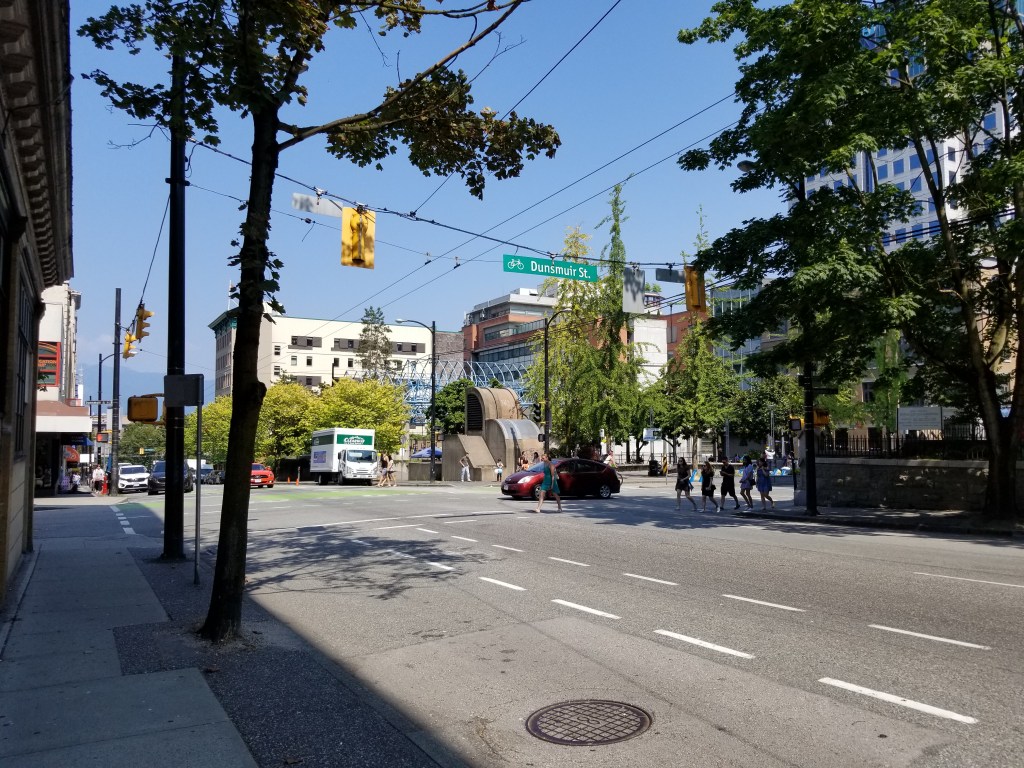
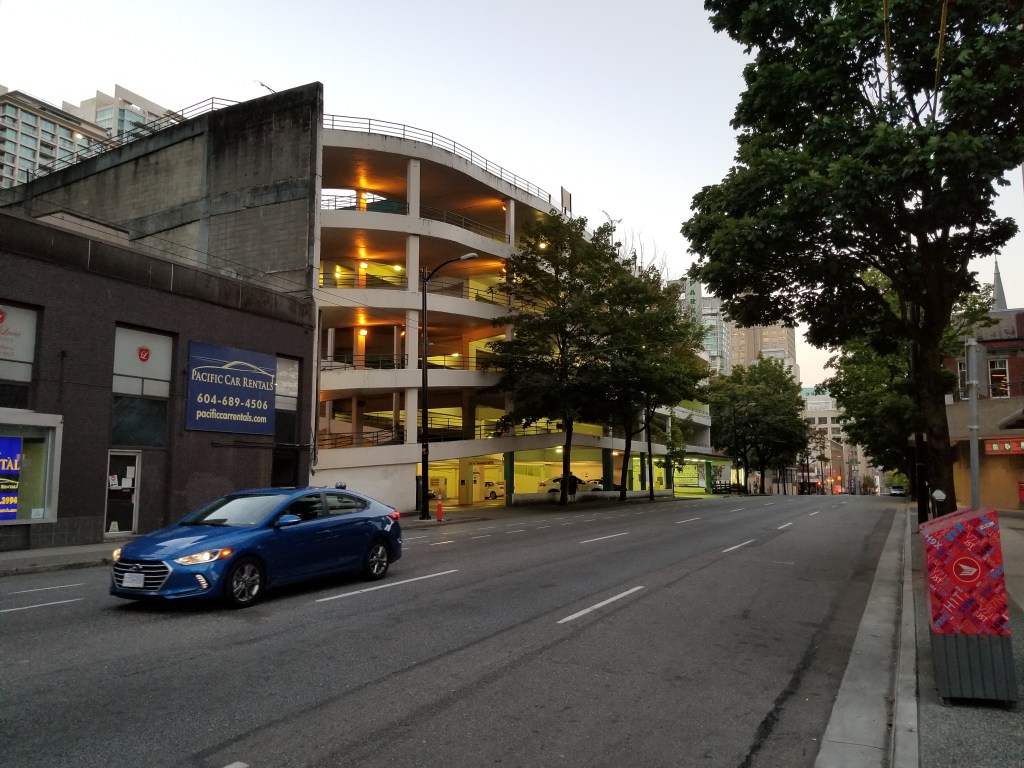
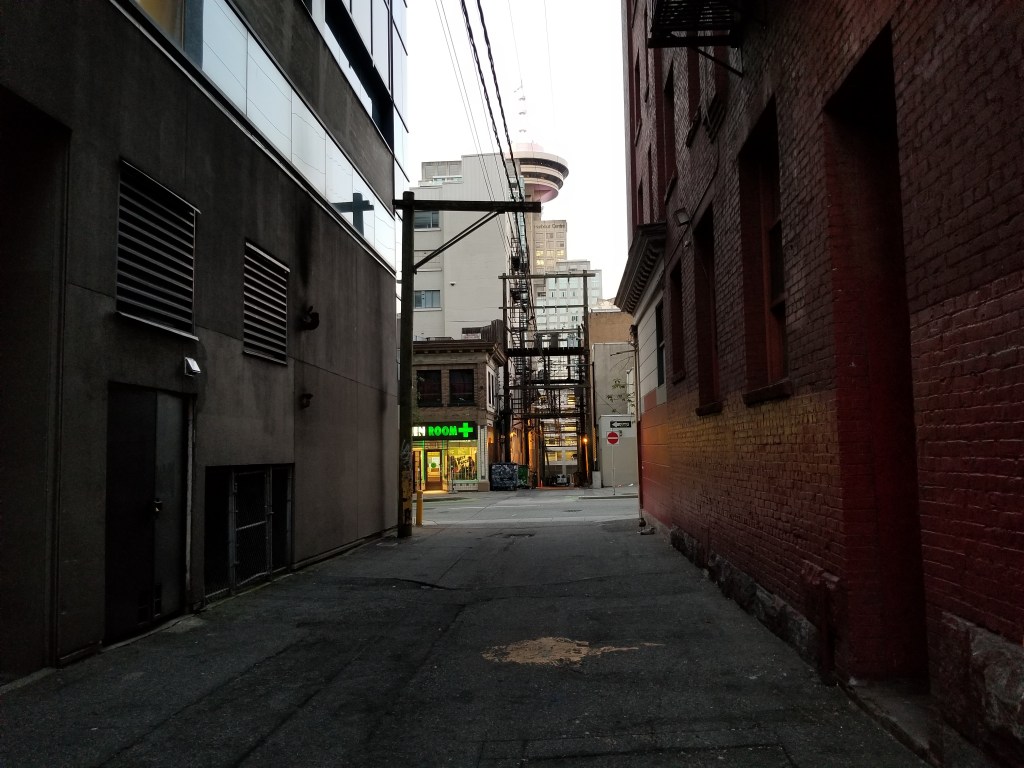
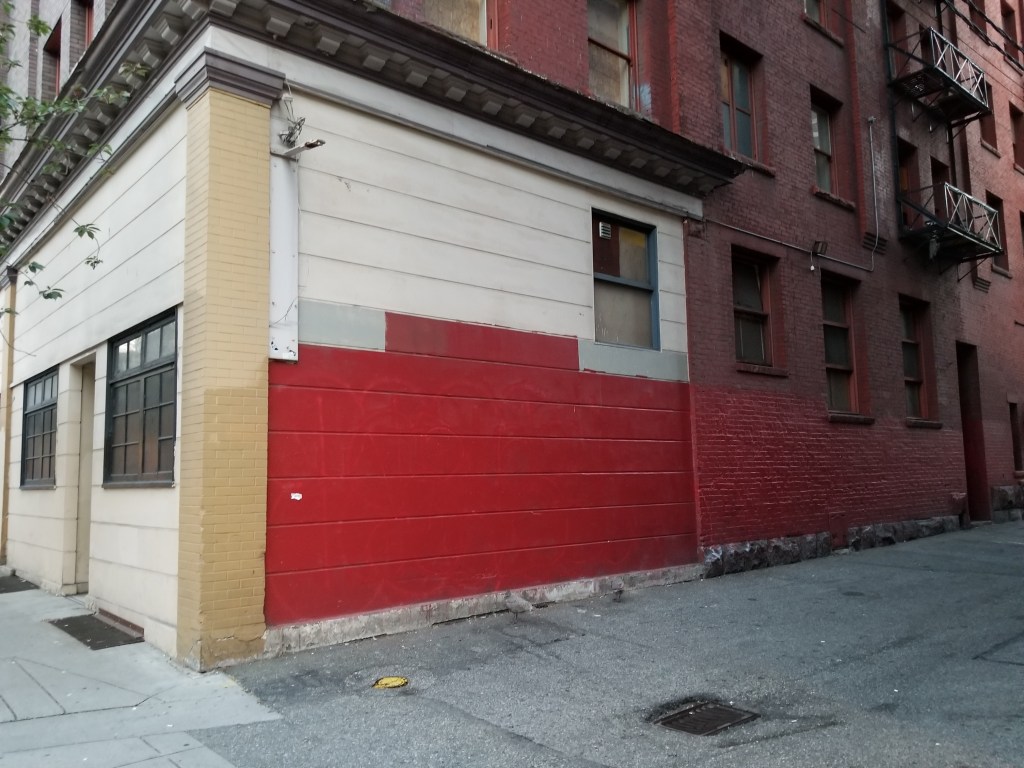
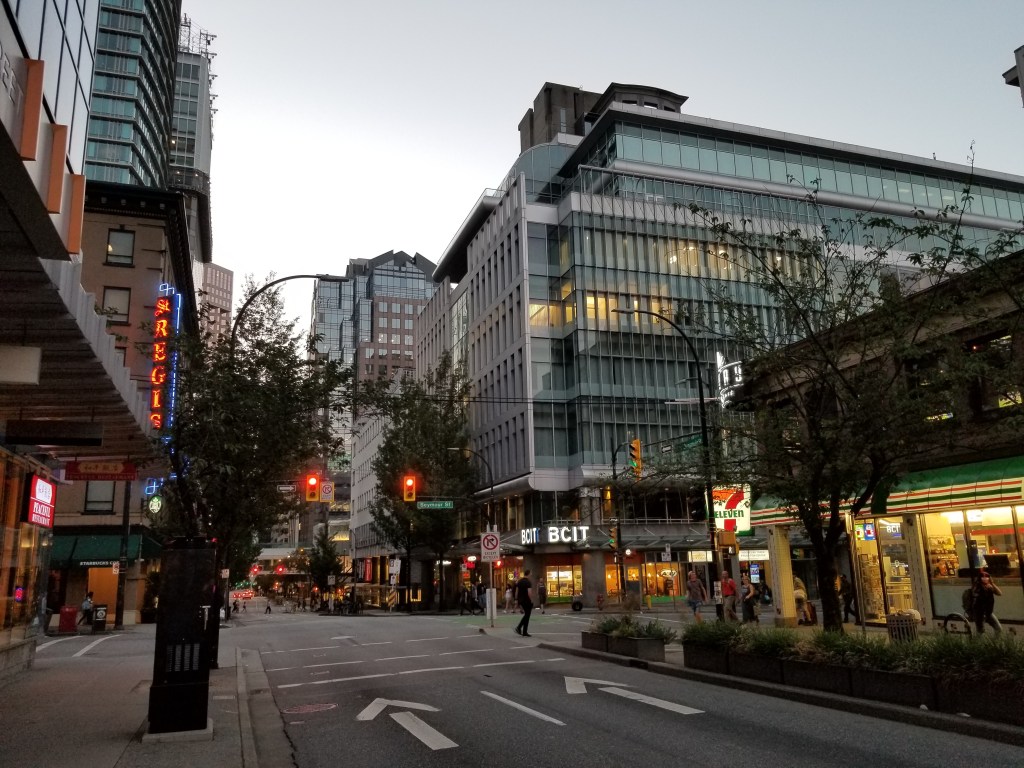
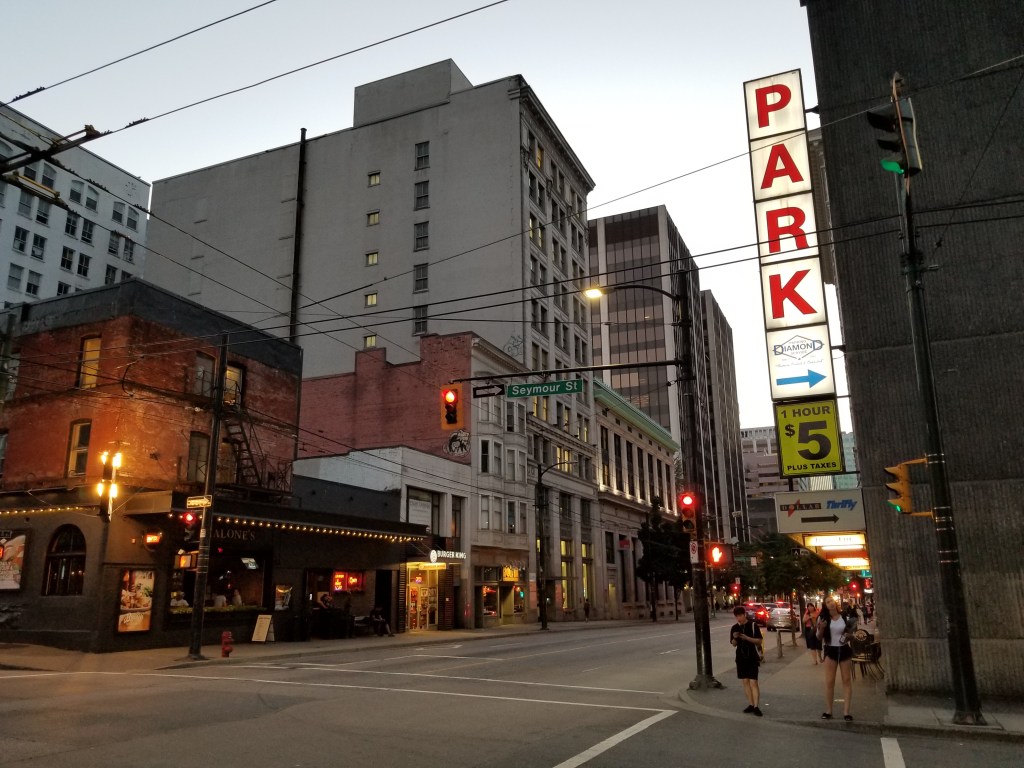
Dunsmuir Street is a major east-west street in downtown Vancouver, British Columbia, running through the heart of the city’s central business district. It stretches from Burrard Street in the west to Cambie Street in the east, where it transitions into Dunsmuir Viaduct, connecting to Prior Street and the Georgia Viaduct. Dunsmuir Street is a key arterial route, parallel to other prominent downtown streets like Georgia Street to the north and Robson Street to the south.
Dunsmuir Street is named after Robert Dunsmuir, a prominent 19th-century Scottish-Canadian coal magnate and politician who played a significant role in British Columbia’s industrial history, particularly through his development of coal mines on Vancouver Island and his involvement in the construction of the Esquimalt and Nanaimo Railway.
Dunsmuir Street was established as part of Vancouver’s early grid system in the late 19th century, a period when the city was rapidly growing due to the arrival of the Canadian Pacific Railway (CPR) in 1887. The street’s naming reflects the influence of figures like Robert Dunsmuir, whose wealth and political clout shaped much of BC’s early economic landscape.
Over the decades, Dunsmuir Street evolved from a relatively modest thoroughfare into a central artery in Vancouver’s downtown core. By the mid-20th century, it was surrounded by commercial buildings, and by the late 20th century, it became a hub for office towers, cultural institutions, and transit connections, reflecting Vancouver’s growth into a major metropolitan center.
The City of Vancouver has been working on a project to improve Dunsmuir and Melville Streets, focusing on the stretch between Hornby Street and the Coal Harbour Seawall. This initiative, part of the Downtown Bike Network Expansion, aims to make the area safer and more accessible for walking, biking, and rolling (e.g., using wheelchairs or scooters). Public engagement for this project concluded on October 6, 2024, with the city collecting feedback through surveys and in-person events. An engagement summary was expected to be released in late 2024 or early 2025, which should now be available as of May 2025. Construction is slated to begin in 2026, indicating that preparatory work, such as final design approvals, might be underway now. The upgrades will enhance connectivity between key routes, improving access to the Coal Harbour Seawall, a popular recreational area along the waterfront.
Dunsmuir Street is home to several notable buildings, including Bentall Centre (near Burrard Street). It’s a complex of office towers that houses major corporations and is a focal point for business activity. 500 Dunsmuir Street is associated with the Holborn Group of Companies, a real estate firm. The building itself is likely a commercial property, reflecting the street’s role in Vancouver’s business district. Dunsmuir Street is close to cultural landmarks like the Vancouver Art Gallery (on Georgia Street, just north of Dunsmuir) and public spaces like Robson Square, accessible via nearby streets. The Hyatt Regency Hotel is located near Burrard and Dunsmuir, making the area a hub for tourists as well as locals. Retail options, such as those at The Bay store on Granville Street (accessible via Dunsmuir), also contribute to the street’s vibrancy.
Dunsmuir Street is a busy route for vehicular traffic, particularly during rush hours, as it serves as a primary east-west corridor for commuters heading to or from the central business district. The ongoing Dunsmuir/Melville Street upgrades highlight the city’s focus on improving cycling infrastructure. Dunsmuir Street already has a protected bike lane for much of its length, a feature introduced in 2010 as part of Vancouver’s push to become a bike-friendly city. The 2026 upgrades will likely enhance these facilities further. In addition to SkyTrain stations, Dunsmuir Street is served by multiple bus routes, and its proximity to the Granville transit mall (on Granville Street) makes it a key node for public transit users.
The planned upgrades starting in 2026 will likely cause temporary disruptions on Dunsmuir Street, such as lane closures or detours, but the long-term benefits include improved safety and accessibility for all users. Vancouver’s focus on sustainable transit and walkable streets suggests that Dunsmuir Street will continue to evolve into a more eco-friendly corridor, potentially with features like expanded bike lanes, more greenery, and better integration with public transit. As downtown Vancouver grows, Dunsmuir Street may see increased development, such as new high-rises or mixed-use projects, though the city’s emphasis on preserving views and public spaces will likely temper this growth.
Dunsmuir Street’s viaduct section, the Dunsmuir Viaduct, has been a point of contention in Vancouver’s urban planning debates. Some city planners and residents have advocated for its removal (along with the Georgia Viaduct) to reclaim land for parks or housing, a proposal that gained traction in the 2010s and 2020s. As of May 2025, no final decision has been widely publicized, but this could be a future change to watch for.
Dunsmuir Street is a vital part of Vancouver’s downtown core, blending historical significance with modern urban functionality. It’s a hub for business, transit, and cultural activity, and the ongoing upgrades (set to begin in 2026) will enhance its role as a pedestrian- and cyclist-friendly corridor. Its proximity to landmarks like the Bentall Centre, SkyTrain stations, and the Coal Harbour Seawall makes it a central artery in the city’s daily life.
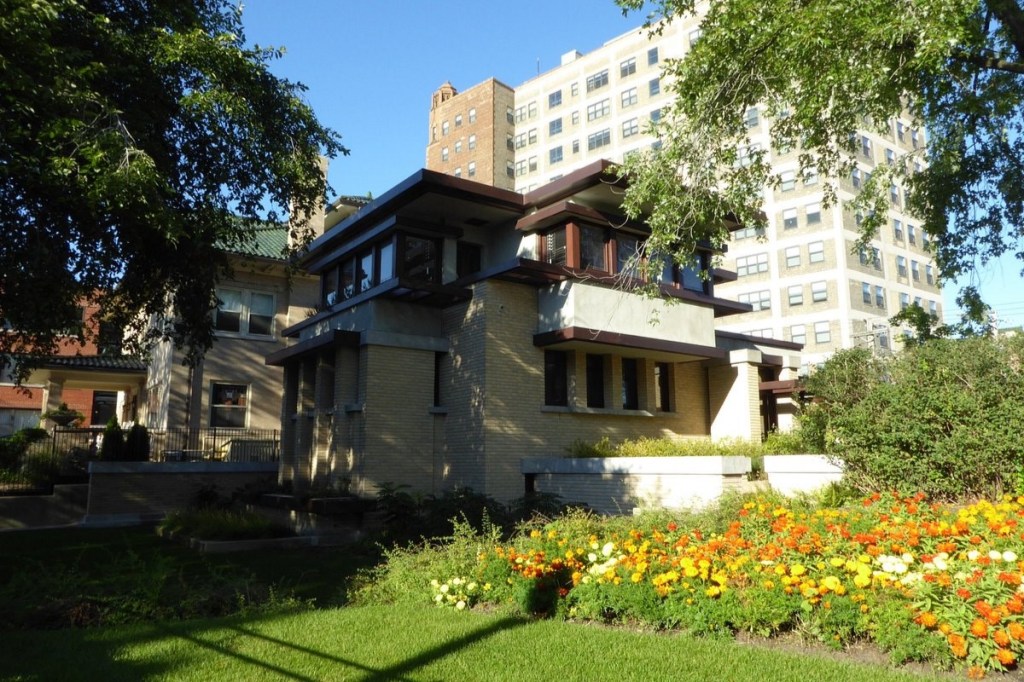
The Emil Bach House, located in the Rogers Park neighborhood of Chicago, is an architectural gem designed by the legendary architect Frank Lloyd Wright. Built in 1915, this Prairie style house is a testament to Wright’s genius and innovation. In this article, we will delve into the history, architecture, and significance of the Emil Bach House, exploring its unique features and its impact on the world of design.
The story of the Emil Bach House begins in 1914 when Emil Bach and his wife Anna purchased the site from Amelia Ludwick. Emil Bach, co-owner of the Bach Brick Company, was an avid admirer of Frank Lloyd Wright’s work. He commissioned Wright to design a house that would reflect his appreciation for Wright’s architectural style. Construction of the house began in 1915, and it quickly became a symbol of Wright’s late Prairie style.
Over the years, the house changed hands several times. In 1934, Joseph Peacock purchased the house from the Bachs and owned it until 1947. The property was then sold twice in 1951 before Manuel Weiss became the owner. In 2003, the house was put up for sale and later listed at a reduced price. After a period of stagnation in the real estate market, the house was finally sold at an auction to Jennifer Pritzker in 2009.
The architecture of the Emil Bach House is a testament to Frank Lloyd Wright’s innovative approach to design. It is part of a series of geometric, cubic homes with overhanging, flat roofs that Wright designed in the early 20th century. Of the houses of this type in Chicago, the Bach House is the only one that remains standing today.
The house features a two-story design with a basement, encompassing approximately 2,700 square feet. Upon its construction, the house boasted a clear view of Lake Michigan from its rear facade. This proximity to the lake was significant for Emil Bach, who suffered from breathing problems and found solace in swimming in the lake every day. The house’s design allowed Bach and his family easy access to the lake, promoting a close connection to nature.
The Emil Bach House holds immense historical and cultural significance. It was declared a Chicago Landmark on September 28, 1977, recognizing its architectural and historical value. Moreover, in 1979, it was added to the U.S. National Register of Historic Places, solidifying its place as a treasured piece of American architectural heritage.
The house is a shining example of Frank Lloyd Wright’s late Prairie style. Its unique design, with its cubic masses and slab roof, sets it apart from other structures in the area. The Bach House stands as a testament to Wright’s artistic vision and his ability to create harmonious spaces that seamlessly blend with their natural surroundings.
In 2009, after Jennifer Pritzker acquired the house, an extensive restoration took place to preserve its original charm and architectural integrity. The restoration included the creation of a Japanese Tea Garden on the property, paying homage to Wright’s experiences in Japan and their influence on his later works.
The completion of the restoration marked a new chapter in the life of the Emil Bach House. It now serves as a vacation home and event rental space, allowing visitors to experience firsthand the beauty and brilliance of Frank Lloyd Wright’s design.
Today, the House is open to the public for group tours by appointment. It also offers the opportunity for event rentals, allowing guests to immerse themselves in the unique atmosphere of this architectural masterpiece. Whether you are a design enthusiast, an admirer of Frank Lloyd Wright, or simply curious about the history of Chicago’s architectural heritage, a visit to the Emil Bach House is an experience not to be missed.
The Emil Bach House stands as a testament to Frank Lloyd Wright’s genius and innovation. Its unique design, blending seamlessly with its natural surroundings, showcases Wright’s ability to create spaces that inspire and captivate. As you step into the Emil Bach House, you are transported to a world where architecture and nature harmoniously coexist. It is a true masterpiece that continues to inspire and awe visitors from around the world.


While many other RPGs had bigger budgets and others have had shinier presentations, Shin Megami Tensei: Persona 3 shows that it’s not all glitz and glamour that makes a great RPG. Persona 3 is an experience like no other before it. It blends a dark, edgy story with dungeon crawling, monster collecting, and social interaction in a way that is addictively unique and memorable.
One aspect that sums up the RPGamer love for Persona 3 is the unique feeling that you had never played anything like it before. Shoji Meguro’s soundtrack is one of the catchiest collections of tunes in some time and his techno style fit the game’s diversity to a tee. One minute the game has you fighting your way through dungeons, battling powerful demons known as shadows, and the next you’re in school taking quizzes, doing homework, and making friends. There is no one defining facet of Persona 3, but the blending of all of them is what makes this game an experience you have to play to understand. So whether you are wooing the sexy Mitsuru or just making friends with an elderly couple at a bookstore, Persona 3 is an RPG you just don’t want to stop.
Whether you picked up the initial release or waited for FES, Persona 3 is an endearing experience. While Persona 4 no doubt made some major improvements to the system, Persona 3 is where it all originated from. For its story, characters, music, gameplay, and overall originality, Shin Megami Tensei: Persona 3 is not only our pick for RPG of the Decade, it’s easily one of the top RPGs of all time.
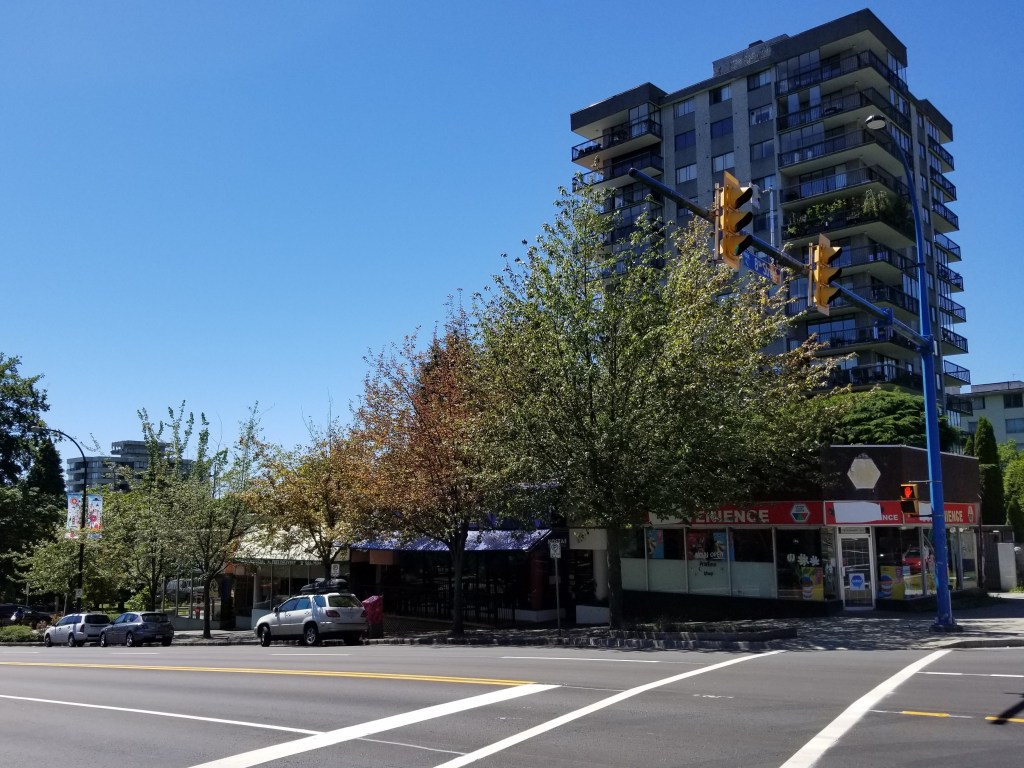
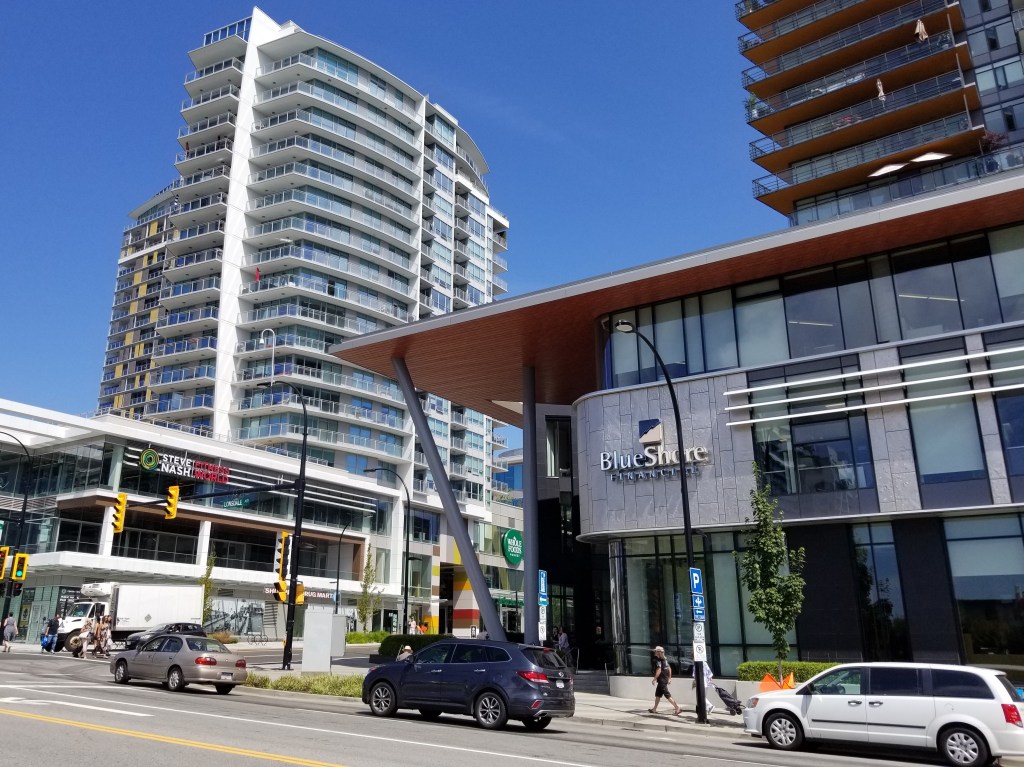
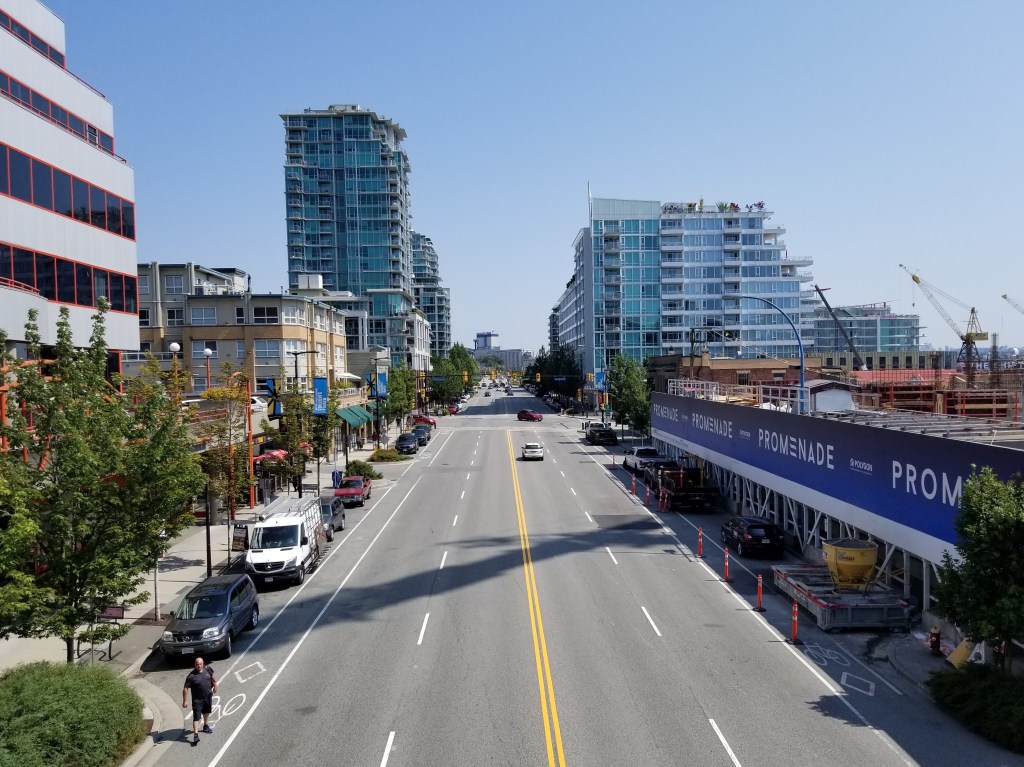
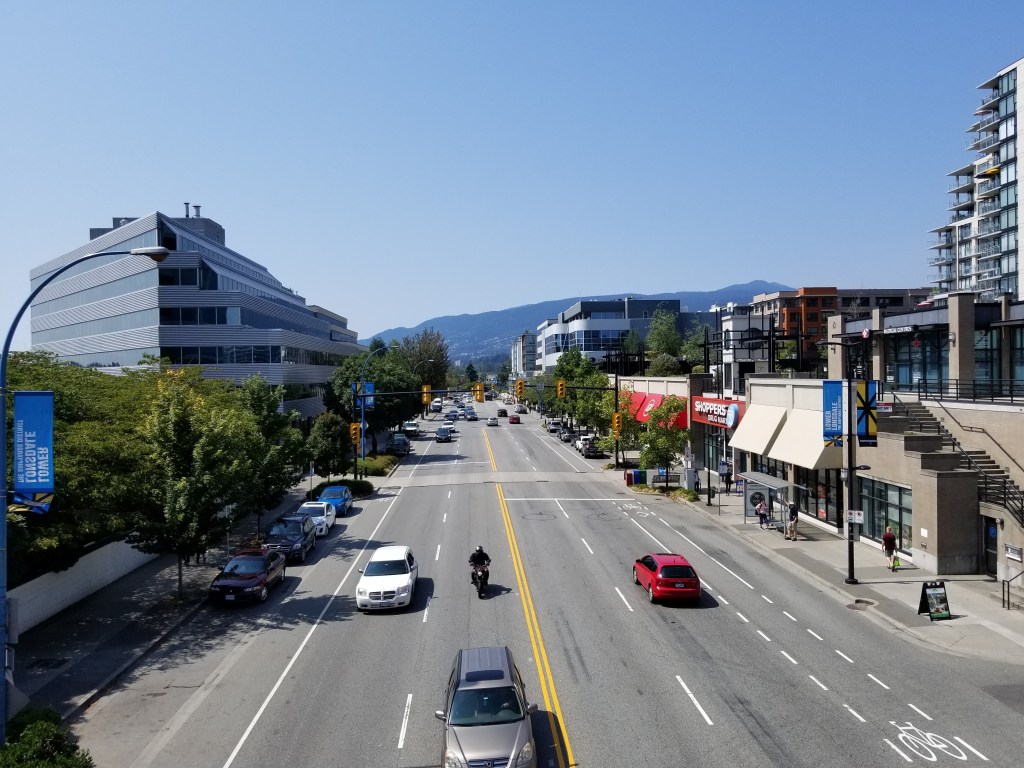
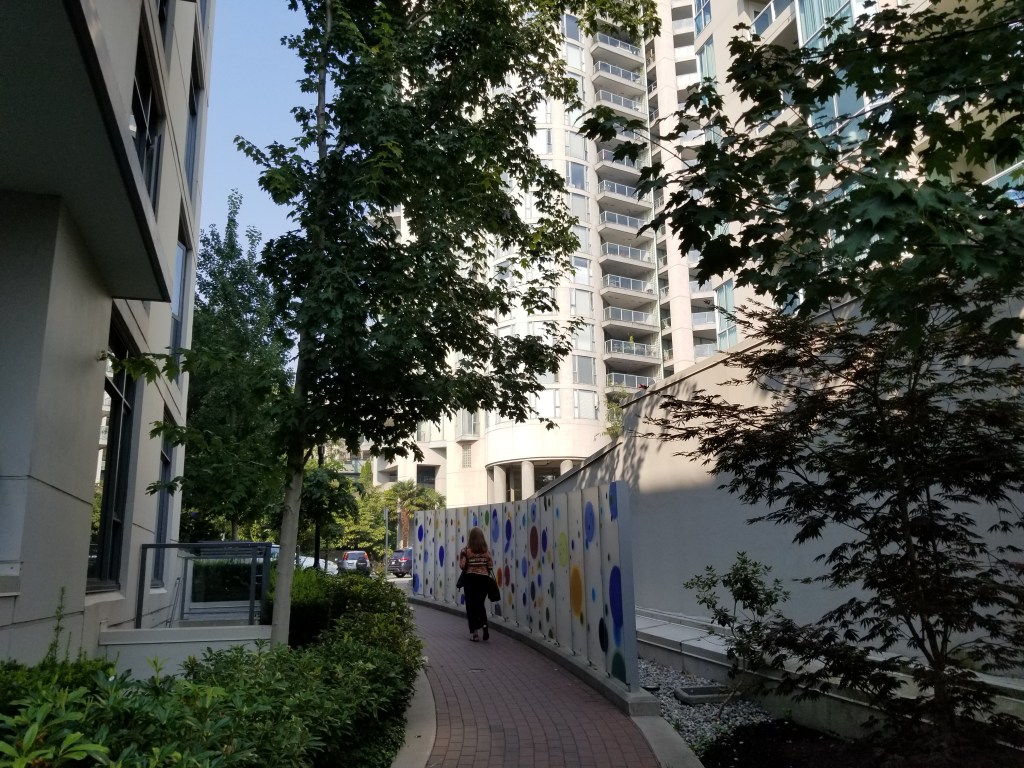
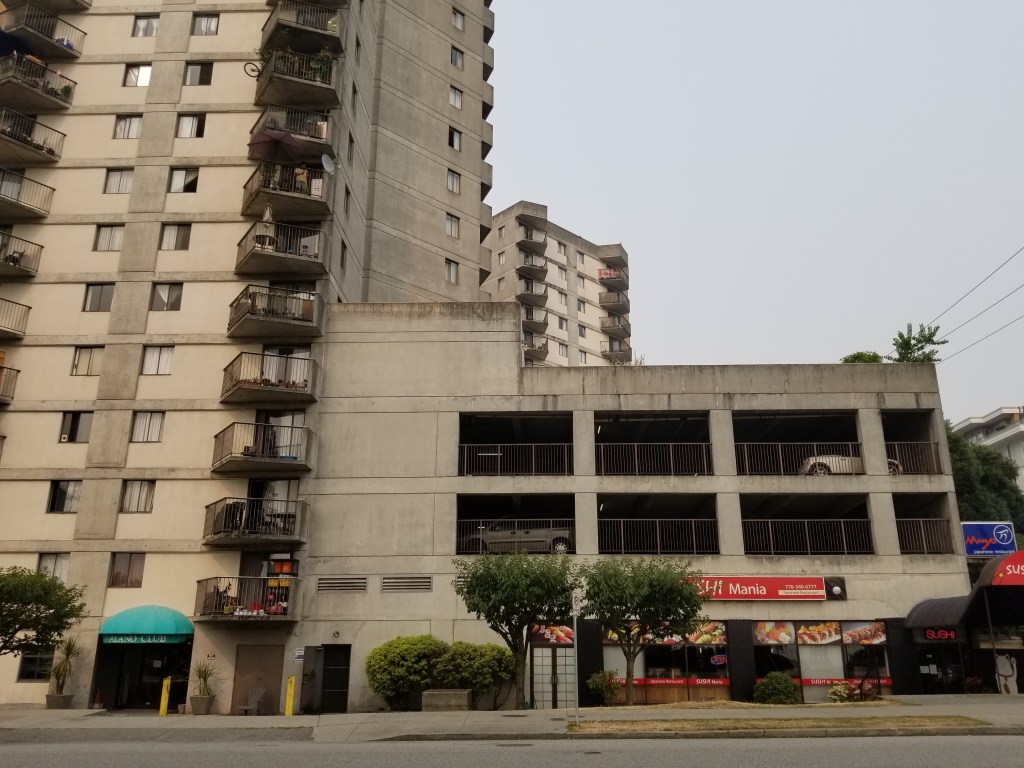
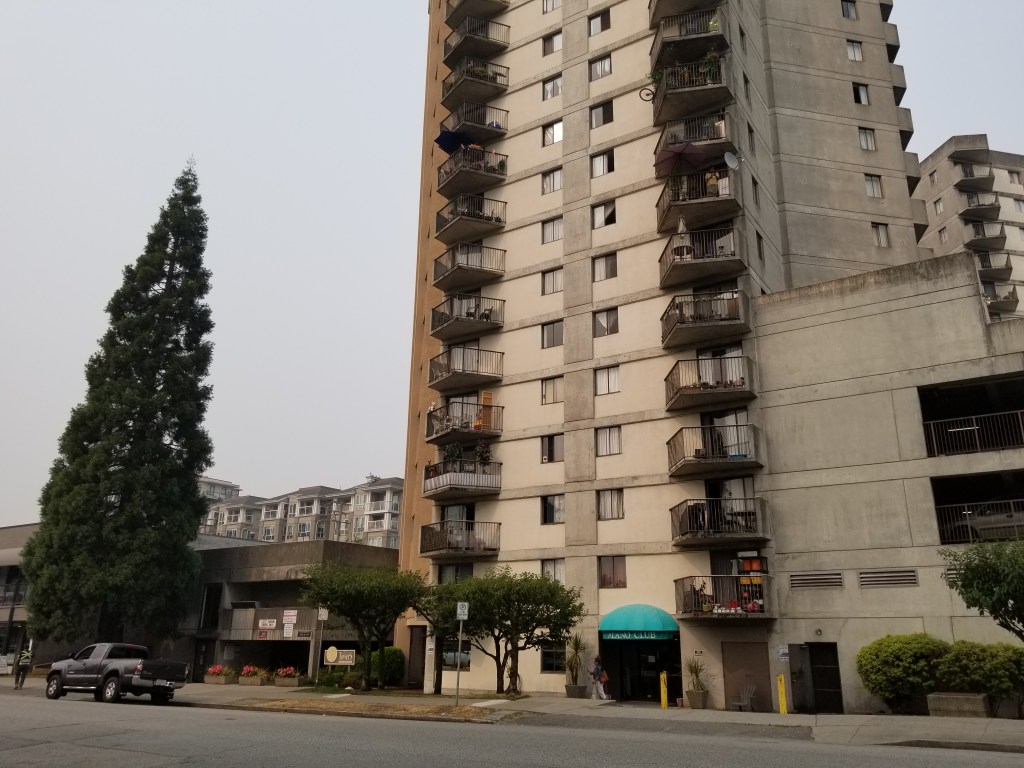
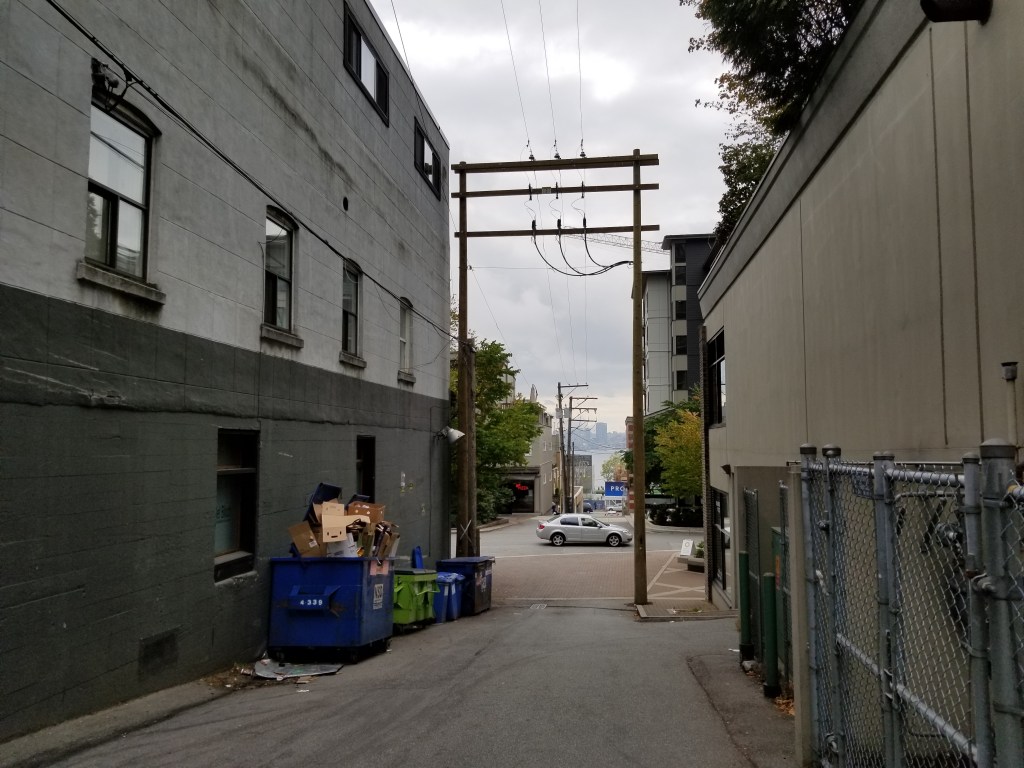
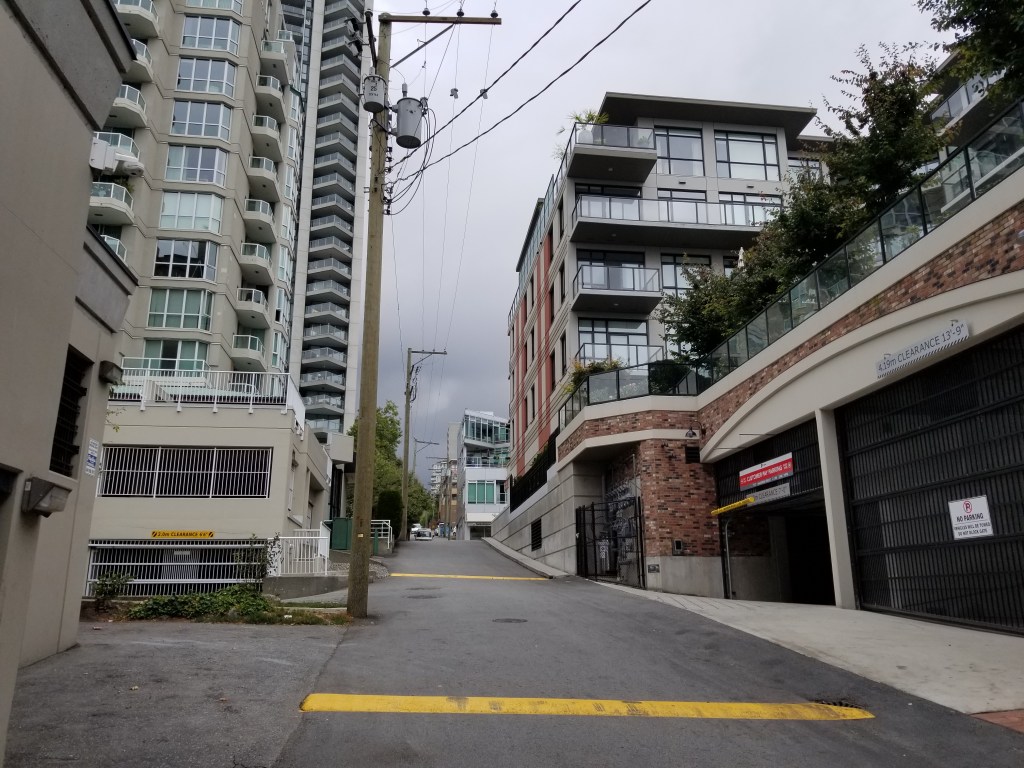
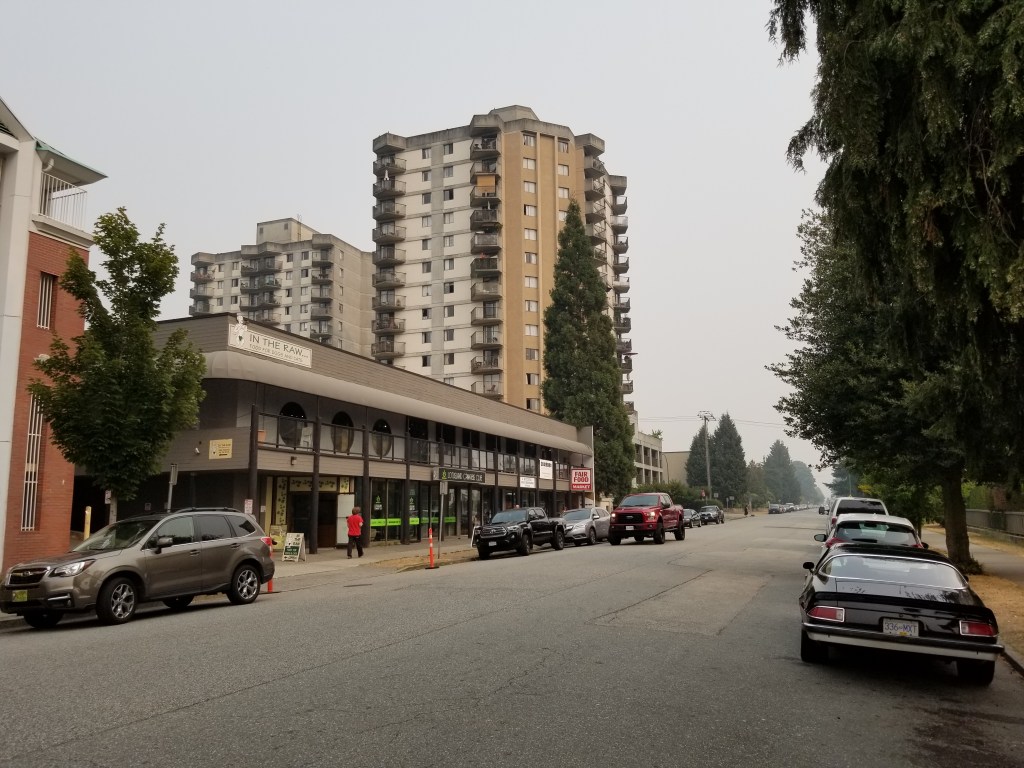
Lonsdale Avenue has been a cornerstone of North Vancouver since the city’s early days. When North Vancouver was first established, Lonsdale was planned as a prominent thoroughfare, running right down the middle of the city’s layout. Its strategic importance was tied to its role in transportation—originally, the ferry at the foot of Lonsdale (in Lower Lonsdale) was a key connection point. These ferries, initially privately owned, were later managed by the government as the city grew, ensuring steady access to resources and workforce mobility. This made Lonsdale a vital lifeline for the burgeoning community, connecting it to downtown Vancouver and beyond.
As of 2019, Lonsdale has become a desirable area for young professional families, business owners, and investors. With the cost of living in downtown Vancouver skyrocketing, many are drawn to North Vancouver for a high quality of life while still being close to the city. The avenue features art installations, new parklet outdoor spaces, and some of the North Shore’s best restaurants, shops, cafes, and parks.
Lower Lonsdale, closer to the waterfront, is known for its real estate market, with a mix of houses, apartments, condos, and vacant lots for sale. It’s also home to the Lonsdale Quay Market and the Shipyards, a popular spot for dining, events, and waterfront views.
Further up the avenue, Central Lonsdale is more residential but still vibrant with charming coffee shops, restaurants, and boutique stores. It’s a walkable area with a community feel, often highlighted for its rows of shops and eateries.
Lonsdale Avenue encapsulates the evolution of North Vancouver—from a ferry-dependent settlement to a modern, thriving community. It’s a place where history meets contemporary living, offering a balance of cultural richness, accessibility, and community spirit.
 Igor's Blog