

The Naiads by Gioacchino Pagliei, 1881.
I still remember the very first time. I played Silent Hill 2 I was standing with my friend in front of my giant CRT TV, as I watched James have his final Revelation and revealed the lore that he had been the one who killed Mary I was left completely Breathless. Then James left the room that he and Mary had shared into the hallway of the Lakeview hotel. And this song started to play That this moment I realized that Silent Hill 2 was undoubtedly. One of my favorite games I’d ever played that was probably seven years ago at this point, but I still come back in place on hell too about once every year, and every time I’m a stash at what an amazing game, it is. So you would think that when I heard that sound too, was getting a remake, I would be ecstatic but I wasn’t. I was just completely and I don’t really disappointed. I hate remakes and it’s not just because I’m some Boomer who wants to hate on new things. When I heard that silent 2 is being remade, it was like a stab in the heart. I stayed quiet though. Then I saw that both Persona 3. And Metal Gear Solid three were both being remade as well, instantly, I thought of all the people who would be robbed of playing the original versions of these amazing games. Countless people will play the remix and think they’ve gotten the true experience. And now there’s no need to play the original game. This is because remakes at their heart, our intended to replace the original game. They have never in any way promoted playing the original game, because why would they create it to supply the original game and make large video game developers more money. So I’m buying a used, copy of Metal Gear, Solid 3 for forty dollars, nice, Konami zero money and that’s why remix are made. Many people said that. They have played Resident Evil one, but ding deeper. How many of them have actually played the PS1 version versus the Remake that came out years later, if they have played the Remake, how many of them actually felt the desire to go and play? The PS1 version doesn’t even want to remake. Absolutely. So planted the original PS1 version, but this Fair base of thought, that remix can replace the original games, couldn’t be further from the truth. Fundamentally video games are a form of art, no matter what the idiotic Boomers say about them. They’re absolutely artistic Expressions that can touch people deeply. With that said, it’s a complete up front to their artistic expression to think that they need to be remade for modern audiences. Would it ever be suggested that the Mona Lisa be remade for modern audiences? Absolutely not. Well, some idiots, might try, but fundamentally art is a product of its time and that’s why it shouldn’t be completely remade from the ground up, to appease modern audiences. Looking at a good piece of art is like traveling back in time in video games are no exception to this. When you look up a PS1 game and that’s startup sound hums. And you see this scanlines on your CRT, it’s like being right back in the 1990s when we mixed place, the original game as they sell often do. We’re robbing Gamers of these amazing experiences. Even putting the experience of playing these old games. Aside, many remakes are just plain, not as good as the original games, many of them, cut huge, swaths of content from the original game. For example, the Resident Evil 2 remakes bee snares being complete. Carbon copies of the, a scenarios. Unlike in the original game where there’s completely new content, another example is the Resident Evil 3 remake completely cutting the clock tower, which was a huge part of the original game. Many remix also make completely unnecessary changes and fundamentally misunderstand the story that they’re presenting likely because these remixes are made by people who had no connection to the original games whatsoever these, same people are all. So always the ones who cannot help but inserting their own political opinions into their Twisted, version of the original game, every time I see a remake, I can’t help. But think of the countless hours of their heart and soul the original Dev team, put into making a work of art and now it’s all being erased by people who don’t understand the game at all the signal 2 remake hasn’t even come out yet. He had the original artwork is already being erased by remake artwork. The point is that the end of the day or should absolutely be preserved in its original form when Developers Create remakes in a misguided attempt to reimagine games for the modern audience there’s just simply so much to lose with so little to gain its never games that had a good potential but just weren’t executed right there. Being remade, it’s always the most critically acclaimed games of all time that regarded by many as masterpieces. Just look at the Metacritic for Silent Hill. 2, Persona 3 and Metal Gear Solid 3 remakes aren’t made to improve upon games that miss out on their potential. They’re created the cash in on brand recognition, the games are being remade. Nowadays are close to perfect and almost every way. So the fact that people are excited for these remakes is flabbergasting when a perfect game is remade. There’s so much to lose in story, Atmosphere music and gameplay with relatively so little the game and that game is pretty much only in the graphics Department. Do people really care about Graphics so much the most unimportant transitory part of a game. If Graphics mattered half as much as they’re made out to nowadays games, like Gotham Knights would be regarded as masterpieces but they’re not because Graphics mean absolutely nothing when it comes to how good a game actually is. When it comes to visuals, the art style of a game is so much more important than the actual graphical. Fidelity to be clear. It’s not bad to improve A Game’s Graphics. There’s no problem with something like a remastered when it’s done, right? The Silent Hill 2, enhanced Edition is regarded by many as a definitive way to play the game. And it’s basically a remaster at this point with how much they’ve improved the graphics from the original, but it remakes are not the same as a remaster. They shouldn’t even be called remakes when they’re really reimagining of the entire game. Most of the time. Nothing will ever make sense about why people would want games that are so close to Perfection completely reimagined from the ground up, why mess with perfection? Let’s be honest as well with blue team in charge of Silent Hill 2. There’s so much our probably messed up Carrie. I’m okay, both ever seen the project. There is some hope, the thing is that remix are paradoxical in and of themselves it makes little to no sense that people who actually enjoy these games would be calling them to be remade. These people really The games. If they truly love these games, they were just go back and play them if they really wanted to experience the game again. It really only makes sense to someone didn’t like the game that they would ask for it to be remade if they simply wanted better graphics. They were just have asked for a remaster if a person thinks that a game should be completely reimagined from the ground up. How can they call themselves a fan of that game? A remake will never just be a graphical Improvement. When again that’s 20 years old like Metal Gear, Solid 3 is remade, it’ll be changed in a myriad of ways. Besides the graphics that atmosphere General art design gameplay and thought process behind the game will be changed. Especially when the Mastermind behind the entire series is no longer involved in creating the games. The Paradox of remaking games is that because true fans of the game, love the game deeply, they would never want to change. If someone dislikes, the game and wants it to be remade, to fit their taste. How can they truly be a fan of the game yet, everyone knows that these remakes are not made for the real fans. These remakes are made for people who either pretend to be fans to fit in or a secondaries from something like dead by daylight. They saw the design of pyramid, head and thought he was cool looking, but never actually played the game because they have never given retro games. A chance. This is probably an overly harsh generalization there. Likely some people who also just kick caught up in the hype for the shiny new game. When I criticized the Dead Space remake, I got a lot of flack and it’s very likely. A lot of those people had indeed played the original even though the Dead Space remake changed May significantly were caught up in shiny new graphics and assisted that these crystals are wrong. That these are improvements. But if you need all these changes to enjoy the game, were they really even fans in the first place? The people making remakes Karen either about the games. They’re making nor the original fans of the series. The care only about money. This is why constantly in the phrase updated for the modern audience is thrown around. What about the original audience? Who love the game there? For the most part complete disregarded and the game was changed to the widest, possible modern audience. and stuff, I not a bad thing for games to appeal to a lot of people, but many games lose their core Vision, trying to appeal to a broad, modern audience, With something like Silent Hill 2. It’s a horror game. It’s meant to be scary. Scary games can be off-putting to many people. I’m not saying this will happen, but many times remakes lose their core Vision by trying to appeal to a broader audience and lose their true fans along the way, for example, Resident Evil 3, which is a scary horror game became just another action shooter. When I was remade Jill and Carlos blasted their way through the enemies and Nemesiswas a completely toothless villain that never wants to still fear, like he had in their original. Not only makes often lose their core vision for the game, but they often completely erase the context of the games. Since he makes her only made the most critically, acclaimed games the offense remake games that were sequels in a long series, the people who played Silent Hill, 2 remake loves zero contacts, as to what the town of Silent Hill even is. They’ll have no idea about the cult or what happened with the left side. If they do, explain this, it will be through an exposition dump. They have nowhere near the gravity of playing the original game. Something else that has almost never talked about is that the gravity of the twist at the end of Silent Hill, 2 is exacerbated, so much by having played the original Silent Hill. First. In Silent Hill, the protagonist is Harry Mason. And every man who is just searching the town for his adopted daughter, at the end of the game, he rescues his daughter from an evil cult. So when Gamers first started Silent Hill 2, they expected the same exact thing. Surely James was a good guy, just looking to save his missing wife from the cult as well. I’m not sure if it was just me, but never heard me that James could be, the bad guy that he could be the one who killed his wife. Until I watched that tape, I’m sure that my perception. There was largely influenced by playing Silent Hill one first. So, twist at the end of the game, truly was mine blowing for me the first time I played it and it was a masterful, subversion of the players expectations. I could go on about how remakes race, the contacts of games, the people who played Metal Gear, Delta as their first Metal Gear Game loves zero contacts to big bosses are who Assad is, and why they’re significant in any way and used to be that playing retro games as a badge of honor and Gamers were encouraged to start at the beginning of a serious, to understand the full context. Now, remix have taken over and they’re racing, both the original experience and the context of these great series as well, The worst part of remix though. Beyond question has to be the way that they’re creating stagnation within the gaming industry, when I saw the Silent Hill F trailer, I was so excited a new game in the Silent Hill IP so that looks fresh and original with a completely different, take on silent hill that I’ve never seen before. But was that what anyone was talking about? Of course it wasn’t, it was just people fawning over the Silent Hill 2 remake most gamers are likely forgetting that there was an error where critically acclaimed original AAA games were coming out monthly that are revolutionizing gaming games ever completely new IPS. I did things completely differently. Even Silent Hill 2 is a perfect example. The story of Silent Hill 2 was completely different than Silent Hill. One. This Monster’s eyes were completely different as well. In fact, there was so different that the game got some backlash when I first released in Japan. But these rest for absolutely worth taking as they give us some of the greatest games of all time, for great games to be made, creativity has to be allowed to thrive and developers need to allow new ideas to come to the Forefront. Nowadays though. Santa’s companies are so risk-averse that they prefer to just keep pumping out the same boring formulaic trash. They stick to remix because they know it’s a guaranteed return on investment the cash in on their brand recognition to rehash, the same games over and over. Again, gaming has become something that is dictated by the shareholders. And some of the creative minds as a cycle of rehashing. Old favorites continues and well, not only destroy Retro Gaming as more and more people decide to play remakes, and never give the original a chance, but it’ll also destroy the modern gaming industry. Gamers will get less and less original content and developers become more and more risk-averse. Scientists take the easy money from cashing on remakes instead of giving us new original games that could even be held in the same breath as a game like Silent Hill 2. Hey guys, thanks so much for watching. Let me know in the comments. What you think you enjoy remix or do you agree that they’re rooting. The gaming industry. If you liked the video make sure to like, comment, subscribe, if you just like to make sure to drop a dislike and leave a hateful comment as always, I love you boys. Thanks again for watching and I’ll see you boys next time.


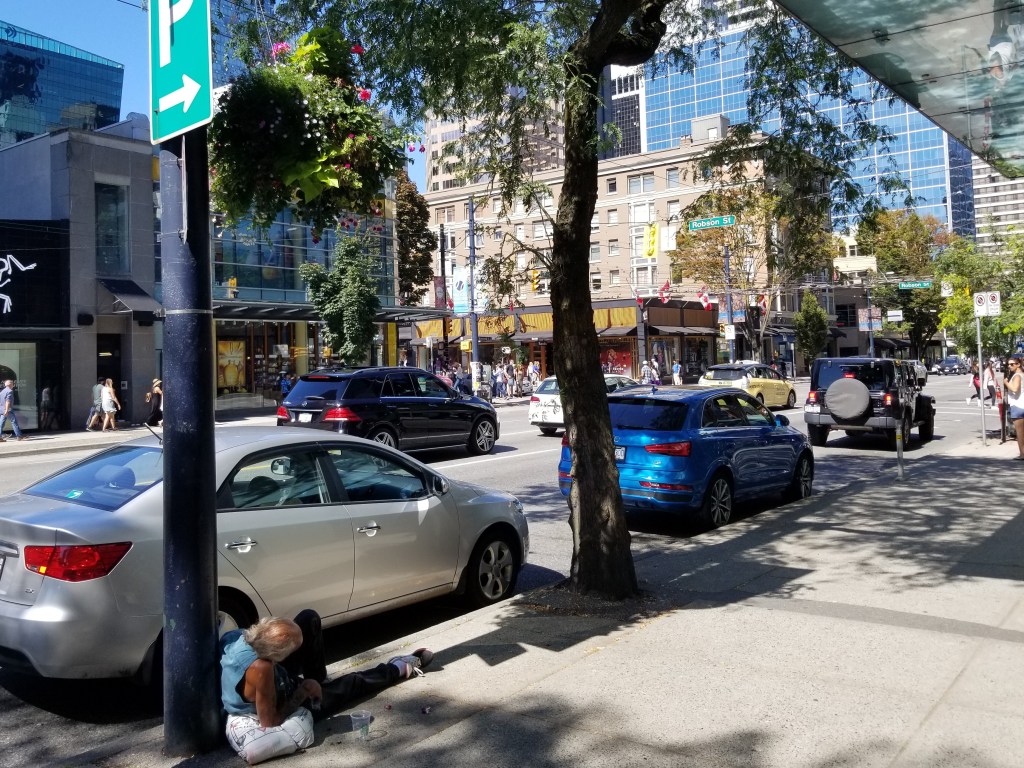


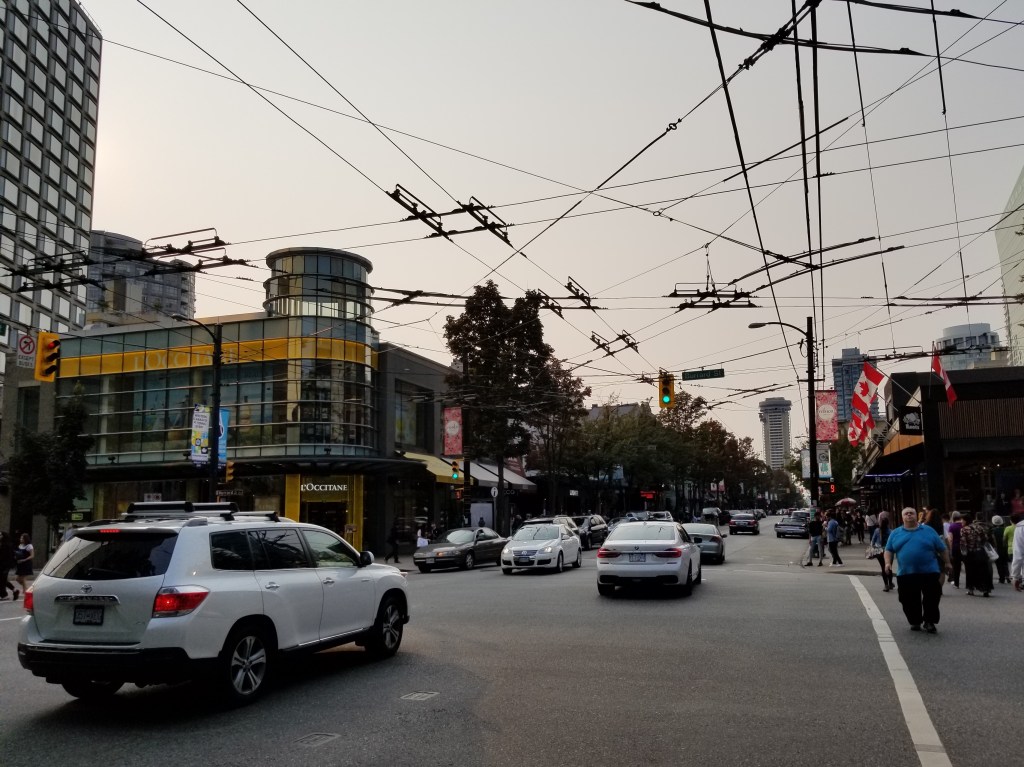

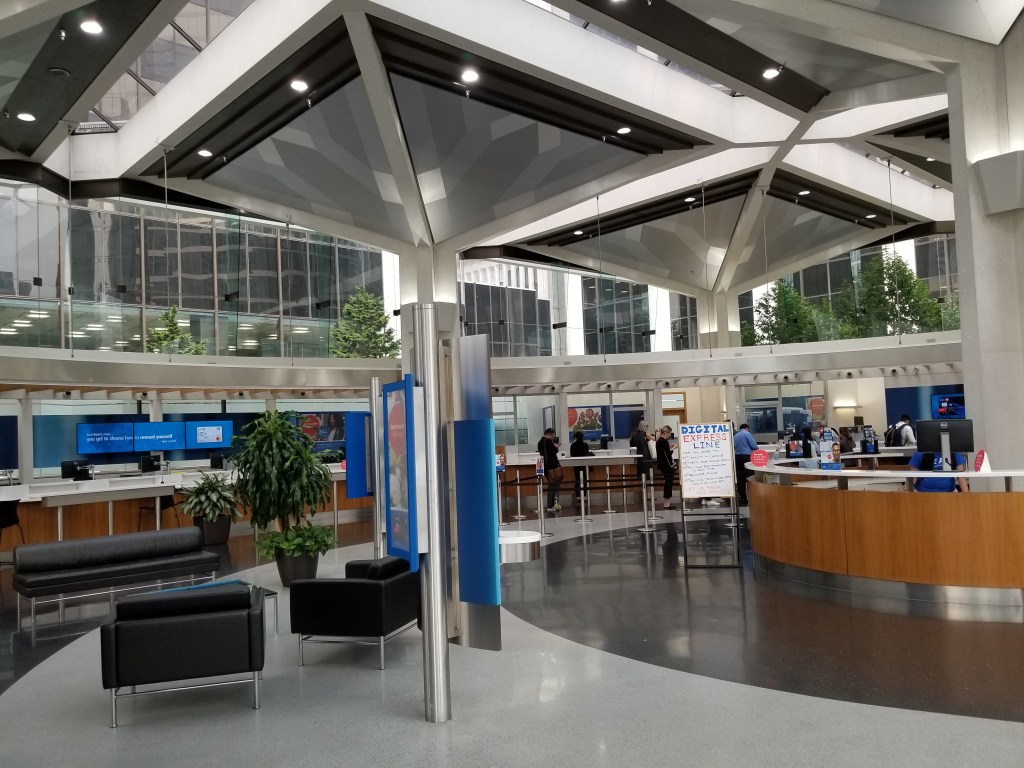


Robson Street is a major southeast-northwest thoroughfare in downtown and West End of Vancouver, British Columbia, Canada. Its core commercial blocks from Burrard Street to Jervis were also known as Robsonstrasse. Its name honours John Robson, a major figure in British Columbia’s entry into the Canadian Confederation, and Premier of the province from 1889 to 1892. Robson Street starts at BC Place Stadium near the north shore of False Creek, then runs northwest past Vancouver Library Square, Robson Square and the Vancouver Art Gallery, coming to an end at Lost Lagoon in Stanley Park.
As of 2006, the city of Vancouver overall had the fifth most expensive retail rental rates in the world, averaging US$135 per square foot per year, citywide. Robson Street tops Vancouver with its most expensive locations renting for up to US$200 per square foot per year. In 2006, both Robson Street and the Mink Mile on Bloor Street in Toronto were the 22nd most expensive streets in the world, with rents of $208 per square feet. In 2007, the Mink Mile and Robson slipped to 25th in the world with an average of $198 per square feet. The price of each continues to grow with Vancouver being Burberry’s first Canadian location and Toronto’s Yorkville neighbourhood (which is bounded on the south side by Bloor) now commanding rents of $300 per square foot.
In 1895, train tracks were laid down the street, supporting a concentration of shops and restaurants. From the early to middle-late 20th century, and especially after significant immigration from postwar Germany, the northwest end of Robson Street was known as a centre of German culture and commerce in Vancouver, earning the nickname Robsonstrasse, even among non-Germans (this name lives on in the Robsonstrasse Hotel on the street). At one time, the city had placed streetsigns reading “Robsonstrasse” though these were placed after the German presence in the area had largely vanished.
Robson Street was featured on an old edition of the Canadian Monopoly board as one of the two most expensive properties.
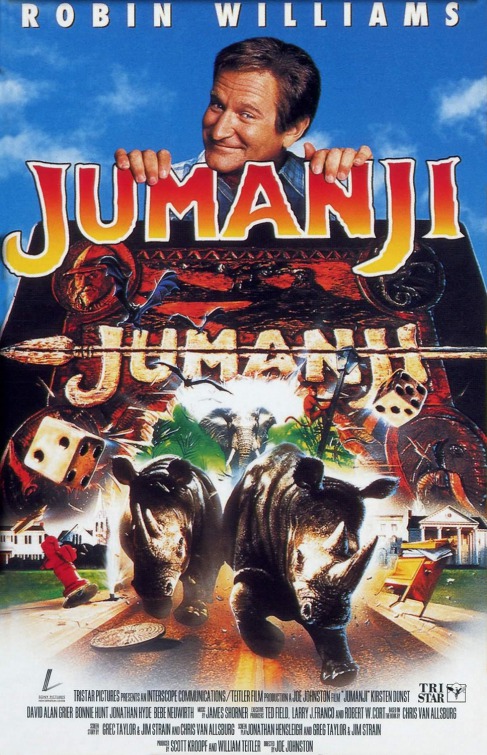

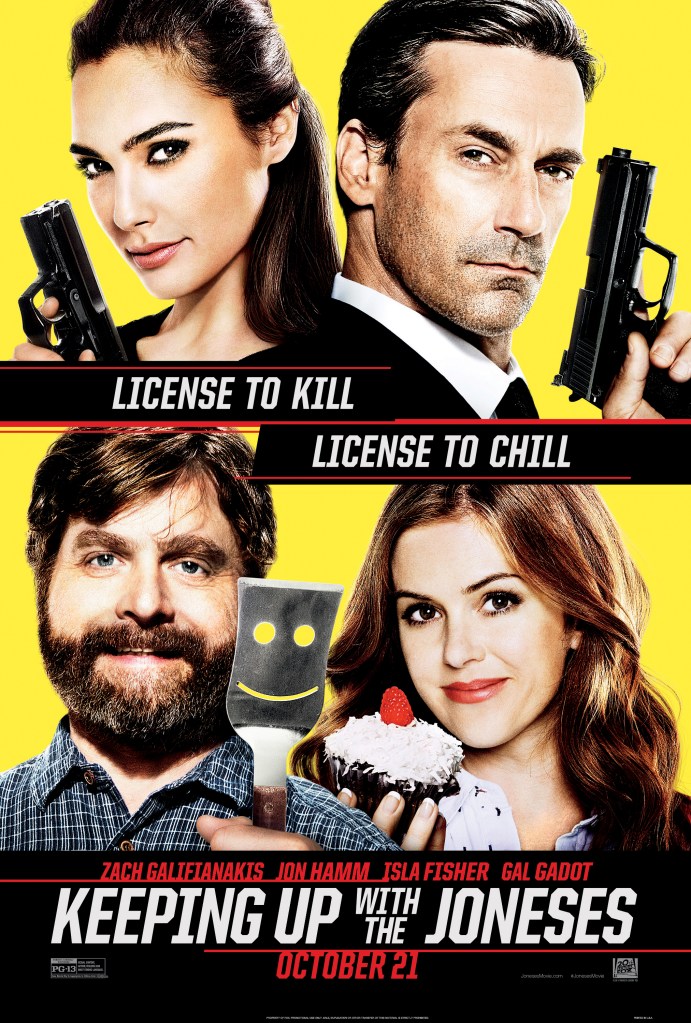
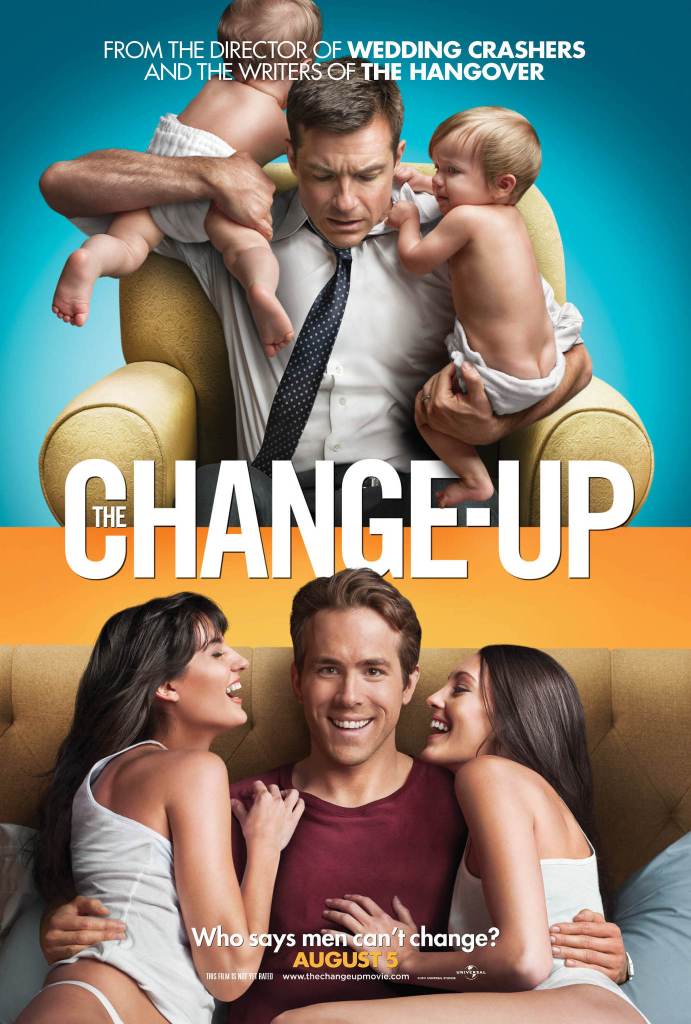
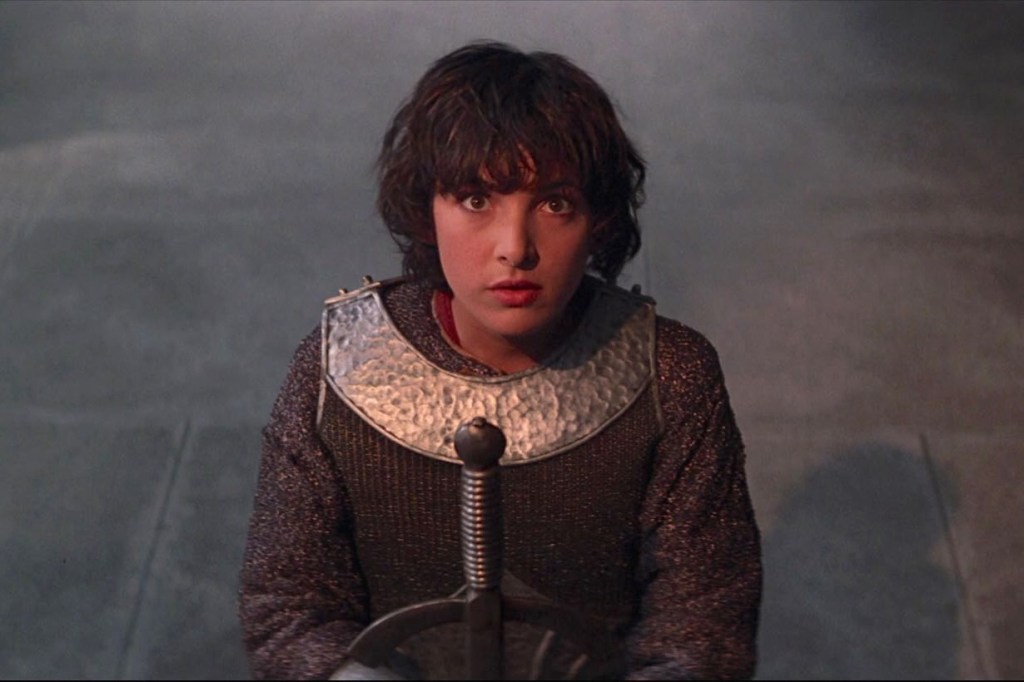
Before I start my review I have to be honest and say that Bill &Ted’s Excellent Adventure has great sentimental value to me as my brother and I used to watch it constantly as kids. We used to know it off by heart and quoted it endlessly. So, my ability to objectively review this without a haze of nostalgia affecting my opinion is nigh-on impossible.
Bill & Ted’s Excellent Adventure started life as a comedy skit surrounding the titular characters, devised and performed by college buddies Chris Matheson and Ed Solomon. They enjoyed the characters so much they knocked together an idea for a script back in 1984 and sent it out to the Hollywood studios, in the hope that someone would pick it up. It eventually got snagged by Warner Brothers who dropped it a little while later, but their involvement helped the writers hone the script, including changing the original title and some other details. It was originally going to be called Bill & Ted’s Time Van but with Back to the Future out in 1985, they wanted to change the time travel device. Plus, it was a pretty weak title to be honest.
The project later ended up with Dino de Laurentiis and his De Laurentiis Entertainment Group (DEG), who funded the fairly low-budget production. The shoot was reportedly a blast, with the young cast and crew hitting it off together. However, DEG went bankrupt while the film was in post-production. Director Stephen Herek and the producers desperately tried to show the rough-cut around town and managed to get it picked up by Nelson Entertainment and Orion Pictures, who got it out to cinemas after the makers were worried it’d end up airing only on cable TV or being shelved completely.
It’s a good job Bill & Ted’s Excellent Adventure did hit cinemas as it proved to be a surprise hit. It made $40.4 million in the US alone and was a cultural phenomenon, with Bill and Ted’s ‘language’ becoming commonplace with teens in America and beyond. It spawned both animated and live-action TV series, video games, a comic and also a sequel in 1991, with Bill & Ted’s Bogus Journey. Now, over 30 years later (God that makes me feel old), it’s getting a second follow-up, with Bill & Ted Face the Music, due for release at the end of August (maybe).
To celebrate the latest sequel, Studiocanal are releasing the film that started it all in a newly remastered edition on 4K UHD, Blu-ray and DVD in the UK. Realising I hadn’t seen the film since wearing out my taped-off-TV VHS copy, I eagerly snapped up a Blu-ray to review the film.
Bill & Ted’s Excellent Adventure centres around Bill S. Preston Esquire (Alex Winter) and Ted Theodore Logan (Keanu Reeves), a couple of high school students who are in a band together called Wyld Stallyns. They’re also in danger of flunking out of school, particularly if they fail a vital history assignment. On top of this, if they do flunk out of school, Ted’s dad is sending him straight to a military academy in Alaska, so the friends will be separated and the band will come to an end.
The pair grab a pile of history textbooks to attempt to cram for the next day’s report, but Bill and Ted are not the sharpest tools in the box, so their chances of passing look slim.
However, luck comes in the surprising form of Rufus (George Carlin) who has come from the future and appears out of the blue in his time-travelling phone booth. He explains to Bill and Ted that, in the future, their music will lead to world and intergalactic peace, bringing harmony across the universe. It’s vital that they pass that history report, so he lends them a time-machine so they can travel back in time and collect world figures to be part of their project. The present-day clock ticks at the normal rate though, so they must get the job done quickly, ready to present to the rest of the school the next day. Of course, things go wrong along the way, to make this more difficult than they’d have hoped.
There’s always a worry that a film you love as a youngster won’t be as good as you remember when you watch it many years later. However, I still had an absolute blast with Bill & Ted’s Excellent Adventure and I do believe it’s a better film than many give it credit for.
For one, Matheson and Solomon’s script is fantastic. The dialogue might sound dumb on the surface, with Bill and Ted’s unique surf-dude/Valley-girl hybrid way of speaking, but there are actually a lot of witty and very funny lines in there, riffing on the central pair’s poor knowledge of history and unique outlook on life. I think their style is best described in the words of David and Nigel from This is Spinal Tap, as treading “a fine line between stupid and clever”.
Also key to the success of the film is the chemistry of Bill and Ted. Some big names were reportedly in the running for the roles (or at least they became big), such as River Phoenix, Sean Penn, Brendan Fraser and Pauly Shore, but it’s hard to imagine anyone other than Keanu Reeves and Alex Winter filling their shoes now. They nail the mixture of clueless and lovable and work perfectly together. During the production there were worries, and I’ve also heard some criticise the film for it on release, that Bill and Ted are too similar to make a strong duo, but I disagree. I think there are subtle differences between them. Bill is a little brighter than Ted, but Ted has a little more heart. If they went too far in differentiating the pair, I don’t think they’d have made such convincingly close friends.
That friendship is part of another thing I love about the film, it’s tone. Most teen movies are cynical and focus around sex or drugs/alcohol. Bill & Ted has none of this (or at least very little – Bill’s step-mum is young and attractive and the film milks this for all it’s worth). Instead, it presents characters that are incredibly nice to everyone. They have a sunny outlook to everything, only getting mildly melancholic when things are really against them. They always quickly bounce back though and their friendly attitude is infectious, leading to a film that’s utterly charming.
The time travel aspects don’t get as mind-boggling as in some other entries into the genre but good use is made of the concept, particularly in a prison escape scene towards the end (though that trash can bit makes little sense in terms of how it’s physically set-up). Numerous moments defy logic, but in a high-concept film from the 80s, you wouldn’t expect or even want everything to make perfect sense.
The film has dated a touch perhaps. The special effects are ‘of their time’ and obviously telephone booths are little seen nowadays. There are also a couple of lines that might be frowned upon now (notably the ‘fag’ reaction to Bill and Ted hugging), but, for the most part, this is still as much fun as it was 31 years ago.
I can’t escape my nostalgic love for Bill & Ted, I’m afraid, so I have to give it a perfect score, even if I could pick out flaws here and there. I do genuinely believe it’s a great film though. It’s witty whilst seeming dumb and focussed around two of the most lovable characters in cinema history. Your taste for high concept, zany 80s adventures will be key to your enjoyment, but I think there’s enough sharp humour, exuberance and warmth in the film to win over even the hardest of hearts.
Bill & Ted’s Excellent Adventure is out on 10th August on 4k UHD, Blu-Ray and DVD in the UK, released by Studiocanal. I watched the Blu-ray version and it looks and sounds fantastic. Detail and colours are rich and the print is as clean as a whistle without losing its filmic look.
The disc is loaded with special features too:
– Audio Commentary with Writers Chris Matheson and Ed Solomon
– Audio Commentary with star Alex Winter and Producer Scott Kroopf
– Time Flies When You’re Having Fun! – A Look Back at a Most “Excellent Adventure”
– Score! An Interview with Guitarist Steve Vai
– The Original Bill & Ted – interview with Chris Matheson and Ed Solomon
– Air Guitar Tutorial with Bjorn Turoque
– From Scribble to Script – extensive notes and script excerpts from the original ‘Bill and Ted’s Time Van’ story
– Linguistic Stylings of Bill & Ted
– Hysterical Personages of Bill & Ted
– Episode from “Bill & Ted’s Excellent Adventures” animated television series
– Radio Spots
– Stills and Artwork
A lot of this material was included in the previous Blu-ray release and a fair amount of that stuff is a bit throwaway (like the air guitar video, ‘Linguistic Stylings’ and ‘Hysterical Personages’) but the ‘Original Bill and Ted’ interview is very good. The ‘Scribble to Script’ feature is fantastic too. This presents 120 pages of notes, treatments and script excerpts from Matheson and Solomon’s original idea for the film. It’s great to see what they originally thought up to see how it changed. It would have been a notably different film.
The Steve Vai interview is odd, in that he scored Bogus Journey but had nothing to do with Excellent Adventure, so I don’t know why they added it here. The inclusion of the animated TV series episode is a nice touch though and brought back memories, though it hasn’t held up nearly as well as the film.
The new material is stronger. The two commentaries are excellent in particular. Yes, a number of the anecdotes are repeated elsewhere on the disc, but there’s still plenty of new information in the tracks. Each pair has a strong chemistry too and the film clearly means a lot to all of them, so it’s enjoyable to hear them talk fondly about the experience of making it.
The ‘Time Flies’ doc is backslap-heavy but fairly lengthy (just over an hour) so covers a lot of ground and was made fairly recently, so it’s interesting to see how everyone has aged and how they see the film after time has passed.
So, a fantastic package all round that comes highly recommended to anyone that enjoys the film.
In the first of a four part complete retrospective, take a journey from 2005 to 2012 to witness the beginning of the Marvel Cinematic Universe.
From the casting of Robert Downey Jr. to the first assembling of Earth’s Mightiest Heroes, travel through the early days to see how the pieces first started to fit together.
It’s the beginning of Marvel’s rise to become a box office juggernaut, covering the good, the bad, and everything in between for Phase One of the MCU.
This is… A Complete Retrospective on the Marvel Cinematic Universe… PART ONE.
THE COMPLETE TIMELINE:
00:00 – 2005: The Beginning
00:02:04 – 2006: Marvel’s Grand Plan
00:04:00 – 2006: Robert Downey Jr. cast
00:04:49 – 2007: Iron Man and Incredible Hulk are underway
00:05:28 – 2007: Comic-Con 2007
00:06:38 – 2007: Iron Man trailer
00:07:12 – 2008: Marketing for Iron Man and Incredible Hulk
00:10:07 – 2008: IRON MAN
00:17:15 – 2008: Iron Man box office
00:18:29 – 2008: Marketing for Incredible Hulk
00:19:18 – 2008: THE INCREDIBLE HULK
00:23:44 – 2008: Marvel’s Next Steps
00:24:49 – 2008: Don Cheadle replaces Terrence Howard
00:25:33 – 2009: Phase 1 Solo Films Take Shape
00:27:12 – 2009: Comic-Con 2009
00:27:42 – 2009: Disney Buys Marvel
00:28:34 – 2009: Iron Man 2 trailer
00:29:13 – 2010: Spider-Man 4 cancelled
00:30:21 – 2010: Captain America casting
00:31:20 – 2010: Avengers director
00:32:20 – 2010: IRON MAN 2
00:38:18 – 2010: Reception to Iron Man 2/Edward Norton Recast
00:39:55 – 2010: Comic-Con 2010
00:42:18 – 2010: Marvel’s Frugality/Iron Man 3 announced
00:43:36 – 2010: Thor trailer
00:44:24 – 2011: Thor and Captain America trailers
00:45:43 – 2011: The Avengers begins production
00:46:18 – 2011: THOR
00:52:23 – 2011: Reception to Thor/Captain America trailer 2
00:53:43 – 2011: CAPTAIN AMERICA: THE FIRST AVENGER
01:02:29 – 2011: Reception to Captain America
01:03:04 – 2011: Phase Two Takes Shape/Marvel One-Shots
01:04:28 – 2011: The Avengers trailer
01:06:10 – 2011: Phase Two Continues Development
01:07:20 – 2012: Phase Two Develops
01:07:45 – 2012: Marketing for The Avengers
01:10:39 – 2012: MARVEL’S THE AVENGERS
01:23:04 – 2012: The Avengers breaks Box Office Records/Conclusion

Fujian Tulou is a property of 46 buildings constructed between the 15th and 20th centuries over 120 km in south-west of Fujian province, inland from the Taiwan Strait. Set amongst rice, tea and tobacco fields the Tulou are earthen houses. Several storeys high, they are built along an inward-looking, circular or square floor plan as housing for up to 800 people each. They were built for defence purposes around a central open courtyard with only one entrance and windows to the outside only above the first floor. Housing a whole clan, the houses functioned as village units and were known as “a little kingdom for the family” or “bustling small city.” They feature tall fortified mud walls capped by tiled roofs with wide over-hanging eaves. The most elaborate structures date back to the 17th and 18th centuries. The buildings were divided vertically between families with each disposing of two or three rooms on each floor. In contrast with their plain exterior, the inside of the tulou were built for comfort and were often highly decorated. They are inscribed as exceptional examples of a building tradition and function exemplifying a particular type of communal living and defensive organization, and, in terms of their harmonious relationship with their environment, an outstanding example of human settlement.
The Fujian Tulou are the most representative and best preserved examples of the tulou of the mountainous regions of south-eastern China. The large, technically sophisticated and dramatic earthen defensive buildings, built between the 13th and 20th centuries, in their highly sensitive setting in fertile mountain valleys, are an extraordinary reflection of a communal response to settlement which has persisted over time. The tulou, and their extensive associated documentary archives, reflect the emergence, innovation, and development of an outstanding art of earthen building over seven centuries. The elaborate compartmentalised interiors, some with highly decorated surfaces, met both their communities’ physical and spiritual needs and reflect in an extraordinary way the development of a sophisticated society in a remote and potentially hostile environment. The relationship of the massive buildings to their landscape embodies both Feng Shui principles and ideas of landscape beauty and harmony.
Criterion (iii): The tulou bear an exceptional testimony to a long-standing cultural tradition of defensive buildings for communal living that reflect sophisticated building traditions and ideas of harmony and collaboration, well documented over time.
Criterion (iv): The tulou are exceptional in terms of size, building traditions and function, and reflect society’s response to various stages in economic and social history within the wider region.
Criterion (v): The tulou as a whole and the nominated Fujian tulou in particular, in terms of their form are a unique reflection of communal living and defensive needs, and in terms of their harmonious relationship with their environment, an outstanding example of human settlement.
The authenticity of the tulou is related to sustaining the tulou themselves and their building traditions as well as the structures and processes associated with their farmed and forested landscape setting. The integrity of the tulou is related to their intactness as buildings but also to the intactness of the surrounding farmed and forested landscape – into which they were so carefully sited in accordance with Feng Shui principles.
The legal protection of the nominated areas and their buffer zones are adequate. The overall management system for the property is adequate, involving both government administrative bodies and local communities, although plans for the sustainability of the landscape that respect local farming and forestry traditions need to be better developed.
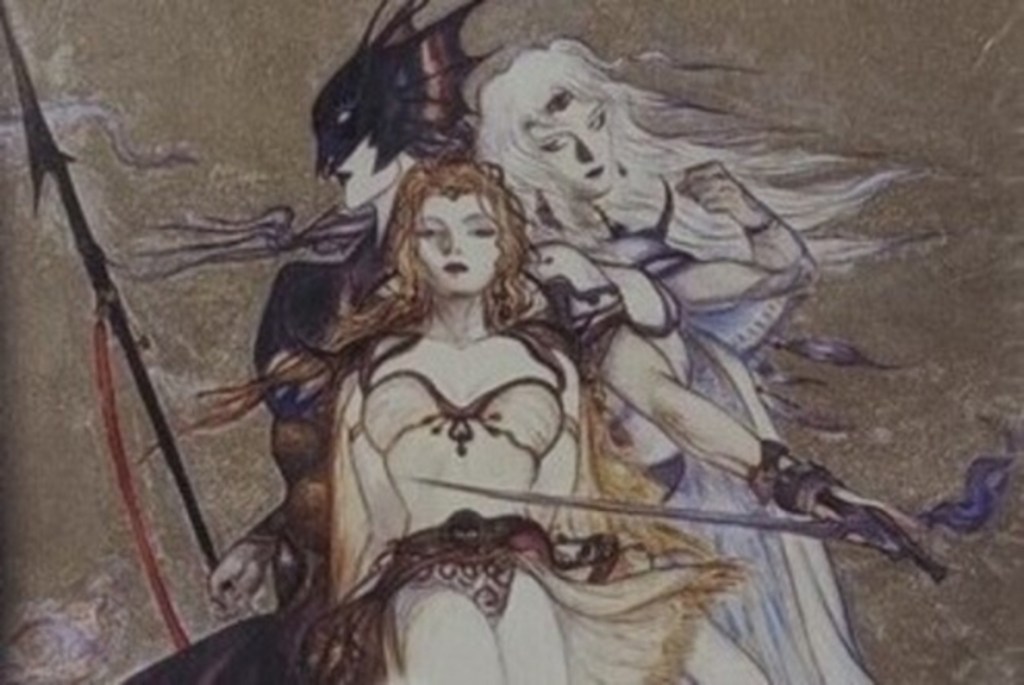
Final Fantasy IV is known as a turning point for the Final Fantasy series and helped to bridge the gap from above average by-the-numbers RPGs to games that told epic stories though cinematics. Released in 1991 for the Super NES as Final Fantasy II, fans of the series were blown away by the sheer size of the game which spanned an entire world, an underworld, and to the moon itself. Playing the game on your trusty GBA proves just as impressive as the original game remains largely intact even brings a few improvements and extra side quests along for the ride. While some elements were lost in translation, this version of the game feels right at home on the GBA and gives some extra incentive to those who might be hesitant to buy the game again.
Final Fantasy IV tells the story of a Dark Knight named Cecil who is captain of the kingdom of Baron’s air force known as the Red Wings. Cecil, suspecting the king of Baron has gone just a little mad, is given the daunting task of collecting the world’s elemental crystals at all costs – even if it means slaughtering innocent people in the process. At the same time, encounters with monsters become more common. It’s only after Cecil unknowingly slaughters an entire town that he challenges the king’s intentions and is kicked out of the Red Wings. Doubting himself more than ever, Cecil vows to get to the bottom of what’s going on and hopefully undo all of the wrongs he has caused to the people of the world and to himself.
The gameplay is similar to other early Final Fantasy titles with your team occupying one side and your foes on the other. Final Fantasy IV was the first game in the series to incorporate an active time battle system, so the battles can get pretty frantic and fast-paced. The GBA seems to be taxed at times when a lot is going on which results in all sorts of small little issues to pop up like slow down which seems to result in some clunky cursor movements causing you to cast the wrong spell or pick the wrong item. Of course, none of this is good when your enemies won’t hesitate to attack if you’re taking too long to make a decision. Each character has a basic set of actions like attack, item, and the occasional magic spell. Certain characters can also do special actions like FuSoYa’s regen which gradually increases the party’s HP and Palom & Porom’s twin attack which allow them to combine their powers for ultra-powerful spells. Summons are here as well with such perennial favorites as Odin, Shiva, and Bahamut. Don’t worry about exploring the world on foot either since you’ll get your hands on a good assortment of vehicles like a hovercraft, boat, and not one, not two, but three airships. That’s not even counting Chocobos where you can ride around on the standard yellow variety or take to the air on a black one. You’ll be hard pressed to walk as you travel from town to town and into the game’s many dungeons.
Of course, what’s an RPG without a story to drive you to keep fighting random battles all the way until the bitter end? While the storytelling elements are a little crude by today’s standards, the story is still compelling enough to keep you wanting to find out more. Everything from the Edward the Bard side story to the somewhat violent marriage of Yang and his wife have made the conversion. For those who are experiencing the game for the first time, you’ll get a story full of twists, turns, betrayal, revenge, sacrifice, and a main character whose inner battle is just as important as what threatens the world he lives in. If you thought Aeris’ death in Final Fantasy VII was a pivotal point in RPG history, then you most likely haven’t played Final Fantasy IV. Fans of the original game will notice some differences from the version they all know and love since the game has been translated directly from the Japanese version. The result is some mild cursing, utterance of words like “kill” and “dead”, and some pretty big, sophisticated words that are nowhere to be found in the SNES game. Don’t fret however; the infamous “Spoony Bard” reference is still there. The story, mixed with the three different “worlds” for you to explore make for an experience that is sure to entertain you for a good thirty hours plus and then some, that is, if you’re a perfectionist. There’s still plenty to do outside of the main story line and even after the game has been completed. Right before you dive into the last level you’ll get the ability to switch out party members for characters you wouldn’t normally have had in the original game. As an added bonus a training dungeon can also be unlocked where you can complete trials for each character. After the game has been completed and the game’s lengthy (and totally enjoyable) ending has finished, you’ll unlock the Lunar Ruins, a dungeon that runs some fifty levels deep and features the most difficult monsters and bosses in the game in addition to the strongest weapons and armor. A bestiary rounds out the game’s extras and lets you know what percentage of monsters you’ve killed so you can go back out into the world and hunt everything down for that elusive 100% completion score.
As far as visuals go, Final Fantasy IV has aged very well. While the resizing of the screen causes a few graphical anomalies, more than a few improvements have been made and this version more closely resembles the version found in Final Fantasy Chronicles for the original Playstation. You’ll get some impressive mode 7 effects while you’re speeding around in the airship and the once flat towers of the SNES game now protrude into the sky. There are also a number of redrawn backgrounds during battles that look much better than the less colorful and barren earlier versions. You’ll also notice some improvements when you fly to the moon which I won’t try to ruin here. The game’s sprites remain unchanged, though some characters have been redrawn for their status screen portraits and in this case, the change was for the better. You’ll also get some really impressive and over-the-top spell effects and while summons pale in comparison to those found in the later games, they’re still pretty neat. There are some issues with the game’s level design in some spots where everything starts to look the same and treasure chests blend into the floor a little too well, but those are only small complaints.
The sound is on par with the SNES version of the game which isn’t a bad thing at all. Despite the limited hardware of the SNES, Final Fantasy IV has an excellent soundtrack with some great songs that really stand out. From the traditional Final Fantasy theme, to the militant beat of the Baron theme, and the goofy and comical Mysidia theme, the soundtrack is hands down one of the best in the series. While the soundtrack does a great job of setting the mood, the game’s sound effects do a great job too. You’ll get a number of sounds for each type of weapon a character has and some interesting sounds to accompany the impressive spell effects.
It’s about time that Square-Enix released this game for Nintendo’s handheld system. Not only was Final Fantasy IV one of the best RPGs the SNES had to offer, but it was one of the best games the system had going for it and the fact it’s not just another straight port could really win some old-school Final Fantasy fans into Nintendo’s handheld camp. If you already own the original version of this game, the improvements and extra missions offered here warrant some hardcore consideration. This game is definitely worth it.
 Igor's Blog