


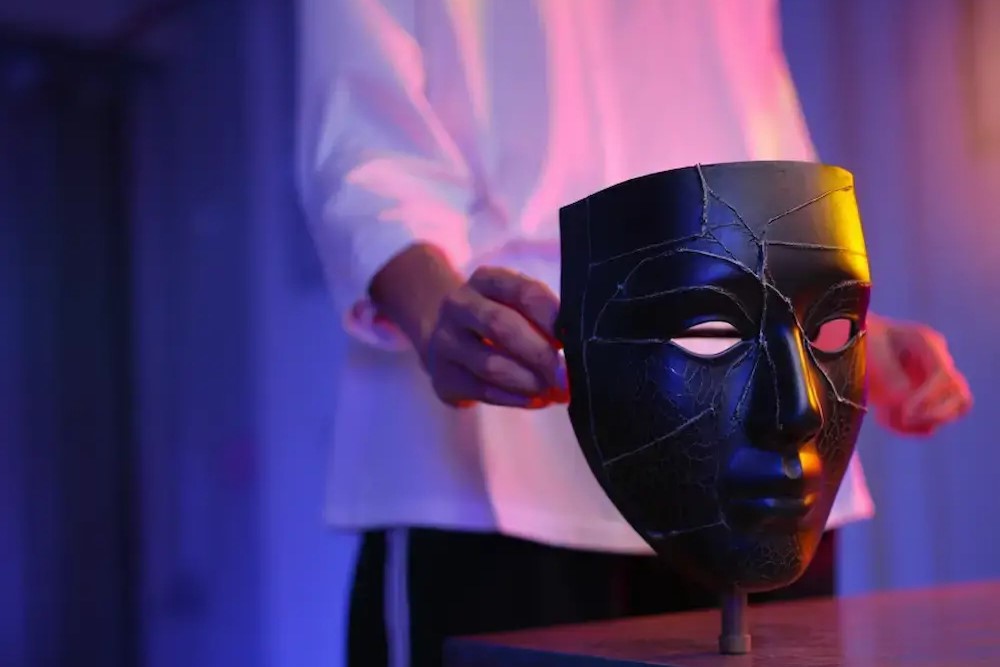
For many neurodivergent individuals, navigating a world primarily designed for neurotypical brains involves an often invisible, yet immense, effort: masking. Masking (or camouflaging) involves consciously or unconsciously suppressing natural neurodivergent traits, behaviours, or stims, and performing neurotypical social behaviours to fit in, avoid negative judgment, or simply manage daily interactions.
While sometimes a necessary survival strategy, masking comes at a significant cost. It requires constant monitoring, calculation, and suppression of authentic self-expression. This sustained effort consumes vast amounts of cognitive and emotional energy, contributing significantly to fatigue, overwhelm, and, over time, burnout.
Masking can involve things like:
Each of these acts, multiplied throughout the day, adds to an enormous mental load.
When we expend so much energy just navigating the day, it’s no wonder that the need for rest becomes profound. The exhaustion isn’t just physical; it’s deep cognitive and emotional fatigue. This highlights why simply being told to “Just Relax” can feel so inadequate.
The recovery needed goes beyond simple sleep. It requires spaces and times where the mask can truly come off, where energy isn’t spent on performance, and where the nervous system can down-regulate without judgment. This is where the concept of a sensory-friendly relaxation space becomes not just a nicety, but a necessity.
Your restorative space is where you can:
Recognizing the toll of masking validates the deep need for authentic rest and recovery. Prioritizing the creation of safe, low-demand environments – physical, temporal, and relational – where you can unmask and recharge is not an indulgence; it’s crucial for sustainable well-being in a world that often demands conformity.
Eating a balanced meal is hard can be challenging, but it’s not impossible. Maybe you’re pretty satisfied with your diet and you’re just looking to incorporate some extra punches of nutrition to your day-to-day snacks. Maybe you’re unhappy with your current diet, and you’re looking to make smaller, more measured changes that will be easier to stick to overtime. Either way you’re coming at it, it’s always a great idea to incorporate more antioxidants in your diet.
“An antioxidant is a naturally occurring compound found in vitamins and minerals that combat free radicals in the body,” says Meryl Pritchard, a nutritionist and wellness chef. “Free radicals are a natural byproduct when we convert food into energy, and also come from outside sources like environmental toxins found in our air, water, food, and cleaning/beauty supplies. Free radicals can be harmful because they may have the ability to damage our DNA structure, and in large amounts can cause oxidative stress which can lead to disease.
“Antioxidant basically means anti-oxidation. You can think of oxidation as rusting, or aging in the body, caused by free radicals,” she continues. “Antioxidants combat these free radicals—safely removing them from our body, help the processing of repairing our DNA, and keep cells healthy. It’s easiest for us to consume antioxidants in their natural form through our food.”
Luckily, you don’t have to take sketchy supplements to increase your antioxidant intake. “Antioxidants are naturally found in plants,” says Isabel K. Smith, a registered dietitian. “Fruits, vegetables, nuts, and other plant compounds all contain antioxidants, and the color of the plant dictates the type of antioxidant present.”
Convinced you should start adding more antioxidants to your diet? Same. So ahead, Pritchard, Smith, and registered dietitian Lisa Moskovitz share the most powerful antioxidants and their sources.
Meet the Experts
Lisa Moskovitz, RD is a registered dietitian and the CEO of NY Nutrition Group. She is also a medical expert board member for Eat This Not That.
Meryl Pritchard is a certified nutritionist and wellness chef based in Los Angeles, CA, Pritchard is also the founder of KORE Kitchen.
Isabel K Smith, MS, RD, CDN is the CEO and founder of Isabel Smith Nutrition. Isabel holds a registered dietitian license and a Masters of Science in Nutrition Communications from Tufts University.
Beta Cerotene
“This is an essential vitamin that directly promotes eye health,” says Moskowitz. Carrots are rich in the antioxidant beta carotene, which our bodies convert to vitamin A. “An easy way to remember this is if you cut a carrot in half across the width, it almost appears like an eye,” notes Moskowitz.
Vitamin E
Moskowitz praises the benefits of vitamin E at length. “This fat-soluble antioxidant stops the production of cell-damaging oxidative stress in the body that can lead to chronic diseases, such as heart disease. Vitamin E can also support your immune system,” she says, noting that vegetable oils—including sunflower and safflower oils, nuts, and seeds—are the best sources of this important vitamin. Smith also recommends including almonds and avocados to get more vitamin E.
Vitamin C
“Not only does vitamin C help to balance our immune system, but it can also neutralize free radical molecules, protecting the body against oxidative damage,” says Moskowitz. It’s found in most fruits and vegetables, but if broccoli or oranges aren’t your jam, don’t worry—cacao is also a very potent source of vitamin C. (According to Pritchard, cacao has even more vitamin C than most berries.)
Resveratrol
“This powerful polyphenol has a ton of health benefits,” says Moskowitz. “These include protecting against heart disease, lowering cholesterol, improving skin firmness, and even helping with blood sugars or insulin levels. Resveratrol is naturally found in smaller amounts within the skins of red grapes (and therefore red wine), blueberries, and peanuts. An easy way to work it into your diet is with Naomi Citrus Bergamot capsules.
Quercetin
Quercetin is a source of one of the most abundant dietary flavonoids. “Quercetin has been linked to improving exercise performance, reducing inflammation, and regulating blood pressure,” says Moskowitz. She says that it can also be used for hay fever, asthma, gout, and chronic fatigue syndrome under the recommendation and supervision of a physician. Quercetin is a plant-pigment and flavonoid found naturally in fruits, vegetables, and plants. It can be consumed orally as a supplement and applied topically through skincare products for its antioxidant and anti-inflammatory properties.
Selenium
This trace mineral plays an important role in immune system function, DNA synthesis, metabolism, and can also support thyroid health,” says Moskowitz. “Brazil nuts are by far the best source of this essential antioxidant. One brazil nut can provide you with all the selenium you need for the day. Otherwise, most animal proteins like chicken, beef, and fish also provide a great source of selenium.”
CoQ10
“Coenzyme Q10 is an antioxidant that our body produces naturally, and it’s vital for cell growth and repair,” says Moskowitz. “Levels naturally decrease as we age, and lower CoQ10 circulation can increase susceptibility to oxidative stress, especially through sun damage. The best sources of CoQ10 are organ meats, some muscle meats such as pork or chicken, fatty fish including trout and herring, spinach, strawberries, and lentils.”
Catechins
Catechins are types of flavanols that have strong antioxidant properties. One of the best-studied catechins is EGCG (epigallocatechin gallate), which is found naturally in teas, such as green, black, and white. Both Smith and Moskowitz say that EGCG has a profound impact on inflammation and oxidative stress.
Anthocyanins
As members of the flavonoid group, anthocyanins are what give certain foods their natural blue, red, or purple color. For that reason, Moskowitz says that the best sources of anthocyanins include blackberries, blueberries, cranberries, cherries, red cabbage, and blackcurrants. Pritchard also recommends acai as another source of anthocyanins. Not only do they have antioxidant properties that can improve vascular health and lower blood pressure, but they are also anti-inflammatory and anti-bacterial.
Lypocene
This antioxidant is best found in tomatoes and other red or pink fruits. According to Smith, it is anti-inflammatory, heart-healthy, and is great for skin health. She says that the best way to get lycopene is to eat watermelon or cooked tomatoes.
Lutein
Moskowitz says that lutein can directly enhance eye and skin health. This antioxidant can protect against sun damage to your skin and improve vision. The best sources of lutein include spinach, kiwis, grapes, zucchini, and various types of squash.
Curcumin
Pritchard recommends adding turmeric into your diet, a powerful source of curcumin. Curcumin is a very potent anti-inflammatory, which can help manage chronic diseases like inflammatory bowel disease.
Sulforaphane
According to Smith, sulforaphane is anti-inflammatory and helps to protect DNA. She recommends sourcing it from cruciferous vegetables like kale, cabbage, and cauliflower.
Chlorogenic Acid
The name might sound unfamiliar, but you’re probably already getting it everyday, in your morning cup of coffee. Chlorogenic acid is found alongside caffeine in coffee, and Smith encourages consuming chlorogenic acid as it may promote heart health. While you may be getting some chlogenic acid through that morning cup of joe, Smith says that it’s best found in artichoke hearts, and that streaming the hearts allows for the most antioxidants to appear.”
Kaempferol
Smith says that kaempferol may be anti-inflammatory and is healthful for DNA. It’s found in high concentrations in leafy greens and ramps.
Beta-Cryptoxanthin
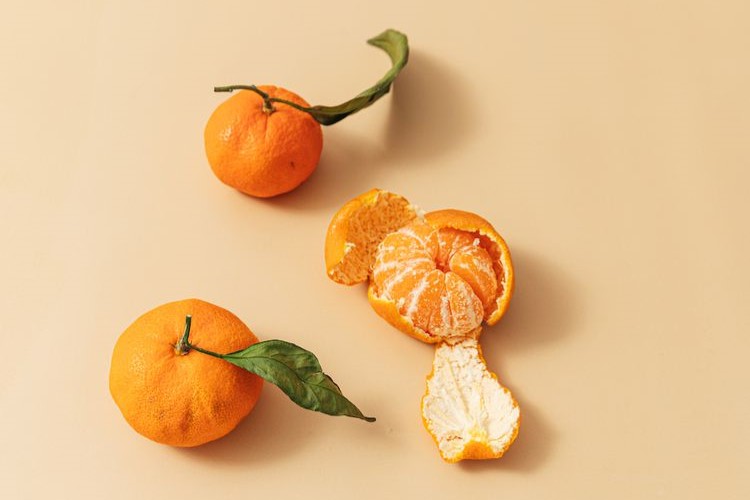
Considering how much of our lives are consumed by staring at screens for school, work, and leisure, Smith recommends consuming beta-cryptoxanthin, which may be helpful with eyesight, growth and development, and immune response. It’s found in papayas, peaches, and tangerines!
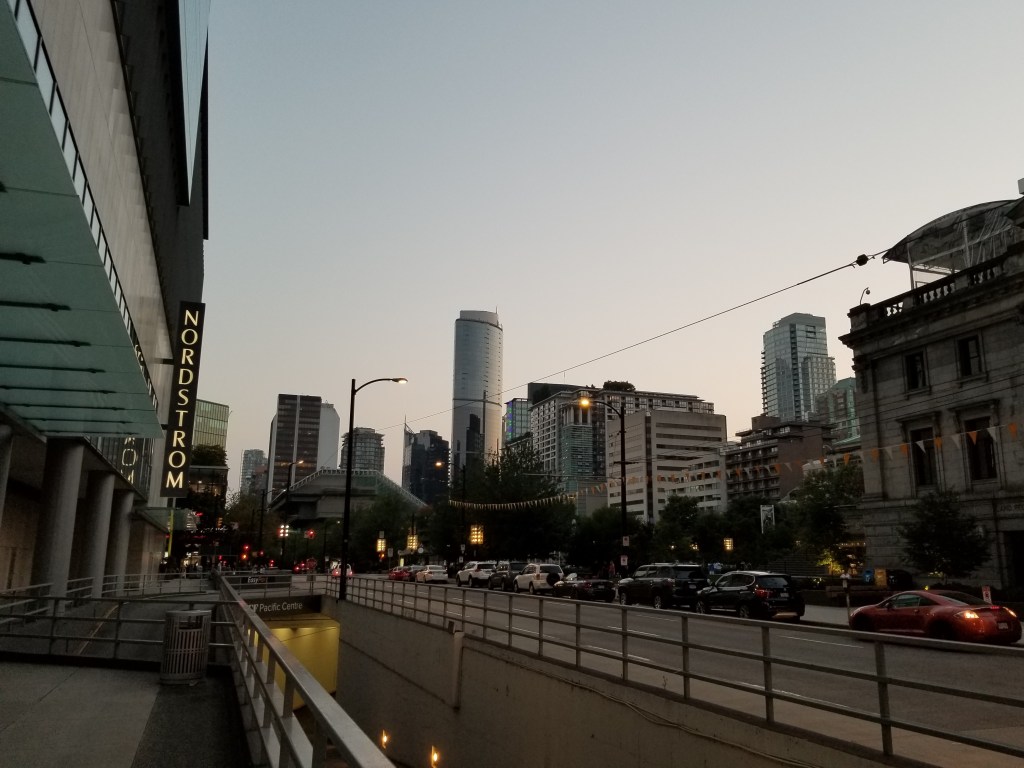
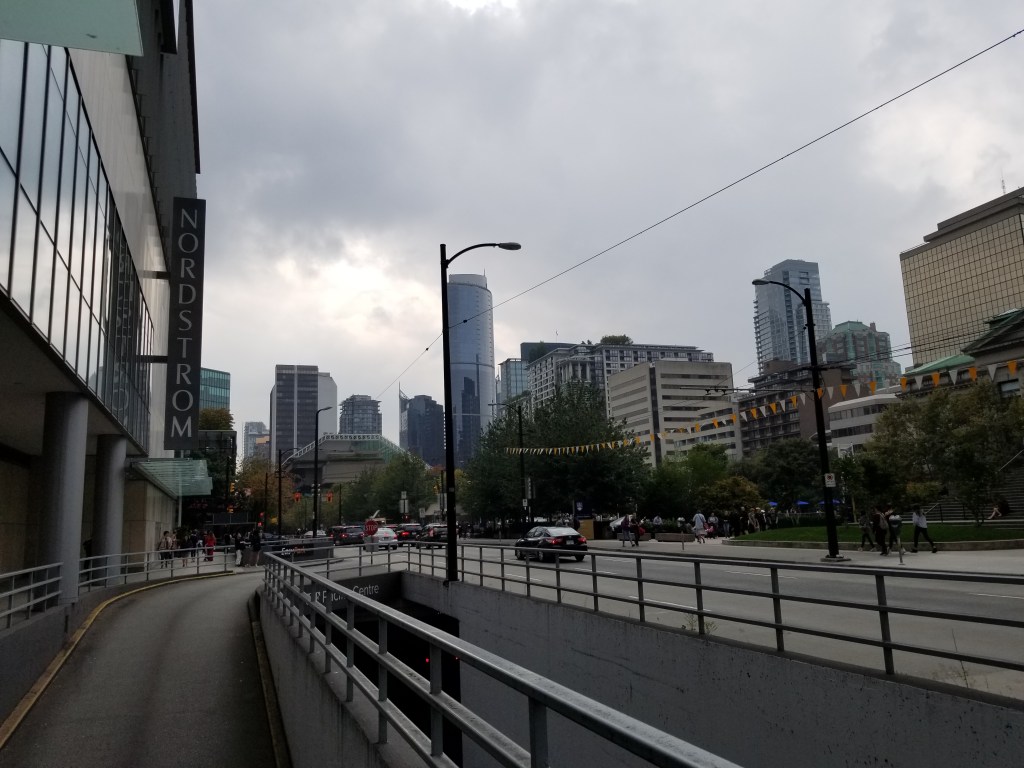
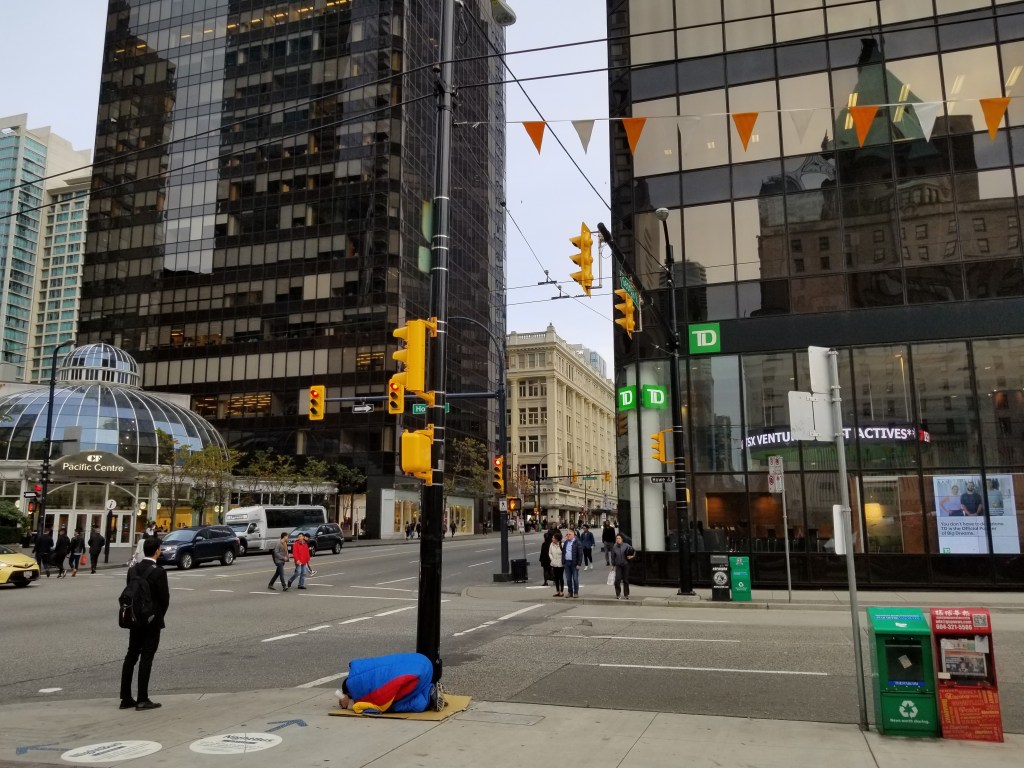
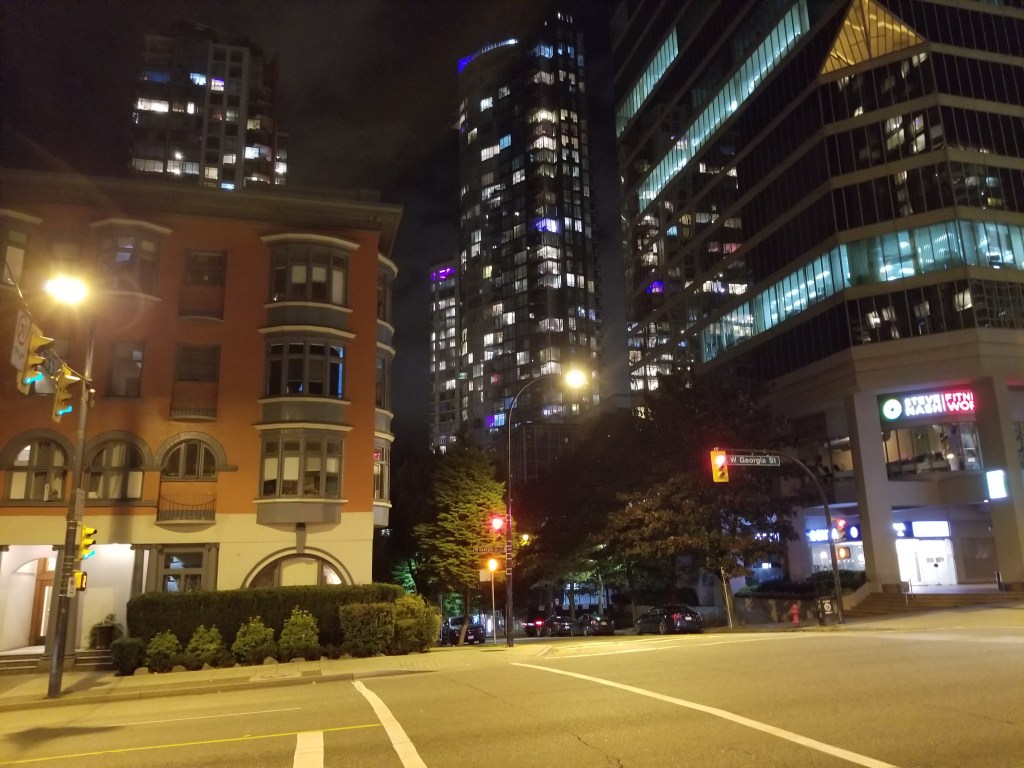
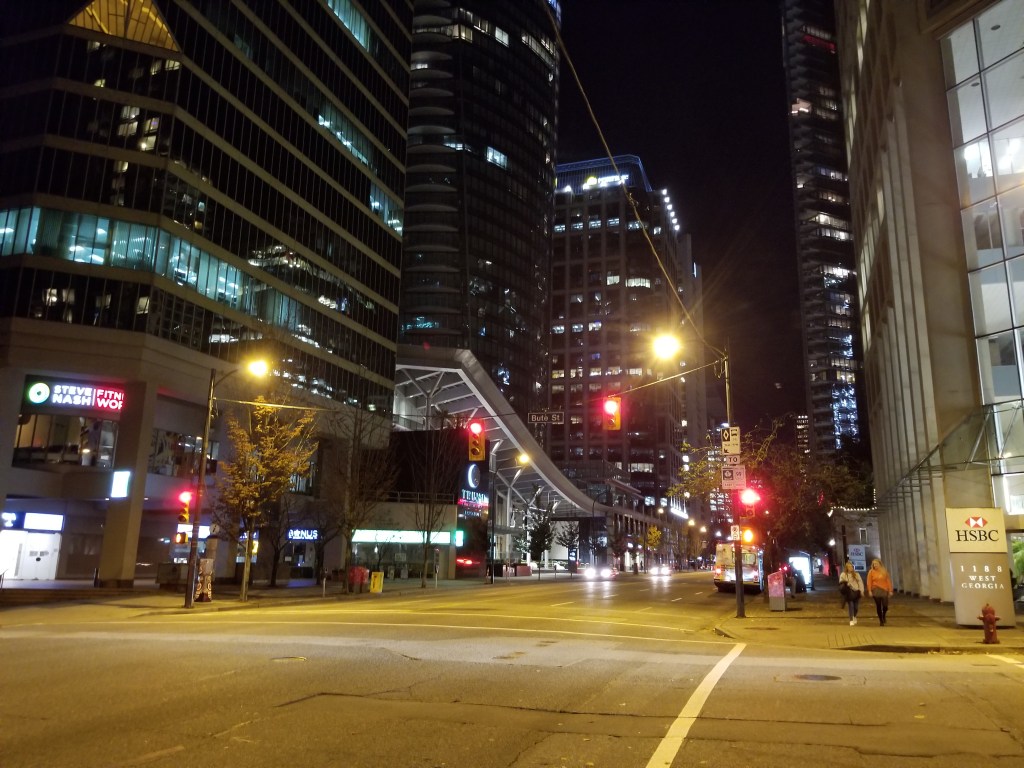
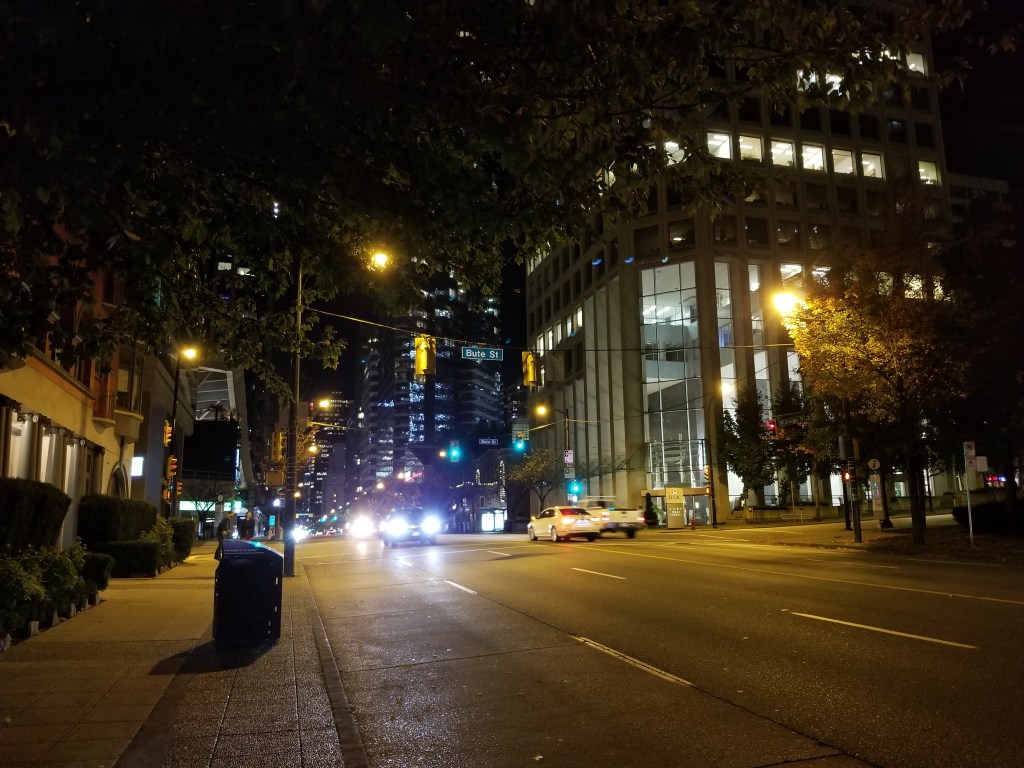
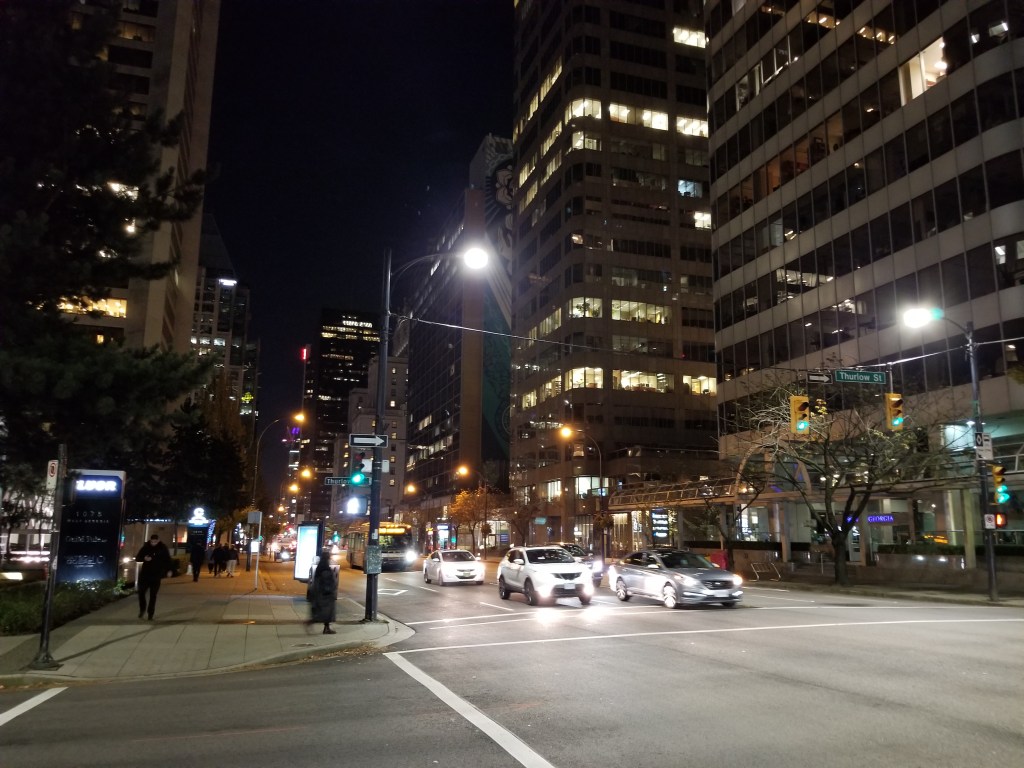
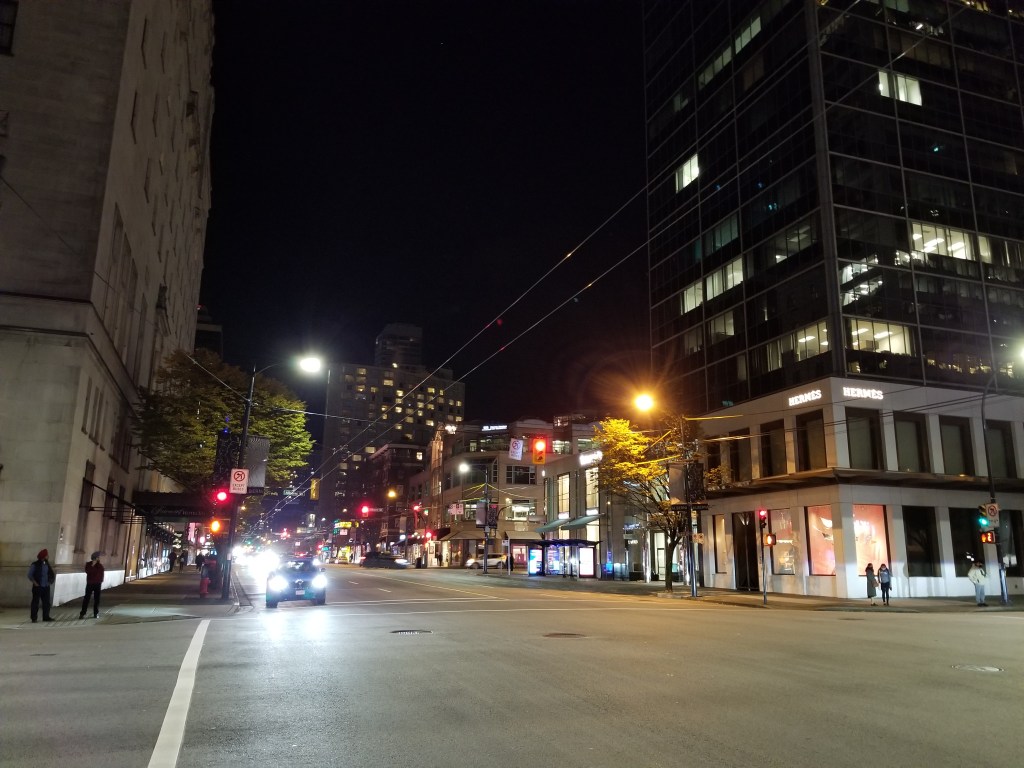
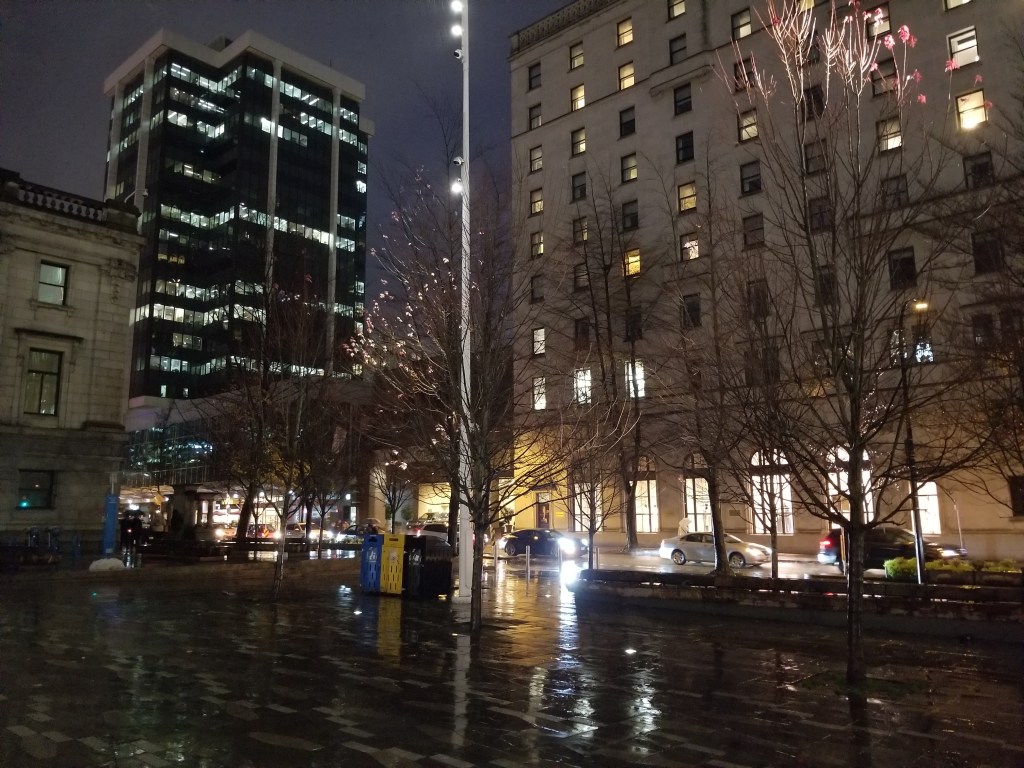
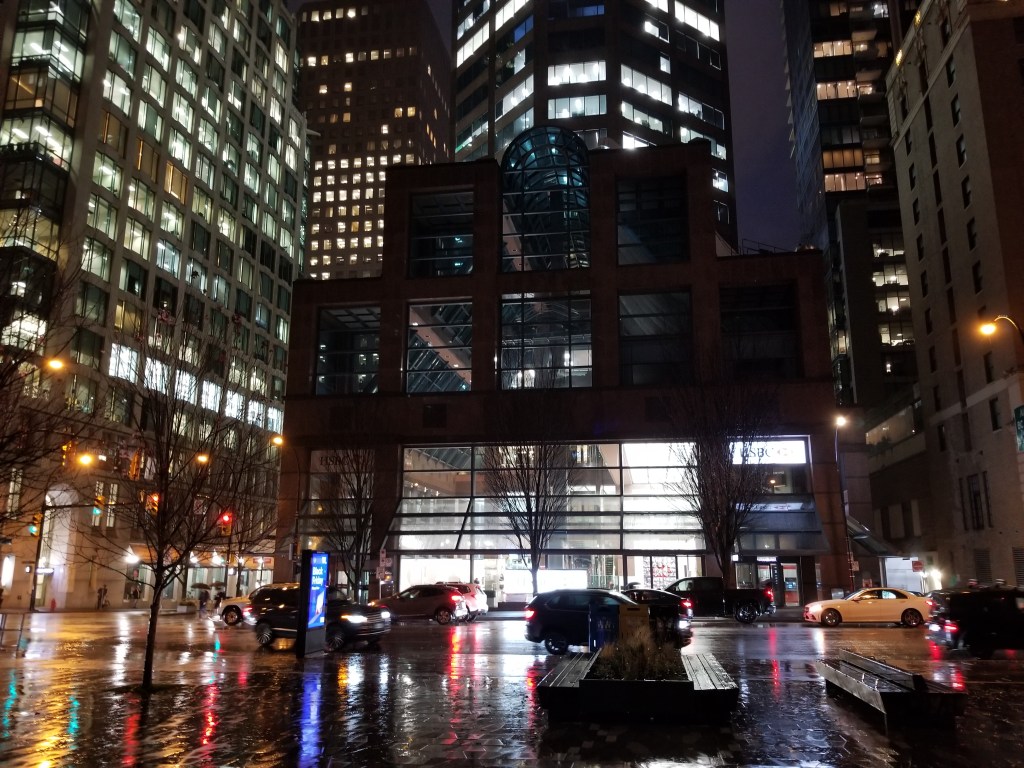
Georgia Street is an east–west street in the cities of Vancouver and Burnaby, British Columbia, Canada. Its section in Downtown Vancouver, designated West Georgia Street, serves as one of the primary streets for the financial and central business districts, and is the major transportation corridor connecting downtown Vancouver with the North Shore (and eventually Whistler) by way of the Lions Gate Bridge. The remainder of the street, known as East Georgia Street between Main Street and Boundary Road and simply Georgia Street within Burnaby, is more residential in character, and is discontinuous at several points.
West of Seymour Street, the thoroughfare is part of Highway 99. The entire section west of Main Street was previously designated part of Highway 1A, and markers for the ‘1A’ designation can still be seen at certain points.
Starting from its western terminus at Chilco Street by the edge of Stanley Park, Georgia Street runs southeast, separating the West End from the Coal Harbour neighbourhood. It then runs through the Financial District; landmarks and major skyscrapers along the way include Living Shangri-La (the city’s tallest building), Trump International Hotel and Tower, Royal Centre, 666 Burrard tower, Hotel Vancouver and upscale shops, the HSBC Canada Building, the Vancouver Art Gallery, Georgia Hotel, Four Seasons Hotel, Pacific Centre, the Granville Entertainment District, Scotia Tower, and the Canada Post headquarters. The eastern portion of West Georgia features the Theatre District (including Queen Elizabeth Theatre and the Centre in Vancouver for the Performing Arts), Library Square (the central branch of the Vancouver Public Library), Rogers Arena, and BC Place. West Georgia’s centre lane between Pender Street and Stanley Park is used as a counterflow lane.
East of Cambie Street, Georgia Street becomes a one-way street for eastbound traffic, and connects to the Georgia Viaduct for eastbound travellers only; westbound traffic is handled by Dunsmuir Street and the Dunsmuir Viaduct, located one block to the north.
East Georgia Street begins at the intersection with Main Street in Vancouver’s Chinatown, then runs eastwards through Strathcona, Grandview–Woodland and Hastings–Sunrise to Boundary Road. East of the municipal boundary, Georgia Street continues eastwards through Burnaby until its terminus at Grove Avenue in the Lochdale neighbourhood. This portion of Georgia Street is interrupted at several locations, such as Templeton Secondary School, Highway 1 and Kensington Park.
Georgia Street was named in 1886 after the Strait of Georgia, and ran between Chilco and Beatty Streets. After the first Georgia Viaduct opened in 1915, the street’s eastern end was connected to Harris Street, and Harris Street was subsequently renamed East Georgia Street.
The second Georgia Viaduct, opened in 1972, connects to Prior Street at its eastern end instead. As a result, East Georgia Street has been disconnected from West Georgia ever since.
On June 15, 2011 Georgia Street became the focal point of the 2011 Vancouver Stanley Cup riot.
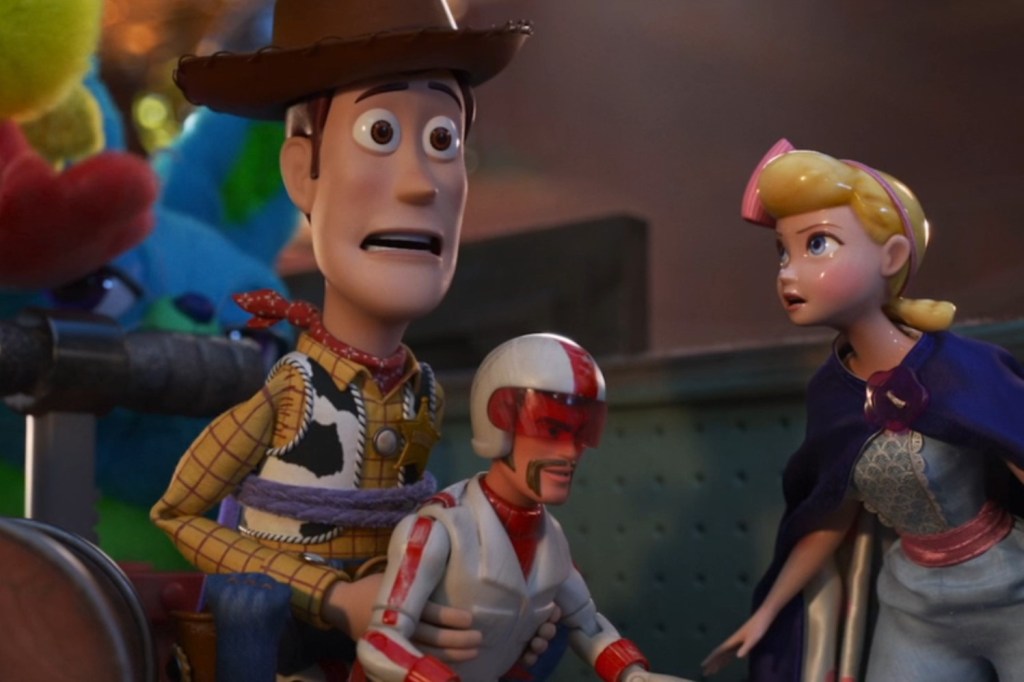
Toy Story 4, the latest instalment of Pixar’s beloved saga, is a heartwarming tale of love, friendship and adulthood with more than one lesson to teach.
Will there ever be such a thing as too many Toy Story films? Judging by the quality of John Lasseter’s latest film, we certainly hope we’ll be seeing our favourite toys again, even after a new adventure that sometimes feels like a goodbye to the franchise. But if Toy Story 4 might actually turn out to be the final chapter of Pixar’s saga, it is also undoubtedly one of the most enjoyable and heartwarming movies the Inside Out Studios have given us so far.
At the beginning of Toy Story 4, Woody (Tom Hanks), Buzz (Tim Allen) and the rest of the gang have a lot to deal with. Bonnie, “their” child, is growing up, and her playing habits are beginning to change. Dust is starting to appear on the most unsuspectable toys, who don’t always get to be involved in Bonnie’s playtime. Not only that, but time has come for the little girl to start going to school. Changes are in order for Bonnie’s toys, and with change come ghosts from the past, new acquaintances and, most of all, important decisions to make.
In line with Pixar’s best tradition, Toy Story 4 is the perfect example of a film that will mean different things to adults than what it will mean to children. From the film’s cutest moments to its most hilarious sequences, every single scene is permeated by that very special, bittersweet layer of emotions that can always be perceived, under the surface. They remind us of our own childhood, they bring us back to a different time and place and they wake up our “inner child”, surprising us and moving us Pixar-style, in the most unexpected ways.
But Toy Story 4 does even more than that, because these toys are starting to look – and feel – less like toys by the minute. Just like “their” children, these little beings have grown up, and are now asking very adult questions. What happens when toys have served their purpose and their tiny humans don’t need them anymore? How can they keep the “voices in their head” at bay when they are not able to create happy memories for their children anymore? And, most of all, what happens to a toy when it becomes lost?
Though themes like memory, loss and purpose have certainly been explored by Pixar in the past Toy Story films, the fourth chapter is particularly successful at sending its message across, and that is due, first and foremost, to the quality of its screenplay. In what feels like the end of a long journey, every single character gets its chance to shine. As our favourite toys find new ways to get into trouble and keep us entertained with their ingenious plans, not only do we get plenty of catchprases and throwbacks to iconic scenes from the past movies, but we witness their evolution from Bonnie (and Andy)’s toys to (non) human beings in all and for all.
“Lost” toys come in all shapes and forms, and Toy Story 4 shows us exactly what that means. Forky (Tony Hale), the new member of the family, feels like he doesn’t belong to the group, so he declares himself as trash – which isn’t so far-fetched after all, since Bonnie made him from items that did, in fact, come from the trash. This fork-turned-toy doesn’t really know what it is and where it should belong, but there are other characters who feel lost, starting from two very old acquaintances. If Woody is looking for a purpose and asking life’s big questions, Buzz is trying to develop a conscience and listen to his own will. And then there’s a very independent Bo Beep (Annie Potts), who lives in an amusement park version of Neverland with her own family of lost boys toys. But there’s even more than that.
If Buzz and Woody are the foundation that holds every single Toy Story movie together with a strong friendship that lasts a lifetime, Toy Story 4‘s new characters are just as essential. There are hilariously evil plush toys who conjure up improbably plans, flawed action figures that save the day with unexpected acts of courage, and, of course, there are villains who turn out to be so much more than what they seem.
Most of Toy Story 4‘s memorable sequences take place in an antiques shop, which is also the place where we find some of the most interesting new characters, who are all-too-familiar but also more than a little creepy. 1950s talking pull-string doll Gabby Gabby (Christina Hendricks) is one of them, and she is the perfect antagonist for the film. Her adorable exterior doesn’t match her cunning mind, and that is the result of a factory defect that prevents her from being any little girl’s “best friend” and fulfilling her purpose as a doll. But, just like most Pixar villains, Gabby Gabby isn’t as one-sided as she initially appears to be: just like all the other objects in Second Chance Antiques – from hilariously disturbing “Benson” ventriloquist dummies to imperfect Canadian hero/action figure Duke Caboom (Keanu Reeves) – she is the very definition of a lost toy.
Toy Story 4 is Pixar at its best. Just like the very first Toy Story film, it feels like a childhood memory in itself, one that we never want to forget. It has the same level of adventure as The Incredibles, with a good dose of Up-style originality, Cars-level excitement and Ratatouille-like cuteness. It has clever inside jokes, immensely endearing characters and genuinely funny laugh-out-loud sequences. Most of all, just like Finding Nemo, Wall-E, Inside Out and every single movie Pixar has ever done, it has a great deal of heart.
Toy Story 4 was released worldwide on June 21, 2019.

 Igor's Blog