
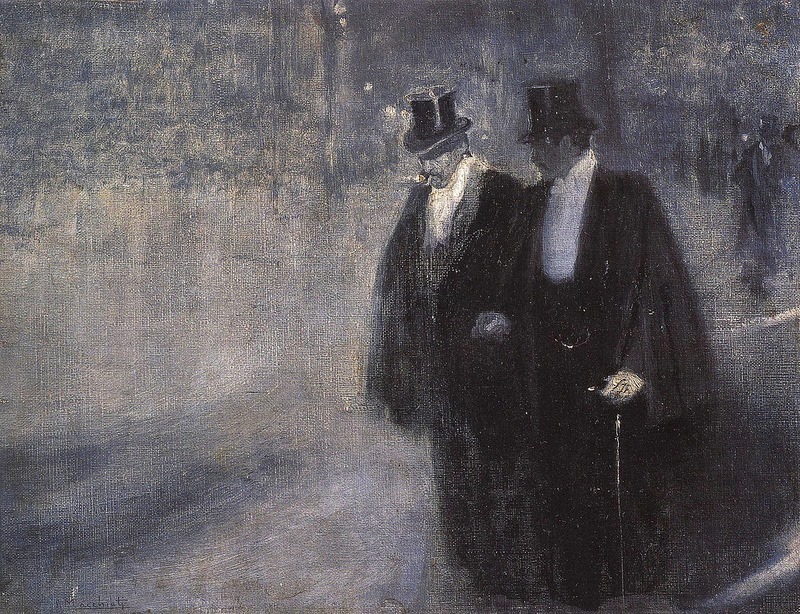
After The Gala by Serafino Macchiati, 1905.

Tessa Violet released Bad Ideas in 2019 and was set to take her second album on the road the following year. That didn’t work out because, well, you know. So instead, the rising singer-songwriter did some live-streams and stayed active with fans on social media. It’s something Violet knows something about, since she got her first world-wide big break as a Youtuber. That was more than a decade ago while she was working in retail after a two-year stint in modeling.
But that’s beside the point.
Since last year, Tessa Violet, 31, has continued to stay busy releasing new versions of some of Bad Ideas’ catchiest songs: “Bored” with MisterWives, “Words Ain’t Enough” with Chloe Moriondo and “Games” with lovelytheband. The latter song, released in April, came with a meta shot-for-shot remake of a scene in “Twilight,” no less. Another song, “Wishful Drinking,” went viral last year thanks to a TikTok trend.
For her final statement with Bad Ideas, Violet (whose full name is Tessa Violet Williams) is turning to “Games” yet again, with a physical pop-punk version produced by Matt Squire (Panic at the Disco, All Time Low, 3oh!3) released last Friday.
“I wanna mosh,” Violet said in a video interview from her home in Los Angeles, to which she had just moved back prior to the start of the pandemic.
She originally wrote “Games” about the experience of being gaslit by a now-ex. He’d lied to her and when she called him out on it he’d retort that she was just misunderstanding him. It turned out he was talking to other girls behind her back. The 2021 versions of the songs were her way of doing remixes. But Violet isn’t interested in club music. Instead, right before the pandemic, she saw PUP and fell in love with pop-punk
“I’ve never been to a punk show before, but watching it, … the energy of this is incredible. It’s infectious and it also feels like an incredible space to work through anger,” she said. “I think women especially aren’t given space to work through anger. We’re taught from a young age that to be mature is to move directly into compassion or understanding—to leapfrog anger. But it’s hard to actually get to that space without moving through the emotion. I’m just like, ‘I’m for this, and I am mad!’”
That was on a personal level, on a more universal level, the anger in the song became a response to the out-in-the-open injustices of the past year.
“A punk version of “Games”— I know that may seem kind of left field for me, but it feels very genuine to who I am right now and what I’m listening to,” she said.
Tessa Violet grew up in Ashland, Oregon, a tiny, wooded town less than an hour from the California border off I-5. It’s home to the Oregon Shakespeare Festival but has no music scene and is a three hours’ drive from any major city.
Her first dream was to perform in musical theater.
“My mom and I disagree about this: She’s like, ‘We had a car.’ But, in my experience of my childhood, we had a car like a third of the time so there was not much of going to big cities,” she said. “We would take the Greyhound to Portland, Oregon every now and then for vacation.”
She knew back then that she wanted to sing, but she only had the theater presented as an option. Her acting, however, was not up to par, she said, so she didn’t get past school productions. She felt bitter at the time.
“It was my first heartbreak because it was my desire,” she said.
A friend of her mother’s had suggested modeling as a career, something Violet wasn’t at all interested in until an agent told her the job came with airfare perks and that she had a “good look for Japan.” “And I was like, ‘I’m in, baby!’” she said.
During her modeling career she traveled through places like China, Japan, Hong Kong, South Korea and Thailand.
Violet quit that after two years, quickly becoming disillusioned with how the industry treats models as a disposable commodity. Instead, she got a retail job at American Apparel and began vlogging on YouTube.
“This was before you could be a YouTuber as a career, but I felt like that was coming,” she said. “In like 2008, I was, ‘I think I could do this as a job. … I really think that’s going to happen for me and a lot of people.’”
Her following quickly took off. She directed and performed in her own skits and made unofficial, yet very popular music videos set to music by the likes of Mika. She won a YouTube competition and a large cash prize
That would have been that, but she never lost her passion for singing. A few years later, now in her 20s, she discovered songwriting. As the story goes, a friend left a guitar in her car. She taught herself a Death Cab for Cutie cover and was soon writing her own songs.
Since 2013 she’s turned her focus to songwriting. The following year she made and released her first album, Maybe Trapped Mostly Troubled. A year or so later, she moved to Nashville, not because of its status as a music capitol—she’d already spent some time in L.A. and New York by that point—but just to experience something different and have both the amenities of a big city and the community of a smaller town. She didn’t know anyone there at the time but went for it anyway. It’s a trait she said she got from her mom, who made similar decisions, like giving up a big city life to raise her daughter in Ashland, Oregon, only to bounce to New York, and then Maine after Violet was out of the nest.
After moving back to L.A. right before the pandemic, she kept herself mentally healthy and in the moment through meditation, which she said also helped her build confidence in herself. She also got in touch with her desires and learned how to talk and think about what she wants to accomplish.
“If you’re honest about what you want from your life and from people, you’re going to have an easier time in your life because to deny what you want, you need to constantly be hard and closed,” she said. “And to be open to what you want, you have to be willing to be brave. Because … then you’re also open to a ‘no,’ which people think will break their heart—and maybe it will, but you’re gonna learn a lot and get a lot more from life if you are … about your desire and intention. … If you’re a pessimist you protect yourself from future disappointment. But really, all you do is spoil the current moment, and the current moment is all we ever have. It’s all we’re guaranteed.”
Violet said when she was first getting into music and transitioning from being a YouTuber, she was met with some backlash, especially from within the music industry. As she’s proven herself as a musician that has subsided, but she’s never been ashamed of how she arrived where she did.
“I’m proud of having done that. I really think—not I think; I know—that I was on the forefront of that movement of being someone who shares their life through a video format,” she said.
She’s fine if some people still know her primarily through the past phase of her life and career. Even if some people continue to have a stigma around YouTubers expanding their careers in different directions, she said she doesn’t take it personally.
“People don’t know what they don’t know,” she said.
Even someone from that field who makes music that’s, say, less than stellar, she doesn’t look down on him or her. After all, who doesn’t want to be an artist? And everyone has to start somewhere. Some people, however, have a much larger platform because of prior success doing something else.
If she had discovered songwriting first, she would have arrived through a different door, she added.
“I am an artist and I always have been, and my platform, or my way of expressing myself, used to be through storytelling videos. Now I story-tell through songs,” she said.
From her experience, the people looking down on the art made by others are the ones who can’t convince themselves to make a similar jump in their own lives.
“I honestly think everyone should sing. It’s part of the human experience,” she said. “Your first release is not going to be good and that’s just a fact.
Since she didn’t get to tour, Violet splurged and spent her entire built-up tour budget on a massive livestream performance in May. She still hoped to play some shows this year, but that will come as an opener on someone else’s ticket, she said.
She’s also started working on her next album and even has some songs completed that she expects to make the cut, but she’s still searching for a through line to present itself. It took a while for that to happen on the last album, but once it came, Tess Violet knew exactly what she wanted to say.
“I have the sense the project hasn’t quite revealed itself to me,” she said.
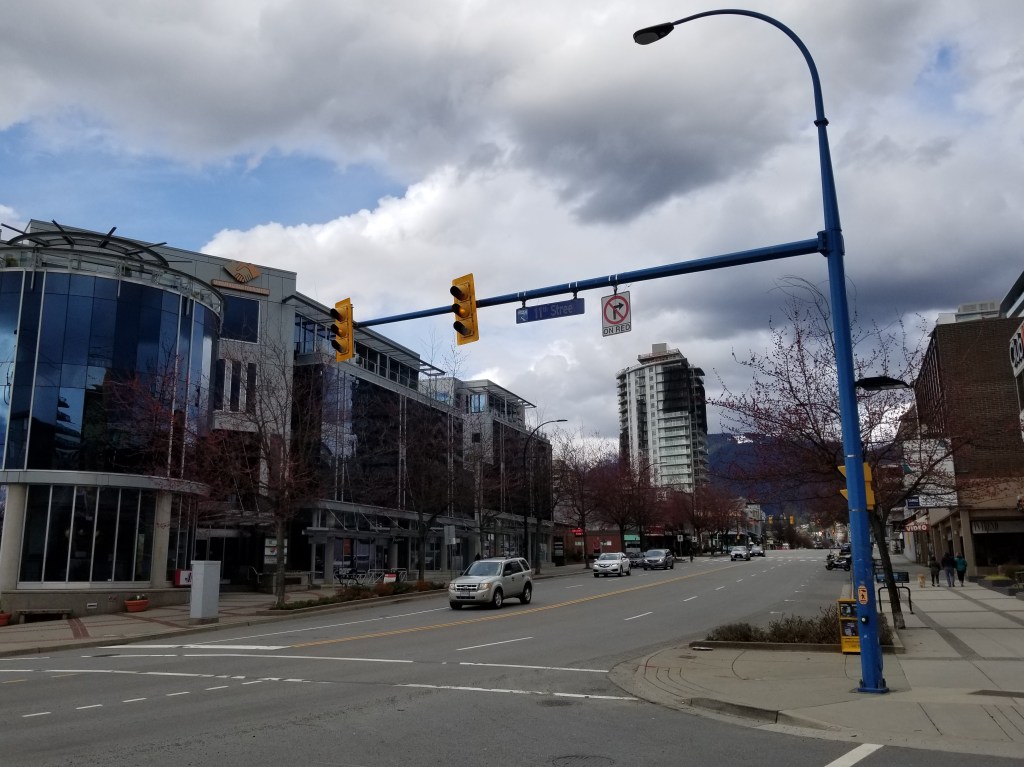
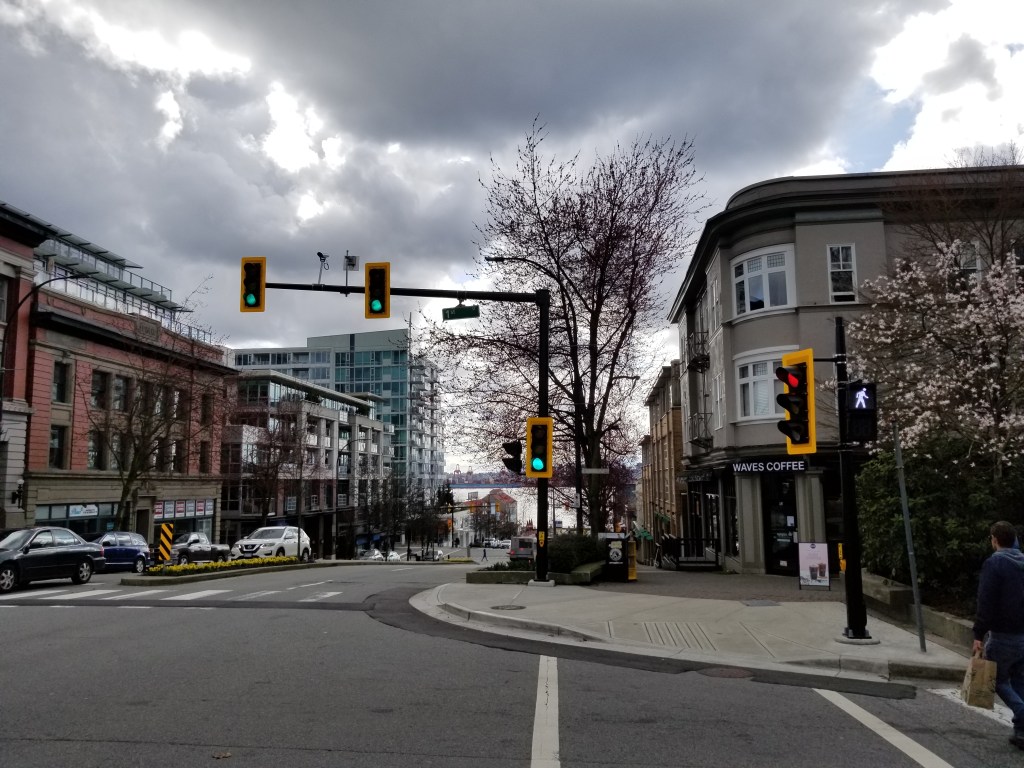
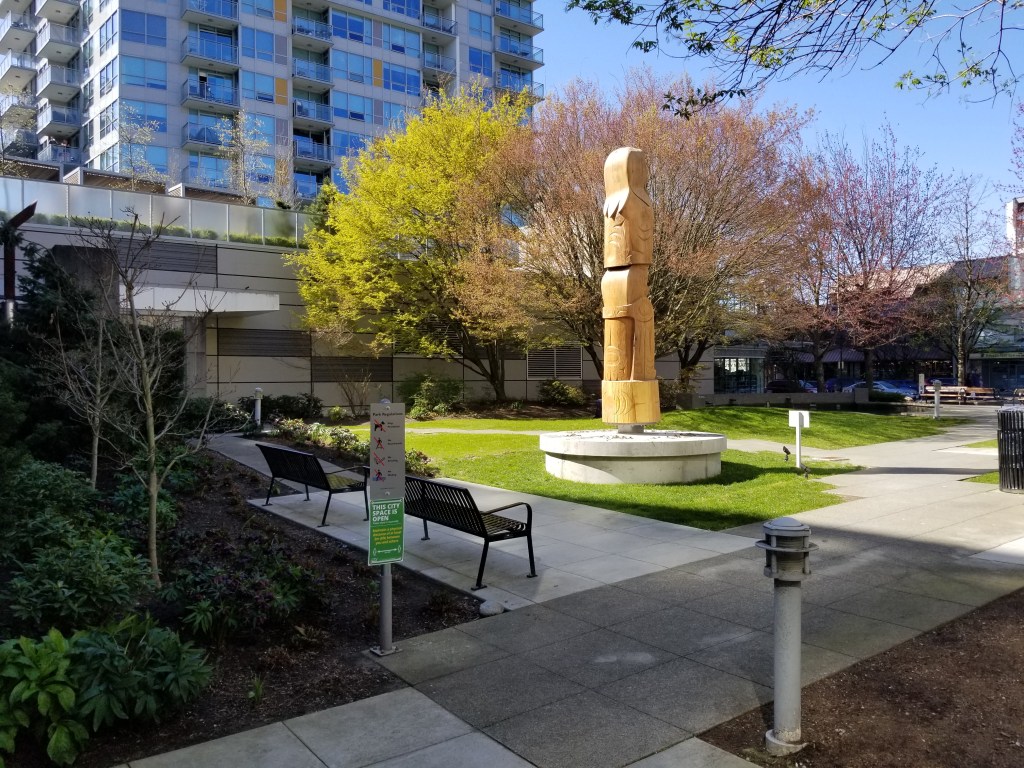
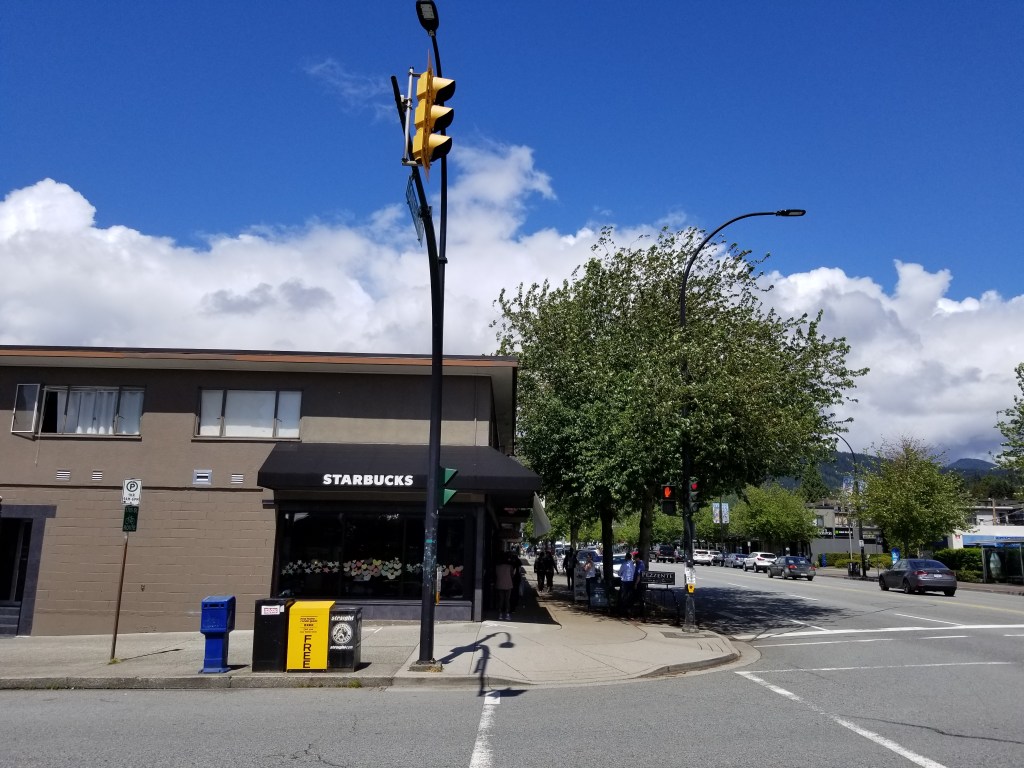
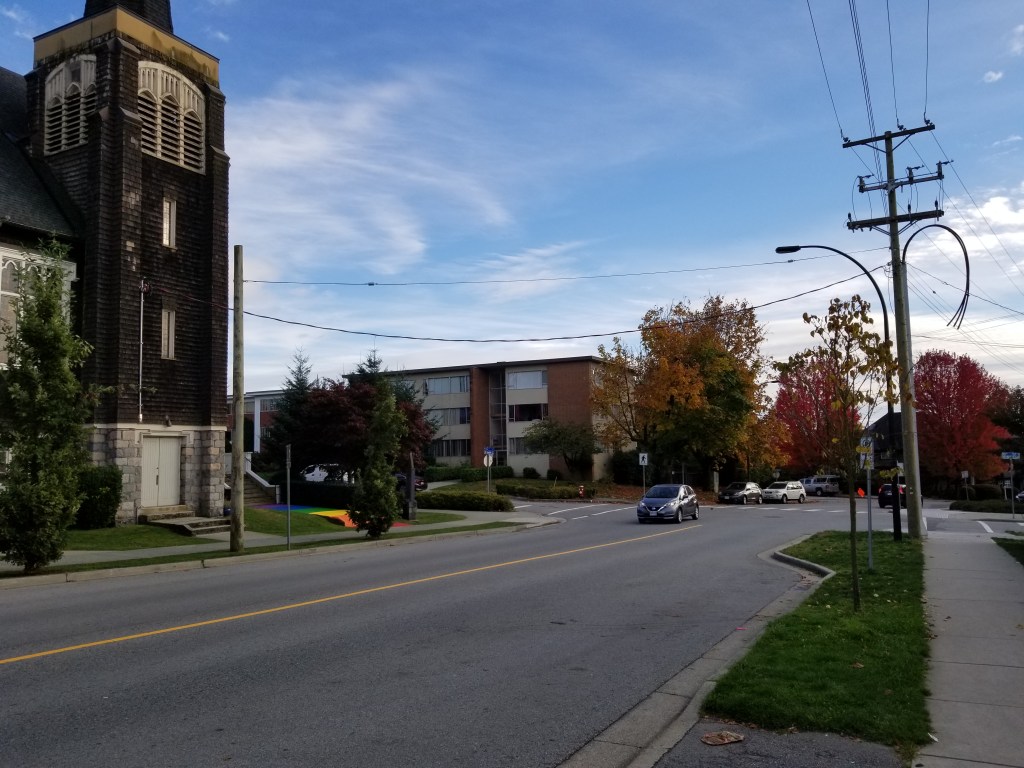
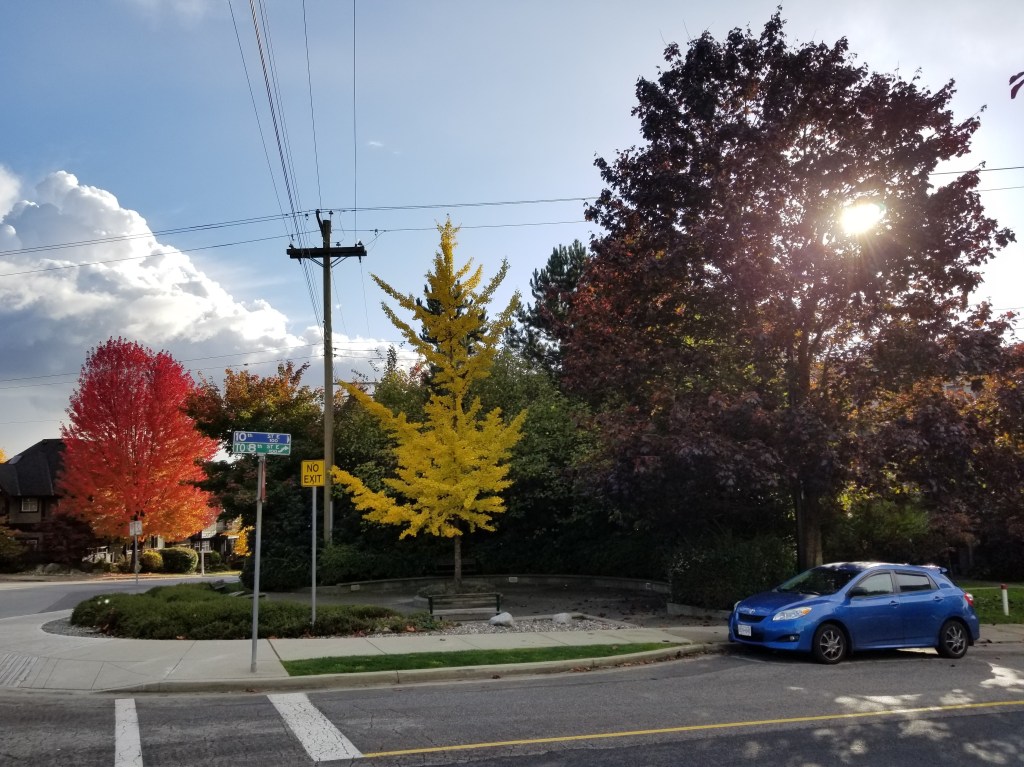
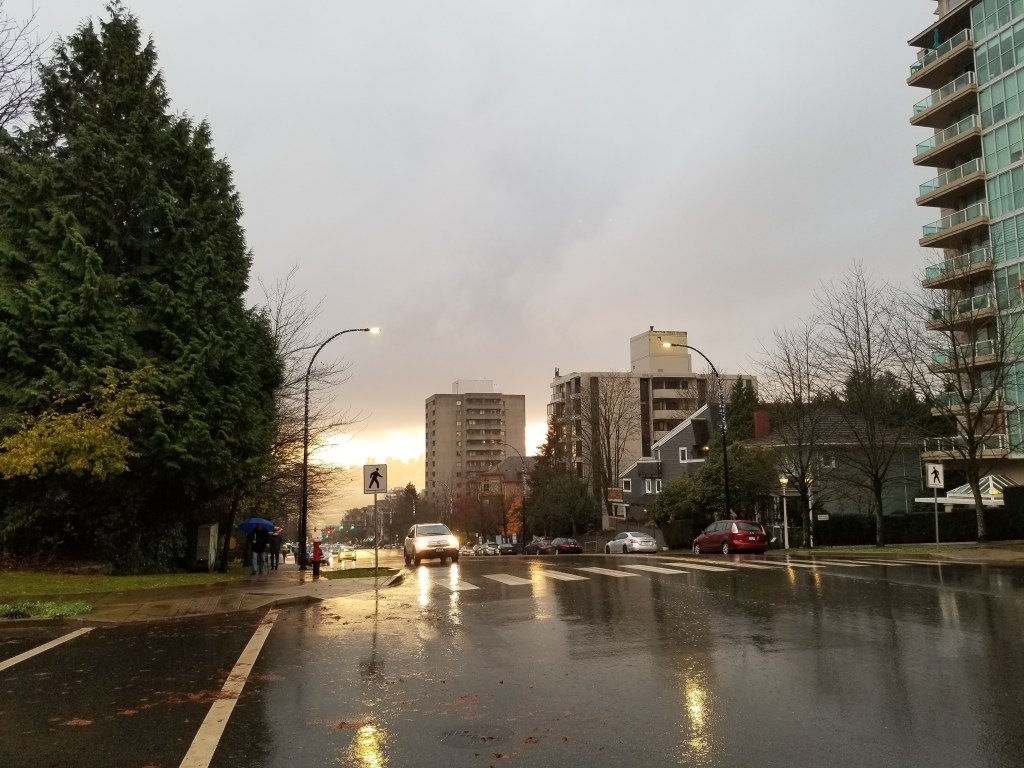
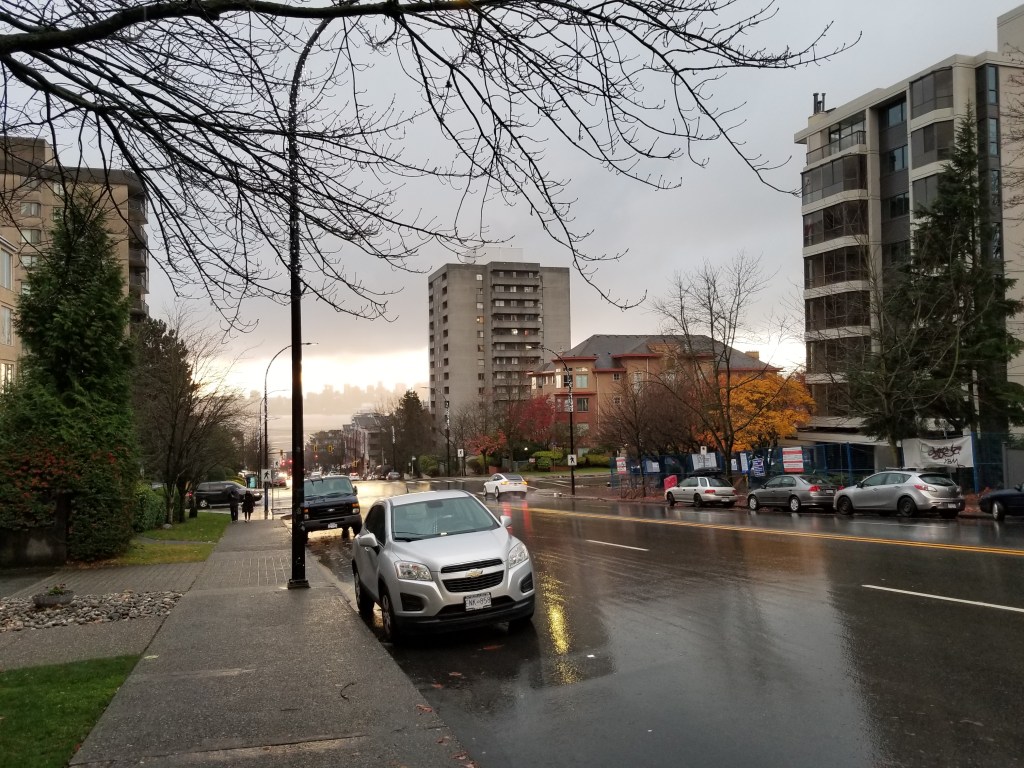
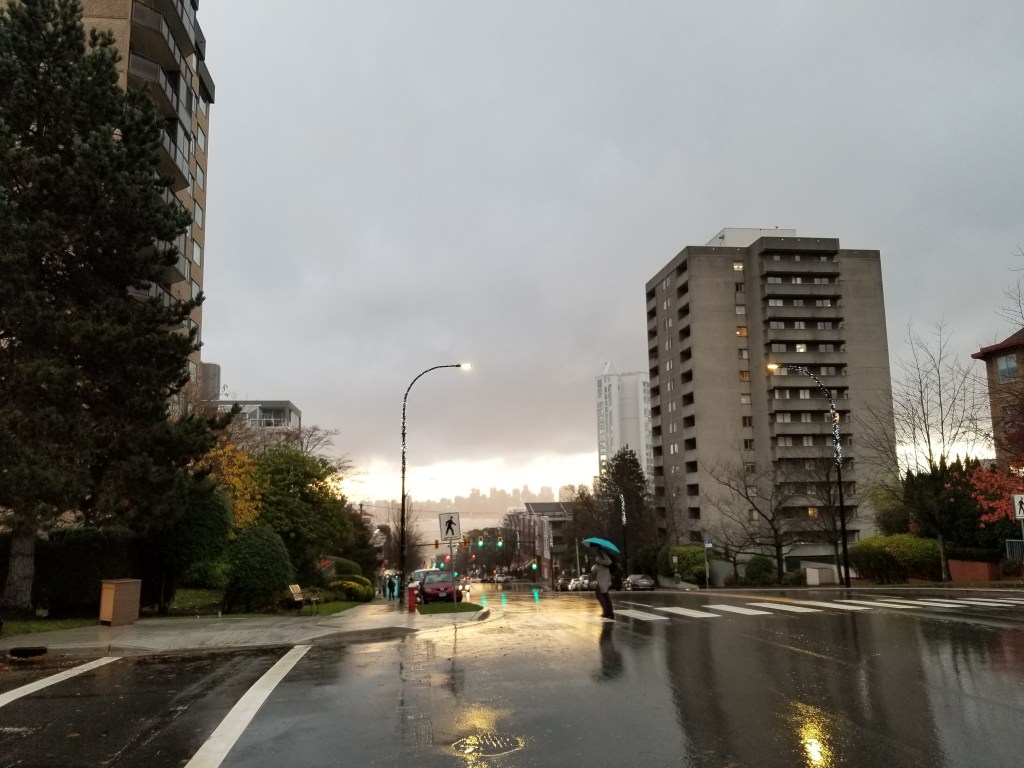
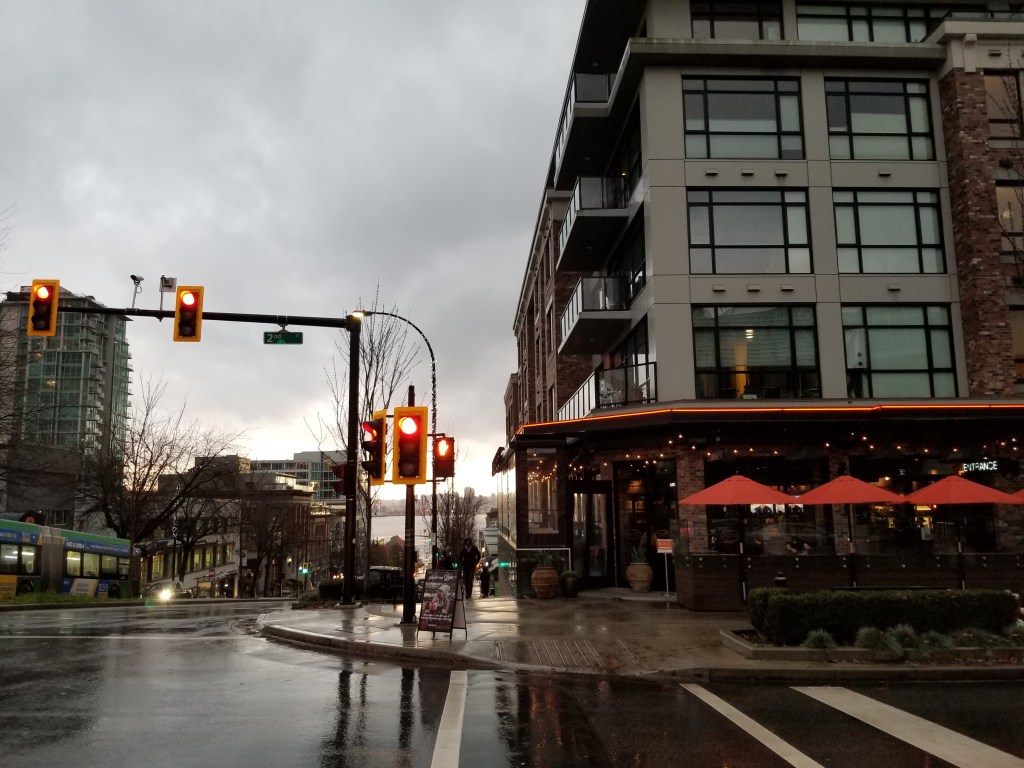
Lonsdale Avenue has been a cornerstone of North Vancouver since the city’s early days. When North Vancouver was first established, Lonsdale was planned as a prominent thoroughfare, running right down the middle of the city’s layout. Its strategic importance was tied to its role in transportation—originally, the ferry at the foot of Lonsdale (in Lower Lonsdale) was a key connection point. These ferries, initially privately owned, were later managed by the government as the city grew, ensuring steady access to resources and workforce mobility. This made Lonsdale a vital lifeline for the burgeoning community, connecting it to downtown Vancouver and beyond.
As of 2019, Lonsdale has become a desirable area for young professional families, business owners, and investors. With the cost of living in downtown Vancouver skyrocketing, many are drawn to North Vancouver for a high quality of life while still being close to the city. The avenue features art installations, new parklet outdoor spaces, and some of the North Shore’s best restaurants, shops, cafes, and parks.
Lower Lonsdale, closer to the waterfront, is known for its real estate market, with a mix of houses, apartments, condos, and vacant lots for sale. It’s also home to the Lonsdale Quay Market and the Shipyards, a popular spot for dining, events, and waterfront views.
Further up the avenue, Central Lonsdale is more residential but still vibrant with charming coffee shops, restaurants, and boutique stores. It’s a walkable area with a community feel, often highlighted for its rows of shops and eateries.
Lonsdale Avenue encapsulates the evolution of North Vancouver—from a ferry-dependent settlement to a modern, thriving community. It’s a place where history meets contemporary living, offering a balance of cultural richness, accessibility, and community spirit.
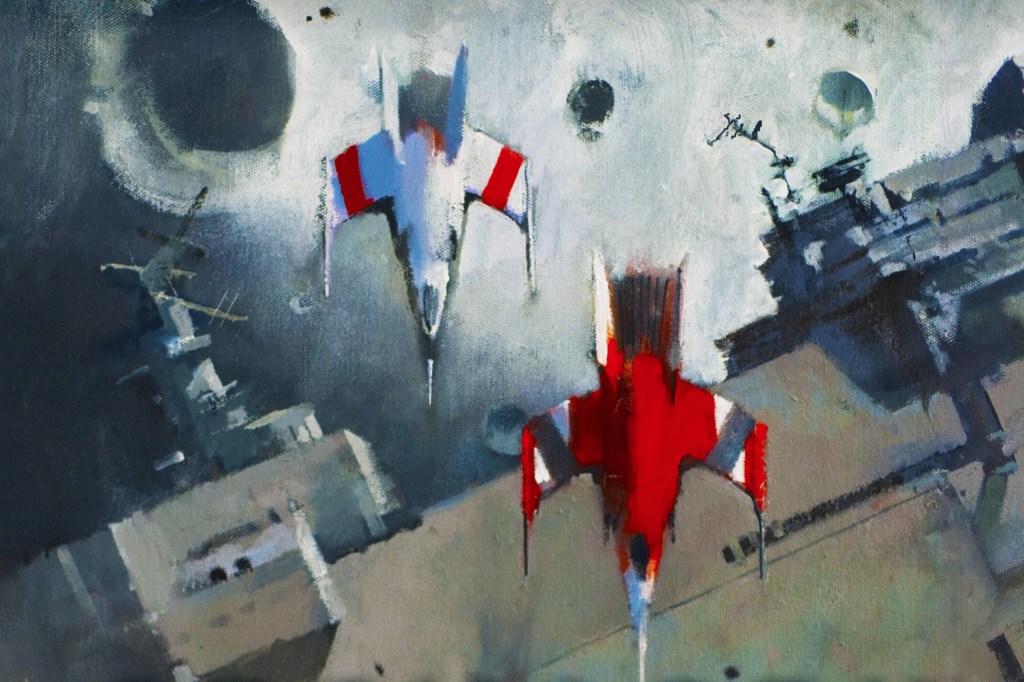
Ancillary Justice got a ton of hype upon its release in 2013, racking up a dizzying number of genre awards and garnering praise for its inventive handling of gender and nonhuman intelligence, in addition to being an excellent space opera. But I was on hiatus from genre reading in 2013, and so while I’d been exposed to the Imperial Radch universe when I read Translation State in my 2023 Hugo reading, I hadn’t yet circled back to the book that put Ann Leckie on the map. And when an online book club picked it up, I had the perfect opportunity to try.
Ancillary Justice is split into two different timelines, both following the same character in dramatically different life circumstances. In the former, the lead is one of thousands of connected ancillaries—ship AI consciousnesses downloaded into bodies of flesh and blood. In the latter, Breq is on her own, separated from her ship and her other bodies, on a mission that’s part revenge and part revolution, but waylaid by attempts to aid a suicidal human who had served on her ship thousands of years in the past. The former story is all about explaining just how Breq came to her current circumstances with her current convictions, while the latter is about executing a plan and saving a vulnerable bystander.
Because I was out-of-touch with the genre community in 2013, I can’t speak much to the background that made Ancillary Justice feel so daringly impressive. But I can’t help the feeling that it loses something for a new reader twelve years down the line. It’s so famous for its treatment of gender that I came in with some expectations on that score, but while it purports to build a genderless society, that element of worldbuilding doesn’t get much exploration beyond the lead’s inability to remember any pronouns other than she/her. It feels like a stray bit of worldbuilding designed almost entirely to discomfit the reader and force a questioning of gendered assumptions, and while it totally succeeds on that level, its reputation over the years had grown beyond what it actually delivers. This isn’t The Left Hand of Darkness, and while I have no doubt it was surprising to readers in 2013, it’s not something that particularly stands out from the science fiction landscape in the early 2020s.
The treatment of nonhuman intelligence is similar. It’s a theme with a long history in science fiction, and while I have few complaints about its handling in Ancillary Justice, we’ve seen a lot of disparate portrayals of artificial intelligence in the last decade, and there’s nothing here that feels truly special. Which is fine, except when the reader is approaching a book that rampaged through the Hugo, Nebula, Clarke, Locus, BFA, and Kitchie…well, it sets up the expectation for something mind-blowing. And instead, Ancillary Justice is good.
In fact, I’d argue that the building of a genuinely strange society is done much better in the standalone Translation State that’s set in the same universe. And while Translation State is a very good book that garnered its share of award nominations, its reputation doesn’t hold a candle to that of the series-starter.
As a space opera, Ancillary Justice remains an engaging and entertaining read. Both timelines offer enough mystery to keep the tension high through the first half of the novel, and when the first timeline drops off in the book’s second half, the messy imperial politics continue to give the reader a reason to press on. As the book progresses, the plot starts to get more and more straightforward, with most of the immediate tension coming from wondering whether the lead will be able to execute her mission without getting herself or her tag along killed. But the big picture questions add some freshness even when the plot is more familiar.
This review has talked a lot about expectations because it’s hard to separate my response from my expectations coming in. They weren’t met, I think in large part because the genre has come a long way in the decade-plus since the book was published. But it’s still a very good space opera.

With ten Oscar nominations, The Brutalist has reignited the debate over the legacy of brutalism. The polarising architectural style was shaped by post-war hopes for a better future. But it was also, as historian Adrian Forty argues in his book Concrete and Culture (2012), an “expression of melancholy, the work of a civilisation that had all but destroyed itself in the second world war”.
The fictional architect at centre of The Brutalist, László Tóth, is an Austro-Hungarian modernist and concentration-camp survivor who moves to America to rebuild his life. His designs, described as “machines”, are inspired by the trauma of camps like Buchenwald and Dachau.
Emerging from the rubble of the second world war, brutalism became an architectural response to devastation and the pressing need for urban renewal. The destruction caused by the Blitz provided architects with opportunities to design environments reflecting the ideals of the new welfare state: equality, accessibility and functionality for the collective good.
This ethical foundation aimed to address the social needs of the post-war era, particularly in housing, education and public welfare infrastructure. Notable examples of the style include the Barbican estate and Southbank Centre in London.
Architectural critic Reyner Banham, who coined the term brutalism in his 1966 work Brutalism: Ethic or Aesthetic, argued that the movement was more than an aesthetic choice. He championed the work of Alison and Peter Smithson, young British architects who played a crucial role in shaping brutalism through projects like Robin Hood Gardens in London’s Tower Hamlets. For Banham, brutalism was an ethical stance and a form of “radical philosophy” aiming to address the social needs of the post-war era.
The brutalist style has, however, often been criticsed for what many perceived to be its unappealing, “ugly” aesthetic and alienating qualities. In 1988, King Charles famously compared the National Theatre in London to a nuclear plant, encapsulating the public’s mixed reactions. Similarly the situationists (a French anti-capitalist art movement) denounced brutalist housing estates as “machines for living”. They saw them as oppressive structures that stifled human connection.
The perception of brutalism is highly dependent on context. In warmer climates like Marseille in France, the play of sunlight on raw concrete gave structures a sculptural quality. In the UK’s wet climate, however, exposed concrete weathered quickly, making buildings appear grey and neglected.
Yet for brutalist architects, this was never just about aesthetics. They saw their designs as expressions of honesty and social progress, rejecting ornamentation in favour of raw, functional materials that symbolised a new egalitarian society. The very qualities that critics saw as oppressive were, to its proponents, what made brutalism a radical and hopeful architecture.
Despite their ethical intentions, brutalist buildings often appeared to have an alienating impact on their residents. In his book Making Dystopia (2018), architectural historian James Stevens Curl discusses the Canada Estate in Bermondsey, London, built in 1964, where tenants expressed their disaffection for the environment through acts of vandalism.
By the 1970s, the optimism surrounding modernist and brutalist projects had begun to collapse, both figuratively and literally. One of the most infamous moments symbolising this failure was the Ronan Point disaster in 1968.
A gas explosion on the 18th floor of this newly built tower block in east London caused a partial collapse. Four people were killed and serious concerns were raised about the safety and quality of post-war high-rise housing.
This tragedy pushed the Clash’s Joe Strummer to write one of the band’s most notable songs, London’s Burning, in 1976. In the late 1970s and 1980s, punks splattered brutalist architecture with graffiti slogans echoing situationist critiques of modern urban life.
Some referenced punk band names or song lyrics, showing how punk didn’t just adopt the attitude of the situationists but also their language and tactics. Jamie Reid, the architect of the Sex Pistols’ aesthetic, often used images of brutalist structures as a stark backdrop to his punk visuals.
The punk movement reinterpreted the failure of brutalism not just as an architectural problem but as a broader societal collapse, highlighting issues of alienation, neglect and the erosion of post-war utopian ideals.
Yet, in recent years, the brutalist aesthetic has found a new audience. Online communities, such as Reddit’s 1.5 million-member r/EvilBuildings reflect on buildings and surroundings captured by community members and the impressions these structures leave. Brutalist buildings frequently top the list.
This renewed interest highlights the complex legacy of a style that was once widely criticised but continues to captivate a broader audience beyond architects.
Brutalism’s dual legacy, a movement intended to create community but often seen as alienating, continues to shape debates in architecture and urban planning. The controversial nature of this style is evident in the demolition of prominent structures like the Smithsons’ Robin Hood Gardens (2018), the Tricorn Centre in Portsmouth (2004), and the currently ongoing demolition of Cumbernauld town centre in central Scotland.
These demolitions highlight both brutalism’s polarised reception and the public reassessment of its value. These spaces are more than just concrete. They are sites of memory, rebellion, and ongoing cultural significance, continuously shaping and being shaped by the society around them.

The popular Final Fantasy anthology series is one of the most groundbreaking video game series of all time. What makes each one of them groundbreaking is their in-depth world building, diverse characters and character arcs. However, what really makes Final Fantasy so unique is their themes and allusions to the real world. Their most famous games being Final Fantasy VII alludes to the corruption of capitalism and the role it plays on the environment while also having imperialist themes as well. But what game is really political of the series is Final Fantasy XII, which was released in 2006 for Playstation 2. Since its release it’s been remastered and ported for Playstation 4 and 5 as Final Fantasy XII:The Zodiac Age, expanding more on the world of Ivalice. But I’m not here to talk about the greatness of the game, which is indeed one of my top favorite Final Fantasy games, I’m here to talk about the themes and the allegorical connections with West Asia, specifically Palestine.
When we are first introduced to Dalmasca, we see the wedding of Ashelia B’nargin Dalmasca to Rasler Heios Nabradia, the invasion and colonialism by the Archadian Empire of Nabradia, and eventually Rasler’s death and Dalmasca’s fall to colonial rule. Dalmasca is an allegory for an Arab country, with developers of the game saying they took inspiration for the name from the Syrian city of Damascus. And while they took inspiration from Levant for Dalmasca, to me all I saw was Palestine. The city of Rabanastre is still very reminiscent of the old cities of Akka and Yaffa, historical but yet modern, with bustling bazaars and Arabesque architecture. The clothing the characters of Dalmasca wear are very Levantine coded. Many argue that they’re blonde, but I am here to tell you that as a Palestinian I have cousins with blonde hair and blue eyes, some with red hair and freckles on their olive skin! They captured the diversity of the region through Dalmasca which is something I truly appreciate. (Also lookup some of the concept art for Dalmasca and Nabradia because they are very Levantine influence.)
What made me think of Palestine was when Vaan infiltrates the Palace, there’s a seal you have to find a seal with a lion reminding me of the Tree of Life mosiac in Hisham’s Palace in Reeha(Jericho). But what really kicks it off is how we’re introduced to Ashe and the resistance.
Ashe ends up being alive after her faked suicide and created a resistance group to fight against the Archadian Empire. Which the Empire uses Vayne Solidor arguing that he will be a friend to native Dalmascans(this is a lie of course). We find out the treaty signing of her late father with the Archadian Empire was a trick to eventually take control of it. And Ashe was clearly against this. The historian and Palestinian in me couldn’t think about the early British colonial efforts of Palestine and the Levantine, where the British Empire were lying to Arab bourgioise leaders on the promise of an Arab state after the Mandate was over, only for it to be nothing but false. Ashe and the Resistance along with Basch and the eventual party of Vaan, Penelo(native Dalmascans), and Balthier and Fran joining them eventually help liberate Dalmasca. Each one realizing their problems are related to the colonialism of Dalmasca, with Balthier’s father and nethicite, Vaan and Penelo wanting freedom of exploring, and Basch wanting honor restored.
Final Fantasy XII was released after the Second Intifada and the US invasion of Iraq. Instead of portraying Levantine coded characters as evil, Square shows them as wanting nothing more than liberation. When Vossler brings up trading the stone for Dalmasca to Ashe, she is furious implying that the Empire won’t hold up their end of their bargain. Vossler reminds me of the Oslo accords, or the 1947 Partition plan telling Ashe to accept her colonialism as a puppet government.
Oslo Accords introduced the puppet government of the Palestinian Authority, something every Palestinian is against. Oslo was a way for Israel to gain more power and access over the West Bank and Gaza, areas that Palestinians still had very little authority left. Vossler was telling Ashe to accept being a puppet government for the Archadian Empire, and like a true Palestinian, Ashe was against that. The loss of her motherland and the lost of her home is what motivates her to keep fighting, which I wanted to mention the importance of Rasler.
Someone on Twitter mentioned that Rasler is from Nablus, which is very similar to the city of Nabudis of the country of Nabradia which was an amazing take. Because Nabradia is the first country to rebel and fight against the Archadians which I reminded me of the people of Nablus during the British Mandate period. The fellahis of Nablus refused to accept British electricity as seeing it as a way to accept colonialism and Zionist settlers infiltrating their land. The Palestinians of Nablus rebelled by lighting their homes and businesses with oil lamps and candles. To this day Nablus is seen as an area of resistance filled with people who are very active against the Zionist colonial movement. In FFXII Nabradia ends up being in this weird pseudo-occupation. Nabradia is technically it’s own country but also under Archadian rule, with the fortress being where the Imperials are most active, and many Archadians moving to Nabradia and Dalmasca(according to the NPCs in the Nabradia and Rabanstre aerodomes). Though Nablus is in the West Bank and is technically under Palestinian Authority it’s been under Israeli occupation since the Six-Day War and is experiencing a growing number of settlements as many people living in in the West Bank, face.
Ashe continues fighting on, realizing that revenge will not motivate her anymore, especially when listening to a fellow Dalmascan Vaan, whose brother fought for the liberation of their home country as well. She will not respond by blowing up Archadia as the Occuria want, but she will fight through her means of resistance. Her uncle ends up supporting her, and she even states how Dalmascans, do not like to use drastic methods, as nethicite seems to be a code for nuclear weapons. Palestinians want the same thing. Yes, armed resistance actually works, and it helped Ashe achieve liberation for Dalmasca. Reminiscent of how armed resistance works in cases like Algeria, Cuba, South Africa, and hopefully Palestine. But Palestinians will not be use nuclear weapons, like some imperial powers do, because we will not stoop as low as our oppressors who use nuclear weapons, like how Vayne and the Judges uses nethicite to freely.
There’s a quote Ashe says when speaking to her allies in Pharos that is relevant. “In all Dalmasca’s history, not once did we rely on the Dusk Shard. Our people resolved never to use it, though their need might be dire…That was the Dalmasca I wanted back.” Though Ashe is talking about the use of essentially a nuclear weapon, it still spoke to me as a Palestinian woman. Ashe only wanted her country back, and for her people to be liberated and it’s even more powerful when she declares Dalmasca is liberated to her uncle and fellow resistance members. Dalmasca is free, and librated state again by its people and her allies. Palestinians want a liberation like Dalmasca and in a modern case like Algeria.
There’s another line that sticks with me, that Ashe says that reminds me so much of Palestine. When she approaches Vayne in Bahamut and he asks who she is, she states “I am simply myself. No more and no less. And I want only to be free.” She may be in exile, she may be a member of the resistance, but at the end of the day she Ashelia, a daughter of Dalmasca. Who wants nothing more than freedom and liberation for not her people, but for herself. And like Ashe, I want nothing more than that.
Palestinians want the land our families tended too for centuries. We want our right of return. As someone who always cries at a Final Fantasy ending, hearing Ashe say that made me tear up, because I hope to hear similar words in regards to Palestine.

Israel says there is “no suspicion of crime” in the killing of Palestinian journalist Shireen Abu Akleh despite an international outcry, two weeks after Israeli forces shot dead the veteran reporter in the occupied West Bank.
Abu Akleh, a veteran of the Qatar-based Al Jazeera network’s Arabic service, was shot in the head on May 11, when she was reporting on an Israeli raid on the Jenin refugee camp.
Her tragic death sent shockwaves across the region, drawing global condemnation. The United Nations and the European Union, among others, called for a full investigation into what has been described as a deliberate killing “in cold blood.”
The Israeli regime too promised to launch a probe into the appalling killing of the iconic journalist. It even called on Palestinian Authority, which rules the occupied West Bank, to cooperate in its so-called investigation.
Palestinian President Mahmoud Abbas, however, rejected a joint investigation by Israel on May 12, saying, “They committed the crime and we do not trust them.”
In a speech addressing thousands of Palestinians at a memorial for Abu Akleh, he also stressed that Palestinians “hold the Israeli occupation authorities totally responsible for her killing”, vowing that “This crime cannot go unpunished.”
The leader also said that instead of participating in a joint probe into her killing, the PA would “turn immediately to the International Criminal Court to prosecute the criminals.”
On Monday, Israel’s Military Advocate Yifat Tomer-Yerushalmi said in a statement that “Given that Ms Abu Akleh was killed in the midst of an active combat zone, there can be no immediate suspicion of criminal activity absent further evidence.”
Tomer-Yerushalmi, whose comments will definitely infuriate Palestinians, will ultimately be responsible for determining whether any individual Israeli soldier will face disciplinary action over the fatal shooting.
She noted that the Tel Aviv regime does not yet know whether the journalist was killed by stray Palestinian gunfire or by an Israeli bullet aimed at an armed Palestinian, meaning that she does not consider the intentionally targeting Abu Akleh by Israeli troopers even as a possibility.
The military “is taking every effort to examine the circumstances of the incident in order to understand how Ms Abu Akleh was killed,” Tomer-Yerushalmi said.
Eyewitnesses and journalists who were with Abu Akleh on the day she was shot described the shooting as a “deliberate attempt” to kill journalists.
Shatha Hanaysha, a news correspondent and an eyewitness to the shootings, said they were not caught up in crossfire with Palestinian fighters like the Israeli army claimed, stressing, “It was an Israeli sniper” that shot at them.
“We made ourselves visible to the soldiers who were stationed hundreds of meters away from us. We remained still for around 10 minutes to make sure they knew we were there as journalists,” she wrote in a blow-by-blow account of the shooting incident.
As no warning shots were fired, the journalists, all wearing press helmet and body armor, felt safe enough to move towards the camp, Hanaysha further said. However, “Out of nowhere, we heard the first gunshot.”
Soon after the incident, Israeli Prime Minister Naftali Bennett also claimed at first that “it appears likely that armed Palestinians — who were firing indiscriminately at the time — were responsible for the unfortunate death of the journalist.”
However, the latest footage, which was filmed by a Jenin resident, shows quiet moments, with no sounds of fighting between Israeli forces and Palestinians, confirming that Abu Akleh was shot dead by Israeli snipers on purpose, and not accidentally by a stray bullet as Tomer-Yerushalmi trying to suggest.
More than 50 US lawmakers have so far called for an investigation into the crime as Tel Aviv is refusing to launch a probe.
Over 100 leading artists from across the world have also condemned Israel’s killing of Abu Akleh, demanding accountability for the regime’s crimes.
The ICC has already opened an investigation into possible war crimes by Israel in both the occupied West Bank and the Gaza Strip. However, Israel does not recognize the court’s jurisdiction and has called the war crimes probe unfair and anti-Semitic.
Autistic and ADHD burnout are both characterized by pervasive, long-term exhaustion, loss of function, and increased difficulties with managing daily tasks. While there is considerable overlap in the features of both types of burnout, it is important to note that the Raymaker et al. (2021) study specifically addresses Autistic burnout. However, ADHD burnout shares many similar characteristics due to the overlapping demands on cognitive and emotional resources.
Primary Characteristics of Neurodivergent Burnout
Additional Symptoms
In addition to intense emotional, physical, and mental exhaustion, neurodivergent burnout can lead to:
Common Contributors to Neurodivergent Burnout
Research highlights several common contributors to neurodivergent burnout, including:
1 Masking:
2 Minimized Needs:
3 Lack of Appropriate Supports and Accommodations:
4 Executive Functioning Fatigue:
5 Overall Load Exceeding Abilities and Supports:
6 Hyperfocus:
Burnout Recovery
Recovery depends on the person and the specific causes. For a more prolonged season of burnout, a person may need to significantly restructure their lifestyle and remove themselves from the causes of their burnout. It may become more difficult to recover the older a person is. Following are some of my go-to tips for recovering from burnout:
Be Cautious of Depression Treatments for Undiagnosed Neurodivergent Burnout
Mental health providers will often prescribe “behavioral activation” for depression (assigning activities that help a person gain a sense of accomplishment, and achievement & helps them get back out in the world). This may make burnout worse unless it is adapted for the Autistic or ADHD person. Behavioral activation, if used, should focus on implementing sensory activities, special interests, rest, and must avoid activities designed to increase time spent socializing in neurotypical spaces.
Similarly, “cognitive reframing” is a common technique used for treating depression. Attempts made to “cognitively reframe” the experience may intensify shame around burnout (particularly if the therapist or person does not understand it is an Autistic/ADHD burnout).
 Igor's Blog