
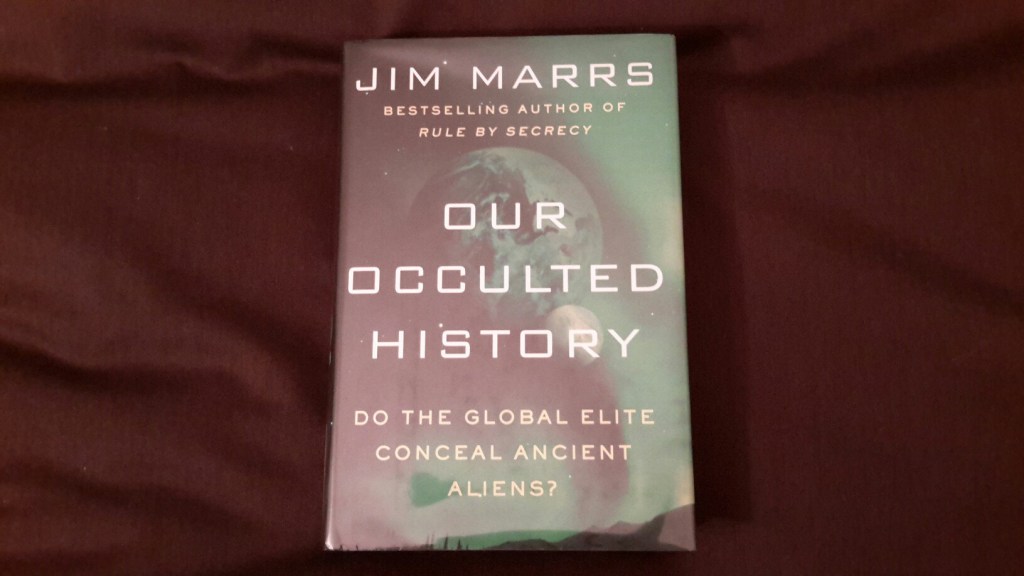
Now reading Our Occulted History: Do The Global Elite Conceal Ancient Aliens? by Jim Marrs…

Xenoblade Chronicles X is still stuck on the Wii U, and many fans are left to wonder why the sci-fi epic has yet to be ported to the Switch.
The story of the Xenoblade Chronicles trilogy has ended with the release of Xenoblade Chronicles 3, and now fans are wondering what the developer Monolith Soft is up to next. Some fans eagerly await the coming DLC waves for Xenoblade 3, while others look to Monolith’s past with hopes for a port of a forgotten classic: Xenoblade Chronicles X.
Given its launch on the Wii U and the already niche status of the Xenoblade series around the time of release, it’s no surprise that Xenoblade Chronicles X was not a big seller. Estimates place the game at having sold half a million units in a series that sells an average of two million units per game. Despite this, it has garnered a reputation within the fanbase, and with the rising popularity of the Xenoblade franchise, a Switch port could earn it the successful release it deserves.
Xenoblade Chronicles X acts as a spinoff entry, containing its own story. As the game is quite the departure, fans who have yet to play the main trilogy don’t need to worry about not understanding the story. Known traditionally for its blend of steampunk and fantasy aesthetics and stories that incorporate philosophical thinking, X leans into a much simpler plot that’s complemented by a heavy sci-fi aesthetic and majestic world.
Unlike its predecessor, Xenoblade Chronicles, X follows the destruction of Earth and the last remnants of humanity as they escape to a distant planet. A ship known as the White Whale is pursued by an alien coalition known as the Ganglion. Eventually, the White Whale crashes onto an alien planet, and the survivors are left to find the Lifehold that contains the rest of the ship’s occupants. The story ends on a cliffhanger that some fans believe is reason enough for a port and even a sequel.
While the cliffhanger may be gripping for some, others believe X’s simple story is somewhat lacking, as many fans used to the heavy narratives of other Xenoblade games may be put off by the more absent narrative. But the game is more focused on showing how the remnants of humanity struggle to survive on an alien planet, and thus more emphasis is placed on side-quests that show relations between characters and how their new environment impacts their livelihood. While the execution is a far cry from anything the trilogy has done, the main focus should be on Mira, the world the story takes place.
One of the largest worlds in gaming, topping The Legend of Zelda: Breath of the Wild and The Witcher 3: Wild Hunt, Mira is reason enough to port the game. Coming in at nearly 155 square miles across five continents, Mira pushed the Wii U to its limits and demonstrated the technical prowess of Monolith Soft. Mira is, in the eyes of many, a character in itself due to its scale and density in content. With numerous landmarks and caverns to uncover, unique monsters to hunt, and quests to take on, all backed by a soundtrack composed by Hiroyuki Sawano of Attack on Titan fame, Mira is packed with content that more than makes up for the lacking story.
The game received good reviews as a result, sitting as the highest user-rated Xenoblade game on Metacritic and averaging a solid 84 with critic reviews. Critics cite the immersion as the game’s most significant selling point, a painstakingly crafted open world to explore and look at in awe. Other reviewers cite the magnificent combat system, which, though it may seem complicated at first, grants fans a wide array of player character customization options.
For many JRPG fans, Xenoblade X’s combat is the main draw thanks to its diversity. With a whopping 16 classes that the player character can switch between and 18 party members available, with a max party being four characters, there are plenty of ways to tackle challenging encounters. This also disregards the skells, the giant pilotable mechs that the player unlocks through advancing the story. These can also be used in combat and come with unique skills depending on how the player equips them, and more importantly, they can be used outside of battle as a new way to navigate Mira.
During the game’s release period, the director and creator of the Xenoblade series, Tetsuya Takahashi, commented on the skells via Twitter. Translated by Siliconera, he proclaimed that he has finally “met the challenge [he] had within [him], of creating an RPG in which humans and robots can co-exist.” Unfortunately, Takahashi went on record in 2018, stating in an interview with USGamer that porting Xenoblade X would be difficult due to money. Knowing that his ambition is stuck on the Wii U is tragic. However, with how much the Switch has helped the series take off and the fact that the original Xenoblade Chronicles saw success as Switch ports, a Xenoblade X port could perform much better and prevent the game from being lost to time.
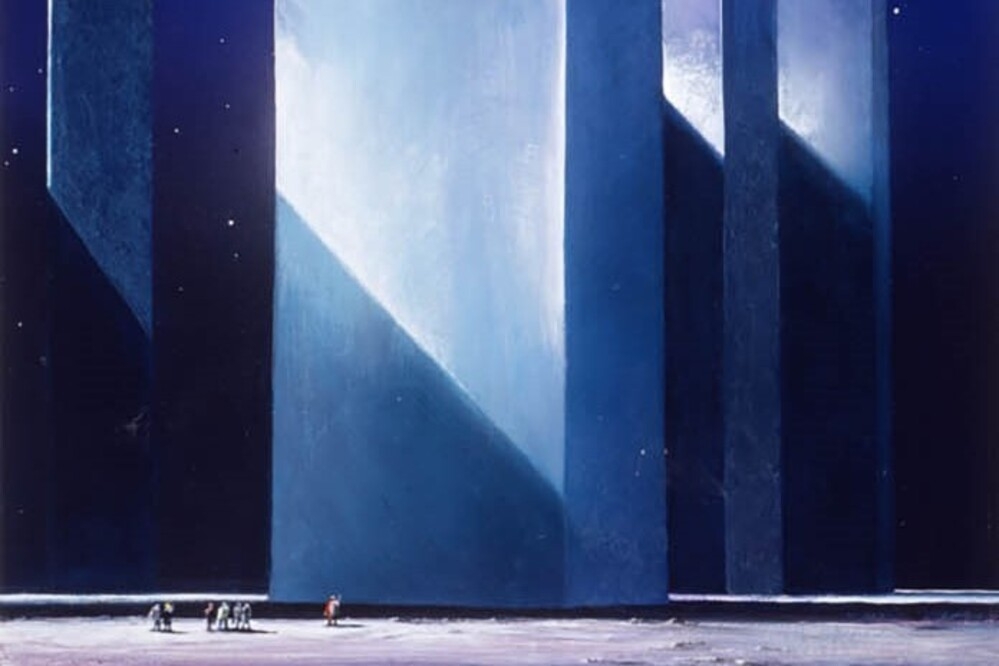
Icehenge (1984) is my favourite Kim Stanley Robinson novel, at least when I’ve just finished reading it. I first read it in 1985 as soon as it was published in Britain, picking it up because I’d been blown away by some of his short stories. Icehenge is incredibly ambitious and it really works, but its ambitions are very unlike what we usually see done in science fiction.
It’s set on Mars and Pluto between 2248 and 2610. It’s written in three sections, and all three are autobiographies—autobiography has become a popular genre in this future because with modern medicine everybody confidently expects to live about a thousand years. Unfortunately, memory is finite, so people only really remember about eighty years, with just occasional flashes of the time before that. Writing diaries and autobiographies for your future self saves them looking things up in the public records, and there might be things you want yourself to know about yourself that you don’t want to get into those records.
It’s not possible to discuss the weird cool things Icehenge does without some odd spoilers—to be specific, I can’t talk about the second and third parts of the book without spoiling the first part, and there’s also a spoiler for some odd things it’s doing.
The first section is the diary/memoir of Emma Weil. She’s a lovely person to spend time with, direct, conflicted, an engineer. Her speciality is hydroponics and life-support. She’s aboard a mining spaceship in the asteroids when a mutiny breaks out—the mutineers are part of a planned revolution and their spaceship is part of a planned jury-rigged starship. They want her to go with them to the stars. She chooses instead to return to Mars and get involved with the revolution there.
Reading this section is such a joy that it doesn’t matter at all if you know what happens in it. This is also the most conventionally science fictional section—Emma’s an engineer, there’s a starship and a revolution, there are technical details about closed systems and they all have long life, you think you know what kind of book you’re getting into. You couldn’t be more wrong.
The second section is set in 2547 and is the memoir of Hjalmar Nederland, who is a Martian archaeologist literally digging up the remnants of his own life. (He knows he lived in the dome he is excavating, though he doesn’t remember it.) He finds Emma’s diary and it vindicates his theories. This whole section is both structured around and atmospherically charged by T.S. Eliot’s The Waste Land. Robinson directly references it from time to time: “We fragment these ruins against our shore,” the unreal city of Alexandria, the vision of Emma as another climber. More than that, the spirit of the poem is the spirit of Nederland. He reads Cavafy, but he breathes Eliot. This is very hard to do, and even harder to do subtly, but Robinson manages it. It’s a strange dance of despair. Nederland knows that we can’t really know what happened in history, that we constantly revise and reimagine it, even our own history, even when we do remember it.
In this section we see Mars much more terraformed, but still caught in the strange political limbo. The Cold War is still going on on Earth, and Mars has the worst of both systems, the corporations squeezing and the five year plans. It’s interesting that they don’t have an internet and the Cold War has resolved itself in such a different way, when they have colonized the solar system and do have computers. I find this odder than older science fiction in some ways. This doesn’t make me ask where is my Martian terraforming project and thousand year lifespan. Perhaps because I first read it when it was shiny and new it still feels like the future, just one that’s subtly skewed.
When a huge circle of standing liths is found on the north pole of Pluto, Nederland realises that a hint in Emma’s journal explains that this amazing monument was left by the expedition she didn’t join.
At about this point in my re-read, I realised that it is my love for Icehenge that prevents me from warming to Robinson’s Red Mars. I like this version of long-life and forgetting and this version of slow-changing Mars so much better than his later reimagining of them that I felt put off and then bored. Maybe I should give them another chance.
The third section, set in 2610, involves a debunking of Nederland’s theory by Nederland’s great grandson, though Nederland is still alive on Mars and defending himself. And this is where Robinson provides the greatest meta-reading experience I’ve ever had. The whole thrust of this section makes me, the reader, want to defend the first part of the book from the charge of being a forgery. I love Emma Weil, I want her words to be real, I can’t believe they’re forged, that they’re not real—but of course, at the same time, I totally know they’re not real, Robinson wrote them, didn’t he? I know they’re not real and yet I passionately want to defend their reality within the frame of the story. I can’t think of a comparable whiplash aesthetic experience. And it happens to me every single time. Emma’s narrative must be authentically written by Emma and true—except that I already know it isn’t, so I know nothing and I feel… strange. It’s a fugue in text.
This is a book that asks questions and provides poetic experiences rather than a book that answers questions. It has a Gene Wolfe quote on the cover, and I’m not at all surprised that Gene Wolfe likes this. (I just wish T.S. Eliot could have lived to read it.) It’s odd but it’s also wonderful.
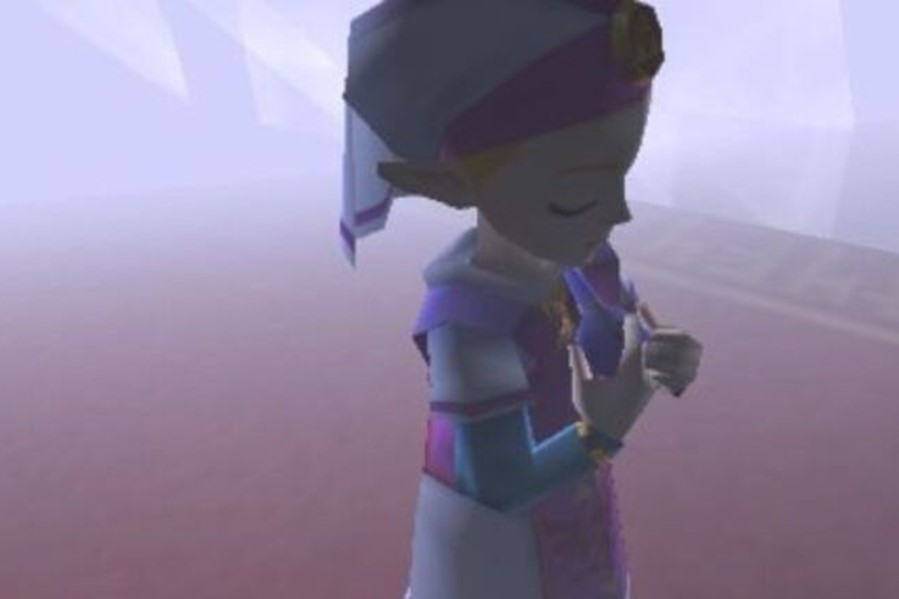
Ocarina of Time definitely follows in the footsteps of the previous games, and the result is a game that can’t be called anything other than flawless.
The Legend of Zelda is one of those magical series of games that always cause huge amounts of excitement. It sprung onto the NES scene in 1987, and it was a runaway success. Remember the chip shortages that delayed the 1988 release of the Adventure of Link? Or what about the first time you saw pictures of the Japanese version of 1991’s A Link to the Past? With the possible exception of Mario, no Nintendo series has caused such a level of hysteria or left behind so many great memories. Ocarina of Time definitely follows in the footsteps of the previous games, and the result is a game that can’t be called anything other than flawless.
You begin the game as a child of the forest. But by the time you’re done, you’ll be a fisherman, an errand boy, the hero of time, and, yes, even a traveling mask salesman. The game is chock-full of minitasks and subgames that run alongside the main quest, saving Hyrule from Ganondorf’s evil. This leads to an extreme feeling of freedom, even though a good portion of the game must be executed in a linear fashion. Stuck at the water temple? Then why not go scout around for some extra heart containers while you think about your dilemma?
The control really holds the game together. Most 3D game designers still haven’t mastered the art of controlling characters in a 3D environment, but that’s not the case here. Link moves beautifully, and controlling his various actions is a breeze. Essentially, your B button will always attack with the sword. The A button, however, acts as an action button, performing every non-item-related task in the game. At various times, A lets you climb, grab, dive, talk, and lots more. Three of the C buttons are used for items, any of which can be assigned to any of the three buttons. The top C button zooms in to a first-person perspective, which allows you to look around. The R shoulder button is used for blocking with the shield. The Z trigger is perhaps the most important button when it comes to dealing with enemies in the 3D realm. Hitting Z while looking at an enemy will cause you to lock on to that opponent. From there you can circle-strafe around them, hop from side to side, and always block in their direction. This is key to fighting all but the most basic of enemies and is extremely well conceived.
While there are some tough monsters, the main enemy in Zelda is the puzzle aspect of the game. Ocarina of Time forces you to think before you act, with numerous puzzles spread throughout the entire game. Some puzzles must be solved simply to exit a room, while other, larger puzzles sometimes cover an entire area. Some of the game’s puzzles are totally optional, usually rewarding you with a piece of a heart container – which you’ll need, but you won’t have to collect every single one as long as you’re quick with the Master Sword.The game’s items are the usual assortment you’ve come to expect from a Zelda game. The boomerang is an invaluable tool for young Link, as is the slingshot. These weapons are mere toys for Link’s adult body, however, so you’ll be using the bow and the hookshot (or grappling hook) for most of the game’s latter portions. Bombs, of course, come in handy no matter how old you are. The ocarina is probably the most-used item in the game. Throughout the entire game, you’ll learn various tunes for the ocarina. Playing these tunes does a lot of different things, such as turning night to day, opening certain doors, calling your horse, and warping from place to place. In a world as large as Hyrule, warping is an extremely useful time-saver.
Time plays an important role throughout the game. As you proceed, time passes, and day quickly becomes night. At night, the fields of Hyrule can be a dangerous place. Time travel also comes into play, allowing you to jump seven years into the future and back again. The two times act similarly to the light and dark worlds in the SNES Zelda game, A Link to the Past. Things you do as a child will affect locations, and a few puzzles require the use of both time periods.
Graphically, Ocarina of Time is simply unmatched. Everything about the game just looks fantastic. You can see Death Mountain in the background of some portions of the game, complete with various smoke effects depending on what stage of the game you’re in. The cinematics, which, of course, use the game engine, look absolutely spectacular, and the effects used (the time travel sequence is especially sweet looking) really give the game a spectacularly majestic look. The game’s sound is also really quite amazing. Every tune in the game perfectly relates to the onscreen action. Even the songs you play on the ocarina are hummable. The sound effects are also perfect. The speech consists of mostly laughter, gasps, and battle yelps (heavy on the “hi-yah!”) and works very, very well. The game also takes your location into consideration. Dungeons and large canyons sound appropriately echoey, while underwater, noises are nice and warbled.
In a way, Ocarina of Time is a textbook example of retro done right. It manages to combine small aspects from all the previous Zelda games, giving you the same Zelda feel but in an entirely new way. Even in its huge, fiercely 3D world, the game retains a truly classic feel. This is a sequel at its finest, expanding on previous themes and bringing plenty of new stuff to the table.
Even if you’re specifically looking for it, it’s hard to find fault in Ocarina of Time. OK, to be fair, there’s a slight bit of slowdown in a couple locations, such as the water temple, but it isn’t frequent or harmful enough to even matter. The game offers a nice challenge, a stunningly well-told story, and the gameplay to back it all up. This game is the real thing. This is the masterpiece that people will still be talking about ten years down the road. This is the game that perfectly exhibits the “quality not quantity” mantra that Nintendo has been touting since the N64 was released. In a word, perfect. To call it anything else would be a bald-faced lie.
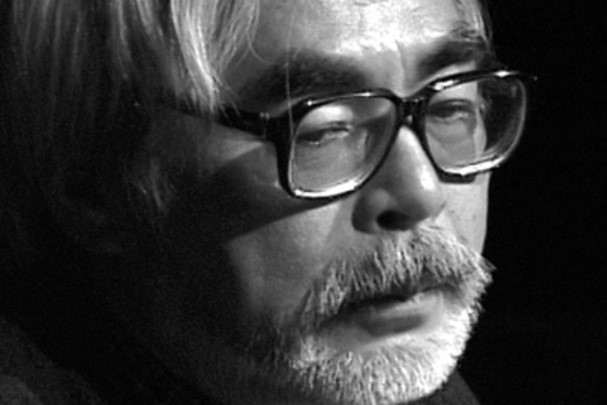
There is little doubt about Hayao Miyazaki’s status as Japan’s premiere animator. After such devastating successes as Porco Rosso and Princess Mononoke, not even the lure of early retirement could keep the most famous founding father of Studio Ghibli from delivering what would become the most successful film of all time in Japan: Spirited Away (Sen to Chihiro no Kamikakushi).
The following interview below is a report of the debate / press conference Miyazaki gave in Paris in late December 2001, on the occasion of Spirited Away’s first European screening at the animation festival Nouvelles images du Japon (during which the French government bestowed on him the title of ‘Officier des Arts et des Lettres’). It contains questions from various people, including my own.
Is it true that your films are all made without a script?
That’s true. I don’t have the story finished and ready when we start work on a film. I usually don’t have the time. So the story develops when I start drawing storyboards. The production starts very soon thereafter, while the storyboards are still developing. We never know where the story will go but we just keeping working on the film as it develops. It’s a dangerous way to make an animation film and I would like it to be different, but unfortunately, that’s the way I work and everyone else is kind of forced to subject themselves to it.
But for that to work I can imagine it would be essential to have a lot of empathy with your characters.
What matters most is not my empathy with the characters, but the intended length of the film. How long should we make the film? Should it be two hours long or three? That’s the big problem. I often argue about this with my producer and he usually asks me if I would like to extend the production schedule by an extra year. In fact, he has no intention of giving me an extra year, but he just says it to scare me and make me return to work. I really don’t want to be a slave to my work by working a year longer than it already takes, so after he says this I usually return to work with more focus and at a much faster pace. Another principle I adhere to when directing, is that I make good use of everything my staff creates. Even if they make foregrounds that don’t quite fit with my backgrounds, I never waste it and try to find the best use for it.
So once a character has been created, it’s never dropped from the story and always ends up in the final film?
The characters are born from repetition, from repeatedly thinking about them. I have their outline in my head. I become the character and as the character I visit the locations of the story many, many times. Only after that I start drawing the character, but again I do it many, many times, over and over. And I only finish just before the deadline.
With that very personal connection you have with your characters, how do you explain that the main characters in most of your films are young girls?
That would be far too complicated and lengthy an answer to state here, so I’ll just suffice by saying that it’s because I love women very much (laughs).
Spirited Away’s lead character Chihiro seems to be a different type of heroine than the female leads in your previous films. She is less obviously heroic, and we don’t get to know much about her motivation or background.
I haven’t chosen to just make the character of Chihiro likes this, it’s because there are many young girls in Japan right now who are like that. They are more and more insensitive to the efforts that their parents are making to keep them happy. There’s a scene in which Chihiro doesn’t react when her father calls her name. It’s only after the second time he calls that she replies. Many of my staff told me to make it three times instead of two, because that’s what many girls are like these days. They don’t immediately react to the call of the parents. What made me decide to make this film was the realisation that there are no films made for that age group of ten-year old girls. It was through observing the daughter of a friend that I realised there were no films out there for her, no films that directly spoke to her. Certainly, girls like her see films that contain characters their age, but they can’t identify with them, because they are imaginary characters that don’t resemble them at all.
With Spirited Away I wanted to say to them “don’t worry, it will be all right in the end, there will be something for you”, not just in cinema, but also in everyday life. For that it was necessary to have a heroine who was an ordinary girl, not someone who could fly or do something impossible. Just a girl you can encounter anywhere in Japan. Every time I wrote or drew something concerning the character of Chihiro and her actions, I asked myself the question whether my friend’s daughter or her friends would be capable of doing it. That was my criteria for every scene in which I gave Chihiro another task or challenge. Because it’s through surmounting these challenges that this little Japanese girl becomes a capable person. It took me three years to make this film, so now my friend’s daughter is thirteen years old rather than ten, but she still loved the film and that made me very happy.
Since you say you don’t know what the ending of a story will be when you start drawing storyboards, is there a certain method or order you adhere to in order to arrive at the story’s conclusion?
Yes, there is an internal order, the demands of the story itself, which lead me to the conclusion. There are 1415 different shots in Spirited Away. When starting the project, I had envisioned about 1200, but the film told me no, it had to be more than 1200. It’s not me who makes the film. The film makes itself and I have no choice but to follow.
We can see several recurring themes in your work that are again present in Spirited Away, specifically the theme of nostalgia. How do you see this film in relation to your previous work?
That’s a difficult question. I believe nostalgia has many appearances and that it’s not just the privilege of adults. An adult can feel nostalgia for a specific time in their lives, but I think children too can have nostalgia. It’s one of mankind’s most shared emotions. It’s one of the things that makes us human, which is what makes it difficult to define. It was when I saw the film Nostalghia by Tarkovsky that I realised that nostalgia is universal. Even though we use it in Japan, the word ‘nostalgia’ is not a Japanese word. The fact that I can understand that film even though I don’t speak a foreign language means that nostalgia is something we all share. When you live, you lose things. It’s a fact of life. So it’s natural for everyone to have nostalgia.
What strikes me about Spirited Away compared to your previous films is a real freedom of the author. A feeling that you can take the film and the story anywhere you wish, independent of logic, even.
Logic is using the front part of the brain, that’s all. But you can’t make a film with logic. Or if you look at it differently, everybody can make a film with logic. But my way is to not use logic. I try to dig deep into the well of my subconscious. At a certain moment in that process, the lid is opened and very different ideas and visions are liberated. With those I can start making a film. But maybe it’s better that you don’t open that lid completely, because if you release your subconscious it becomes really hard to live a social or family life.
I believe the human brain knows and perceives more than we ourselves realise. The front of my brain doesn’t send me any signals that I should handle a scene in a certain way for the sake of the audience. For instance, what for me constitutes the end of the film, is the scene in which Chihiro takes the train all by herself. That’s where the film ends for me. I remember the first time I took the train alone and what my feelings were at the time. To bring those feelings across in the scene, it was important to not have a view through the window of the train, like mountains or a forest. Most people who can remember the first time they took the train all by themselves, remember absolutely nothing of the landscapes outside the train because they are so focused on the ride itself. So to express that, there had to be no view from the train. But I had created the conditions for it in the previous scenes, when it rains and the landscape is covered by water as a result. But I did that without knowing the reason for it until I arrived at the scene with the train, at which moment I said to myself “How lucky that I made this an ocean” (laughs). It’s while working on that scene that I realised that I work in a non-conscious way. There are more profound things than simply logic that guide the creation of the story.
You have made many films that are set in Western or European landscapes, for instance Laputa and Porco Rosso. Others are set in very Japanese landscapes. On which basis do you decide what the setting should be for any given film?
I have an extensive stock of images and paintings of landscapes that I compiled for use in my films. Which one I choose completely depends on the moment we start working on the film. Usually I make the choice in conjunction with my producer and it really depends on that moment. Because even from the moment I want to make a film, I continue to gather documentation. I travel with a lot of baggage around me, I have many images of the daily life in the world I want to depict. To make a film set in a bathhouse, like Spirited Away, is something I have been thinking about since childhood, when I visited public bathhouses myself. I had been thinking about the forest settings of Totoro for 13 years before starting the film. Likewise with Laputa, it was years before I made the film that I first thought about using that location. So I always carry these ideas and images with me and I make a selection at the moment I start making the film.
Other than some Japanese animation we get to see on this side of the world, your films always express a sense of positivity, hope and a belief in the goodness of man. Is this something you consciously add to your films?
In fact, I am a pessimist. But when I’m making a film, I don’t want to transfer my pessimism onto children. I keep it at bay. I don’t believe that adults should impose their vision of the world on children, children are very much capable of forming their own visions. There’s no need to force our own visions onto them.
So you feel that the films you make are all aimed at children?
I never said that Porco Rosso is a film for children, I don’t think it is. But apart from Porco Rosso, all my films have been made primarily for children. There are many other people who are capable of making films for adults, so I’ll leave that up to them and concentrate on the children.
But still there are millions of adults that watch your films and who get a lot of enjoyment out of your work.
That gives me a lot of pleasure, of course. Simply put, I think that a film which is made specifically for children and made with a lot of devotion, can also please adults. The opposite is not always true. The single difference between films for children and films for adults is that in films for children, there is always the option to start again, to create a new beginning. In films for adults, there are no ways to change things. What happened, happened.
Do you feel that telling stories in the particular way you do is necessary for us as humans?
I’m not a storyteller, I’m a man who draws pictures (laughs). However, I do believe in the power of story. I believe that stories have an important role to play in the formation of human beings, that they can stimulate, amaze and inspire their listeners.
Do you believe in the necessity of fantasy in telling children’s stories?
I believe that fantasy in the meaning of imagination is very important. We shouldn’t stick too close to everyday reality but give room to the reality of the heart, of the mind, and of the imagination. Those things can help us in life. But we have to be cautious in using this word fantasy. In Japan, the word fantasy these days is applied to everything from TV shows to video games, like virtual reality. But virtual reality is a denial of reality. We need to be open to the powers of imagination, which brings something useful to reality. Virtual reality can imprison people. It’s a dilemma I struggle with in my work, that balance between imaginary worlds and virtual worlds.
In both Spirited Away and Porco Rosso there are people who are transformed into pigs. Where does this fascination with pigs come from?
That’s because they’re much easier to draw than camels or giraffes (laughs). I think they fit very well with what I wanted to say. The behaviour of pigs is very similar to human behaviour. I really like pigs at heart, for their strengths as well as their weaknesses. We look like pigs, with our round bellies. They’re close to us.
What about the scene with the putrid river god? Does it have a base in Japanese mythology?
No, it doesn’t come from mythology, but from my own experience. There is a river close to where I live in the countryside. When they cleaned the river we got to see what was at the bottom of it, which was truly putrid. In the river there was a bicycle, with its wheel sticking out above the surface of the water. So they thought it would be easy to pull out, but it was terribly difficult because it had become so heavy from all the dirt it had collected over the years. Now they’ve managed to clean up the river, the fish are slowly returning to it, so all is not lost. But the smell of what they dug up was really awful. Everyone had just been throwing stuff into that river over the years, so it was an absolute mess.
Do your films have one pivotal scene that is representative for the entire film?
Since I am a person who starts work without clear knowledge of a storyline, every single scene is a pivotal scene. In the scene in which the parents are transformed into pigs, that’s the pivotal scene of that moment in the film. But after that it’s the next scene which is most important and so on. In the scene where Chihiro cries, I wanted the tears to be very big, like geysers. But I didn’t succeed in visualising the scene exactly as I had imagined it. So there are no central scenes, because the creation of each scene brings its own problems which have their effect on the scenes that follow.
But there are two scenes in Spirited Away that could be considered symbolic for the film. One is the first scene in the back of the car, where she is really a vulnerable little girl, and the other is the final scene, where she’s full of life and has faced the whole world. Those are two portraits of Chihiro which show the development of her character.
Where do your influences lie as far as other films and directors go?
I was formed by the films and filmmakers of the 1950s, which was the time that I started watching a lot of films. One filmmaker who really influenced me was the French animator Paul Grimault. I watched a lot of films from many countries all over the world, but I usually can’t remember the names of the directors. So I apologise for not being able to mention any other names. Another film which had a decisive influence on me was a Russian film, The Snow Queen. Contemporary animation directors I respect a lot are Yuri Norshteyn from Russia and Frederick Bach from Canada. Norshteyn in particular is someone who truly deserves the title of artist.
What will be your next project? Are you working on anything at the moment?
We recently opened the Studio Ghibli museum. Maybe museum is a big word, because it’s more like a small shack where we exhibit some of the work of the studio. Inside we have a small theatre where we will show short films that have been made exclusively for the Ghibli museum. I am responsible for this, so I’m currently working on a short film for it.
I’m also supervising a new film directed by a young director named Hiroyuki Morita. The film should open in cinemas in Japan next summer. It’s very difficult to supervise another director, because he wants to do things differently from how I would do them. It’s a true test of patience.
Does the incredible impact that Spirited Away has had in Japan change anything about your method of working?
No. You never know how a film will play, whether it will be successful or not, or whether it will touch the audience. I always said to myself that whatever happens, big audience or small, that I would not let the results have an impact on my way of working. But it would be a bit silly for me to change my methods when I have a big success. That means my methods work well (laughs).
Christopher Reeve discusses bad reviews and cruel humour from movie critics and the challenging studio system. Date aired – April 8th 1992.

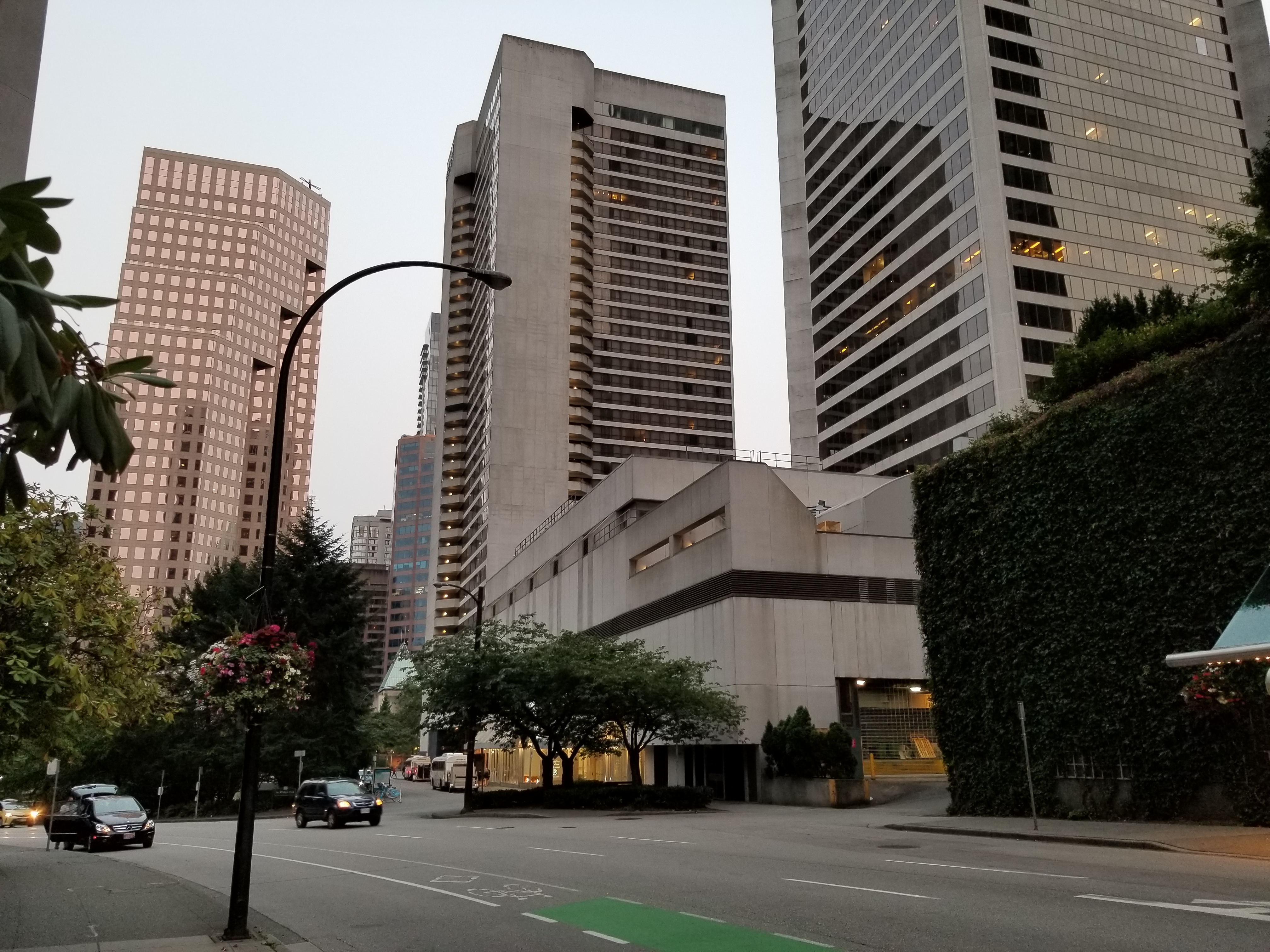


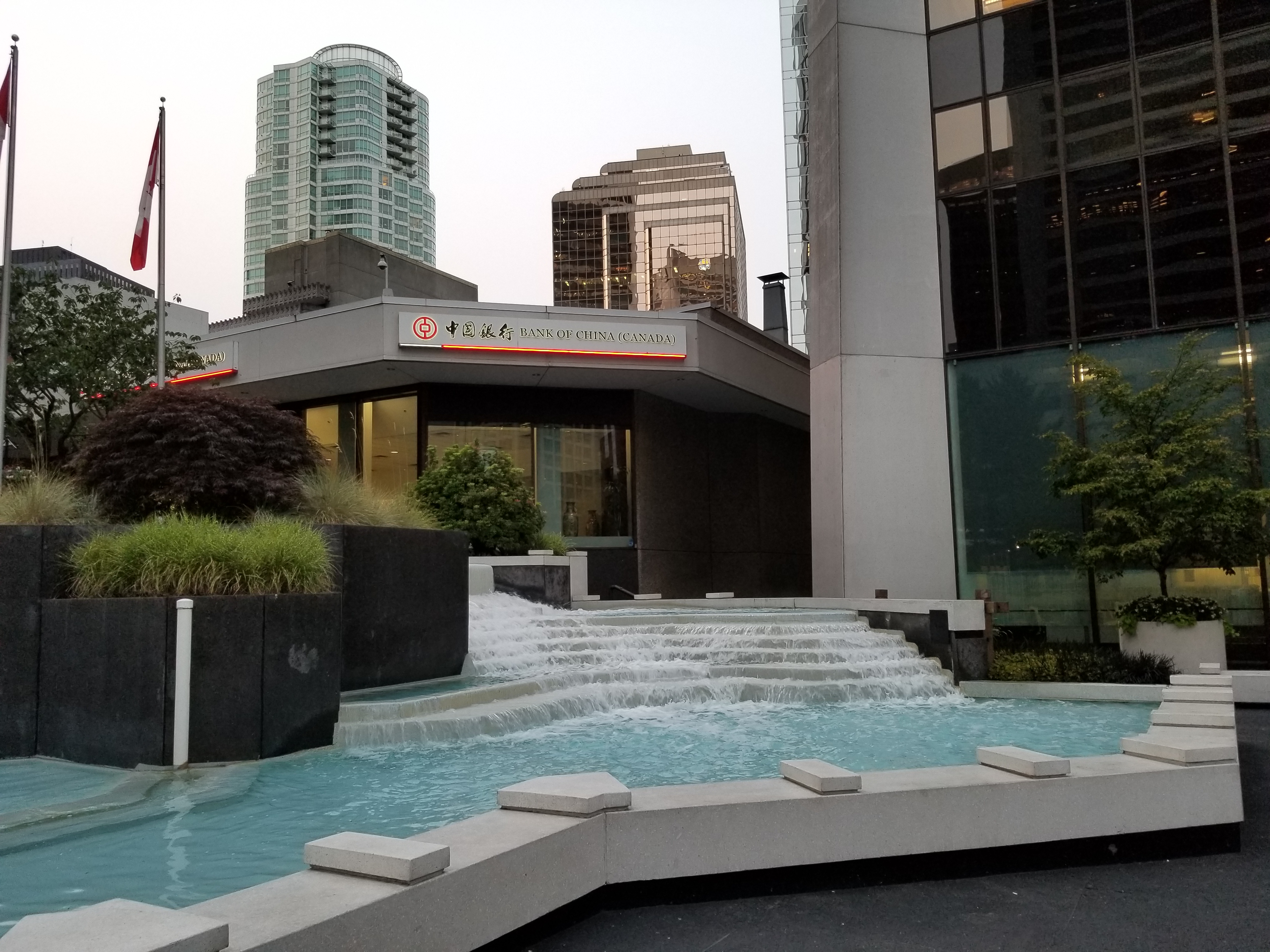

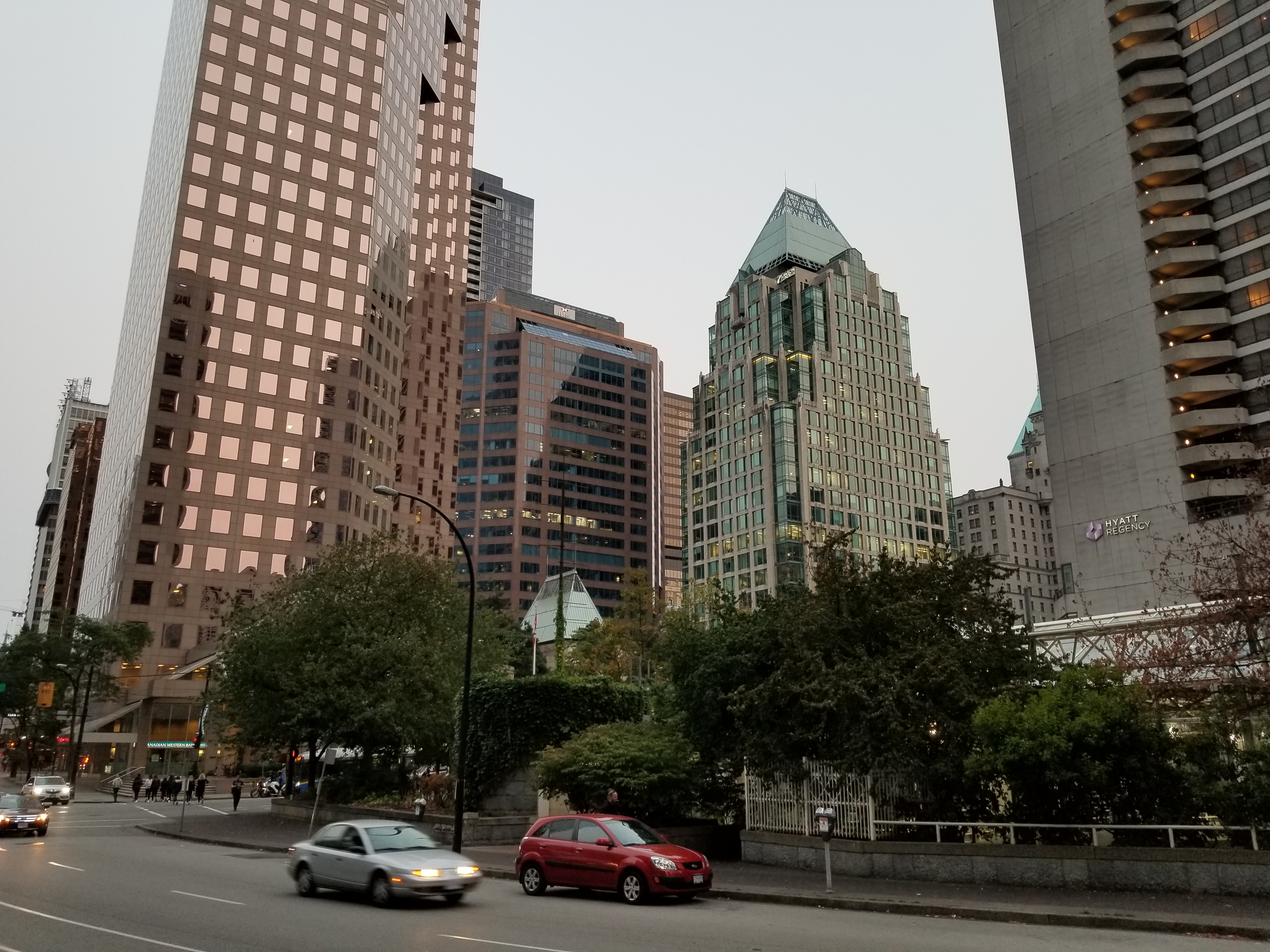
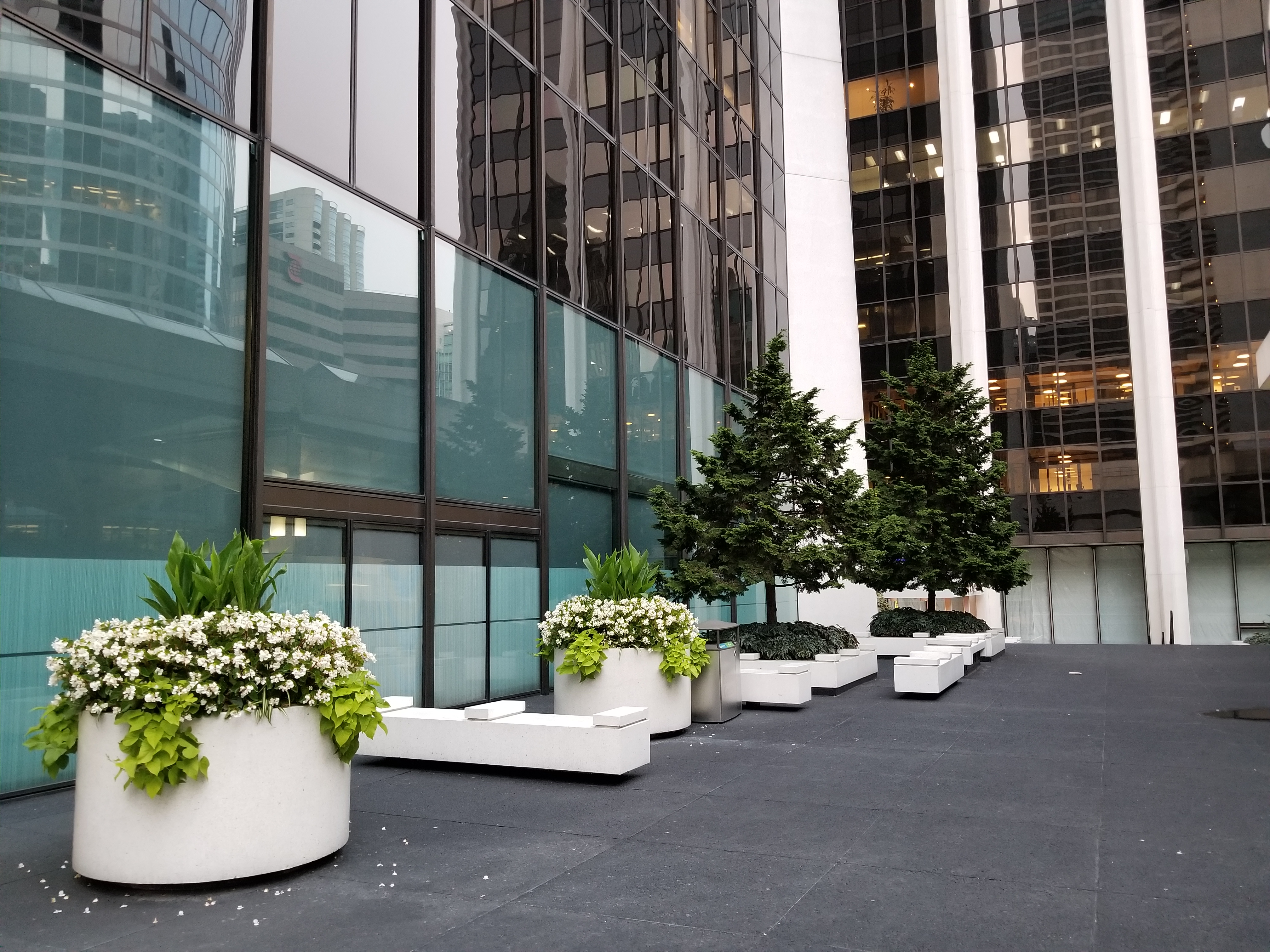
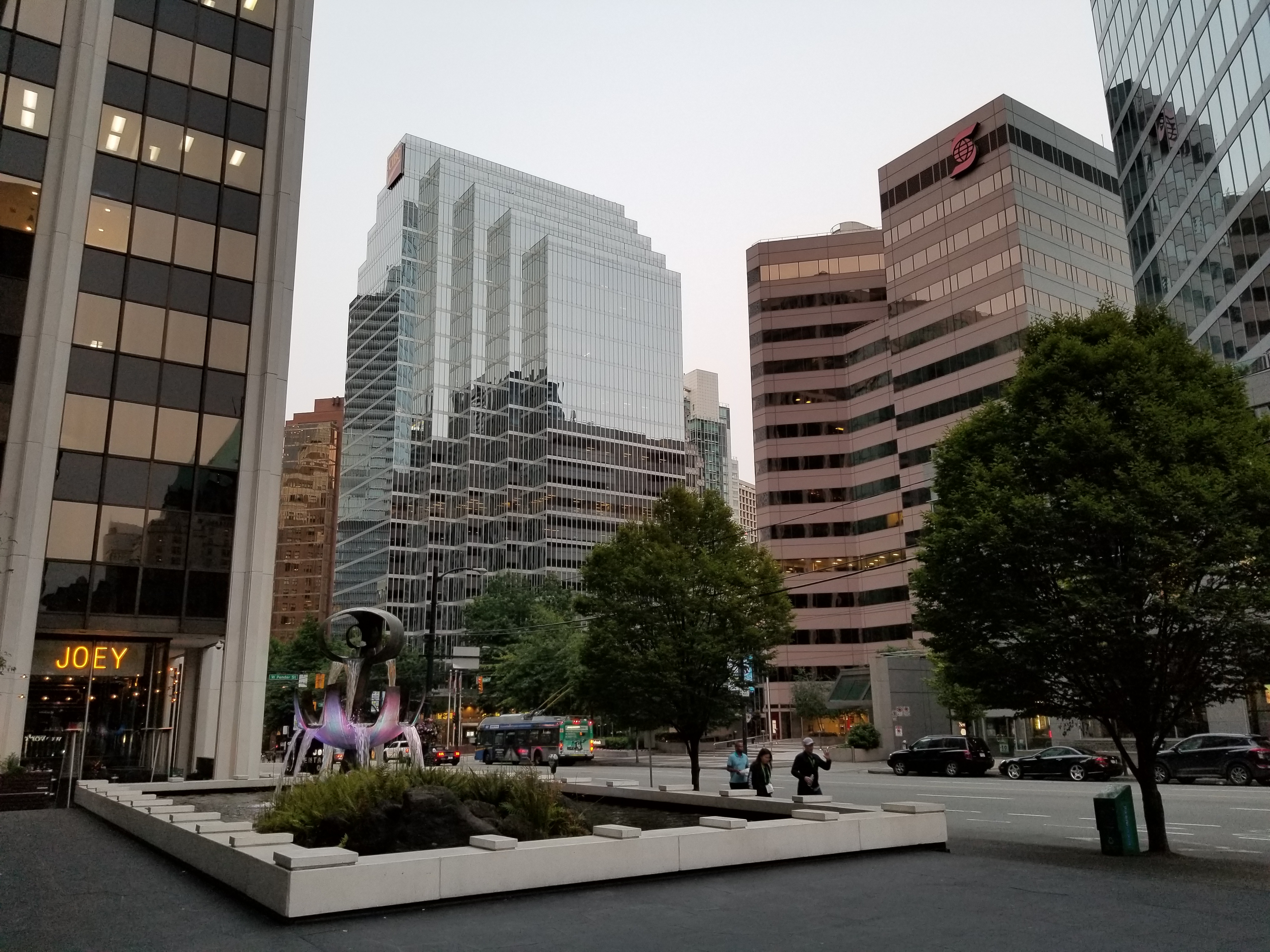
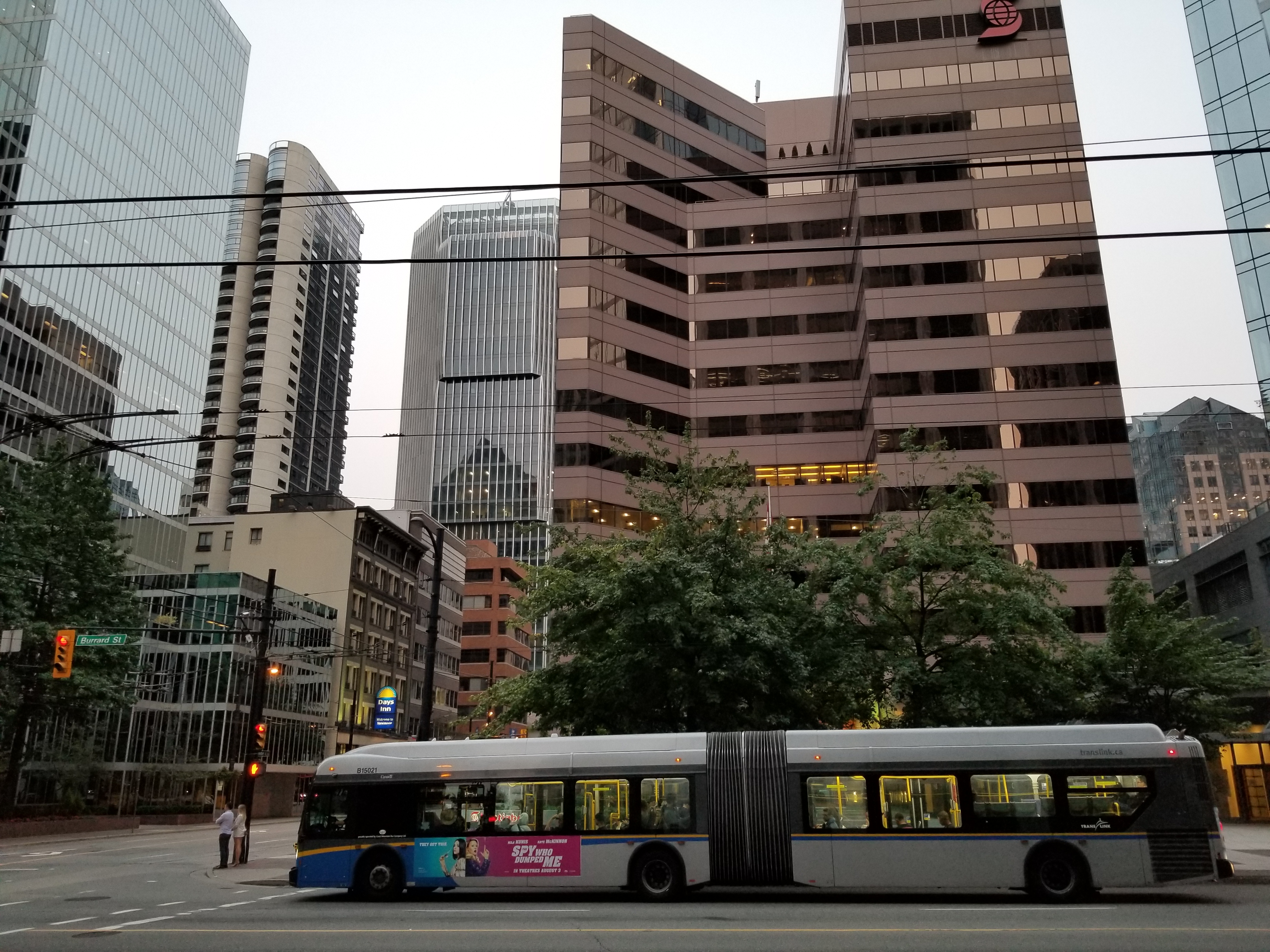
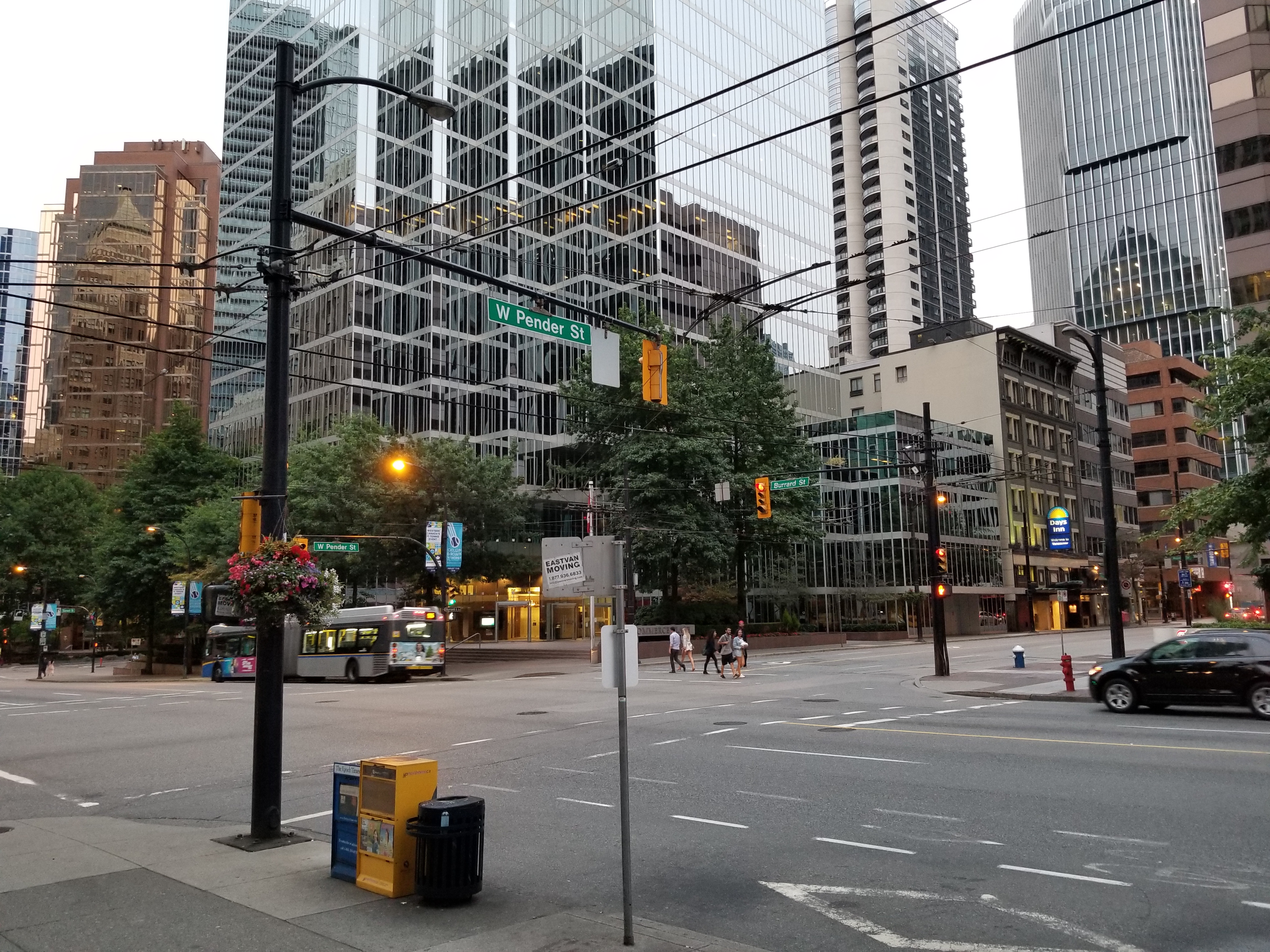
Burrard Street is a major thoroughfare in Vancouver, British Columbia, Canada. It is the central street of Downtown Vancouver and the Financial District. The street is named for Burrard Inlet, located at its northern terminus, which in turn is named for Sir Harry Burrard-Neale.
The street starts at Canada Place near the Burrard Inlet, then runs southwest through downtown Vancouver. It crosses False Creek via the Burrard Bridge. South of False Creek, on what used to be called Cedar Street before the completion of the bridge in 1932, the street runs due south until the intersection with West 16th Avenue.
The intersection of Burrard Street and Georgia Street is considered to be the centrepoint of Downtown Vancouver, along with the more tourist-oriented and upscale shopping-spirited intersection of Burrard Street and Robson Street to the south. At and due northeast of the centre is the heart of the Financial District. Further down closer to Vancouver Harbour stands the historic Marine Building, an Art Deco masterpiece, opened in 1930, two years before the Art Deco pylons of the Burrard Bridge at the opposite end of the street. Finally at the Harbour lies Canada Place and the Vancouver Convention Centre.
Nearer to Burrard Bridge is located St. Paul’s Hospital, established on Burrard Street in 1894.
Burrard Street served as the dividing line between the two district lots laid out on the downtown peninsula in the second half of the 19th century: District Lot 185 (now West End) and District Lot 541 (granted to the Canadian Pacific Railway). The two grids were oriented differently, with the result that only every third northwest-southeast street in DL185 actually continuing southeast beyond Burrard into DL541. Burrard currently serves as the boundary between West End and Downtown, as defined by the City of Vancouver.
Burrard Street is served by SkyTrain’s Burrard Station, located underground between the intersections with Melville and Dunsmuir Streets in the heart of the Financial District. Along the downtown portion, there is a bike lane on the southwest-bound direction towards the Burrard Bridge.

