
In this video I explore the logical reasons that support the authenticity of the iconic Patterson-Gimlin Bigfoot film. I’ll delve into the details that skeptics often overlook, including the biomechanics and gait of the Bigfoot creature’s movement, muscle movements beneath the skin, scientific analysis and opinions, the many failed attempts to debunk the film and more. Whether you’re a believer or a skeptic, this analysis aims to provide insight into why the Patterson-Gimlin film remains a significant piece of evidence in the search for Sasquatch.
Author: ulaghchi
Spider-Man: Into the Spider-Verse (4K UHD Review)
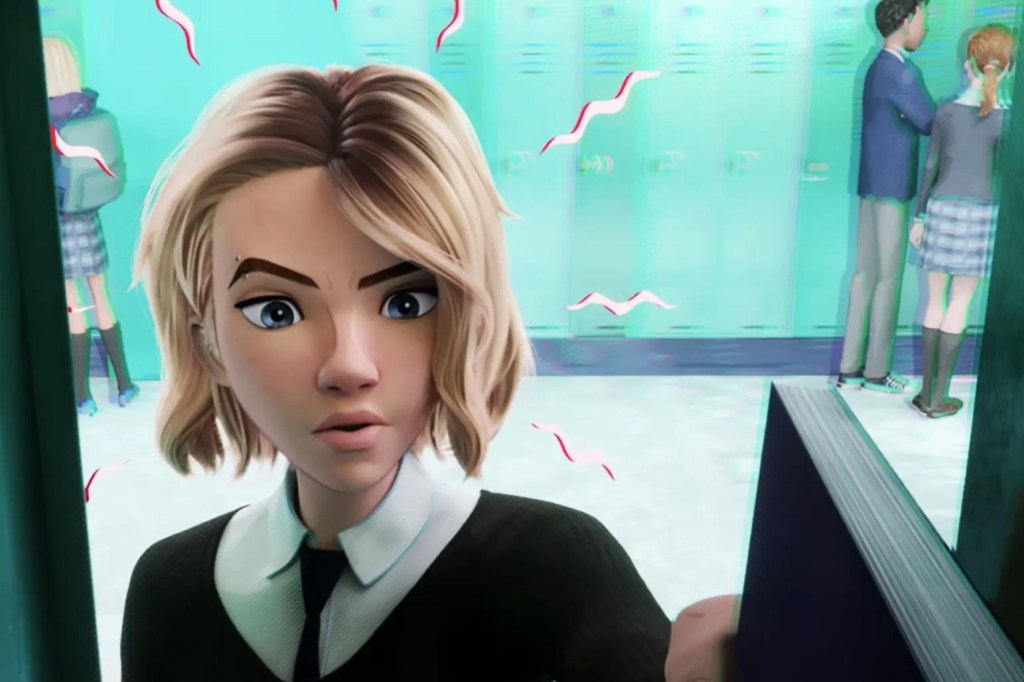
Miles Morales (Shameik Moore) is just your average New York City teenager trying to find his way in the world, when he gets bitten by a radioactive spider and develops unique superpowers. Well, maybe not so unique. You see, in Miles’ world, there already is a Spider-Man (Chris Pine), who promises to show our fledgling hero the ropes. But when a supercollider belonging to the notorious Kingpin (Liev Schreiber) goes haywire beneath Manhattan, that becomes impossible… and the impossible becomes reality. Multiple dimensions begin to converge, each with a “Spider” hero of its own. All of them have suddenly crossed over into Miles’ world and they’ll have to work together to save their “Spider-Verse” from annihilation.
I should admit this right up front: Spider-Man: Into the Spider-Verse may very well be my all-time favorite superhero film. That’s saying a lot, I know, but never has a film so perfectly captured this genre’s comic-book origins and visual texture before. The story – featuring characters that have nearly all appeared in the pages of different Spider-Man comic series – feels remarkably fresh, entertaining, and grounded. There’s great action here to be sure, but also a ton of humor, and genuine heart. In addition to the names I’ve already mentioned, the voice cast features Jake Johnson, Hailee Steinfeld, Mahershala Ali, Brian Tyree Henry, Lily Tomlin, Luna Lauren Velez, John Mulaney, Kimiko Glenn, Katheryn Hahn, Zoë Kravitz, and Nicolas Cage, all of whom make fine contributions to the story. But what really impresses here is that this film features the most ground-breaking animation to grace the big screen in years, with perhaps the most unique visual style since the Wachowski’s Speed Racer in 2008.
Part of this is due to the filmmakers applying an immediately recognizable halftone-dot and offset printing effect to the footage. They also blend 3D and 2D animation in both the characters and backgrounds – and some of the 2D is hand-drawn, with actual line work. The filmmakers break the widescreen frame with traditional comic page panels, reveal the occasional bit of dialogue or thought via word balloons, and pepper action scenes with sound effects text. Perhaps the most important technique they’ve applied, however, is apparent in the way they’ve rendered the image. Rather than rendering a full 30 frames-per-second of smooth animation, they’re actually rendering 15 frames and holding some as double or even triple frames, all while avoiding motion smoothing. It’s a little like watching really well done stop-motion animation, which lends the footage an interesting dash of physicality. It’s genuinely remarkable.
Sony Animation rendered Into the Spider-Verse in 2K, so it was upsampled for its release on 4K Ultra HD. But that’s okay; every bit of detail in the 2.39:1-framed image is visible here. And let me tell you, the High Dynamic Range grade (HDR10 only) is magnificent. Colors exhibit a more vivid luster and much greater nuance, the shadows are deepened, and the brightest areas have real pop. This is a visual feast – a definite eye candy title for the UHD format.
The 4K disc also provides a lively and dynamic English Dolby Atmos sound mix (TrueHD 7.1 compatible) that seldom disappoints. There’s a little less panning and movement than you might expect, but the staging is precise, with terrific immersion and tons of robust and subtle directional cues. Bass is firm with genuine heft, clarity is exceptional, and the score by Daniel Pemberton (mixed with pop/hip hop tracks by Post Maloe, Nicki Minaj, and others) is playful with fine fidelity. Additional audio options include English and French Descriptive Audio, and French and Spanish 5.1 Dolby Digital, with optional subtitles available in English, English SDH, French, and Spanish.
The actual 4K disc includes the film and following extras:
- Audio Commentary (with Phil Lord, Christopher Miller, Bob Persichetti, Peter Ramsey, and Rodney Rothman)
- Spider-Ham: Caught in a Ham animated short (4:01)
- Spider-Man: Far From Home trailer (2:37)
- MIB International trailer (2:37)
Note that the Spider-Ham short is upsampled to 4K but not graded for HDR, so you’ll want to turn that off when you watch it here.
The package also includes the film in 1080p HD on Blu-ray, which includes the following extras (all in HD):
- Audio Commentary (with Phil Lord, Christopher Miller, Bob Persichetti, Peter Ramsey, and Rodney Rothman)
- Alternate Universe Mode viewing option (143:31)
- Spider-Ham: Caught in a Ham animated short (4:01)
- We Are Spider-Man (7:51)
- Spider-Verse: A New Dimension (5:09)
- The Ultimate Comics Cast (15:02)
- Designing Cinematic Comic Book Characters: Heroes & Hams (7:45)
- Designing Cinematic Comic Book Characters: Scoundrels & Scorpions (5:11)
- A Tribute to Stan Lee and Steve Ditko (8:34)
- The Spider-Verse Super Fan Easter Egg Challenge (5:02)
- Post Malone & Swae Lee’s Sunflower music video (2:48)
- Nicki Minaj, Anuela AA & Bantu’s Familia music video (3:00)
- Spider-Man: Far From Home trailer (2:37)
- MIB International trailer (2:37)
The Spider-Ham short is cute in a throwback way and serves as a kind of setup to the film itself. The full-length commentary is good, with interesting stories and bits of trivia on the making of the film, but the Alternate Universe Mode is the real highlight of these extras. As you watch the film with it enabled, you get a look at deleted and alternate scenes, alternate dialogue and more, all of it presented back in the context of the film. It amounts to about 27 minutes of additional content in all, added back via seamless branching. Most of it is unfinished (storyboards and the like), but it’s pretty cool to see nonetheless.
The rest of the video-based extras feel a little bit glossy, but still manage to give you a nice look behind-the-scenes on the film’s development and production, how the actors were chosen and what they each brought to their roles, etc. A highlight is definitely the tribute to Stan Lee and Steve Ditko, and I particularly liked the explanation of how the animators achieved the film’s unique look. The featurette run times may not seem like much, but there’s a lot more information and insight packed into each one than you expect.
Unfortunately, there’s no Blu-ray 3D version of the film included in this package, and it doesn’t seem that Sony intends to release one separately here in the States. That’s a shame, because the theatrical 3D presentation was wildly popular. It does appear that Blu-ray 3D offerings will be available in Germany and France (click here and here to see those via international Amazon – we don’t yet know if those discs will be all-region). Thankfully, you do at least get a Movies Anywhere Digital code on a paper insert.
Co-written by Phil Lord and produced by Lord and Chris Miller (of Lego Movie and Solo fame) among others, Into the Spider-Verse is surprising and a real delight. As most of you know already, it won the Oscar for Best Animated film this year and damn well deserves it. Sony’s 4K Ultra release is not to be missed. But if I might offer a quick message to the studio: Blu-ray 3D please!
- Bill Hunt
ASMR Sculpting & Resurfacing Your Ears | Ear Cleaning, Ear Measuring
Welcome to the Cozy Hospital! You’ve come into our cosmetic otolaryngology department today because you’ve decided your ears aren’t symmetrical enough. Your doctor will examine your ears and measure them before giving them a good clean and proceeding with sculpting your ears.
** This is not a real procedure lmao
0:00 Intro 0:10 Doctor comes in, getting your history 3:08 Putting on gloves 3:57 Otoscope exam 9:32 Skin exam 16:16 Measuring your ears 24:06 Cleaning your ears 29:50 Placing protective covers over your ears 31:16 Dabbing gel on your ears 34:10 Writing notes while waiting for your ears to numb 39:32 Resurfacing and sculpting your ears 50:11 Checking with measuring tape 50:44 Cleaning off the gel 52:03 Writing 53:36 Instructions before you go
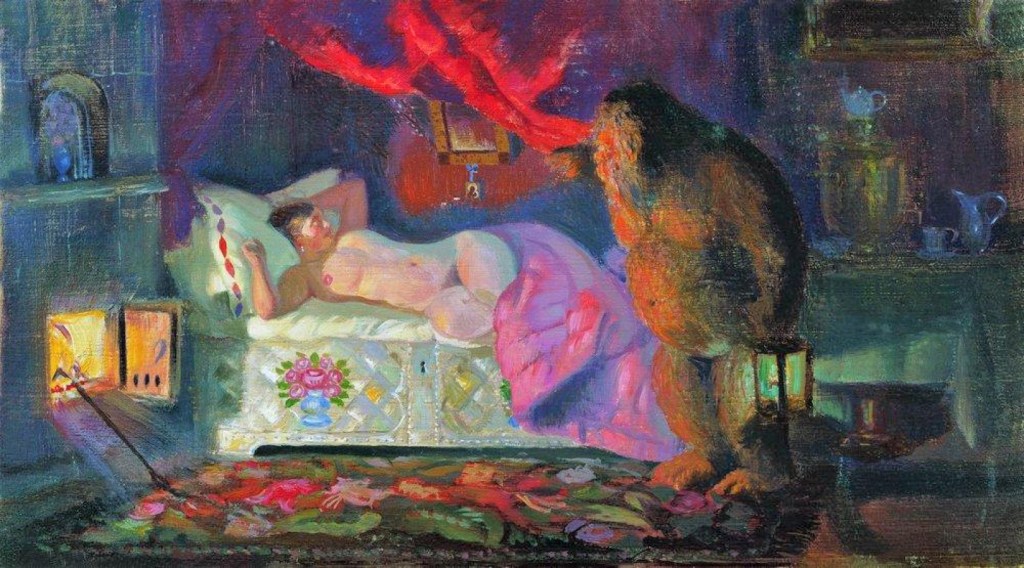
The Merchant’s Wife And The Goblin by Boris Kustodiev, 1922.
The Courtney Love Show – Saturday Night Live
Drug addict Courtney Love has massive mood swings on her own talk show. Aired 05/11/96
Now listening to Piano Sonata No. 2 by Ludwig van Beethoven and A Brand New Me by Dusty Springfield…

On Robson Street in Downtown Vancouver. Summer of 2018.










Robson Street is a major southeast-northwest thoroughfare in downtown and West End of Vancouver, British Columbia, Canada. Its core commercial blocks from Burrard Street to Jervis were also known as Robsonstrasse. Its name honours John Robson, a major figure in British Columbia’s entry into the Canadian Confederation, and Premier of the province from 1889 to 1892. Robson Street starts at BC Place Stadium near the north shore of False Creek, then runs northwest past Vancouver Library Square, Robson Square and the Vancouver Art Gallery, coming to an end at Lost Lagoon in Stanley Park.
As of 2006, the city of Vancouver overall had the fifth most expensive retail rental rates in the world, averaging US$135 per square foot per year, citywide. Robson Street tops Vancouver with its most expensive locations renting for up to US$200 per square foot per year. In 2006, both Robson Street and the Mink Mile on Bloor Street in Toronto were the 22nd most expensive streets in the world, with rents of $208 per square feet. In 2007, the Mink Mile and Robson slipped to 25th in the world with an average of $198 per square feet. The price of each continues to grow with Vancouver being Burberry’s first Canadian location and Toronto’s Yorkville neighbourhood (which is bounded on the south side by Bloor) now commanding rents of $300 per square foot.
In 1895, train tracks were laid down the street, supporting a concentration of shops and restaurants. From the early to middle-late 20th century, and especially after significant immigration from postwar Germany, the northwest end of Robson Street was known as a centre of German culture and commerce in Vancouver, earning the nickname Robsonstrasse, even among non-Germans (this name lives on in the Robsonstrasse Hotel on the street). At one time, the city had placed streetsigns reading “Robsonstrasse” though these were placed after the German presence in the area had largely vanished.
Robson Street was featured on an old edition of the Canadian Monopoly board as one of the two most expensive properties.
Ant-Man and the Wasp (2018) | Decent Films – SDG Reviews
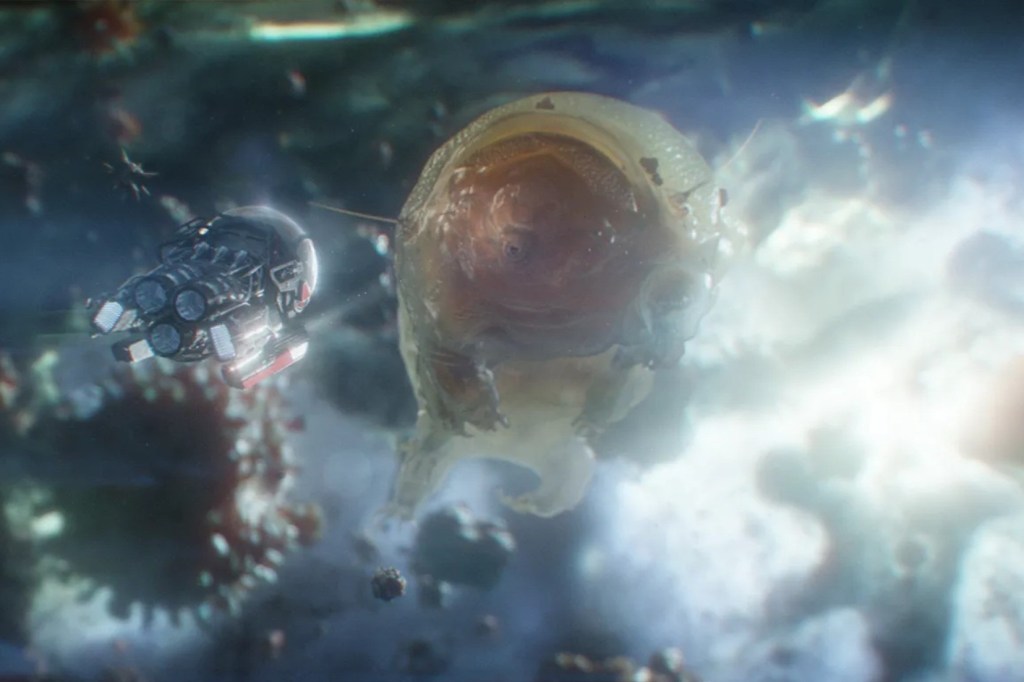
In some ways Ant-Man and the Wasp is the kind of movie I wanted Ant-Man to be: namely, a refreshing antidote to the rest of the Marvel Cinematic Universe.
It’s not just the light, breezy tone and the witty gags. Humor is nothing new to the MCU; on the contrary, obligatory Guardians-style whimsy has become a jarring and even cynical tonal anomaly in apocalypses like Thor: Ragnarok and Avengers: Infinity War.
But there’s a lightness to Ant-Man and the Wasp that goes beyond the gags. No one even mentions Infinity Stones, and the fate of the universe, the planet, or even Asgard or Wakanda is not at stake.
There are no obligatory cameos by other heroes, like Falcon in the first Ant-Man (or Iron Man in Spider-Man: Homecoming, another relatively small-scale MCU excursion). After their mutual absence in Infinity War, I half expected Hawkeye to show up in Ant-Man’s new adventure, but he doesn’t, thank goodness.
There’s some talk about the epic airport battle in Germany from Captain America: Civil War, and Paul Rudd’s Scott Lang, the neophyte Ant-Man, can’t help name-dropping “Cap.” In general, though, Ant-Man and the Wasp is less shackled to the rest of the MCU than any post-Avengers Marvel sequel — at least until the downbeat mid-credits stinger.
There’s an antagonist called Ghost who is not out to exterminate or enslave, and in fact doesn’t particularly want to harm anyone (but is willing to). Laurence Fishburne shows up as an old partner-turned-rival of Michael Douglas’ Hank Pym, the original Ant-Man, and turns out to be a more interesting character than you’d expect. A gang of petty thugs led by Walton Goggins supply modest levels of menace.
It’s all extremely not extreme.
Even the target audience skews smaller — younger, I mean — than usual. The first Ant-Man had a couple of violent sci-fi deaths, some typical language and Michael Peña’s comic-relief motormouth Luis chattering about an early sexual experience. Ant-Man and the Wasp goes lighter in all these categories. It might be Marvel’s most kid-friendly movie. Imagine that.
I’m not ashamed to say that I most enjoyed Ant-Man when it felt like a sequel in spirit to Honey, I Shrunk the Kids. Ant-Man and the Wasp doubles down on that vibe and then some, not least because Scott’s defining relationship is not with Evangeline Lilly’s Hope van Dyne, now the Wasp, but with Scott’s adorable young daughter, Cassie (Abby Ryder Fortson), who dotes on him as much as he on her.
That’s not to say the Wasp is a mere sidekick. On the contrary, you could say Ant-Man is her sidekick. Her character may be underwritten, but it’s her quest, not Scott’s, that propels the story, and he supports her rather than vice versa — not always willingly.
That the Wasp is a marquee co-star at all is a corrective of sorts, if a modest one. Marvel has knocked out 20 movies over the last 10 years, and until now every one has borne the name of a male solo hero or a male-dominated team.
The DC franchise has stumbled a lot trying to follow in Marvel’s footsteps, but they did beat Marvel to the punch in this respect with Wonder Woman. (Marvel’s first heroine-led film will be next year’s Captain Marvel, starring Brie Larson. After years of cold feet, it seems Marvel execs are even allowing a Black Widow solo movie.)
The first Ant-Man movie technically had two Ant-Men, with Michael Douglas’ Hank Pym, the original Ant-Man, passing the baton to Scott. Yet it somehow managed to be between Wasps, with the original, Hank’s wife Janet, lost in the quantum realm, and their daughter Hope pointlessly sidelined and forced to watch Scott suit up without her.
Now, Hope is allowed to spread her wings, which she has, along with wrist blasters, which is the kind of tech that Wasps get but Ant-Men don’t. Like many comic-book conceits, the only way to deal with this is to incredulously cross-examine it and then move on, since the real reason (wasps fly and sting and ants generally don’t) would hardly work as a diegetic or in-universe explanation.
Meanwhile, the movie exploits the tactical and comic possibilities of its Alice in Wonderland size-changing to greater effect than previous movies. After Doctor Strange, Ant-Man and the Wasp is the only other recent Marvel movie with action set pieces that are visually unique and organically funny. (Some of the funnier gags involve technical glitches resulting in unpredictable size changes.)
For a movie about a divorced ex-con who is dodging parole-violation charges and whose ex-wife is remarried to a police officer, Ant-Man and the Wasp is remarkably genial. The former Mrs. Lang (Judy Greer) is nothing if not supportive of Scott, and her new husband (Bobby Cannavale) is almost unsettlingly amiable. With Cassie at the center, they’re almost one big happy family.
Scott’s parole officer (Randall Park) isn’t happy about the whole thing, but he’s not a jerk either. Even a sequence with Goggins and his thugs interrogating Luis is almost completely disarmed by Luis’ garrulous enthusiasm.
Marvel movies have often struggled to supply villains that matter. Ant-Man and the Wasp finds an unexpected solution: Perhaps villains that matter don’t matter as much as these movies think. I would say I’d like to see more superhero movies try something like this, but honestly, how likely is that?
We Should All Be Worried About Nintendo’s Latest Legal Moves, Especially If You Already Enjoy Nintendo Games
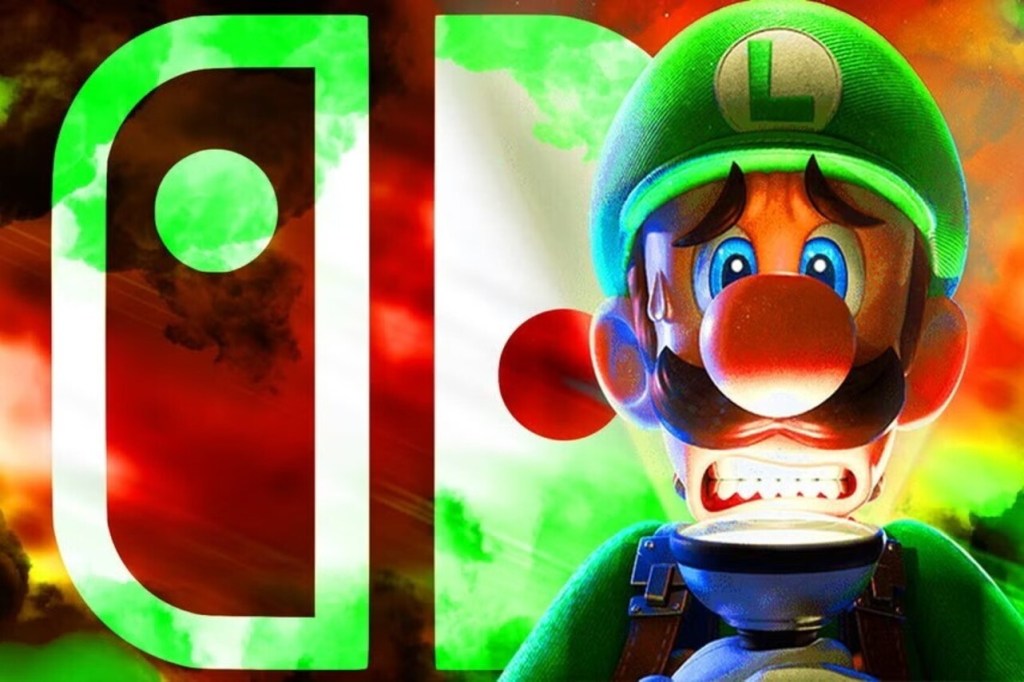
There was a time when Nintendo games sparked my imagination, along with those of game developers worldwide, but the Nintendo of today is little more than a boogeyman, frightening the next generation of game makers, and protecting its IP like a fire-breathing Bowser, with no empathy for those it burns. I would love to return to the innocent days when I would have canonized Shigeru Miyamoto, and when I could play a Mario game and enjoy the timeless charm of platforming bliss without thinking of the company’s ruthless legal department and its heartless litigation. Game developers have it far worse.
Every time Nintendo sues ROM websites for millions, some fans will leap to the company’s defense, parroting empty rhetoric that the company has the right to protect its Intellectual Property against piracy. These defenders tend to quiet down when they see Nintendo’s history of taking legal action against non-profit fan games, sheet music, and gaming tournaments that promote their own products. The massive array of video game-related patents the company has accrued is the current albatross around the neck of the entire video game industry. Nintendo can sue nearly anyone at any time that they get in the company’s crosshairs.
The lawsuit against Tropic Haze made it clear that Nintendo will annihilate video game preservation in favor of its bottom line, as it shut down the two most promising Nintendo Switch emulators, while creating a fear-based deterrent to any future emulation endeavors. For every case that goes to trial, there are many more incidents where a cease and desist frightens a small indie developer or a fan project into submission. Nintendo is among the most profitable companies in Japan. The party with deeper pockets wins by default in most legal matters. Those challenged typically settle out of fear of Nintendo.
While Nintendo shut down Smash Bros. tournaments that used mods, and will routinely bully nonprofit developers into removing free fan games, it continues to rake in massive profits from its Switch hardware and video game sales. The same law firm Nintendo retained to drive Switch emulation to extinction, Adler Pollock & Sheehan, proudly boasts of its efforts in representing the state of Rhode Island in its efforts to withhold pension benefits from retirees and defending aviation-related wrongful death suits. As reported by Automaton, Nintendo’s patent attorney Koji Nishiura attempted to justify the company’s infamous scare tactics to dismantle emulation projects.
The survival game Palworld may change because of Nintendo, as the company reached into its bottomless bag of video game-related patents for any excuse to take the game down a peg. It is well-known that Nintendo went on a spree of patenting nearly any game design concept it could think of, like detecting a hidden enemy by seeing its shadow from behind a tree. This is an example of something so intuitive that it might not be legally defensible, much like catching a monster in a ball, but being legally right is meaningless if you can’t afford the fight.
Video game historian John Szczepaniak was a guest lecturer at TechnoCampus University in Spain last year. As reported by Time Extension, Nintendo’s massive array of patents, and the company’s lack of scruples towards filing unethical lawsuits, has become a source of real fear for prospective game makers. Szczepaniak said, “Students then described their fears over Nintendo’s excessive litigation, given they will literally sue you for anything these days. This cannot be overemphasized: the young, passionate, hopeful creators of tomorrow are afraid to explore their artistic urges in case Nintendo attacks them.” The company that once inspired imagination now inspires fear.
Completely free-to-play fan projects are abandoned out of concern for legal action. A Mother 4 fan game was renamed Oddity, and appears to have gone radio silent, along with many other fan-made projects that have dried up in recent years. Numerous fantastic video games have built off Nintendo’s creations, like Braid’s subversive take on Mario, or Tunic’s deconstruction of the Zelda formula. Many of today’s best-known developers grew up with Nintendo games and hardware, and those experiences encouraged them to enter the industry. Now, Nintendo’s bullying and Draconian legal tactics are more likely to kill any dream of game development.
The Nintendo Switch outsold the PS1 and Wii years ago, and Switch 2 will likely continue the momentum. Nintendo notoriously sells hardware with a profit margin, where most gaming consoles are sold at a loss. First-party Switch games that are years old still rarely see markdowns in their prices. All of this adds to the fact that Nintendo is not hurting for money. The company does not need to crack down on games like Palworld, emulation, and fan projects, to stay profitable. Nintendo needlessly chooses to pursue relentless legal actions, without concern for ethics or consequences, creating an industry-wide chilling effect.
For any misguided fans who think this is simply the legal system rendering justice, the result in which Nintendo won the Joy-Con lawsuit alone is proof that being morally, or even legally, in the right, has little to do with outcomes in litigation. Joy-Con drift is an undeniable fact, making it clear justice has no bearing in these matters. The ability to outspend the other party decides the outcome far more often than any issues of fact or precedent, as parties are forced to settle to mitigate risk and further mounting expenses. Few defendants can match Nintendo’s infamously deep pockets.
I wish I could return to the time when I could be unabashedly excited about a new Nintendo console, but now, I am constantly torn by the knowledge that every purchase funds a video game company that is inherently hostile to the medium of video games. As much as Nintendo once contributed to the art of video games, today, the company clearly views things through the lens of IP protection and maximizing profit, not furthering the art form or preserving it for the future. The next generation of game makers have good reason to fear Nintendo’s looming shadow over the industry.
Now reading The Memoirs Of Sherlock Holmes by Arthur Conan Doyle…

 Igor's Blog