

Now reading The Memoirs Of Sherlock Holmes by Arthur Conan Doyle…

Built between the beginning of the 16th century and the end of the 18th century, this place of spiritual retreat in the Sufi tradition uses Iranian traditional architectural forms to maximize use of available space to accommodate a variety of functions (including a library, a mosque, a school, mausolea, a cistern, a hospital, kitchens, a bakery, and some offices). It incorporates a route to reach the shrine of the Sheikh divided into seven segments, which mirror the seven stages of Sufi mysticism, separated by eight gates, which represent the eight attitudes of Sufism. The ensemble includes well-preserved and richly ornamented facades and interiors, with a remarkable collection of antique artefacts. It constitutes a rare ensemble of elements of medieval Islamic architecture.
Brief synthesis
Sheikh Safi al-Din Khānegāh and Shrine Ensemble was built as a small microcosmic city with bazaars, public baths, squares, religious buildings, houses, and offices. It was the largest and most complete khānegāh and the most prominent Sufi shrine since it also hosts the tomb of the founder of the Safavid Dynasty. For these reasons, it has evolved into a display of sacred works of art and architecture from the 14th to the 18th century and a centre of Sufi religious pilgrimage.
The Sheikh Safi al-Din Khānegāh and Shrine Ensemble in Ardabil is of Outstanding Universal Value as an artistic and architectural masterpiece and an outstanding representation of the fundamental principles of Sufism. Ilkhanid and Timurid architectural languages, influenced by Sufi philosophy, have created new spatial forms and decorative patterns. The layout of the ensemble became a prototype for innovative architectural expressions and a reference for other khānegāhs. As the shrine of a prominent Sufi master, who also was the founder of the Safavid Dynasty, the property has remained sacred in Iran up to the present day.
Criterion (i): The conception of the entire ensemble layout, the proportions of the internal and external spaces and of the buildings, their design and refined decoration, together with the climax created by the sequenced path to Sheikh Safi al-Din’s shrine, all combined, have concurred to create a unique complex in which aesthetics and spirituality are in a harmonious dialogue.
Criterion (ii): The architectural spaces and features of the nominated property have integrated influences of the Ilkhānid and Timurid periods with the religious message of Sufism and the taste for exquisite ornamentation and interior spaciousness, thus giving rise to fresh architectural and artistic forms.
Criterion (iv): The Sheikh Safi al-Din ensemble is a prototype and an outstanding example of a 16th century religious complex, combined with social, charitable, cultural, and educational functions, which contains all the significant elements that since came to characterize Safavid architecture and became a prototype for other khānegāh and shrines.
Integrity and Authenticity
The property contains all the elements that convey its Outstanding Universal Value. Most of the elements of the property are in good condition and, despite several transformations, the site continues to present an image of harmonious composition, in which the material realization of the spiritual path through the architectural design is still clearly legible. The State Party has taken steps to restore the original access to the ensemble, which will strengthen the connection between the architecture and the Sufi spiritual messages.
The design form of the entire complex and of individual buildings has been retained and their religious functions have been maintained in most cases. Where they have changed, the new uses are appropriate to the architectural structure in general, and the material and technical authenticity has been retained, as well as the spiritual character of the place. It is, however, important to reduce the tendency to go too far in conservation work.
Protection and management requirements
The nominated property has been protected under the Iranian legislation since 1932. According to the law currently in force, special protection provisions are in place for the property, the buffer zone and for a wider area called the ‘landscape zone.’ These provisions, already in place, are also being incorporated into the revised Master Plan for Ardabil, final approval of which is scheduled for September 2010.
Any project concerning protected monuments in Iran must be in accordance with the provisions of the law and must be approved by ICHHTO, the authority in charge of the protection of Iranian monuments. The management framework established for the nominated property integrates the regulations for Sheikh Safi al-Din Khānegāh and Shrine Ensemble and the provisions of the Ardabil Master Plan.
Management of protected monuments is the responsibility of the High Technical Council of ICHHTO, which approves budgets and all major conservation works. Minor works and day-to-day maintenance is ensured by a steering committee which can avail itself of a multidisciplinary team (the ICHHTO Sheikh Safi al-Din Ensemble Base), which is headed by a urban planner and includes on its staff engineers, architects, conservation architects, and archaeologists.


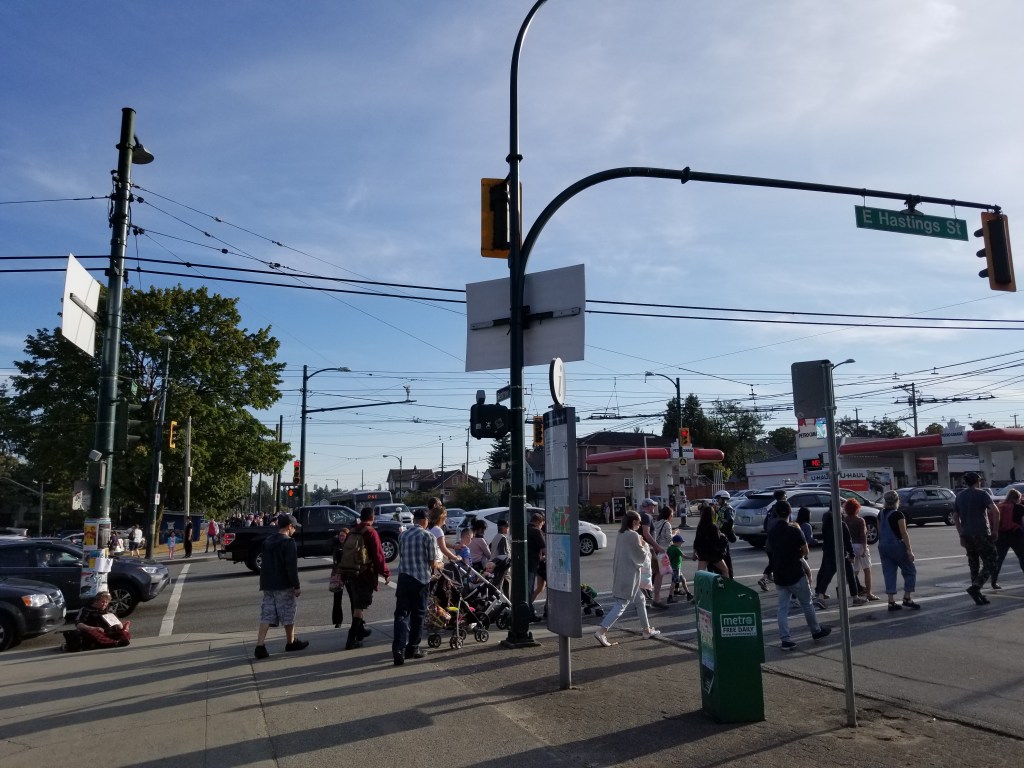

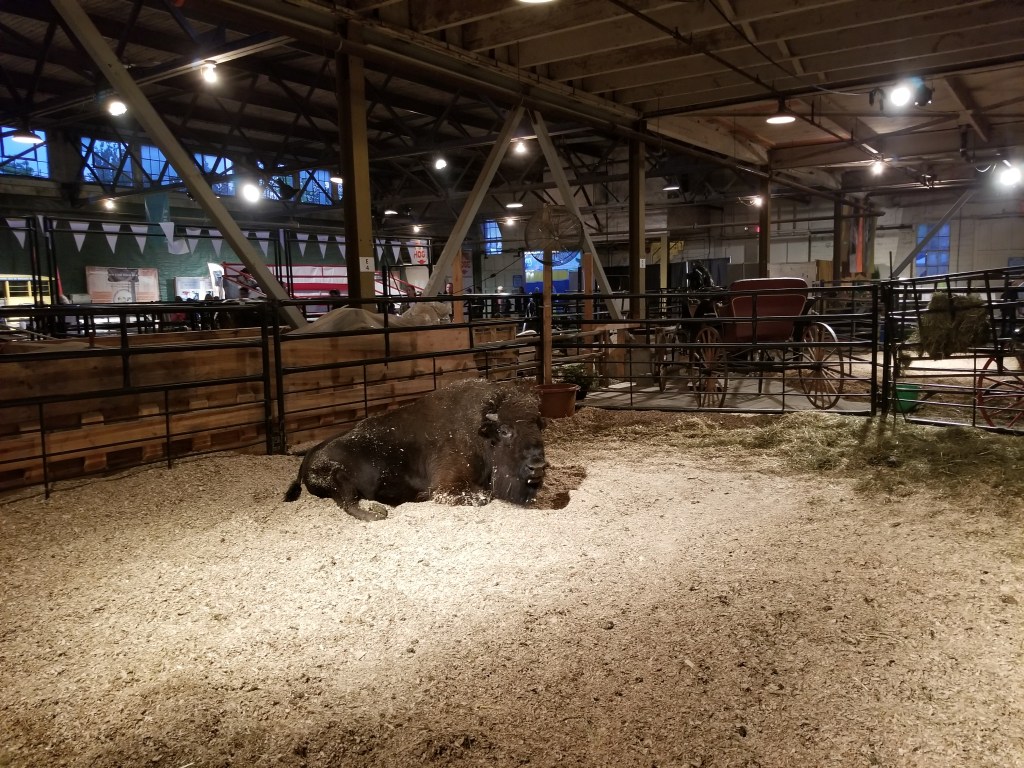


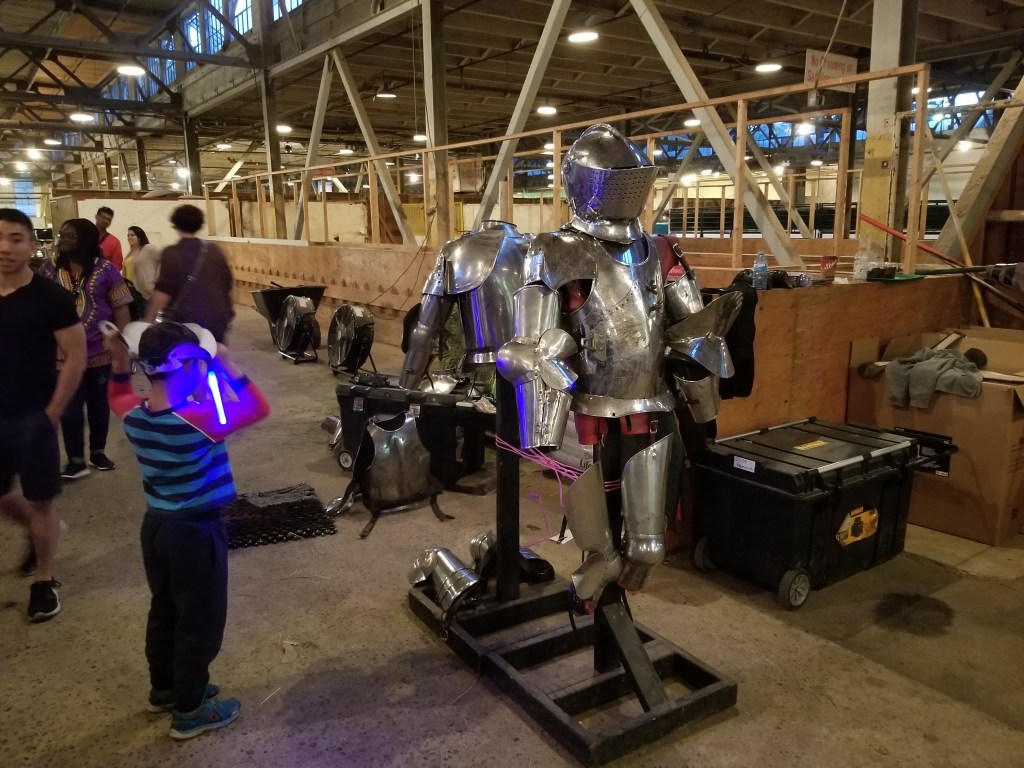

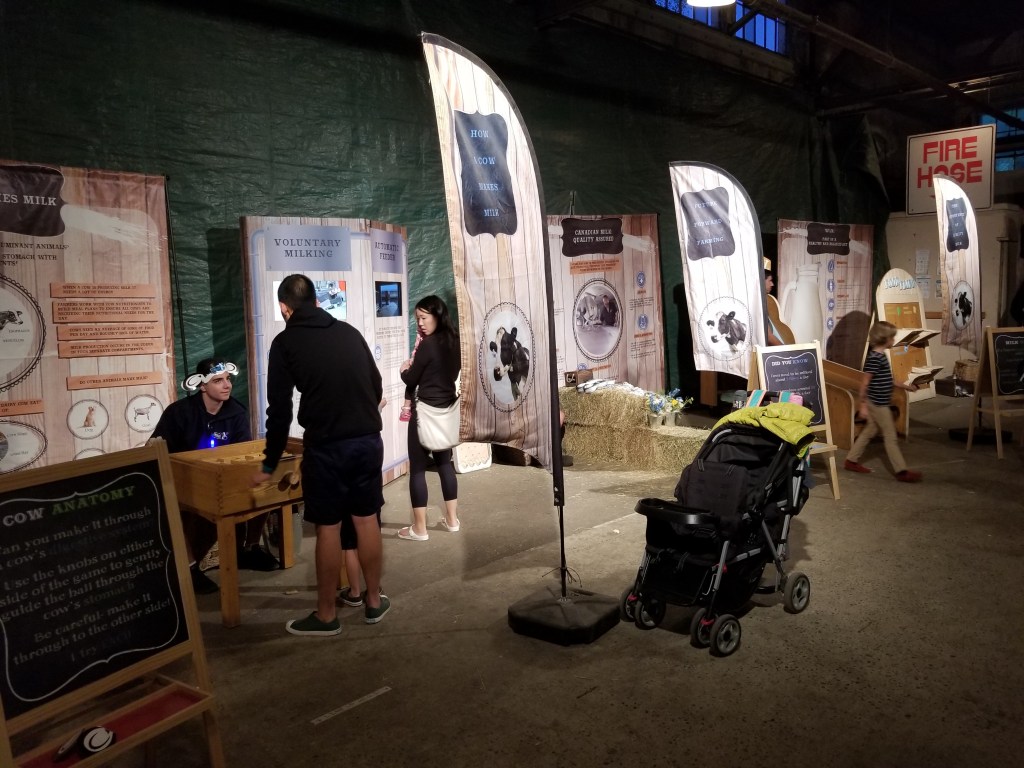

The Pacific National Exhibition (PNE) is a nonprofit organization that operates an annual 15-day summer fair, a seasonal amusement park, and indoor arenas in Vancouver, British Columbia, Canada. The PNE fair is held at Hastings Park, beginning in mid-to-late August and ending in early September, usually Labour Day.
The organization was established in 1907 as the Vancouver Exhibition Association, and organized its first fair at Hastings Park in 1910. The organization was renamed to the Pacific National Exhibition in 1946. During the mid-20th century, a number of facilities were built on the PNE grounds, including Pacific Coliseum and the PNE Agrodome. In 1993, the amusement park adjacent to the PNE, Playland, became a division of the PNE.
The Vancouver Exhibition Association (VEA), the predecessor to the Pacific National Exhibition organization was first formed in 1907; although the association was not incorporated until 18 June 1908. The VEA had petitioned Vancouver City Council to host a fair at Hastings Park; although faced early opposition from the city council and the local jockey club that used the park for horse races. However, the city council eventually conceded to the VEA’s request and granted the association a 5-year lease to host a fair at Hastings Park in 1909.
The VEA held its first fair at Hastings Park in August 1910. It was opened by then Canadian Prime Minister Sir Wilfrid Laurier as the Vancouver Exhibition. The biggest attractions of the two-week fair are its numerous shops, stalls, performances, a nightly fireworks show, and the exhibition’s Prize Home. From its beginnings, the exhibition was used as a showcase for the region’s agriculture and economy.
In the initial years of the Second World War, the fairgrounds saw an increased military presence. However, the exhibition itself was not cancelled until 1942, after the Canadian declaration of war against Japan was issued. From 1942 to 1946 the exhibition and fair was closed, and like the Canadian National Exhibition in Toronto, served as a military training facility for the duration of World War II. During this time, the exhibition barns that were used to house livestock, were used as processing centres for interned Japanese Canadians from all over British Columbia. The interned Japanese Canadians were later shipped away to other internment camps throughout British Columbia, and Alberta. The Momiji (Japanese word for Maple) Gardens on the PNE’s grounds serves as a memorial for the event. The barns used for the internment of Japanese Canadians are still used to house livestock during the annual fair, and serve as storage area to house some of the PNE’s property the rest of the year.
On 7 February 1946, the Vancouver Exhibition Association changed its name to its current moniker, the Pacific National Exhibition; and later reopened the fair to the public under that name in 1947. The organization was formally reincorporated as the Pacific National Exhibition in 1955.
The highest attendance at the fair was recorded in 1986, with 1.1 million guests visiting the PNE, most likely due to Expo 86 that was occurring at the time. In 1993, the amusement park adjacent to the PNE, Playland, became a division of the PNE organization.
During 1997-1998, the PNE grounds was transformed with the demolition of a number of buildings including the Food Building, Showmart and the Poultry Building. This gave way to the Sanctuary, a parkland setting with a pond. The pond restored part of a stream that once flowed in the park out to the Burrard Inlet. The city restored a large portion of the park. Many old fair buildings have been demolished and replaced by a more natural character. Although land was purchased in Surrey that was to become the fair’s new home, the PNE has since transferred ownership from the province to the City of Vancouver and will remain at Hastings Park. The PNE is a registered charity.
Two attractions at the PNE were named as heritage sites by the City of Vancouver in August 2013. The Pacific Coliseum and the Wooden Roller Coaster were added to the list.
In 2020, the fair went on hiatus due to the COVID-19 pandemic, alongside other agricultural and county fairs across Canada, including the Calgary Stampede, the Canadian National Exhibition, and K-Days.
In the early hours of February 20, 2022, a major fire broke out on PNE grounds, where multiple vehicles, tools and equipment, and buildings were destroyed as a result.
The PNE grounds contains several buildings and exhibition halls. The PNE Forum is a 4,200 square metres (45,000 sq ft) exhibition facility that is used for large displays and trade shows. Rollerland is a 1,840 square metres (19,800 sq ft) exhibition, banquet hall and venue for the Terminal City Roller Derby.
Two buildings on the PNE grounds are indoor arenas. The Pacific Coliseum is multi-purpose arena that holds 15,713 permanent seats, with provisions for 2,000 temporary seats for concerts and certain sports. The PNE Agrodome is a smaller indoor arena with 3,000 permanent seats, with provisions to expand up to 5,000 seats. Entertainment facilities includes the Garden Auditorium, a building that features a built-in stage and dance hall. The PNE grounds also feature amphitheatre with bench-style seating for 4,500 visitors.
Other buildings on the PNE grounds includes the Livestock Barns, a large multi-use facility, and the organization’s administrative offices.


The latest moves by Western allies against Libya have shown marked similarities to “strategies” they adopted in Kosovo in the 1990s.
Catherine Ashton, EU’s foreign policy chief, opened the bloc’s office on Sunday in Benghazi,the Libyan opposition’s base camp when he visited the city on Sunday.
Earlier last Monday, prosecutor of the International Criminal Court (ICC) requested arrest warrants for Libyan leader Muammar Gaddafi, his son Saif Al-Islam Gaddafi and his brother-in-law Abdullah Al-Sanousi who is Libya’s head of intelligence.
In retrospective, NATO adopted a three-step strategy in Kosovo War back in 1999.
NATO first supported the Kosovo authority and launched 78-day bombings against former Yugoslavia, forcing the late Yugoslav leader Slobodan Milosevic to withdraw his forces.
The West then stirred up the political unrest in Serbia, leading to the downfall of Milosevic.
The last step was to send Milosevic to The Hague to face trial at the International Criminal Tribunal for Former Yugoslavia. Later on, Milosevic died in custody.
Twelve years later, the Western allies again resorted to a similar three-step strategy in Libya.
NATO is launching continuous air strikes against Gaddafi’s forces, while the Western allies are heaping political and psychological pressures on Gaddafi and openly supporting the opposition, in a bid to force Gaddafi to give up power. This was followed by ICC’s issuance of arrest warrant to bring Gaddafi to The Hague.
Yet, there are some differences between the two scenarios.
In 1999, the West unleashed the bombings without bothering to ask for UN Security Council mandate, while 12 years later, the West launched airstrikes on Libya by overstepping the authorization of UN Resolution 1973 to impose “non-fly” zone supposedly to protect the civilians in Libya.
In addition, NATO has expanded its military actions from Europe, the defense area defined by the North Atlantic Treaty, to Africa, which is far beyond NATO’s traditional legitimate defense area.
Ironically, the West has claimed to seek “political solution” while continuing its airstrikes in Libya, but what it really means by “political solution” is something quite different from what is understood by the international community.
Since March 19 when several Western nations started air raids, the West has organized so-called “Contact Group” on Libya and held several meetings to coordinate actions, claiming to “seek political solution to resolving Libya crisis.”
However, the “Contact Group” has openly urged support for the Libya opposition on several occasions.
In short, what happened in Kosovo and Libya may well serve as perfect examples of the so-call “neo-interventionism” pursued by some Western powers.
Under the pretext of “human rights above sovereignty,” they try to interfere in the domestic affairs of sovereign states, even resort to military means to split them.
The strategies of these neo-interventionists are, more often than not, deceptive.
On the Libya issue, for instance, the Western powers seemed to have complied with international procedures and norms: they first tried to push pass a UN Security Council resolutions and then seek an ICC arrest warrant to bring Libyan leader Gaddafi to justice.
These strategies, however, are merely employed on a selective basis to get rid of political figures the West dislike, including Gaddafi and Milosevic. The West would turn a blind eye to similar cases in countries which are considered its own allies.
To put it clearly, some forces in the West are using just procedures of the international laws to serve their own political purposes.
In the 21st century, some Western countries take “neo-interventionism” as their standard practice and even try to apply the so-called “Kosovo model” elsewhere in the world. This should ring an alarm bell to the international community.
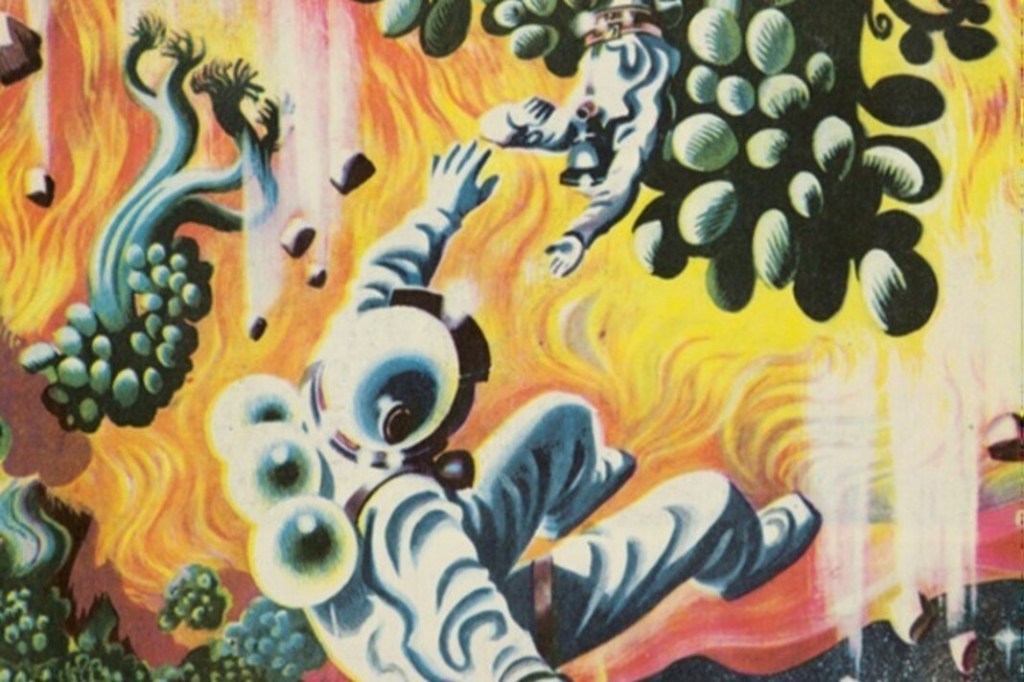
A tall stele rises from a deeply cratered surface, casting a long, ominous shadow past a row of smaller towers. Straight lines connect the structures to each other, like streets on a map or the projected moves in a game of cosmic chess. The Earth floats serenely in the dark sky, next to the logo that reads Tekhnika—molodezhi, Russian for Technology for the Youth, a Soviet popular science magazine that launched in 1933. The magazine cover, from 1969, illustrated an article highlighting photographs from Luna 9, the Soviet unmanned spacecraft that was the first to survive a landing on the Moon a few years earlier.
This imagined moonscape is one of more than 250 otherworldly images from the upcoming, visually delightful book, Soviet Space Graphics: Cosmic Visions from the USSR, by Alexandra Sankova, director and founder of the Moscow Design Museum, which collaborated on the book with her. Space Age artwork proliferated alongside the Soviet Union’s popular science magazines—there were up to 200 titles at their peak—during the Cold War. From the mid-1950s to the mid-1970s, in particular, the cosmos became a battleground for world powers jockeying for global dominance. Though the Space Age began with the successful launch of the Soviet Union’s Sputnik 1, it was the United States that, just three years after Luna 9, first put a man on a moonscape like the one on the magazine cover.
Soviet illustrations, even ones with whizzing UFOs and bafflingly futuristic machines, were not drawn to entertain as much as to educate and promote the Communist project. An open letter from cosmonauts to the public in a 1962 issue of Technology for the Youth read “… each of us going to the launch believes deeply that his labor (precisely labor!) makes the Soviet science and the Soviet man even more powerful, and brings closer that wonderful future—the communist future to which all humanity will arrive.” Scientists, astronauts, and aircraft engineers were treated like legends, since outer space was such an important idea in the Soviet Union, according to Sankova. “Achievements of the USSR in the field of space have become a powerful weapon of propaganda,” she says. Soviet citizens lived vicariously through such images, and even the more surreal and fantastical visuals—living in space, meeting new life forms—demonstrated that the idea of cultural revolution need not be limited to Earth.
Atlas Obscura spoke with Sankova about alien life, the inspirations of Soviet artists, and how the first man on the Moon changed everything. The book comes out April 1, 2020.
What do you think informed or inspired these artists’ distinctive takes on other worlds?
Two directions served as an inspiration for the illustrations: the intensive development of the scientific and technical sphere and the serious enthusiasm of designers and artists for new discoveries in various fields of science as a whole. Artists often had technical education. Another important factor that influenced the visuals was the upsurge of publications, books, novels, and short stories, and the production of science fiction films in the 1920s and the 1950 and 1960s.
Long before the dream of space flight came true, inventors and philosophers were convinced that travel between planets and even universes would become possible with time. In Russia, these ideas became widespread after the works of Konstantin Tsiolkovsky were published. In them, the scientist expressed his view that intelligent life must exist not only on Earth, but throughout the whole universe. Tsiolkovsky became famous not only for his work in engineering, but also for the conviction there must exist highly developed extraterrestrial civilizations capable of influencing the organization of matter and the course of natural processes, and for the aspiration to find a road to the cosmic intelligence and establish an organic connection between man and space.
Soviet writers had expressed the most unbelievable versions of encountering extraterrestrial civilizations. Then, in the 1970s and 1980s, space fantasy faded into the background, giving way to chronicles of the real space exploration program.
Where do these illustrations fit in the overall aesthetic of Soviet design?
Soviet graphic design always developed actively and responded to the situation in the country quickly. This was primarily due to the fact that posters, magazines, books, brochures, etc., were the most effective means of propaganda. They were fast and cheap to manufacture, and they presented material in a striking and vivid way, making information visual and generally understood.
Publishing houses throughout the country collaborated with individual artists and workshops that were part of the Union of Artists of the USSR. Scientific and technical magazines and design research institutes often provided sanctuary and official employment to nonconformist, underground artists. Working for magazines, they embodied unusual, fantastic concepts, reflected on the essence of things, made conceptual designs for cover pages, and drew a new reality that had nothing to do with their real environment.
The usual Soviet aesthetic was subject to standardization and unification. That was the only design appropriate in a country with a planned economy, where it was almost impossible to introduce anything new. The space and defense industries were the only areas for which new production lines were built.
Space also became the leading motif in design and architecture starting from the 1960s. The so-called “cosmic style” was taking shape in Soviet architecture. The houses and public buildings being constructed started to resemble interplanetary ships, satellites, and flying saucers. On playgrounds, wondrous planets, rockets, and improvised scientific stations appeared, and the walls of kindergartens and schools were decorated with stars and galaxies. Images of cosmonauts began to appear in the design of metro stations. The space theme was also dominant in the planning and design of the folk festivals that filled the lives of Soviet people and heralded the latest achievements of science, such as the launching of new ships. The streets were filled with slogans and posters saying, “Communists pave the way to the stars,” and “Science and Communism are inseparable.”
In addition to science, many of the illustrations feature alien worlds. What relationship did the Soviet people have with this kind of science fiction?
There might have been secret research institutes that were engaged in detecting an alien mind, but we don’t know this for sure. Soviet people showed no great interest in alien worlds. My dad, a Soviet engineer, has been reading scientific and technical magazines for all his life. When I asked him if there were aliens, he answered that probably there were, but he had never wanted to meet them. Space exploration influenced mostly the creative class of Soviet people. Meetings with alien civilizations then became a popular topic in movies and animation.
Based on the books and stories, Soviet film studios shot films and created incredible, fantastic cartoons involving scientists and cosmonauts as consultants for the production process. Many films became real hits: It was impossible to get into the showings, and gathered around television sets were found not only several generations of a family at once, but also friends and neighbors.
How did the Soviet vision of alternate worlds evolve over time, and did it change after the first Moon landing?
In the 1950s, illustrations in magazines became realistic: The romanticization of space and anticipation of new discoveries were replaced by pictures of the universe obtained through the latest research. After the first artificial satellite was launched it became the main protagonist of the popular science magazines, constantly appearing on their covers. The illustrators of Science and Life and Knowledge Is Power increasingly depicted the newest versions of rockets and ships and transmitted surprisingly believable (even if, in fact, they were just fantasies of artists) details about flights to the Moon. It seemed as if real color photographs taken from space were being published in the columns.
However, images of humans in open space remained extremely rare at that time. Practically all of the artists portrayed researchers and space flight pioneers inside the cosmodromes where rockets and flying saucers were launched, or in labs where the Moon or planets were shown on giant screens. In these pictures, man was not the main protagonist but part of a futuristic landscape, the mere inhabitant of far-off planets on the roads of which droplet-shaped aerodynamic machines flew. The illustrations in Technology for the Youth were an exception.
After the Soviets and Americans made their first space flights, the designs of magazines were immediately filled with images of man in space. The cosmonauts were docking, gazing through portholes upon the expanses of space, and walking through cities and command centers on other planets. The scale of the dreams became completely different. If in the 1950s people were thinking about what technical tools would allow them to start mastering the expanses of the universe, only a decade later artists were already designing star cities, greenhouses, and massive stations where people could live for years. The “Khrushchev Thaw” was reflected not only in the content of the illustrations, but also in the palette. The style became vivid and futuristic, full of bright colors, and other planets seemed like friendly, welcoming worlds. A new avant-garde cycle began.
In the 1970s, there was a shift in magazine design towards psychedelic graphics with characters and details, unusual perspectives in illustrations, and more complicated storytelling. However, most magazines with fascinating scientific and technical content were still being illustrated primarily with black-and-white drawings and diagrams—the cover and color inserts were the only colorful elements. Against this backdrop, Technology for the Youth was considered the most vibrant publication for many years.
Then idealistic images vanished and the illustrations grew gloomier. By the 1980s, not a trace of the dreams of the 1960s or the futurology of the 1970s remained. The designs of print publications became as realistic as possible, the colors less vivid, and the plots of stories centered on the everyday life of cosmonauts and scientists. By this time, the space race was already in decline. In 1972, an agreement between the Soviet Union and the United States on cooperation in the research and use of outer space for peaceful purposes had been signed. The pace of space exploration slowed down, and reports about work in orbit became ordinary news.
What is your favorite alternate world illustration in the book?
I really like the covers of Knowledge Is Power No. 12, 1969, and No. 11, 1971. They are abstract and convey the feeling that there are some parallel realities, other micro- and macro-worlds. Abstract covers depicting a very intuitive, associative artistic image of the unknown distinguish this magazine from other popular science publications having more realistic images on their covers.
Does the Soviet view of space still have resonance today?
The interest in it is returning, or it’s more correct to say that the interest has never faded. The topics popular in the 1960s and 1980s are now relevant again—ecology, alternative energy, reasonable consumption, overpopulation, and waste recycling. Back then it was regarded as futurology, but for us it’s already the reality.
Today, perhaps, a certain romanticism has vanished. Space is not seen as an end in itself anymore, now it is a means of survival: a place harmful production can be transferred to or where new sources of energy can be found.
There is an announcement at the Roskosmos website (the Russian state space corporation) inviting young people to join the cosmonaut program. I found it while preparing for this interview. However, there is no hype around this, and the announcement was reposted neither in the press, nor by social media. Now everyone realizes that the job of a cosmonaut or astronaut is the same as any other.
If you’re also auDHD, I hope this video about what burnout can look like for us, and I hope my suggestions help as well!!
With many of the lists we’ve assembled over the past few years, the parameters have been clear. To be considered Britpop, for example, a record had to be guitar-based, from the UK, and released during a certain period. We can argue endlessly about what’s a mixtape and what’s an album, but in assembling the 50 Best Rap Mixtapes of the Millennium, the title said it all.
“Dream pop,” however, is a little different. The term has meant different things to different audiences at different times, because it was always more of a descriptor than a proper genre. So in assembling this list, we took the descriptive quality of the term and ran with it, assembling a list of 30 records that felt like they belonged together even as they came from different scenes, eras, and geographic locations. Despite the wide range of music here, there are certain qualities that unite these records: atmosphere, intimacy, a light coating of psychedelia, and, yes, dreaminess. In some cases, we defined what belongs here by thinking about what the music is not. We made a conscious decision to not include records that wound up on our Best Shoegaze Albums list—even though shoegaze and dream pop have, at times, been used interchangeably—and we avoided the more twee end of the indie pop spectrum.
Scribble Mural Comic Journal is the sound of an email with the subject line “FWD: FWD: FWD: FWD: dream pop.” It’s a slightly radical, distorted definition of it, one beyond chiming 4AD guitars and gossamer vocals, disassembled and rearranged in a space somewhere between a parasomnia hallucination and a club at the bottom of a lake. Four-on-the-floor beats melt into ambient spaces; the calamitous and enchanting “A Mundane Phonecall to Jack Parsons” is everything but. In their humble beginnings, A Sunny Day in Glasgow were comprised of the musician Ben Daniels, his twin sisters Robin and Lauren (who would later leave the band), and Pro Tools, so some of these songs feel less structured than most on this list, like they forgot to build a fence around the album. A song like “Lists, Plans” could scatter away into the night, but it’s this formlessness, this broken-mirror sound that speaks to their rightful place in the dream pop canon. –Jeremy D. Larson
Mazzy Star may have been born out of the ashes of Opal, guitarist David Roback’s Paisley Underground band, but on She Hangs Brightly, they arrived as a fully formed musical force. Everything that Mazzy Star would later achieve is here, perfectly realized, on their debut album, from the narcotic blues of “Halah” to the Doors-y crawl of the title track and the heady acoustic shuffle of “Free.” Hope Sandoval’s hypnagogic whisper and Roback’s velvety guitar tones create a gorgeous, late-night atmosphere, tempered by songs that borrow from the vivid musical austerity of early blues: On the heartbreaking “Ride It On,” for example, every stroke of the guitar and beat of the tambourine fall with perfect precision. The band even cover Memphis Minnie’s 1941 track “I Am Sailin’,” the song’s searing clarity reflecting their own meticulous songwriting. Mazzy Star would later go on to greater commercial and critical success, but dream pop would rarely again reach such sharply honed heights. –Ben Cardew
Dream pop and indie pop are complicated cousins. Lines are drawn over technicalities like: How much jangle is allowed before celestial becomes C86? Is tremolo ever twee? When does shyness devolve into shoegaze? The Pains of Being Pure at Heart’s self-titled debut exists in the swirling intersection. Though easily the noisiest record on this list—you could say it never drifts off to Slumberland, pun intended—it’s determined to dream. More My Bloody Valentine circa “Sunny Sundae Smile” than Loveless, the Brooklyn band mixes a toffee and Vicodin cocktail topped off with a heavy dollop of power chords, fuzz pedals, and watercolor psychedelia. Guitarist/vocalist Kip Berman swoons with Edwyn Collins’ passion while Peggy Wang’s synths and backing vocals float through the reverb. It’s a romantic, youthful nostalgia that Berman once described as “sort of a John Hughes, magical feeling,” where the library is a hot hookup spot and every dweeb in an anorak can take on the world. –Quinn Moreland
By their second LP, Lush were drifting into the space between shoegaze and Britpop, the moonlit zone where guitars and windchimes suddenly had wonderful pop hooks to hang onto. With Split, the guitarists/vocalists Miki Berenyi and Emma Anderson, bassist Philip King, and drummer Chris Acland made an album of pearly guitars and prurient lyrics, born of the kind of intraband trauma that could really flourish at a rural French studio in the middle of winter. In separate interviews, band members have described the process as “traumatic” and “agonizing,” with Berenyi adding that she was in a state of “pulverized victimhood.” No wonder the resulting album is pitch-black thematically, touching on child abuse, infidelity, voyeurism, and death. But thanks to the meticulous production of Mike Hedges, Split sounds so luxurious and so powerful, the essential sound of Lush. Berenyi and Anderson’s voices sky together in their clearest, most present harmonies. Songs last no longer than they need to, even the ones that stretch to eight minutes. Split is at once grounded and aloft—fiery, poppy, druggy, and alone. –Jeremy D. Larson
The debut album from Captured Tracks stalwarts DIIV didn’t intentionally set out to channel dream pop. Yes, they were fans of Ride, but frontman Zachary Cole Smith cited this particular album’s inspirations as krautrock and Malian music. Yet from the opening gambit of the instrumental track “(Druun)” to the distant vocals of “Past Lives”—vocals that sound like they’re being teleported from another dimension—DIIV quickly found themselves cited as revivalists of dream pop. The record plays out like an inversion of a late-’80s Sub Pop grunge record, taking the dirge and muddiness of guitars, drums, and bass and oversaturating that in blissed-out ambience. It ebbs and flows in a manner that often makes it difficult to distinguish tracks, driven largely by rhythm, echo, and a sense of wonderment. Lyrically, it’s not trying to offer much in the way of catharsis; instead, it provides a bedrock for you to come, lie down, and sink deeper into whatever emotional state you’re in. Isn’t that what dreams are made of? –Eve Barlow
Gemini was released as part of the 2010 guitar-pop mini-boom, but it could just as easily have been recorded in 1989. Jack Tatum’s first album as Wild Nothing is full of songs that exist just outside the margins of your memory: Haven’t I heard this before? Isn’t this guitar part familiar? Didn’t an ex-boyfriend make me a mixtape with “Drifter” sandwiched between Cocteau Twins deep cuts?
Tatum put Gemini together while studying at Virginia Tech, and its amateurish charm separates the album from his more expansive, polished later work. When songs like opener “Live in Dreams” and the chiming “Our Composition Book” fade in slowly, it’s easy to imagine hearing them streaming from a dorm room window overlooking a verdant quad. And while there isn’t much lyrical depth to Gemini, that’s a feature, not a bug. You can listen to “Summer Holiday” or the gloomy, glamorous “Chinatown” and fill in the blanks with your own memories of being young, sad, and in love. –Jamieson Cox
For many dream pop bands, drum machines and samplers help ground a sound so ethereal, it runs the risk of floating away. For the Radio Dept., these tools are precisely what set them apart on their third album, Clinging to a Scheme. With their mix of sunny guitar jangle and melancholic sentiment, the Swedish trio could easily be slotted as indie pop. But factor in their apparent fondness for Saint Etienne and darkwave, diet-Eurodance-meets-reggae beats, and jokes landed via spoken-word samples (à la the Avalanches), and the album rests at the more electronic end of the dream pop spectrum. The post-punk riffs that made them interchangeable with ’80s bands on the 2006 Marie Antoinette soundtrack remain intact, as do the lo-fi charms of their 2003 breakthrough Lesser Matters. But on Clinging to a Scheme, the Radio Dept. apply their eclectic tricks easily to their moody, understated soundscapes. –Jillian Mapes
Born in the South, transplanted to Northern California, ostentatiously fond of cannabis, and known to perform in headbands alongside a sleepy dog named Lolly, Brightblack Morning Light all but invited mockery of the get-your-patchouli-stink-outta-my-store variety. Fortunately, on their self-titled second album, the highlight of their brief career, the mid-Aughts duo of Nathan “Nabob” Shineywater and Rachael “Rabob” Hughes sounded like the best possible combination of those influences.
Out of burbling electric piano, twangy slide-guitar melodies that split the difference between Hank Williams and Mazzy Star, and their own somnolent vocals, Shineywater and Hughes crafted languid, lightly psychedelic paeans to the natural world. Brightblack Morning Light beefed up the dream pop aesthetic for heartier tastes—this was music for freak-folk stoners on a Joshua Tree camping trip, not pale, narcotized indoor kids. Even if you laughed at the trippy rainbow glasses that came packaged with the double LP, it was difficult to resist the blissful midsummer vibes they accompanied. –Judy Berman
It takes courage for a band to play as quietly as Low do on I Could Live in Hope, their debut album. Mimi Parker brushes her drums as if fearful of waking a sleeping child, John Nichols’ trebly basslines are sparse to the point of abstraction, and Alan Sparhawk’s skeletal guitar suggests the gaseous atmosphere of Brian Eno’s ambient works, set off by vocal melodies of a powerful, understated economy. The effect urges leaning in, paying attention, but Low don’t want to seduce you; they want to unnerve you. I Could Live in Hope inhabits a world of disquiet, like the lingering malaise of a bad dream, where a line as seemingly innocuous as “She used to let me cut her hair” feels ridden with shame and discomfort. Dream pop records often come steeped in instrumental flourishes and pillowy effects; on I Could Live in Hope, Low prove that small gestures can be transformative, too. –Ben Cardew
As its title strongly suggests, the Clientele’s 2000 debut album is all about finding the magic in the mundane. Collecting singles the band released in their late-’90s formative phase, Suburban Light showcases singer/guitarist Alasdair MacLean’s preternatural gift for crafting songs that feel both warmly familiar yet eerily distant, like a golden-oldies station beaming in from another dimension. Jangly gems such as “We Could Walk Together” and “(I Want You) More Than Ever” betray the unsubtle influence of ’60s-pop melody makers like the Byrds, the Left Banke, and the early Bee Gees, then shoot it through a gauzy Galaxie 500 filter, casting their lovelorn lyrics in a narcotic haze and letting each languid guitar line ripple out to infinity. The result isn’t so much dream pop as daydream pop: the sound of wistfully gazing out a rain-soaked window, imagining the more wondrous world that lies on the other side of the glass, and counting down the time until your escape with each drop of drizzle that rolls down the pane. –Stuart Berman
Listening to Atlas Sound’s second studio LP can feel a lot like drifting in and out of consciousness. Like Bradford Cox’s first album with this project, 2008’s Let the Blind Lead Those Who Can See But Cannot Feel, Logos follows the logic of a fever dream. Voices rise from a haze of guitars and synthesizers, then dissipate back into it. People drift in and out of the field of sound, as though the listener were a sick child assumed to be asleep by the adults in the house; that these vocalists are not only the Deerhunter frontman, but also Panda Bear’s Noah Lennox and Stereolab’s Laetitia Sadier, only compounds the effect.
If Atlas Sound’s studio debut inspired occasional bouts of claustrophobia, Logos opened up the arena of Cox’s sound experiments. The gorgeous “Quick Canal” yawns to an almost nine-minute runtime as Cox’s quick, scratchy drums egg on Sadier’s lilting soprano. There are pop gestures, too, on the twee-adjacent “Shelia” and the swinging “My Halo,” but Cox focuses more on lingering in that space between dream life and waking life, where each state of being feeds the other and neither seems quite real. –Sasha Geffen
The brilliance of Cocteau Twins is that they capture the lightness of dreams. Their pop sound is like they’ve dipped into your reveries and are playing them back to you. By the time Blue Bell Knoll, the Scottish band’s fifth album, came out in 1988, they had cemented this meld of glittery guitars and avian vocals, this talent for finding pure white in the black abyss of goth. This album, however, was their first significant U.S. release, introduced with their bewildering single “Carolyn’s Fingers.” On it, Elizabeth Fraser’s words are impossible to understand: Either they’re being spoken in another tongue, or you’ve temporarily developed aphasia and can’t compute them. Throughout the record, the trio strip back to their basic groundwork of bass-guitar melodies, a pattern they’d continue on Heaven or Las Vegas two years later. Blue Bell Knoll is not as dynamic a listen as that masterpiece, but its exploration of widescreen space is essential, and set down the canvas for glorious colors to come. –Eve Barlow
Grouper’s Liz Harris recorded Ruins in a small town off the coast of Portugal during an artist’s residency; the atmosphere of the place, miles away from her home in Portland, Oregon, bleeds into the album as much as any instrument. While most Grouper records cultivate dissonance and noise, Ruins focuses more on silence and all the sounds that can fill it. Frogs croak in the space she leaves between piano chords. At one point, without warning, a microwave beeps. What other artists might consider mistakes, Harris considers connection to a world of sound bigger than what she herself can create.
That openness to her environment sets the perfect backdrop for what remains one of Grouper’s loveliest and softest albums. Most songs revolve around Harris’ voice and a piano. Her lyrics, uncloaked by reverb, become easier to pick out, and narratives of loss, alienation, and stunted affection emerge. Ruins is a document of loneliness, but it’s also the sound of someone opening themselves to their surroundings, softening the boundaries between the self and everything outside the self. Once you’ve learned to be permeable, being alone can prove to be a deeply fruitful state. –Sasha Geffen
By the time Slowdive released their third album, Pygmalion, they had eroded from a swirling shoegaze band to a few shimmers in empty space. In response to how inert and ambiguous the songs on the record had grown, vocalist and guitarist Neil Halstead found himself listening to Leonard Cohen and Gram Parsons records, picking up his guitar, and trying to record actual songs instead of what sounded like their decayed echoes. He, along with Slowdive bandmates Rachel Goswell and Ian McCutcheon, ended up producing a sound faintly like country on Mojave 3’s debut album, Ask Me Tomorrow, but it still can’t help feeling drowsy and blurred; the opener, “Love Songs on the Radio,” unfolds at the rate of a bloom of smoke. It’s what makes the record so dreamy; the restless shiver of McCutcheon’s drums, the melting haze of Goswell’s voice, the cellos that swarm through the final minutes of “Tomorrow’s Taken”—these all seem to wade through the region between sleeping and waking, the coronal blurs the world melts away into when your eyes close. –Brad Nelson
Inspired by the Velvet Underground, Joy Division, Jonathan Richman, and New Zealand’s Flying Nun label, Galaxie 500 stood out in the rollicking Boston underground thanks to their introspective minimalism. The 10 tracks on their 1988 debut, Today, are sprawling washes of sound that manage to capture an ineffable sensation: a nostalgia both known and unknown, intensely familiar yet completely mystical. But any shot at shoegazing here is thwarted by a subtle restraint. No matter how high Damon Krukowski’s primal, jazz-inspired drums, Dean Wareham’s psychedelic guitar ramblings, and Naomi Yang’s robust basslines soar, their playing always returns to Earth. Their heads, however, stay in the clouds on songs like “Flowers” and “Oblivious,” in which the trio ponder the trappings of romance. And then of course there’s the fuzzy and careening “Tugboat,” in which Wareham declares his humble resolution to buoy his love through whatever choppy waters they face. –Quinn Moreland
“Skin & Bones,” the first track on the Sundays’ debut album, begins with a few seconds of feedback, like a spaceship landing, but the song that comes in is idyllic, as if that particular ship were the peaceful sort, with a greenhouse dome and a mission to terraform the world into a more pleasant place. Reading, Writing and Arithmetic was not treated as an alien release, though; it arrived to endless comparisons. Vocalist Harriet Wheeler, like every woman with a high and/or curious voice, was stuck with Liz Fraser comparisons, and Smiths references abounded thanks to David Gavurin’s Johnny Marr jangle and the twinge of wryness and introversion in the lyrics.
But the Sundays are like sunshine by comparison. On Reading, the percussion is light as shivers, the guitars nimble; even the comparatively funky tracks like “A Certain Someone” sound buoyant enough to float away. Wheeler’s voice is both distinctive and an exemplar of countless strains of ’90s vocal, its boundless freedom and wide-eyed weirdness reflected in Sue Tompkins of Life Without Buildings and the late Dolores O’Riordan, its clarion tone aspired to by an entire decade of women in alt-rock and indie pop. It’s not timeless so much as ageless, lending each lyric shades of old-soul rue and youthful idealism. “Poetry is not for me,” Wheeler sings on “My Finest Hour,” but the songs are written like poems anyway: small observations on twentysomething English life, each meaning volumes. Few albums capture so well the feeling of being young, earnest, and cradling that last wisp of idealism tight, lest it vanish. –Katherine St. Asaph
Low’s 1994 debut found them extending the hazy, ethereal guitar-pop of Galaxie 500, aided in part by the reverb-heavy production of Kramer. By the time they released Things We Lost in the Fire, they’d figured out how to craft stargazing dreaminess with the simplest of ingredients and nothing extra. Their minimalist bent had been refined to a point as fine as an acupuncture needle, where every note in their music felt like it came from great emotion. On Fire, a couple of guitar notes, a cymbal brush, and the heavenly harmonies of Alan Sparhawk and Mimi Parker were all Low needed to transport you to another world, and the ultra-clean and dry recording by Steve Albini heightened the effect. –Mark Richardson
“It’s better to burn out than to fade away” sounds hopelessly unconvincing sung by Chromatics’ doomed heroine, Ruth Radelet, as if she’d settle for whatever would make her disappear more completely. Kill for Love, released five years after its predecessor, is an overachiever’s guide to dropping out of life: 90 minutes of throbbing, moonlit Zen koans about ennui and heartbreak, delivered with a glassy-eyed shrug. A graceful blend of post-punk, Italo, and melancholy ’80s pop, Kill for Love is at once dystopian and romantic, moods that are presented as perfectly complementary—after all, what’s more romantic than total disintegration? In that sense, it’s always seemed clear that by the title, they don’t mean murder but suicide; on “Back from the Grave,” Radelet sings, “Memories fade, and I wish I was gone.”
Johnny Jewel—whose Italians Do It Better label marked the band’s fairly drastic mid-’00s shift in sound, and who had just gotten his big break via the previous year’s Drive soundtrack—once had a nightmare about Satan, a normal-looking guy with a loudly ticking wristwatch that beat like a heart. And so Kill for Love’s dreamy melodies and worn-in analog fuzz are constantly serrated by a paranoid hyper-awareness that, second by second, time is running out. Hence, a 90-minute album of which every minute feels essential, even as it sighs into oblivion. –Meaghan Garvey
M83 has made dreamier albums, and ones that are more pop. Saturdays = Youth sits at the intersection, the record that shares most of dream pop’s defining qualities: blushing, soft-focus co-ed harmonies, cocooning reverb, emotional polarities on a song-by-song basis. The similarities end there; whereas most other bands on this list meekly want to see movies of their dreams, Anthony Gonzalez breaks the bank to shoot them in HD. With the addition of powerhouse vocalist Morgan Kibby and co-producers Ken Thomas and Ewan Pearson, Gonzalez forgoes the distended, saturated shoegaze tones of his earlier, insular work for a different kind of maximalism; everything from symphonic post-rock droning to skyscraping pop is rendered with an overwhelming, hyperreal clarity.
The cover is a fake-out: “Kim & Jessie,” “Graveyard Girl,” and “Skin of the Night” aren’t John Hughes characters, relatable and realistic teenage archetypes tied to single decade’s pastel aesthetics. Saturdays = Youth is more attuned to the highly stylized sensuality of Sofia Coppola and Baz Luhrmann’s big-top operatics, vessels of romantic indulgence. The message with M83 here: Youth isn’t wasted on the young, Saturdays are wasted on the old. –Ian Cohen
Before he started amassing gospel choirs like troops and turning each of his records into an orchestral arms race, Jason Pierce found splendor in more intimate environs. His debut album as Spiritualized wades deeper into the meditative moments of his previous band, the drone-punk heroes Spacemen 3, furthering that group’s experiments in audio hypnosis through the twinkling psychedelia of “Sway” and the free-form ambient swirl of “Symphony Space.” But Lazer Guided Melodies also emits a warm, romantic glow that Spacemen 3 never really acquired, and that Spiritualized would relinquish on their subsequent, increasingly ostentatious records. “You Know It’s True” is the sort of nocturnal, organ-hummed ballad that Yo La Tengo would make a career out of; “Step Into the Breeze” and “Angel Sigh” ride their serene, starry-eyed verses into rapturous fuzz releases. And then there’s the absolutely divine “Shine a Light,” a heaven-sent hymn that clears the skyward path to Pierce’s future adventures in space floatation, and which remains the heart-stopping highlight of any Spiritualized show. –Stuart Berman
The opening piano clunk of Julee Cruise’s “Falling” are two of television’s most famous notes: Performed by Angelo Badalamenti, they are the basis for the “Twin Peaks” theme. On TV, the song is instrumental (and inferior), a creepy call to arms for weirdos to plop on the couch and cry for Laura Palmer. But Cruise takes the song out of the darkness, as the airiness of her voice transforms the horrid into something beautiful, if still somewhat grotesque. Dream pop is synonymous with fuzz, but Floating Into the Night has more of a lacquer in its blend of Cruise’s sweet and foggy singing, raw saxophone, gentle guitar strokes, and held synthesizer notes. Of course it worked for “Twin Peaks,” a dreamy, scary alternate reality; “I Float Alone”—written, like all of the album, alongside David Lynch—epitomizes that. It’s a lounge number that, in other hands, might have never left the hotel bar. Is “floating through this darkness all alone” about a breakup or about the fallout of a murder? Is Cruise an angel sent from heaven to bless us with her pure whisper, or is she the devil in disguise? Is “both” an option? –Matthew Schnipper
If listening to Beach House’s Teen Dream felt like throwing open the shades and letting light into a dusty sunroom, Bloom revisited that same space at twilight, still opulent and opaque but with new scope. Alex Scally’s sparkling guitar leads and Victoria Legrand’s cyclone of a voice are instantly recognizable, but they’re distorted in mystery. Bloom is a seductive album that has little to do with romance or sexual gratification; its characters feel the tug of adventure, of sensations and phenomena they can’t quite describe.
And while Bloom boasts some of the most indelible melodies in Beach House’s discography—the twinkling “Lazuli,” the extended sigh of “Other People”—it’s most notable as a collection of remarkable sounds. “Myth” opens with that plonking bell, cracked like an egg after two stiff shakes; the drums on “Wild” foam and splash like the ocean around your ankles; “The Hours” clocks you with that sneering riff, a slow-motion punk moment. These little moments may not sound like much, but they end up feeling like dashes of spice added to a favorite home-cooked meal. There’s something unexpected lurking in every familiar bite. –Jamieson Cox
The muse sang in Tim Buckley when he wrote “Song to the Siren,” a lovelorn ’60s ballad for the female monsters whose incantations tempted Homer’s Odysseus. But the track wouldn’t fulfill its mesmerizing potential until 1983, when Cocteau Twins’ Elizabeth Fraser unfurled her diaphanous voice over its devotional lyrics on a cover by This Mortal Coil. Intended as a B-side, the recording became the 4AD super-collective’s first single, lingering on the UK indie charts for two years.
“Siren” looms so large in the dream pop mythos, it can overshadow not just the debut album it anchors, It’ll End in Tears, but also the entire discography of This Mortal Coil. Conceived and produced by 4AD founder Ivo Watts-Russell, the band was designed to recontextualize some of his favorite songs and encourage experimentation beyond each contributing artist’s signature sound. Cindytalk frontman Gordon Sharp’s echoing laments transform Big Star’s “Kanga Roo” from lackadaisical to crushing, while piano lends additional solemnity to the same band’s “Holocaust,” as sung by Howard Devoto of Magazine. Paired with atmospheric compositions by Fraser’s Cocteau Twins bandmates, Dead Can Dance vocalist Lisa Gerrard, and more stars, this collection of covers helped set the template for dream pop and catalyzed 4AD’s ascendance from the stilted poetics of goth rock to the kings of gauzy transcendence. –Judy Berman
Tender Buttons was new terrain for Birmingham band Broadcast. The group had been known for taking the lithe psych-pop of the ’60s and smearing it with feedback, muscular percussion, and crunchy synths on their landmark albums The Noise Made by People and Haha Sound. But in 2005, the group shaved down to a duo, comprising only of frontwoman Trish Keenan and bassist James Cargill. As a duo, Keenan and Cargill translated their signature thorniness into something captivating.
The palpable power of Neil Bullock’s drums on Haha Sound seemed like something that could have been irreplaceable, but the pared-down sound on Tender Buttons proved that Keenan and Cargill were truly the group’s central nervous system. The flavors of yé-yé sung in Keenan’s spectral voice sound even more intimate over a drum machine, as evidenced by the sticky “Black Cat” and sparse, sweet “Tears in the Typing Pool.” Staticky and serene tracks like “America’s Boy” and “Corporeal” proved that Broadcast’s pop subversion was malleable. Tender Buttons may not be as delicate as other classics of dream-pop, but its noisy, sanguine sound and the group’s maverick spirit make it essential. –Claire Lobenfeld
Liz Harris’ early work as Grouper was dark and distorted, a black-hearted churn of ambient and noise that found her burying her voice under piles of sonic sludge. With Dragging a Dead Deer Up a Hill, her music crawled out from under the wreckage and turned to face the sunlight. Where she once assembled free-flowing “pieces,” she was now singing proper songs, ones that connected strands of British folk, gothic lullabies, and devotional music as heard echoing through an ancient cathedral. And it’s all done with very little. Most of the tracks on Deer feature just a few elements—a gently strummed guitar and Harris’ processed and layered voice predominate—and the arrangements are thin and airy, evoking the tingle of buried memory returning to consciousness. But an intense ache sits at their center of these songs like a boulder. Every note drips with loss and the music is crushingly sad, but by sharing in Grouper’s pain, we get a feeling that art just might save us. –Mark Richardson
Over the course of their 34-year career, Yo La Tengo have summoned squalls of feedback and tackled Stooges covers; they’ve swum with the fishes, whispered nursery rhymes, worshipped at the church of Burt Bacharach and Hal David. But their range and curiosity are balanced by their interest in conjuring enveloping moods, the kind you can wrap around yourself like well-worn woolens. With 2000’s And Then Nothing Turned Itself Inside-Out, they embarked upon a 77-minute immersion in the deepest, sweetest sort of reverie.
In a year that was supposed to be all about cybernetic upheavals, Yo La Tengo made the quietest, coziest album of their career, one suffused in lullaby-like close harmonies and cotton-candy 1960s flashbacks, from the liquid slide guitar of the opening “Everyday” to the weightless closer “Night Falls on Hoboken,” an 18-minute excursion that plays out like a dream within a dream. Rather than a radical departure from the trio’s well-worn sound, And Then Nothing clarifies their signature into a heartbeat wrapped in a hush. Even the lone explosion of out-and-out rock—“Cherry Chapstick,” which channels shoegaze’s whammy-bar abuse through Daydream Nation’s silvery fuzz—is as sweet as it is abrasive. Sure, you can have it all, as they sing on one of the album’s highlights, but wouldn’t you rather have just this one perfect thing? –Philip Sherburne
With its dislocating atmospheres and diffident vocals, all dream pop is outsider music. Galaxie 500 sounded so removed from a sense of time or place that they made this fact nonnegotiable. The droning, doleful music of their second album, On Fire, arrived with the quiet subtlety of a profound secret. Over a few chords and understated drumming, Dean Wareham mumbled clever lyrics about his Dodge Dart, the weatherman, and liminal things. Drummer Damon Krukowski and bassist Naomi Yang made their spare neo-psychedelia burst with emotion.
On Fire sounds like the Velvet Underground slowly warming up: In lieu of a Pop Art banana, Wareham sings about waiting in a line eating Twinkies; instead of heroin, he has a song about dropping acid in the woods; instead of Warhol, Galaxie 500 pair with an eccentric, no-frills producer named Kramer. As in all great dream pop, these impressionistic elements congeal into a single atomic sound, as if the instruments have eclipsed one another, moving with the crawl of a cloud. –Jenn Pelly
The Baltimore duo of Victoria Legrand and Alex Scally had established themselves as effortlessly sublime dream-pop adepts by the time of their third album, but they hadn’t yet embraced the production values that might convince people who weren’t reading mp3 blogs. Teen Dream, Beach House’s Sub Pop debut, was the sound of a band going for broke at that exciting moment before they know what they’re really capable of achieving. Recording in a converted church with producer/engineer Chris Coady, whose credits span Amen Dunes to Yeah Yeah Yeahs, the pair demonstrated a rare balance of preaching to the choir and pulling in new converts. The spidery guitar lines, dimly lit organ tones, and sparse drum machines remain. But there’s also much more attempted: crystalline Fleetwood Mac–style harmonies, shoegaze-teetering crescendos, even kitchen-sink piano balladry. Each of the 10 songs could’ve been a single, and the physical edition’s accompanying DVD offers pleasantly warped videos for all of them. It was still dream pop, all right, right down to the “Twin Peaks”-echoing lyrical hook of the bleakly glamorous “Silver Soul.” But it was dream pop that could entice Jay-Z and Beyoncé out to a gig. Beach House have a well-earned reputation for not changing much, but on Teen Dream, they came into their own, and ushered the languid reveries of Galaxie 500, Mazzy Star, and Cocteau Twins into the current Instagram decade. –Marc Hogan
You didn’t need to be especially cool to be up on Mazzy Star’s second album, thanks to the unexpected breakaway success of “Fade Into You.” One of the greatest slow-dance songs ever recorded, it’s easy to see why it took on a mainstream life of its own despite its uncanny bent (“I wanna hold the hand inside you”) that made it feel like a Lynchian waltz, barely swaying, eyes fixed on nothing. But really, you came to hear Hope Sandoval, husky-voiced East L.A. priestess, shaking a tambourine without passion. So Tonight That I Might See, a secret blues album obfuscated in fuzz and fog, entered the canon of the California Gothic—a vision of the place that felt like a nap you might never wake up from.
“Fade Into You” isn’t necessarily the album’s high point, though. There is “Mary of Silence,” with its strung-out organ drone and resigned cymbal clatters, Sandoval channeling Jim Morrison. Or “Five String Serenade,” a devastatingly simple acoustic Arthur Lee cover, in which her voice is joined by soft, sad violins. “Wasted” is blues at a narcoleptic crawl, as fucked-sounding as the title suggests. There’s something unknowable to all of it. And yet it’s one of those albums where it’s imperative you look up each song on YouTube and get punched in the gut by the humanity in the comments below. One, beneath “Blue Light,” goes: “In 1998, I had the best thing. A beautiful Angel that sang this to me. She’s gone.” –Meaghan Garvey
Heaven or Las Vegas. You’re either in the good place or a gaudy replica designed to trick you. Sweet relief or a desert mirage. It sounds like a trap, doesn’t it? That’s kind of what the record was for Cocteau Twins, too. Six albums in, the gothy cult heroes of 4AD Records gave in completely to the pop urges they had flirted with on 1988’s Blue Bell Knoll and 1984’s Treasure. Happily, the resulting masterpiece not only defined the Scottish trio for good, it established an ethereal blueprint for dream pop. While there are countless examples of indie bands struggling to marry their deep weirdness to pop structures, the Cocteaus’ version of a slightly more commercial sound did not compromise their individual idiosyncrasies. Rather, it distilled them into something painfully gorgeous and utterly mesmerizing.
Elizabeth Fraser, Robin Guthrie, and Simon Raymonde were each going through heavy periods when they wrote and recorded Heaven or Las Vegas at their own September Sound Studios in London. Raymonde, the keyboard player and bassist, had just lost his father, composer Ivor Raymonde. Guthrie, the guitarist and drum programmer, was at the height of his cocaine addiction, and his partner, vocalist Fraser, was a new mother keeping things together. Fraser had been known for her impressionistic approach to melody, focusing more on the sounds of the words and effortlessly bending them into evocative gibberish with her piercing soprano. On Heaven or Las Vegas, though, you can actually tell that she is singing about her relationship and her daughter, still in an oblique and conflicted way but still with a newfound confidence she attributed to her pregnancy. At the time, dream pop was one of the few rock subgenres where overt femininity was not only tolerated, it was necessary. Fraser had already redefined how operatic vocals, glossolalia, and a vaguely new age aesthetic fit into the ’80s alternative world, but here she was being newly direct with declarations of motherly love—building hooks out of them, in fact, like on the effortlessly cool dance track “Pitch the Baby.” Arranging her peerless voice into more elaborate layers and flows, Fraser centered herself at the forefront of a band now pushing the limits of lushness.
The crucial counterpoint to Fraser’s voice can be found in Guthrie’s elaborate, effects-laden guitar loops, which sent reverb through the songs like an industrial fan whipping air around a warehouse. As a guitarist, Guthrie is to dream pop what Kevin Shields is to shoegaze. But by adopting a dazed, dreamy slide technique on songs like “Cherry-Coloured Funk,” one of the best scene-setting opening tracks ever, Guthrie cemented another aspect of his signature guitar jangle; it’s a tone you can hear traces of in everyone from Lush’s Miki Berenyi to the xx’s Romy Madley Croft to the Weeknd (quite literally). With Guthrie providing the blissful wave of noise, Raymonde adding the crucial ominous undertone, and Fraser tending to the otherworldly drama, the band reached the heights of their mood-setting abilities while still keeping most of the songs around three minutes. Not that you’d necessarily notice the song lengths: Heaven or Las Vegas is less a collection of tracks than a 37-minute journey to a surreal realm. You don’t know where you are, exactly; you just notice the warm feeling that washes over you when you arrive. Heaven, after all, is subjective. –Jillian Mapes
 Igor's Blog