



The handful of games released years after a console’s demise normally aren’t known for their quality. Typically, this window of time features the worst of the worst: Games so bad that they’re barely worth acknowledging. (Oh yeah, and lots of sports.) This might be a reliable niche if you’re a publisher looking to make a quick buck off a system destined to end up a hand-me-down to a younger sibling or Gamestop, but for those keen on grabbing attention over a non-budget release, pulling the press away from those new, shiny consoles can be an impossible struggle.
It’s a testament to Persona 4’s greatness, then, that it managed to find an audience much bigger than the standard Atlus RPG crowd. Granted, at the time we believed our seventh generation of consoles would likely have the same shelf life as the previous set, so the idea of a major PlayStation 2 game releasing in the final days of 2008—two years after the PS3, and three after the Xbox 360—felt just the teensiest bit preposterous. But players with enough courage to brave the dust bunnies and cobwebs surrounding their abandoned PS2s not only discovered a fantastic RPG with Persona 4, but what many have called the best of an entire generation.
Of course, Persona 4 didn’t just spring into existence. This sequel largely draws most of its inspiration from 2006’s Persona 3, which divorced itself from the rich, but slightly unintuitive mechanics of past games in the series. Even so, Persona 3 and 4 are still Shin Megami Tensei to the bone, and their more streamlined forms work in tandem with the surrounding pop art aesthetic for an RPG experience that feels slick and snappy—even if you’ll likely spend more than 100 hours with each game.
And the secret to Persona’s success can be found in how its ongoing story breaks itself up into manageable, in-game days. Seeing those months stretch out in front of you (and with no defined end) when starting Persona may seem daunting at first, but each day offers a wealth of different activities that make the time fly by: diving into dungeons, working part-time jobs, shopping, hanging with friends and developing those all-important social traits, and fusing monsters in your party to develop some new and terrifying abomination. Persona has the same “just one more day” effect found in other life sims like Harvest Moon and The Sims, but with a meaty core that reaches straight into the hearts of RPG fanatics.
What makes Persona 4 truly special, though, is how much it improves upon the already refined formula of its predecessor. Atlus trimmed the fat on an already lean experience by cutting down on all of the needless traveling from Point A to Point B: Areas are now much more compact, and a single-button shortcut can zap you to a chosen destination—sure beats the long, daily trudge up to your dorm room in Persona 3. And Persona 4 makes another change for the better by going for a more rural setting than the trendy city found in the previous game. Both backdrops might be foreign to American players, but the sleepy town of Inaba definitely presents a more unique and charming atmosphere that’s easy to lose yourself in.
With all the previously mentioned qualities, Persona 4 would be a great RPG—but it’s the story and characters that push it past “great” and into “phenomenal.” Rather than concentrating on world-building and long, boring speeches full of needless and confusing neologisms, Persona 4 plays out like a modern, serialized murder mystery. Just as each day gives you plenty to do, every 24 hours yields the chance to watch just a little more of Persona 4’s plot unfold. And, even if the murders have a certain supernatural quality to them, the characters and their actions remain grounded in the reality of situation—with high schoolers and other citizens of Inaba being snuffed out around them, the stakes are incredibly high from the start.
It’s been a long, hard near-decade without another Persona game, but in that time, love for the rebooted form of Atlus’ series continues to thrive. Even after spending hundreds of hours with these characters, fans still don’t want to see them go, and Atlus has been taking advantage of this lucrative situation with enhanced portable remakes, fighting games, and even an upcoming rhythm game. No one could have predicted such a late PlayStation 2 release could have such longevity, and, with any luck, Persona 5 will have the same appeal. Just don’t expect the cast of Persona 4 to go away anytime soon.
There’s no doubt in my mind that Persona 4 is one of the best RPGs of the past 15 years. It can certainly claim to be the best JRPG, though it sadly hasn’t had enough competition in that regard. It took everything that was great about Persona 3 and pushed it one step further with its outstanding cast, well-defined setting, and outright weirdness. Moreover, it drew you in and made you feel like part of the group. I actually got a little choked up in the final moments as I waved goodbye to the characters that I had grown to love over the course of 70 some hours – an extreme rarity in any game for me.
Bob has done a good job of outlining the qualities that makes Persona 4 stand out, but we’d be remiss if we didn’t mention Persona 4 Golden – the port that arguably pushed Persona 4 over the top. Before P4 Golden, a lot of Persona 3 fans that I knew tended to disdain it simply for being different, and for being… well… really yellow. The Vita port was akin to the moment when the Persona 4 cast tried on their glasses and saw the TV World clearly for the first time. For new fans, it was a chance to play an RPG that had gotten a little lost in the dying embers of the PlayStation 2.
On top of luring in newcomers, Persona 4 Golden brought a great deal to the table for returning fans. Its clever “thought bubble” system relieved some of the anxiety over what to do next by crowdsourcing what everyone else’s move had been, and it added in a pair of intriguing social links. For good measure, Atlus added in a couple more months of game time that served to round off the story in a satisfying way. It is the definitive version of Persona 4, and it is still regarded by many as the Vita’s best game.
I personally have a tremendous amount of respect for what Atlus has accomplished with Persona 4. It hits what I might consider the holy trinity for RPGs – it tells a great story, offers compelling mechanics, and gives you free rein over a deep and nuanced setting. It’s rare to find an RPG that hits two of those elements, let alone all three. Even well-regarded games like Fallout 3 don’t really manage it. But in Persona 4, I’m just as likely to find myself completely engrossed in the complexities of Demon Fusion as I am in a random social link. We haven’t even gotten to the marvelous way in which Atlus fuses the social links that form the story’s emotional core with the mechanics of Demon Fusion, unlocking new and more powerful demons as you steadily build up your presence in Inaba.
There’s so much to this game that I could probably write another thousands word on it. But instead I’m just going to encourage you to pick it up yourself if you haven’t already given it a shot. And hurry, because Persona 5 is just around the corner. It’s going to have a lot to live up to.
Resident Evil 4 Remake is NOT a Masterpiece, it’s PEAK Remake Culture. It’s one thing for Capcom to constantly churn out mediocre remakes, it’s quiet another though for IGN, the Twitter-sphere, and most other gaming journalists to claim that Resident Evil 4 Remake is somehow a “Masterpiece” better than the original. In this video I do not focus on the story, or the voice acting, or politics, or Ashley’s skirt, I discuss the actual elements of this game’s composition like the combat changes, parry, movement inertia, gunsway, level design, camera system, stretched out pacing, lame stealth, and how by throwing together a bunch of trendy mechanics over the top of a shell of what was once an amazing combat system, the devs are not “remaking” anything and they certainly are not improving it. In this video I also talk about what I call “Remake Culture,” which is the attitude I see all over the place that games of the past were designed with certain restrictions or elements because they are “outdated,” like Resident Evil 4’s original camera system is Windows 98 and modern generic camera system is Windows 11. The effect of this Remake Culture is the full on acceptance of creating fan fiction versions of already existing games and believing them to be objective improvements because they now abide by generic current gaming design, even if the shift to generic design completely obliterates the core of the game play. The end result of this Remake Culture attitude is to remove any unique game play elements a game may have (like Resident Evil 4’s camera and hitstun), and to hammer down all great games of the past into a generic sludge of the same game with a different coat of paint. Somehow Capcom have taken Godhand with guns and turned it into the the Last of Us Part 3, Knife Parry Edition. Visually they have taken art direction inspired by Stanley Kubrick’s The Shining and Eyes Wide Shut and replaced it with a lame Marvel Saturday Morning Cartoon aesthetic.




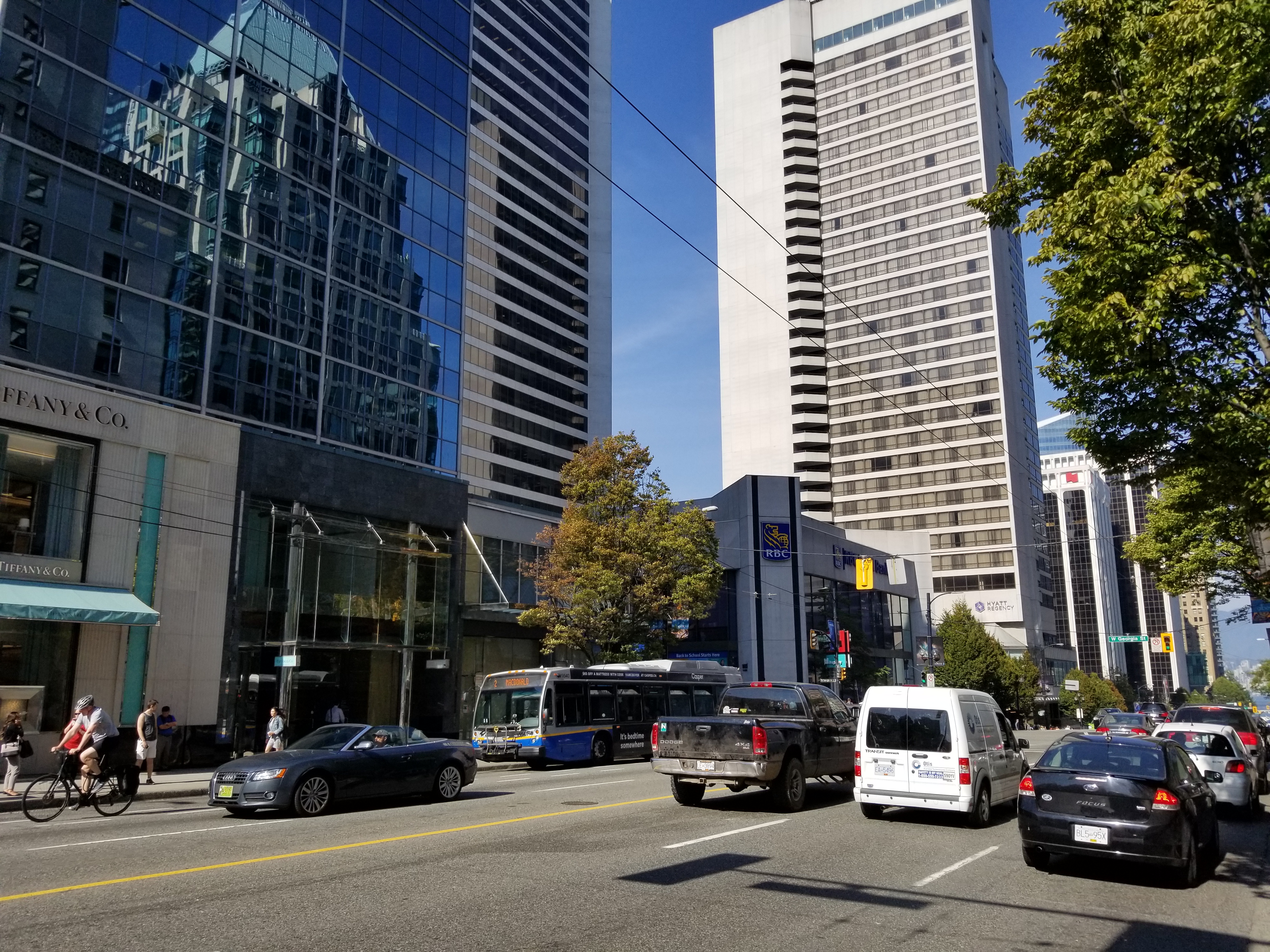
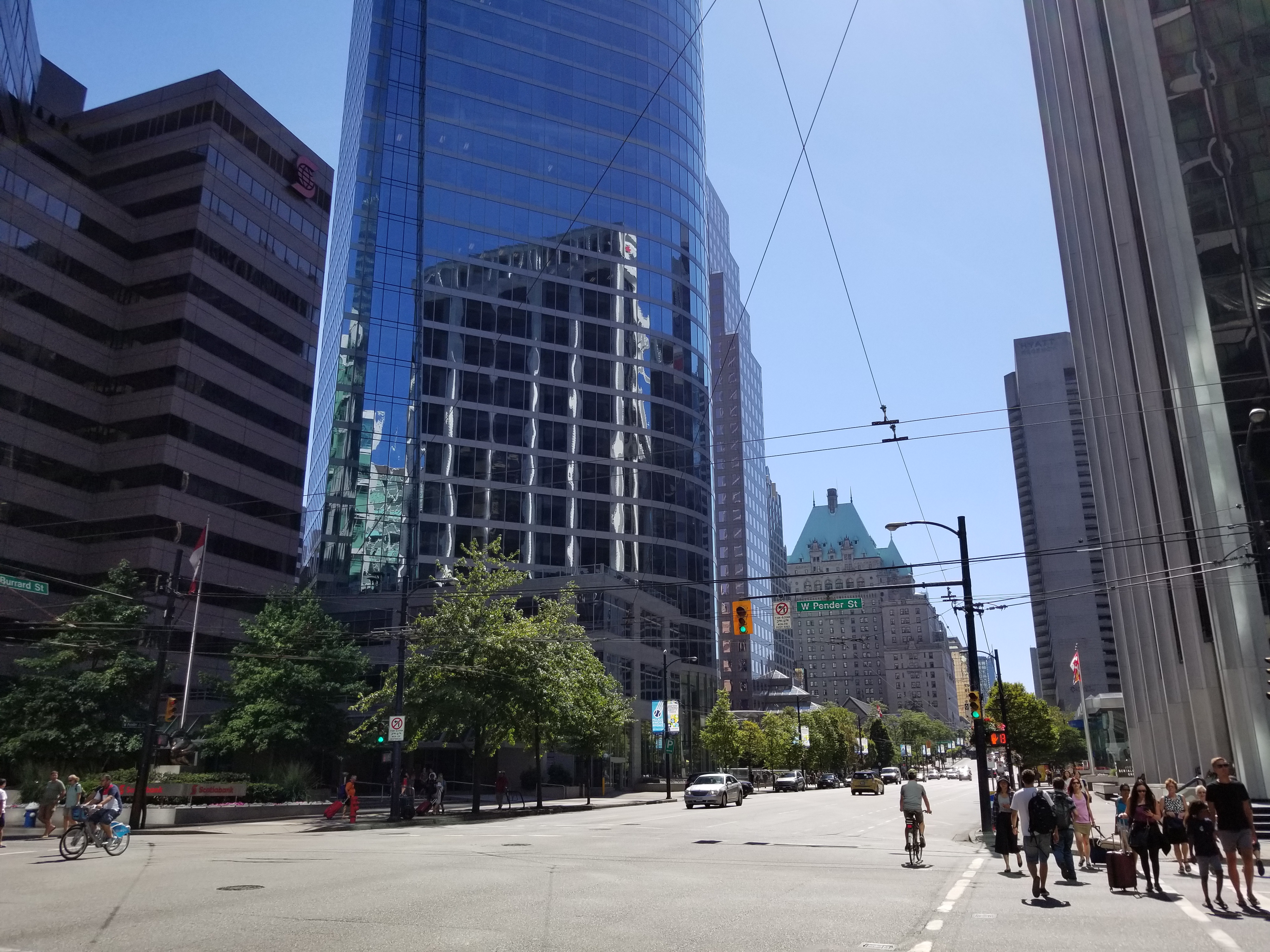
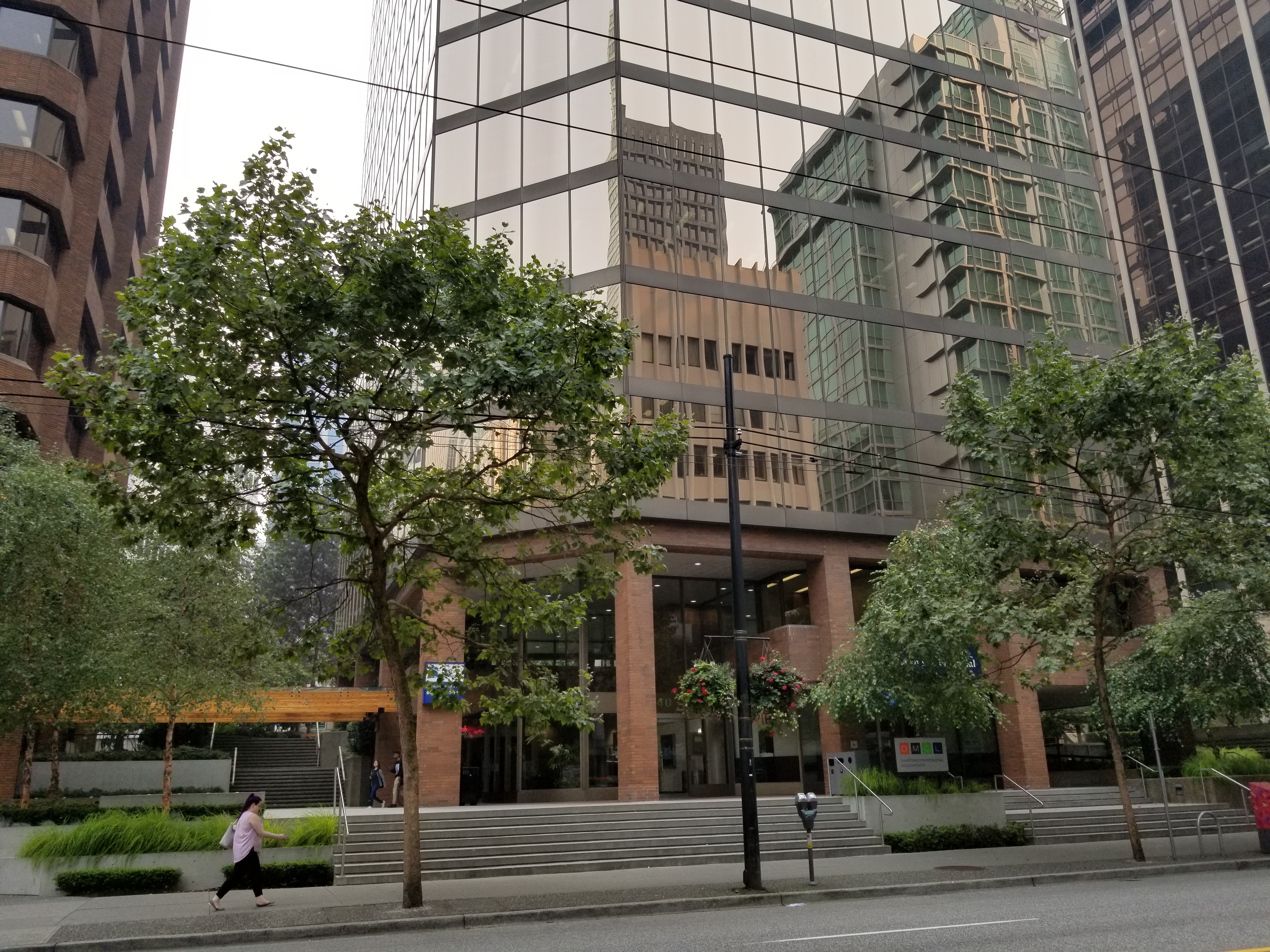
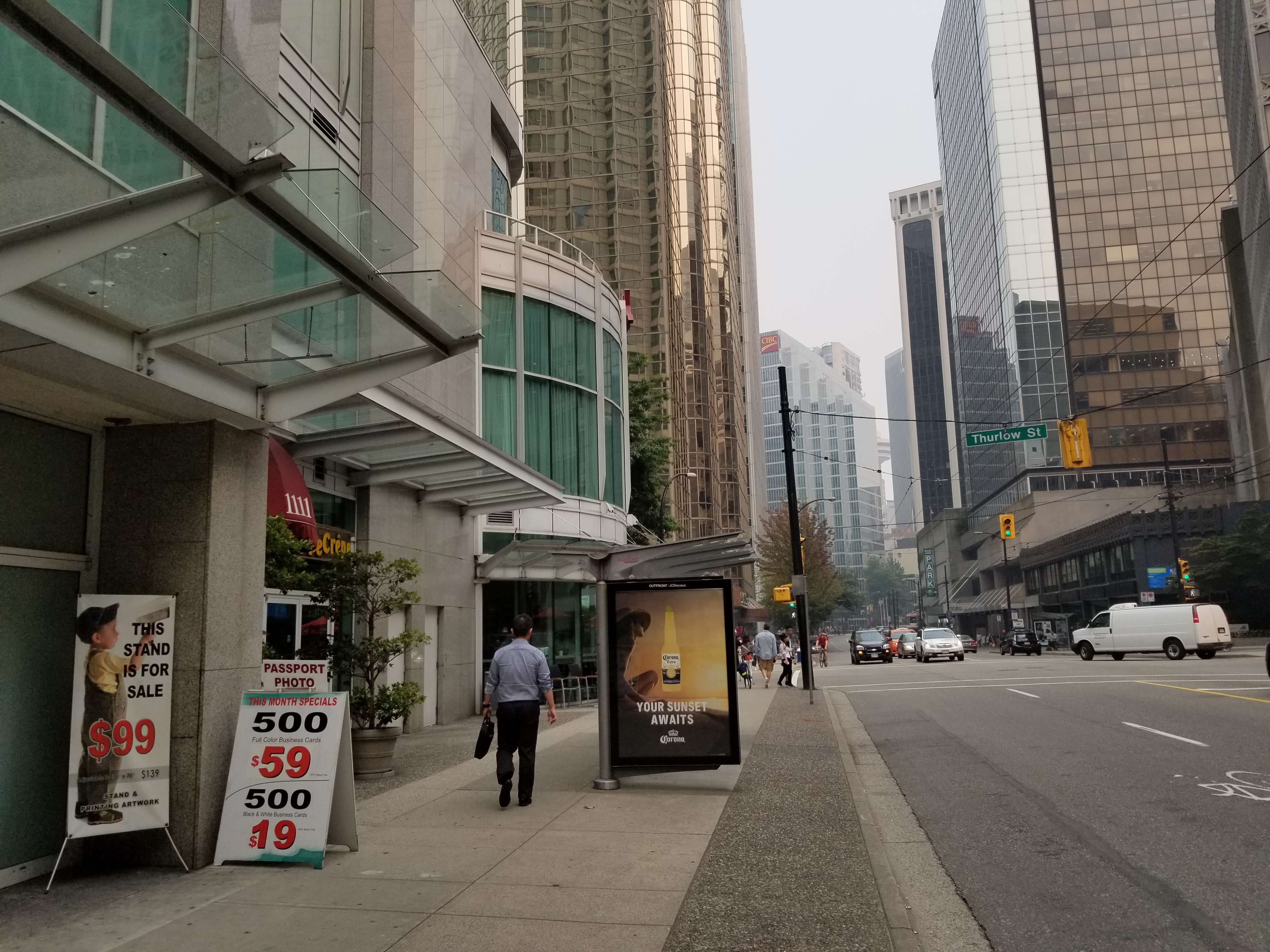
Burrard Street is a major thoroughfare in Vancouver, British Columbia, Canada. It is the central street of Downtown Vancouver and the Financial District. The street is named for Burrard Inlet, located at its northern terminus, which in turn is named for Sir Harry Burrard-Neale.
The street starts at Canada Place near the Burrard Inlet, then runs southwest through downtown Vancouver. It crosses False Creek via the Burrard Bridge. South of False Creek, on what used to be called Cedar Street before the completion of the bridge in 1932, the street runs due south until the intersection with West 16th Avenue.
The intersection of Burrard Street and Georgia Street is considered to be the centrepoint of Downtown Vancouver, along with the more tourist-oriented and upscale shopping-spirited intersection of Burrard Street and Robson Street to the south. At and due northeast of the centre is the heart of the Financial District. Further down closer to Vancouver Harbour stands the historic Marine Building, an Art Deco masterpiece, opened in 1930, two years before the Art Deco pylons of the Burrard Bridge at the opposite end of the street. Finally at the Harbour lies Canada Place and the Vancouver Convention Centre.
Nearer to Burrard Bridge is located St. Paul’s Hospital, established on Burrard Street in 1894.
Burrard Street served as the dividing line between the two district lots laid out on the downtown peninsula in the second half of the 19th century: District Lot 185 (now West End) and District Lot 541 (granted to the Canadian Pacific Railway). The two grids were oriented differently, with the result that only every third northwest-southeast street in DL185 actually continuing southeast beyond Burrard into DL541. Burrard currently serves as the boundary between West End and Downtown, as defined by the City of Vancouver.
Burrard Street is served by SkyTrain’s Burrard Station, located underground between the intersections with Melville and Dunsmuir Streets in the heart of the Financial District. Along the downtown portion, there is a bike lane on the southwest-bound direction towards the Burrard Bridge.






Conservative Leader Pierre Poilievre recently sat down with fellow angry nerd Jordan Peterson for a conversation that threatened to destroy what’s left of my sanity.
Seriously, though, over the course of the hour and forty minute interview, Poilievre exposed some genuinely worrying ideology and exposed several of the flaws in his economic logic.
It’s an immediate red flag when someone takes Peterson seriously.
It’s even worse when they sit down with him and discuss how “wokeism” is the real cause of hate crimes (yes, he said that) and call people concerned about climate change “environmental loons.”
I watched the entire thing. I barely made it out alive.
Please enjoy the fruit of my pain.
 Igor's Blog