


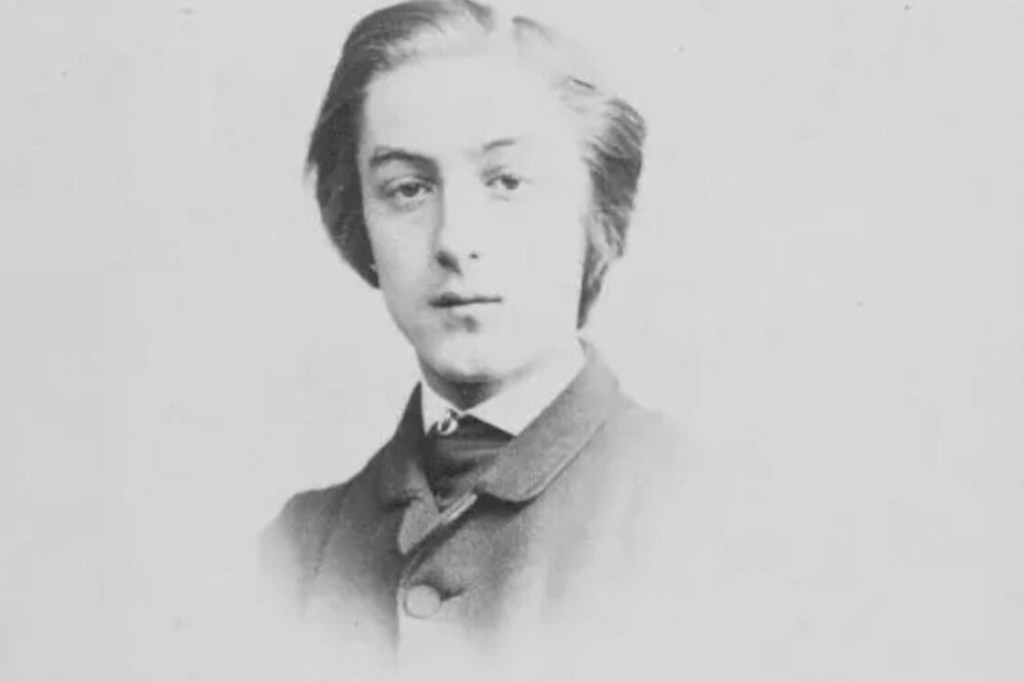
The English poet and Jesuit priest Gerard Manley Hopkins was born in Stratford, Essex, on July 28, 1844. His father, Manley Hopkins, was a successful businessman with literary interests who wrote books on marine insurance and columns and criticism on a wide range of topics. His mother, Kate Smith, came from a wealthy London family; her father was a doctor near Tower Hill.
Hopkins was educated at High Gate School and at Balliol College, Oxford, and converted to Roman Catholicism in 1866, following John Henry Newman. He destroyed his existing poetry, became a Jesuit novice, and after studying for a period in Wales, taught in Sheffield and then at Stonyhurst School, Lancashire. He was ordained a priest in 1877.
Hopkins became professor of Greek at University College Dublin in 1884, and lived in Ireland for the remainder of his life. These were unhappy years for him, accentuated by his poor health. Norman White (1992) wrote, “Hopkins’s powerful and original temperament, a strange mixture of innocence and expertise, of old prejudices and clear-sighted observations, worked against his achieving happiness and success” (p. vii). He died of typhoid on June 8, 1889, at the age of 44, and was buried in the same cemetery as the Irish patriots he so disliked.
Few of Hopkins’s poems were published in his lifetime, but his work was anthologized after his death. The first edition, edited by his friend Robert Bridges, appeared in 1918 — and he became a highly respected and influential poet. He is known especially for the device of “sprung rhythm,” whereby the numbers of syllables in lines may vary while the stresses remain the same. His best-known poems include “The Wreck of the Deutschland,” “The Windhover,” and “Pied Beauty.”
Hopkins wrote, “I always knew in my heart Walt Whitman’s mind to be more like my own than any other man’s living” (White, 1992, p. 340). Whitman is thought to have had Asperger Syndrome; this chapter presents the evidence that Gerard Manley Hopkins may have had the same condition.
Family and Early Life
Hopkins wrote in 1878, “I do remember that I was a very conceited boy” (White, 1992, p. 1). He was the eldest of a large family. His mother was very interested in history; his father, Manley, wrote widely and showed features that we later see in Gerard, “the most obvious being voracity of mind” (White, 1992, p. 5). Besides books on aspects of marine insurance, Manley produced “two books of poetry, a drawing room play … a historical account of Hawaii, and, with his brother Marsland, a book of religious poems, differing from his other poetry” (White, 1992, p. 5), as well as book reviews, articles, dramatic monologues, hymns, letters, poems to newspapers, and an unpublished novel. His library included works on the orders of chivalry, rose growing, astronomy, and piquet, and he was interested in mathematical calculation — he appears to have had Asperger-type interests. In Manley’s book The Cardinal Numbers, to which Gerard contributed, “facts become isolated from the argument in which they arise and, like the encyclopedic facts in Gerard’s diaries, are marveled at in their own right” (White, 1992, p. 6).
Around the age of 10, Gerard “was precocious and original, and his aesthetic preferences were decided. When he and (his brother) Cyril had some childish illness his mother found him crying, ‘because Cyril has become so ugly! From an early age he showed a combination of inventiveness and didacticism, which were to become a characteristic of his poetry” (White, 1992, p. 19). He was also very interested in drawing and sketching, with an eye for detail, and was well known at school for his comic and grotesque drawings. However, he did not fulfill his early promise as a visual artist. He became very interested in architecture and was influenced by books on the Gothic style, whose values he became “dictatorial and priggish” in advocating (White, 1992, p. 21). He was always a close observer of nature — persons with Asperger Syndrome are often great observers (e.g., Gregor Mendel, Charles Darwin). A cousin remembered that as a boy in the garden, Gerard would arrange stones and twigs in patterns.
White (1992) noted, “He had a clear, sweet voice as a child but could not read music, and in spite of the family interest in music never learned to play an instrument properly” (p. 22). Later he tried to play and compose, and had to teach himself out of a textbook by trial and error. At 10 years of age he was “small for his age and delicate-looking, his head large in proportion to his trunk and shoulders. Photographs of him in the junior school show his mouth hanging open, eyes hooded, with the top lids heavy and half-closed … His eyebrows were already permanently raised, with an appearance of sardonic superiority” (White, 1992, p. 24).
Hopkins developed several friendships in his last years at High Gate. For example, he had a rather intense and intimate relationship with a boy named Alexander Strachey, but Strachey rejected him, which upset and baffled him greatly. He had an Aspergerstyle difficulty in negotiating relationships. Thus, it appears the reason Strachey did not go for walks with him was that Hopkins had not asked him. Hopkins hoped to learn from this relationship. White (1992) said, “There is an overwrought quality — as well as an innocence — about the account of an exchange with Strachey” that Hopkins recorded in great detail and sent to another friend, E. H. Coleridge. Hopkins and Strachey never made up; Hopkins commented to Coleridge, “It is still my misfortune to be fond of and yet despised by him” (p. 34). This type of communication problem often occurs in persons with Asperger Syndrome.
Hopkins did not really do well at school, and it was not a happy period for him. He could not negotiate the school relationships satisfactorily. However, university relationships are of a different quality, and he performed better there from a social interactional point of view. At the university for a time, he was nicknamed “Poppy,” which may refer to his physique.
Social Behavior
For Hopkins, the Jesuits presented the most complete rational framework for resolving the problems of personality. Hopkins was hoping to impose on an unpredictable existence a sense of rightness and order, even at the price of putting himself out of joint, in some respects, with personal and national culture. In any event, his oddness and strangeness were merely exaggerated by his position as priest (White, 2002).
According to White (1992), “When the poems show an encounter between his private self and the outside social world it is seldom a happy one” (p. 381). Hopkins had major difficulties in behaving in socially appropriate ways. For example, while he lived in Dublin he was befriended by the McCabe family of Donnybrook, whom he often visited. One evening when taking his leave, he shook hands with McCabe and then held his hand out for the penny tram-fare (White, 2002).
In 1865, Hopkins wrote in a poem of “the incapable and cumbrous shame” that made him “more powerless than the blind or lame” in his dealings with other people. “His tendency was to find books more attractive than tutors; however authoritative he pretended to be, a book was a tool, which could be used as his impulse suggested” (White, 1992, p. 75). Solitude seemed preferable to him to company. In Dublin, 20 years later, he wrote, “To seem the stranger lies my lot, my life/Among strangers.” The sense of being a stranger, of not fitting in, is common in people with Asperger Syndrome; this also reminds one of Temple Grandin’s “anthropologist on Mars” metaphor.
In Dublin, Hopkins became known as “a small, shy, almost insignificant man” (White, 1992, p. 383) — he made little impact, and is hardly mentioned in the numerous Dublin memoirs of the time. It seems that he was soon forgotten in Ireland, and was invisible to Irish eyes. “In the classroom he was unable to cope with discipline, said a student, and never really won the confidence and affection of his pupils” (White, 1992, p. 385).
He was “twitted by his colleagues in the same sort of way as he was ragged by his pupils” (White, 1992, p. 385) — none of them intended to hurt him, and probably did not realize how sensitive he was. As a priest, he preferred his people to be unquestioningly devoted to authority, and therefore preferred to work with the poor in Lancashire rather than the educated and affluent in Oxford.
Hopkins had a harsh superego and was primarily homosexual — he “apparently never experienced guilt-free sexuality.” He was scrupulous in detecting weaknesses of the flesh and “always anxious about the moral problems of physical beauty,” whereas in fact “Nothing goes beyond glances, awareness, and ‘temptations’: the objects of attraction remain at a distance” (White, 1992, p. 114). Sexual “sins” were a major preoccupation; he would look up “dreadful words” in the dictionary. White (1992) commented, “When he gave up the idea of being a professional painter, because it placed too great a strain on his emotions, he was probably basing his decision on such temptations: ‘evil thoughts’ occurred to him while he was drawing, particularly when he drew a crucified arm, and a crucifix of his Aunt Kate’s stimulated him in the wrong way” (p. 114). This suggests either sadism or masochism and excitement about it. According to White, “His reaction to his indiscriminate sexual feelings was a desire not to resolve but to crush them. His judgment by absolutes combined with sexual inexperience to produce a standard of female purity that was narrow even by the standards of the 1860s” (p. 129). White also pointed out the almost complete absence of women from Hopkins’s writings, “except for virgin martyrs” (p. 164). He also felt guilty about idleness, inattention, lack of concentration, and spending time frivolously — just like Ludwig Wittgenstein, who had Asperger Syndrome (Fitzgerald, 2004). After a frivolous day Hopkins wrote, “Idling. Self-indulgence. Old habits [masturbation]. No lessons. Talking unwisely on evil subjects. Wasting time in going to bed.” “By daily identification of shortcomings, Hopkins hoped for self-improvement, but weaknesses continued to show themselves” (White, 1992, p. 119).
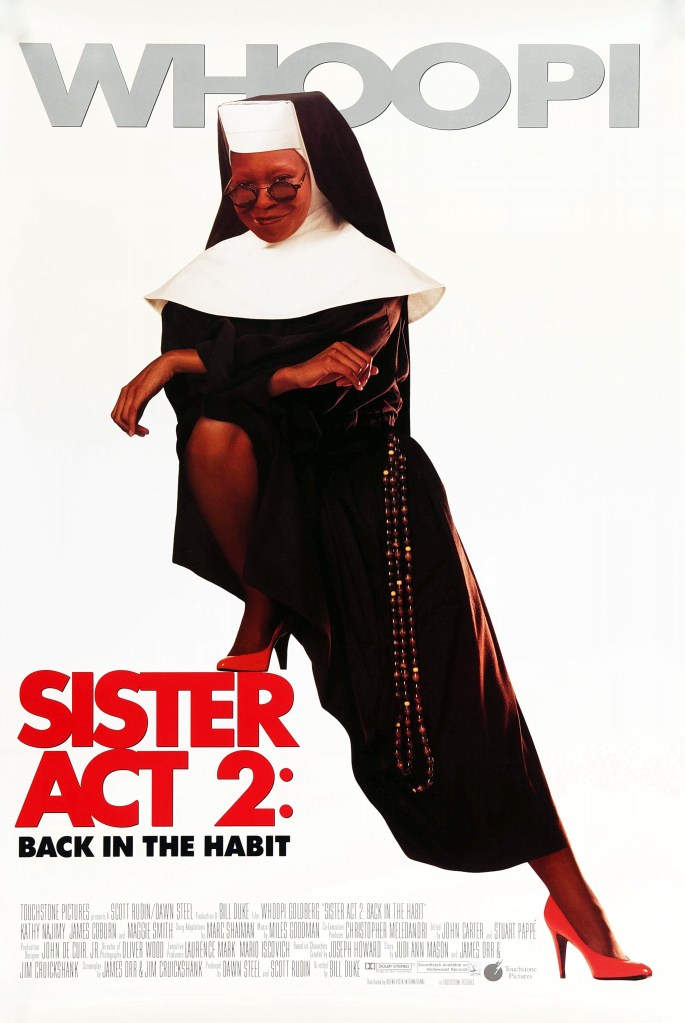
Hopkins was extremely scrupulous. He wrote “The Wreck of the Deutschland having read in The Times about an incident in which a ship foundered in the mouth of the Thames, causing the death of some nuns who had been expelled from Prussia. He mentioned it to his rector, who said that someone ought to write a poem about it — so Hopkins did. It seems that “Particular aspects of this martyrdom appealed to him, and the event seemed to contain hidden messages and symbols: the German and English national implications, the reported cry of the tall nun, the number (five) of the nuns” (five being the number of Christ’s wound’s; White, 1992, p. 250). Hopkins appears to have been preoccupied with nuns.
Narrow Interests/Obsessiveness
“Hopkins’s arrogance, reinforced by stubbornness, surfaced when he pursued one of his compulsive lines of interest. He had to choose his own questions, work out judgements according to his own rules and impulses, and find answers in his own time … His obstinate independence of mind was constantly deflated by his recognition of areas of ignorance where he needed authority” (White, 1992, p. 75).
White (1992) also pointed out that Hopkins sometimes despaired at his apparent inability to control himself and his destiny. His solutions were typically impractical and extreme; his work was sometimes neurotically elaborate. He attempted to simplify his problems and evade his demons by complete submission to ancient comprehensive ideological systems; he became a Roman Catholic and then a Jesuit.
Hopkins was interested in linguistics and etymology, as persons with Asperger Syndrome often are. He became fluent in Latin and Greek. He frequently wrote about birds and animals — persons with Asperger Syndrome are often interested in nature. He was also fascinated by skyscrapers, as was Wittgenstein.
After more than a year in Dublin, “he had become not only more isolated but more intense and eccentric. Subjects which he could not argue about aroused an unbalanced dogmatism. Strange and disproportionate passions, not sanctioned by events, appear in his letters, and show why his reputation for eccentricity increased among the Irish” (White, 1992, p. 398).
For a period, Hopkins “bombarded his friend (Mowbray Baillie) with wild linguistic surmises, observations of obscure etymological coincidences, and demands for answers to questions on Egyptian language and mythology. Baillie had to expend midnight oil and patience to keep up with the constant letters and postcards — three were sent on one day” (White, 1992, p. 414). One wonders if Hopkins went through a mild hypomanic phase when he was doing this.
Routines/Control
Hopkins’s social outlook was conservative. In Dublin, he was “indignant at the lack of respect his students showed him as a priest” (White, 1992, p. 17). He was suspicious of enjoyment, and, according to White (1992), frequently looked on beauty as a forbidden sweet, rather than as an essential of life.
Joining the Jesuits did not make much sense except as an Aspergertype decision: Indeed, it was a masochistic decision probably aimed at appeasing his cruel superego. The Jesuits’ bodily penances of the time, which involved beating themselves, would somewhat appease the autistic superego and also give masochistic gratification.
Language/Humor
Hopkins was extremely interested in words, as we have seen. In his writings, he tended to use an elaborate, convoluted style of language, which could be seen as “Asperger language.” Sometimes he sounds a “medieval note” . Persons with Asperger Syndrome, as they seem out of place or out of time, are often said to be like characters from the medieval or renaissance periods. This was true of the French avant-garde composer Erik Satie, for example (Fitzgerald, 2005).
There appears to be little evidence of Hopkins having a sense of humor apart from occasional practical jokes, such as blowing pepper with a bellows through a keyhole.
Lack of Empathy
Hopkins “never mentioned his father’s job in letters, and showed no awareness that his comfortable home and education were dependent on his father’s hard-won income and social position” (White, 1992, p. 5).
He was seldom tactful where art was concerned. In his assessments of his friends’ work, he was more likely to blame than to praise, and to show insensitivity to personal feelings — this would be characteristic of someone with Asperger Syndrome. At his first meeting with the poet and critic Robert Bridges, who became his friend, Hopkins “crudely and uningratiatingly… tried to question the reserved Bridges on his morals, as though he were Bridges’s parish priest,” according to White (1992, p. 303). This was tactless.
Hopkins was a strong imperialist. While in Ireland, he was never able to put himself in the other person’s position and look on Irish politics from an Irish point of view: The Irish sympathies he developed before he set foot in Ireland had narrowed or vanished (White, 2002). This would suggest a lack of balance and empathy.
Hopkins also showed his lack of empathy in an unintentionally amusing sermon he gave at supper in the community refectory in Wales one evening. The gospel of the day had been the feeding of the five thousand, and Hopkins took as his text the sentence “Then Jesus said: Make the men sit down.” White (2002) suggested that he must have seen its ordinariness as a challenge to his powers of imaginative transformation and expansion. The sermon was not a success. After 15 minutes he had clarified neither argument nor purpose. He tried to rectify the situation by repeating the key phrase, Make the men sit down. Hopkins’s voice was inclined to become shrill and lose authority when raised. His ineffective dramatization proved too much for the audience, and people laughed at it prodigiously. The last five minutes of the sermon were not delivered.
Naivety/Childishness
Hopkins never developed sexually and “never grew out of eccentric experimentation; after his death people remembered how as a Jesuit master he had shinned up a goal-post to cure a pupil’s toothache, how he had rescued a monkey by climbing along a dangerous ledge” (White, 1992, p. 69). Persons with Asperger Syndrome tend to be novelty seeking in nonsocial situations.
Hopkins was always being misinterpreted. “He was ‘so naive and simple,’ said John Howley, one of his students, that he ‘neither suspected he was being ragged, [nor] was able to see that remarks of his were open to misreading.” He once said that “he regretted that he had never seen a naked woman: this said in all simplicity opened up a new chance for ragging, and was perhaps even solemnly misunderstood” (White, 1992, p. 385).
While Hopkins was on a break in Monasterevin in Ireland, “On a long walk he was given a lift by a man in a cart. After some time he asked if they were now near Monasterevin; the reply was ‘We’re not, then, but we’ll be coming into Portarlington presently.’ Hopkins had not asked the man which way he was going, and they had been traveling in the opposite direction” (White, 1992, p. 495).
Hopkins showed “naive emotional reactions” in political matters; for example, in his near-hatred of William Gladstone. He was a “naive imperialist,” according to White (1992, p. 157). While a Jesuit novice, in letters to his mother, he recounted with childish enthusiasm the injustices meted out to Catholics in Spain and Poland.
When he was studying in Wales, the older Jesuits regarded his enthusiasm for the Welsh language as naive.
Moods
Hopkins suffered a great deal from depression; for example, June 1865 was a time of despondency and inertia when he could not get up in the morning or go to bed at night, and solitude seemed preferable to company. In 1885 he wrote,
The melancholy I have all my life been subject to has become of late years not indeed more intense in its fits but rather more distributed, constant, and crippling. One, the lightest but a very inconvenient form of it, is daily anxiety about work to be done, which makes me break off or never finish all that lies outside that work. It is useless to write more than this: when I am at worst, though my judgment is never affected, my state is much like madness. I see no ground for thinking I shall ever get over it or even succeed in doing anything that is not forced on me to do of any consequence. (White, 1992, p. 394)
During a retreat in the Irish midlands in 1889, he said that he felt the loathing and hopelessness that he had often felt before. Fear of madness had made him give up the practice of meditating, except when on retreat. He complained a great deal in his letters, and showed a high level of self-pity. The Irish poet William Butler Yeats remembered him as “a sensitive, querulous scholar” (White, 1992 p. 425).
Identity Diffusion
During the second half of 1865, Hopkins thought he had passed through a crisis of identity. “The old self was repudiated, but he had not yet knitted together the valuable pieces of his past. It is doubtful if he ever achieved complete coherence — he seems always afraid of his unconquered demons, and took strong measures to keep them down … Beneath the simple and apparently external form of Hopkins’ apostasy lay a complex act of repudiation, involving an inability to come to terms with his own temperament” (White, 1992, p. 129).
It would appear that joining the Catholic Church was a way of trying to resolve his identity diffusion or confused identity. The Catholic Church was more rigid and therefore more attractive than the Anglican Church for someone lacking a strong core self. In another sort of identity confusion, White (1992) refers to clashes between Hopkins’s poetic and priestly personae.
Appearance/Demeanor
In Dublin, many of his characteristics — appearance, way of talking, mannerisms, and so on — appeared typical facets of an English aesthete. Hopkins became known in Dublin as a small, shy, almost insignificant man; he was considered effeminate and stood out by, for example, wearing the kind of slippers that young girls wore at that time (White, 2002).
Conclusion
From the above, we feel that it is highly probable that Gerard Manley Hopkins had Asperger Syndrome.


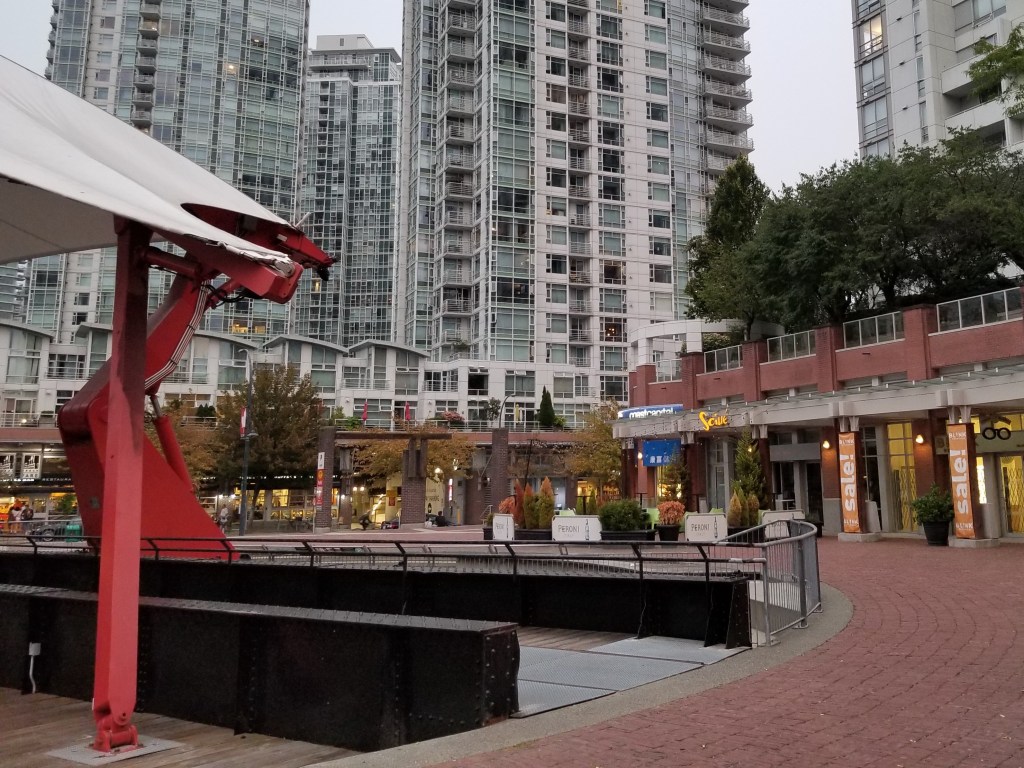
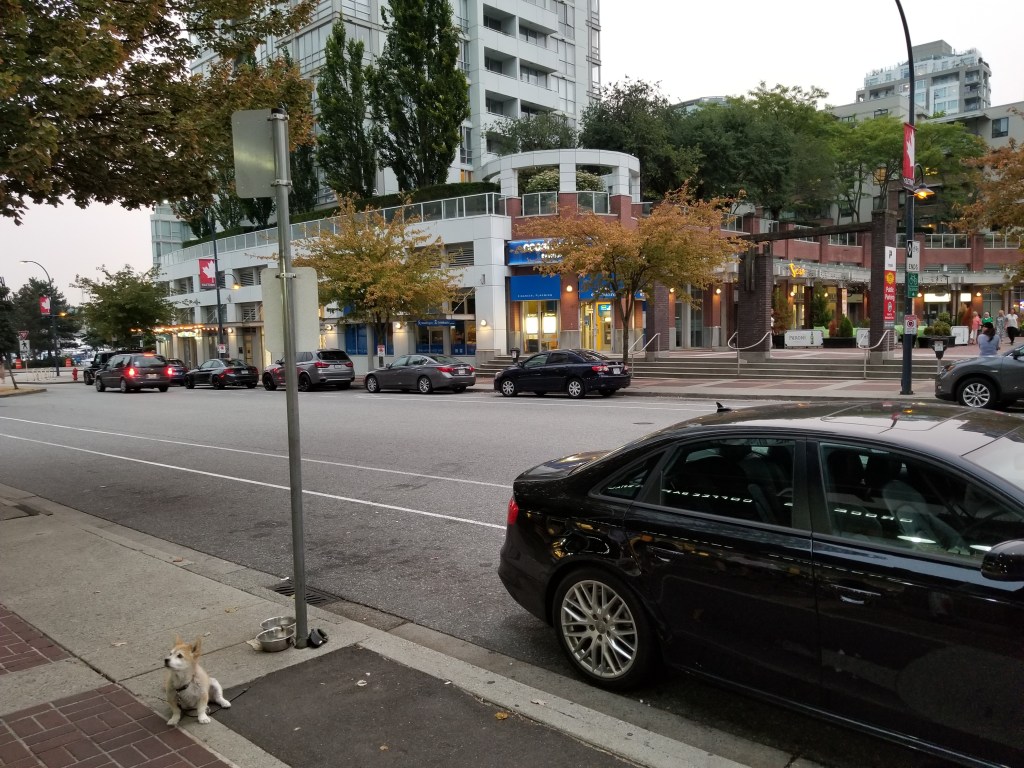
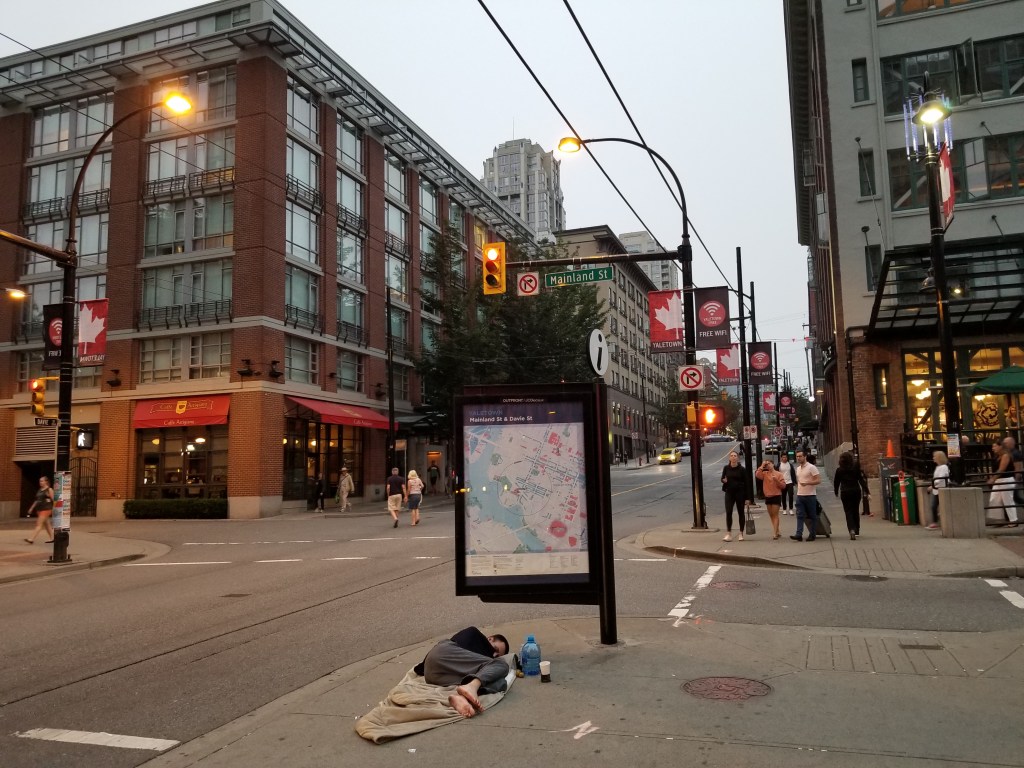
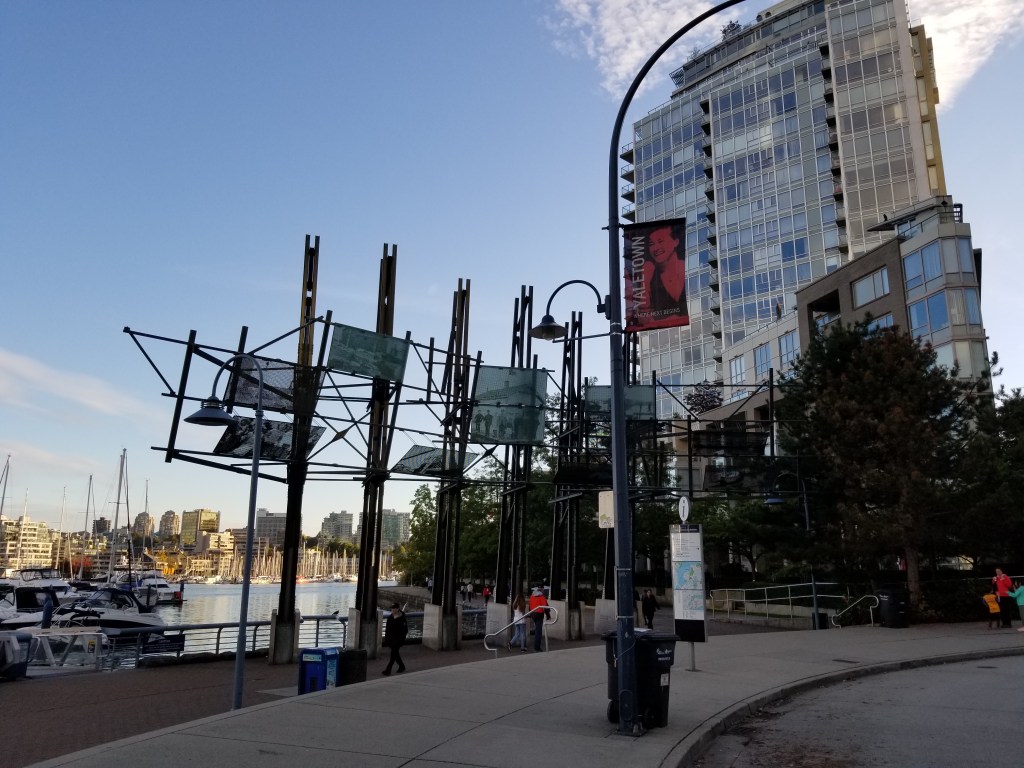
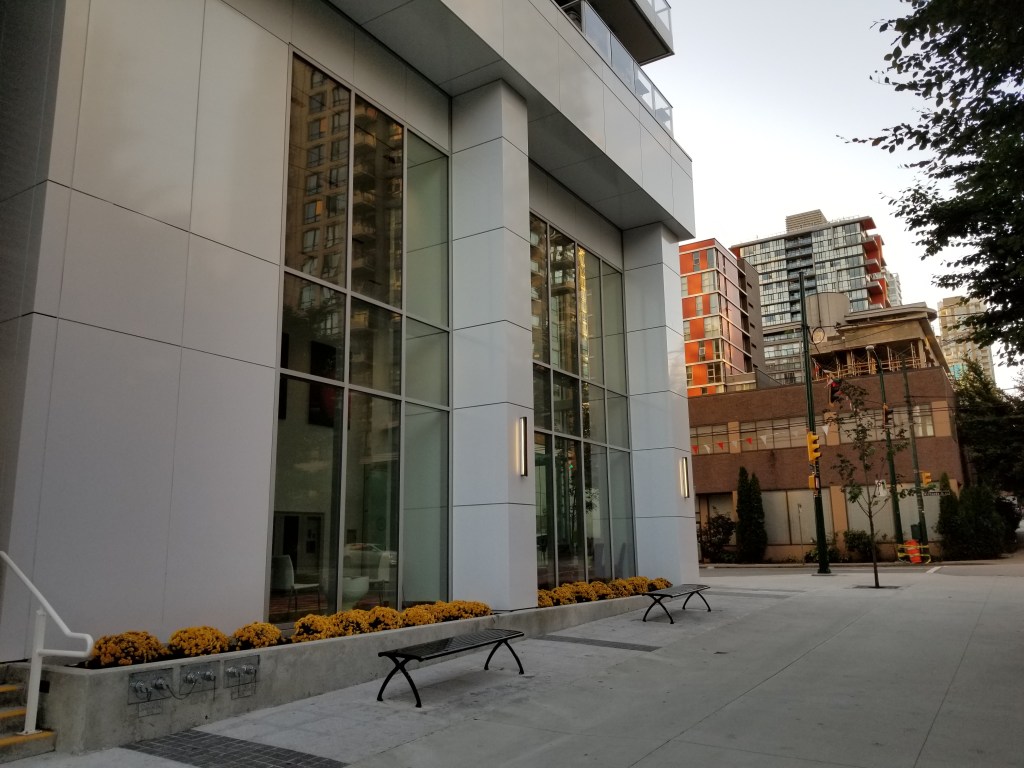
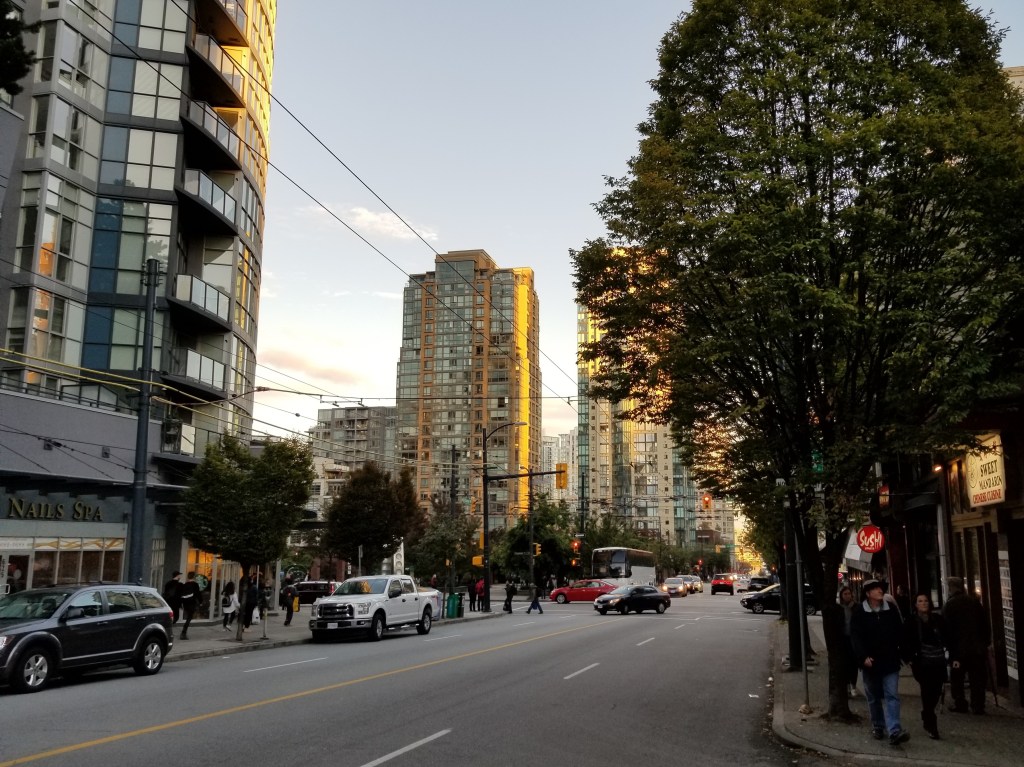

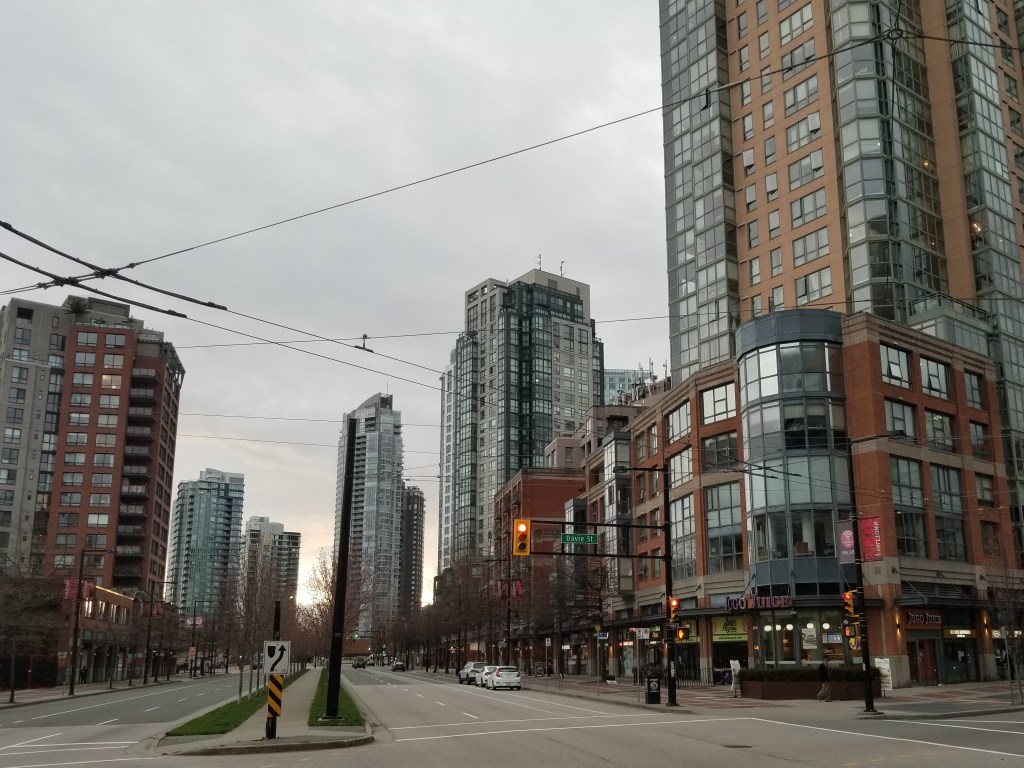
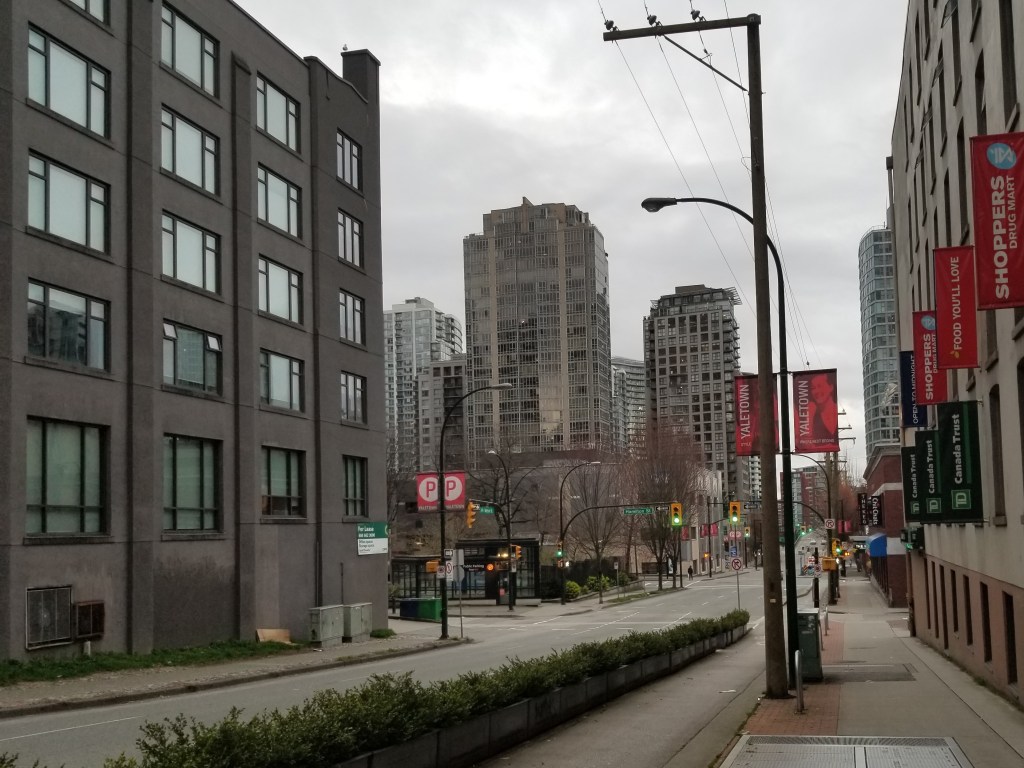
Davie Village (also known as Davie District or simply Davie Street) is a neighbourhood in the West End of Vancouver, British Columbia, Canada. It is the home of the city’s gay subculture, and, as such, is often considered a gay village, or gaybourhood. Davie Village is centred on Davie Street and roughly includes the area between Burrard and Jervis streets. Davie Street—and, by extension, the Village—is named in honour of A.E.B. Davie, eighth Premier of British Columbia from 1887 to 1889; A.E.B’s brother Theodore was also Premier, from 1892 to 1895.
Along Davie Street are a variety of shops, restaurants, services, and hotels catering to a variety of customers, in addition to private residences. The business with the most notoriety is Little Sister’s Book and Art Emporium (“Little Sister’s”), a gay and lesbian bookstore, because of its ongoing legal battles with Canada Customs that have received extensive national media coverage. Many businesses and residents along Davie Street and in the West End generally also fly rainbow flags as a symbol of gay pride, and many of the covered bus stop benches and garbage cans along Davie Street are painted bright pink.
The Village hosts a variety of events during the year, including the Davie Street Pride Festival which runs in conjunction with Vancouver’s annual Gay Pride Parade, during which sections of the street are closed to motor traffic.
Davie Day is also held each year in early September, to celebrate local businesses and the community itself. This Day is designed to build awareness and promote the surrounding businesses, and is focused around Jervis to Burrard Street.
The Davie Street Business Association coined the name “Davie Village” in 1999 and also commissioned banners from local artist Joe Average, which fly from lampposts in the district. The two-sided banners depict a rainbow flag on one side and a sun design by Average on the other.
Davie Village is also home to the offices of Xtra! West, a biweekly LGBT newspaper, Qmunity (formerly the Gay and Lesbian Centre) which provides a variety of services for the city’s lesbian, gay, bisexual, and transgender residents, and the Vancouver Pride Society, which puts on the annual Pride Parade and Festival.

The Siberian city of Norilsk, located just above the Arctic Circle, is currently in a state of emergency after 20,000 tons of oil spilled in the Ambarnaya River, according to CNN. A fuel tank at a power plant, which is owned by a subsidiary of Norilsk Nickel, completely collapsed, which ultimately turned the body of water bright red, and contaminated a total of 135 square miles of water.
“The incident led to catastrophic consequences and we will be seeing the repercussions for years to come… We are talking about dead fish, polluted plumage of birds, and poisoned animals,” Sergey Verkhovets, coordinator of Arctic projects of Russia’s WWF branch, said in a statement. Needless to say, the environmental affects of Russia’s latest oil spill will be totally destructive.
When the plant’s storage tank collapsed due to “unexplained compression” on Friday, May 29, the plant, which is owned by Norilsk Nickel, chose not to report it right away, according to Eco Watch. They attempted to contain the spill themselves, and President Vladimir Putin didn’t find out about it until Monday, June 1, when the region’s governor, Alexander Uss, had seen disturbing photos of the mess on social media.
“Why did government agencies only find out about this two days after the fact? Are we going to learn about emergency situations from social media? Are you quite healthy over there?” Putin asked Sergei Lipin, the head of NTEK, which is the subsidiary that owns the plant. After learning of the spill, Putin declared a state of emergency, and hired outside aid to help with the clean-up process. The plant’s director, Vyacheslav Starostin, is also in custody through July 31.
Between the obscene amounts of oil that leaked, combined with the time it took to respond to the issue, and due to the sparse roads surrounding the river, cleaning the river will be an extremely difficult task. According to The BBC, it could take between five and 10 years to fully clean, and could cost up to $1.5 billion. Russian environmentalist Oleg Mitvol reportedly said there had “never been such an accident in the Arctic zone.”
The Russian Investigative Committee (SK) has deemed this a “criminal case,” based on the amount of pollution that stemmed from the spill, as well as the alleged negligence in terms of informing authorities of the spill.
Although this may be the second largest oil spill in Russian history, oil spills unfortunately occur on a regular basis in the Eastern European country. According to The Seattle Times, the Russian Economic Development Ministry once estimated that a total of 20 million tons of oil are spilled every year.
The last major oil spill in Russia took place in 1994, and wiped out tremendous amount of plant life, animals, and fish. Respiratory disease skyrocketed among surrounding residents in local villages by about 28 percent in the following year, and although the effects of this recent oil spill haven’t been determined yet, they’re bound to be equally astronomical.
Russia’s oil spill is seriously devastating, but hopefully, justice will be served to the allegedly negligent parties involved.
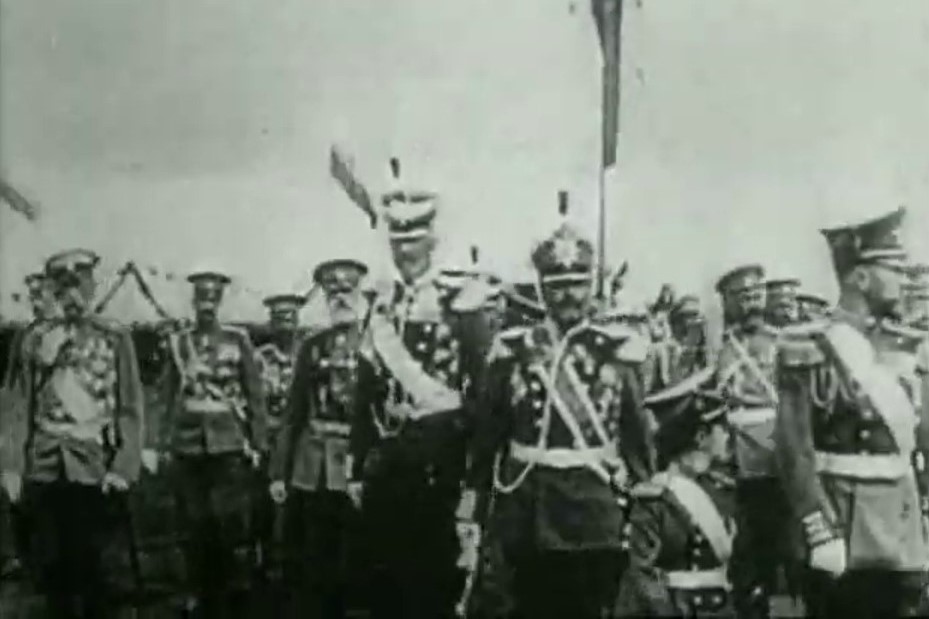
Russian revolutions of 1917. Overview of life in imperial Russia and of consequences of war. Food revolts lead to February Revolution, the Czar abdicates. The Provisional Government continues the war, Germany helps Vladimir Lenin return to Petrograd. Failure of Kerensky Offensive, widespread desertions, October Revolution. Germany supports independence of Ukraine and Finland, forces the punitive Treaty of Brest-Litovsk on the Bolsheviks.
The Great War is a 26-episode documentary series from 1964 on the First World War. The documentary was a co-production of the Imperial War Museum, the British Broadcasting Corporation, the Canadian Broadcasting Corporation and the Australian Broadcasting Commission. The narrator was Michael Redgrave, with readings by Marius Goring, Ralph Richardson, Cyril Luckham, Sebastian Shaw and Emlyn Williams. Each episode is c. 40 minutes long.
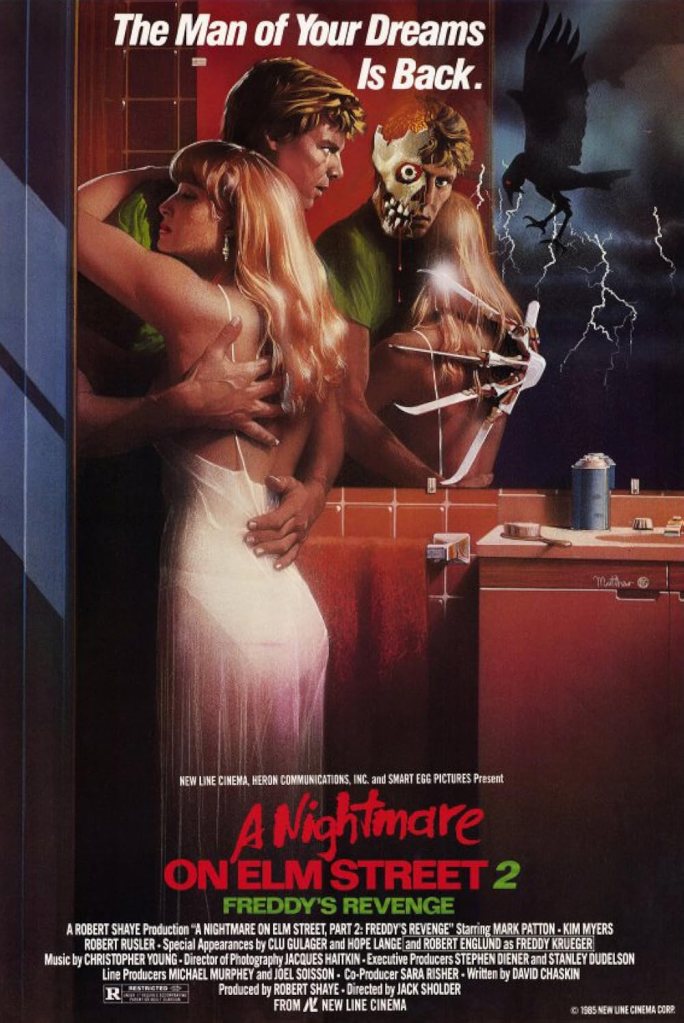

Looking at why Bloober Team doesn’t understand the original Silent Hill 2’s aesthetic, cinematic atmosphere or gameplay.
Either because of sheer incompetence or through trying to undermine the artistic merit of the original, SH2R feels like a streamer miniseries. Thanks for watching.
Timestamps:
0:00 Introduction
01:04 OG Silent Hill 2 and Remakes Overall Feel
04:34 Silent Hill 2 Remake Full Analysis and Comparisons
10:04 Closing Thoughts

Viticulture was introduced to this fertile region of Aquitaine by the Romans, and intensified in the Middle Ages. The Saint-Emilion area benefited from its location on the pilgrimage route to Santiago de Compostela and many churches, monasteries and hospices were built there from the 11th century onwards. It was granted the special status of a ‘jurisdiction’ during the period of English rule in the 12th century. It is an exceptional landscape devoted entirely to wine-growing, with many fine historic monuments in its towns and villages.
Brief synthesis
The territory of the Jurisdiction of Saint Emilion is located in the Nouvelle Aquitaine region, in the department of the Gironde. It covers 7,847 hectares. Delimited to the south by the Dordogne and to the north by the Barbanne stream, it is composed of a plateau (partly wooded), hillsides, concave valleys and a plain. Eight communes comprise the Jurisdiction, which was established in the 12th century by the King of England, John Lackland, Duke of Aquitane.
The landscape of the Jurisdiction of Saint Emilion is a monoculture, comprised exclusively of vines that were introduced intact and have remained active until today. Viticulture was introduced into this fertile region of Aquitaine by the Romans and intensified in the Middle Ages. The Saint Emilion territory benefited from its location of the Pilgrimage Route to Santiago de Compostela, and several churches, monasteries and hospices were built as of the 11th century.
This long wine growing history marked in a characteristic manner the monuments, architecture and landscape of the Jurisdiction. This alliance of the built and the natural, of stone, vine, wood and water, has created an eminent cultural landscape.
Before viticulture secured its place in the Middle Ages and the Renaissance, castles were built on dominant sites to serve seigniorial residencies. However, the “chateaux” of the vineyards were located in the centre of their domains. They date from the mid-18th century to the early 19th century.
The villages are characterized by modest stone houses dating from the early 19th century. Intended for the vineyard workers, they were never more than two storeys high and were grouped in small hamlets. The chais (wine storehouses) are large rectangular functional structures built in stone or a mixture of brick and stone, with tiled double-pitched roofs.
At Saint Emilion the most important religious monuments are the Hermitage or Grotto of Saint Emilion, the Monolithic Church with its bell tower, the medieval monastic catacombs and the Collegiate Church with its cloister. This ensemble, mostly Romanesque in origin, clusters around the pilgrimage centre of the hermit saint. There is also a group of secular monuments, including the massive keep of the Château du Roi and the ruins of the Palais Cardinal. Romanesque churches are present in each of the other seven villages. The enormous Pierrefitte menhir is in the commune of Saint-Sulpice-de-Faleyrens.
Criterion (iii):The Jurisdiction of Saint Emilion is an outstanding example of an historic vineyard landscape that has survived intact and in activity to the present day.
Criterion (iv): The historic Jurisdiction of Saint Emilion illustrates in an exceptional way the intensive cultivation of grapes for wine production in a precisely defined area.
Integrity
The integrity of the landscape and the harmony offered by the ensemble of the site are due to the permanence of the vine culture, and the productive organization of the territory. The constructions or village ensembles do not correspond to a single architectural design, but are, as testifies the historic heart of Saint Emilion, the result of a long evolution over several centuries, from the 7th century and throughout the 19th and 21st centuries.
The communities have enjoyed the best part of the characteristics of the territory and develop their activities and life style, without destroying it. The culture of the land, the exploitation of the quarries, the urban establishments and development, and the construction of religious edifices and houses have all created a landscape in perfect harmony with the topography and resources of the place.
Authenticity
Although the Jurisdiction is today confronted with a decreasing population and the weakening of sub-soil due to the quarries, it remains a dynamic living territory, integrally conserving its wine growing tradition, looking to the future.
Protection and management requirements
In 1986, a safeguarded sector was created under the “Malraux” Law of 1962.
Apart from individual protection measures for buildings in application of the Heritage Code, (Historic Monuments), protection measures and town planning and enhancement documents ensuring the development of the territory have been established to preserve the site and to manage it in the continuity with its inscription on the World Heritage List: a voluntary heritage charter in 2001, a territorial project in 2004, a local urbanism plan for each of the eight communes in 2007, six of which are within the boundaries of the property and two in the buffer zone, as well as a protection zone for intercommunal architectural, urban and landscape heritage in 2007.
The Safeguarding and Enhancement Plan (PSMV) of the remarkable heritage site of the town of Saint Emilion was approved in 2010. A flood risk mitigation plan (PPRI) and a Plan for the Risk of Land Movement (PPRMT) for the concerned communities has also been prepared. A Management Plan for the property was also prepared in 2013. In particular, it deals with diminishing populations due to housing problems and the lack of available land resources and specifies development conditions for the property to render it compatible with the preservation of its Outstanding Universal Value. In cooperation with the services of the State, solutions are advocated to enable a better landscape integration of the recently constructed chais.
Seven Natural Zones of Ecological, Floral and Faunal Interest (ZNIEFF) concern the territory. These are sectors particularly characterised by their biological interest. The ZNIEFF of the communes of Saint Christophe des Bardes and Saint-Laurent des Combes protect the faunal and floral interest of the wooded “Mediterranean Belt” of the Jurisdiction. The Dordogne is concerned both by a ZNIEFF and by a Natura 2000 zone.
 Igor's Blog