
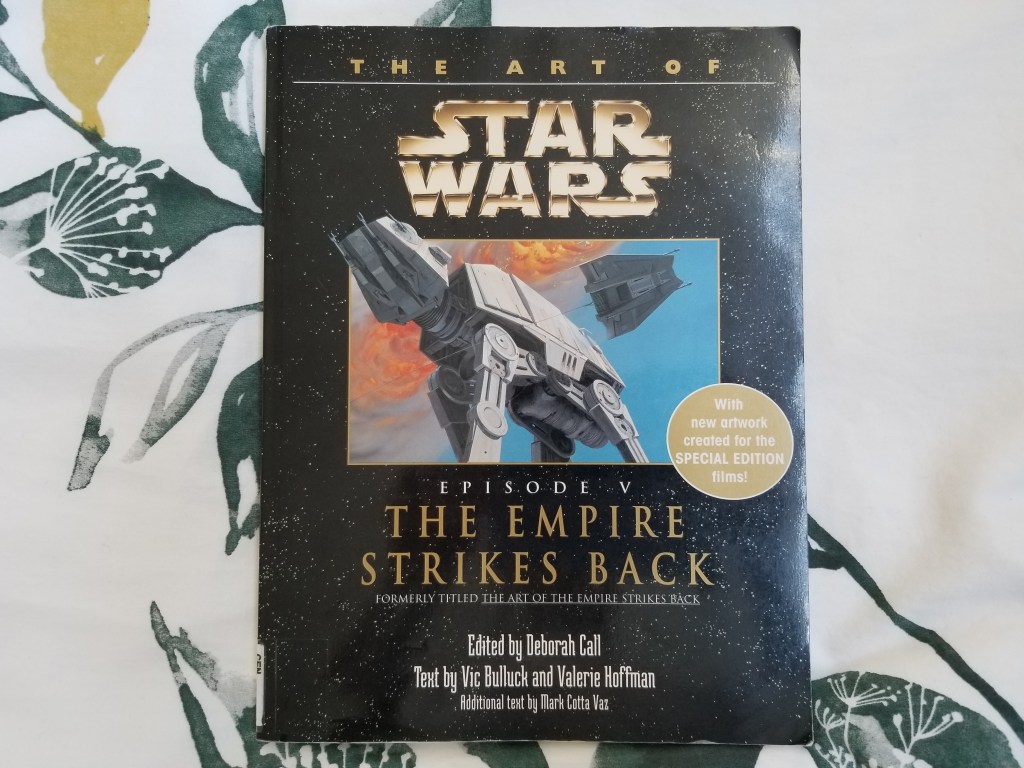
Now reading The Art Of Star Wars: Episode V – The Empire Strikes Back by Deborah Call…

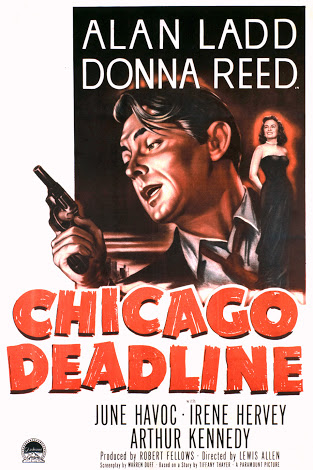
There’s a scene early in the 1985 martial arts film The Last Dragon that features a variety of New Yorkers at a screening of Bruce Lee’s Enter the Dragon. Bikers, breakdancers, brawlers, and a young man known as Bruce Leroy are watching, shouting, and even fighting along with the martial arts classic, before it’s all broken up by the meanest, the prettiest, the baddest mofo low down around this town… the Shogun of Harlem. As cartoonish and wonderful as that scene may be, it was based on an actual screening of the Bruce Lee film that screenwriter Louis Venosta attended with his then-girlfriend on the 10th anniversary of the icon’s passing in 1983.
“Have you seen this guy Bruce Lee?” Venosta recalls asking her before heading to a Times Square theater to join a crowd of fans that he compares to another cult classic. “It was like The Rocky Horror Picture Show, where everybody was dressed in those kung fu suits and the shoes, they were carrying on mock fights in the aisles, it was a lot like that scene in the movie,” he tells us. “They all knew the words to the movie, they were all saying the words out loud and I looked at my girlfriend and said, ‘Are you seeing what I’m seeing?’ And she said, ‘I think I’m seeing what you’re seeing.’”
What they saw became the inspiration for Venosta’s next writing project. The former Fame dancer had already written two screenplays for “very serious dramas,” one of which earned him a Writer’s Guild of America fellowship. This time, however, he was inspired to write for the stage. He told his girlfriend that he saw the kung fu as the dancing in a “hilarious Broadway musical.” Fortunately she saw the bigger picture.
“She said, ‘Are you stupid? It’s a movie. Don’t do it as a show. It’s a movie,’” Venosta remembers. “We were walking and I said, ‘So, who’s the guy?’ I was running through names of friends of mine from Brooklyn and I said, ‘Leroy.’ And she said, ‘Yeah, Bruce Leroy.’ I was actually reading the Shogun novel and I thought, okay, it’s Bruce Leroy and the Shogun of Harlem. I’m going to make it a Brooklyn-Harlem thing. Six weeks later, it was written. The kung fu movie structure was obvious. It was one of the easiest things, honestly, I ever wrote.”
He had the movie theater scene, a hero who was teased for being different, a tough bad guy from the other side of town, and then the “shaggy dog story,” about how the hero had to embark on a journey before realizing what he sought was in front of him the whole time. The rest of the story came from Venosta’s own multi-racial background, as he describes himself as “one of these guys who’s always floating on the periphery of all these cultural tribes.” That’s evident from the concept of a black man obsessed with Bruce Lee’s talents, philosophies, and style, as well as secondary characters like the three jive-talkin’ Chinese Sum Dum Goy employees, who spend their time on the street, lip-syncing to “Sukiyaki Hot Saki Sue.”
“I was always very cognizant of the culture swapping that went on,” Venosta says. “I always thought it was funny, in this particular case you had these black and Hispanic guys who had embraced this Chinese hero. You’d walk through Chinatown and you’d see Chinese guys breakdancing. It was New York but it was also my particular eye for this kind of cultural phenomenon of the culture swapping. I was friends with guys like Mario Van Peebles at the time. We were all sort of part of a little group. We always talked about those blaxploitation films; there was always that dialogue. And I went, but they’re all bad guys. There really should be a young black kid superhero-type figure who kids can look up to with a positive aspirational thing.”
Venosta wrote the screenplay to be his directorial debut, although his version wouldn’t have been so over the top as the movie we know. After finishing the screenplay in six weeks, it took Venosta’s agent four weeks to sell it to a producer named Suzanne de Passe, who brought Motown into the loop. The next thing Venosta knew, he was on a flight to Los Angeles to meet with Berry Gordy.
“It was interesting,” Venosta says of meeting the music legend whose name would eventually be attached to the title of the film. After spending a few weeks living in Gordy’s Bel Air estate, Venosta moved into a place with director Michael Schultz so they could begin their rewrites. The writer’s version would have differed mostly in style, as his Shogun character would have been “a tough dude from Harlem,” and not a guy wearing ridiculous shoulder pads and those awesome ‘80s glasses. However, as he looks back on the film 31 years later, he admits that it might not have had the same success and cult following without those changes. But he still knew his idea was gold.
“I always thought the movie would be a big hit.”
Enter the New (and Last) Dragon
Had it not been for some fortuitous word of mouth, the martial artist making his acting debut as Leroy Green, Jr. in The Last Dragon would have been Tae Bo creator Billy Blanks. But a young kickboxing champion named Taimak Guarriello caught wind of the film and casting through his friends in the martial arts tournament scene, and like most teenagers he didn’t have a clue what was in store for him beyond 18. A career in acting seemed like “a pie in the sky dream,” he remembers, but he gave it a shot, figuring his martial arts skills could certainly win him the role. Of course, with zero acting experience, it was more likely that his audition would be memorable for all the wrong reasons.
“I grew up watching a lot of the Shaw Brothers kung fu stars and obviously Bruce Lee,” the actor and now author who goes simply by the name Taimak now tells us. “The instructor I was training with back then was Ron Van Clief, and also a friend of my mother’s was a dance choreographer on the film and he got me an audition. I did horrible because I never knew what a cold reading was and I thought, as a young guy, that I would just go in there and do some great martial arts moves and they’d like me. I ended up in an office with about three feet of space around me and part of the script in my hand, and I was totally thrown off. So, I eventually kept working on it but when I came to try to get another audition I was told that they already had another actor but they were going to give me an audition anyway. I ended up getting the role and they let go of the other actor.”
“It wasn’t a tough choice to make,” Venosta says of casting Taimak as the film’s hero. “There weren’t a lot of guys who could actually pull off the stuff this guy needed to be able to do. Billy was actually, again, more like the Brooklyn kid I had envisioned. But I think Taimak was fantastic.”
So, what was it about Taimak that made him perfect for the role? Despite the actor not matching Venosta’s vision of the film’s hero, the writer remembers liking Taimak’s soft-spoken nature, while Schultz seemingly found the perfect man for his own vision of the film’s hero. “Michael said that I had a quality that was like Bruce Leroy in the sense that there was an innocence yet street,” Taimak explains. “Since I was from New York City, I had a thing going on that they liked. But also being a martial artist in real life and being somewhat like the Leroy character, I guess they thought I had something that would resonate.”
Taimak wasn’t alone in terms of inexperience. Leroy’s love interest, Laura Charles, was played by Canadian singer and model Denise Matthews, better known as Vanity, who had three minor acting roles in 1980. Co-star Faith Prince had two small roles before she became the would-be pop starlet Angela Viracco. Glen Eaton also made his acting debut as Johnny Yu, Leroy’s cocky but comically inept sidekick, while a young Ernie Reyes, Jr. helped beat up Sho’nuff’s henchmen. Even William H. Macy and Chazz Palminteri padded their résumés with bit roles as J.J. and Hood #2, respectively.
Eaton was 14 years old in 1972, when Bruce Lee starred in The Chinese Connection and The Way of the Dragon, and he remembers being fascinated by the icon to the point that he and his brother would emulate his talents in their own fake fighting. That was the extent of his martial arts “training” in life and for The Last Dragon, but it was perfect for his character, Johnny Yu, who excelled at showing off the moves but didn’t have the guts to actually use them.
“It’s different,” Eaton explains of the film’s concept. “It was a comedy martial arts. It’s not typical. The picture was made very well, so when I saw the picture I was much more impressed with the way they made the picture, how well it was done, and the script was good but it was the picture. I was like, wow, they really brought it to life.”
Schultz, who is now 78 and still directing episodes of TV shows like Arrow and Blackish, already had more than a decade of experience behind the camera, directing hits like Cooley High, Car Wash, and Bustin’ Loose and the notorious flop musical Sergeant Pepper’s Lonely Hearts Club Band. The young actors were also aided by the presence of Julius Carry III, who had a solid TV background by the time he played Sho’nuff, and Christopher Murney, who played the ultimate bad guy, Eddie Arkadian, and made his acting debut in 1968. The film wasn’t exactly in line with what Murney was used to, but he enjoyed working with the younger actors: “They were fun, they were eager, they were young, they were willing to learn.”
“They all bring something entertaining to the film,” Eaton adds. “As the years go on, people still like it and other people watch it for the first time and they like it because they’re entertained. It’s a good message, and I think that’s, a lot of times, what we want.”
The Legend of the Shogun of Harlem
Sadly, some of the actors who made this film so special have died over the years, all of them far too early. Leo O’Brien, who played Leroy’s younger brother Richie, passed away in 2012 at 41, while Carry died from pancreatic cancer in 2008 at age 56. In February, Vanity died from renal failure. She was 57.
“She was trying to pursue a more wholesome type of character because she was doing those pretty steamy music videos,” Taimak remembers of his first and only big screen love interest. “Berry Gordy asked me if I thought she was the right one and I told him ‘yes.’ Not only because she was gorgeous but because she had something that the other actresses, although may have been better actresses, didn’t have. And he hired her.”
Carry’s performance was arguably the most important in terms of cult status, as the simple question “Who is the master?” is bound to elicit shouts of “Sho’nuff!” Taimak says that he and Carry had some “pretty interesting encounters” during the filming of The Last Dragon, but it was all for the sake of chemistry. “He would not like the fact that I thought he was funny and start fights with me, but then run away when it got serious,” Taimak laughs. “So we had a fun time. Everybody was very passionate about doing a great job so everybody supported each other.”
“He was just a terrific actor,” Eaton says of Carry. “I crack up every time I see him in the film. Especially that anger. He’s never happy, so he’s constantly expressing that hostility. That’s what makes his character fun. Rather than a serious, evil, mean guy, he’s funny to watch. Funny to watch him get all angry and his big ego, and so that’s part of the thing with the picture. You’re able to laugh and enjoy the good guys and the bad guys, all the characters.”
Had Venosta had his way, the Shogun character would have never been so outrageous. He wanted a tougher, meaner, more serious guy to represent Harlem in his war within NYC, but he’s certainly happy with the way that Carry portrayed the villain.
“I would never have thought to put Sho’nuff in these shoulder pads,” he admits. “He would have been a tough dude from Harlem. Immersed in the kung fu culture but not this cartoon incarnation, which again, today I like. I actually love what Julius did with it. And interestingly enough, part of where that came from was they hired a Broadway guy to do the costumes. He was kind of like that character in The Producers. And he came up with this look and I was kind of like, ‘Huh?’ But it works. Again, I think it ended up adding a great aspect to the film that, again, is not a choice I would have made but a choice I’m happy was made.”
The Lighter Side of Villains
What helped make Sho’nuff such a great bad guy was the presence of the cartoonishly sinister Eddie Arkadian, who was forced to recruit all of the city’s toughest brawlers to take down Leroy for protecting Laura Charles and beating up all of Eddie’s hapless muscle. The mobster character was influenced by Schultz and Gordy, as Venosta thought it was the most “over the top move” of all of the film’s over the top aspects, but he still liked Murney’s performance. And Murney, being the veteran actor of this cast, decided that Eddie would be best suited being as cartoonish as possible.
“He was straighter in the beginning and I just kept pushing it further, seeing how far I could take him,” Murney explains. “Michael just let me go and if it was too much Berry was always on set. Sometimes they would say, ‘Well, that’s too far,’ and then I’d either agree with it and pull back or let it go and see what happens, see how it plays. There was one scene that we shot, the first scene that we shot in the film where some money was exchanged with Sho’nuff, and they had gone through all of the trouble of putting me in a hairpiece. In that scene, I came back and they said, ‘Jeez Chris, we’ve got a problem, we gotta lose the piece.’ And I said, ‘Well, let’s just ditch it, we don’t need it.’ They said, ‘What do you mean?’ And I said, ‘Well, just leave it. It doesn’t matter. It’s in the middle of the movie and Eddie’s just a cartoon character anyway. Just don’t explain it, just leave it.’ And they did.”
For a newcomer like Faith Prince, who played Murney’s on-screen love interest, working with someone who was pushing it “too far” or just far enough came with a dilemma. She had to keep herself from breaking. “Chris Murney was hilariously funny,” she says. “The hardest thing for me was to get through scenes being committed and not laugh because it was just so outrageous. Chris Murney is brilliant. It was all we could do to commit to every scene like it was this heightened drama, and we were just cracking each other up.”
The bigger problem with taking his performance to the creative limit was that it almost cost Murney an eye. In his fancy office, Eddie’s brother Rock, played by Mike Starr, keeps a fish tank with a giant-but-unseen meat-eating fish. When Leroy arrived in ninja gear to rescue Laura, of course he had to dunk Eddie’s head in the mysterious, bubbling vat. But when they filmed that moment, the pipe that produced the bubbles proved more dangerous than one of Leroy’s throwing stars.
“If you go back and look at the scene again, you’ll see that when my head is pulled out of the tank there’s a little cut right above my eye,” Murney says. “When I dunked my head in on this particular take, I didn’t realize how close I was and I missed my eye by about an inch when I did that shot. By an inch. The bubble pipe just hit me right in the forehead, right above my eye. And you can see a little blood mark of where it hit my forehead.”
Eddie was driven by a desire to see his girlfriend, Angela, succeed as a pop singer, so he chose the rational course of action: kidnapping Laura, the host of an MTV-style dance show, and forcing her to air Angela’s bizarre music videos for songs like “Dirty Books” and “Test Drive.” If Eddie was cartoonish, then there isn’t a word to properly describe Angela, but Faith’s performance earned high praise.
“Faith was hilarious, she was wonderful,” Venosta says. “She’s still one of my favorite things in the movie. Not quite the way I wrote Angela but an extreme version of it.”
It goes without saying that Angela was inspired by Cyndi Lauper, as Prince recalls Gordy even asking her to “come to Motown to be our Cyndi Lauper.” Gordy was so serious about creating a pop star within a movie that he even presented the idea to Prince as a new career option, she says. She took it as a compliment, naturally, but Prince’s heart was in acting on screen, not playing a character in the real world.
Still, Gordy was receptive to Prince’s input for this secondary character. In filming the music videos, she remembers working with “the hottest guys on the scene,” as if they were filming actual videos for MTV. But when Gordy recut the song and took it in a different direction, Prince was confused because she liked the original and thought it was better for the story and her character. She wasn’t trying to question a musical genius, but when she did, he called her up to his hotel room for a conversation.
“I walk in the door and there are two bodyguards and they usher me in, and Mr. Gordy is sitting in his room and he’s got one boombox on the left of him and one boombox on the right,” she recalls. “He had the original cassette of the thing we laid down on the left and he had his cut in the cassette on the right. He said, ‘I thought we’d just take a listen.’ We listened to both and he looked at me and he said, ‘You know, for your young years, I wish I had 10 people around me like you. You are not a young person.’ I said, ‘No sir, I’m not.’ He said, ‘You’re right, the story is better in the first cut.’”
Years later, Prince attended a party at actress Allison Janney’s house where guests were required to bring their most embarrassing acting footage. There was a big screen set up in the back of the house and everyone would watch and laugh at each other’s select moments. Prince’s footage was one of the music videos from The Last Dragon, but instead of laughing along with it, she says, the guy playing the clips shut it off. Why? “He goes, ‘You’re too convincing,’” she recalls. “It’s like you’re really trying go for it, like good acting. But that footage, even though I was doing it to be funny, it held up much better than anything there because it was so committed.”
Next Stop: Broadway?
From Busta Rhymes recreating Sho’nuff’s look in his 1997 music video for “Dangerous” to UFC fighter Alex Caceres calling himself “Bruce Leeroy,” there’s never a shortage of tributes to this film. Earning $25 million at the box office, the film was a hit despite less-than-glowing reviews. Its quotability, catchy music, and all-around campiness have since made it a massive cult classic. In fact, as we interviewed Venosta, a fan interrupted to let him know how much he loves the movie. But that’s rather tame compared to some of the more diehard fans.
“Two couples, separately, told me they got married because of the movie,” Taimak remembers. “They were dating and either the wife or the husband was such a fan of the film that they just played it for their wife or husband and they fell in love watching the movie. It became part of their jargon when they talk to each other. The man would say, ‘Who’s the master?’ And she would go, ‘I am!’ It integrated into their lives and then people at their jobs would use all the different lines from the film. The lines are just iconic, so memorable.”
If the movie was a box office success, fans adored it, and everyone enjoyed working on it, why was there never a sequel? “Ten, maybe 15 years ago I started getting emails from people: ‘Why isn’t there a sequel?’ I was like, ‘Well, nobody’s asked me to do a sequel,’” Venosta laughs. “I don’t know why there’s not a sequel. If somebody wants to do a sequel, I’ve got ideas for sequels. It wouldn’t be hard to do a sequel. I don’t think a remake would be very interesting. I don’t think you’d want to do it like they remade Karate Kid. I think you could still sequelize it, there’s still an opportunity to introduce a young character who would interact with an older Taimak.”
In Taimak’s appropriately-named autobiography, The Last Dragon, he includes a treatment and some ideas for The Last Dragon sequel that never happened. People have certainly thought about making the follow-up and even a remake, as terrible as that thought may be, but the actor says the decision ultimately rests with Sony Pictures and Berry Gordy’s son, Kerry. Perhaps there’s a good reason as to why this particular movie remains remake-free.
“I don’t know about a remake because it’s like remaking Michael Jackson,” Taimak says. “You have something so loved and so unique, how do you remake Michael Jackson? How do you remake Bruce Lee? People say that I gave them that vibe of when they watch Bruce Lee, because there was something about when they saw me in this film. And I was being myself but he was a hero of mine and he still is. You can copy or be inspired but you’ve got to be yourself. The movie has to be its own thing.”
Not having experience in martial arts or pop music, Murney originally saw the film as a paycheck, and he’s still pretty shocked today that it’s such a cult phenomenon. “It’s nice that it turned out that way,” he says of the fan following, but he thinks it’s better that there was no sequel, and certainly no remake. “I don’t know if you can call it lighting in a bottle, but it’s close. It just came together and it worked. They’d be making a mistake if they tried to do a remake only because the danger of a remake, it’s always going to be compared to the original. So that’s a chance you take.”
In 2008, it was reported that Wu-Tang Clan member and The Man with the Iron Fists director RZA was working on a remake of The Last Dragon and he was focused on landing Rihanna to play the Laura Charles role. His pick for Bruce Leroy was Chris Brown, even after the singer assaulted Rihanna, because he thought a good guy role could serve as damage control. In 2009, RZA said that he and Samuel L. Jackson (reportedly cast as the new Sho’nuff) were working with Sony and the Gordy family to tell a new version of this story, but he didn’t believe the script was good enough. And as recently as 2014, RZA was still defending his desire to remake a cult classic, comparing it to laundry detergent. But that’s the last we’ve heard of it.
That doesn’t mean, however, that we’ve heard the last of Bruce Leroy. The Gordys and Sony may control the big screen destiny of Bruce Leroy, but Venosta still has stage hopes for his Brooklyn hero.
“Because I had originally envisioned it that way, I carved out the Broadway rights in my contract,” Venosta reveals. “I actually could do it without asking anybody. It’s the question of finding the time to do it, and sit down and do it. In fact, one of these people sent an email to Bruno Mars saying, ‘Hey, Louis wants to do a musical of The Last Dragon, want to write some songs?’ This was just two days ago. So, if Bruno Mars calls me I’ll be like, ‘Let’s go.’ That would blow my mind. It can be Bruno, it can be Alicia Keys, it can be Jay Z, it can be any of them. There are some great songwriters and musicians that I think the fun part is, I’m curious to find out who are the obsessive fans of The Last Dragon that would like to go, ‘Yeah! Let’s do a Broadway musical!’ That’s what’s nice about it, it has this energy that I don’t have to convince people that it would be a fun idea. It has its own energy.”
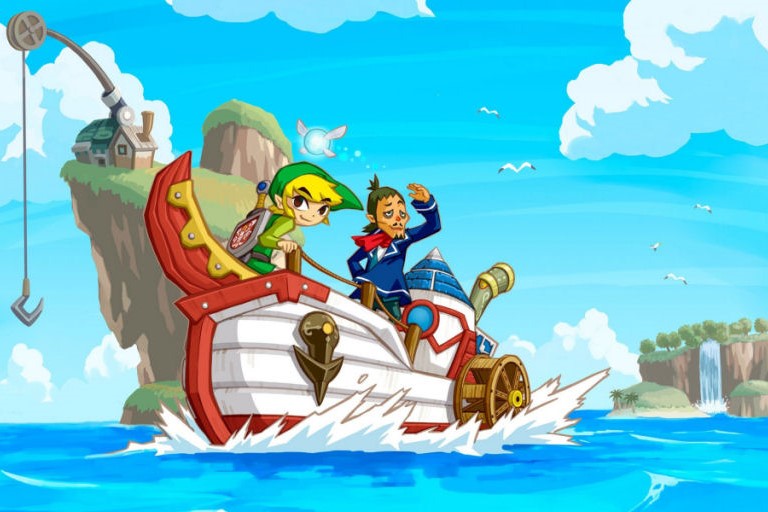
In some people’s Zelda codec, boat = monotony. Wind Waker’s Triforce trawl and irksome wind realignment did for many of you, leaving jaded gamers in its wake. Well, get over it. Although a canonical continuation of Wind Waker, this is a custom-built DS outing, determined to deliver more than a control-scheme makeover. From the moment Link plunges his hand into a chest and pulls out… nothing at all to an off-key discovery jingle, you know you’re in for something quite different.
Ignoring the under-nourished connotations; Hourglass is Zelda Lite – throwing out the end-of-the-world bombast that producer Eiji Aonuma usually can’t resist. Ganondorf’s gone and the only thing standing in the way of Link’s life of leisure is a phantom ship that whisks away his pirate chum Tetra. Hardly a classic villain – it’s a boat for crying out loud – but it fits perfectly with the scale of this particular adventure. Hourglass is a smaller, tightly choreographed romp – a portable experience through and through.
Gone is the sprawling ocean, wisely squeezing all the islands into a two-by-two world map that takes only five minutes to circumnavigate. Unlike Wind Waker, where the lonely doldrums above water made those few submerged Hyrulian moments oh-so-special, PH knows not to push its luck – you just chart a course on to the map with the stylus, and off you go.
Music soars, seagulls tailgate your vessel and Link stands proudly on deck, beaming at the impressive draw distance. This would have been enough for us soppy romantics, but Nintendo know more is needed to keep people on board (har har). And so golden frogs explode from the ocean froth, horse-racing fences rise and need a tap of the jump icon to traverse, and a variety of pirates and marine-based nasties taste canon ball, courtesy of highly responsive screen-tap cannon attacks.
Link is drawn towards the stylus like a moth to a flame, giving him a fluidity of movement that far surpasses the old-school dual axis movement of previous handheld Zeldas. With silky movement at their disposal, the designers are allowed to lob all manner of dexterous spatial tasks Link’s way.
Via some supernatural means, the titular Phantom Hourglass enables Link to wander the temple without choking on pink fog – but only as long as the sand flows. Guarded by the armored chasers, you have to traverse each floor without wandering into their Metal Gear-ish cones of vision – they’ll give chase should they spot you. One swipe from their swords and it’s back to that floor’s entrance, minus some time. Padding out the stealth sections of Wind Waker and combining them with the level of puzzling usually reserved for the toughest dungeons means you’ve got a Zelda innovation of serious note.
Deeper floors reveal new dungeons on the “outside” containing the items and sand required to go deeper still. You’d think the back and forth would grow tiresome, but the Sea King’s Temple has been designed with repeat visits in mind. It’s a stunning piece of level design, constantly unfolding in surprising new ways.
And items? How did we cope before? When you realize that the boomerang can spell out your name, there’s no question what a godsend stylus-driven items are. Not simply content with giving you huge amounts of control – drawing intricate paths for the boomerang and bombchu never grows old – they’ve found new things to do with the most tired of items. If the hookshot’s tightrope tricks don’t make it into the next Wii Zelda, there are going to be some angry letters.
Handheld honing will annoy some factions of the Zelda community, though. Despite sporting a solid 15-hour story, side quests aren’t as plentiful as we’d hoped. Cannon-shooting minigames and letter delivery tasks are fine, but the main “fairy stones” task is somewhat voided by it only really kicking in after the main quest – which was when you actually needed the power-ups offered as a reward. However, this is a tiny gripe.


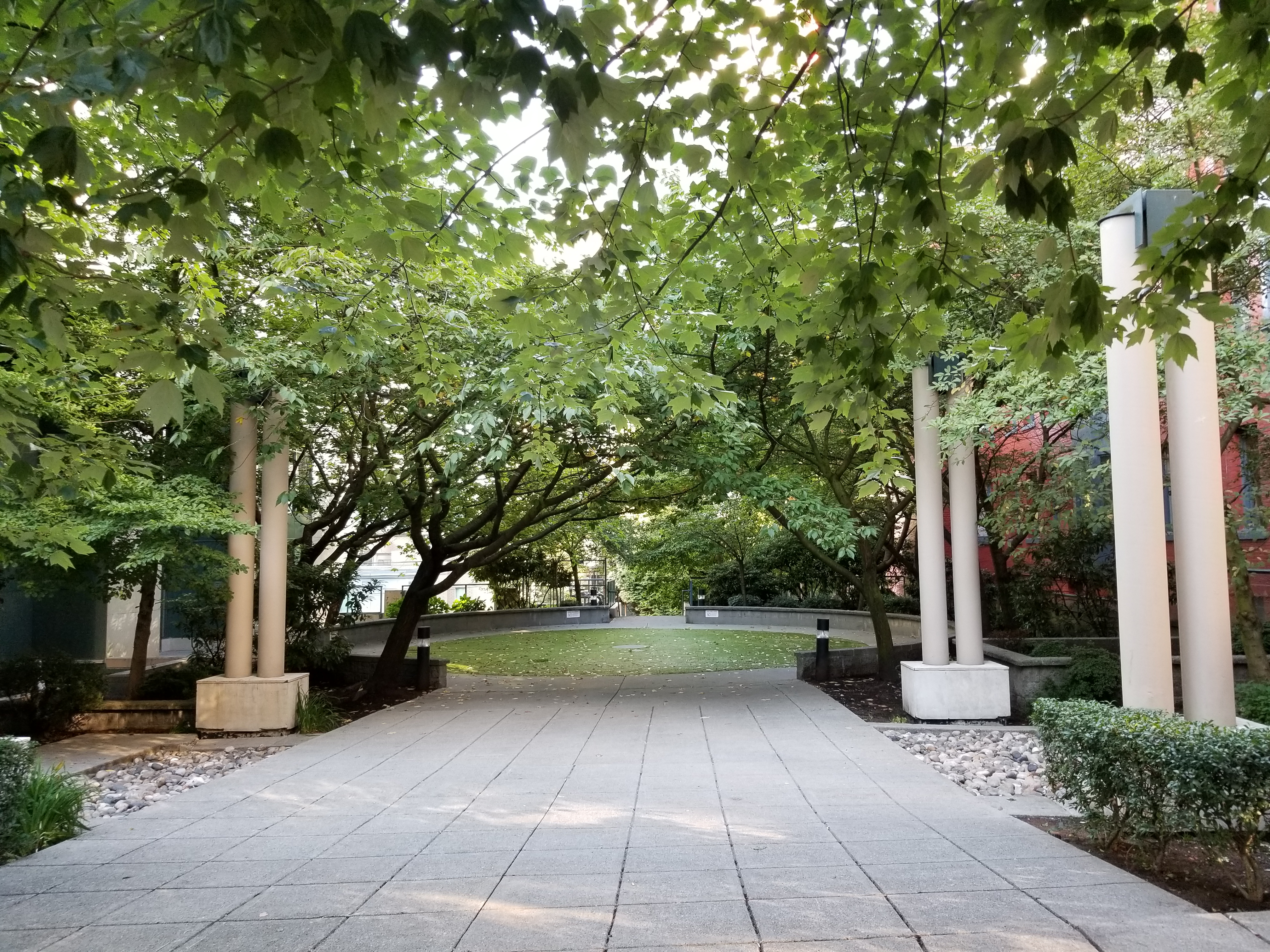





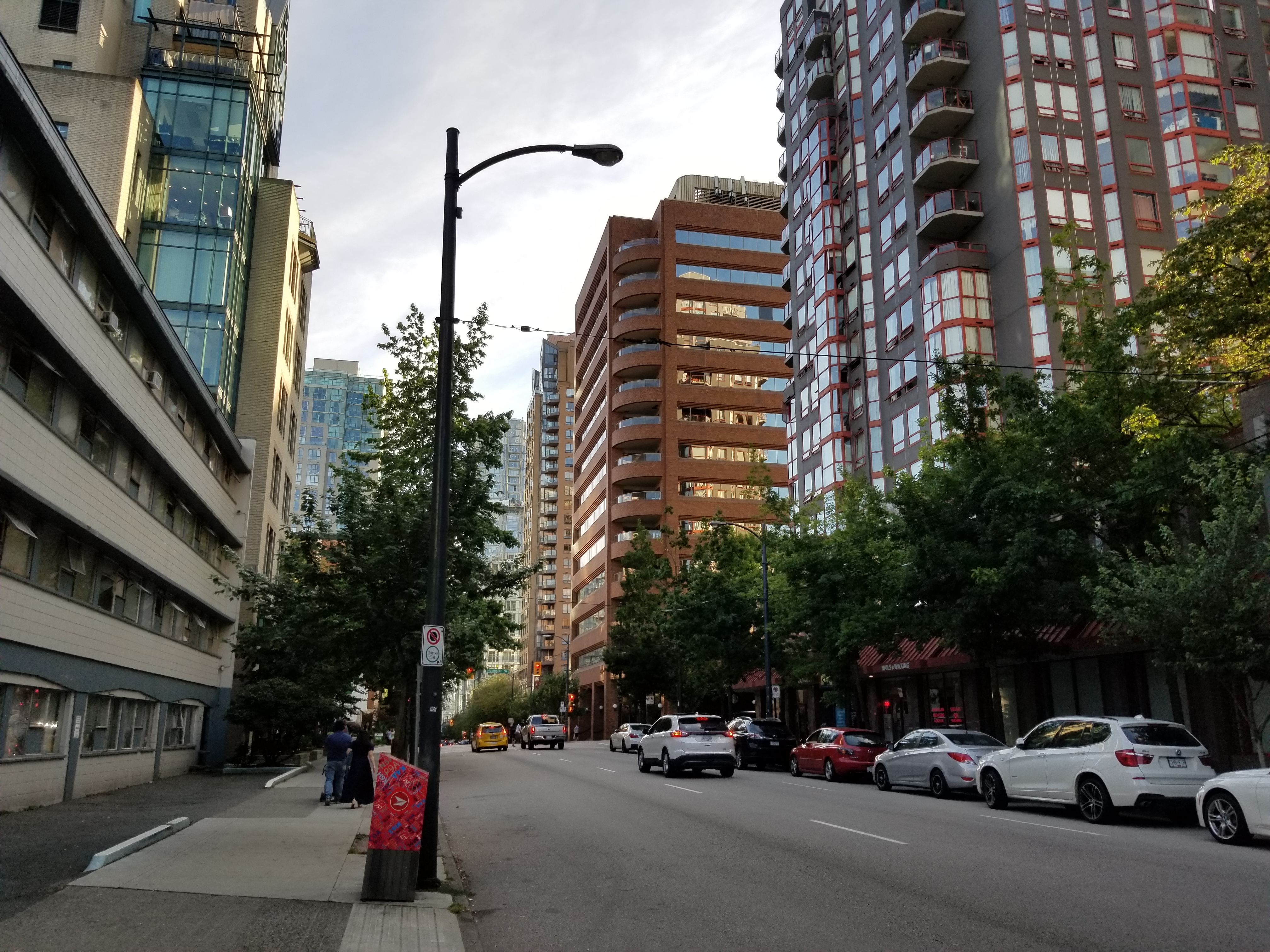


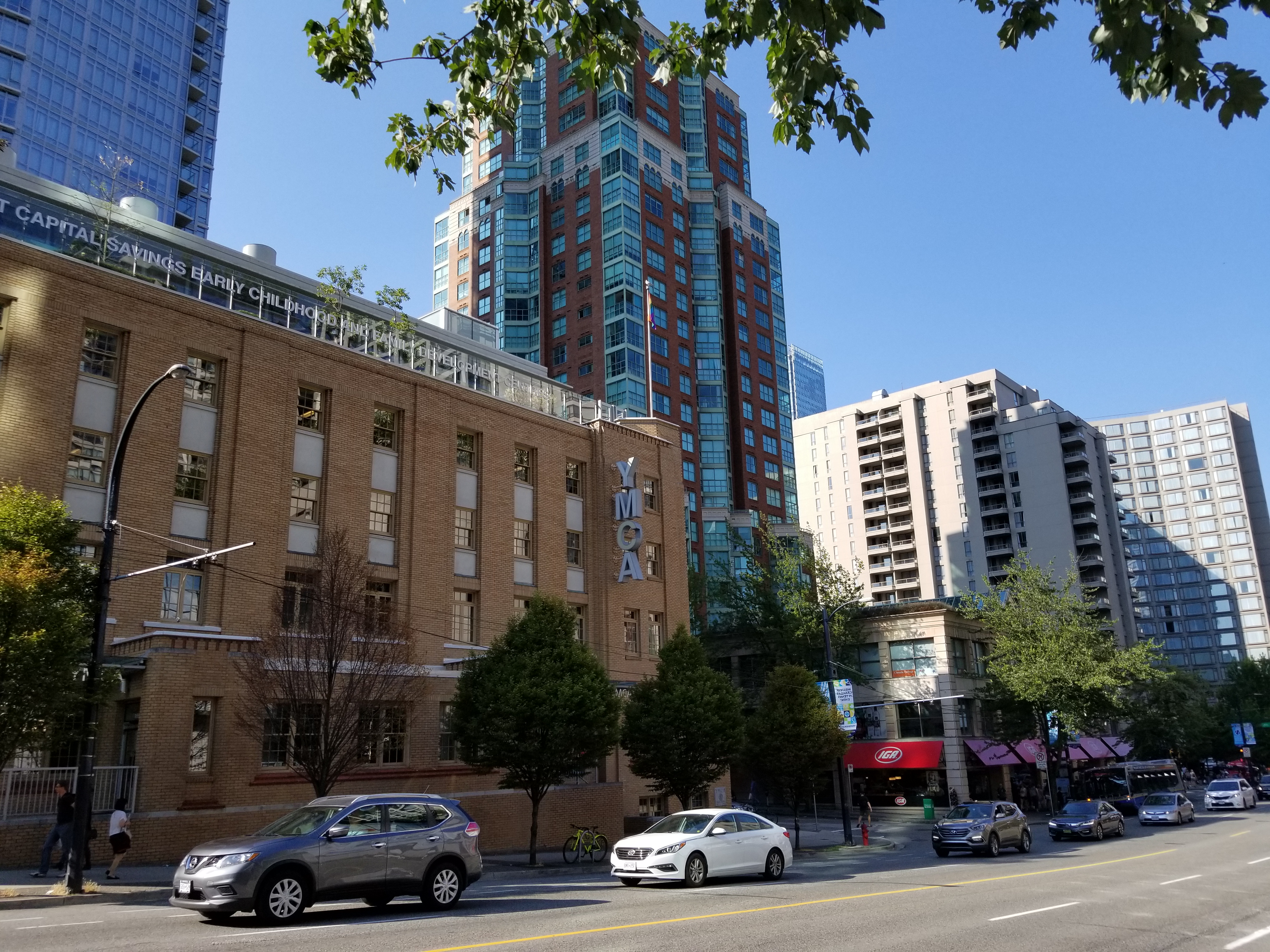
Robson Street is a major southeast-northwest thoroughfare in downtown and West End of Vancouver, British Columbia, Canada. Its core commercial blocks from Burrard Street to Jervis were also known as Robsonstrasse. Its name honours John Robson, a major figure in British Columbia’s entry into the Canadian Confederation, and Premier of the province from 1889 to 1892. Robson Street starts at BC Place Stadium near the north shore of False Creek, then runs northwest past Vancouver Library Square, Robson Square and the Vancouver Art Gallery, coming to an end at Lost Lagoon in Stanley Park.
As of 2006, the city of Vancouver overall had the fifth most expensive retail rental rates in the world, averaging US$135 per square foot per year, citywide. Robson Street tops Vancouver with its most expensive locations renting for up to US$200 per square foot per year. In 2006, both Robson Street and the Mink Mile on Bloor Street in Toronto were the 22nd most expensive streets in the world, with rents of $208 per square feet. In 2007, the Mink Mile and Robson slipped to 25th in the world with an average of $198 per square feet. The price of each continues to grow with Vancouver being Burberry’s first Canadian location and Toronto’s Yorkville neighbourhood (which is bounded on the south side by Bloor) now commanding rents of $300 per square foot.
In 1895, train tracks were laid down the street, supporting a concentration of shops and restaurants. From the early to middle-late 20th century, and especially after significant immigration from postwar Germany, the northwest end of Robson Street was known as a centre of German culture and commerce in Vancouver, earning the nickname Robsonstrasse, even among non-Germans (this name lives on in the Robsonstrasse Hotel on the street). At one time, the city had placed streetsigns reading “Robsonstrasse” though these were placed after the German presence in the area had largely vanished.
Robson Street was featured on an old edition of the Canadian Monopoly board as one of the two most expensive properties.



Best Song In THE WHOLE Universe. Hi! I hope you enjoy this video. If you did enjoy, please do a favor and like this video above which will really help, and you can subscribe, follow my Twitch channel and Twitter account below!
I’m not against giving people some general health advice, since I’ve been asked to do this again. I’m fine with sharing information that will help people. I would recommend, for example, that people not eat sushi and bacon all the time. The sticky rice that’s included in sushi isn’t a good thing for a person’s digestive system. Moreover, when you’re eating foods such as sushi or pizza, which are not easy to digest, it’s naturally best to drink unsweetened liquids. I’ve checked what sweetened liquids leave behind after they evaporate on a solid surface. So, don’t drink liquids such as soft drinks or tea with sugar when you’re eating pizza. Bacon is another food that’s best to avoid eating all the time, at least the bacon that’s sold in stores because it contains preservatives and additives. Preservatives especially can cause harm to a person’s digestive system. For those people that are already allergic to plant foods, and to plant-based foods and drinks such as coffee, cheese, chocolate, and teas, I’d first recommend avoiding to eat such foods and drinking such liquids if you don’t want to walk around with a stuffed nose for several hours. Boiling fruits and vegetables doesn’t help. You have to avoid eating fruits and vegetables altogether most of the time. Eating meats and cooked potatoes is allowed. What can help to soften, or even to eliminate, an allergic reaction to fruits and vegetables are probiotics. But probiotics have to be consumed at the same time as when you’re eating the food that you’re allergic to. Moreover, you can’t consume probiotics all the time because they’re costly. Most of the time, it’s best to simply avoid eating whatever you’re allergic to. And not all probiotics are helpful. My mother is the one who told me about some of this because she’s the only person that I know who knows a lot about such problems. She orders her probiotics, which actually do work, in capsule form by mail from the Russian Federation.
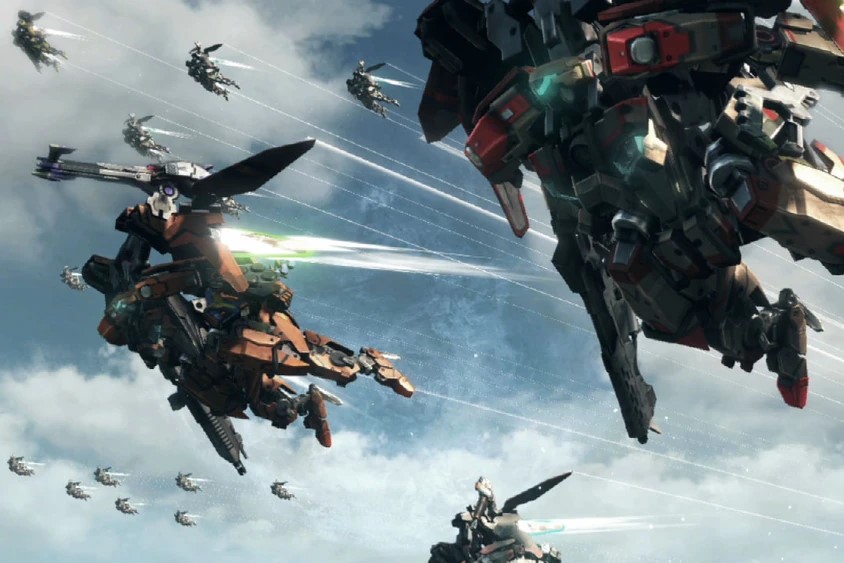
Since I was recently reminded of the fact that Dark Souls (2011) has some good locations where one can sit and look at the bonfire and to listen to its sound and the music that plays, I began to feel glad that I have a PlayStation 3 copy of this video game. As it turns out, the remaster of this game that got released in 2018 is quite flawed. I did make the mistake of buying the remaster on Steam at the end of 2021 because I didn’t know about its flaws when I bought it. Fortunately, I bought it when it was on sale, and now I know that it’s not really worth playing. I can’t comfortably play the remaster on my laptop anyway because the RAM of my laptop (Samsung Notebook 7 Spin) is 8 GB. The remaster runs quite slowly on my laptop because of this. By the way, I now have two Notebook 7 Spin laptops in my possession. When my first Notebook 7 Spin ceased to work at the beginning of 2022, I first reacted to this problem by buying another Notebook 7 Spin on eBay in used condition. At that time, I thought that I’d simply take the broken laptop’s 224 GB solid-state drive out and then put it in the replacement laptop that I bought on eBay. It’s because many of my useful and favorite files were stored on the broken laptop’s drive. The replacement laptop cost me about $430, but my first Notebook 7 Spin cost me about $1,000 in new condition. However, before the replacement laptop arrived by mail, I realized that my Notebook 7 Spin probably ceased to work because its motherboard broke down. Therefore, I then ordered a replacement motherboard on eBay for about $120. When I replaced the broken motherboard with the one that arrived by mail, my Notebook 7 Spin began to work again. Still, I already had a second Notebook 7 Spin by then. This second laptop was in very good condition, but a few of the keys on its keyboard didn’t work. I suppose that this was the reason why the previous owner decided to sell it and why the laptop didn’t cost all that much. However, the previous owner didn’t mention that the keyboard malfunctioned. Still, I wasn’t all that upset after the replacement laptop arrived by mail because I managed to fix my first Notebook 7 Spin without much trouble soon after. What’s interesting is that several months later the replacement motherboard of my first Notebook 7 Spin also broke down. I then ordered a second replacement motherboard on eBay. While I was waiting for this motherboard to arrive by mail, I took the working motherboard out of my second Notebook 7 Spin and put it in my first Notebook 7 Spin so that it would work again. When the second replacement motherboard arrived by mail, I put it in my second Notebook 7 Spin. After I did this, the laptop obviously began to work, but its keyboard also began to work properly again. Therefore, a slightly malfunctioning motherboard was also the thing that was causing my second Notebook 7 Spin to not work perfectly. Well, this is how I ended up with two Notebook 7 Spin laptops. I’m not complaining. It’s not a bad thing to have two good working laptops on my table. Anyway, I generally dislike remakes and remasters of video games, but they can be good on rare occasions. For example, Nintendo manages to release good remakes most of the time, or at least this used to be the case. I think that Metroid: Zero Mission (2004) is a good remake of Metroid (1986). Metroid: Zero Mission is an excellent, though somewhat difficult, video game for the Game Boy Advance that I finished playing in the second half of 2022. I finished playing its excellent sister game, Metroid Fusion (2002), at the beginning of 2021. Metroid Fusion is actually the game that made me appreciate side-scrolling action-adventure games because it’s one of the most memorable video games that I’ve played. It has excellent graphics and designs for a Game Boy Advance game, it has a good music score by Minako Hamano & Akira Fujiwara, and it has enjoyable and memorable boss battles like Nightmare, Serris, Security Robot B.O.X., Yakuza, Nettori, and Neo-Ridley. Moreover, it’s one of the most story-driven Metroid games in existence. However, Metroid Prime (2002) is the game that got me interested in the Metroid franchise. I finished playing it on my Wii U before I began playing Metroid Fusion. I wouldn’t call Metroid Prime one of my favorite games, but it’s undeniably one of the greatest video games of all time. Like Metroid Fusion, it’s also a very memorable gaming experience. Metroid Prime features a well-designed, desolate, and often beautiful-looking world. The only downside to playing Metroid Prime was that I had to play it with a Wii Remote on my Wii U. I’m not at all a fan of playing video games with the Wii Remote. Motion sensing controllers are generally a hassle to use, and the Wii Remote is one of several reasons why I don’t think favorably of Nintendo. For example, Super Mario Galaxy (2007) is one of the very best video games that I’ve played. The different galaxies in this game are incredible, and reading Rosalina’s storybooks was another highlight. But I had to play this game with a Wii Remote, and doing this was often discomforting. Some of the best video games of all time got released for the Wii console, but they can only be played with a Wii Remote, and I just hate Nintendo for creating this hassle. Sure, one can say that the Wii was a successful home video game console, and that Nintendo games are made mostly for children, but this doesn’t mean that I can’t point out the negatives that Nintendo has created. The Wii Remote is the only reason why I don’t look forward to playing Wii games. If the Wii Remote hadn’t existed, I would have been playing Wii games a lot more often. Damn it. Simply thinking about the Wii Remote makes me angry and puts me in a bad mood. I’ll have to stop typing and go and do something else because I feel irritated now. Well, I’m back. So, as much as I enjoyed playing video games like Metroid Prime, Super Mario Galaxy, The Legend of Zelda: Skyward Sword, and The Legend of Zelda: Twilight Princess, I have to say that these gaming experiences were still somewhat hampered by the fact that I had to use a Wii Remote. Fortunately, I didn’t have to use a Wii Remote when I was playing The Legend of Zelda: The Wind Waker because I played the HD version on my Wii U. Although the original game for the GameCube is great, The Wind Waker HD is perhaps my second favorite Zelda game, after The Legend of Zelda: Breath of the Wild. There was a time a few years ago when I tried to finish playing every Zelda video game that I could get my hands on. Because of this, at that time, I managed to complete Skyward Sword, Twilight Princess, The Wind Waker, Phantom Hourglass, A Link Between Worlds, The Minish Cap, and Ocarina of Time before I stopped and began playing other video games. When I was playing these games, I sometimes got help by watching video walkthroughs by ZeldaMaster on YouTube. I haven’t played all of the Zelda games yet, but I enjoyed playing all of the ones that I’ve listed. It’s possible that Twilight Princess would have been my second favorite Zelda game if I hadn’t had to use a Wii Remote when I was playing it. I can say that the HD version of The Wind Waker on the Wii U looks beautiful. Some of the bosses in the game, such as Molgera, Gohdan, and Gohma, are unforgettable. I had a good time traversing the Great Sea and discovering the secrets of the game’s world and looking for treasure and useful items. Since I’ve become a pro at playing Breath of the Wild, I can give some advice to players. First of all, get the Stealth Set, which can be bought in Kakariko Village, as soon as possible. While wearing the Stealth Set, Link can walk up to lizards and insects and easily catch them. Just don’t run while wearing the Stealth Set if you want to catch something. Otherwise, if Link doesn’t wear the Stealth Set, he has to crouch in order to catch anything. The Stealth Set provides little defense for Link, but, if it gets upgraded to the max at a fairy fountain, it becomes useful even in battle. Second of all, elixirs are often more important than food, especially at the beginning of the game, when Link’s stats are low. In order to make an elixir, you have to mix insects or lizards with monster parts when cooking something. Elixirs can help Link regain his stamina, boost his speed, raise his temperature, and do other useful things. If you have a variety of elixirs in your inventory, you don’t even have to change armor sets. You can always wear the Stealth Set, which is made by the advanced Sheikah tribe, and use elixirs when they are needed. Third of all, the abilities of the guardians are very useful in the game. The only problem is that you first have to take back control of the divine beasts before you can use them. Daruk’s Protection can be very useful in battles against guardians because it provides Link with an impregnable shield. If a moving guardian fires its laser three times while Link is using Daruk’s Protection, that guardian is toast. Urbosa’s Fury is very useful in any battle, but you first have to charge a spin attack in order to use it. Fourth of all, it’s best to first activate all of the Sheikah towers in Hyrule in order to have the ability to fast travel to any region. In addition, I can mention another place in the game where it’s nice to stay and listen to the music and the sounds. This place is the cave where Noya Neha Shrine is located, in Hyrule Field. You can stay there, look at the entrance of the cave, and listen to the music that plays. By the way, the landscape of Breath of the Wild was partially designed by Monolith Soft, which is the studio that made Xenoblade Chronicles X (2015) for the Wii U. Xenoblade Chronicles X is actually another good reason to own a Wii U, and it’s a pity that this game hasn’t been made available on the Switch. The massive open world of this game if filled with incredible sights. A player can use transformable Skell mechs to get around and to battle, and this is one of the biggest attractions of Xenoblade Chronicles X because the Skells look great and they allow a player greater mobility when they become available. The only big downside to the game is that its battle system is not at all easy to master. I’ve managed to finish the game a few years ago, but I still haven’t mastered the battle system, and I haven’t defeated any of the huge, powerful, and frightening creatures that are scattered across Mira. So, although the game’s open world is often a joy and a wonder to explore, the many creatures that inhabit it are not at all easy to beat.
Another good remake is Pokemon FireRed and LeafGreen for the Game Boy Advance. Pokemon Red and Blue are great games that, with the aid of the first season of the Pokemon anime series, turned the Pokemon franchise into a sensation and brought enjoyment to many children after they got released. I even played Pokemon Red and Blue again, for the first time since I was a teenager, in the summer of 2021 in order to experience these games again. As in other great video games, some parts of these games are unforgettable, like when I explored Lavender Town and the haunted tower there, when I explored Cinnabar Island and the abandoned mansion there, when I finally reached Viridian City after going through Viridian Forest, when I explored the Team Rocket Hideout in Celadon City, and when I battled against the Elite Four on Indigo Plateau. Pokemon Red and Blue are actually full of memorable moments, and I’ve got to say that these games aren’t all that easy to finish. I’m a pro at playing Pokemon games because I’ve played them all (except the ones that got made for the Nintendo Switch). But beating the Elite Four in Red and Blue, for example, wasn’t all that easy. I couldn’t simply sleepwalk through these battles. As much as I enjoyed playing Red and Blue again, I’ve got to say that I prefer playing FireRed and LeafGreen more. I must admit that playing Red and Blue felt clunky for me. For example, you can’t store a large amount of items in these games. There’s a limit, and, if you want to store more items, you have to drop some of the items that you’re carrying in your inventory. It’s also worth mentioning that Pokemon HeartGold and SoulSilver are great remakes of Pokemon Gold and Silver. In fact, the graphics and designs in these games can even be called beautiful, and I think that HeartGold and SoulSilver are my favorite Pokemon games. HeartGold and SoulSilver are perhaps the last good remakes of Pokemon games that Game Freak has made. I’ve got to say that I wasn’t all that impressed by Pokemon Omega Ruby and Alpha Sapphire for the Nintendo 3DS, although I like Pokemon Ruby and Sapphire very much, and I don’t even want to play Pokemon Brilliant Diamond and Shining Pearl for the Switch. By the way, the magazine Retro Gamer released two issues (#135 and #161) that feature big articles about the Pokemon franchise. I have both of these issues in my possession. Anyway, my opinion is that most remakes are bad. Why this is the case is simple. Almost all remakes and remasters are of old and great video games. These old games are great because they were made by certain people at a certain time. The “magic” that these games produce can rarely be replicated by different people decades later in remakes. It’s not the graphics that make a good video game. It’s the art style and the craftsmanship. If these are combined with memorable music, sounds, and gameplay, a great video game emerges. Simply creating newer, more detailed graphics won’t improve the experience but will only make it worse most of the time if the art style and the craftsmanship are different or if they’re worse. Therefore, Shadow of the Colossus (2018) and Demon’s Souls (2020) are bad remakes because, although their graphics are newer and more detailed than in the originals, the art style and the craftsmanship are worse. These remakes are poor imitations of great originals. I’m glad that I looked a the gameplay footage from these remakes on the internet before considering to buy them. So, when it comes to video games, remakes and remasters are almost always a big no no for me.
Hey, I need a glass of CAVEMAN.
 Igor's Blog