
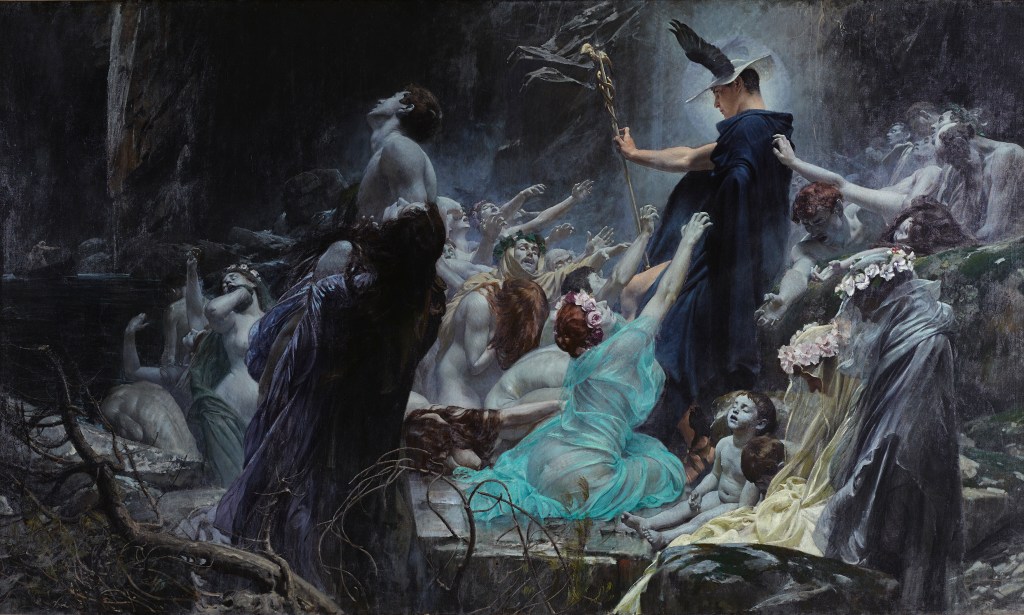
The Souls Of Acheron by Adolf Hiremy-Hirschl, 1898.
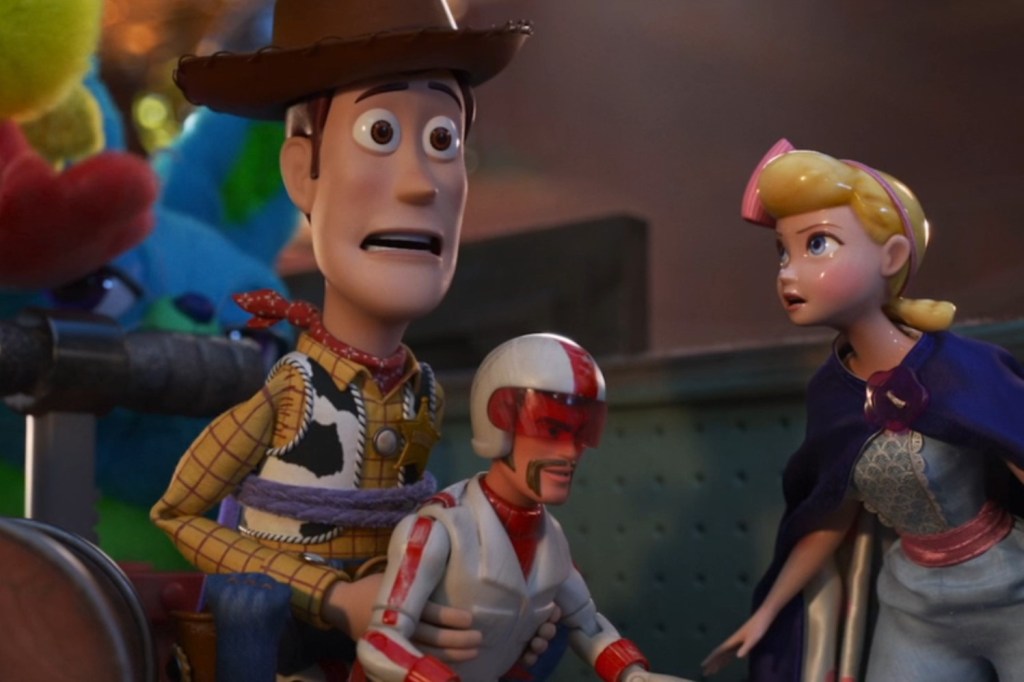
Toy Story 4, the latest instalment of Pixar’s beloved saga, is a heartwarming tale of love, friendship and adulthood with more than one lesson to teach.
Will there ever be such a thing as too many Toy Story films? Judging by the quality of John Lasseter’s latest film, we certainly hope we’ll be seeing our favourite toys again, even after a new adventure that sometimes feels like a goodbye to the franchise. But if Toy Story 4 might actually turn out to be the final chapter of Pixar’s saga, it is also undoubtedly one of the most enjoyable and heartwarming movies the Inside Out Studios have given us so far.
At the beginning of Toy Story 4, Woody (Tom Hanks), Buzz (Tim Allen) and the rest of the gang have a lot to deal with. Bonnie, “their” child, is growing up, and her playing habits are beginning to change. Dust is starting to appear on the most unsuspectable toys, who don’t always get to be involved in Bonnie’s playtime. Not only that, but time has come for the little girl to start going to school. Changes are in order for Bonnie’s toys, and with change come ghosts from the past, new acquaintances and, most of all, important decisions to make.
In line with Pixar’s best tradition, Toy Story 4 is the perfect example of a film that will mean different things to adults than what it will mean to children. From the film’s cutest moments to its most hilarious sequences, every single scene is permeated by that very special, bittersweet layer of emotions that can always be perceived, under the surface. They remind us of our own childhood, they bring us back to a different time and place and they wake up our “inner child”, surprising us and moving us Pixar-style, in the most unexpected ways.
But Toy Story 4 does even more than that, because these toys are starting to look – and feel – less like toys by the minute. Just like “their” children, these little beings have grown up, and are now asking very adult questions. What happens when toys have served their purpose and their tiny humans don’t need them anymore? How can they keep the “voices in their head” at bay when they are not able to create happy memories for their children anymore? And, most of all, what happens to a toy when it becomes lost?
Though themes like memory, loss and purpose have certainly been explored by Pixar in the past Toy Story films, the fourth chapter is particularly successful at sending its message across, and that is due, first and foremost, to the quality of its screenplay. In what feels like the end of a long journey, every single character gets its chance to shine. As our favourite toys find new ways to get into trouble and keep us entertained with their ingenious plans, not only do we get plenty of catchprases and throwbacks to iconic scenes from the past movies, but we witness their evolution from Bonnie (and Andy)’s toys to (non) human beings in all and for all.
“Lost” toys come in all shapes and forms, and Toy Story 4 shows us exactly what that means. Forky (Tony Hale), the new member of the family, feels like he doesn’t belong to the group, so he declares himself as trash – which isn’t so far-fetched after all, since Bonnie made him from items that did, in fact, come from the trash. This fork-turned-toy doesn’t really know what it is and where it should belong, but there are other characters who feel lost, starting from two very old acquaintances. If Woody is looking for a purpose and asking life’s big questions, Buzz is trying to develop a conscience and listen to his own will. And then there’s a very independent Bo Beep (Annie Potts), who lives in an amusement park version of Neverland with her own family of lost boys toys. But there’s even more than that.
If Buzz and Woody are the foundation that holds every single Toy Story movie together with a strong friendship that lasts a lifetime, Toy Story 4‘s new characters are just as essential. There are hilariously evil plush toys who conjure up improbably plans, flawed action figures that save the day with unexpected acts of courage, and, of course, there are villains who turn out to be so much more than what they seem.
Most of Toy Story 4‘s memorable sequences take place in an antiques shop, which is also the place where we find some of the most interesting new characters, who are all-too-familiar but also more than a little creepy. 1950s talking pull-string doll Gabby Gabby (Christina Hendricks) is one of them, and she is the perfect antagonist for the film. Her adorable exterior doesn’t match her cunning mind, and that is the result of a factory defect that prevents her from being any little girl’s “best friend” and fulfilling her purpose as a doll. But, just like most Pixar villains, Gabby Gabby isn’t as one-sided as she initially appears to be: just like all the other objects in Second Chance Antiques – from hilariously disturbing “Benson” ventriloquist dummies to imperfect Canadian hero/action figure Duke Caboom (Keanu Reeves) – she is the very definition of a lost toy.
Toy Story 4 is Pixar at its best. Just like the very first Toy Story film, it feels like a childhood memory in itself, one that we never want to forget. It has the same level of adventure as The Incredibles, with a good dose of Up-style originality, Cars-level excitement and Ratatouille-like cuteness. It has clever inside jokes, immensely endearing characters and genuinely funny laugh-out-loud sequences. Most of all, just like Finding Nemo, Wall-E, Inside Out and every single movie Pixar has ever done, it has a great deal of heart.
Toy Story 4 was released worldwide on June 21, 2019.




Do you ever feel guilty for resting? Do you feel like you need to “earn” downtime by being sufficiently productive first? In a society that often glorifies busyness and constant achievement, taking time for genuine rest – especially when your energy levels or processing style differ from the norm – can feel like an act of rebellion, often accompanied by a nagging sense of guilt.
This pressure can be particularly intense for neurodivergent individuals who may already be navigating different energy capacities, sensory needs, or the exhaustion from masking (The Weight of a Day). It can lead to pushing past limits, contributing to burnout and making true relaxation feel impossible (When “Just Relax” Doesn’t Work).
The guilt around resting often stems from:
Challenging these pressures requires a conscious shift towards self-compassion and affirmation. NeurodiverseNights exists, in part, to offer a space that embodies this permission:
Finding your “permission to rest” is an ongoing practice. It involves gently challenging ingrained beliefs and actively choosing self-compassion over guilt. Every time you allow yourself genuine, unapologetic rest – whether it’s listening to a calming story, engaging in a quiet hobby, or simply doing nothing – you reinforce the vital message that your well-being matters, exactly as you are.

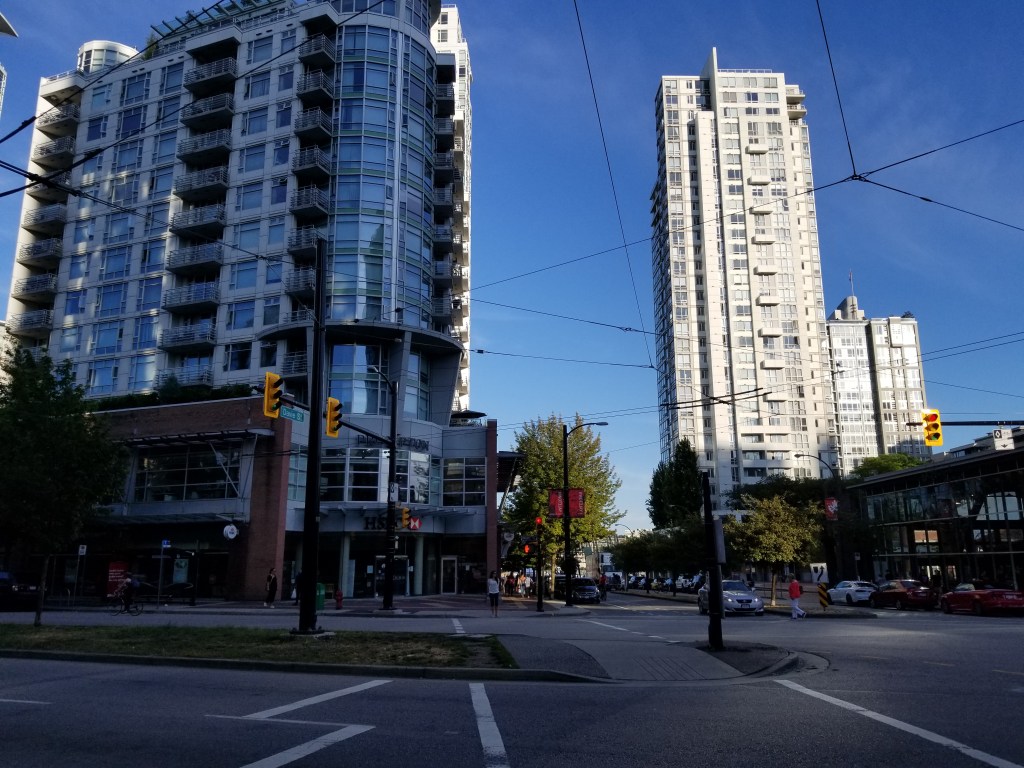
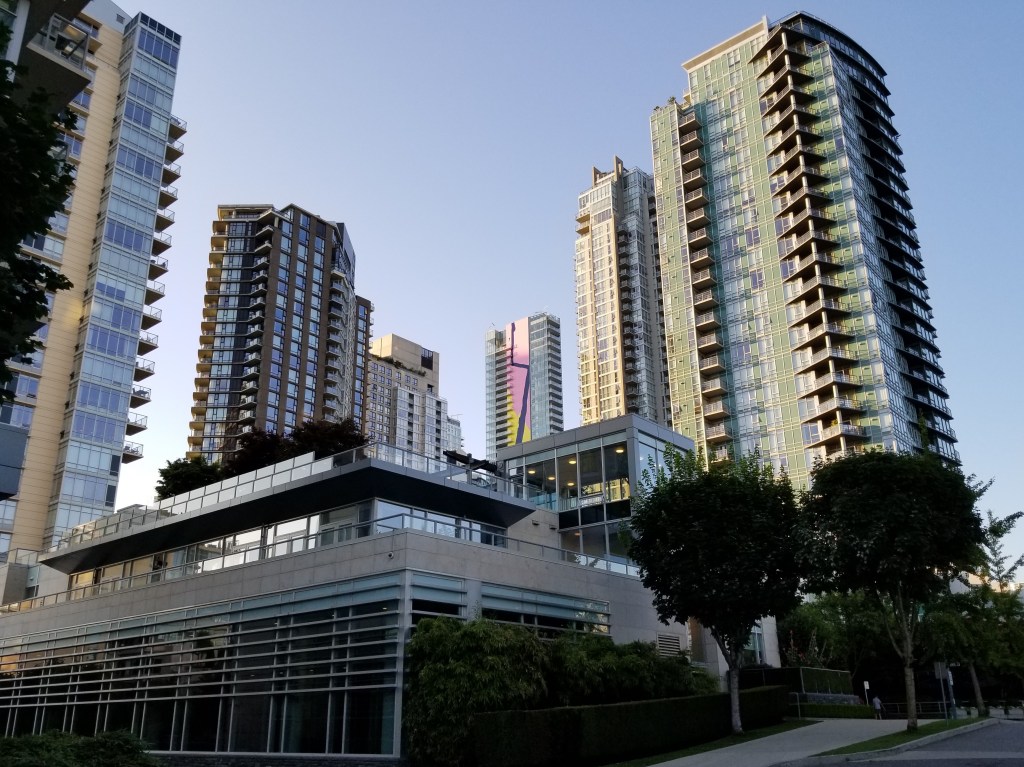
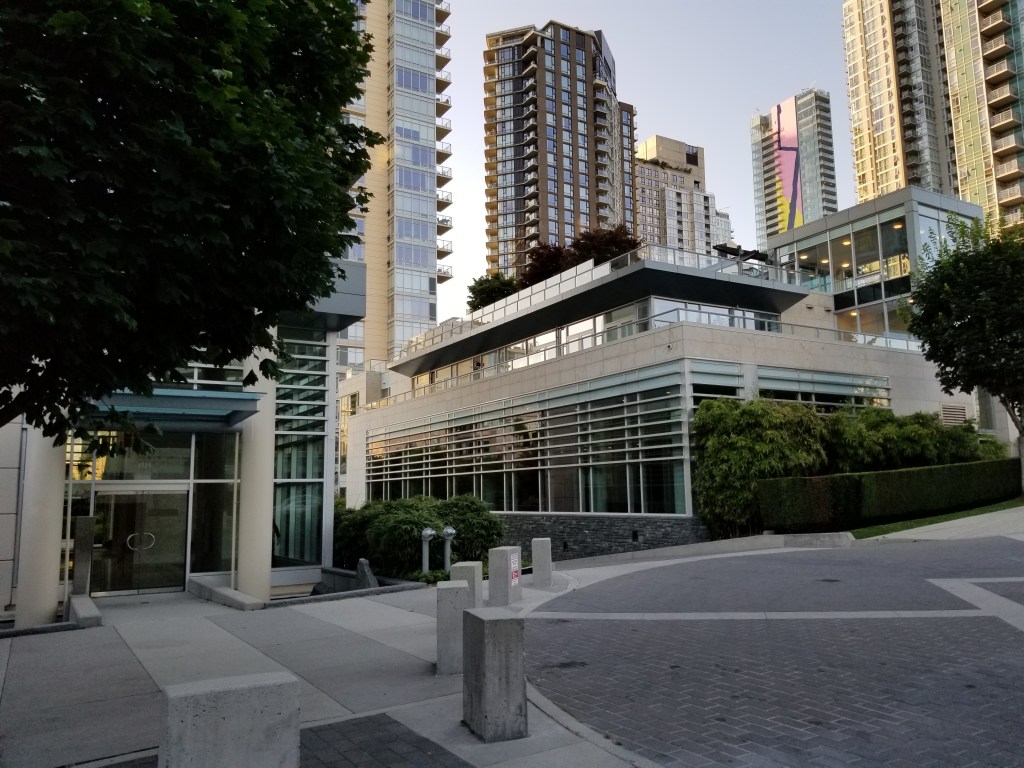
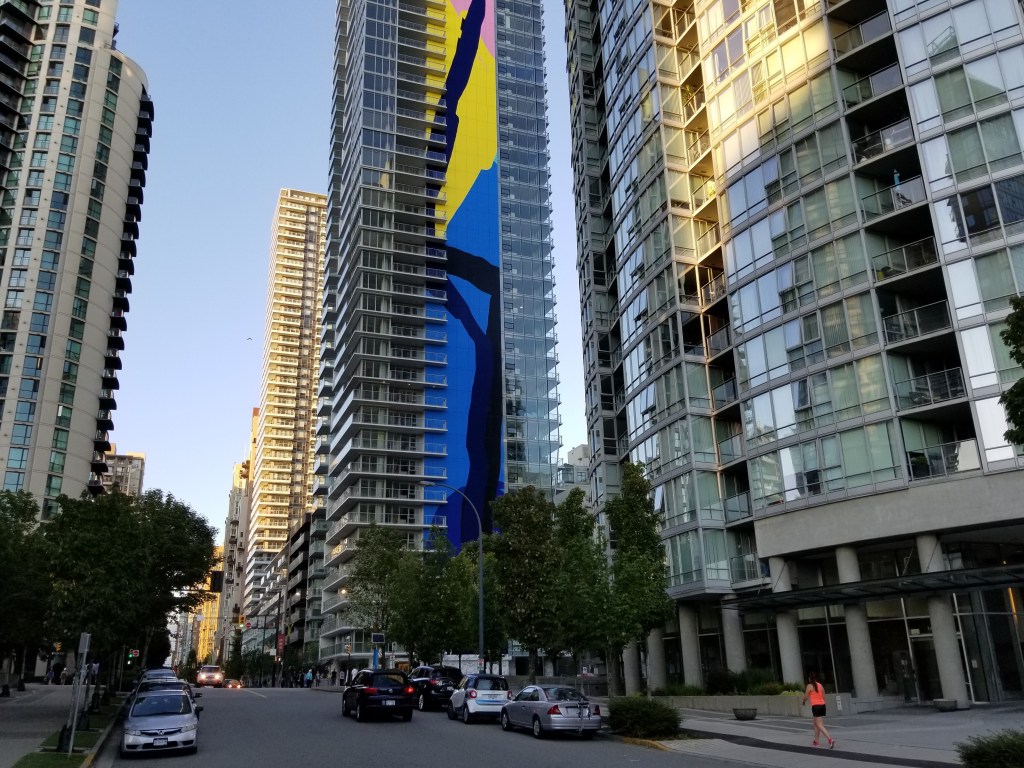
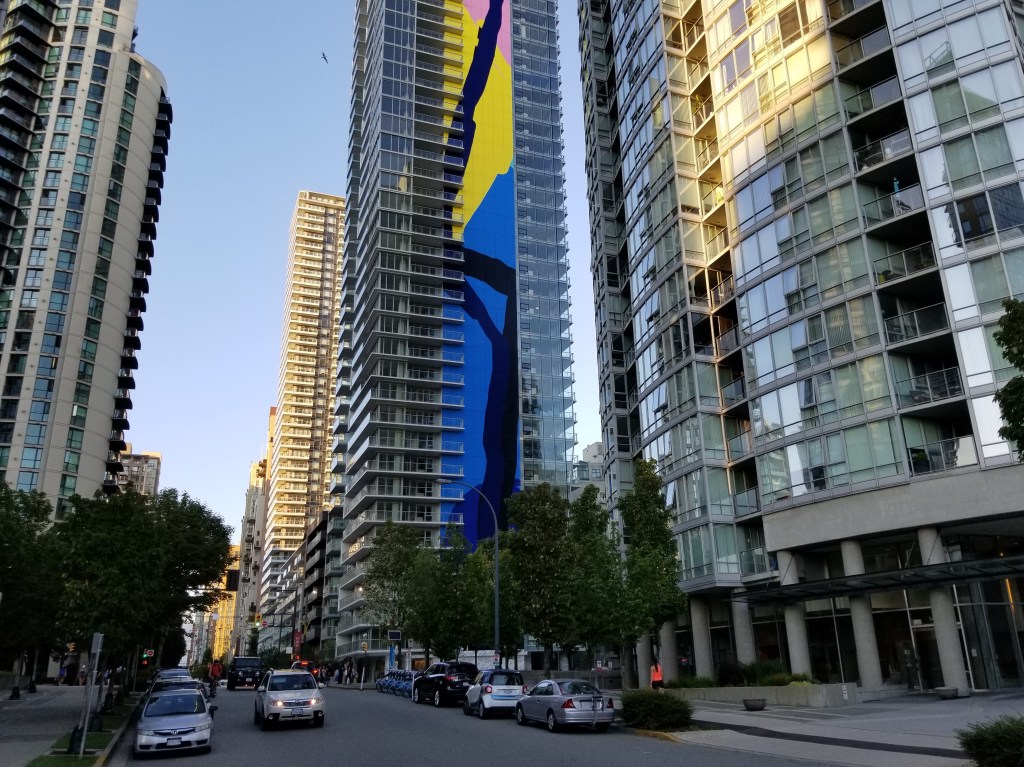
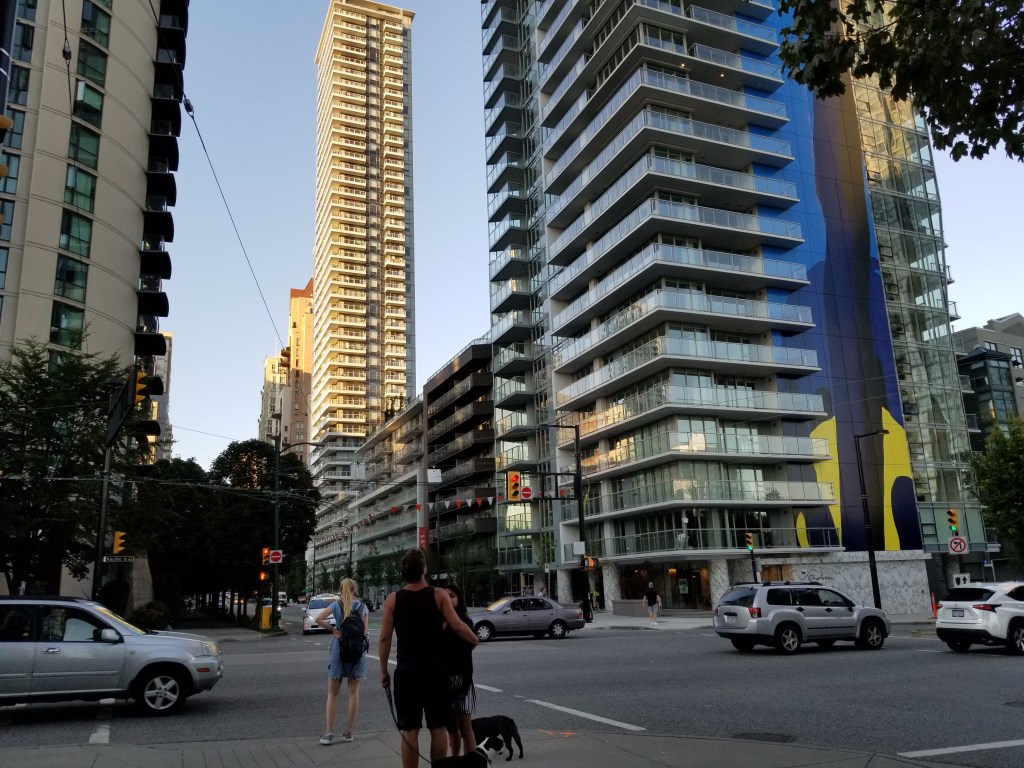
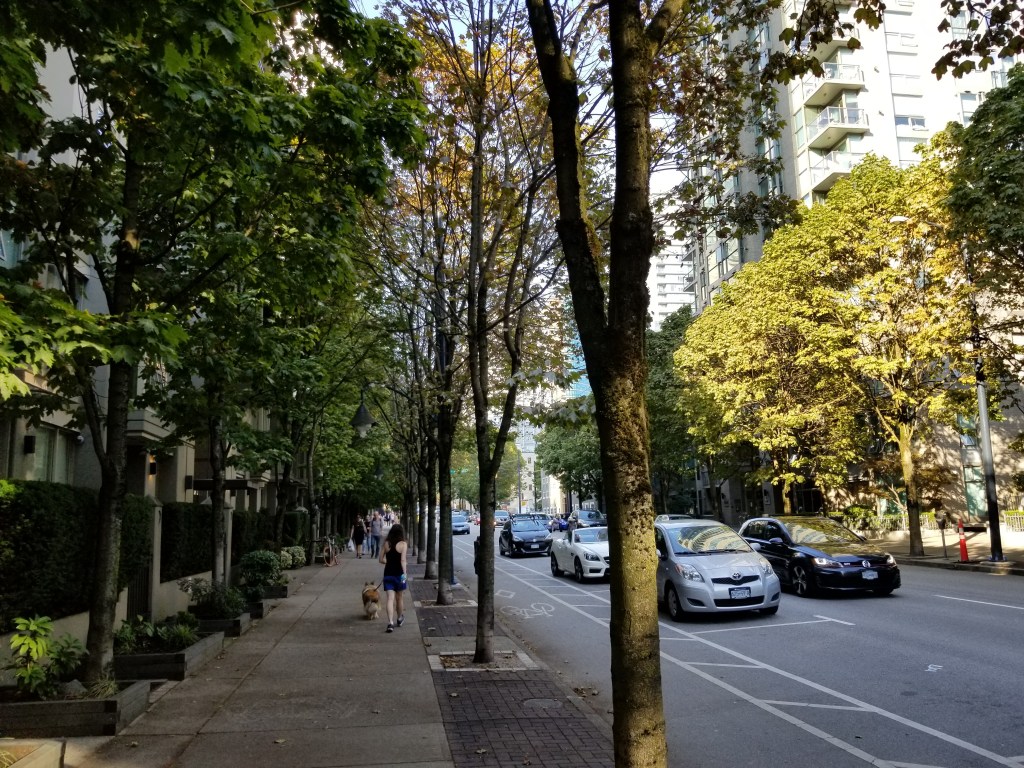
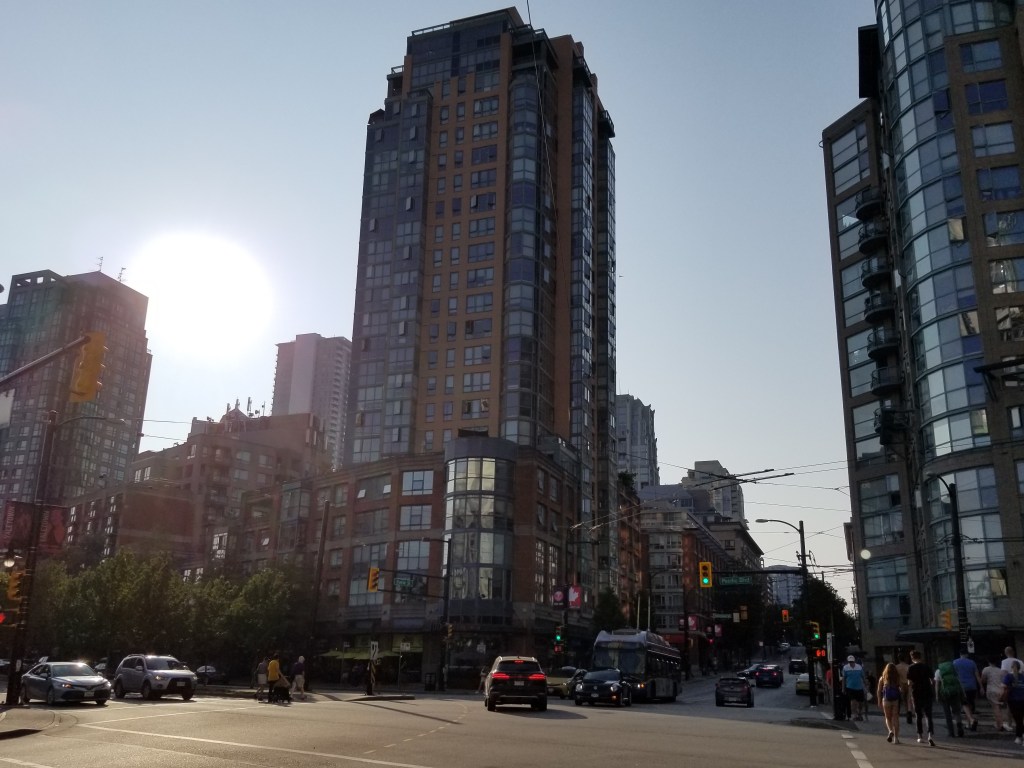
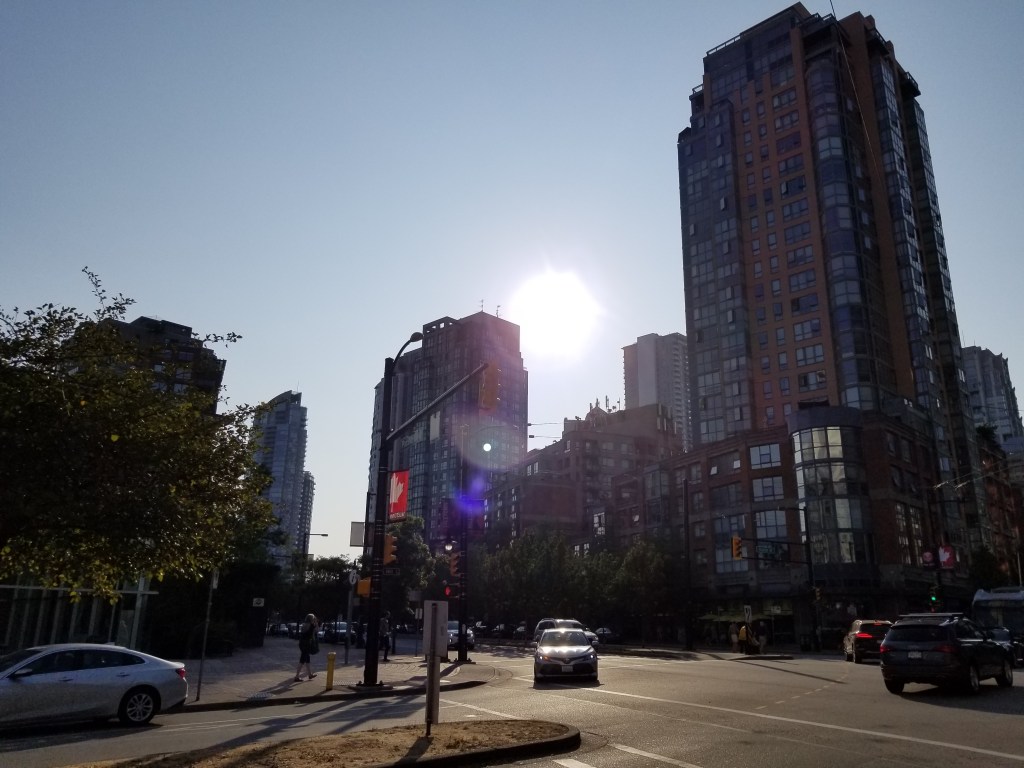
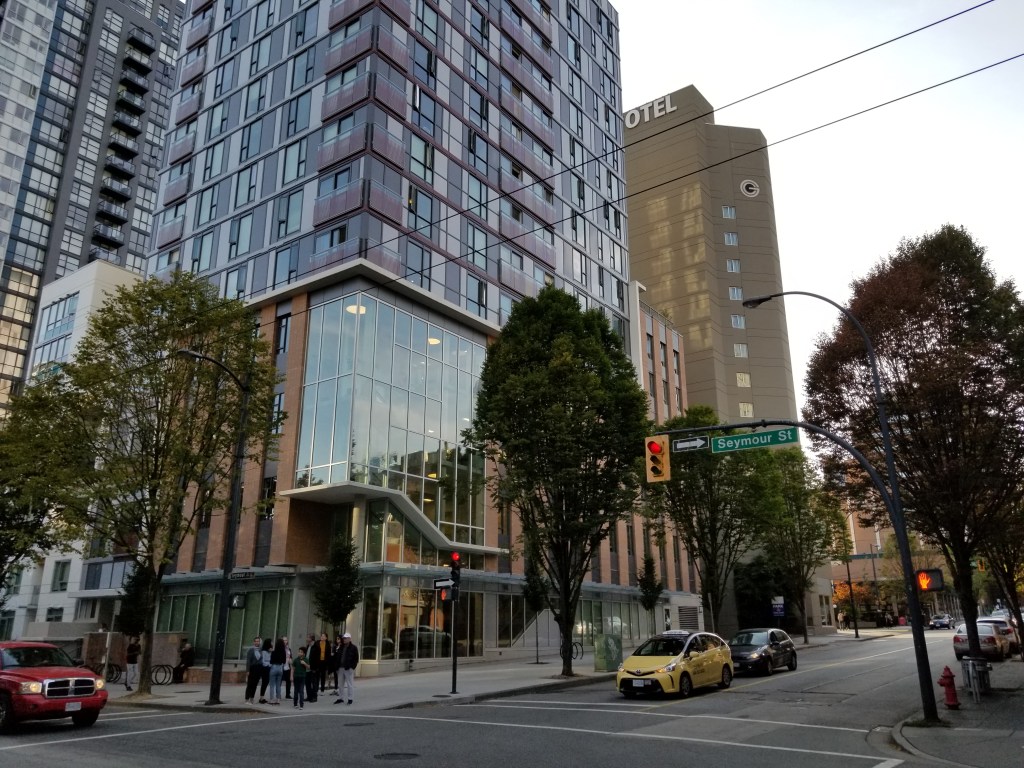
Pacific Street is a vibrant east-west thoroughfare in the heart of downtown Vancouver, British Columbia, running parallel to the waterfront and serving as a key connector between the West End, Yaletown, and False Creek. It’s part of the city’s iconic seawall network, blending residential luxury, commercial energy, and recreational access. It’s a sought-after address for high-end condos and urban living, with a walk score often exceeding 90 due to its proximity to beaches, transit, and amenities.
Pacific Street stretches approximately 2 km through downtown, from the edge of Stanley Park in the west (near English Bay) eastward to Main Street, skirting the southern boundary of the West End and transitioning into Yaletown. It runs parallel to Beach Avenue and Davie Street, offering easy access to the Vancouver Seawall—a 28 km pedestrian and cycling path. It borders the upscale West End (residential and beachfront) to the north and the bustling downtown core/Yaletown to the south. Key intersections include Pacific & Hornby (luxury towers) and Pacific & Burrard (near Sunset Beach). Served by multiple transit options, including the SkyTrain’s Canada Line (Vancouver City Centre station nearby) and bus routes along Davie and Beach. It’s a short walk to the Vancouver Convention Centre and ferry terminals.
Named in the late 19th century during Vancouver’s early urban planning, Pacific Street emerged as a residential and commercial corridor amid the city’s post-1886 Great Fire rebuild. In the 1960s–1970s, it became part of broader downtown revitalization efforts, influenced by the development of Pacific Centre mall (opened 1974), which reshaped nearby Granville and Georgia Streets but indirectly boosted Pacific’s accessibility. Just north at Granville & Georgia, Pacific Centre Mall, a 578,000 sq ft shopping hub (built 1971–1973), was Vancouver’s largest indoor mall upon opening. It displaced heritage buildings but integrated with SkyTrain via skybridges to Hudson’s Bay and Vancouver Centre Mall. Today, it’s anchored by Holt Renfrew and features over 100 stores (e.g., Apple, Sephora, Tiffany & Co.), drawing 22 million visitors annually. A 2020s redevelopment added a glass-domed Apple Store at Howe & Georgia. Pacific Central Station (1150 Station St, near Main & Terminal Ave) is a short walk east. This 1919 Beaux-Arts railway terminus (built for $1 million) features granite, brick, and andesite facades with Doric columns and ornate interiors (skylights, mouldings). Originally for Canadian Northern Pacific Railway, it’s now VIA Rail/Amtrak’s western hub, with bus services added in 1993. It holds historical ties to Black Strathcona porters. The street reflects Vancouver’s shift from industrial port to modern condo haven, with 1970s towers giving way to 2020s luxury builds emphasizing seawall views.
The 501 (501 Pacific St) is a 33-story tower with 295 units, completed recently. It steps from False Creek and Sunset Beach. Amenities include gyms and rooftop decks; recent sales show competitive pricing (e.g., units sold $30K–$75K under asking in 2025). The Pacific by Grosvenor (889 Pacific St) is a 39-story, 221-unit development (2021), featuring Italian Snaidero cabinetry, Dornbracht fixtures, and deep balconies mimicking cloud textures. Units range from 1–4 bedrooms; a recent penthouse sold $75K under asking in October 2025. The Californian (1080 Pacific St) is a 7-story, 84-unit concrete building (1982) with rooftop decks, saunas, hot tubs, and recent upgrades (new plumbing, elevators). Walk score: 92; near Sunset Beach. 1215 Pacific St is a 5-story, 50-unit mid-rise (1977) with underground parking and storage, in the West End near Bute St. Lined with cafes, boutiques, and seawall access points, Pacific Street is a hub for cycling/jogging, with proximity to English Bay, Stanley Park, and Granville Island via bridges. The area supports an active lifestyle, with gyms, spas, and markets within blocks. Upscale yet accessible—think sunset strolls, yacht views, and quick hops to downtown shops. Real estate is hot, with 2025 sales reflecting Vancouver’s densification trend.
High walkability (92+ score); bike lanes and seawall paths abound. Parking is limited—use underground spots in condos or nearby lots. Buses run frequently; SeaBus is a 10-minute walk. Pacific Street embodies Vancouver’s “live-work-play” ethos, evolving from 1970s mall-driven commerce to 2020s luxury residential.

Masking, or camouflaging neurodivergent traits, is an exhausting endeavour for anyone who does it. As we discussed in The Weight of a Day, it involves constant self-monitoring and suppression. For individuals with AuDHD, this effort is often compounded, requiring the navigation and concealment of traits associated with both Autism and ADHD, which can sometimes feel contradictory.
Understanding this unique and intensified energy drain is crucial for recognizing the profound need for genuine rest, recovery, and spaces where unmasking feels not just possible, but safe and welcomed.
Masking AuDHD might involve simultaneously trying to:
This constant internal calculation – “Should I suppress this stim? Should I force myself to seem more energetic? Am I making enough eye contact? Am I talking too much/too little?” – requires an immense amount of cognitive resource.
The compounded effort of AuDHD masking leads directly to:
Recognizing the unique weight of AuDHD masking underscores the critical importance of:
The effort involved in AuDHD masking is real and significant. Acknowledging this burden is the first step towards prioritizing the authentic rest and self-acceptance needed to thrive.

Fatigue is a common experience for many neurodivergent individuals, but for those with AuDHD, it can often feel like a constant companion – a deep, pervasive exhaustion that goes beyond typical tiredness. Understanding why navigating the world with both Autistic and ADHD traits requires so much extra energy is crucial for self-validation and developing sustainable self-care practices.
This isn’t just about needing more sleep (though quality rest is vital – see The AuDHD Sleep Puzzle); it’s about the cumulative energetic cost of managing two distinct, sometimes conflicting, neurological profiles throughout the day.
Consider the combined load:
Recognizing this compounded load validates why individuals with AuDHD might need more downtime, more frequent breaks, and different kinds of rest compared to others. It reinforces the importance of:
If you experience AuDHD fatigue, know that your exhaustion is real and understandable. By acknowledging the unique energetic costs involved, you can begin to prioritize the deep, restorative practices needed to sustain your well-being.
 Igor's Blog