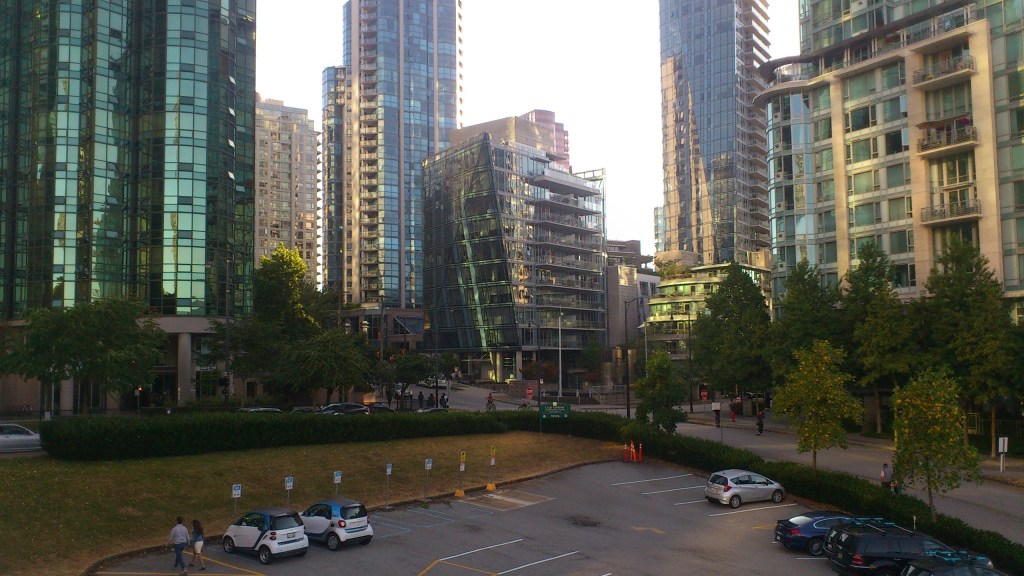
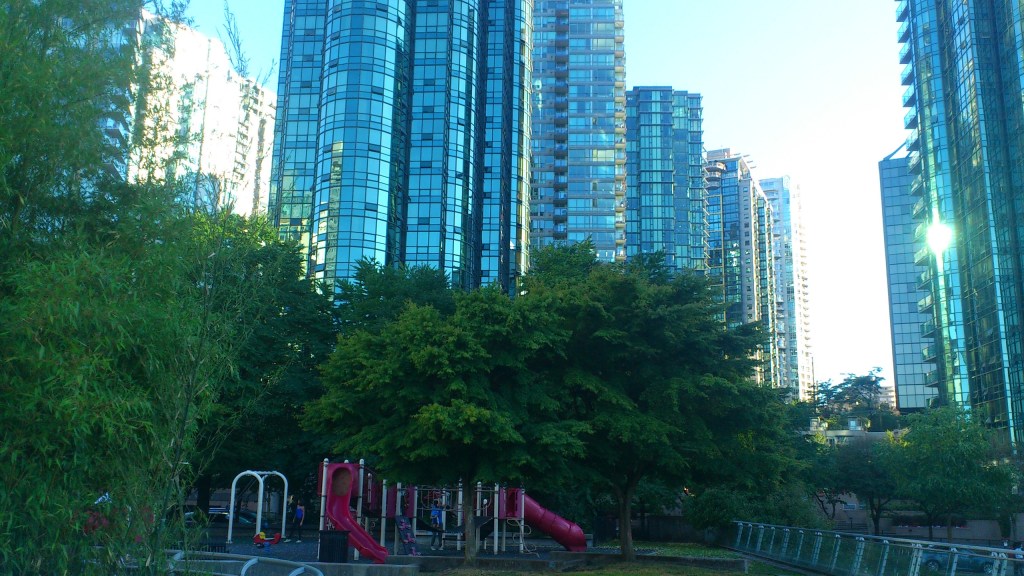
Harbour Green Park is situated at the edge of Coal Harbour, a scenic waterfront area in downtown Vancouver, British Columbia. It stretches along the seawall, just west of the Vancouver Convention Centre, and is accessible via the Vancouver Seawall or nearby streets like West Cordova Street. The park spans approximately 3.1 hectares (about 7.7 acres), offering a compact yet inviting greenspace amidst the urban core.
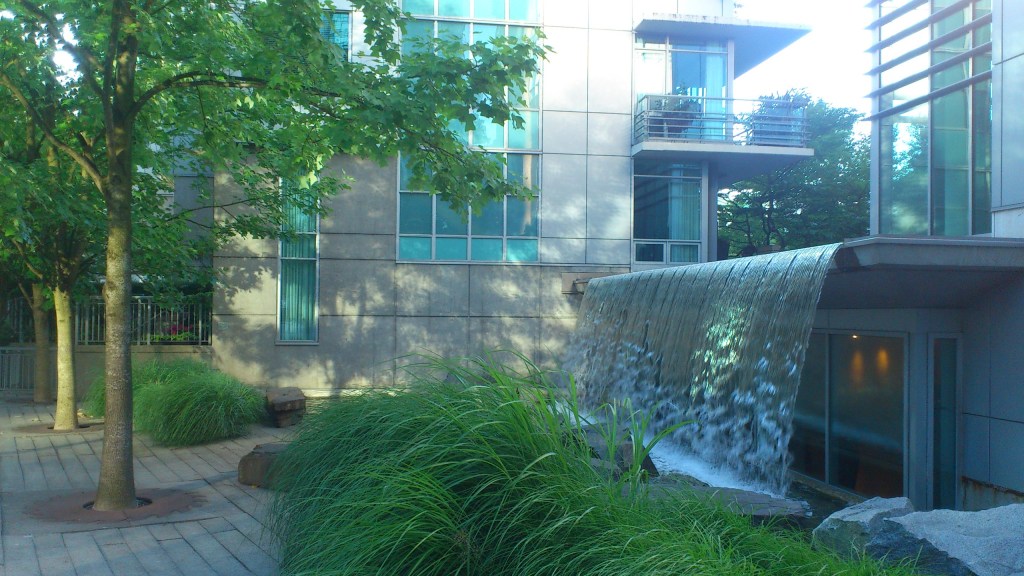
The park features rolling lawns, appealing views of the harbor, and a well-maintained waterfront setting. Tripadvisor reviews highlight a notable fountain at water level, adding to its aesthetic and functional appeal as a resting spot. It connects seamlessly to the Vancouver Seawall, a popular pathway for pedestrians and cyclists, making it a key link in the city’s waterfront network. The Vancouver Park Board’s park finder notes easy access from the seawall or adjacent streets. Described as “floating at the edge of Coal Harbour,” the park offers a tranquil escape with panoramic views of the water, mountains, and downtown skyline, ideal for relaxation or light recreation.
Tripadvisor ranks Harbour Green Park No. 64 out of 619 attractions in Vancouver, with 59 reviews and 317 photos as of the latest data. It earns praise for its “nice park and fountain” and is often included in three-day Vancouver itineraries, alongside Stanley Park and the Vancouver Harbour. Some visitors express mild surprise at its high ratings given its small size, but its location and views consistently receive positive feedback. Popular for leisurely walks, picnics, or photography, especially during sunset. Its proximity to the Convention Centre also makes it a convenient stop for tourists or business travelers.
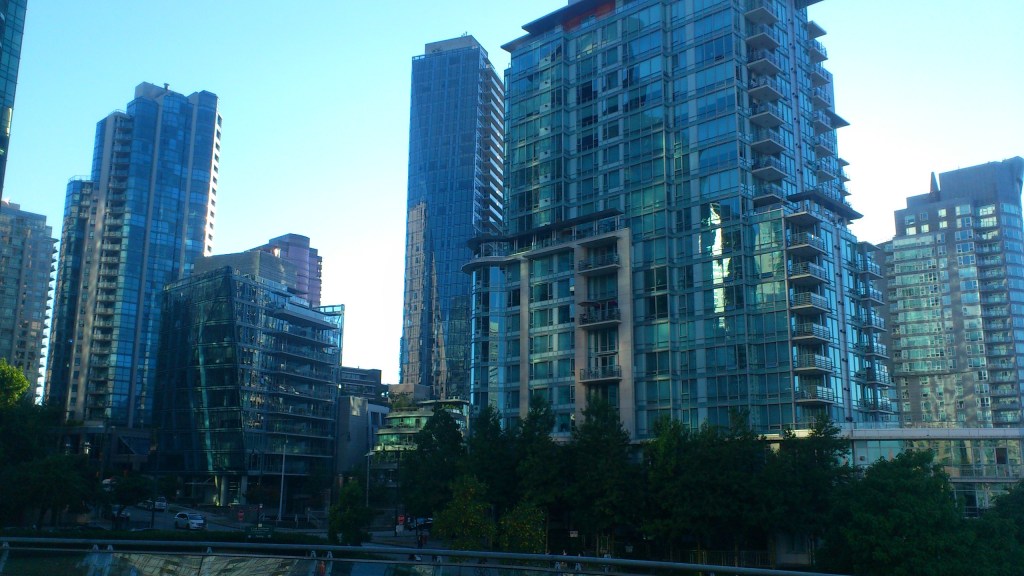
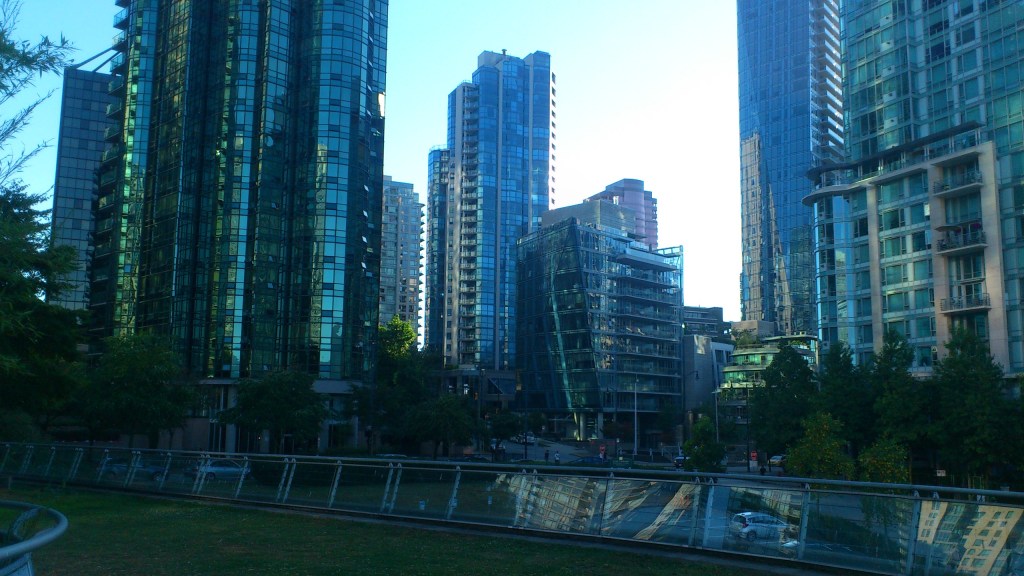
While specific historical details aren’t detailed in the provided results, the park’s integration into Coal Harbour reflects Vancouver’s post-industrial transformation, turning former industrial waterfronts into public spaces. As a public park, it’s generally open from dawn to dusk, though exact hours may vary with seasonal adjustments. Easily reachable by foot, bike, or public transit (e.g., buses along West Cordova or the SeaBus nearby). Parking is limited, so walking from downtown is recommended. Adjacent to luxury condos, the Coal Harbour Community Centre, and the bustling Convention Centre, it blends urban sophistication with natural beauty. Fall weather (mild, around 10-12°C) would enhance its appeal with colorful foliage and crisp harbor views, though rain is possible, so visitors might need umbrellas. Harbour Green Park is a charming, compact waterfront oasis in downtown Vancouver, celebrated for its scenic views, fountain, and seawall connectivity. It’s a must-visit for a quick escape or as part of a broader exploration of the city’s coastal attractions.
“Ozempic face” refers to the facial changes, such as sagging skin and increased wrinkles, that can occur due to rapid weight loss with Ozempic.
Although Ozempic is not FDA-approved for weight loss, doctors sometimes prescribe it off-label for this use. Loss of facial fat, which supports skin elasticity and structure, causes the facial side effects from the drug.
To help reduce facial side effects, your doctor may want to reduce your Ozempic dosage. Or they may have other suggestions, such as increasing your water and protein intake.
Ozempic is a brand-name medication that’s prescribed to treat type 2 diabetes in adults. Ozempic can decrease appetite. As a result, many people with diabetes who receive the drug lose weight.
Ozempic comes as a liquid solution in prefilled single-patient-use pens. The drug is given as a subcutaneous injection. After a healthcare professional has shown you how to inject Ozempic correctly, you may be able to give yourself the injections at home. Your doctor will typically start with a low dosage of Ozempic and adjust it over time to reach an amount that’s right for you.
Many people use Ozempic without a prescription to try to reach their desired body weight. Ozempic is not approved by the Food and Drug Administration (FDA) for weight management. However, doctors may sometimes prescribe this drug off-label for weight management. (Off-label drug use means prescribing a drug for a purpose other than what it’s been approved for by the FDA.) To learn more, see the “Ozempic off-label use for weight loss” section.
This article will explain the term “Ozempic face,” including how Ozempic affects the face, other possible side effects of the medication, and how to avoid the facial effects of Ozempic.
Dr. Paul Jarrod Frank, a cosmetic and celebrity dermatologist, coined the term “Ozempic face” after treating many individuals with this symptom.
How can Ozempic affect the face?
Semaglutide, the generic name for Ozempic, is part of a class of medications known as incretin mimetics. These ensure the pancreas releases sufficient insulin when the blood glucose level is high.
Additionally, Ozempic acts as a long lasting and effective glucagon-like peptide-1 receptor agonist (GLP-1 agonist). This means it makes you feel fuller and delays gastric emptying so you can consume fewer calories.
While Ozempic is safe to use with your doctor’s recommendation, it can cause rapid weight loss that is often more pronounced on the face.
Facial fat serves a protective function and affects facial aesthetics and elasticity. Weight loss can cause dermatological changes and shrinking because the fat that stretches and cushions the skin is no longer in place.
The skin of the face also loses its ability to retract after an episode of rapid weight loss due to reduced levels of elastin and collagen, which are essential for structural integrity.
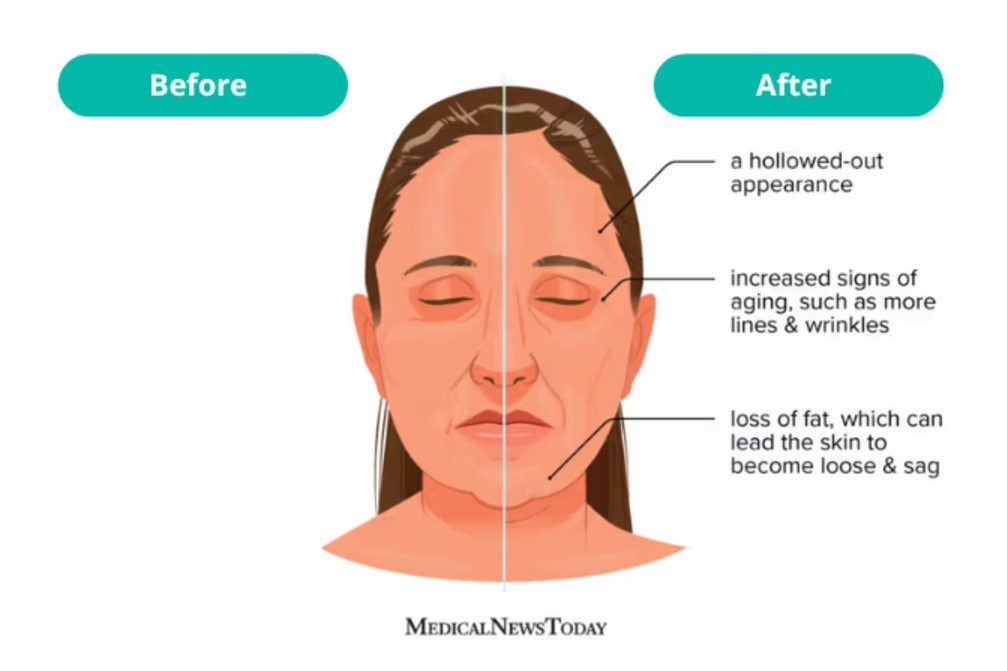
As a result, using Ozempic may have the following facial symptoms:
increased signs of aging, such as more lines and wrinkles
loss of fat, which can lead the skin to become loose and sag
a hollowed-out appearance
lipodystrophy, which affects how the body accumulates and stores fat
Ozempic off-label use for weight loss
Sometimes, doctors may prescribe Ozempic off-label. This means prescribing a drug for a purpose other than what it’s been approved for by the FDA.
Ozempic is not FDA-approved for treating type 1 diabetes and has not been studied in people with this condition. However, in some cases, Ozempic may be used off-label to treat type 1 diabetes.
Some experts say that Ozempic and other medications in the same class should not be used in people with type 1 diabetes. They believe that the risk of side effects from these drugs outweighs the potential benefits when used by people with type 1 diabetes.
Ozempic may also be prescribed off-label for help with weight management. However, the drug is not FDA approved for this purpose.
Other possible side effects of Ozempic
Side effects that have been reported with Ozempic can include:
nausea and vomiting
flatulence
constipation
diarrhea
abdominal pain
fatigue
injection site reactions
In rare instances, you may also experience serious side effects such as:
vision changes
kidney problems
gall bladder disease
severe allergic reactions
an increased risk of thyroid cancer
hypoglycemia (low blood sugar)
pancreatitis (inflammation of the pancreas)
Preventing facial side effects
In some cases, you may be unable to prevent facial side effects from Ozempic. If these are a cause of concern, your doctor may recommend any of the following:
reducing your dosage
changing to a different medication
drinking 1 to 2 liters of water every day
improving protein intake with a protein-rich diet
using dermatological fillers
lifestyle modifications to maintain a healthy weight
If you decide to stop using Ozempic, it can take about 5 weeks from the last dose for the drug to clear from your system.
What happens after stopping Ozempic?
A 2022 study explored changes in body weight and metabolic risk factors among 1,961 participants 1 year after semaglutide treatment.
The study found that stopping Ozempic treatment can cause you to regain lost weight.
After you stop using Ozempic, you may also notice the following:
increased cravings
an absence of side effects
blood sugar spikes
When to contact a doctor
You should contact a doctor if you experience any severe side effects from using Ozempic. Be sure to document your symptoms and share them with your doctor.
It’s also important to note that Ozempic has a boxed warning for the risk of thyroid cancer. (A boxed warning is the most serious warning from the FDA.)
Animal studies showed an increased risk of thyroid cancer in animals given semaglutide (the active drug in Ozempic). Animal studies don’t always predict what happens in humans. It isn’t known for certain whether Ozempic increases the risk of thyroid cancer in humans.
While using Ozempic, tell your doctor right away if you have any of the following symptoms:
difficulty swallowing
a lump or pain in the neck
wheezing
shortness of breath
a hoarse voice that worsens over time
Frequently asked questions
Here are some frequently asked questions about Ozempic.
Does Ozempic change your face?
It’s possible. Ozempic can cause rapid weight loss, which can be particularly visible in the face. A sudden loss of fat cells can reduce the appearance of smoothness and fullness in the face, resulting in a gaunt appearance.
For more information about how Ozempic may change your face, talk with your doctor.
What does an Ozempic face look like?
It can vary from person to person. Changes in your face may include:
more lines and wrinkles
loose and sagging skin due to loss of fat cells
a hollowed-out appearance
If you have concerns about changes to your face while using Ozempic, talk with your doctor.
Does Ozempic age your skin and your face?
It may. When experiencing rapid weight loss, your skin does not always shrink at the same time. A lack of fat cells may also affect skin elasticity. Wrinkles and lines, usually associated with aging, can appear.
For more information about how Ozempic can affect your face, talk with your doctor.
Summary
Ozempic is a treatment option for people with type 2 diabetes. While Ozempic does not have FDA approval for weight management, doctors may prescribe this drug off-label for chronic weight management among those with overweight or obesity. It can cause rapid weight loss and associated facial side effects that some call “Ozempic face.”
You should only use Ozempic as your doctor recommends. If you experience severe side effects from using Ozempic, your doctor may stop prescribing the medication and recommend lifestyle changes.
When you stop using Ozempic, you may experience increased food cravings, an absence of side effects, and blood sugar spikes. You may also regain any weight they lost while using it.
If you’re interested in using Ozempic for weight loss, which is an off-label use, talk with your doctor. They can help determine whether Ozempic might be a good choice for you.
Disclaimer: Medical News Today has made every effort to make certain that all information is factually correct, comprehensive, and up to date. However, this article should not be used as a substitute for the knowledge and expertise of a licensed healthcare professional. You should always consult your doctor or another healthcare professional before taking any medication. The drug information contained herein is subject to change and is not intended to cover all possible uses, directions, precautions, warnings, drug interactions, allergic reactions, or adverse effects. The absence of warnings or other information for a given drug does not indicate that the drug or drug combination is safe, effective, or appropriate for all patients or all specific uses.
Ruth E. Carter is an award-winning costume designer behind some of the most iconic black films of all time—Malcolm X, Amistad, Do the Right Thing, and Selma, to name a few. So it should come as no surprise that Carter was tapped to lend her incomparable talent to design costumes for Marvel’s Black Panther movie—a highly anticipated Hollywood blockbuster.
We caught up with Carter to learn more about her journey into Hollywood.
What inspired you to become a costume designer?
I discovered costume design as a career path while attending Hampton University. But costume designing was a summary of my experiences. My mom was a counselor for the city; she would stop in the street and talk to people who had all types of problems. Back then it was embarrassing but her empathy for people gave me permission to open my eyes and see people for all of their complexities. Having had that as a young person coupled with going to college and majoring in theatre, I could read a script about a person and see a version of how they might look like. Ultimately, I was groomed to be a storyteller at a young age.
When it comes to hiring you to design costumes for movies, how does the process work with film studios?
Directors hire me—but they don’t want to impede on my creativity. When I first get the script, they give me broad strokes [direction]. They may say “We want realism or this has to be incredible, intense, wild, and colorful. etc.”
First, I read through the scenes of the scripts. I get into the words and the characters. I laugh and cry with it. This helps me determine when to be pronounced. For instance, if the scene is Harlem 1940s, and Thurgood Marshall is sitting with his wife, and Langston Hughes walks in, I look up Langston Hughes in the 1940s. Then I look for great photographers of that era—I discover Teenie Harris, an accomplished black photographer. I review his body of work and notice he was photographing people candidly. But these pictures were in black and white so I go to the original collections and they give me a direct path to the tones and brightness and dullness of saturation or desaturated of colors that will create a 1940s landscape.
Which moments have been most helpful in getting you to this point in your career?
When I started there were very few people who were doing costume design. My mentors were unconventional people like Spike Lee. He said, “Attend the University of Southern California, and go to UCLA for training and sign up for a student film that way you’ll be on a set with all the professional equipment used by major studios.
He also taught me about buying in multiples. For instance, for a scene where people get into a fight—you might need to buy five of the same shirt because movies shoot out of sequence, so if the actor bloodies or dirties that shirt—that shirt has to stay exactly like it is for the scenes that follow. But if we haven’t shot the scenes that come before it—you need a clean version. Nobody else told me this.
Spike Lee was my greatest support and biggest mentor. I am indebted to him for the life and career I have now.
Marvel’s Black Panther movie is one of the most highly anticipated films of 2018. But beyond a star-studded lineup of incredible black talents such as Michael B. Jordan, Angela Bassett, Forest Whitaker, and Lupita Nyong’o, the film also includes an action-packed storyline equipped with a variety of jaw-dropping costumes. So we caught up with Ruth E. Carter, the Academy Award-nominated designer behind the film to talk about how the ancient tribes of Africa inspired her designs of the superhero costumes.
Carter is no stranger to recreating representations of blacks in films—she’s also the creative mastermind behind some of the most iconic black films in history—School Daze, Malcolm X, Amistad, Do the Right Thing, Roots (2016) and Selma, to name a few. Below she shares her design process and inspiration behind the film’s costumes.
Ruth E. Carter on working with the film production team and planning for the design process.
Marvel Studios gave me a blueprint. They had a lot of plans for the costumes, whether it was visual effects, special effects, or photo doubles. So they told me the elements the costume needed to have. From rich saturated colors and beautiful prints to textures—these things were rooted in African culture.
So we researched all of these wonderful different ancient tribes from the continent of Africa such as the Xhosa, Zula, Himba, and Maasai, and learned about their secrets and the reason behind doing things a certain way. For instance, when The Himba Tribe used this beautiful red clay that they put all over their bodies (including, jewelry hands, and hair) it was for the desert dwellers to have moisturizer. It also made your skin and hair really soft. It even had Shea butter—it was also so colorful and intense. It could even be bottled and sold today as a moisturizer.
On the other hand, the Maasai Tribe was known for all of this beautiful beadwork—so we wanted to direct the costumes towards that look. The stacked rings are a very prominent visual jewelry and were worn by ancient African tribes—that was also part of the framework that Marvel said we would like to have. I hired a jewelry designer who does African-inspired jewelry. She created rings, and necklaces—featuring a hand-tooled element that really pulled the looks together. We also pulled inspiration for the costumes from the draped robe attire that you often see in the Nigerian culture.
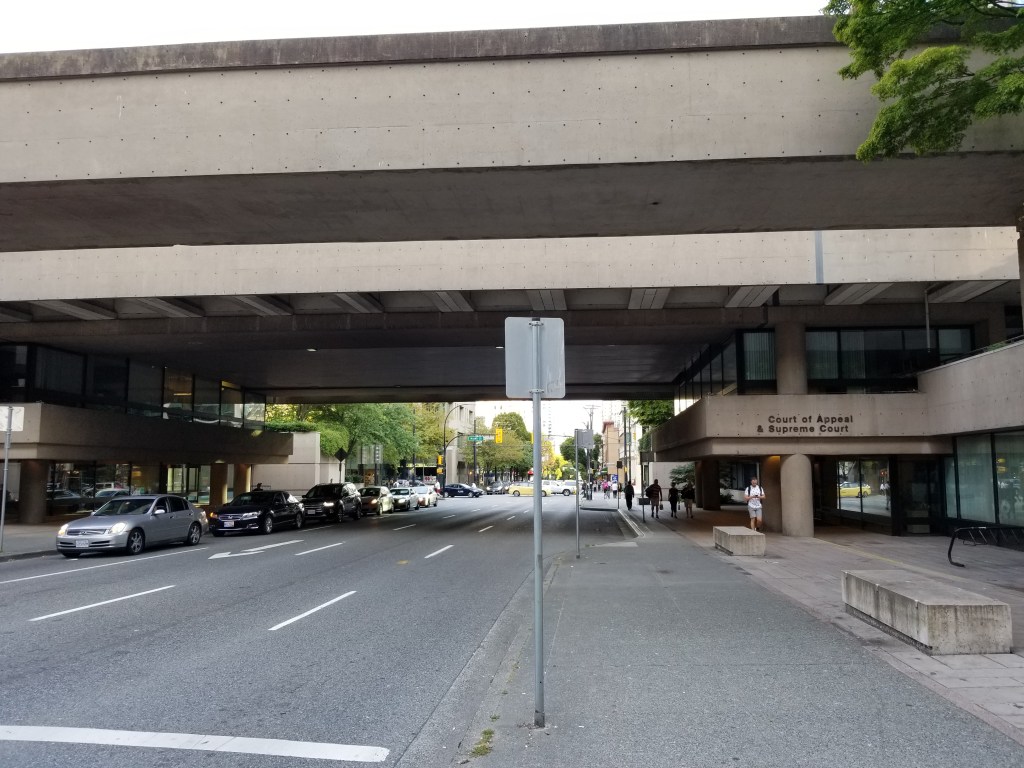
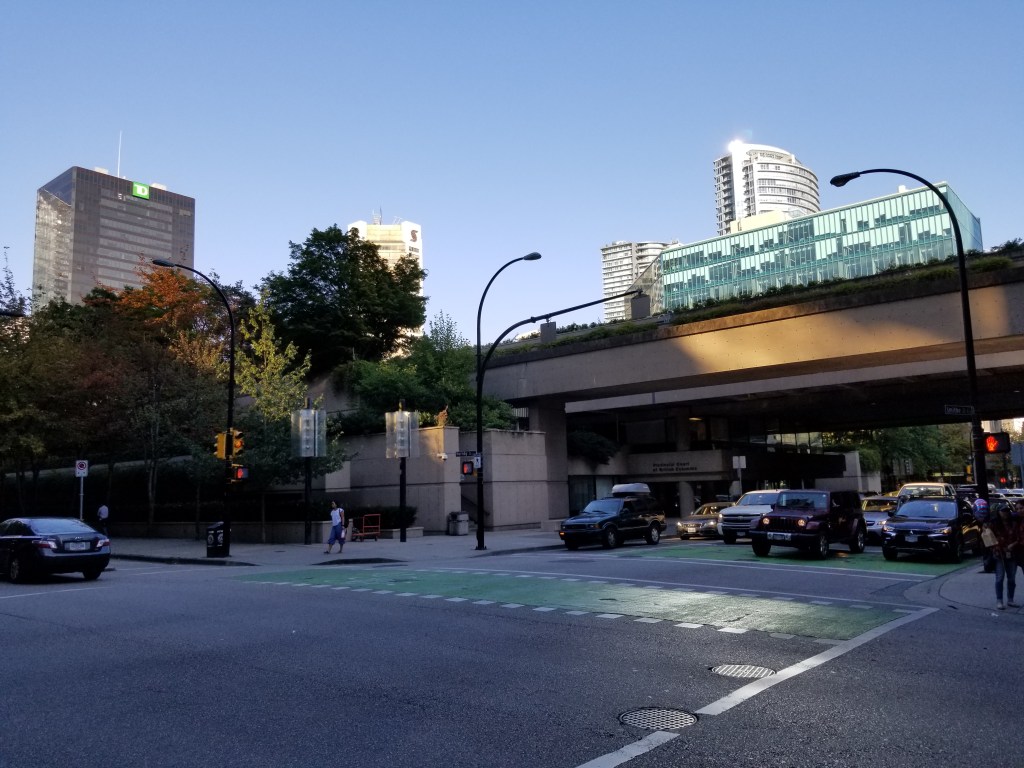
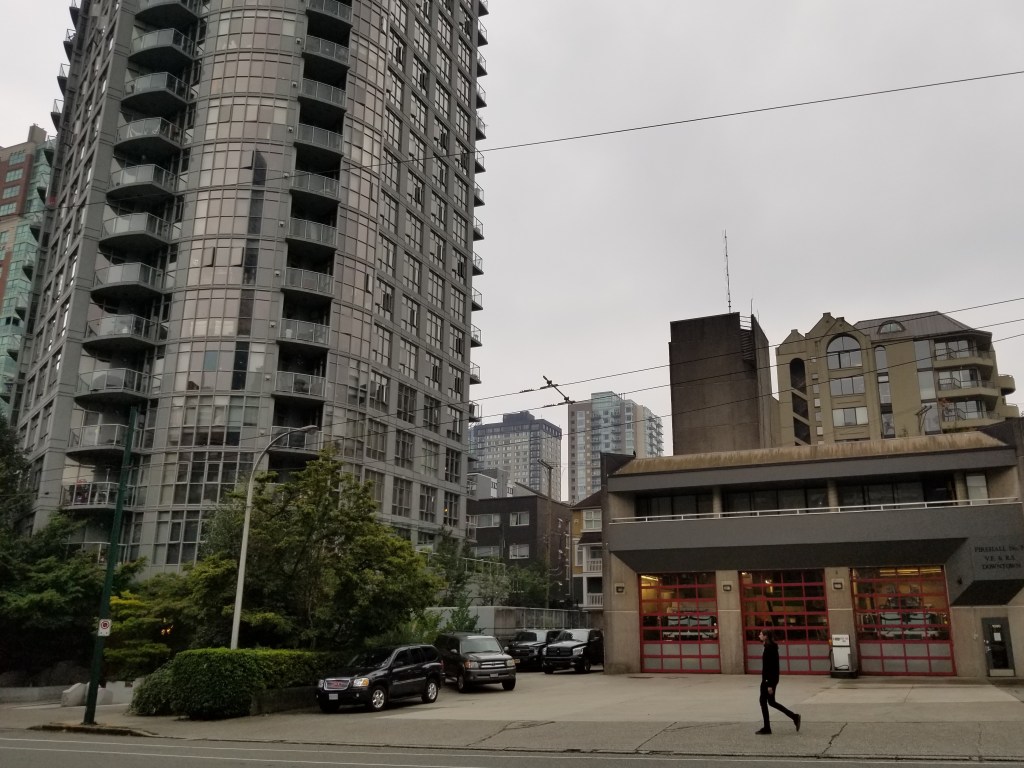
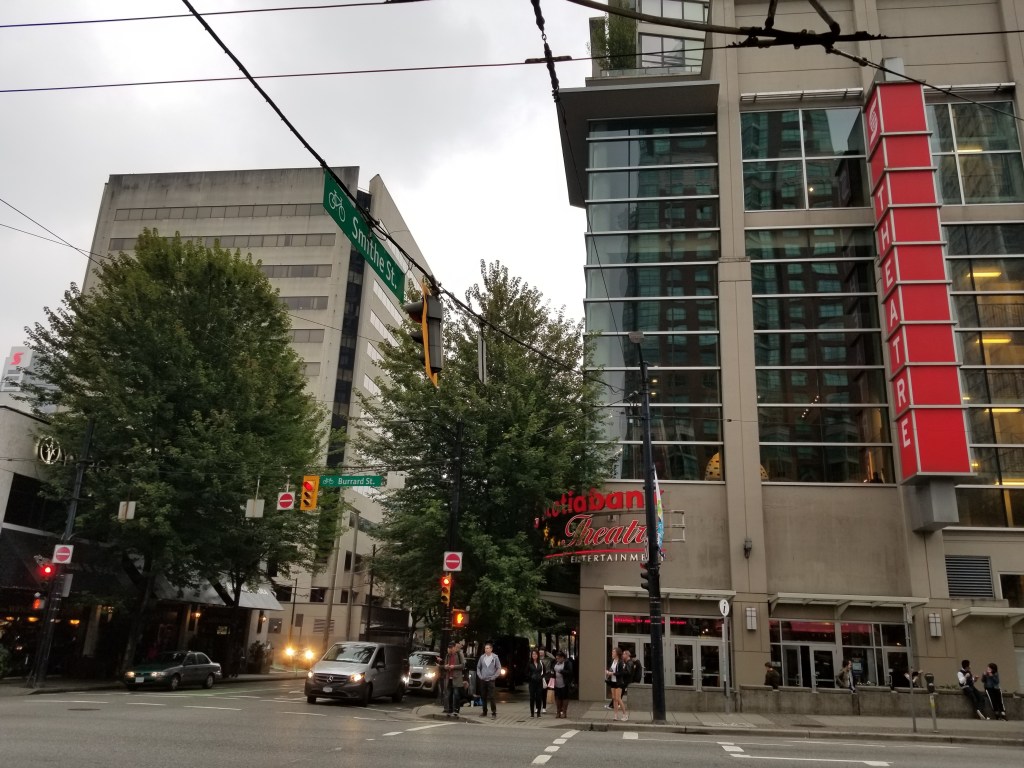
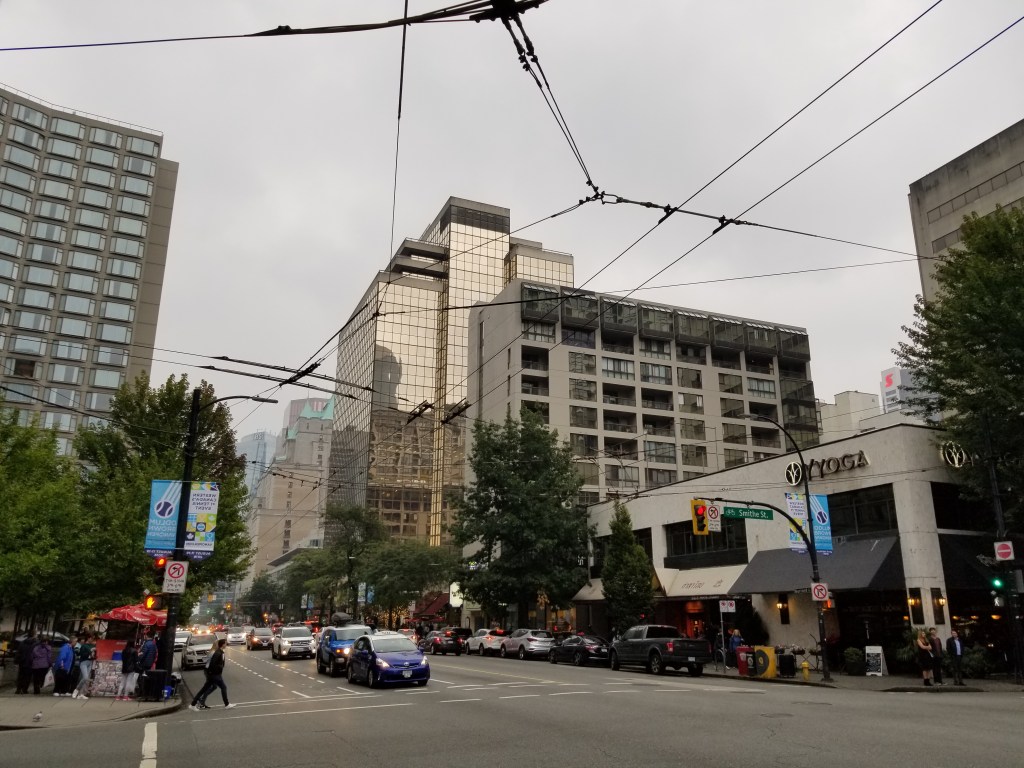
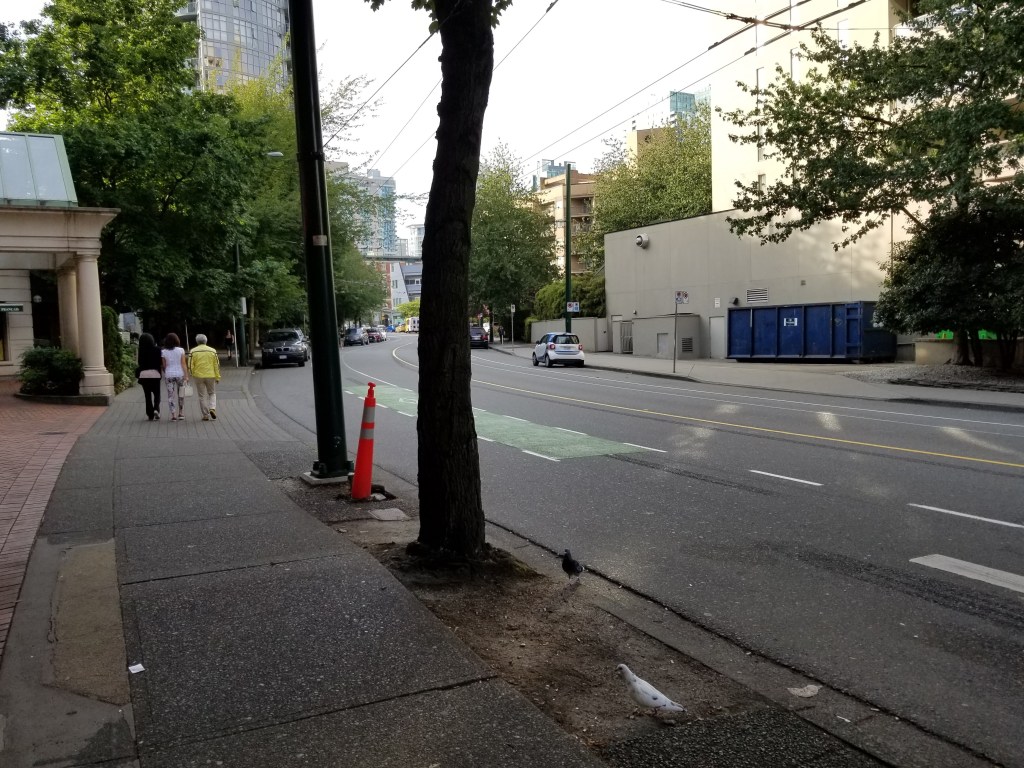
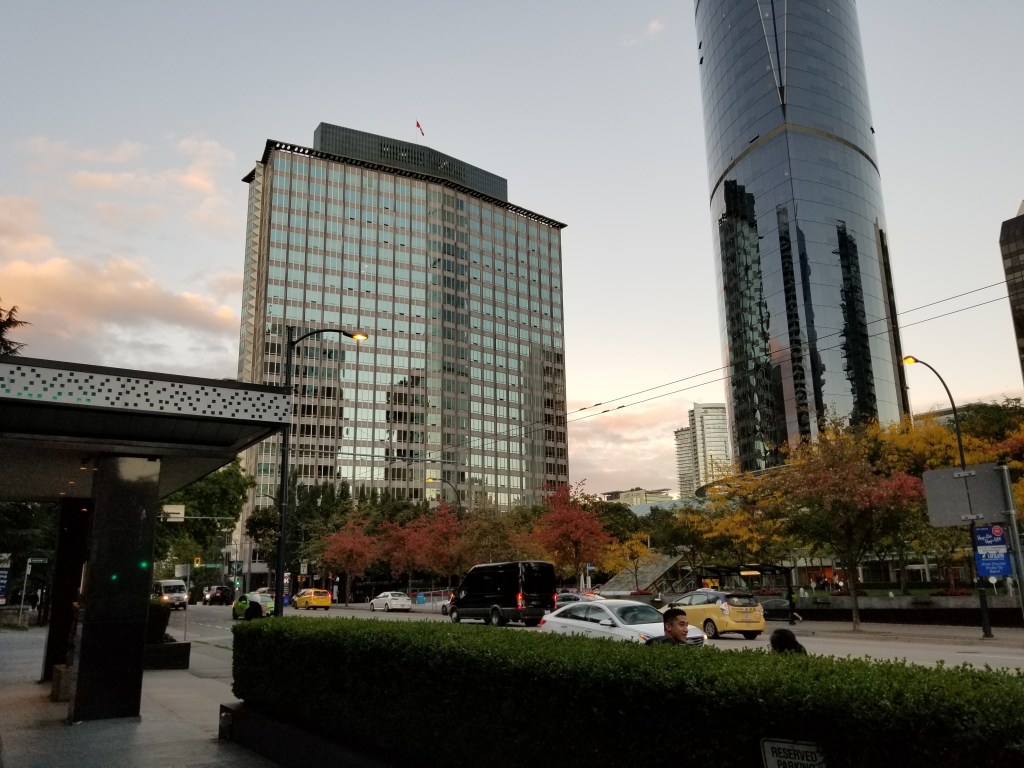
Smithe Street is a prominent street in Downtown Vancouver, British Columbia, running east-west through several key neighborhoods, including Yaletown, the Central Business District (CBD), and the Arts + Events District. It’s named after William Smithe, a former Premier of British Columbia, and is known for its blend of residential, commercial, and cultural significance.
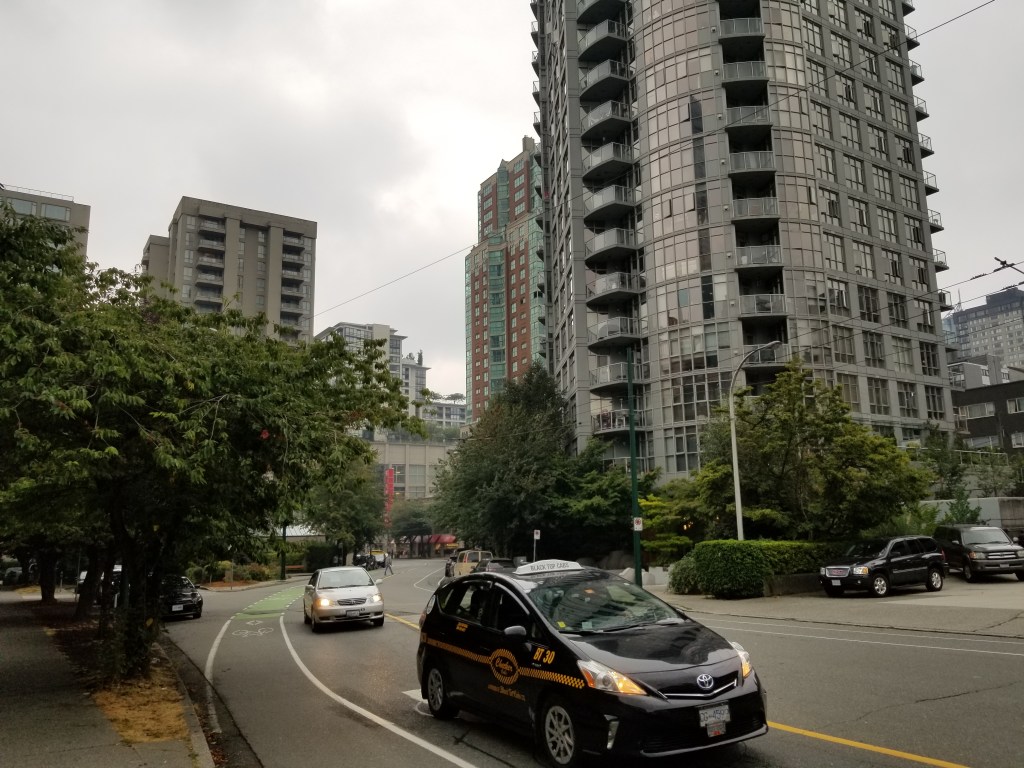
Smithe Street cuts through Yaletown, a trendy, revitalized area that was once an industrial zone. Today, it’s a hub of modern luxury developments, upscale dining, and vibrant nightlife. Developments like One Pacific at 68 Smithe Street are part of Concord Pacific’s newest luxury projects, offering proximity to the Seawall, Roundhouse Community Centre, and Yaletown Canada Line Station. Further east, Smithe Street passes through the CBD, where office workers, food trucks, and high-end shopping on Robson and Alberni streets define the area. It’s a central connection point for SkyTrain routes, the West Coast Express, and the SeaBus to North Vancouver. The Arts + Events District area, intersecting Smithe Street, is rich with cultural landmarks and is walkable to neighborhoods like Gastown, Chinatown, and False Creek.
Properties like One Pacific and The Smithe highlight the street’s appeal for luxury living. These buildings offer modern amenities, stunning views, and easy access to parks, the Seawall, and public transit. Yaletown along Smithe Street is home to popular brunch spots like Chambar, Jam Cafe, and Cafe Medina, as well as The Dirty Apron, a culinary institution. The CBD section features Pacific Centre Mall and high-end boutiques. The street’s location provides quick access to Stanley Park, the West End, and Coal Harbour, making it ideal for outdoor enthusiasts. Gastown’s heritage charm and the Arts + Events District add a cultural layer with galleries and events.
Originally part of Vancouver’s industrial landscape, Yaletown (where Smithe Street is a key artery) has transformed into a model of livability. The mix of brick-and-beam heritage buildings with modern architecture reflects the city’s evolution, tied together by the iconic Seawall and waterfront parks. Smithe Street remains a dynamic part of Vancouver’s real estate market and lifestyle scene. Luxury developments continue to attract buyers, and its central location supports a bustling urban environment. Real estate platforms like REW.ca provide up-to-date listings and strata details for properties like One Pacific, reflecting ongoing interest in the area.








 Igor's Blog