

Now reading The Military Establishment by Adam Yarmolinsky…
Final Fantasy VI for the Super Nintendo.
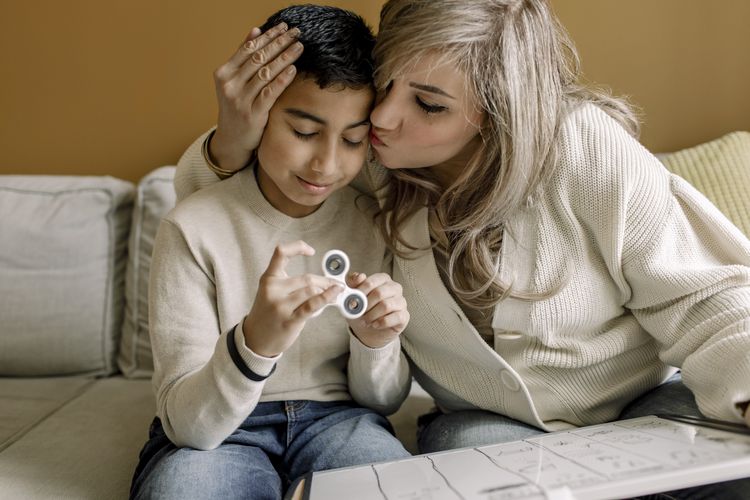
The characteristics of these neurotypes overlap in surprising ways.
Attention-deficit/hyperactivity disorder (ADHD) and autism spectrum disorder (ASD) are both noted as neurodevelopmental disorders in the DSM-5, however, contemporary perspectives emphasize that they’re just different neurotypes from what is considered neurotypical. Even so, neurodivergence can lead to challenges, though neurodiversity reflects a variety of strengths among humanity.
While approximately 10% of the population has ADHD, some research has shown that 40% of autistic people have ADHD, with other studies suggesting that the rate may be closer to 70%. Conversely, while 2-3% of people are autistic, 20-50% of those with ADHD are also autistic.
In this article, we discuss the connection between ADHD and autism and how these diagnoses present when they co-exist.
As the statistics above indicate, people with ADHD are significantly more likely to be autistic compared to those who do not have ADHD, and vice versa.
However, before 2013, the Diagnostic and Statistical Manual of Mental Disorders indicated that an individual could not meet the diagnostic criteria for both diagnoses. Despite this requirement, the comorbidity rate of diagnosing both autism and ADHD was 45% at this time.
ADHD and autism share common characteristics, including inattention, atypical movement (such as fidgeting or stimming behaviors), social difficulties, and differences in learning style. Both autistic people and those with ADHD can experience sensory sensitivities as well.
Despite the overlap, though, current research indicates that ADHD and autism are distinct, separate diagnoses rather than one neurotype on the same spectrum.
Due to symptom overlap, autistic individuals who also have ADHD might have more difficulty receiving an accurate diagnosis.
Many diagnostic scales emphasize symptoms—more commonly referred to as traits or characteristics—as they tend to manifest when the individual only meets the criteria for autism or ADHD rather than both diagnoses. So a unique combination of symptoms that may not neatly fit into just one diagnostic “box” can be overlooked or misunderstood.
Even though an autistic person is more likely to have ADHD than someone who is not autistic, and someone with ADHD is more likely to be autistic than someone who does not have ADHD, professionals often only assess for one diagnosis at a time.
If you have one diagnosis, it may be beneficial to request testing for the other if you feel that your existing diagnosis does not fully describe your experience.
Sometimes, autistic people with ADHD may have difficulty functioning in a world created for neurotypical brains. Sensory issues and executive dysfunction can make many daily tasks challenging. If you are struggling, look into what support services might be available to you.
ADHD and autism can both be diagnosed by specifically qualified medical and mental health professionals. Although many people have both diagnoses, providers may not evaluate for both unless you request it. A qualified evaluator will use a variety of diagnostic tools when determining if someone meets the diagnostic criteria for ADHD, autism, or both.
Most psychological evaluations for any diagnosis will include a diagnostic interview, during which they will ask several questions about history, symptoms, mental health, and traits that might be consistent with ADHD or autism. Since neurodevelopmental diagnoses like ADHD and autism occur from birth or early childhood, this interview will likely include questions about early developmental years.
If possible, the evaluator may ask to speak to someone who took care of you when you were a baby, but this information (called a collateral interview) is not essential in order to receive a diagnosis.
Measures commonly used to diagnose ADHD include:
Measures used to diagnose autism include:
They may also administer screeners for various other mental health issues, like anxiety or depression, that can co-occur with autism and ADHD.
Since the world is not set up for autistic and ADHD brains, many people with either or both diagnoses need support for daily living, work, finances, or other areas. Traditionally, “treatment” for autism and ADHD has emphasized making the person act or appear neurotypical rather than supporting their needs. This has led to increased burnout and trauma symptoms and is increasingly discouraged.
These organizations offer more information on supporting autistic people with ADHD or for finding support regarding your own diagnoses:
Rather than encouraging autistic people with ADHD to hide their traits, support looks like creating environments where their needs are met without having to hide or mask. Listen to community members, and make decisions about support based on what autistic and ADHD folks say is helpful to them.
With an intense light and a more tame one, we’re going to deeply inspect you as well as do some light testing. We’ve got three lighting settings: dim in the beginning and end, dark, and half-light. We’ve got some follow the light, look here/there, look up/down, gentle face touching while I inspect you, all while rain falls in the background.
Slowly Inspecting You with Intense Light: 00:00 – 04:04
Ophthalmoscope Inspection: 04:04 – 07:53
Turning out the Lights: 07:53 – 08:44
Dark Room Ophthalmoscope Testing: 08:44 – 15:28
Intense Light Testing in Dark Room: 15:28 – 21:10
Half-Light Ophthalmoscope Testing: 21:10 – 25:13
Intense Light in the Half-Light Room: 25:13 – 34:43
Inspecting You with Ophthalmoscope: 34:43 – 36:30
Switching to Intense Light: 36:30 – 37:55
Wrapping Up: 37:55 – 38:53
Triggers include: whispering, soft speaking, light triggers, follow instructions, face touching, inspecting you, up close, clicking wheel, ophthalmoscope, follow the light, footsteps, dark room light testing, look up/look down/etc, and rain in the background.

Russia has moved to classify key demographic statistics following a dramatic collapse in its birth rate, which has plunged to levels not seen since the late 18th or early 19th century, according to a leading Russian demographer.
Newsweek has contacted Russia’s Foreign Ministry for comment by email.
For decades, Russia has been experiencing a plunging birth rate and population decline, which appears to have worsened amid its ongoing invasion of Ukraine—with high casualty rates and men fleeing the country to avoid being conscripted to fight.
Projections estimate that Russia’s population will fall to about 132 million in the next two decades. The United Nations has predicted that in a worst-case scenario, by the start of the next century, Russia’s population could almost halve to 83 million.
Demographer Alexey Raksha, who previously worked with Russia’s Federal State Statistics Service (Rosstat), said the agency recently ceased publishing detailed demographic data.
In its monthly report published on May 16, Rosstat omitted figures for births and deaths for the most recent reporting period, along with monthly data on marriages and divorces, Raksha said.
Of the five demographic tables previously published by Rosstat, only one remained in the latest report. It provided data on births, deaths, marriages and divorces only as a cumulative total from the beginning of the year, he said.
“In fact, since March 2025, there have been almost no publicly available demographic statistics in Russia,” Raksha wrote.
“The level of demographic panic within the government has reached epic proportions,” he continued.
In March, Raksha said Russia might be seeing its lowest birth rates since the late 1700s. Births dropped by 6 to 7 percent in February and by 3 to 4 percent in March, the demographer said.
In the first quarter of 2025, between 293,000 and 294,000 births were registered in Russia—2.4 percent lower than the first quarter of last year, he said.
“March 2025 likely recorded the lowest number of births on the territory of today’s Russian Federation since the late 18th to early 19th century,” Raksha wrote on his Telegram channel.
The average number of children per woman remained almost the same in the first quarter, decreasing from 1.432 to 1.431, the demographer said.
Russian authorities have restricted access to abortions and contraception and have even offered pregnant women payouts in a bid to encourage the population to have children. In 2023, Valery Seleznev, a member of the Russian State Duma, proposed releasing women convicted of minor charges from prisons so they could conceive.
Last year, Kremlin press secretary Dmitry Peskov said reviving the nation’s birth rate was one of Russia’s “top priorities.” He called the situation “catastrophic.”
Kremlin spokesperson Dmitry Peskov said in July: “We live in the largest country in the world. And our numbers are decreasing every year. And this can only be dealt with by increasing the average birth rate.”
In addition to classifying population data, Russia plans to ban “childfree ideology.” On September 1, Roskomnadzor, Russia’s telecommunications regulator, is set to implement an order that could affect media such as Game of Thrones, Sex and the City and the Harry Potter franchise.

On Friday night, Haynes Galleries will open “John Baeder: Works From 1962 to 2015,” an expansive exhibition of work by the revered Nashville-based painter. Spanning the entire gallery space, this mini-retrospective is a survey of painting, photography and sculpture from over five decades of Baeder’s career. In addition to more than 125 artworks on view, the exhibition also includes collections of memorabilia from the artist’s home.
The show coincides with the recent release of “John Baeder’s Road Well Taken,” a 272-page book with more than 300 illustrations of Baeder’s artwork and ephemera. Written by Jay Williams, the publication offers an intimate and comprehensive portrait of Baeder’s multifaceted career.
“We’re taking John’s biography and putting it on the wall,” said curator and gallery owner Gary Haynes. “I wanted to showcase his work, but also create a sense of his home and personality.”
The earliest pieces on display are black-and-white photographs originally taken in the 1960s before Baeder committed himself full time to painting. The show takes viewers through the decades of Baeder’s photographs and photorealistic paintings of diners, motels and eateries. Undoubtedly his most well known subject matter, Baeder’s portraits of the American roadside sit at the heart of his artistic output. The exhibit culminates in the main gallery space with Baeder’s new paintings from the “Aero” series. Shifting his focus from the highway to the sky, Baeder has now turned his skilled eye to antique aircrafts.
Baeder’s home is a work of art in itself. The roomy Nashville residence, which he’s had since 1983, feels like a life-size projection of the artist’s mind and work. Hand-painted signs are hung from floor to ceiling, sprawling collections of model cars and statuettes are meticulously arranged on shelves that run the length of his walls, and a library of photographic prints and art books occupy most of the tabletops in his multiple workspaces. In the sightline of a camera mounted to a tripod, a still life of miniature cars, a vintage motor oil bottle and faux fruit is arranged next to a large bay window.
“I like faux things,” Baeder said in his warm and cheerful way, waving a plastic baguette he plucked from his prop table filled with fake fruit, vegetables and flowers. Much of Baeder’s work explores the line between reality and illusion, so it seems fitting that he’s drawn to ersatz food. For him, the banal object — what most people consider an eyesore — is often what attracts him.
When he first started photographing old diners in New York, he saw something other’s didn’t see in them. “I saw them as temples of lost civilizations,” he said.
Similarly, when he began painting in the early 1970s, he worked from his postcard collection of diners, gas stations and motels. “Most people thought these were junk, they threw them away,” he said. “I found them really appealing. So I transformed them from 3½-by-5½ inch postcards to 3½-by-5½ foot paintings.”
Baeder had only made four of these paintings when, at the age of 33, he caught the eye of eminent New York dealer Ivan Karp of O.K. Harris Works of Art. Karp, the former gallery director for Leo Castelli, was one of the first dealers to champion photorealists like Baeder. Karp opened Baeder’s first solo show in September 1972, just months after first seeing his work.
“It was an honor to have a show like that,” said Baeder. “It was your typical ‘being in the right place at the right time with the right dealer’ thing.”
Baeder’s career took off and he continued to use lowbrow, everyday objects as subject matter. As he was developing his more recent “Kitchen” series, still-life paintings of his windowsill vignettes, Baeder first visited several antique malls and studied the objects on the shelf. To him they seemed to be waiting for a new life.
“All the shelves at the antique mall,” Baeder pointed out, “if you really look, it’s like comedy and tragedy. There’s a great sadness about them, but also a wit in the juxtaposition of all this junk. And sometimes, with the placement, it’s the condensation of American culture on one shelf.”
American culture is central to all of Baeder’s work. “My quest is preservation,” he said. “Through the act of painting, I’m saving these particular pockets of American culture, the ones I’m passionate about. That’s very important to me.”
From his early days with a Brownie camera to his current status as a master painter, Baeder’s life and career is one to be celebrated. But he’s not done yet. With a spirit that’s still youthfully curious and searching, Baeder said he has no plans to retire from making art.
“I worked in advertising for 12 years, but it felt like 50 because that life was so tough,” he said. “I’ve been painting for 43 years and it seems like just a couple. That’s what happens when you do what you love and you love what you do.”
If you go
What: “John Baeder: Works from 1962-2015” at Haynes Galleries
When: Opening reception is 5-8 p.m. Friday. Exhibition runs through Jan. 9.
Where: 1600 Division St., Suite 140
Hours: 10 a.m.-4 p.m. Tuesday-Saturday
Admission: free
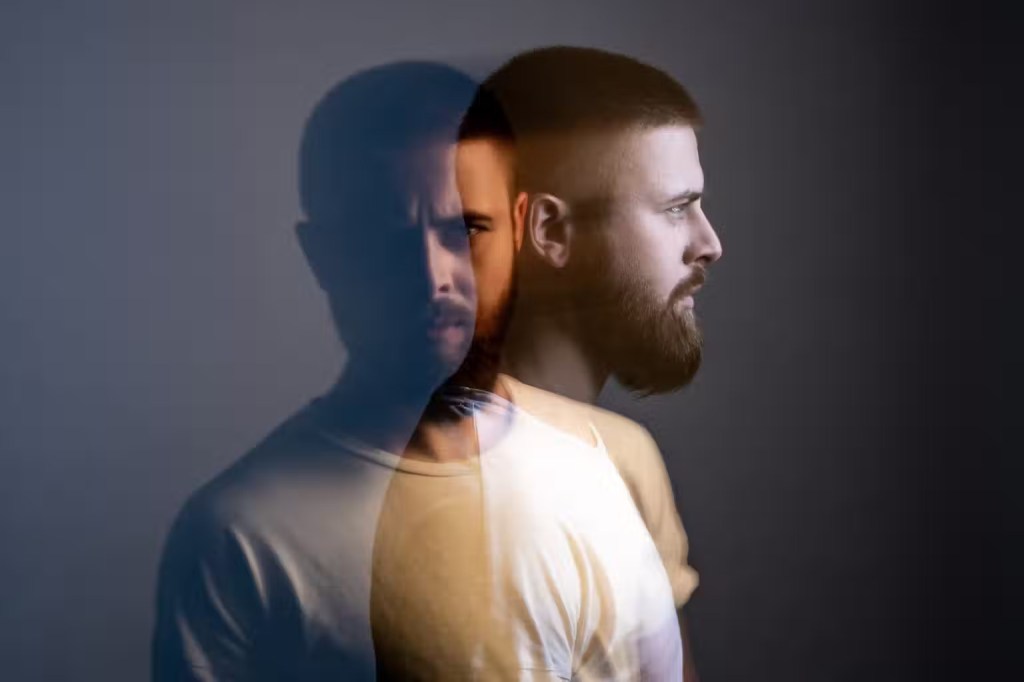
You may have seen some new ways to describe when someone is autistic and also has attention-deficit hyperactivity disorder (ADHD). The terms “AuDHD” or sometimes “AutiADHD” are being used on social media, with people describing what they experience or have seen as clinicians.
It might seem surprising these two conditions can co-occur, as some traits appear to be almost opposite. For example, autistic folks usually have fixed routines and prefer things to stay the same, whereas people with ADHD usually get bored with routines and like spontaneity and novelty.
But these two conditions frequently overlap and the combination of diagnoses can result in some unique needs. Here are five important things to know about AuDHD.
Only in the past decade have autism and ADHD been able to be diagnosed together. Until 2013, the Diagnostic and Statistical Manual of Mental Disorders (DSM) – the reference used by health workers around the world for definitions of psychological diagnoses – did not allow for ADHD to be diagnosed in an autistic person.
The manual’s fifth edition was the first to allow for both diagnoses in the same person. So, folks diagnosed and treated prior to 2013, as well as much of the research, usually did not consider AuDHD. Instead, children and adults may have been “assigned” to whichever condition seemed most prominent or to be having the greater impact on everyday life.
Around 1% to 4% of the population are autistic.
They can find it difficult to navigate social situations and relationships, prefer consistent routines, find changes overwhelming and repetition soothing. They may have particular sensory sensitivities.
ADHD occurs in around 5–8% of children and adolescents and 2–6% of adults. Characteristics can include difficulties with focusing attention in a flexible way, resulting in procrastination, distraction and disorganisation. People with ADHD can have high levels of activity and impulsivity.
Studies suggest around 40% of those with ADHD also meet diagnostic criteria for autism and vice versa. The co-occurrence of having features or traits of one condition (but not meeting the full diagnostic criteria) when you have the other, is even more common and may be closer to around 80%. So a substantial proportion of those with autism or ADHD who don’t meet full criteria for the other condition, will likely have some traits.
Autistic people generally prefer order, while ADHDers often struggle to keep things organised. Autistic people usually prefer to do one thing at a time; people with ADHD are often multitasking and have many things on the go. When someone has both conditions, the conflicting traits can result in an internal struggle.
For example, it can be upsetting when you need your things organised in a particular way but ADHD traits result in difficulty consistently doing this. There can be periods of being organised (when autistic traits lead) followed by periods of disorganisation (when ADHD traits dominate) and feelings of distress at not being able to maintain organisation.
There can be eventual boredom with the same routines or activities, but upset and anxiety when attempting to transition to something new.
Autistic special interests (which are often all-consuming, longstanding and prioritised over social contact), may not last as long in AuDHD, or be more like those seen in ADHD (an intense deep dive into a new interest that can quickly burn out).
Autism can result in quickly being overstimulated by sensory input from the environment such as noises, lighting and smells. ADHD is linked with an understimulated brain, where intense pressure, novelty and excitement can be needed to function optimally.
For some people the conflicting traits may result in a balance where people can find a middle ground (for example, their house appears tidy but the cupboards are a little bit messy).
There isn’t much research yet into the lived experience of this “trait conflict” in AuDHD, but there are clinical observations.
Our research on mental health in children with autism, ADHD or AuDHD shows children with AuDHD have higher levels of mental health difficulties than autism or ADHD alone.
This is a consistent finding with studies showing higher mental health difficulties such as depression and anxiety in AuDHD. There are also more difficulties with day-to-day functioning in AuDHD than either condition alone.
So there is an additive effect in AuDHD of having the executive foundation difficulties found in both autism and ADHD. These difficulties relate to how we plan and organise, pay attention and control impulses. When we struggle with these it can greatly impact daily life.
ADHD medication treatments are evidence-based and effective. Studies suggest medication treatment for ADHD in autistic people similarly helps improve ADHD symptoms. But ADHD medications won’t reduce autistic traits and other support may be needed.
Non-pharmacological treatments such as psychological or occupational therapy are less researched in AuDHD but likely to be helpful. Evidence-based treatments include psychoeducation and psychological therapy. This might include understanding one’s strengths, how traits can impact the person, and learning what support and adjustments are needed to help them function at their best. Parents and carers also need support.
The combination and order of support will likely depend on the person’s current functioning and particular needs.
Do you relate?
Studies suggest people may still not be identified with both conditions when they co-occur. A person in that situation might feel misunderstood or that they can’t fully relate to others with a singular autism and ADHD diagnosis and something else is going on for them.
It is important if you have autism or ADHD that the other is considered, so the right support can be provided.
If only one piece of the puzzle is known, the person will likely have unexplained difficulties despite treatment. If you have autism or ADHD and are unsure if you might have AuDHD consider discussing this with your health professional.

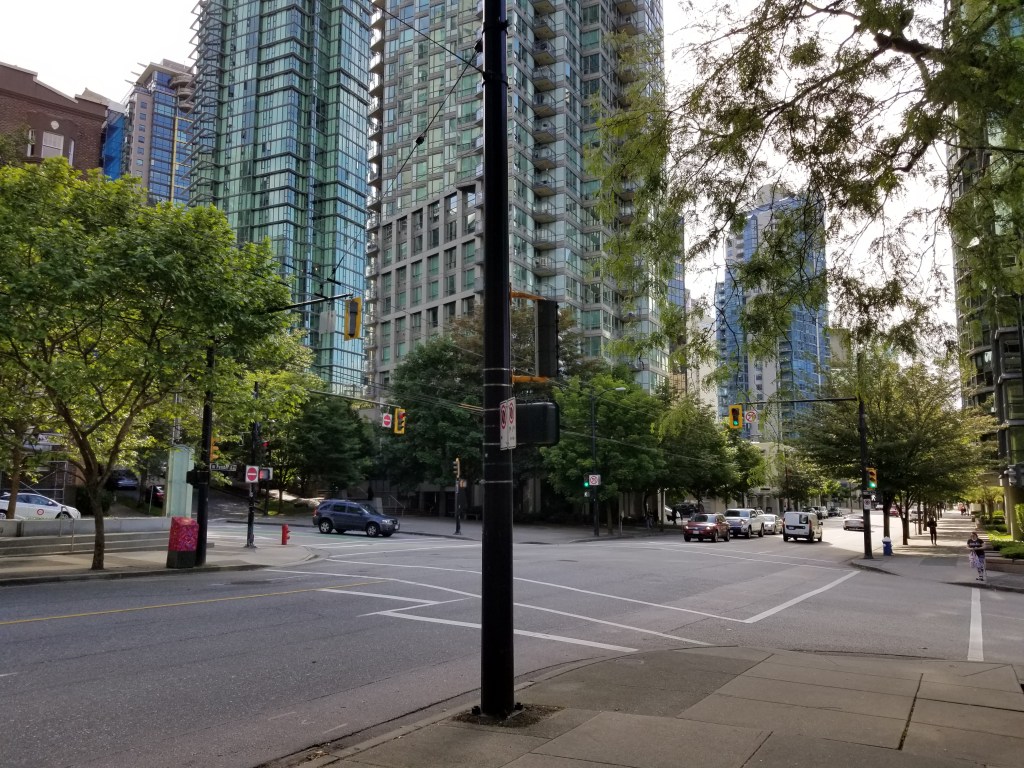
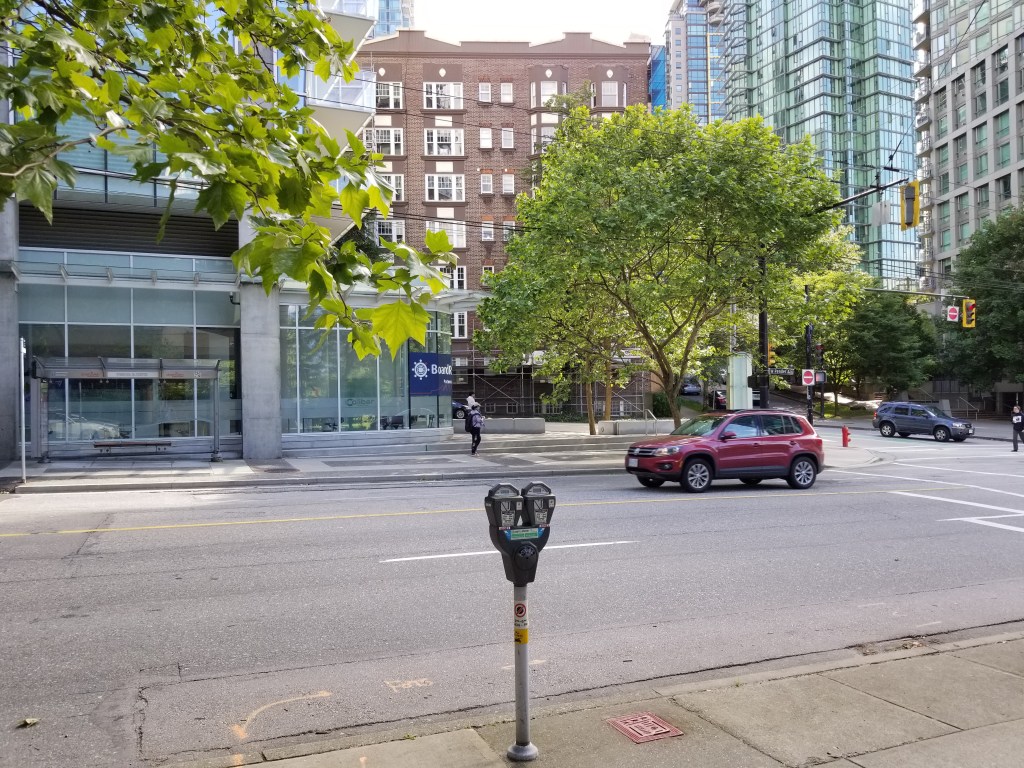

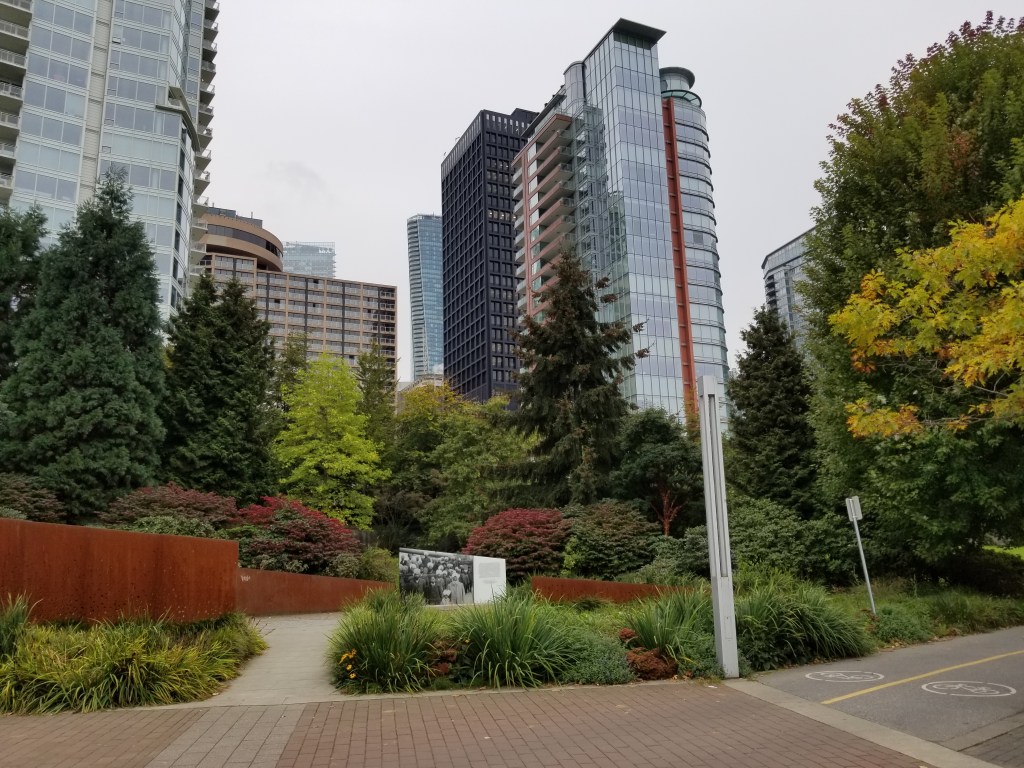
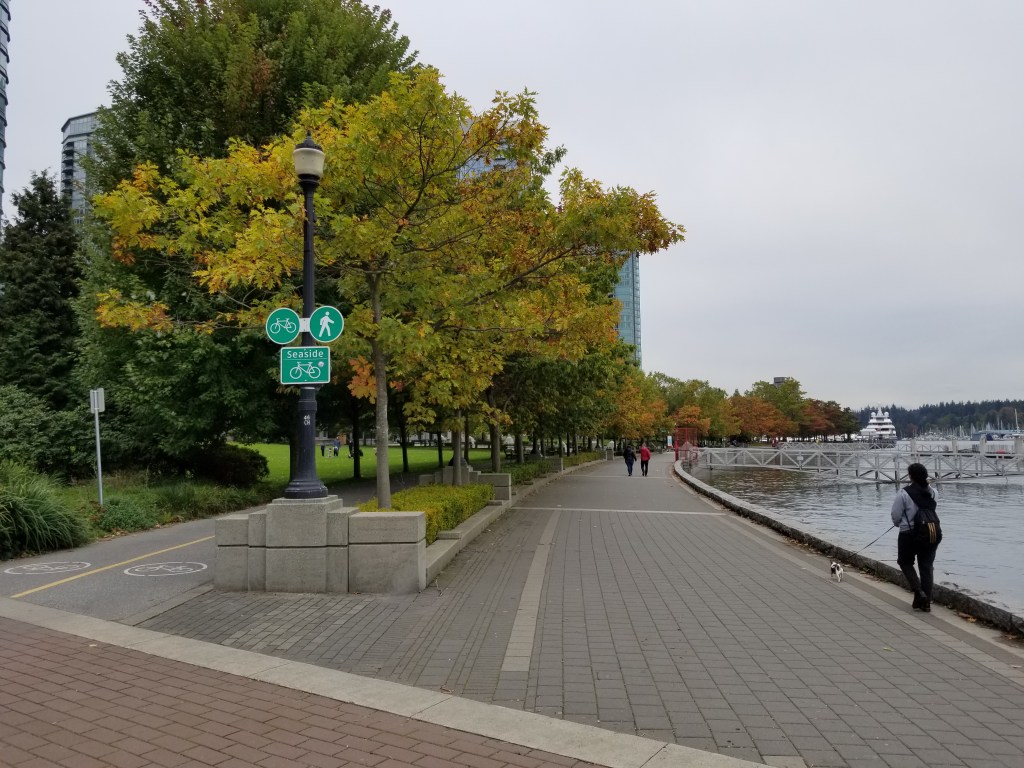

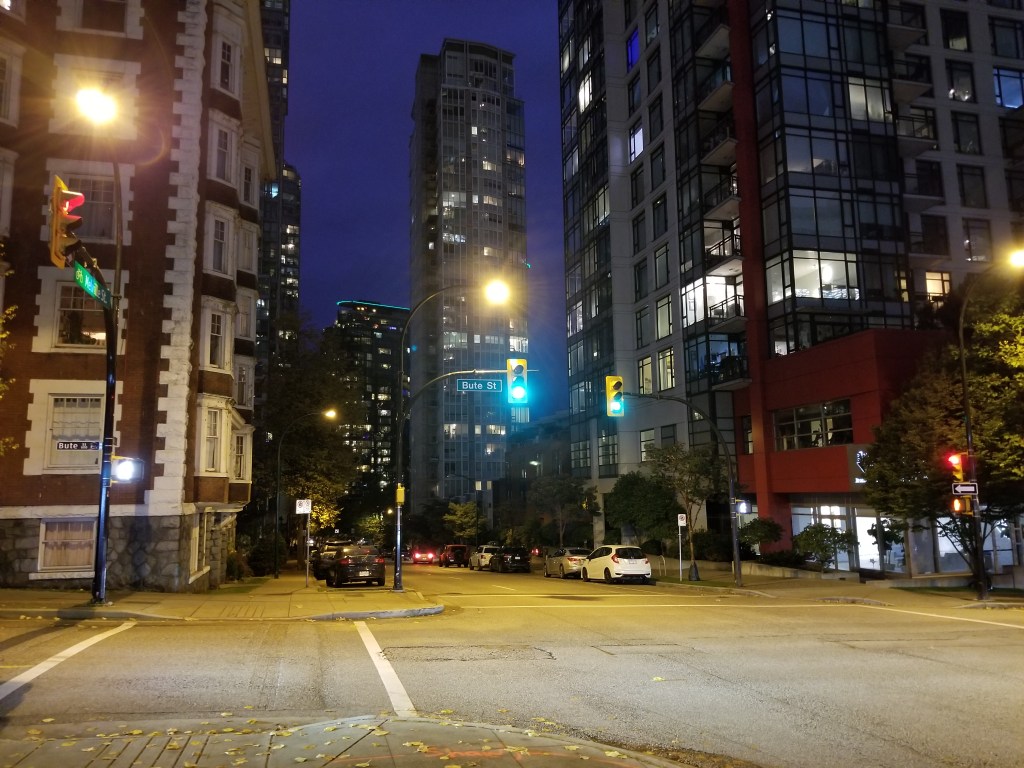
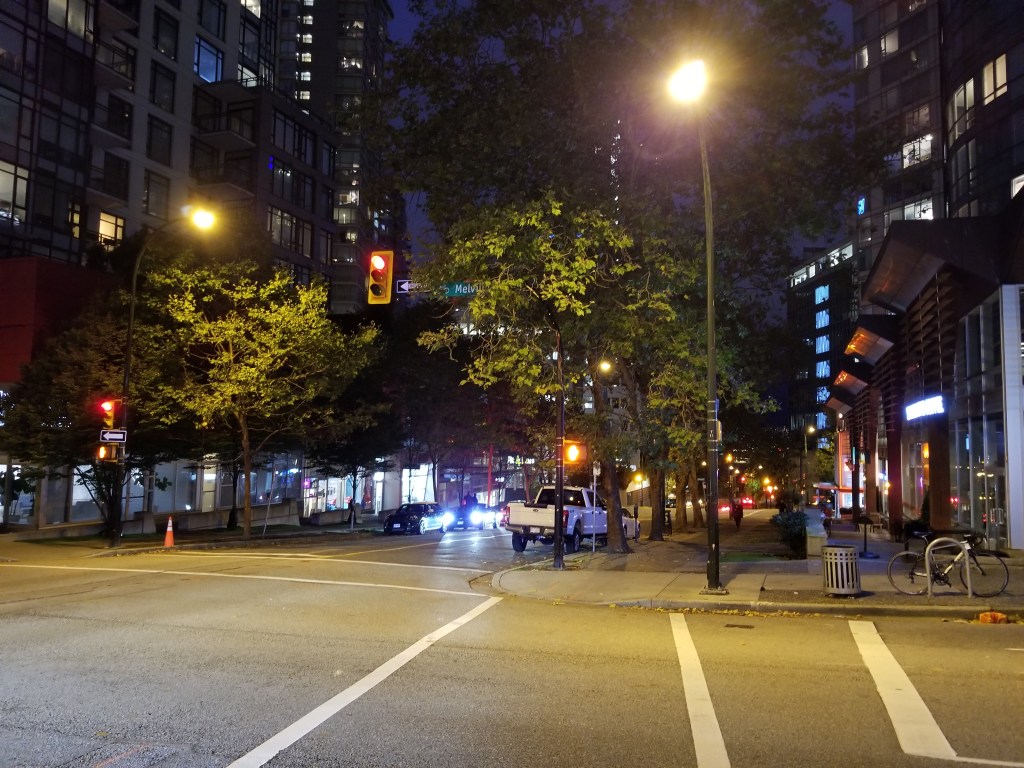
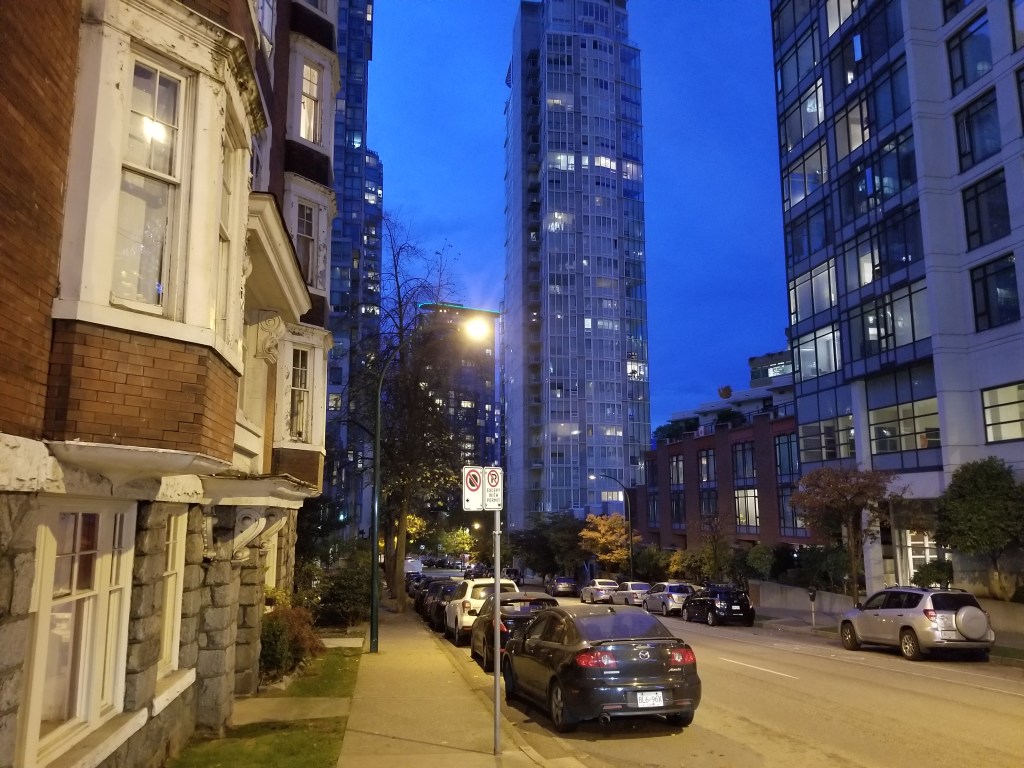
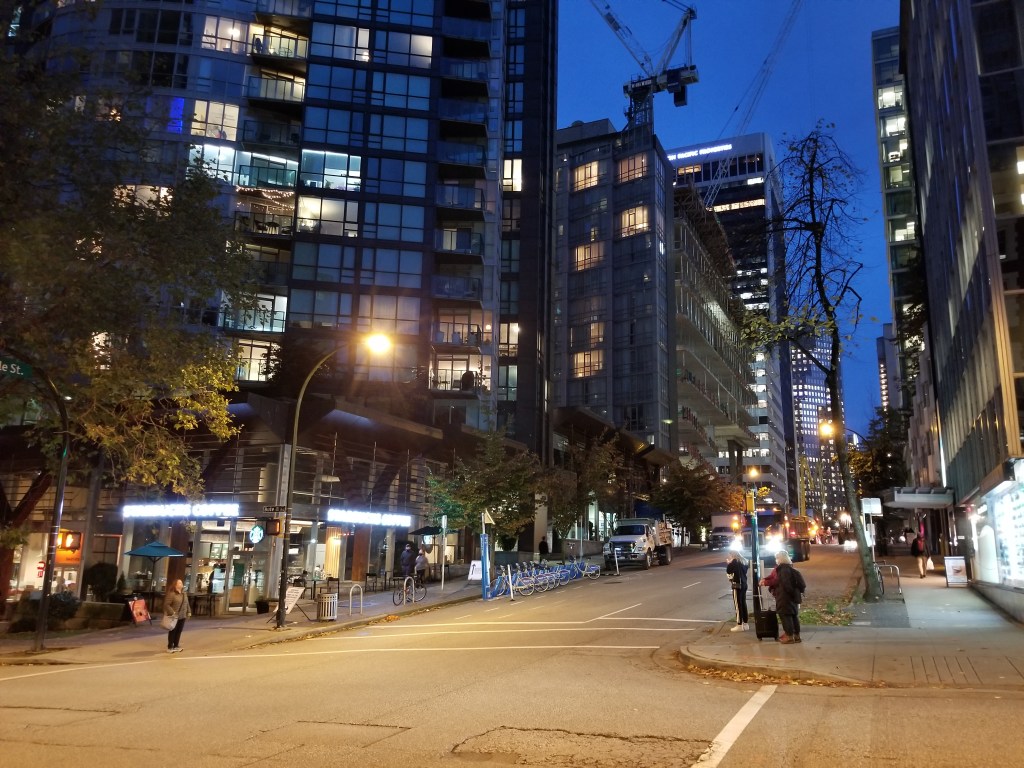
The Vancouver Seawall is part of the world’s longest uninterrupted waterfront path, the 28 km Seaside Greenway, stretching from the Vancouver Convention Centre to Spanish Banks Park. The downtown portion, particularly around Coal Harbour, is a popular segment for walking, offering a mix of natural beauty, urban views, and historical landmarks. Based on the web results, the Coal Harbour Seawall Destination Walk is a 5.77 km (approximately 7,572 steps) circular route that starts and ends at Canada Place, a notable landmark in downtown Vancouver. This walk takes you through lush green spaces, past prominent buildings, and provides exceptional views of the waterfront and the North Shore mountains.
Key highlights of this downtown seawall walk include passing through Harbour Green Park, the longest continuous waterfront park in the downtown area, which was constructed between 1997 and 2002. This park features a water feature that doubles as a spray park in the summer, with stepping stones winding through it. You’ll also get views of the Vancouver Rowing Club, several marinas, and Devonian Harbour Park, which serves as a gateway to Stanley Park. Along the route, you can spot artwork near the Coal Harbour Community Centre, inspired by the old boat sheds that once lined the shore, reflecting the area’s history.
The seawall in this area is designed for accessibility, with separate paths for walkers/joggers (closer to the water) and cyclists/inline skaters (on the inner path), ensuring a safe and enjoyable experience. The route showcases a blend of natural beauty and human ingenuity, with prominent buildings, green spaces, and the multi-use seawall path. It’s a great way to explore Vancouver’s history, architecture, and waterfront scenery, all while getting some fresh air and exercise.
If you’re looking to extend your walk, the Stanley Park Seawall, which connects to the Coal Harbour section, offers a longer 10 km loop (13,123 steps) that takes about 2-3 hours to walk. This loop is famous for its scenic vistas, landmarks, monuments, and sculptures that connect Vancouver’s past and present. Note that sections of the Stanley Park Seawall, like those between Prospect Point and Third Beach, may close briefly in winter for maintenance, such as rock scaling to prevent debris slides caused by weather conditions like heavy rain or spring thaw.
In short, the Seawall Water Walk in Downtown Vancouver, likely centered around the Coal Harbour area, is a picturesque and accessible way to experience the city’s waterfront, history, and urban-nature blend, making it a must-do for locals and visitors alike.

A video has gone viral of what purports to be an attempt by a Russian soldier on a motorcycle trying and failing to leap a trench line.
“Russian motorcycle assault did not go according to plan,” pro-Ukrainian account Special Kherson Cat wrote on social media next to the 15-second video of the soldier accelerating toward the gap in the field and failing to clear it to the other side.
Newsweek could not independently verify the footage and reached out to the Russian Defense Ministry for comment.
Russian forces have been increasingly using unarmored civilian vehicles, including motorcycles, in assaults throughout Ukraine since the second half of 2024.
The Institute for the Study of War (ISW) said in a May 7 report that Russian forces are using motorcycles to penetrate Ukrainian lines. However, Ukrainian media have reported failures in the maneuvers.
Special Kherson Cat regularly posts videos about the Russia-Ukraine war on X (formerly Twitter) and BlueSky. On Thursday, the account shared undated drone footage taken from an unspecified location, which it said showed a Russian soldier on a motorcycle racing toward the gap.
The soldier is unable to clear the divide and can be seen hitting the bank on the other side. The clip then cuts to the soldier lying next to the motorcycle.
Newsweek has not embedded the video due to its graphic nature. As of Thursday afternoon, it had received over 100,000 views on X.
It is the latest video showing Russian troops using motorbikes on the frontline.
On May 5, Ukraine’s National Guard released a clip it said showed how it used drones to rebuff a Russian motorcycle onslaught of troops trying to plant their flag on the ruins of a building. The video ends with the bodies of wounded or dead Russian soldiers lying next to their motorcycles.
The previous week, Ukrainian drones destroyed nearly a dozen Russian assault troops on motorcycles in the Kupyansk sector of the Kharkiv region, according to the State Border Guard Service, cited by the Kyiv Post.
The ISW said it had started observing Russian forces consistently using motorcycles to transport infantry in the Kharkiv, Chasiv Yar, and Zaporizhia directions from the middle of last year. Forbes reported this month that Russia’s motorcycle assault tactics sometimes work and have helped Russian regiments nudge the front line in eastern Ukraine a mile or so to the west.
Special Kherson Cat on X and BlueSky: “Russian motorcycle assault did not go according to plan.”
The Institute for the Study of War on May 7: “Russian forces are frequently using motorcycles to penetrate Ukrainian lines and advance in the Kupyansk, Siversk, Toretsk, Pokrovsk, and Velyka Novosilka directions.”
The ISW assessment this month said that Russia is increasing its use of motorcycles in response to constant Ukrainian drone strikes against Russian armored vehicles, which have caused high losses of equipment.
 Igor's Blog