Canada is changing — and not in ways many of us expected. In this video, I open up about a personal story that reveals what’s really happening in our economy, our workplaces, and in our communities.
For years, young Canadians could rely on entry-level jobs at places like Tim Hortons or other fast food chains as a first step toward independence. Today, many of those jobs are gone — replaced by migrant labour brought in under promises of opportunity. But this isn’t the first time we’ve seen this story.
As someone with Caribbean heritage, I recognize the echoes of the past: indentured servitude, labour brought in to fill so-called “gaps,” and communities divided by policies that benefit corporations more than people. The narrative that “Canadians won’t do these jobs” isn’t just false — it’s dangerous.
This video is not about hate. It’s about truth, history, and the need to push back against economic systems that divide us and profit from our struggles. It’s about asking: who really wins, and who really loses, when migration is used to patch a broken labour system?
If you’ve felt the pinch of Canada’s changing economy — as a worker, a parent, or someone just trying to make it — this conversation is for you.
👉 Don’t forget to like, share, and subscribe to join the Human Futures community, where we unpack AI, society, labour, and the global shifts shaping our lives.
You can also visit me at kemlaurin.com and same handle on Instagram.
So you’ve discovered that you’re autistic. But you relate to many ADHD traits… So perhaps you actually have ADHD? Or maybe both?
If you’re finding yourself spiraling in online discussion boards and on social media trying to figure out if you are autistic, an ADHDer, or both, this article will provide some context for navigating the formal diagnostic criteria of autism compared to ADHD—as well as offer some insight into how these diagnoses may be experienced in combination.
Comparing DSM-5-TR criteria
Research shows that upwards of 50% of autistic people also have ADHD. For AuDHD (autistic + ADHD) individuals like myself, it can be confusing to parse out which of my traits can be attributed to ADHD versus autism, and that’s because internally, it all combines to form one experience. However, clinically, the diagnostic criteria for each are distinct. So let’s break it down:
The DSM-5-TR (diagnostic and statistical manual, 5th edition, text revision) outlines the gold standard criteria for clinicians looking to diagnose autism (listed as ASD in the DSM) and ADHD. According to the DSM, there are no overlapping traits between the two, because autism is diagnosed primarily based on social and communication differences and repetitive patterns of behaviour, whereas ADHD is diagnosed based on attentional differences.
Summary of ADHD criteria
There are two types of ADHD: Inattentive and hyperactive. Here we focus solely on inattentive traits because autistic people with co-occurring ADHD predominantly display the inattentive type.
Attentional “deficit” traits identified during diagnosis of ADHD:
Autistic individuals must display social communication and interaction differences across multiple contexts:
Differences in social-emotional reciprocity (e.g., reduced back-and-forth conversation compared to allistics [non-autistics])
Differences in non-verbal communication (e.g., reduced eye contact or body language compared to allistics)
Differences in developing, maintaining, and understanding relationships (e.g., difficulty adjusting to different social contexts)
The diagnostic criteria for autism also include the presence of distinct patterns of behaviour, interests, and activities. This accounts for our special interests, stimming behaviour, sensory sensitivities, etc.
As you can see, none of the criteria for ADHD refer to social/communication differences, and none of the criteria for autism refer to attention!
Understanding the DSM criteria might make it easier for some of us to distinguish our ADHD and autistic traits based on social interactions versus attentional characteristics. However, for me, this has never felt complete. If the criteria for diagnoses appear to be clearly defined and without any overlap, why then do so many of us neurodivergents struggle to classify our traits (if classifying is something that we want to do)?
My own personal “lightbulb” moment was realizing that diagnostic criteria classify outward, observable traits, but do not reflect internal experiences. What can look like one thing on the outside, does not fully represent the accompanying vast and varied experiences that go on inside our bodies and minds. Since the DSM has distinguished autism from ADHD based on external presentations of traits, the holistic way in which we make sense of and navigate the world does not get factored into the diagnostic criteria, often making it difficult for us to see ourselves fully represented.
To fill this gap, below we discuss some common ADHD cognitive processes and then show how features of ADHD can heighten or contradict our autistic traits.
Unique ADHD traits (not captured by the DSM)
ADHD is an attentional difference, not an attentional deficit
ADHD is experienced as a difference in attentional processing, rather than the deficit it is made out to be in the DSM. Here are a couple of ways in which our cognitive processes differ and how they might be viewed as “deficits” by outside observers:
Divergent thinking
We are more creative than our non-ADHD counterparts. Our “inattention” can manifest as divergent thinking. “Divergent” or “lateral” thinkers have the ability to start from one concept and expand and make connections across many (often seemingly unrelated) ideas. Others may perceive this as an inability to keep on a topic. But, in an environment that nurtures creative thinking, our ability to jump from topic to topic is one way that we are able to think outside the box. Studies have shown that because of our unique thinking styles, we make excellent innovators and problem-solvers.
Altered time perception
We do not experience time the same way non-ADHDers do. Studies show that many ADHDers have different subjective experiences of how long an event lasts. We tend to overestimate lengths of time compared to non-ADHDers. One theory to explain this difference is that our “internal clock” may be more susceptible to external influence. Instead of basing time on some abstract internal representation, we may base time on what’s in our environment. For example, if we listen to songs with a certain rhythm, the rhythm of the music may distort our time perception. A faster tempo song may lead us to perceive that time is moving more quickly than it actually is.
Although not outlined explicitly in the DSM, these differences in cognitive processing shape how many of us struggle with our executive functioning. It may even be the underlying cause for some of the criteria in the DSM such as struggling with sustained attention or organization. For example, if we do not accurately perceive time, how are we supposed to budget our time when making plans? Also, we may become exhausted trying to maintain focus on something we dislike because to us, it may feel like “an eternity” has already passed.
In contrast, while we may struggle with executive functioning, these attentional differences can also be super strengths in certain situations. If we’re engaging in something we love, like a special interest, time “disappears”, and we can persist almost indefinitely. If we are in a work environment that allows us to flow unrestricted from thought-to-thought, our creativity and ability to solve complex problems can flourish.
Co-occurring autism & ADHD
Since the DSM diagnostic criteria for ASD and ADHD are distinct, there is little knowledge within the scientific community about what the AuDHD experience is like (Note: listening to members of the AuDHD community can provide a lot of insight about our experiences which “official research” have yet to capture). In fact, until the DSM-5 was published in 2013, being formally diagnosed with both autism and ADHD was prohibited. As a result, research shows that it is not uncommon for late-diagnosed autistics to have been misdiagnosed with ADHD as a kid, or to have been overlooked completely due to their ADHD diagnosis overshadowing their autistic traits.
Seeing as roughly 50% of autistics also have ADHD, it’s important for us to have the resources to understand what these look like in combination. Here are some thoughts:
Heightened experiences
An individual with autism + ADHD often experiences a heightening or an increase in the intensity of certain traits.
For example, one study showed that autistic individuals with ADHD demonstrated higher attention to detail compared to individuals with either ADHD or autism alone. Because we have higher attention to detail, this may also lead to heightened sensory sensitivities. Since many autistics are bottom-up processors, we already take note of every little detail and sensory aspect of our environment. Add on the attentional differences of ADHD and now we may be completely unable to ignore anything that is going on. This can make the unpleasant sensory stimuli around us even louder and more disruptive.
For me, I sometimes feel like I’m in the movie “Everything Everywhere All at Once”. I feel like I can see across dimensions and experience fragments of many different sensory experiences all at the same time. If I am doing a task that surrounds me with pleasant sensory input, this can feel very stimulating and rewarding. However, the flip side can be frustrating. My ability to see, hear, feel, and think everything all at once makes it harder to concentrate when I need to zone into one single dimension. It is extremely difficult to filter out all the irrelevant stimuli so I can pay attention to only the things that I need to.
My ability to absorb every detail that goes on around me, combined with my inability to ignore certain stimuli, can magnify my sensory overwhelm.
Do you have autistic traits that are “heightened” by your attentional differences?
Contradictions in autism + ADHD
While some autistic and ADHD traits can work in tandem to heighten experiences, they can also oppose each other and create contradictions. Studies report that those with co-occurring autism and ADHD have poorer outcomes than either autism or ADHD alone. As a scientist, my theory is that these contradictions are part of what makes it more difficult to manage day-to-day life.
Here are some of the contradictions you may experience as an AuDHD:
You thrive when there’s a set routine (autistic trait), but you struggle to plan and follow a schedule (ADHD trait)
You get very distressed when your friend shows up late to your meeting (autistic trait), but you yourself struggle to arrive at events on time (ADHD trait)
You find engaging in a special interest to be soothing (autistic trait), but you also need to jump between multiple interests to keep you engaged (ADHD trait)
You are meticulous with your plans (autistic trait), but sometimes you overwhelm yourself by making an impulsive decision (ADHD trait)
When you infodump, you have a habit of speaking “too fast” (ADHD trait), but when someone asks you an unrelated question, your responses may be delayed, or you may be unable to speak (autistic trait)
Do you at times feel trapped between two opposing worlds because of your contradictory traits? Do you find that these contradictions make it difficult to manage your day?
Summary
Autism and ADHD are common co-occurrences. For neurodivergents seeking to understand more about themselves, it can be confusing to try and differentiate between traits that are considered autistic versus ADHD.
When trying to understand our autistic and ADHD ways of navigating the world, remember that:
The DSM classifies traits based on outward observable characteristics
Autism is a difference in socialization and communication;
Whereas ADHD is a difference in attention
ADHDers often experience differences in cognitive processing. For example:
They are divergent thinkers
They perceive time differently
Co-occurring autism and ADHD can be experienced as:
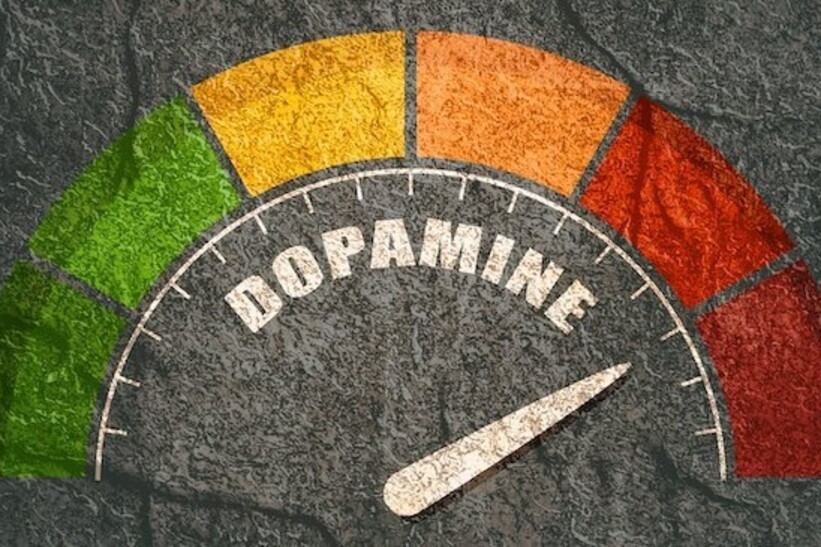
Dopamine supplements are gaining popularity for their ability to enhance focus, motivation, mood and overall cognitive function. Dopamine, often called the “feel-good” neurotransmitter, plays a major role in how we feel pleasure, set goals and stay energized.
In fact, this neurotransmitter is responsible for motivation, focus, mood and the brain’s reward system. As such, when dopamine levels are low, symptoms such as fatigue, lack of motivation and even depression can emerge.
If you’re looking to naturally support your brain’s dopamine production, this guide breaks down the top dopamine supplements to take, who can benefit from them and what to watch out for.
Dopamine supplements
Low dopamine can result in fatigue, apathy, brain fog and even mental health challenges, like depression and ADHD. Luckily, a wide range of natural supplements can help.
These are the best dopamine-boosting supplements backed by science and user experience:
L-tyrosine
Benefit: Precursor to dopamine, supports mental performance under stress.
Best for: Students, athletes and professionals.
As a precursor to dopamine, L-tyrosine supplementation has been observed to improve cognitive performance and working memory under stress, likely by enhancing dopamine production.
One randomized, controlled trial investigated the impact of L-tyrosine supplementation on cognitive functions in humans. The research found that individuals with the T/T genotype of the DRD2 gene, which is associated with lower striatal dopamine levels, experienced significant improvements in working memory and inhibitory control after L-tyrosine supplementation.
This suggests that L-tyrosine may enhance dopamine-related cognitive functions, particularly in individuals with genetically lower dopamine levels.
Mucuna pruriens
Benefit: Contains natural L-DOPA, a direct dopamine precursor.
Best for: Those seeking a fast dopamine boost.
Rich in L-DOPA, a direct dopamine precursor, mucuna pruriens has shown potential in elevating dopamine levels, which may improve symptoms in conditions like Parkinson’s disease.
A study from 2004 looked at the effects of mucuna pruriens, a natural source of levodopa (L-DOPA), on patients with Parkinson’s disease. The research found that a 30-gram dose of mucuna pruriens led to a faster onset of action and longer duration of therapeutic effects compared to standard L-DOPA/carbidopa medication, without an increase in dyskinesias.
This suggests that mucuna pruriens may effectively boost dopamine levels in humans, offering potential advantages over conventional L-DOPA preparations in managing Parkinson’s disease.
Rhodiola rosea
Benefit: Reduces mental fatigue, may regulate dopamine levels.
Best for: Stress-related dopamine depletion.
Known for its adaptogenic properties, rhodiola rosea may influence neurotransmitter levels, including dopamine, contributing to reduced stress and improved mood.
With the intent of examining the effects of rhodiola rosea extract on students experiencing stress during exams, researchers set up a double-blind, placebo-controlled pilot study. The study found that rhodiola rosea significantly improved physical fitness, mental fatigue and neuro-motoric functions.
While the study did not directly measure dopamine levels, the observed enhancements in cognitive and physical performance suggest a potential role of rhodiola rosea in modulating neurotransmitter systems, possibly including dopamine.
Vitamin B6
Benefit: Essential for converting L-DOPA to dopamine.
Best for: People with B vitamin deficiencies.
Essential for neurotransmitter synthesis, adequate levels of vitamin B6 are necessary for optimal dopamine production.
A study dating all the way back to 1978 studied the impact of vitamin B6 (pyridoxine) on hypothalamic dopaminergic pathways by measuring its effect on basal and thyrotropin-releasing hormone (TRH)-stimulated prolactin (PRL) levels in seven healthy female volunteers. The results indicated that vitamin B6 administration led to a slight reduction in basal and TRH-stimulated PRL levels.
This suggests that vitamin B6 may influence dopamine-mediated hormonal regulation, but the effect appears to be variable and unpredictable.
Magnesium
Benefit: Supports neurotransmitter function and dopamine receptor health.
Best for: Anxiety-related dopamine imbalance.
This mineral plays a role in neurological function, and its deficiency can impact dopamine receptor function and neurotransmission.
Research has shown that magnesium supplementation may influence the production of cyclic adenosine monophosphate response element-binding protein (CREB) in the brain. CREB regulates genes involved in dopamine production, suggesting that magnesium could play a role in modulating dopamine levels.
Ginkgo biloba
Benefit: Improves blood flow to the brain, may support dopamine activity.
Best for: Cognitive enhancement and memory.
Supplementation with ginkgo biloba extract has been associated with improved cognitive flexibility, possibly due to enhanced prefrontal cortex dopamine levels.
For instance, a randomized, double-blind, placebo-controlled trial investigated the effects of ginkgo biloba extract EGb 761® on cognitive control functions in elderly adults with subjective memory impairment. The study found that EGb 761® improved cognitive flexibility and response inhibition, functions associated with prefrontal dopamine activity.
These findings suggest that EGb 761® may enhance prefrontal dopaminergic function, although direct measurements of dopamine levels were not conducted.
Curcumin (turmeric extract)
Benefit: Increases dopamine levels and reduces inflammation.
Best for: Brain fog and mood support.
Curcumin may have neuroprotective effects and could influence neurotransmitter levels, including dopamine.
In one randomized, double-blind, placebo-controlled study that evaluated the antidepressant effects of curcumin in individuals with major depressive disorder, curcumin supplementation was associated with improvements in depressive symptoms. While the study did not directly measure dopamine levels, the observed antidepressant effects may be related to curcumin’s influence on neurotransmitter systems, including dopamine.
Phenylalanine
Benefit: An amino acid precursor to tyrosine and dopamine.
Best for: Cognitive performance and alertness.
As a precursor to tyrosine, phenylalanine is integral to dopamine synthesis.
In a study involving patients with phenylketonuria (PKU), researchers examined the impact of elevated blood phenylalanine levels on neurotransmitter synthesis and neuropsychological performance. They found that high phenylalanine concentrations inhibited the formation of dopamine and serotonin, leading to prolonged performance times on neuropsychological tests of higher integrative function.
These effects were reversible upon reducing phenylalanine levels, suggesting that phenylalanine plays a role in modulating dopamine synthesis and associated cognitive functions.
Omega-3 fatty acids (fish oil)
Benefit: Supports dopamine receptor sensitivity, enhances dopamine transmission, reduces inflammation in dopamine neurons and supports brain function.
Best for: Long-term brain health, mood stability and focus.
Rich in omega-3 fatty acids, fish oil supplementation has been associated with improved working memory, potentially linked to dopamine system modulation. These essential fatty acids are crucial for brain health and have been linked to the modulation of dopamine systems, potentially benefiting various neuropsychiatric conditions.
N-acetyl L-cysteine (NAC)
Benefit: Regulates glutamate and increases dopamine in the brain.
Best for: Mental health support, especially obsessive-compulsive disorder or addiction.
NAC supplementation has been associated with improvements in dopaminergic function, particularly in individuals with Parkinson’s disease.
For example, a randomized, controlled trial analyzed the effects of NAC on the dopaminergic system in Parkinson’s disease patients. Over three months, participants received weekly intravenous infusions (50 mg/kg) and daily oral doses (500 mg twice per day) of NAC.
The study observed significant increases in dopamine transporter binding in the caudate and putamen regions, along with improvements in Parkinson’s disease symptoms. These findings suggest that NAC may enhance dopamine function in humans.
Ashwagandha
Benefit: Adaptogen that may help balance dopamine and reduce cortisol.
Best for: Stress-induced dopamine depletion.
This adaptogen may support neurotransmitter balance, including dopamine, contributing to stress reduction and mood improvement. It’s also been used to help treat Parkinson’s, due to its potential dopaminergic properties.
SAM-e (S-adenosylmethionine)
Benefit: Promotes the synthesis of neurotransmitters, including dopamine.
Best for: Depression and mood regulation.
SAM-e plays a role in neurotransmitter metabolism and may influence dopamine levels, aiding in mood regulation.
A clinical study examined the neuroendocrine effects of SAM-e in depressed patients. The researchers observed a significant reduction in prolactin and thyrotropin responses to TRH stimulation in depressed men after SAM-e treatment.
These findings suggest that SAM-e may enhance dopaminergic function, as dopamine inhibits prolactin release. However, the study did not directly measure dopamine levels.
Green tea extract (L-theanine)
Benefit: Enhances dopamine levels while promoting calm focus.
Best for: Anxiety and productivity.
Found in green tea, L-theanine can modulate brain chemicals, including dopamine, promoting a state of relaxed alertness. Research has shown that L-theanine can promote relaxation and reduce stress, effects that may be associated with modulation of neurotransmitter systems, including dopamine.
Ginseng
Benefit: Boosts mental performance and may modulate dopamine activity.
Best for: Fatigue and mental clarity.
Ginseng has been studied for its potential to enhance cognitive function and may influence dopamine pathways. It’s shown potential dopaminergic effects in scientific studies and is well known for boosting cognitive health.
CDP-choline (citicoline)
Benefit: Enhances dopamine receptor density.
Best for: Focus and cognitive enhancement.
Citicoline supplementation has been linked to increased dopamine receptor densities, supporting cognitive function.
A study published in 2009 investigated the effects of citicoline on appetite, food cravings and brain responses to food stimuli in healthy adult women. Participants received either 500 mg/day or 2,000 mg/day of citicoline for six weeks.
The study found that the higher dose group exhibited significant increases in brain responses to food stimuli within the amygdala, insula and lateral orbitofrontal cortex, regions associated with reward and motivation. These findings suggest that citicoline may influence dopaminergic pathways, as dopamine plays a key role in reward processing.
Resveratrol
Benefit: May protect dopamine neurons and promote dopamine production.
Best for: Anti-aging and brain protection.
This polyphenol may have neuroprotective properties and could influence dopamine signaling pathways. Lab research has studied resveratrol’s neuroprotective effects on dopaminergic neurons, indicating that resveratrol can protect dopamine neurons against various neurotoxic insults.
Zinc
Benefit: Modulates dopamine transmission and brain health.
Best for: Immune and cognitive function.
Zinc is involved in neurotransmitter function, and its deficiency can affect dopamine metabolism.
A 2017 study noted how zinc influences the monoamine system, including dopamine. The review highlighted that zinc supplementation can augment the efficacy of antidepressants, potentially through interactions with dopamine pathways.
Vitamin D
Benefit: Regulates dopamine synthesis.
Best for: Seasonal mood disorders and brain function.
Adequate vitamin D levels are important for brain health and may play a role in dopamine synthesis. For instance, a study published in 2019 examined the effects of vitamin D3 supplementation on serum dopamine levels in children with ADHD.
The results indicated that serum dopamine levels significantly increased in the vitamin D group compared to the placebo group. However, further research is needed to determine the effects of vitamin D on neurotrophic factors and serotonin.
Bacopa monnieri
Benefit: Improves memory and may affect dopamine transport.
Best for: Students and memory retention.
Traditionally used for cognitive enhancement, bacopa may influence neurotransmitter levels, including dopamine.
A randomized, double-blind, placebo-controlled trial analyzed the effects of bacopa monnieri on cognitive performance, anxiety and depression in elderly participants. The study found that bacopa supplementation improved memory recall and reduced anxiety and depression scores.
While the study did not directly measure dopamine levels, bacopa’s potential to modulate neurotransmitters, including dopamine, is why many consider it one of the best dopamine supplements.
5-HTP
Benefit: While more focused on serotonin, it can balance dopamine/serotonin ratios.
Best for: Emotional balance and sleep support.
While primarily a precursor to serotonin, 5-HTP supplementation can affect the balance of other neurotransmitters, including dopamine.
In a double-blind, placebo-controlled trial, 68 undergraduate participants received either three 50-mg capsules of 5-HTP or placebos, followed by completion of the Tower of London (TOL) task, a test sensitive to changes in forebrain dopamine activity. The results indicated that 5-HTP significantly increased the average time required to complete the TOL trials without affecting accuracy.
The authors concluded that oral administration of 5-HTP disrupts dopaminergic function in the human forebrain, suggesting an interaction between serotonin and dopamine systems.
Probiotics
Benefit: Improve gut-brain axis communication, and the gut produces and regulates neurotransmitters, including dopamine.
Best for: People with digestive issues, mood imbalances or those looking for a holistic brain-gut dopamine boost.
Emerging research has suggested that gut microbiota can influence brain chemistry, including dopamine production. In fact, certain strains of probiotics (like Lactobacillus plantarum and Bifidobacterium infantis) have been shown to increase dopamine and serotonin levels.
Multivitamins
Benefit: Provide essential co-factors (like B complex, magnesium, zinc and iron) for dopamine synthesis and metabolism, preventing deficiencies that can lower neurotransmitter production.
Best for: Anyone with a nutrient-poor diet, fatigue or general mood issues.
Comprehensive multivitamins ensure the presence of essential co-factors necessary for dopamine synthesis and function. Research has revealed that these vitamins are vital for amino acid metabolism required for neurotransmitter production, including dopamine.
Phenylethylamine (PEA)
Benefit: Naturally stimulates dopamine and norepinephrine, produces a euphoric “feel-good” sensation.
Best for: People needing a short burst of motivation or mood elevation.
PEA can promote the release of dopamine, contributing to mood enhancement, as shown in animal models, and experts believe these same effects can benefit humans.
Vitamin B5 (pantothenic acid)
Benefit: Required for the synthesis of coenzyme A, which plays a role in acetylcholine and dopamine production, also helps the adrenal glands regulate stress.
Best for: Those under chronic stress or adrenal fatigue symptoms.
This vitamin is vital for coenzyme A production, essential in the synthesis and metabolism of dopamine.
Vitamin B12
Benefit: Vital for nervous system function and myelin formation.
Best for: Vegans, vegetarians, older adults, and people with fatigue or brain fog.
Vitamin B12 plays a role in neurological function, and its deficiency can impact dopamine levels. In fact, low B12 levels are linked to mood disorders and poor dopamine signaling.
Folate (vitamin B9)
Benefit: Supports methylation pathways required for neurotransmitter production (including dopamine, serotonin and norepinephrine).
Best for: Individuals with MTHFR mutations, depression or prenatal health needs.
Folate is crucial for neurotransmitter synthesis, including dopamine, through its role in one-carbon metabolism and the production of SAM-e, a critical methyl donor. Deficiencies in folate have been associated with neurological issues and mood disorders, suggesting its importance in maintaining healthy neurotransmitter function.
Iron
Benefit: A necessary co-factor in the enzyme tyrosine hydroxylase, which converts tyrosine to L-DOPA (the dopamine precursor).
Best for: Women (especially menstruating), vegans, and those with anemia or unexplained fatigue.
Iron is a co-factor for tyrosine hydroxylase, the enzyme that converts tyrosine to L-DOPA in dopamine synthesis. Iron deficiency, meanwhile, can impair dopamine synthesis, leading to neurological symptoms.
Addressing iron deficiency through supplementation may help restore normal dopamine production.
Caffeine
Benefit: Blocks adenosine receptors, increasing dopamine availability in key brain regions (like the prefrontal cortex), boosts alertness, focus and mood.
Best for: Morning fatigue or productivity slumps.
Caffeine can enhance dopamine signaling by antagonizing adenosine receptors, leading to increased alertness.
A study published in Translational Psychiatry sought to determine the impact of caffeine on dopamine receptors. Using positron emission tomography imaging, researchers observed that caffeine intake led to a significant increase in the availability of dopamine D2/D3 receptors in the striatum, a brain region integral to reward and movement.
These findings suggest that caffeine may enhance dopaminergic neurotransmission by increasing the availability of these receptors.
Berberine
Benefit: Activates AMPK pathways, which may influence dopamine sensitivity and brain glucose metabolism.
Best for: Metabolic health support, insulin resistance and cognitive enhancement.
Berberine may influence neurotransmitter systems, including dopamine, since it activates AMPK pathways.
Oregano oil
Benefit: Contains carvacrol, a compound that may increase dopamine and serotonin in the prefrontal cortex, acts as a natural antimicrobial.
Best for: Brain health with antimicrobial or gut-cleansing support.
Compounds in oregano oil may have neuroprotective effects and could influence dopamine levels. These compounds, such as carvacrol and thymol, have demonstrated various pharmacological effects, including potential modulation of neurotransmitter systems.
Lion’s mane mushroom
Benefit: Promotes nerve growth factor, enhancing brain plasticity and potentially dopamine system health, may also support mood and memory.
Best for: Brain regeneration, memory support and neuroinflammation reduction.
This mushroom has been studied for its neurotrophic effects, potentially supporting dopamine-producing neurons. Some research has suggested that lion’s mane mushroom may influence neurotransmitters associated with mood regulation, such as serotonin and dopamine, potentially alleviating symptoms of depression and anxiety.
Prebiotics
Benefit: Feed beneficial gut bacteria, indirectly supporting dopamine production via the gut-brain axis, helps produce short-chain fatty acids that support mental health.
Best for: People using probiotics or with long-term digestive or mood issues.
By supporting beneficial gut bacteria, prebiotics may indirectly influence dopamine production through the gut-brain axis.
L-tryptophan
Benefit: A precursor to serotonin, it helps balance serotonin-dopamine levels.
Best for: Individuals with sleep issues, mood swings or low serotonin-related symptoms.
While a precursor to serotonin, L-tryptophan supplementation can affect overall neurotransmitter balance, including dopamine. Stable serotonin can enhance dopamine receptor sensitivity and mood regulation.
Who needs dopamine supplements?
You might benefit from dopamine supplements if you experience:
Chronic fatigue, apathy or lack of motivation
Mood disorders, like depression or low-grade anxiety
Brain fog or poor memory recall
Difficulty focusing or staying productive
Cravings or compulsive behaviors
Addictive behaviors (food, substance use, social media)
Difficulty with reward-based tasks or goal setting
People at risk of low dopamine levels who could benefit from dopamine supplements include:
Those with chronic stress
Individuals with poor diets lacking in amino acids and vitamins
People with mental health disorders, such as ADHD, depression or Parkinson’s disease
Overstimulation or anxiety (with high doses of tyrosine or phenylalanine)
Mood swings
Interactions to watch out for include:
MAOIs and antidepressants
Blood pressure medications
Stimulants (like Adderall, amphetamines or caffeine)
Always start with a low dose, and monitor your body’s response to dopamine supplements.
Tips for safety:
Start with one supplement at a time.
Use the lowest effective dose.
Cycle dopamine supplements (e.g., five days on, two days off).
Consult your doctor if you’re taking medications.
Conclusion
Dopamine supplements can be a game-changer for your mood, motivation and mental performance, when used correctly.
From amino acids like L-tyrosine to adaptogens like rhodiola rosea, the right combination can naturally support your brain’s reward system and keep you sharp and focused.
However, supplementation should always complement a healthy lifestyle that includes regular exercise, sleep, meaningful goals and a dopamine-smart diet.
If you suspect low dopamine, a targeted supplement protocol might be your first step toward a clearer, more motivated mind.
Dopamine supplements can make a huge difference in motivation, mood, focus and even creativity.
Of course, dopamine supplements are only one piece of the puzzle. Other lifestyle factors and diet play key roles.
When used wisely and in conjunction with a healthy lifestyle, dopamine supplements can help you feel energized, focused and ready to take on life with purpose.
Robson Street is a major southeast-northwest thoroughfare in downtown and West End of Vancouver, British Columbia, Canada. Its core commercial blocks from Burrard Street to Jervis were also known as Robsonstrasse. Its name honours John Robson, a major figure in British Columbia’s entry into the Canadian Confederation, and Premier of the province from 1889 to 1892. Robson Street starts at BC Place Stadium near the north shore of False Creek, then runs northwest past Vancouver Library Square, Robson Square and the Vancouver Art Gallery, coming to an end at Lost Lagoon in Stanley Park.
As of 2006, the city of Vancouver overall had the fifth most expensive retail rental rates in the world, averaging US$135 per square foot per year, citywide. Robson Street tops Vancouver with its most expensive locations renting for up to US$200 per square foot per year. In 2006, both Robson Street and the Mink Mile on Bloor Street in Toronto were the 22nd most expensive streets in the world, with rents of $208 per square feet. In 2007, the Mink Mile and Robson slipped to 25th in the world with an average of $198 per square feet. The price of each continues to grow with Vancouver being Burberry’s first Canadian location and Toronto’s Yorkville neighbourhood (which is bounded on the south side by Bloor) now commanding rents of $300 per square foot.
In 1895, train tracks were laid down the street, supporting a concentration of shops and restaurants. From the early to middle-late 20th century, and especially after significant immigration from postwar Germany, the northwest end of Robson Street was known as a centre of German culture and commerce in Vancouver, earning the nickname Robsonstrasse, even among non-Germans (this name lives on in the Robsonstrasse Hotel on the street). At one time, the city had placed streetsigns reading “Robsonstrasse” though these were placed after the German presence in the area had largely vanished.
Robson Street was featured on an old edition of the Canadian Monopoly board as one of the two most expensive properties.
Autism and ADHD very often co-exist. Research suggests that 50 to 70% of autistic people also have ADHD (Hours et al., 2022), though figures vary between studies. Similarly, it is estimated that two-thirds of those with ADHD have at least one co-existing condition such as autism. In other words, autism and ADHD very frequently present together.
Despite this, autism and ADHD could not be diagnosed together until 2013. The fourth edition of Diagnostic and Statistical Manual listed autism as an exclusion criterion for ADHD (Murphy et al., 2016), and only when the fifth edition was released in 2013 were they recognised as co-existing conditions.
It’s not surprising that people used to think Autism and ADHD couldn’t occur together, because a lot of the traits appear to contradict each other. ADHD likes NEW, Autism likes the SAME. ADHD is IMPULSIVE and spontaneous, Autism likes PLANNING. (A massive over-generalisation of course, but you get the picture). Imagine how disorienting it is to have your brain constantly pulled in two opposite directions.
This can feel like a tug of war in an AuDHD-er’s mind, and it can feel impossible trying to balance two completely opposing needs. Because of this, AuDHD can appear like a different presentation altogether. An individual may feel they don’t relate wholly to autism or to ADHD. The two can mask each other, either compensating for each other’s difficulties or making those challenges even harder. For example, the organisation and focus from the autistic brain may compensate for the disorganisation and chaos of the ADHD brain. Or, the mess and chaos from the ADHD may leave the person in a constant state of overwhelm, feeling unable to function because there is no order.
One vital ingredient for any ADHDer is dopamine, the neurotransmitter responsible for feelings of pleasure and the regulation of attention – there’s never enough and we are always craving it. Much of ADHD’s impulsive and risky behaviour can be attributed to the hunt for more dopamine. It can also make ADHDers crave sugar and carbohydrates and this can be hard to fight no matter how much we know and understand about healthy eating. Added to the autistic tendency to restrict food this can add to difficulties around food intake.
Because AuDHD-ers may not present as typically autistic or typically ADHD, they may be less likely to be recognised or diagnosed. It is worthwhile considering what an AuDHD presentation could look like.
Though there are an infinite number of possibilities, here are some common examples:
The individual may regularly come up with new routines to try to stick to.
They may come up with new ways of doing the same thing or follow a particular process when trying something new. They try to satisfy their craving for new whilst managing their anxiety around change.
They may impulsively choose change, then experience anxiety due to the change.
They may regularly seek out new things, but only with familiar people and want to complete things in a particular way or following a familiar process.
They may regularly burn out from being too busy and overwhelmed socially, but struggle to slow down to recharge.
Their environment might become messy and chaotic easily, leading to overwhelm and difficulty functioning.
They may be hyper-organised to compensate for their disorganised brain.
They may feel anxious every day about running late or not being early.
They may have an exceptional long-term memory but a poor working/short-term memory.
Their intense/special interests may regularly change theme or topic.
Life as an AuDHD-er is constantly trying to find a balance to satisfy opposing needs. And those needs are changing all the time, depending on the environment, the day and the chapter of life.
AuDHD is exhausting, but also exhilarating. It is intense and chaotic, but vivid and filled with opportunities. Some days feel impossible; other days feel like anything is possible. With the right support and developing strategies to manage, the latter is certainly true.
Having both autism and ADHD (referred to as AUdHD) creates a unique experience with overlapping challenges and strengths, which can significantly affect diagnosis, quality of life, and daily functioning. Individuals with AUdHD often face more hurdles in compensating for their neurodivergent traits because both conditions influence executive functioning, emotional regulation, social skills, and sensory processing in distinct yet interconnected ways. Understanding how these two conditions interplay is crucial for grasping the complexities of living with AUdHD.
The Intersection of Autism and ADHD
While autism and ADHD are distinct neurodevelopmental conditions, they share several overlapping traits, which can make it difficult to differentiate between them. Some of these shared traits include:
Executive dysfunction: Difficulty with planning, organizing, and completing tasks on time.
Emotional regulation issues: Struggles with managing and expressing emotions appropriately.
Sensory sensitivities: Over- or under-sensitivity to sensory stimuli, such as loud noises, textures, or bright lights.
Social challenges: Trouble understanding social cues, forming relationships, and maintaining social interactions.
However, there are key differences that add complexity to a dual diagnosis. For instance, while ADHD is often characterized by impulsivity and hyperactivity, autism is associated with a strong need for routine and predictability. The co-occurrence of these traits in AUdHD individuals can create an internal tug-of-war, leading to more intense internal conflicts and challenges.
Impact on Diagnosis
Diagnosing AUdHD can be particularly challenging for several reasons:
Overlapping Symptoms: Many traits of ADHD and autism overlap, such as difficulties with attention, impulsivity, and social skills. This can lead to misdiagnosis, where one condition is identified but the other is overlooked. For example, hyperactivity or inattentiveness might be attributed to ADHD, while the underlying autism is missed.
Masking: People with AUdHD often engage in “masking,” a coping mechanism where they hide their neurodivergent traits to fit into societal expectations. Masking can make it harder for clinicians to see the full picture and may delay or complicate the diagnosis.
Delayed Diagnosis: AUdHD individuals, especially those assigned female at birth, are often diagnosed later in life because of societal biases and the internalized pressure to appear “normal.” The interplay of both conditions can obscure the full extent of difficulties, making it hard for professionals to see how deeply both autism and ADHD affect the individual.
Compensatory Strategies and Cognitive Load
Individuals with AUdHD often need to develop more compensatory strategies to manage their daily lives. Compensating for both autism and ADHD can be exhausting because both conditions create different sets of challenges that must be navigated simultaneously.
Compensation for Autism: To cope with the social and sensory demands of daily life, autistic people may engage in extensive planning, develop strict routines, or avoid certain sensory triggers. This requires significant cognitive energy to maintain, even if these strategies appear to make life more manageable.
Compensation for ADHD: ADHD often impacts focus, time management, and emotional regulation, requiring the use of external aids like alarms, reminders, and strict schedules. Staying on task and remaining organized takes extra effort, which can be draining in itself.
For individuals with AUdHD, compensating for both at the same time increases the cognitive load and reduces available mental energy. For example, they might need to stay hyper-aware of social rules due to autism while also fighting constant distractions caused by ADHD. As a result, daily tasks can take much more effort, leading to quicker burnout and a lower threshold for stress.
Reduced Energy and Burnout
Managing both autism and ADHD requires significantly more mental energy than managing either condition alone. This is because:
Executive Dysfunction is Amplified: Both autism and ADHD affect executive functioning, but in different ways. Autistic individuals may struggle with flexibility and changes in routine, while ADHD causes difficulties with focus, organization, and prioritization. Combined, these impairments create a constant challenge in managing daily life, leaving less mental energy for other activities.
Sensory Overload and Distraction: Sensory processing issues are common in autism, where overstimulation can lead to shutdowns or meltdowns. ADHD adds a layer of distraction to this, making it harder to filter out irrelevant stimuli. This constant battle between sensory overload (autism) and a lack of focus (ADHD) can leave individuals feeling mentally drained.
Emotional Regulation: ADHD often causes emotional impulsivity, making it harder to control responses to situations. Autistic individuals, on the other hand, may have difficulty processing and understanding emotions. Together, these traits lead to emotional exhaustion, as individuals with AUdHD may experience heightened reactions to daily stressors.
Compensation Fatigue: Over time, the need to constantly manage both conditions can lead to burnout, a state of emotional, mental, and physical exhaustion. This is particularly common in AUdHD individuals because they are often forced to work harder to keep up with societal expectations, leaving them with little energy for self-care or relaxation.
Quality of Life and Daily Challenges
The combination of autism and ADHD affects various aspects of daily life, from relationships to work, school, and personal well-being. Key areas where AUdHD impacts quality of life include:
Social Interactions: While autism can make social situations uncomfortable or confusing, ADHD can add impulsivity, which may result in saying things without considering social norms. This combination can lead to misunderstandings, social rejection, or difficulties in forming close relationships.
Work and School: AUdHD individuals may excel in structured environments where routines and predictability are key, but struggle with multitasking, time management, and shifting focus—common challenges in workplaces and classrooms. Both conditions can make it hard to stay on top of tasks, leading to frustration and a feeling of inadequacy.
Self-Esteem: AUdHD individuals are often highly aware of their difficulties, which can negatively impact their self-esteem. Constantly comparing themselves to neurotypical peers, or even to autistic or ADHD peers who may only have one condition, can lead to feelings of inadequacy and low self-worth.
Emotional Overload and Burnout: The emotional toll of managing both conditions can be significant. Burnout is common in individuals with AUdHD, as the constant need to balance both ADHD and autism-related challenges leads to physical and emotional exhaustion.
The Importance of Tailored Support
Individuals with AUdHD require support that is tailored to the unique interplay of both conditions. Some key strategies include:
Energy Management: Recognizing the importance of conserving mental energy is crucial. This means setting boundaries, prioritizing tasks, and creating a balance between activity and rest. Developing self-compassion is also essential, as individuals with AUdHD may need more time to complete tasks than others.
Sensory Accommodations: Because of the sensory sensitivities caused by autism, it’s important to create sensory-friendly environments. Noise-canceling headphones, fidget tools, or low-stimulation areas can help.
Executive Functioning Aids: External support systems such as reminders, calendars, visual schedules, and alarms can assist with time management and task organization, helping to alleviate some of the cognitive burden.
Emotional Regulation Strategies: Mindfulness, cognitive behavioral therapy (CBT), or dialectical behavior therapy (DBT) can provide tools for managing impulsivity and emotional dysregulation, which are common in ADHD. Tailoring these therapies for both autism and ADHD is important to address the dual impact.
Conclusion
Living with both autism and ADHD (AUdHD) creates a unique set of challenges that can complicate diagnosis, increase the need for compensatory strategies, and contribute to energy depletion and burnout. Understanding the complex interplay between these two conditions is essential for creating tailored support systems that improve the quality of life for those navigating this dual diagnosis. With the right accommodations and understanding, individuals with AUdHD can better manage their daily lives and thrive, despite the added challenges they face.
















 Igor's Blog