Released early in the PlayStation 2’s life, Final Fantasy X marked Square Enix’s RPG jump into a new console generation. While some of the additions this game offered may be common stock these days, this title helped pioneer one of the most dominate RPG consoles of not just the decade, but all time.
As laughable (pun intended) as some of the voice acted scenes in Final Fantasy X might seem these days, it was one of the first top tier RPGs to offer it, and made for a great experience at the time. The game boasts a solid turn-based battle system, the unique sphere grid leveling system, and the ability to swap characters around during the middle of combat. Despite being very linear, the game’s focus on story offered a memorable and emotional experience highlighted by a top notch presentation. The stunning visuals were a major step up from the release of Final Fantasy IX merely a year before. The soundtrack not only featured classical RPG music from series veteran Nobuo Uematsu as well as Masashi Hamauzu and Junya Nakano, but Uematsu also brought us the shockingly modern, hardrock song “Otherworld.” Final Fantasy X showed that even as a traditional RPG, it was fresh and appealing.
The first game in the Final Fantasy series hit in 1990 with Final Fantasy VII bringing RPGs into the mainstream in 1997, but Final Fantasy X was the next game to take the series to the next level. Voice acting, an amazing cast (yes, Auron rocks), a grand soundtrack, and a nice twist on the standard turn-based setup all help Final Fantasy X obtain its place as one of the most memorable RPGs of the decade.
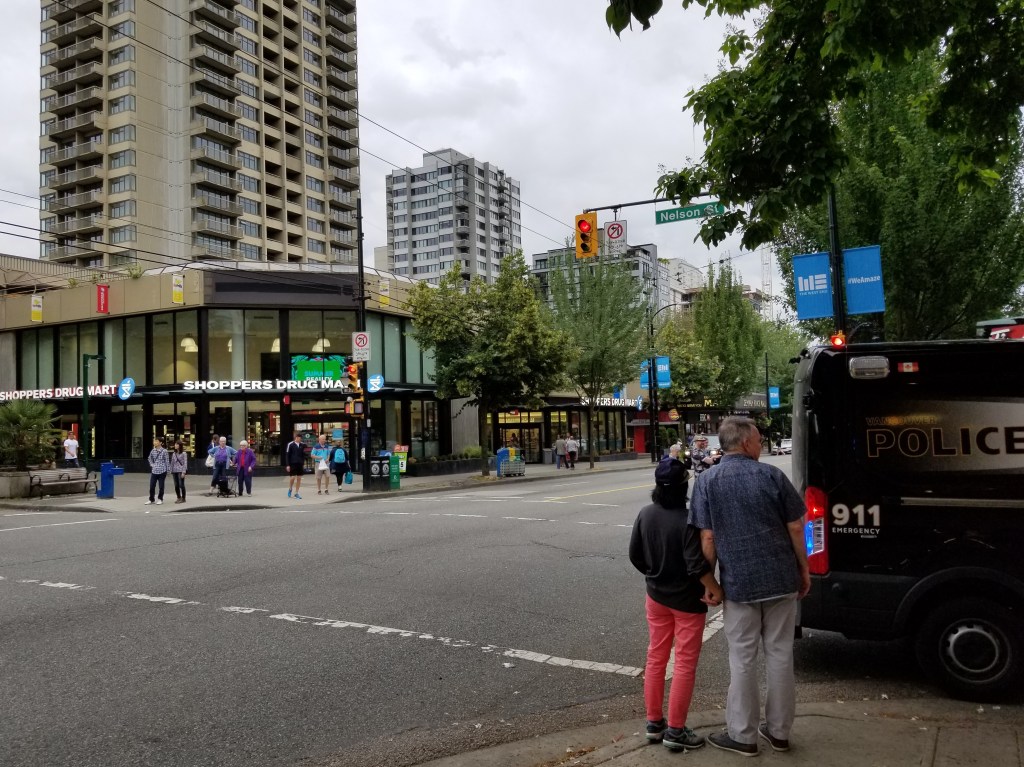
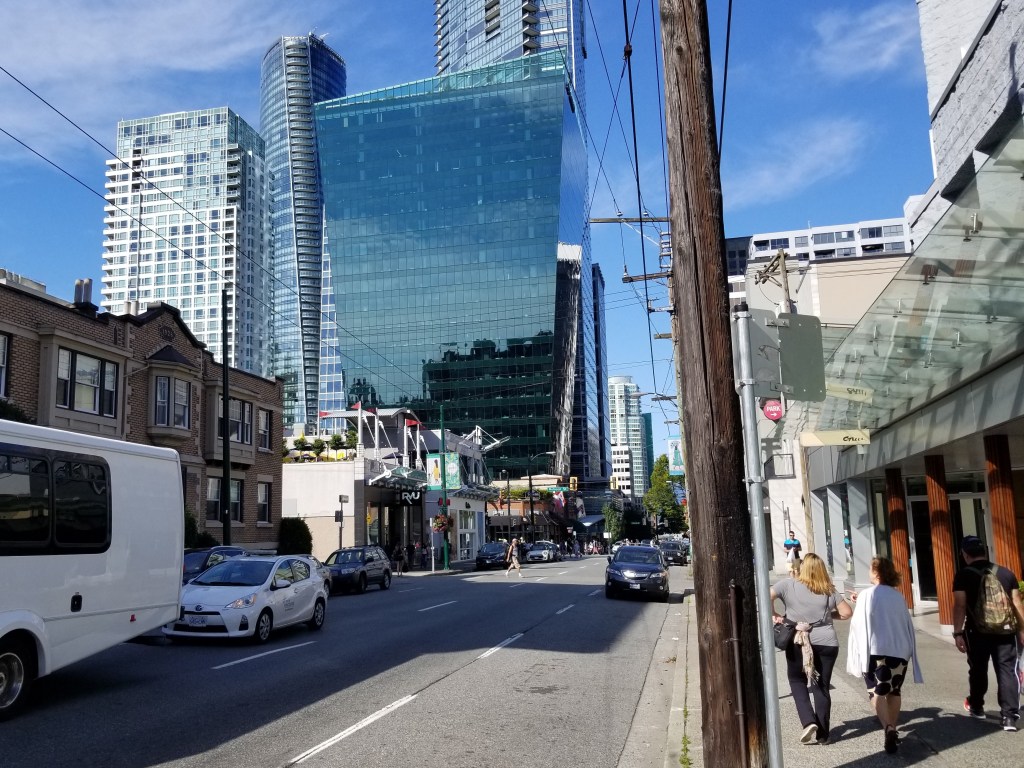
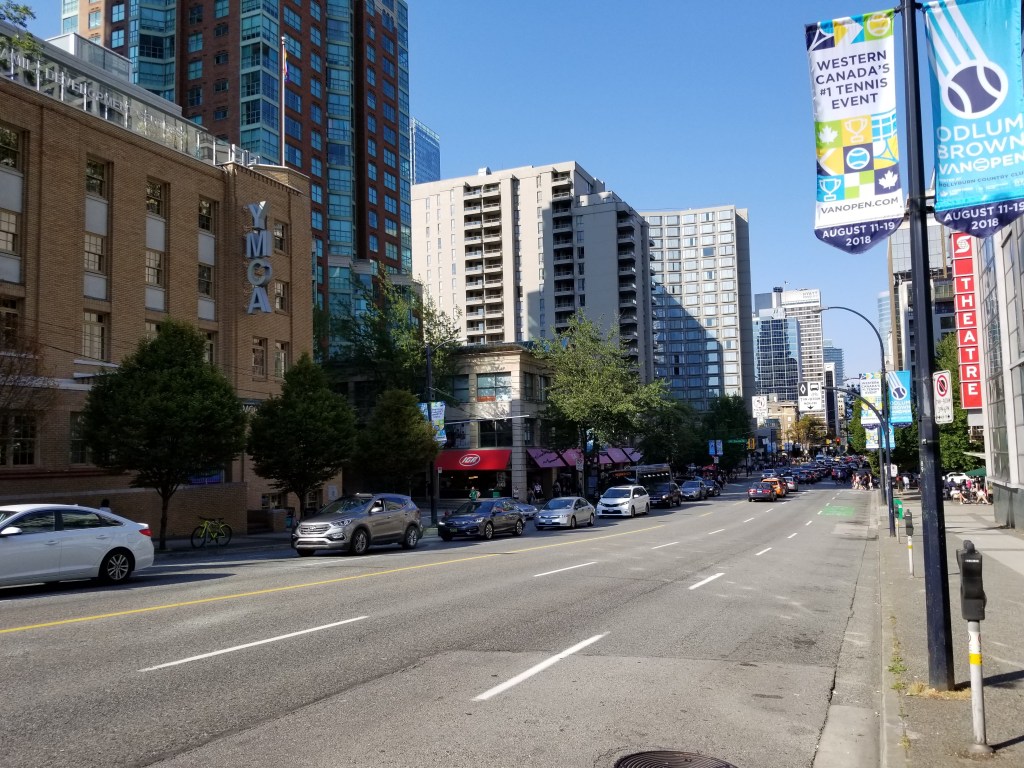
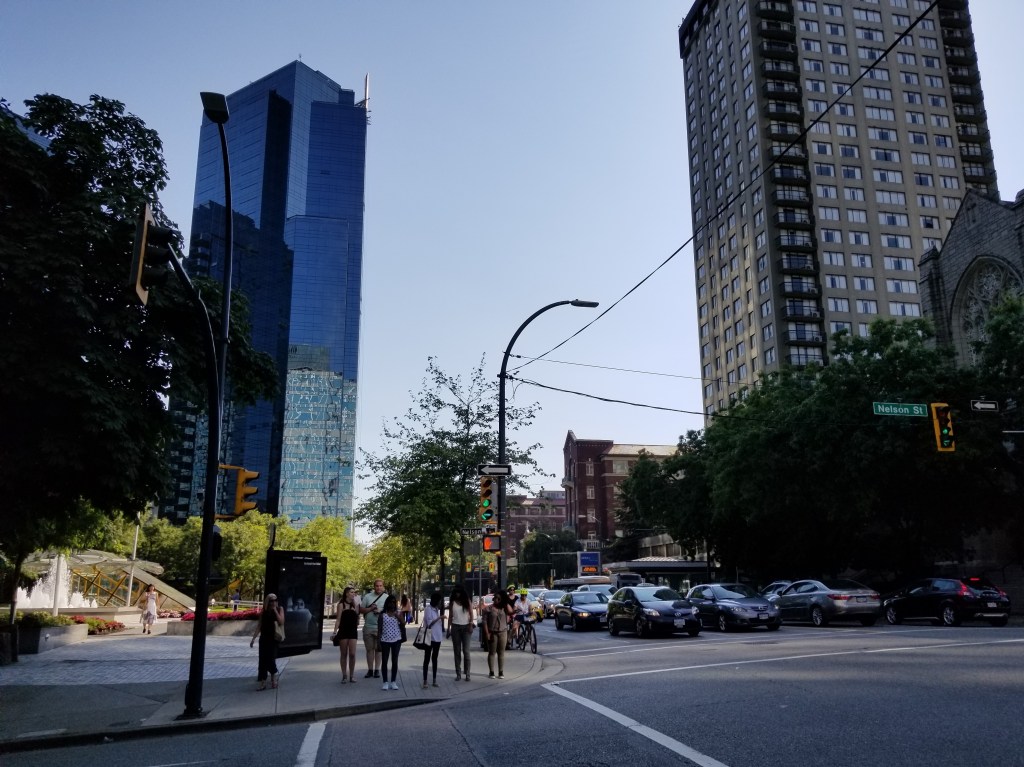
Nelson Street in Downtown Vancouver is a key east-west thoroughfare that runs through the heart of the city, known for its blend of residential, commercial, and cultural elements. Nelson Street stretches across Downtown Vancouver, roughly from the West End near Stanley Park to the eastern edge of downtown near Yaletown and False Creek. It intersects with major streets like Burrard, Granville, and Howe, making it a central artery for both locals and visitors. The street is part of the grid that defines Vancouver’s urban core, with a mix of high-rise condos, retail spaces, and proximity to key landmarks.
Nelson Square (808 Nelson Street) is a luxury condo building in the heart of downtown, offering 32 spacious units with 24-hour security and premium amenities like a gym, steam room, sauna, and meeting rooms. It’s ideally located for those wanting to experience Vancouver’s culture, entertainment, and convenience, with restaurants, shopping, cafes, and nightlife nearby. It’s also close to St. Paul’s Hospital, the Vancouver Public Library, and Vancouver Community College, with easy access to the SkyTrain.
Nelson Street is near significant cultural spots. For instance, the Vancouver Art Gallery’s outdoor installation space, often featuring thought-provoking exhibits, is located next to the Shangri-La Hotel, which is just a block or two away on West Georgia Street. The area around Nelson also benefits from being close to the Orpheum Theatre and other entertainment venues on Granville Street. Located in the West End (near the intersection of Nelson and Bute Streets), Nelson Park is a beloved community space, especially for dog-walkers. It’s also home to the West End Farmers Market during the summer, adding a vibrant, local flavor to the area.
Downtown Vancouver, including areas around Nelson Street, has undergone significant transformation over the decades. In the late 19th and early 20th centuries, the region saw architectural contributions from figures like Francis Rattenbury, who designed chateau-style civic buildings in the city, such as the Vancouver Provincial Courthouse. While Nelson Street itself isn’t directly tied to these specific buildings, the broader downtown area reflects this historical evolution, with modern high-rises now dominating the skyline alongside preserved heritage elements.
The revitalization of downtown Vancouver in the 1980s—particularly along streets like Baker Street in nearby Nelson, BC—offers a parallel to how Vancouver has balanced modernity with heritage. While Nelson Street in Vancouver hasn’t been highlighted for the same kind of historical restoration, it benefits from the city’s broader push to maintain a vibrant urban core, with areas like the West End and Yaletown evolving into cultural and residential hubs.
Nelson Street’s central location makes it highly walkable and transit-friendly. The SkyTrain’s Burrard or Granville stations are just a few blocks away, connecting you to greater Vancouver. The street also intersects with bike lanes and pedestrian-friendly areas, aligning with Vancouver’s emphasis on sustainable urban living. The area around Nelson Street, especially near Nelson Park, has a community-oriented feel. The farmers market at Nelson Park (June to October) brings locals together, while the street’s proximity to Davie Village adds a vibrant, inclusive energy with its array of LGBTQ+-friendly businesses and events. Nelson Street exemplifies Downtown Vancouver’s evolution from a resource-based economy to a hub for arts, tourism, and modern living. Its proximity to cultural landmarks, parks, and transit makes it a microcosm of what makes Vancouver appealing—a mix of urban density, natural beauty, and community spirit.
An Oscar-winning Palestinian filmmaker was reportedly attacked by Israeli settlers on the West Bank before being detained by the military.
Hamdan Ballal was one of the co-directors of No Other Land, which scooped the Best Documentary category at this year’s Academy Awards.
An anti-Zionist Jewish activist group said dozens of Israeli settlers attacked the Palestinian village of Susiya in the Masafer Yatta area, south of Hebron.
Members of the Center for Jewish Nonviolence said a rampaging mob descended upon the village, throwing stones, smashing windows, slashing car tyres and destroying a war tank in the village.
The settlers beat the director, leaving him bleeding from the head, and threw punches at activists. While Ballal was being treated in an ambulance, soldiers from the Israeli Defense Forces (IDF) detained him and a second Palestinian man, the group added.
Joseph, one of the five activists who witnessed the brutal attack, said the filmmaker was surrounded by a group of around 15 armed settlers.
‘They started throwing stones towards Palestinians and destroyed a water tank near Hamdan’s house,’ he told The Guardian.
Another activist Raviv, told the same publication: ‘The settlers destroyed his car with stones and slashed one of the tyres.’
The Jewish activist group said the settlers arrived at the scene dressed in military uniform, alongside actual soldiers, who chased Hamdan to his house and handed him over to the military.
Another of the activists, Josh Kimelman, said: ‘We don’t know where Hamdan is because he was taken away in a blindfold.’
Video provided by the Center for Jewish Nonviolence showed a masked settler shoving and swinging his fists at two activists from the group in a dusty field at night.
The activists rush back to their car. ‘Get in, get in!’ one shouts, and they duck inside as the thuds of rocks being thrown can be heard. ‘Car window was broken,’ the driver says as they drive off.
In another video, posted by Israeli investigative journalist and filmmaker Yuval Abraham, one of the co-directors of No Other Land, masked men reported to be settlers are seen sprinting towards a car before hurling a rock through its window.
Chase Carter, the development and communications director for the Center for Jewish Nonviolence, said: ‘Tonight, the Oscar-winning Director of No Other Land Hamdan Ballal was attacked by Israeli settlers and arrested by the Israeli army in his home village of Susiya in Masafer Yatta.
‘The group of assailants arrived at approximately 6PM with batons, knives, and at least one assault rifle; many were also masked.
‘Five Jewish American activists responded to the scene to document the attack and they were violently assaulted by the settlers, who also used rocks to smash their car with the activists inside.’
The Israeli Defense Forces (IDF) sought to blame the outbreak of violence on alleged incidents of Palestinians throwing rocks at Israeli citizens near Susya, damaging their vehicles.
An IDF spokesperson said: ‘Following this, a violent confrontation broke out, involving mutual rock-hurling between Palestinians and Israelis at the scene.
‘IDF and Israeli Police forces arrived to disperse the confrontation, at this point, several terrorists began hurling rocks at the security forces.
‘In response, the forces apprehended three Palestinians suspected of hurling rocks at them, as well as an Israeli civilian involved in the violent confrontation. The detainees were taken for further questioning by the Israel Police.
‘An Israeli citizen was injured in the incident and was evacuated to receive medical treatment.
‘Contrary to claims, no Palestinian was apprehended from inside an ambulance.’
However, Carter said: ‘The Israeli military and police regularly lie about what goes on within the occupied territories and seek to criminalise Palestinians at every turn.’
He said he had heard from colleagues that Hamdan is likely to be held overnight, but hopes the success of No Other Land might lead both to a quick release and to political change in the West Bank.
He added: ‘We hope that the high profile of the film will support this story staying in the news for a long time – and cause so much outrage that it makes some kind of positive impact in the region to curb Israeli settler violence.’
No Other Land, which won the Oscar this year for best documentary, chronicles the struggle by residents of Masafer Yatta to stop the Israeli military from demolishing their villages and the alliance which develops between the Palestinian activist Basel and Israeli journalist Yuval.
The film has two Palestinian co-directors, Ballal and Basel Adra, both residents of Masafar Yatta, and two Israeli directors, Yuval Abraham and Rachel Szor.
The documentary won a string of international awards, starting at the Berlin International Film Festival in 2024.
However viewings have drawn ire in Israel and abroad, with the mayor of Miami Beach in Florida briefly proposing to ending the lease and withdrawal all funding to a movie theatre that screened the documentary.
The Israeli military designated the village of Masafer Yatta as a live-fire training zone in the 1980s and ordered residents, mostly Arab Bedouin, to be expelled.
However, around 1,000 residents have largely remained in place, but soldiers regularly move in to demolish homes, tents, water tanks and olive orchards – and Palestinians fear outright expulsion could come at any time.
While the West Bank is the larger of the two Palestinian territories, Israel captured the area in the 1967 Six-Day War, along with the Gaza Strip and east Jerusalem, and has occupied it ever since.
Israelis have now built well over 100 settlements on the West Bank that are home to over 500,000 settlers with Israeli citizenship.
The three million Palestinians in the West Bank live under Israeli military rule, with the Western-backed Palestinian Authority administering population centers.
The attack comes on the back of criticism leveled at Israeli Prime Minister Benjamin Netanyahu after Israel broke the ceasefire in bombing raids believed to have killed more than 700 people in Gaza since last week.
On March 22, 2020, Friday the 13th: A New Beginning turned 35 years old. I’m pleased to be able to write about it today, as it has always been my fave of the series.
Friday the 13th: A New Beginning is the 5th installment of the now essential Friday the 13th slasher series. I personally find it to be the campiest and most interesting, probably due to its patchwork of troubled personalities setting. The film was directed by Danny Steinmann who also gave us revenge flicks like Savage Streets in 1984, and horror flick The Unseen in 1980. The film stars John Sheppard (The Hunt For Red October 1990) as an older Tommy Jarvis, Shavar Ross (Diff’rent Strokes TV series) as young Reggie, and one of my fave scream queens, Tiffany Helm (Red Letter Day 2019 – read our review here, In The Tall Grass 2019 – read our review here) and many more.
The film was a box office hit at the height of the franchise, bringing in $22,000,000 worldwide from a budget of merely $2,000,000. The movie delivers in gore, dark humor, soundtrack (especially the song “His Eyes” by Pseudo Echo), story, and pure entertainment the whole way through.
The setting for Friday the 13th: The New Beginning is a halfway house that is run by the very sweet Pam (Kinnaman) and Dr. Matthew Letter (Richard Young: Indiana Jones And The Last Crusade 1989). A traumatized, teenaged Tommy Jarvis is sent to live there after surviving his horrific past with Jason at Camp Crystal Lake and losing his sister and mother to the killer. It’s obvious that Tommy, while quite artistic and crafty, is dealing with some serious anger issues. The other kids in the house have their fair share of problems as well, and they’re all forced to deal with one another’s tumultuous personalities day to day, all while being harassed by the local cops. They also endure some quirky neighbors!
Things start to get bloody when resident Vinnie (Anthony Barrile: Girlfriend from Hell 1989) murders another boy, Joey (Dominick Braskia: Evil Laugh 1986), after an incident involving a chocolate bar. A series of grizzly and unexplained killings follow, and the situations in which they occur (enchiladas anyone?) provide a campy and gory backdrop to this classic 1980s slasher.
Friday the 13th: A New Beginning opens with one of our favorite serial slashers being dug up by a couple of local rabble rousers, who in turn are murdered by the suddenly reanimated killer. All this is witnessed by a young Tommy Jarvis (Corey Feldman). Is it real or just in his dreams? We will soon find out.
What follows is a wild, sex-crazed and drug-fueled 92 minutes of blood-splattering chills and terror as the cast is picked off one by one by a homicidal masked maniac. The movie comes complete with a twist ending… I assume we’ve all seen it, but if not…
It turns out that he killer is not Jason at all but a copycat killer paramedic. Scorned over the loss of his son – the innocent and troubled chocolate-fiend, Joey, from the first kill – Roy Burns (Dick Wieand: The In-Laws 1979) takes his bloody revenge on the halfway house teens.
This franchise has always been for the outcasts, especially those rejected in some way by society, and I feel we can identify with this particular breed of rebel teenagers as they try to make their way through life.
We are all stuck inside at the moment, so why not delve into your horror den and have a little fright fest? Friday the 13th: A New Beginning offers up the delicious 1980s snack which just might be the campy, gory slasher that we all may need at the moment. In honor of the film’s 35th anniversary, I’d recommend revisiting what is ultimately a quintessential part of 1980s horror culture and pop in the VHS for old times’ sake. Or stream it on Amazon from where you sit.
In collaboration with CBC The National, Microsoft co-founder and philanthropist Bill Gates talks to The Sunday Magazine host Piya Chattopadhyay about his new book Source Code, revealing insights about his personal story and how he became one of the world’s most influential business leaders.
00:00 Source Code: My Beginnings 00:41 I was a different kind of kid 01:23 Conflict inside the Gates home 02:29 Discovering computers 04:04 Dropping out of Harvard at 19 05:04 Reigning in the power of AI 06:49 Influence of tech leaders in politics 08:20 Today, I would be diagnosed with autism













 Igor's Blog