

Now reading Captain Fracasse by Theophile Gautier…

Regardless of the fact that it was released fairly early on in the life of Nintendo’s 16-bit console, Axelay remains one of the best looking and most impressive shooters available for the format.
Employing a similar format to Konami stable mate Lifeforce, Axelay switches between a vertical and horizontal viewpoint as you progress through the levels. The vertical sections are slightly infamous for the not entirely successful use of Mode 7 to simulate depth of field. Whatever your opinion on this visual trick, you can’t deny that it was mind-blowing at the time, even if it doesn’t look very realistic!
The rest of the game is graphically faultless, and it’s hard to think of any 2D shooter that has been released since that has quite the same polished and detailed style.
The gameplay is also top-notch, with a neat selection of weapons and some impressive boss battles (who could forget the robot spider, ED-209 look-alike and the lava boss?). It’s also fairly challenging, with some of the later levels being especially tough to crack.
A special mention must go to the sound – if ever there was a game that confirmed the sonic divide between the SNES and the Megadrive/Genesis, this was it. The music is practically CD-quality and the sound effects are punchy and dynamic. There’s also a little bit of crystal-clear speech thrown in for good measure.
It’s extremely difficult to pick fault with a game this well produced. Although Thunderforce IV is more fun and Radiant Silvergun has more depth and lasting appeal (ironically, one of the developers of Axelay would later leave Konami to form Treasure), We honestly can’t think of another shooter that brings everything together with such aplomb.
It’s like Konami threw all their weight behind the game to make it as good as possible – a seemingly rare event these days! Playing games like Axelay makes you realize just how vital retro gaming is – download and enjoy!
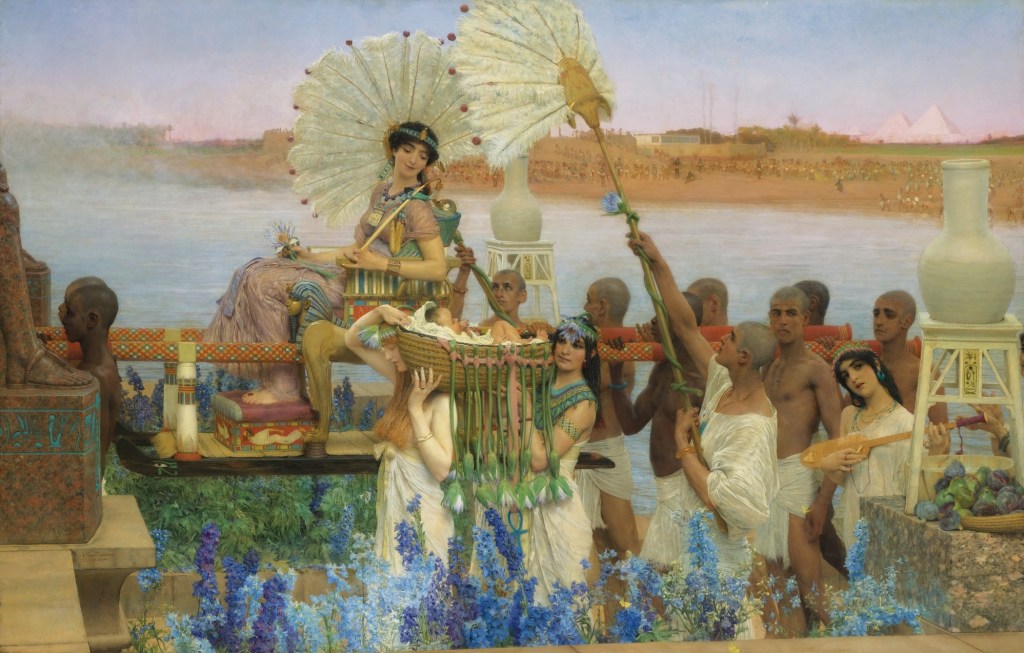
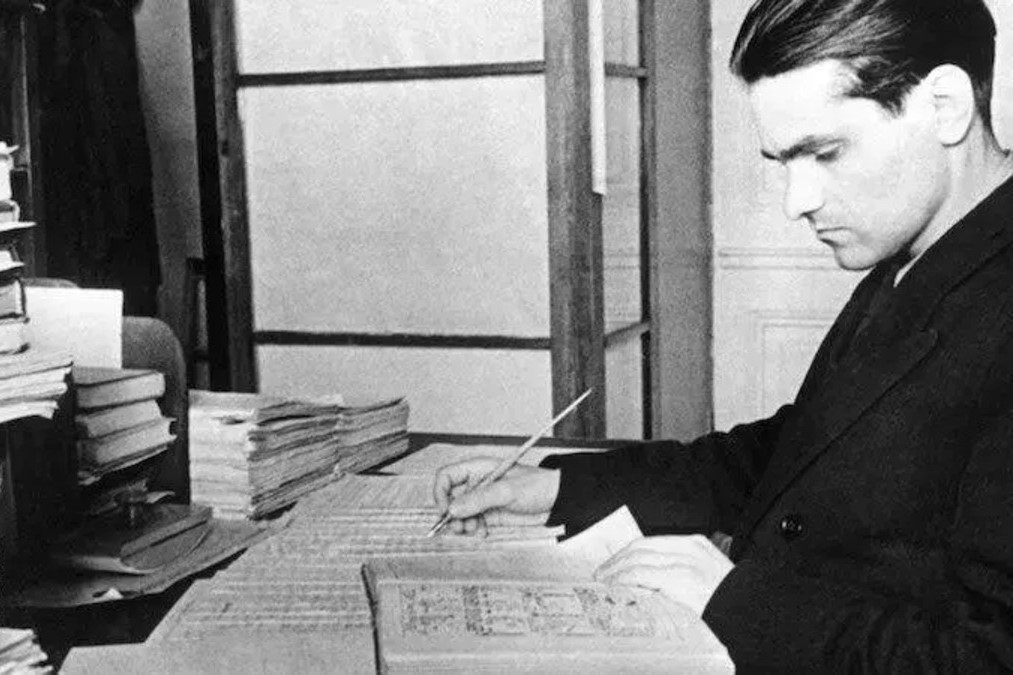
It took 500 years for Yuri Knorozov, a Soviet soldier, to achieve what no one had ever done before: decipher the Mayan hieroglyphic writing.
For centuries, many experts around the world had been trying to find a way to interpret the Mayan codices to understand the richness of this civilization, but no one had ever succeeded before. Until a young Ukrainian, bookworm, and cat lover, came across the Mayan world by chance.
The first to attempt to unveil the secrets of the codices was Diego de Landa, a Franciscan missionary, who after ordering the death of thousands of Maya natives accused of heresy, tried to study some of their codices and in 1566 wrote La relación de las cosas de Yucatán, a work that contained a section of the Maya Alphabet and served as the basis for the study of glyphs. However, it was not until 1864 that the book was published for the first time in Paris, thanks to the French archaeologist Brasseur de Bourbourg, who discovered the original manuscript lost in the Royal Academy of History in Madrid.
A century later, in April 1945, amid the catastrophe of WWII, Yuri Knorozov, barely 21 years old, met his destiny: the book by Diego de Landa. The young soldier, a member of the 580th Artillery Battalion of the Soviet Army, rescued from the Prussian Library in Berlin two books that would lead him to the study of the Maya: La relación de las cosas de Yucatán and a facsimile of Los Códices Mayas.
When Yuri Valentinovich Knorozov had to enlist in his country’s army in 1941, he was a student of history, a lover of the adventures of Sherlock Holmes and knowledge, a violinist, and a draftsman. On his own, he had learned to read Chinese, Arabic, and Greek.
He was born on November 19, 1922, the same year that Russia became the Soviet Union and devoured Ukraine, where his family lived. Two years after he entered university, WWII broke out, and he had to enlist in the Soviet forces to fight against the Germans. From 1943 to 1945, he served as an artillery observer in the Red Army. Finally, in 1945 he joined the Red Army in the city of Berlin. It was in this place where the books were found, which were placed in boxes in the middle of the street because the Prussian Library at that time was evacuated.
Once the war ended, in the winter of 1945, he returned to the USSR, where he began to study ethnography and linguistics at the Lomonosov University in Moscow, where he became enthusiastic about Egyptology and the shamanism of some Central Asian cultures and even participated in some archaeological expeditions.
Little by little, his interest in different cultures led him to get involved in Egyptology and hieroglyphic studies, but what would lead him to be introduced to the Maya was the article The decipherment of the Maya scriptures, an unsolvable problem? by the German writer Paul Schellhas.
His reading so intrigued him that he abandoned everything to devote himself entirely to the study of the Maya, despite the distrust of other researchers who thought he was too young and inexperienced. However, his response to their disbelief was: “Any system or code elaborated by a human being can be solved by any other human being.” His teacher Sergey Tokarev trusted him and his new project: deciphering the Mayan script.
Due to the Cold War, he could not leave the Soviet Union, so he couldn’t travel to Mexico or Guatemala, where the Mayan civilization flourished. However, this was not an obstacle, since his research was carried out within the four walls of his office in Leningrad (today the city of St. Petersburg).
To decipher the indecipherable, Knorozov learned Spanish and obtained exact copies of codices from Dresden, Paris, and Madrid. Everything he knew about Mexico, Yucatan, and the Maya he learned from books and documents.
In his research, Yuri conducted an analysis that led him to discover that Maya writing was based on logograms (signs that represent a whole word). He also detected that the Maya writing was syllabic and was composed of 355 signs, so he concluded that the Maya alphabet contained in the work of Fray Diego de Landa was a syllabary, thus deciphering the Maya writing.
That was the key that allowed him to write 1952, the academic article The ancient writing of Central America.
After five centuries, the enigma was solved; unfortunately, his research was not well received by the experts of the time nor by the most prominent Maya scholars.
Knorozov was stigmatized for belonging to a communist country, so on numerous occasions, his work was belittled and disqualified by the likes of Eric Thompson, the most respected Maya specialist of the time.
It was not until the 1970s that his discovery was accepted worldwide and applied by all Mayanists.
Although the West closed its doors to Knorozov’s research, in the USSR it caused a positive stir, awakening the interest of thousands of students in the pre-Columbian cultures of Central America.
Knorozov did the impossible by discovering a world without ever having been to the Americas, let alone Mexico, Yucatan, or Guatemala.
His first trip to Central America was in 1990, 38 years after his discovery. At that time, he visited Guatemala, where he was decorated with the Order of Quetzal, the Guatemalan government’s highest distinction.
Four years later, the Mexican government awarded him the Mexican Order of the Aztec Eagle at the Mexican Embassy in Moscow. In 1995, Knorozov visited the country, where he visited the archaeological site of Palenque Chiapas and participated in the Third International Congress of Mayanists.
Four years after his visit to Mexico, Yuri Knorozov died in the corridors of a hospital victim of a stroke, on March 30, 1999, in St. Petersburg.
At the main entrance of the Centro de Convenciones siglo XXI in Merida, Yucatan, a bronze figure was placed in his honor. With it is a plaque that reads:
“In my heart, I will always be Mexican,” a phrase he uttered upon receiving the Order of the Aztec Eagle in 1994.



Kate Beckinsale looked nothing short of sensational as she shared a slew of sizzling Instagram posts ahead of a pre-Grammy Awards party in Los Angeles on Saturday.
The actress, 49, slipped into a tiny black bodysuit which hugged every inch of her jaw-dropping figure.
She was joined by actress pal Nina Kate, 44, as they posed up a storm before playfully dancing for the camera.
The daring look also boasted a plunging neckline as well as a chunky belt at her svelte waist.
Kate accentuated her long toned legs with polka dot black tights and later modelled a dramatic white ruffled coat.
The Serendipity actress swept her long brunette locks back in a high ponytail which she tied with an colour-coordinated bow.
Her makeup consisted of smoky eyes, bronze shadow, light pink blush and a nude lip with gloss for a glammed-up touch.
The pals appeared to be having a wonderful time as they mimicked supermodels strutting their stuff in towering heels before enjoying a cheeky boogie.
Nina rocked a black veil over her face and showed off her tattoos in a frilly black top that left her chest and shoulders exposed.
She opted for a heavy layer of black eyeliner and bright red lipstick.
Kate playfully captioned the post: ‘So basically we tested ladder proof tights and actually so far so good’.
The event was in honour of Rita Ora, who celebrated 10 Years of Music as she released her first debut album in 2012, kicking off her now decade-long, successful career.
Other attendees included supermodel Alessandra Ambrosio, actress Kristen Stewart and GOT star Maisie Smith.
It comes after Kate agreed just how much her daughter Lily Mo Sheen looks like herself admitting that ‘she’s got something that I don’t.’
The 23 year-old – who is the daughter of Hollywood actors Michael Sheen, 53, and Kate – has become known as an actress for her work in The Unbearable Weight of Massive Talent (2022), Everybody’s Fine (2009) and Underworld: Evolution (2006).
Speaking about the physical resemblance to her daughter, Kate said: ‘I do see it. Yeah, I do. Sometimes I’ll send her a text saying, “Get your own face!”
‘She’s like a better version. She’s got something that I don’t.
‘She looks like this gorgeous Disney animal — she’s got these giant eyes . . . I think probably Dad [Michael Sheen] helped with that a bit — but she’s very much herself.’
Lily, 24, starred in the quirky film The Unbearable Weight Of Massive Talent alongside Nicolas Cage last year.
Kate said that Lily was very similar to her in terms of her sense of humour – but ensured ‘she’s very much her own self’.
Michael and London-born Kate, went their separate ways after seven years together in 2002.
The pair met in 1995 on a touring production of The Seagull and four years later, in 1999, the actress gave birth to their daughter, Lily.



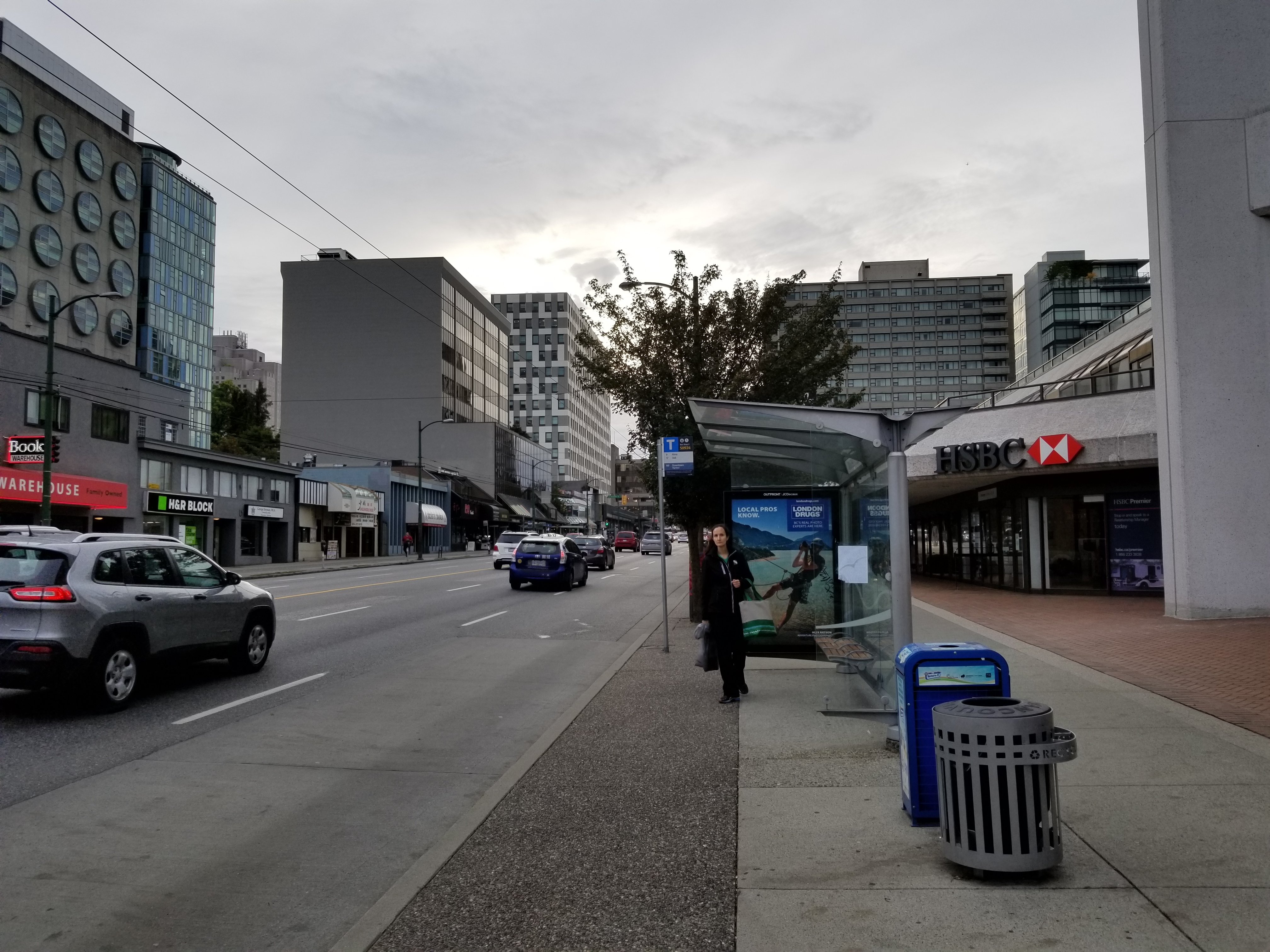

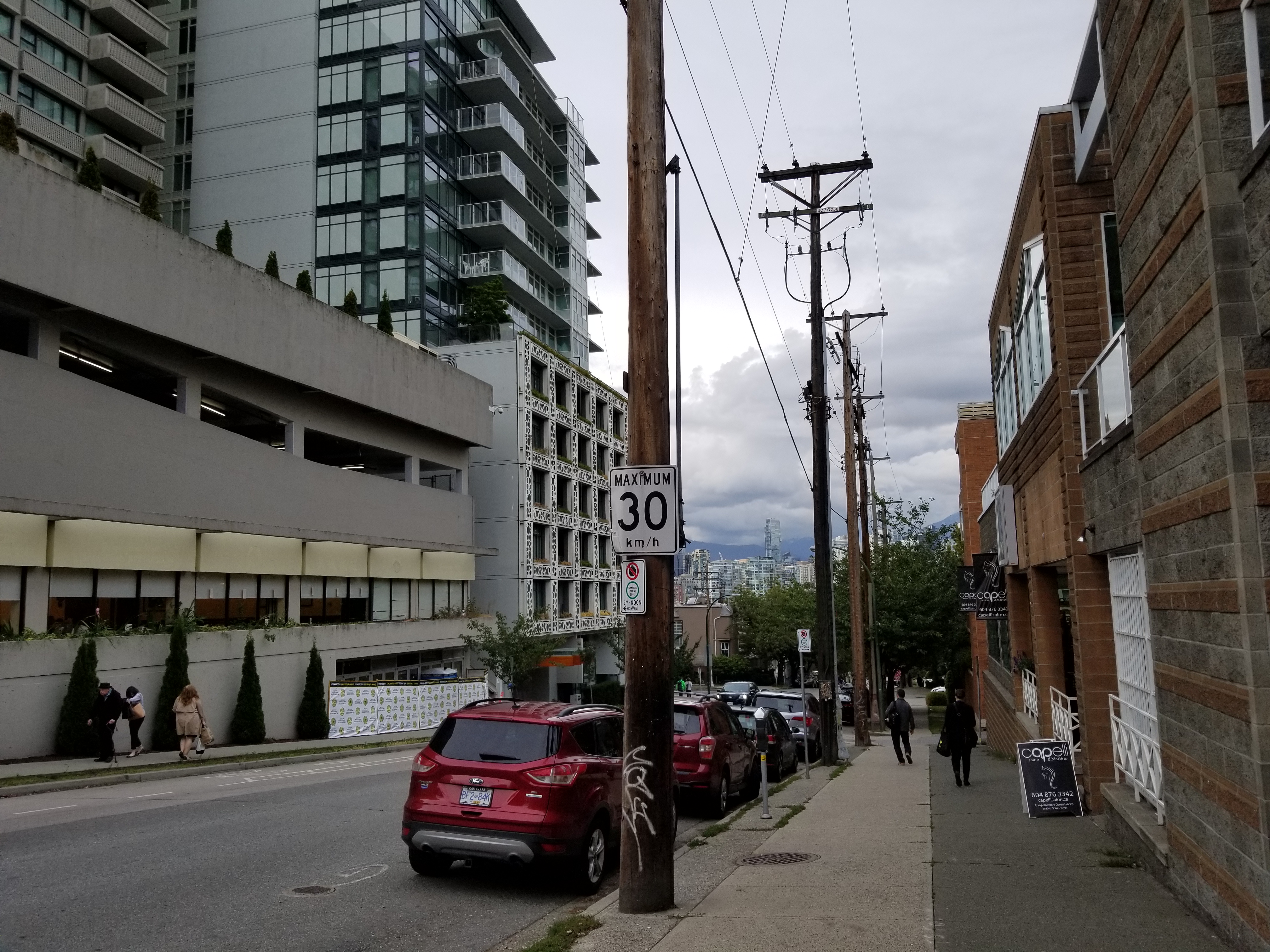

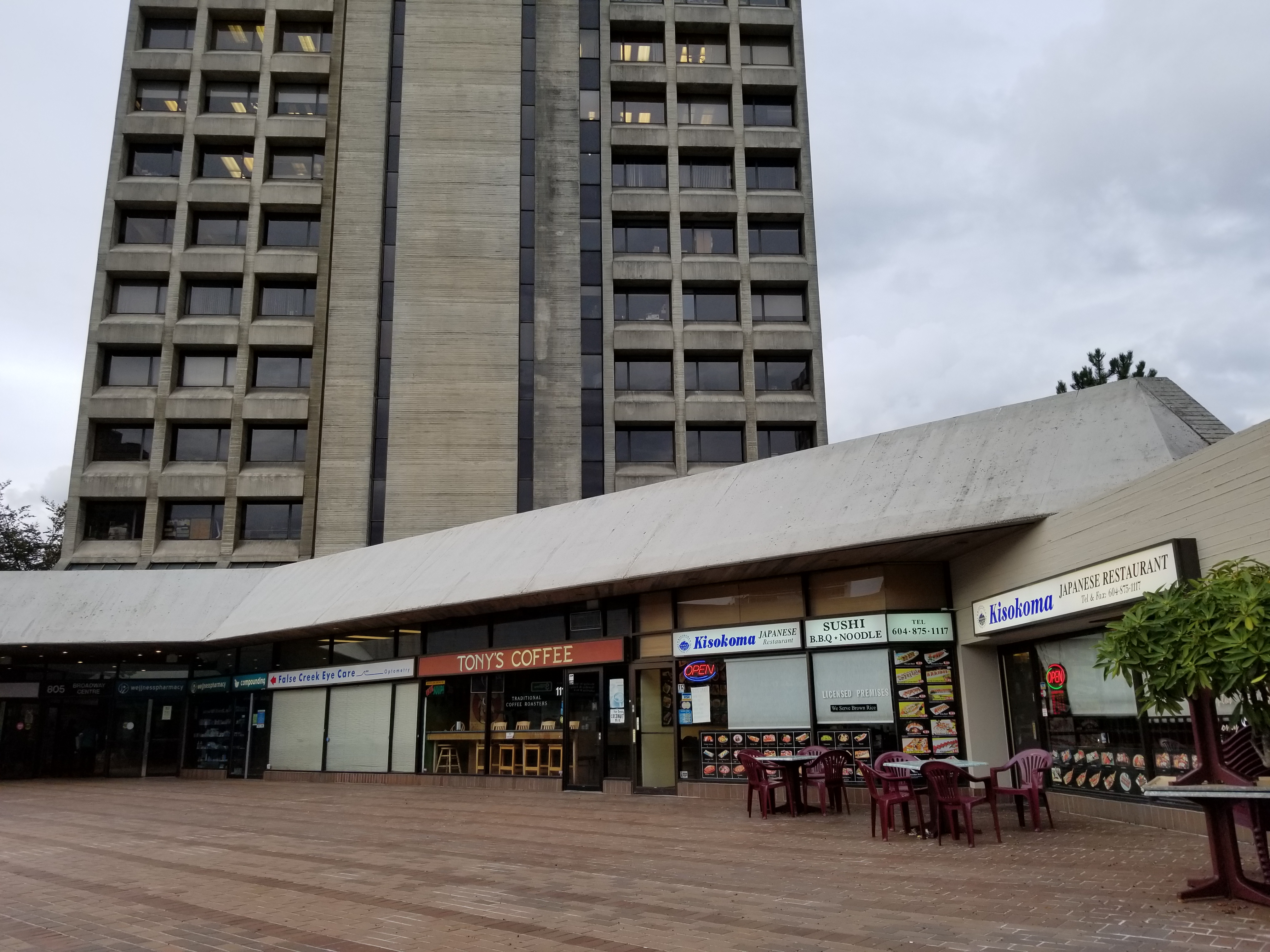

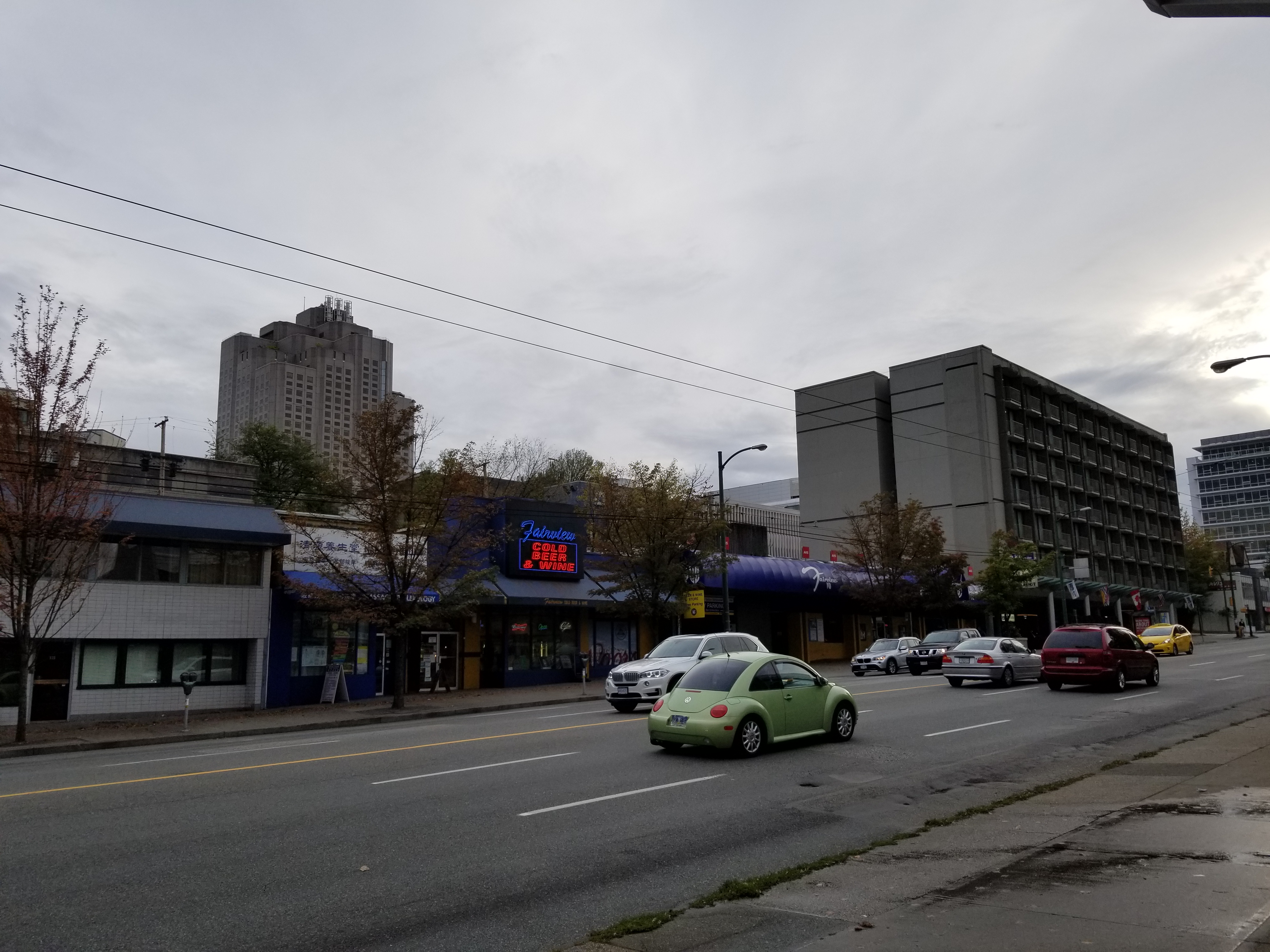
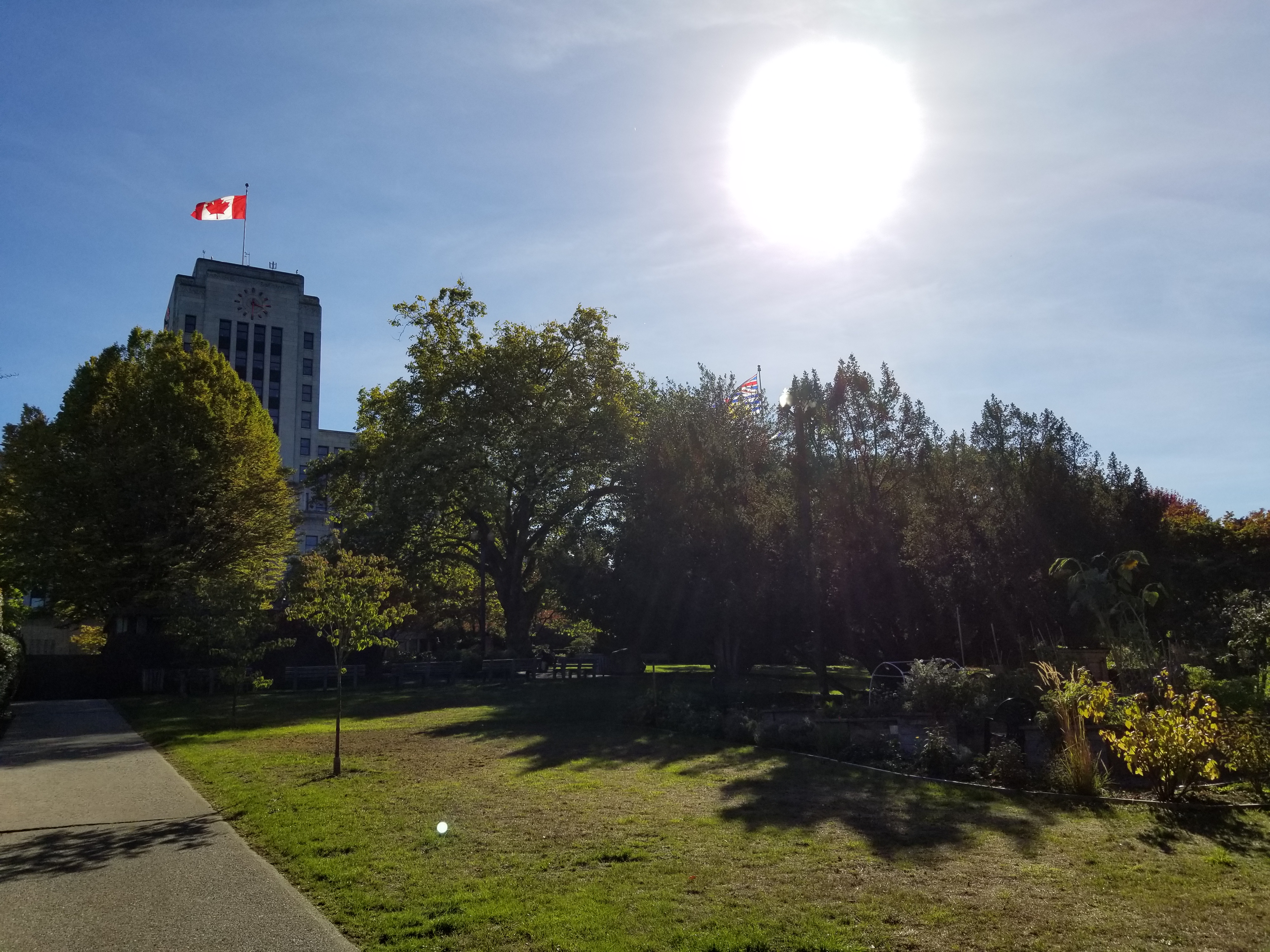
Broadway is a major east-west thoroughfare in the city of Vancouver, British Columbia, Canada. In Vancouver‘s numbered avenue grid system, it runs in place of a 9th Avenue, between 8th and 10th. The street has six lanes for most of its course. Portions of the street carry the British Columbia Highway 7 designation.
The route begins as “West Broadway” at the intersection of Wallace Crescent and 8th Avenue, in the affluent residential neighbourhood of West Point Grey, a few kilometres east of the University of British Columbia (UBC). Past Alma Street, Broadway takes over from 10th Avenue as one of Vancouver‘s major thoroughfares, as it enters Greek West Broadway (or Greektown) section of Vancouver‘s Kitsilano district. East of here are several blocks of generally trendy, upscale shops interspersed with low-rise apartment blocks and small supermarkets. The surrounding neighbourhoods generally consist of large, older homes dating from the early twentieth century, many of which have been subdivided into rental suites.
As Broadway approaches Arbutus Street, the commercial establishments become larger before transitioning into a mix of small to mid-size apartment blocks. East of Burrard Street, the apartment blocks get progressively taller, and commercial establishments larger and busier. Between Burrard and Main Street, Broadway can be considerably congested by vehicular traffic. Past Granville Street, Broadway yields completely to medium-to-large commercial structures and high-rise apartments and condominiums. Between Cambie and Main, the commercial establishments become smaller and somewhat more downscale.
At Ontario Street, two blocks west of Main, the route becomes “East Broadway.” After bisecting Main and Kingsway, traffic on Broadway eases somewhat, and the character returns to a mix of small-to-medium apartment buildings and commercial establishments, interspersed with older homes – all considerably less affluent than those to the west. At Commercial Drive, Broadway passes by the Commercial–Broadway SkyTrain Station. Past here for several blocks, the neighbourhood consists predominantly of older residential homes.
As Broadway travels east of Renfrew Street, the neighbourhood once again becomes mixed, with older homes to the north and larger industrial, commercial, and warehouse establishments to the south. Broadway finally ends at Cassiar Street, just short of the Vancouver-Burnaby boundary, where it becomes the Lougheed Highway.
Broadway was created at the turn of the 20th century, along with other gridded roads south of False Creek, to meet the needs of an expanding population in Vancouver. The name of the route was changed from 9th Avenue to Broadway in 1909, at the behest of merchants around Main Street (at that time the hub of Vancouver commerce), who felt that it bestowed a more cosmopolitan air. Commercial establishments originally spread out around the intersections of Cambie and Main Streets, while the character of the rest of the route remained predominantly single-family dwellings.
By the 1970s, the length of Broadway had become a major arterial route in Vancouver, conveying commuters from downtown to the neighbourhoods of the west and east sides. With the growth of UBC and the expansion of the Vancouver General Hospital (one block south of Broadway between approximately Oak and Cambie), traffic demands accelerated. In the 1990s, the agency then responsible for public transit in Greater Vancouver — BC Transit — introduced an express bus route, the 99 B-Line, to help reduce congestion. The Vancouver transportation plan for Broadway notes that congestion is such that the bus service is at capacity, and will not be eased until a new rapid transit line is built paralleling the street. It is anticipated that the SkyTrain’s Millennium Line will be extended to Central Broadway by 2021; the extension is expected to connect with Canada Line at Broadway-City Hall Station, at the intersection of Broadway and Cambie Street.

It was 45 degrees below zero, and Lieutenant Harry Mead’s platoon was much too far from home. Just outside the Russian village of Ust Padenga, 500 miles north of Moscow, the American soldiers crouched inside two blockhouses and trenches cut into permafrost. It was before dawn on January 19, 1919.
Through their field glasses, lookouts gazed south into the darkness. Beyond the platoon’s position, flares and rockets flashed, and shadowy figures moved through tiny villages—Bolshevik soldiers from Russia’s Red Army, hoping to push the American invaders 200 miles north, all the way back to the frozen White Sea.
The first artillery shell flew at the Americans at dawn. Mead, 29, of Detroit, awoke, dressed, and ran to his 47-man platoon’s forward position. Shells fell for an hour, then stopped. Soldiers from the Bolshevik Red Army, clad in winter-white uniforms, rose up from the snow and ravines on three sides. They advanced, firing automatic rifles and muskets at the outnumbered Americans.
“I at once realized that our position was hopeless,” Mead recalled, as quoted in James Carl Nelson’s forthcoming book, The Polar Bear Expedition: The Heroes of America’s Forgotten Invasion of Russia. “We were sweeping the enemy line with machine gun and rifle fire. As soon as one wave of the enemy was halted on one flank another was pressing in on us from the other side.”
As the Red Army neared, with bayonets fixed on their guns, Mead and his soldiers retreated. They ran through the village, from house to house, “each new dash leaving more of our comrades lying in the cold and snow, never to be seen again,” Mead said. At last, Mead made it to the next village, filled with American soldiers. Of Mead’s 47-man platoon, 25 died that day, and another 15 were injured.
For the 13,000 American troops serving in remote parts of Russia 100 years ago, the attack on Mead’s men was the worst day in one of the United States’ least-remembered military conflicts. When 1919 dawned, the U.S. forces had been in Russia for months. World War I was not yet over for the 5,000 members of the 339th U.S. Army regiment of the American Expeditionary Force deployed near the port city of Archangel, just below the Arctic Circle, nor for the 8,000 troops from the 27th and 31st regiments, who were stationed in the Pacific Ocean port of Vladivostok, 4,000 miles to the east.
They had become bit players caught up in the complex international intrigue of the Russian Civil War. Russia had begun World War I as an ally of England and France. But the Bolshevik Revolution of 1917, led by Vladimir Lenin and Leon Trotsky, installed a communist government in Moscow and St. Petersburg that pulled Russia out of the conflict and into peace with Germany. By fall 1918, Lenin’s year-old government controlled only a part of central European Russia. Forces calling themselves the White Russians, a loose coalition of liberals, social democrats and loyalists to the assassinated czar, were fighting the Communists from the north, south, east and west.
Two months after the November 11, 1918, armistice that officially ended the war for the rest of Europe, as one million Americans in France were preparing to sail home, the U.S. troops in Russia found that their ill-defined missions had transformed into something even more obscure. Historians still debate why President Woodrow Wilson really sent troops to Russia, but they tend to agree that the two missions, burdened by Wilson’s ambiguous goals, ended in failures that foreshadowed U.S. foreign interventions in the century to come.
When Wilson sent the troops to Russia in July 1918, World War I still looked dire for the Allies. With the Russian Empire no longer engaged in the continental struggle, Germany had moved dozens of divisions to France to try to strike a final blow and end the war, and the spring 1918 German offensive had advanced to within artillery range of Paris.
Desperate to reopen an Eastern Front, Britain and France pressured Wilson to send troops to join Allied expeditions in northern Russia and far eastern Russia, and in July 1918, Wilson agreed to send 13,000 troops. The Allied Powers hoped that the White Russians might rejoin the war if they defeated the Reds.
To justify the small intervention, Wilson issued a carefully worded, diplomatically vague memo. First, the U.S. troops would guard giant Allied arms caches sent to Archangel and Vladivostok before Russia had left the war. Second, they would support the 70,000-man Czechoslovak Legion, former prisoners of war who had joined the Allied cause and were fighting the Bolsheviks in Siberia. Third, though the memo said the U.S. would avoid “intervention in [Russia’s] internal affairs,” it also said the U.S. troops would aid Russians with their own “self-government or self-defense.” That was diplomacy-speak for aiding the White Russians in the civil war.
“This was a movement basically against the Bolshevik forces,” says Doran Cart, senior curator at the National World War I Museum and Memorial in Kansas City. “[But] we couldn’t really go in and say, ‘This is for fighting the Bolsheviks.’ That would seem like we were against our previous ally in the war.”
Wilson’s stated aims were so ambiguous that the two U.S. expeditions to Russia ended up carrying out very different missions. While the troops in north Russia became embroiled in the Russian Civil War, the soldiers in Siberia engaged in an ever-shifting series of standoffs and skirmishes, including many with their supposed allies.
The U.S. soldiers in northern Russia, the U.S. Army’s 339th regiment, were chosen for the deployment because they were mostly from Michigan, so military commanders figured they could handle the war zone’s extreme cold. Their training in England included a lesson from Antarctic explorer Ernest Shackleton on surviving below-zero conditions. Landing in Archangel, just below the Arctic Circle, in September 1918, they nicknamed themselves the Polar Bear Expedition.
Under British command, many of the Polar Bears didn’t stay in Archangel to guard the Allied arms cache at all. The British goal was to reach the Russian city of Kotlas, a railroad crossing where, they hoped, they might use the railway to connect with the Czechoslovak Legion in the east. So British officer Lieutenant General Frederick Poole deployed the Polar Bears in long arcs up to 200 miles south of Archangel, along a strategic railroad and the Dvina and Vaga rivers.
But they never got to Kotlas. Instead, the Allied troops’ overextended deployment led to frequent face-to-face combat with the Bolshevik army, led by Leon Trotsky and growing in strength. One company of Americans, along with Canadian and Scottish troops, fought a bloody battle with Bolshevik forces on November 11, 1918 — Armistice Day in France.
“Events moved so fast in 1918, they made the mission moot,” says Nelson, author of The Polar Bear Expedition. “They kept these guys in isolated, naked positions well into 1919. The biggest complaint you heard from the soldiers was, ‘No one can tell us why we’re here,’ especially after the Armistice.” The Bolshevik Revolution had “dismayed” most Americans, Russia scholar Warren B. Walsh wrote in 1947, “mostly because we thought that the Bolsheviks were German agents or, at least, were playing our enemy’s game.” But with Germany’s defeat, many Americans — including many Polar Bears — questioned why U.S. troops were still at war.
While the Polar Bears played a reluctant role in the Russian Civil War, the U.S. commander in Siberia, General William Graves, did his best to keep his troops out of it. In August 1918, before Graves left the U.S., Secretary of War Newton Baker met the general to personally hand him Wilson’s memo about the mission. “Watch your step; you will be walking on eggs loaded with dynamite,” Baker warned Graves. He was right.
Graves and the AEF Siberia landed in Vladivostok that month with, as Graves later wrote, “no information as to the military, political, social, economic, or financial situation in Russia.” The Czechs, not the Bolsheviks, controlled most of Siberia, including the Trans-Siberian Railway. Graves deployed his troops to guard parts of the railway and the coal mines that powered it — the lifeline for the Czechs and White Russians fighting the Red Army.
But Russia’s quickly shifting politics complicated Graves’ mission. In November 1918, an authoritarian White Russian admiral, Alexander Kolchak, overthrew a provisional government in Siberia that the Czechs had supported. With that, and the war in Europe over, the Czechs stopped fighting the Red Army, wanting instead to return to their newly independent homeland. Now Graves was left to maintain a delicate balance: keep the Trans-Siberian Railway open to ferry secret military aid to Kolchak, without outright joining the Russian Civil War.
Opposition to the Russia deployments grew at home. “What is the policy of our nation toward Russia?” asked Senator Hiram Johnson, a progressive Republican from California, in a speech on December 12, 1918. “I do not know our policy, and I know no other man who knows our policy.” Johnson, a reluctant supporter of America’s entry into World War I, joined with anti-war progressive Senator Robert La Follette to build opposition to the Russia missions.
The Bolsheviks’ January 1919 offensive against American troops in north Russia — which began with the deadly attack on Mead’s platoon — attracted attention in newspapers across the nation. For seven days, the Polar Bears, outnumbered eight to one, retreated north under fire from several villages along the Vaga River. On February 9, a Chicago Tribune political cartoon depicted a giant Russian bear, blood dripping from its mouth, confronting a much smaller soldier holding the U.S. flag. “At Its Mercy,” the caption read.
On February 14, Johnson’s resolution challenging the U.S. deployment in north Russia failed by one vote in the Senate, with Vice President Thomas Marshall breaking a tie to defeat it. Days later, Secretary of War Baker announced that the Polar Bears would sail home “at the earliest possible moment that weather in the spring will permit” — once the frozen White Sea thawed and Archangel’s port reopened. Though Bolshevik attacks continued through May, the last Polar Bears left Archangel on June 15, 1919. Their nine-month campaign had cost them 235 men. “When the last battalion set sail from Archangel, not a soldier knew, no, not even vaguely, why he had fought or why he was going now, and why his comrades were left behind — so many of them beneath the wooden crosses,” wrote Lieutenant John Cudahy of the 339th regiment in his book Archangel.
But Wilson decided to keep U.S. troops in Siberia, to use the Trans-Siberian Railway to arm the White Russians and because he feared that Japan, a fellow Allied nation that had flooded eastern Siberia with 72,000 troops, wanted to take over the region and the railroad. Graves and his soldiers persevered, but they found that America’s erstwhile allies in Siberia posed the greatest danger.
Sticking to Wilson’s stated (though disingenuous) goal of non-intervention in the Russian Civil War, Graves resisted pressure from other Allies—Britain, France, Japan, and the White Russians—to arrest and fight Bolsheviks in Siberia. Wilson and Baker backed him up, but the Japanese didn’t want the U.S. troops there, and with Graves not taking their side, neither did the White Russians.
Across Siberia, Kolchak’s forces launched a reign of terror, including executions and torture. Especially brutal were Kolchak’s commanders in the far east, Cossack generals Grigori Semenov and Ivan Kalmikov. Their troops, “under the protection of Japanese troops, were roaming the country like wild animals, killing and robbing the people,” Graves wrote in his memoir. “If questions were asked about these brutal murders, the reply was that the people murdered were Bolsheviks and this explanation, apparently, satisfied the world.” Semenov, who took to harassing Americans along the Trans-Siberian Railway, commanded armored trains with names such as The Merciless, The Destroyer, and The Terrible.
Just when the Americans and the White Russian bandits seemed on the verge of open warfare, the Bolsheviks began to win the Russian Civil War. In January 1920, near defeat, Kolchak asked the Czech Legion for protection. Appalled at his crimes, the Czechs instead turned Kolchak over to the Red Army in exchange for safe passage home, and a Bolshevik firing squad executed him in February. In January 1920, the Wilson administration ordered U.S. troops out of Siberia, citing “unstable civil authority and frequent local military interference” with the railway. Graves completed the withdrawal on April 1, 1920, having lost 189 men.
Veterans of the U.S. interventions in Russia wrote angry memoirs after coming home. One Polar Bear, Lieutenant Harry Costello, titled his book, Why Did We Go To Russia? Graves, in his memoir, defended himself against charges he should’ve aggressively fought Bolsheviks in Siberia and reminded readers of White Russian atrocities. In 1929, some former soldiers of the 339th regiment returned to North Russia to recover the remains of 86 comrades. Forty-five of them are now buried in White Chapel Cemetery near Detroit, surrounding a white statue of a fierce polar bear.
Historians tend to see Wilson’s decision to send troops to Russia as one of his worst wartime decisions, and a foreshadowing of other poorly planned American interventions in foreign countries in the century since. “It didn’t really achieve anything—it was ill-conceived,” says Nelson of the Polar Bear Expedition. “The lessons were there that could’ve been applied in Vietnam and could’ve been applied in Iraq.”
Jonathan Casey, director of archives at the World War I Museum, agrees. “We didn’t have clear goals in mind politically or militarily,” he says. “We think we have an interest to protect, but it’s not really our interest to protect, or at least to make a huge effort at it. Maybe there are lessons we should’ve learned.”
 Igor's Blog