










The Pacific National Exhibition (PNE) is a nonprofit organization that operates an annual 15-day summer fair, a seasonal amusement park, and indoor arenas in Vancouver, British Columbia, Canada. The PNE fair is held at Hastings Park, beginning in mid-to-late August and ending in early September, usually Labour Day.
The organization was established in 1907 as the Vancouver Exhibition Association, and organized its first fair at Hastings Park in 1910. The organization was renamed to the Pacific National Exhibition in 1946. During the mid-20th century, a number of facilities were built on the PNE grounds, including Pacific Coliseum and the PNE Agrodome. In 1993, the amusement park adjacent to the PNE, Playland, became a division of the PNE.
The Vancouver Exhibition Association (VEA), the predecessor to the Pacific National Exhibition organization was first formed in 1907; although the association was not incorporated until 18 June 1908. The VEA had petitioned Vancouver City Council to host a fair at Hastings Park; although faced early opposition from the city council and the local jockey club that used the park for horse races. However, the city council eventually conceded to the VEA’s request and granted the association a 5-year lease to host a fair at Hastings Park in 1909.
The VEA held its first fair at Hastings Park in August 1910. It was opened by then Canadian Prime Minister Sir Wilfrid Laurier as the Vancouver Exhibition. The biggest attractions of the two-week fair are its numerous shops, stalls, performances, a nightly fireworks show, and the exhibition’s Prize Home. From its beginnings, the exhibition was used as a showcase for the region’s agriculture and economy.
In the initial years of the Second World War, the fairgrounds saw an increased military presence. However, the exhibition itself was not cancelled until 1942, after the Canadian declaration of war against Japan was issued. From 1942 to 1946 the exhibition and fair was closed, and like the Canadian National Exhibition in Toronto, served as a military training facility for the duration of World War II. During this time, the exhibition barns that were used to house livestock, were used as processing centres for interned Japanese Canadians from all over British Columbia. The interned Japanese Canadians were later shipped away to other internment camps throughout British Columbia, and Alberta. The Momiji (Japanese word for Maple) Gardens on the PNE’s grounds serves as a memorial for the event. The barns used for the internment of Japanese Canadians are still used to house livestock during the annual fair, and serve as storage area to house some of the PNE’s property the rest of the year.
On 7 February 1946, the Vancouver Exhibition Association changed its name to its current moniker, the Pacific National Exhibition; and later reopened the fair to the public under that name in 1947. The organization was formally reincorporated as the Pacific National Exhibition in 1955.
The highest attendance at the fair was recorded in 1986, with 1.1 million guests visiting the PNE, most likely due to Expo 86 that was occurring at the time. In 1993, the amusement park adjacent to the PNE, Playland, became a division of the PNE organization.
During 1997-1998, the PNE grounds was transformed with the demolition of a number of buildings including the Food Building, Showmart and the Poultry Building. This gave way to the Sanctuary, a parkland setting with a pond. The pond restored part of a stream that once flowed in the park out to the Burrard Inlet. The city restored a large portion of the park. Many old fair buildings have been demolished and replaced by a more natural character. Although land was purchased in Surrey that was to become the fair’s new home, the PNE has since transferred ownership from the province to the City of Vancouver and will remain at Hastings Park. The PNE is a registered charity.
Two attractions at the PNE were named as heritage sites by the City of Vancouver in August 2013. The Pacific Coliseum and the Wooden Roller Coaster were added to the list.
In 2020, the fair went on hiatus due to the COVID-19 pandemic, alongside other agricultural and county fairs across Canada, including the Calgary Stampede, the Canadian National Exhibition, and K-Days.
In the early hours of February 20, 2022, a major fire broke out on PNE grounds, where multiple vehicles, tools and equipment, and buildings were destroyed as a result.
The PNE grounds contains several buildings and exhibition halls. The PNE Forum is a 4,200 square metres (45,000 sq ft) exhibition facility that is used for large displays and trade shows. Rollerland is a 1,840 square metres (19,800 sq ft) exhibition, banquet hall and venue for the Terminal City Roller Derby.
Two buildings on the PNE grounds are indoor arenas. The Pacific Coliseum is multi-purpose arena that holds 15,713 permanent seats, with provisions for 2,000 temporary seats for concerts and certain sports. The PNE Agrodome is a smaller indoor arena with 3,000 permanent seats, with provisions to expand up to 5,000 seats. Entertainment facilities includes the Garden Auditorium, a building that features a built-in stage and dance hall. The PNE grounds also feature amphitheatre with bench-style seating for 4,500 visitors.
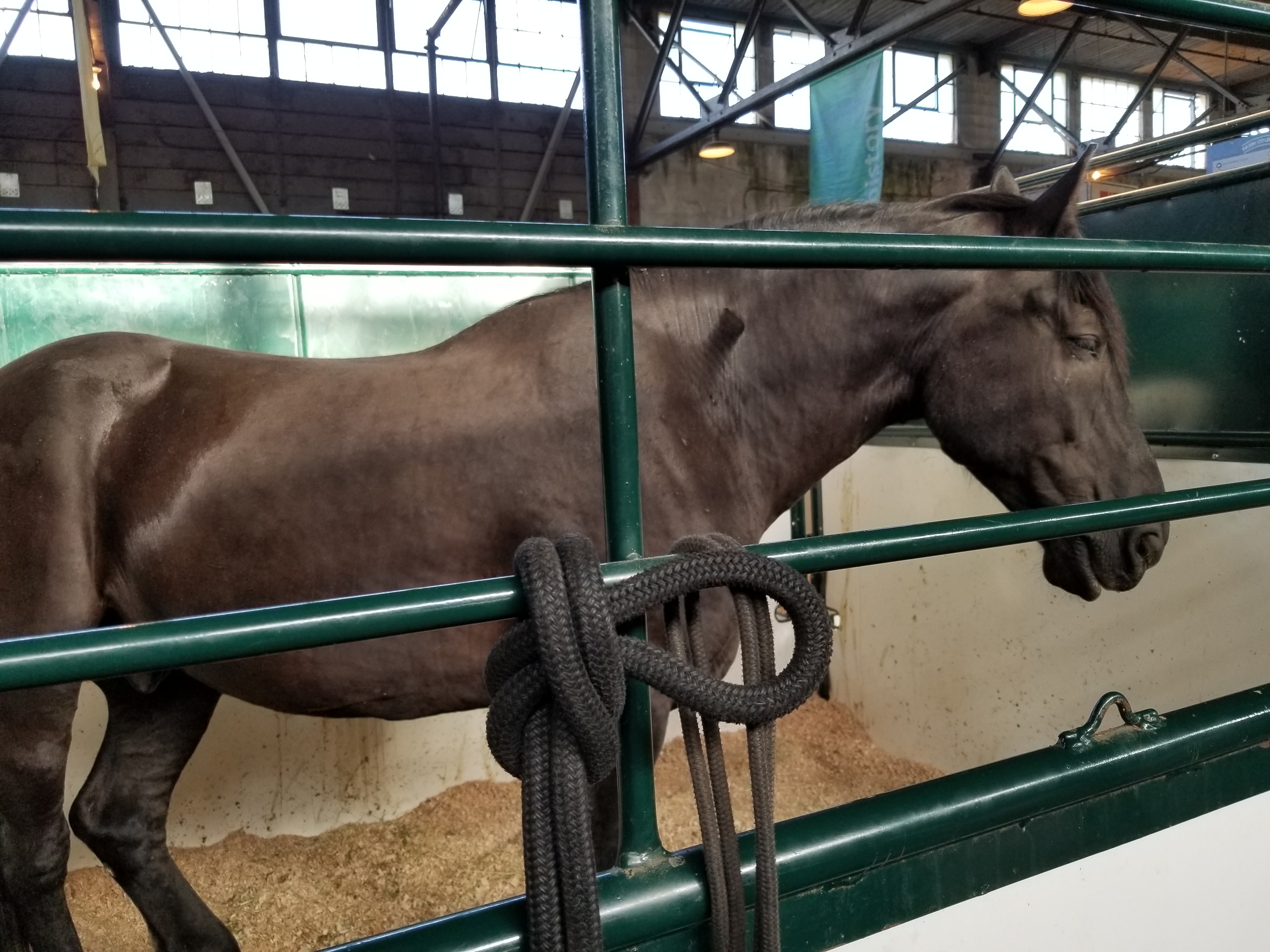
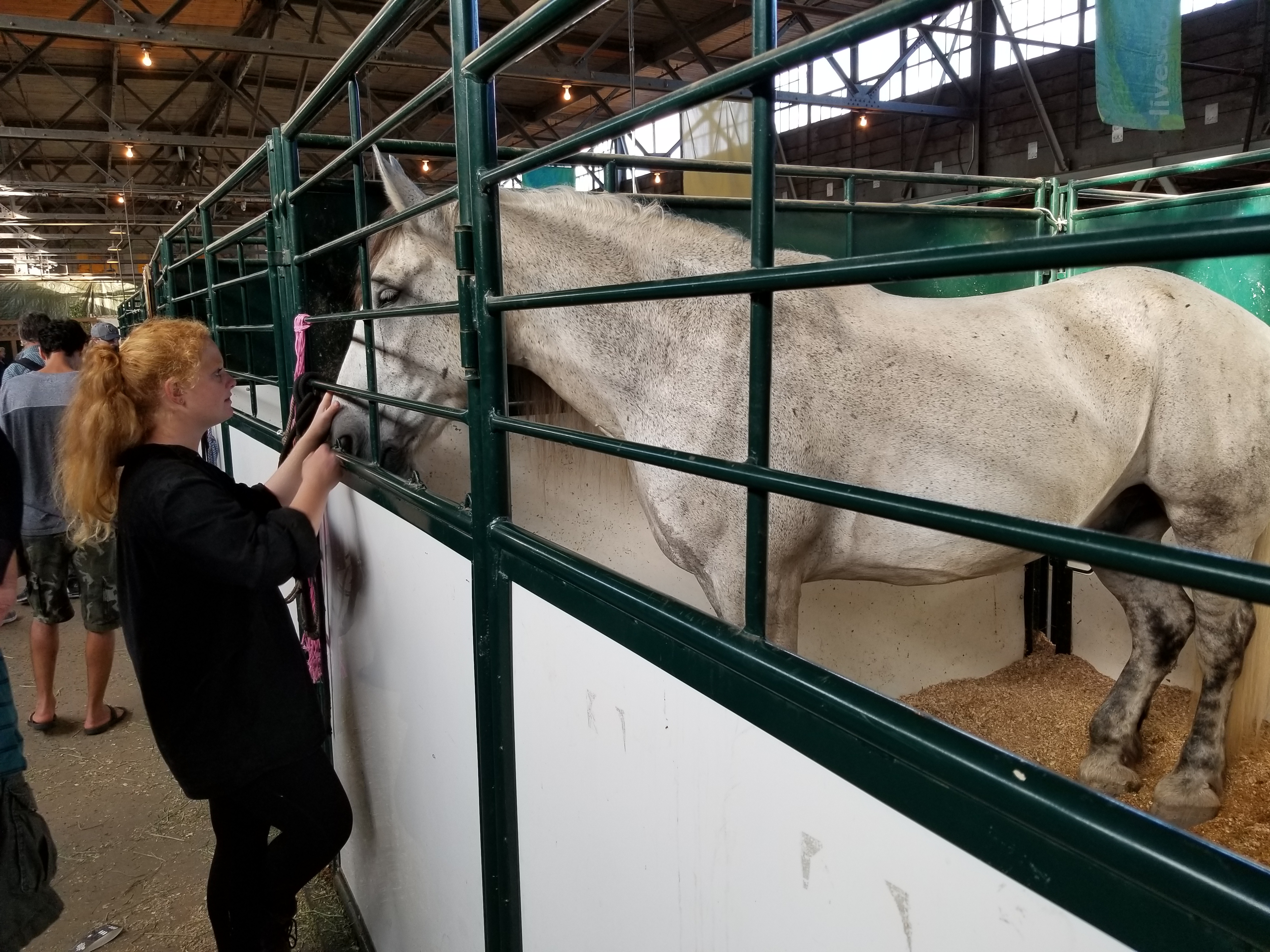
Other buildings on the PNE grounds includes the Livestock Barns, a large multi-use facility, and the organization’s administrative offices.





Hitting on female lifeguards is as American as apple pie, fireworks and workplace shootings.
No one had more game with lifeguards than Michael “Squints” Palledorous. Now you’ve got game with this awesome “Squints” tank top from American AF.
It’s made from lightweight performance material and printed right in the good ol’ USA.
This unisex tank is also available in a tee shirt when you’ve had too much sun, if you’re going out to a place that requires sleeves, or if your ‘Merican Eagle tee is in the wash.



According to January 2018 research by Oxfam, the richest one percent of people worldwide “bagged 82 percent” of the wealth created in 2017, while the poorest half of humanity “got nothing.” Since the 1980s, inequality has been growing everywhere on Earth, except in Western Europe. The rich own more and more, while the working class and middle class own less and less. This process is especially pronounced in Russia. Meduza breaks down these trends into graphs and takes a closer look at how Russia became a world leader in social inequality.
When it comes to the most common inequality indicators (comparisons of earnings by different socio-economic strata), Russia doesn’t really stand out in the world, and its imbalances are still below the levels in places like the Persian Gulf and Africa, as well as the United States. Income inequality mainly captures the differences in salaries paid to the rich and the poor. There is another measurement of inequality, however, where Russia’s situation is dramatically worse: the distribution of property in Russia is more unequal than in any major economy in North America, Europe, or Asia, according to the World Inequality Database (which does not index countries in the Middle East, Africa, or Latin America). Since 1997, millionaires and billionaires have owned a greater share of the national wealth in Russia than they have in the United States.
After the USSR’s collapse, Russia caught up to and overtook the West on social inequality
Inequality in Russia nosedived following the Bolshevik Revolution. Despite the privileges enjoyed by the party’s nomenklatura, the USSR’s top one percent earned just four percent of the national income. After the fall of the Soviet Union, inequality spiked rapidly. This process only accelerated in 2001 with the introduction of a flat 13-percent income tax (before this, wealthier Russians were subject to higher taxes, though they often evaded these obligations).
Over the past decade, income inequality has fallen in Russia. Moscow State University Professor Natalia Zubarevich attributes this shift to the redistribution of “oil rents”: the state extracts the lion’s share of oil companies’ revenues, which ballooned thanks to high prices worldwide, and then allocates this money to social spending on salaries for doctors, teachers, and others.
In terms of income inequality, Russia is now similar to the United States, but both countries are far more unequal than a place like France, which like the rest of Western Europe makes a concerted effort to distribute earnings more evenly. Since the end of Communism, Russian income stratification has outpaced every other former socialist economy, including China.
Wealthy and middle-class people are earning more than they did in the USSR, and the poor are earning less
According to the authors of “From Soviets to Oligarchs: Inequality and Property in Russia, 1905–2016,” which appeared last year in The Journal of Economic Inequality, average per-adult national income in Russia grew 41 percent in the quarter-century after the Soviet Union’s collapse. “However, the different income groups have enjoyed widely different growth experiences,” the researchers conclude. The top 10-percent earners enjoyed “very large growth rates” (171 percent), the middle 40-percent saw “positive but relatively modest growth” (15 percent), and the bottom 50-percent earners benefited from “very small or negative growth” (-20 percent).
While monetary inequality was generally low throughout the Soviet period, the scholars observed “interesting medium-term variations,” identifying a large inequality decline in the Revolutionary stage (1905–1925) and a “relative enlargement of income hierarchies” during the Stalinist period (1925–1956), before the 1956–1980 period gave way to “approximately constant” income distribution and “relatively balanced” growth across all groups. Income inequality peaked in 2008, when the top one percent earned a quarter of the national income. Then the worldwide financial crisis knocked them down a peg.
Russia’s billionaires grabbed most of the wealth created by the USSR, and they own most of what’s been produced since
When the USSR collapsed, more than 80 percent of the national net wealth belonged to either the state or “collectives” (ranging from collective farms to cooperatives). After 1992, public ownership started plummeting. Russia’s mass privatization in the 1990s affected both state enterprises (which is still widely unpopular today) and housing. Agricultural land remained in collective hands, and shares in common land were issued to collective farmers who were nevertheless unable to manage this property fully. To this day, housing is the main basis of wealth for both Russia’s middle and working classes.
Since the early 2000s, the national net wealth owned by Russia’s rich and super rich has skyrocketed. The first post-Soviet millionaires gained control over a significant part of the country’s industrial property back in the mid-1990s, during the initial privatization, but their share of the net wealth didn’t peak until 2008. Since then, the one hundred billionaires ranked by Forbes control 6–10 of Russia’s net wealth (depending on financial markets and the shifting value of Russian enterprises). About 65 percent of Russia’s net wealth belongs to the top 10-percent earners (according to the World Inequality Database, this includes, for example, most of the people who own apartments in Moscow — people who own property worth more than 3.72 million rubles, or $56,185). The poorest half of the population owns less than five percent of the country’s net wealth.
In other words, Russian wealth stratification is the worst of any of the major economies analyzed in the World Inequality Database. Things are not improving, either: the share of Russia’s national wealth owned by the middle class has dwindled over the past decade, as white collar workers have struggled against a weakened ruble and the repercussions of the 2008 financial crisis.
Russia’s millionaires and billionaires have moved most of their wealth abroad. According to “From Soviets to Oligarchs,” offshore wealth is about three times larger than Russia’s official net foreign reserves (about 75 percent of national income versus around 25 percent). Rich Russians have as much financial wealth stashed outside the country as the entire Russian population has inside Russia itself. The explosion of private wealth in Russia, moreover, has come “almost exclusively at the expense of public wealth,” insofar as the sum of private and public wealth has scarcely increased relative to national income (from 400 percent in 1990 to 450 percent in 2015).
There are ways to fight inequality, but you can only go so far
Economists who study rising inequality have a whole laundry list of its negative consequences: from deteriorating public health, higher crime rates, and declining social mobility to reduced access to quality education. When it comes to promoting equality while sustaining economic growth and technological progress, however, things are a bit trickier. There is research suggesting a relationship between rapid technological advances and rising inequality. In the United States, where socio-economic inequality has been rising steadily since the 1980s, there are several competing explanations for this phenomenon. Some experts say inheritance is to blame for the narrow concentration of wealth in the U.S., while others point out that almost none of the very richest Americans in the 1980s (including their descendants) are among the country’s wealthiest citizens today. The richest people in the United States owe their fortunes to technological innovations — a pattern economist Sherwin Rosen called “the economics of superstars.” Most of the benefits of this economic growth go to these exceptional individuals (and their children), who spend their earnings on charities, over-consumption, and failed investments.
Unsurprisingly, the authors of last year’s World Inequality Report warn that “no single scientific truth exists about the ideal level of inequality, let alone the most socially desirable mix of policies and institutions to achieve this level.” The only indisputable fact is the growing wealth disparity worldwide. Whatever the disagreements about economics and ideal societies, however, there’s little to embrace about inequality in Russia, where most of the wealth produced domestically is hoarded and invested abroad.
Fighting inequality in Russia today is especially difficult. The best way to become richer is to be rich already, and the only means of reigning in these disparities have been special taxes on “crooked privatizations,” high inheritance taxes, different forms of nationalization, and so on.
Combating income inequality, on the other hand, is simpler: the first step would be progressive income taxes. In addition to its existing flat income tax, Russia currently taxes mining and drilling operations, which is how the state seizes some of the super-profits earned by billionaires. But this isn’t enough. Over the next several years, the Russian government plans to spend trillions of rubles on several massive construction projects. The money needed for these colossal undertakings will come from ordinary taxpayers, and the few citizens whose wealth and income have skyrocketed over the past three decades are contributing the same 13 percent as everyone else.

Louis Freeh, former FBI Director (1993-2001), has put in a bid to have his “risk management” firm (Freeh Group International Solutions) conduct an “independent” investigation into the events surrounding the shooting at Stoneman Douglas High school in Parkland, Fl. The selection is to be made sometime in the near future by Broward County officials and Freeh has moved his base of operations to South Florida recently… though he claims the move was planned before the event.
“Former FBI Director Louis Freeh is interested in handling Broward County’s independent investigation into the shootings at Marjory Stoneman Douglas High, a county official said.
Freeh met Monday morning with County Commissioner Michael Udine and Parkland Mayor Christine Hunschofsky.” Sun Sentinal, Mar. 5
“Get used to seeing more of former FBI director Louis Freeh around South Florida in the future, whether or not his company is hired to conduct an independent investigation of the Parkland school shooting.
His global risk management firm, Freeh Group International Solutions, opened an office on Worth Avenue in the town of Palm Beach a few months ago and is moving its headquarters here, Freeh told the South Florida Sun Sentinel on Tuesday in a rare interview…
Freeh’s business move was planned long before the mass shooting on Feb. 14 at Marjory Stoneman Douglas High School and is not linked to his company’s bid to conduct an in-depth and independent investigation…
County Commissioner Michael Udine has been pushing for a major investigation led by a high-profile individual or company that could provide “an unimpeachable report” that would show where mistakes were made and how they can be prevented in the future, he said.” Sun Sentinal, Mar. 27
The selection or even the consideration of someone like Louis Freeh as the person to create an “unimpeachable report” is absurd. Freeh, you see, has a history.
“Judicial Watch pointed to a “legacy of corruption” at the FBI under Freeh, listing the espionage scandal at Los Alamos National Laboratories, as well as “Filegate, Waco, the Ruby Ridge cover-up, the Olympic bombing frame-up of Richard Jewell, [and] falsification of evidence concerning the Oklahoma City bombing.”[4]
Judicial Watch said that Director Freeh believed he was above the law. The group went on to say that Freeh was “a man so corrupt he destroyed the office he led, and a man so cowardly he refuses to face the music for the illegalities he has allegedly committed.”[5] To this was added a claim that the FBI under Freeh was being directed by sinister yet unknown forces. “In case after case throughout the 1990′s, the FBI seems to have tailored its investigative efforts to fit somebody’s pre-arranged script. The question is, who wrote that script — and why?” Kevin Ryan, 2012
The cases that he oversaw while heading the FBI all seem to be tainted by his touch one way or another. Perhaps it isn’t a coincidence that he was favored by the likes of George H. W. Bush and the Clinton crime syndicate as well.
TWA Flight 800
FBI labs found traces of high explosives on the wreckage of TWA Flight 800 yet, under Director Louis Freeh’s leadership, they buried that evidence and closed their investigation in Nov. of 1997 stating officially “no evidence has been found which would indicate that a criminal act was the cause of the tragedy of TWA flight 800.”
And then there is this:
“230 passengers and crew bound for Paris were killed when TWA Flight 800 blew up — just miles from the shore of East Moriches, Long Island. Hundreds of witnesses reported seeing a streak of light in the sky, heading toward the plane — an object that looked like a missile. There was speculation, at the time, that U.S. Navy ships may have been conducting military exercises nearby…
In the documentary, the now-retired investigators claim they saw FBI agents removed specific pieces of wreckage from the hangar — wreckage that was never returned…
The NTSB investigators said they were pushed aside by the Federal Bureau of Investigation from day one, ordered not to photograph the wreckage and not to go into one, specific room that was only used by the FBI.” WPIX June 2013
Various witnesses in the documentary reported being instructed by FBI agents as to what they saw and more importantly, what they didn’t.
That’s one example of the kind of “unimpeachable report” Louis Freeh has conducted during the course of his career. There are many others. Here are but a few..
May 10, 2001 — The FBI told Timothy McVeigh’s attorneys that it had withheld about 3,000 pages of documents related to the Oklahoma City bombing investigation.
September 10, 1999 — After denying for six years that potentially flammable tear gas canisters were used on the final day of the Branch Davidian standoff near Waco, Texas, the Justice Department and FBI turn over documents indicating that pyrotechnic military tear gas rounds were in fact used.
May 20, 1997 — Three FBI agents who investigated the 1996 bombing at the Centennial Olympic Park in Atlanta are punished for tricking security guard Richard Jewell into answering questions without a lawyer present.
The late Victor Thorn wrote about Mr. Freeh a while ago just as Penn State was hiring him to do an “unimpeachable report” on their child molestation scandal. Victor understood the relevancy.
“Without much argument, the federal government’s biggest cover-up artist for the past two decades has been former Federal Bureau of Investigation (FBI) Director Louis J. Freeh. When one considers his involvement in concealing criminal wrongdoing in the 1992 Ruby Ridge ambush, Waco, Vince Foster’s murder, the Oklahoma City bombing (OKC), Hillary Clinton’s Filegate fiasco, Montana’s Freeman standoff, the Los Alamos espionage case of Wen Ho Lee, and even the 9-11 terrorist attacks, why would Pennsylvania State University’s (PSU) Board of Trustees appoint him to lead their internal investigation of the Jerry Sandusky child molestation scandal if for no other reason than to orchestrate another cover-up?..
In the 1995 OKC bombing, it was Louis Freeh’s FBI that immediately and intentionally confiscated every videotape from the Alfred P. Murrah federal building after explosions partially destroyed the structure. To this day, they’ve refused to release this crucial evidence that would show who precisely exited the Ryder truck that morning which was parked in front of the building. If the most fundamental piece of evidence in this case has been concealed since 1995, will Freeh and his cohorts use a similar modus operandi to suppress witness testimony or other reports at PSU?” Victor Thorn
Louis Freeh has a long history of fixing investigations to serve the interests of powerful interests. And his reputation for doing so isn’t exclusive to those of us demeaned with the “conspiracy theorist” slur.
And just for the record, when torture enablers at the American Psychological Association (APA) needed a hand re-branding their complicity in that illegal and immoral practice, they also turned to Louis Freeh to set the record straight.
“A prominent psychologist ousted from the leadership of the the US’s largest professional psychological association for his alleged role in enabling and covering up torture has enlisted a former FBI director to fight back.
In a statement issued on Sunday, Louis J Freeh, Bill Clinton’s FBI director, rejected an independent report begrudgingly embraced by the American Psychological Association (APA) as a politicized smear job.
The report, which leaked on Friday, is a “gross mischaracterization” of the “intentions, goals and actions” of former ethics chief Stephen Behnke, Freeh said. He threatened unspecified legal retaliation on Behnke’s behalf.
“Dr Behnke will consider all legal options in the face of this unfair, irresponsible and unfounded action by a select few APA board members,” Freeh said.
Former federal prosecutor David Hoffman, who spearheaded the 542-page investigation, found that Behnke was an instrumental figure in more than a decade’s worth of institutional enablement by the APA of torture conducted by the CIA and US military.” The Guardian, July 2015
Event after bloody event. Torture and espionage. From withholding evidence, to tampering with crime scenes, to strong-arming “confessions” from suspects to intimidating witnesses to change their testimony. Louis Freeh had done it all and been exposed for doing it all not just in the world of alternative journalism, but also in the MSM as well.
And now they are considering bringing him in to craft the definitive official story of the Parkland school shooting?
Frankly I’m surprised MGM Grand hasn’t hired him to do an “unimpeachable report” on the Vegas shooting as well. But I guess that one isn’t getting the same traction. I guess they shouldn’t have cross promoted with the Ellen D. “brand” of slot machines.
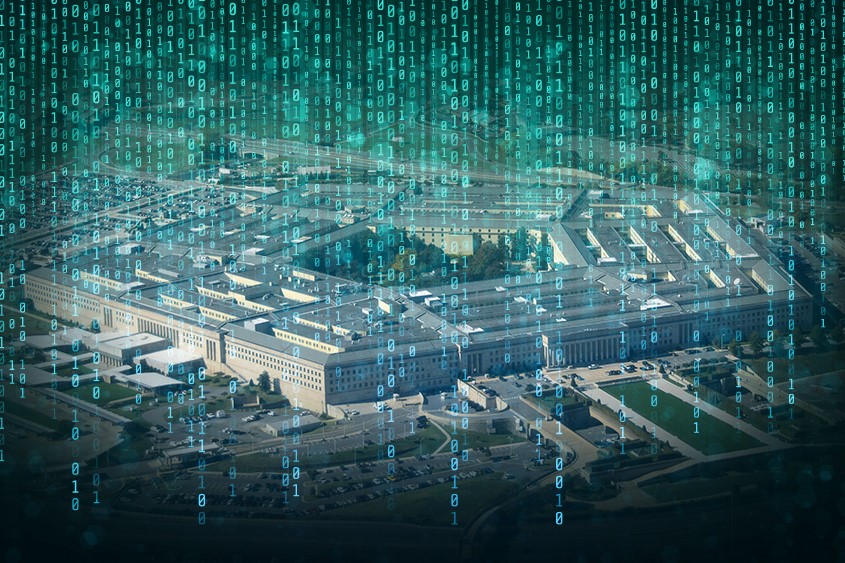
In direct violation of the United Nations Convention, the United States military has made it a habit to manufacture deadly viruses, bacteria and toxins at bioweapons laboratories located all around the world. And it turns out that some of them are located in Ukraine.
The Pentagon reportedly controls bioweapons labs in some 25 different countries including Ukraine. The others are located in Georgia (the country), Iraq, Jordan, Afghanistan, Pakistan, Azerbaijan, Laos, Thailand, Vietnam, Cambodia, Malaysia, the Philippines, Kenya, Uganda, Tanzania, Cameroon, Senegal, Guinea, Sierra Leone, Liberia, South Africa and Côte d’Ivoire.
All of these U.S. bio-laboratories exist because of a $2.1 billion military program run by the Defense Threat Reduction Agency (DTRA). The program itself is called the Cooperative Biological Engagement Program (CBEP).
In the former Soviet Union country of Ukraine, the Pentagon funds a shocking 11 bio-laboratories through the Department of Defense (DoD) Threat Reduction Agency (DTRA). Contrary to what its name implies, the DTRA does not reduce threats; it creates more of them by funding new bio-laboratories.
“Ukraine has no control over the military bio-laboratories on its own territory,” reports the Exploring Real History blog.
“According to the 2005 Agreement between the U.S. DoD and the Ministry of Health of Ukraine, the Ukrainian government is prohibited from public disclosure of sensitive information about the U.S. program and Ukraine is obliged to transfer to the U.S. Department of Defense (DoD) dangerous pathogens for biological research.”
As part of the agreement, the Pentagon was also granted access to certain state secrets held by Ukraine.
The United States, in partnership with Canada, Sweden and Ukraine, established a protocol to develop weapons of mass destruction at a place called the Science and Technology Center in Ukraine (STCU).
The STCU is an international organization funded primarily by the U.S. government that has been accorded diplomatic status. It officially supports the projects of scientists who were previously involved in the Soviet Union’s biological weapons program.
Over the past two decades, the STCU has invested more than $285 million in funding for some 1,850 projects of scientists who previously had involvement in creating weapons of mass destruction.
At another Pentagon controlled-and-operated laboratory in Kharkiv, Ukraine, some 20 Ukrainian soldiers died after being exposed to a flu-like virus weapon, while another 200 were hospitalized.
The incident occurred in January 2016 and the Ukrainian government did not report on the dead soldiers at all. Just two months later, another 364 people died across Ukraine from Swine Flu A, also known as H1N1, the same strain that we were all told caused a global plandemic in 2009.
An intelligence group called DPR reported that the U.S.-owned biolab in Kharkiv is the place from where the deadly virus leaked, meaning the Pentagon was directly responsible for it.
In another instance in South East Ukraine, a highly suspicious hepatitis A infection spread rapidly. It turns out that several Pentagon biolabs are located in that area as well.
An outbreak of hepatitis A that occurred in January 2018 resulted in 37 people having to be hospitalized. Local police subsequently launched an investigation into “infection with human immunodeficiency virus and other incurable diseases.”
In the very same city about a year later, 100 people mysteriously became infected with cholera. Both the cholera and the hepatitis A outbreak were blamed on contaminated drinking water, but the evidence suggests that the real cause was Pentagon-run biolabs throughout the area.
These are just two cases among many of disease outbreaks that have occurred throughout Ukraine over the years, and virtually all of them are linked to Pentagon-run biolabs.
Some of these outbreaks also spread to Moscow, including a 2014 incident involving a new highly virulent strain of cholera called Vibrio cholera, which is genetically similar to a strain reported in Ukraine.
A 2014 Russian Research Anti-Plaque Institute genetic study confirmed that the strain of cholera in Russia that wreaked havoc was essentially the same as one that mysteriously appeared in neighboring Ukraine.
“Southern Research Institute, one of the U.S. contractors working at the bio-laboratories in Ukraine, has projects on Cholera, as well as on Influenza and Zika – all pathogens of military importance to the Pentagon,” Exploring Real History further reports.
In 2008 and 2012, the Black & Veatch Special Project Corp. was awarded $198.7 million worth of DTRA contracts to build and operate numerous bio-laboratories in Ukraine, as well as in Germany, Azerbaijan, Cameroon, Thailand, Ethiopia, Vietnam and Armenia.
Another program in Georgia and Ukraine involved the transfer of $18.4 million in federal money flowing to a U.S. company called Metabiota. Metabiota had previously been contracted to work for the DTRA before and during the Ebola crisis in West Africa. It also received $3.1 million in funding for work in Sierra Leone.
“Southern Research Institute has been a prime subcontractor under the DTRA program in Ukraine since 2008,” reports indicate.
“The company was also a prime Pentagon contractor in the past under the U.S. Biological Weapons Program for research and development of bio-agents with 16 contracts between 1951 and 1962.”
This is just a small sampling of the Pentagon’s global tentacles, which tell a much different story about the Ukraine-Russia situation than the one being told by the corporate-controlled media, NATO, and the military-industrial complex behind this sinister global bioweapons program.
 Igor's Blog