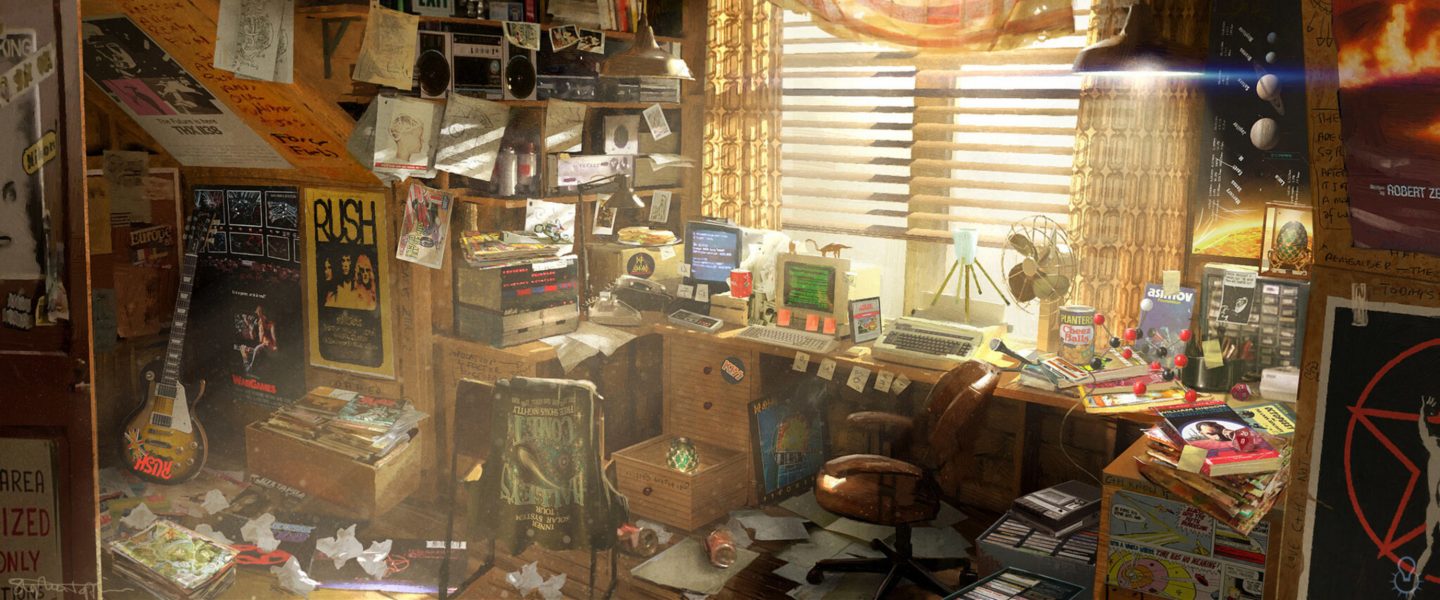

Can Gears of War 3 rise to finish the trilogy in style?
Author: ulaghchi
Now listening to Piano Concerto No. 21 by Wolfgang Amadeus Mozart and Revenge Of The Nerds by various artists…


Near Waterfront station in Downtown Vancouver. Summer of 2018.


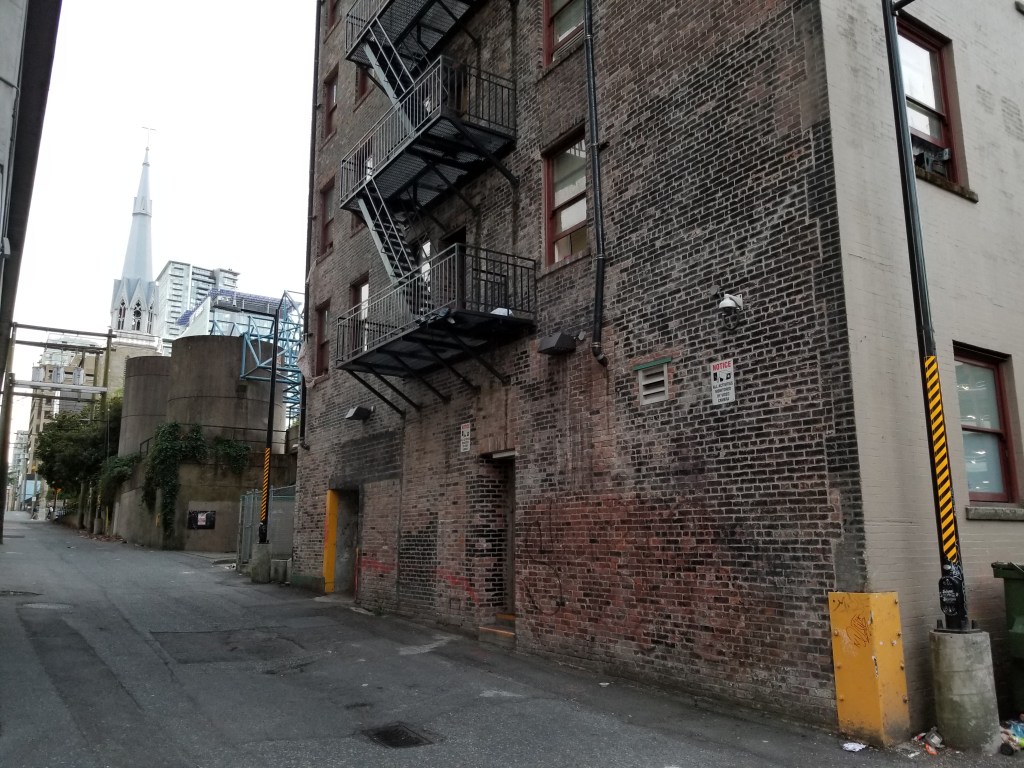

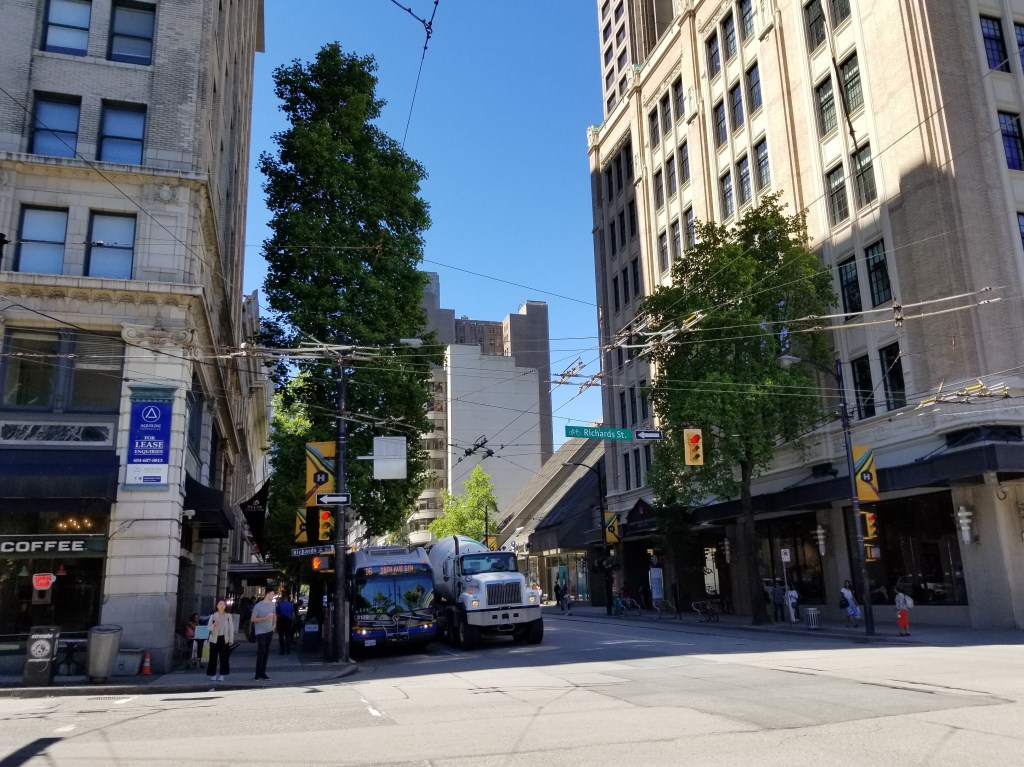
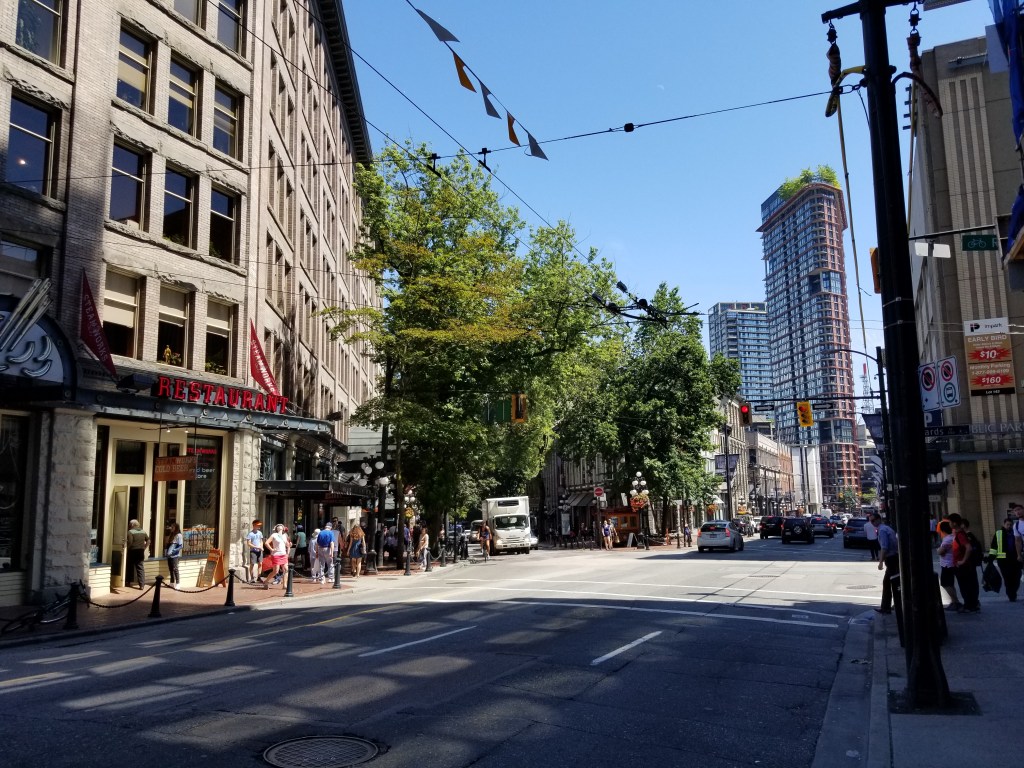


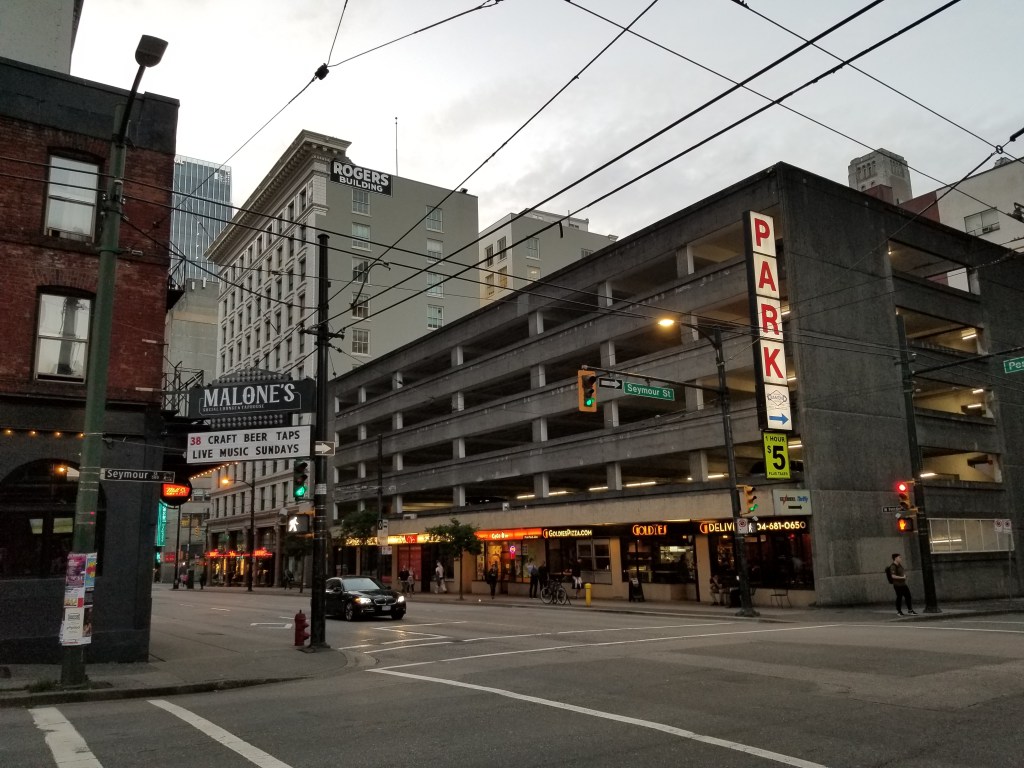
Waterfront is a major intermodal public transportation facility and the main transit terminus in Vancouver, British Columbia, Canada. It is located on West Cordova Street in Downtown Vancouver, between Granville and Seymour Street. The station is also accessible via two other street-level entrances, one on Howe Street to the west for direct access to the Expo Line and another on Granville Street to the south for direct access to the Canada Line.
The station is within walking distance of Vancouver’s historical Gastown district, Canada Place, Convention & Exhibition Centre, Harbour Centre, Sinclair Centre, and the Vancouver Harbour Flight Centre float plane terminal. A heliport operated by Helijet, along with the downtown campuses for Simon Fraser University and the British Columbia Institute of Technology, are also located within the vicinity of the station.
Waterfront station was built by the Canadian Pacific Railway (CPR) and opened on August 1, 1914. It was the Pacific terminus for the CPR’s transcontinental passenger trains to Montreal, Quebec and Toronto, Ontario. The current station is the third CPR station. The previous CPR station was located one block west, at the foot of Granville, and unlike the current classical-styled Waterfront station was built in “railway gothic” like the CPR’s many railway hotels.
In 1978, when Via Rail took over the passenger operations of the CPR and the Canadian National Railway, it continued using both railways’ stations in Vancouver, but a year later, Via consolidated its Vancouver operations at Pacific Central Station, the CN station near False Creek, and ceased using the CPR station. The last scheduled Via passenger train to use Waterfront station departed on October 27, 1979.
Waterfront station’s transformation into a public intermodal transit facility began in 1977. That year, the SeaBus began operating out of a purpose-built floating pier that was connected to the main terminal building via an overhead walkway above the CPR tracks. The CPR’s passenger platform and some of its tracks were torn up in the early 1980s to make way for the guideway of the original SkyTrain line (Expo Line), which opened on December 11, 1985. During Expo 86, SkyTrain operated special shuttle trains between Waterfront station and Stadium–Chinatown station (then named Stadium station), connecting the Canadian Pavilion at Canada Place to the main Expo site along False Creek.
A private ferry company, Royal SeaLink Express, ran passenger ferries from a new dock on the west side of the SeaBus terminal to Victoria and Nanaimo in the early 1990s, but ultimately folded. In 2003, HarbourLynx began operating out of Royal Sealink’s old facility at the SeaBus terminal. In 2006, following major engine problems with their only vessel, they folded as well.
In 1995, platforms were built adjacent to the SkyTrain station for the West Coast Express, which uses the existing CPR tracks. The platforms for the West Coast Express were built in the same location as the old CPR platforms.
In 2002, Millennium Line trains began to share tracks with the Expo Line at Waterfront station. The lines continued to share tracks until late 2016, when an Expo Line branch to Production Way–University station was created in replacement of the Millennium Line service between VCC–Clark and Waterfront stations.
In 2009, the Canada Line opened with separate platforms which are accessible via the main station building, but require leaving the fare paid zone when transferring between other modes. Waterfront station serves as a common terminus point for both the Expo Line and the Canada Line.
Waterfront station was one of the first stations to receive TransLink’s “T” signage, denoting a transit station. This signage was originally installed in the downtown core of Vancouver to help visitors during the 2010 Olympics, as it made transit hubs easier to identify.
In 2018, TransLink announced that Waterfront’s Canada Line platforms, as well as two other stations on the line located within downtown Vancouver, would receive an accessibility upgrade which includes additional escalators, as most Canada Line stations were built with only up escalators initially. Construction is expected to begin in early 2019.
Waterfront’s main station building was designed in a neoclassical style, with a symmetrical red-brick facade dominated by a row of smooth, white Ionic order columns. The Ionic columns are repeated in the grand interior hall, flanking the perimeter of the space. The main hall features two large clocks facing each other high on the east and west walls. Paintings depicting various scenic Canadian landscapes, completed in 1916 by Adelaide Langford, line the walls above the columns. The Montreal architecture firm Barott, Blackader and Webster was responsible for designing the main station building.
T.J. Hooker – 1982 – United States

When he wasn’t boldly going where no man had gone before, William Shatner was also (amongst other things) playing hard ball with the bad guys as veteran cop, T.J. Hooker. First airing in the US in March 1982, and running for 5 seasons, this was arguably one of the best action police dramas to cross the pond, and was essential evening viewing for 80s kids all over the UK. It came with a swathe of other essential viewing, such as The A Team, Airwolf, and CHiPS. Amusing, action packed, often gritty, sometimes silly, and shockingly underrated. That just about sums it up.
And so to the storyline. When Detective T.J. Hooker’s partner is tragically killed whilst trying to stop a bank robbery, Hooker realises the only way he can really make a difference and rid the streets of lowlife criminals is to demote himself to uniformed beat cop. As a Vietnam veteran and with 15 years in the force under his belt, Hooker is one tough cookie. Paired with wise cracking rookie partner, Vince Romano played by Adrian Zmed (Grease 2), bad guys start falling thick and fast.
What works about this series is the camaraderie between the characters, and that’s one of the things I love about it. Hooker, angry and determined, partnered with hot headed Romano, is an unlikely combination that develops into a strong partnership of friendship and trust. A clever extra dimension came in the form of Sgt Jim Corrigan, played by the late James Darren (Time Tunnel and much loved Vic Fontaine of Deep Space 9 story Holosuite fame), and Stacy Sheridan (Heather Locklear – Dynasty), adding another layer of interest to the series rather than focusing solely on Shatner’s character.
It’s worth noting that James Darren wasn’t the only Star Trek link in this action packed series. Hooker’s boss, Captain Sheridan, was played by Richard Herd (Admiral Paris – Star Trek: Voyager). The series also boasted appearances from Leonard Nimoy (Spock), Judson Scott (Wrath of Khan, Next Generation, and Voyager), Michael Cavanaugh and Thalmus Rasulala (Next Generation), and George Murdoch – who not only appeared in Star Trek – The Final Frontier, but is also one of only a few actors to have appeared in Star Trek and Doctor Who. The series also aired during the peak of Star Trek’s re-emergence, around the Wrath of Khan/Search for Spock era – which no doubt helped boost viewing figures.
To me, TJ Hooker managed to take everything good about 80s action TV and roll it into one sometimes gritty, sometimes goofy hour-long cop show. The hard-faced cop meets wild card rookie works so well for this series, and they even threw in some romance for good measure, because why not. Far more accessible than Hill Street Blues, it was a shame that the final season was given a darker plot and later slot, which led to Adrian Zmed (Romano) leaving the series and scuppering the dynamic. Unfortunately, this all went a long way towards the show meeting its demise in 1986.
To sum up, it’s a really good watch, and if you like cop shows, car chases, the 80s, William Shatner’s acting, or you just fancy something you might not have seen before, T.J. Hooker is streaming now (at the time of writing) on Prime Video.
Mystery As Russian Colonels Fall out of Windows

Two Russian colonels are reported to have fallen out of windows in the space of two days, adding to a growing list of high-ranking officials who have died in mysterious circumstances since Vladimir Putin’s war in Ukraine began.
Newsweek has contacted Russia’s foreign ministry for comment by email.
Since Putin launched a full-scale invasion of Ukraine in February 2022, there have been a series of mysterious deaths involving prominent Russian figures, including tycoons, businessmen and oil executives. Many of them died after falling out of windows.
Artur Pryakhin, 56, the head of a regional branch of Russia’s Federal Antimonopoly Service (FAS) in the Republic of Karelia, died after falling from a fifth floor window of an office building at around noon on February 4.
Local authorities said he left a suicide note in his office in which he apologized to his wife, asked his loved ones for forgiveness, and urged them not to blame anyone for his death.
Russia’s Investigative Committee confirmed his identity and ruled his death a suicide. Law enforcement officials are investigating the circumstances of his demise.
Pryakhin was a police colonel earlier in his career and was appointed regional FAS head in February 2014, Russian newspaper Izvestia reported. He also served as the head of the Economic Crimes Department of the Ministry for Internal Affairs of the Republic of Karelia from 2010 to 2011.
He is survived by his wife and son.
On the same day, in Moscow, the head of Russia’s Investigative Committee Forensic Center plunged from a fourth floor window at his office building. Colonel Alexey Zubkov survived and was found conscious after avoiding serious injury, reported local news outlet MK.ru.
He claimed he went to the bathroom—the room from which he fell—but had no recollection of falling from the window. Zubkov was hospitalized, and an investigation into the incident is ongoing.
“Colleagues suggested that Alexey Zubkov might have been stressed the day before a final board meeting; his superiors (First Deputy Director of the SEC Alexander Sobolev and General of the Main Directorate of the Fire Department Anatoly Sazonov) were at the scene of the incident,” said VChK-OGPU, a news outlet that purports to have inside information from Russian security forces.
And on Thursday, 58-year-old Russian musician and radio host Vadim Stroykin died after he fell out of a window in St. Petersburg as his apartment was being searched by authorities, Komsomolskaya Pravda reported. The search was reportedly conducted as part of a criminal case.
There have been a spate of incidents in recent years involving prominent officials falling from windows.
Ravil Maganov, the chairman of Russian oil giant Lukoil, the country’s second-largest oil producer, was found dead on September 1, 2022, after falling from a hospital window in Moscow. The circumstances surrounding the 67-year-old’s death remain unexplained. He had worked at Lukoil since 1993.
A few months later, on December 25, 2022, Pavel Antov, a Russian politician who had criticized Putin’s invasion of Ukraine, was found dead after a fall from a window in India.
Antov, who was a member of Putin’s United Russia party and a wealthy sausage tycoon, was found lying in a pool of blood outside the Hotel Sai International in the district of Rayagada, which is in the state of Odisha.
In June 2022, he reportedly reacted to a Russian missile attack on a residential block in the Shevchenkivskyi district of Kyiv, Ukraine’s capital, by writing in a WhatsApp message saying it was “extremely difficult to call all this anything but terror,” the BBC reported.
The message was then deleted, and Antov wrote on social media that he supported Putin, was a “patriot of my country” and backed the war. He said the message was a misunderstanding and written by someone whose opinion on the “special military operation in Ukraine” he strongly disagreed with.
The press service of Russia’s Federal Antimonopoly Service (FAS) in the Republic of Karelia said: “The circumstances [of Pryakhin’s death] are being clarified, we offer our condolences.”
Investigations are underway into both incidents.
ASMR Soft Spoken Get Ready With Me | Glowy Makeup + Relaxing Personal Attention
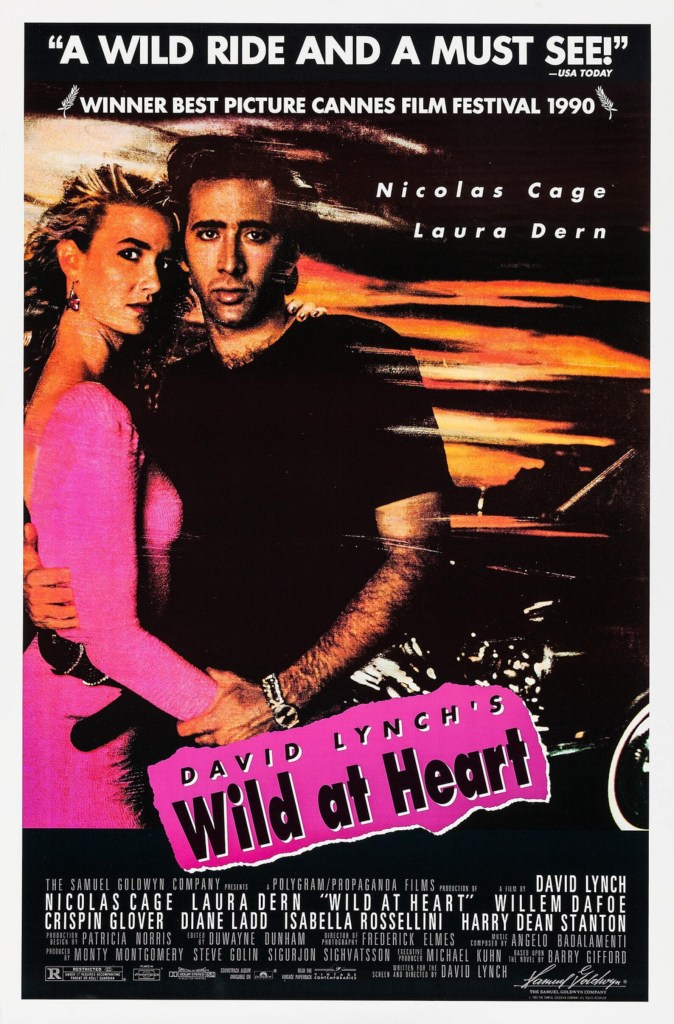
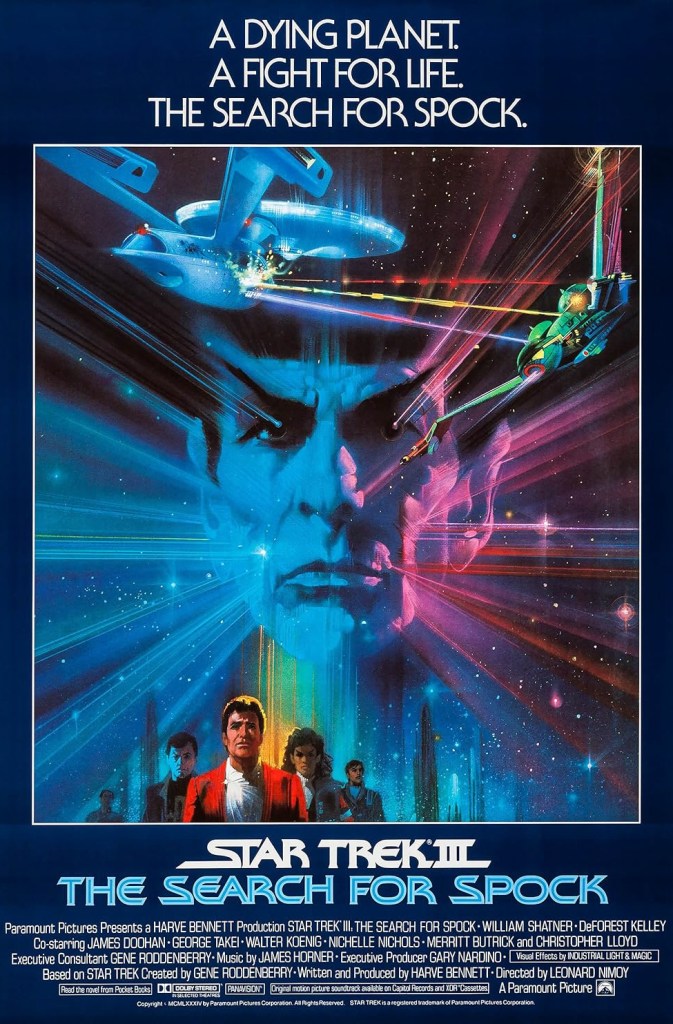
Just finished watching Wild At Heart (1990) and Star Trek III: The Search For Spock (1984)…
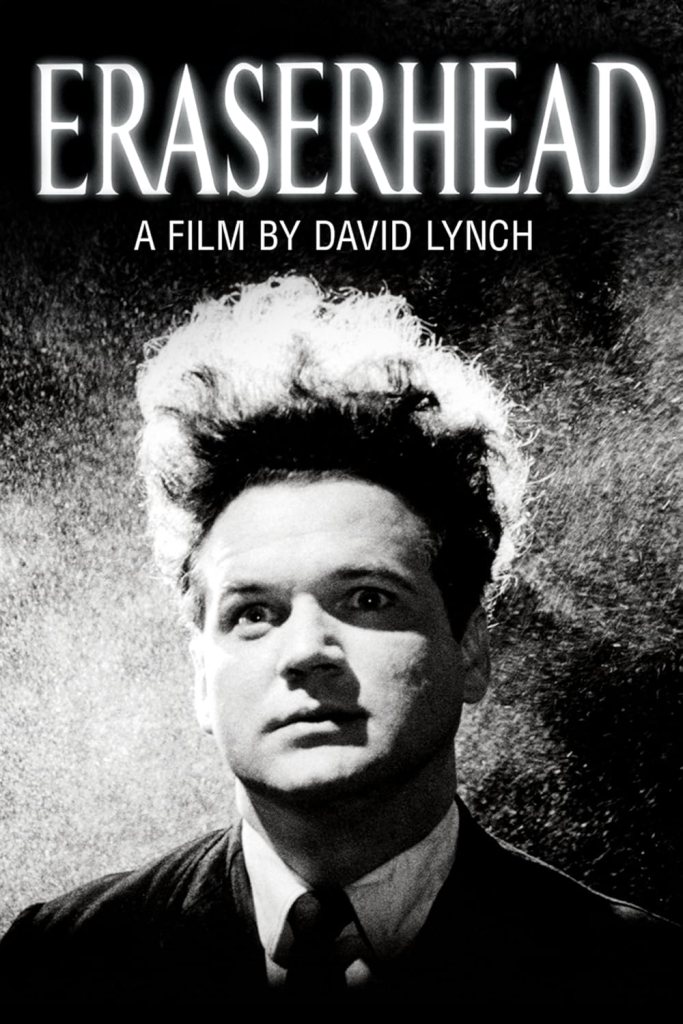
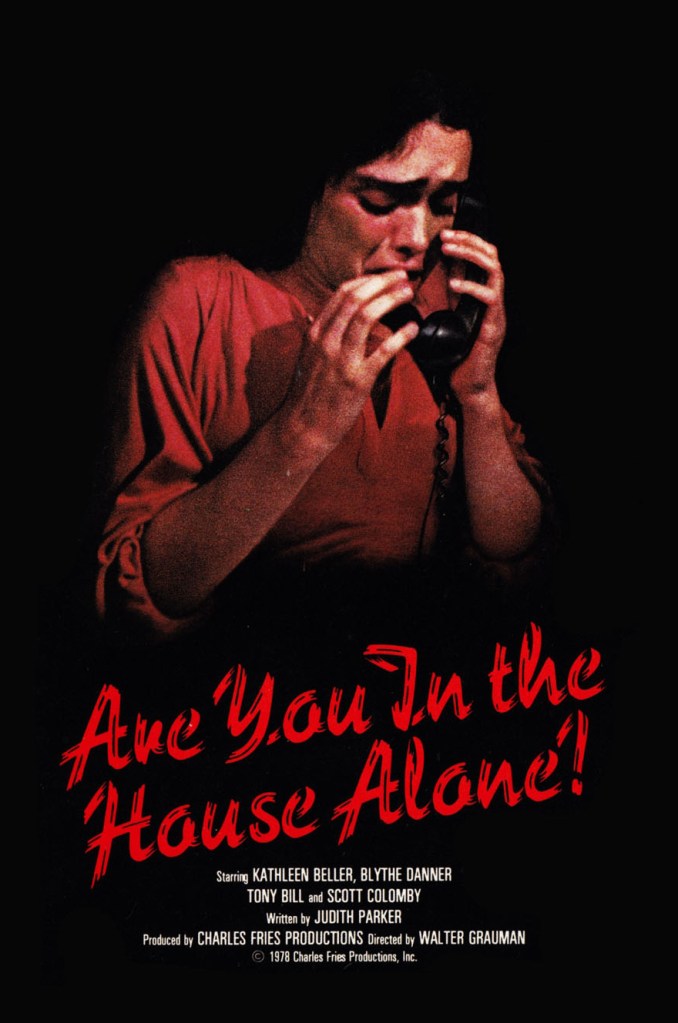
Just finished watching Eraserhead (1977) and Are You In The House Alone? (1978)…
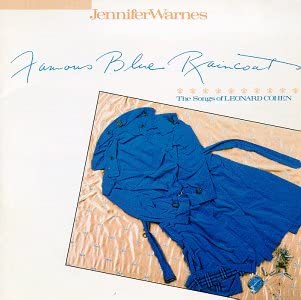
Now listening to Famous Blue Raincoat by Jennifer Warnes and Mission To Mars by Ennio Morricone…

In Davie Village in Downtown Vancouver. Summer of 2018.
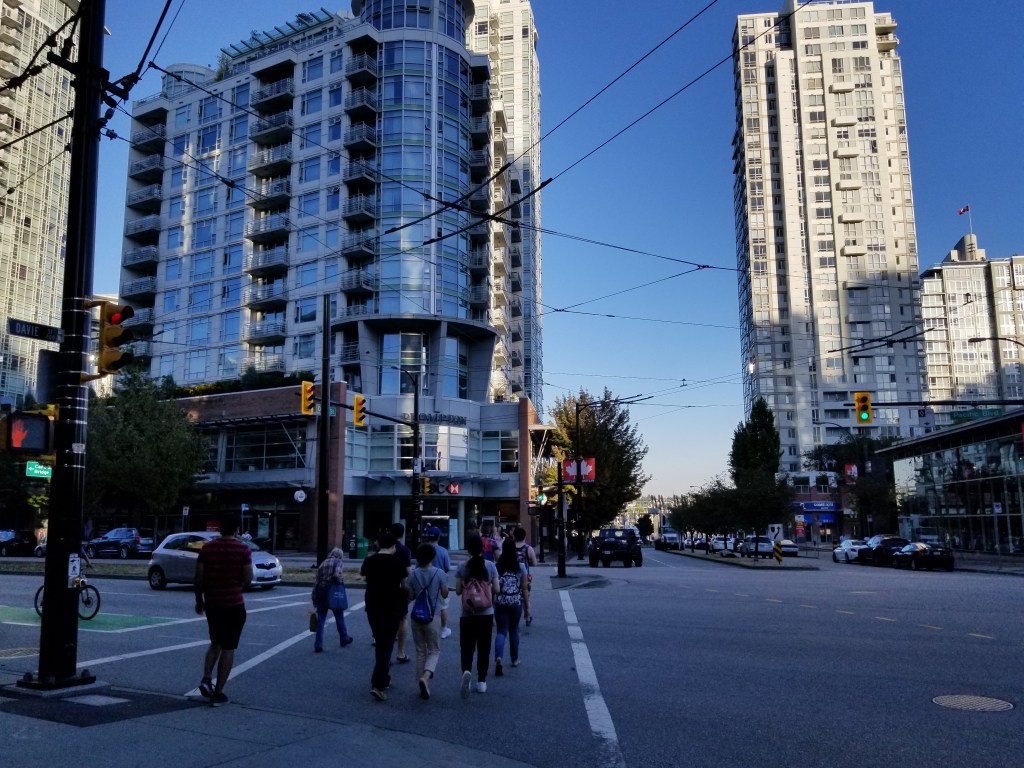
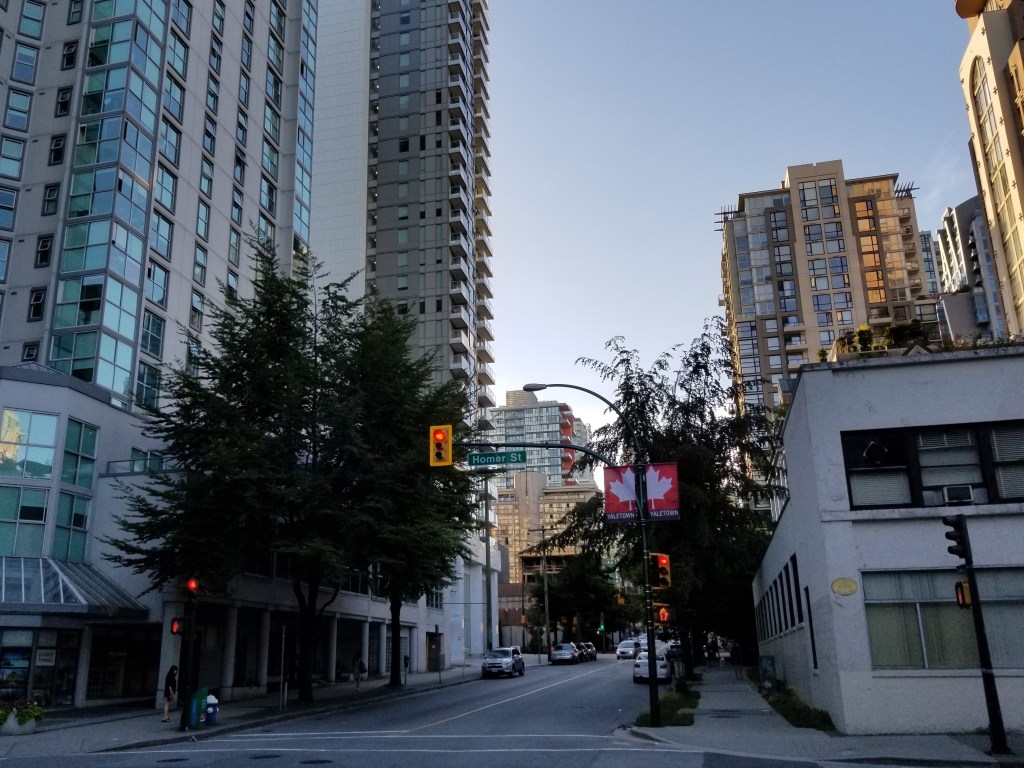
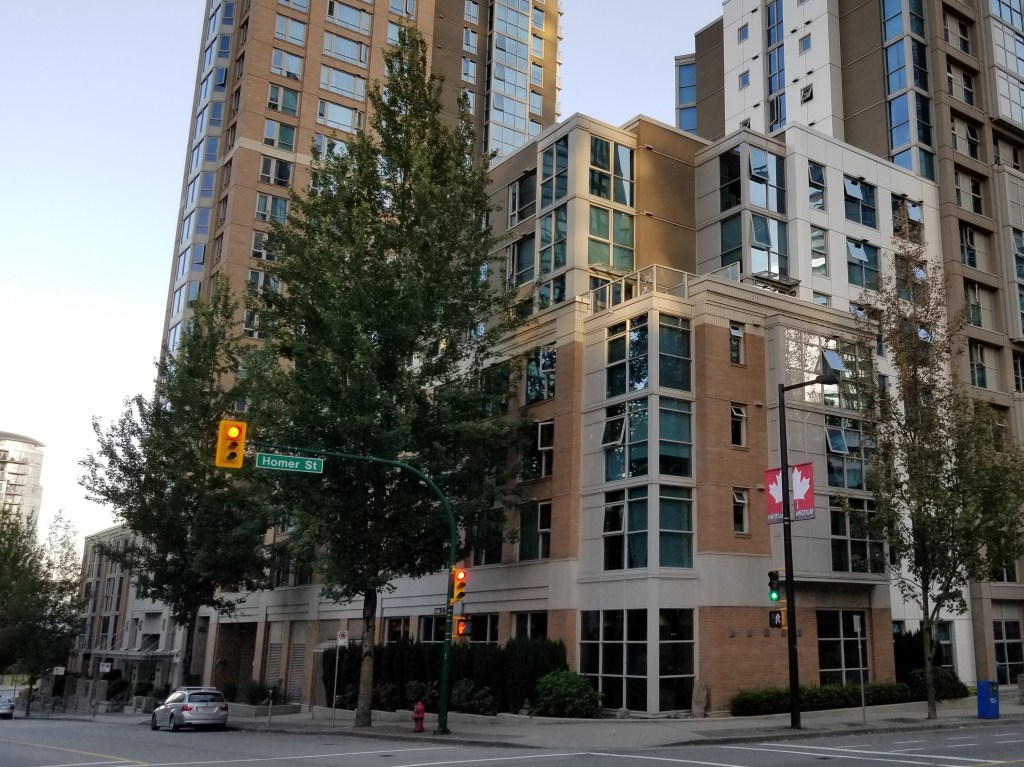
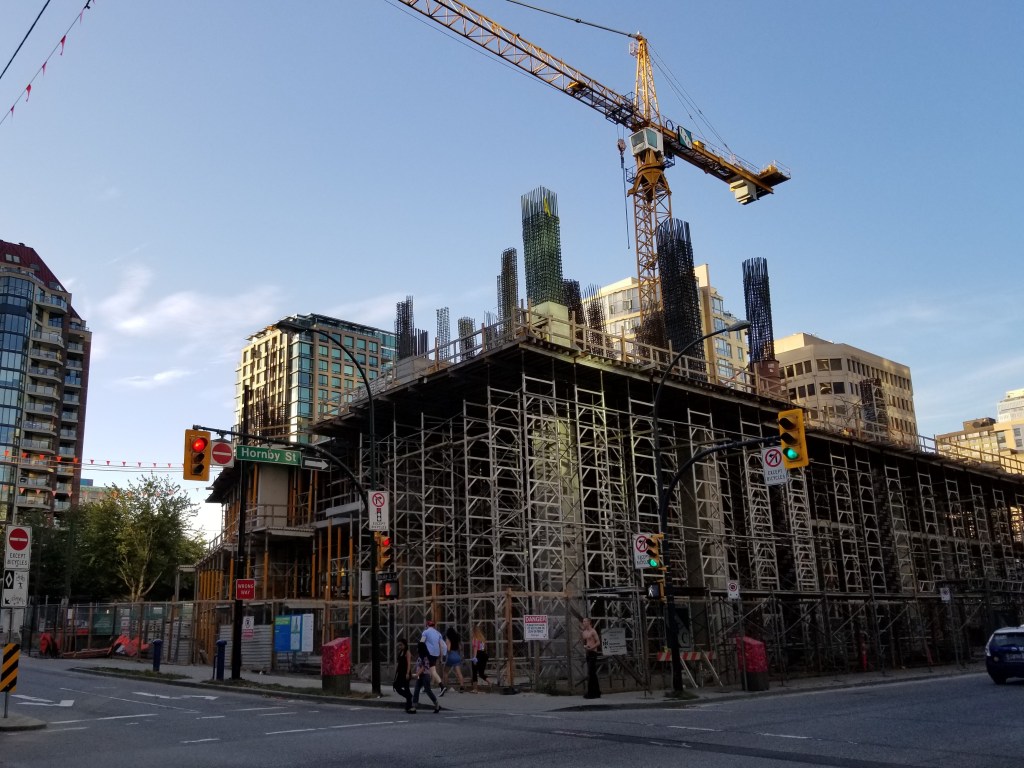
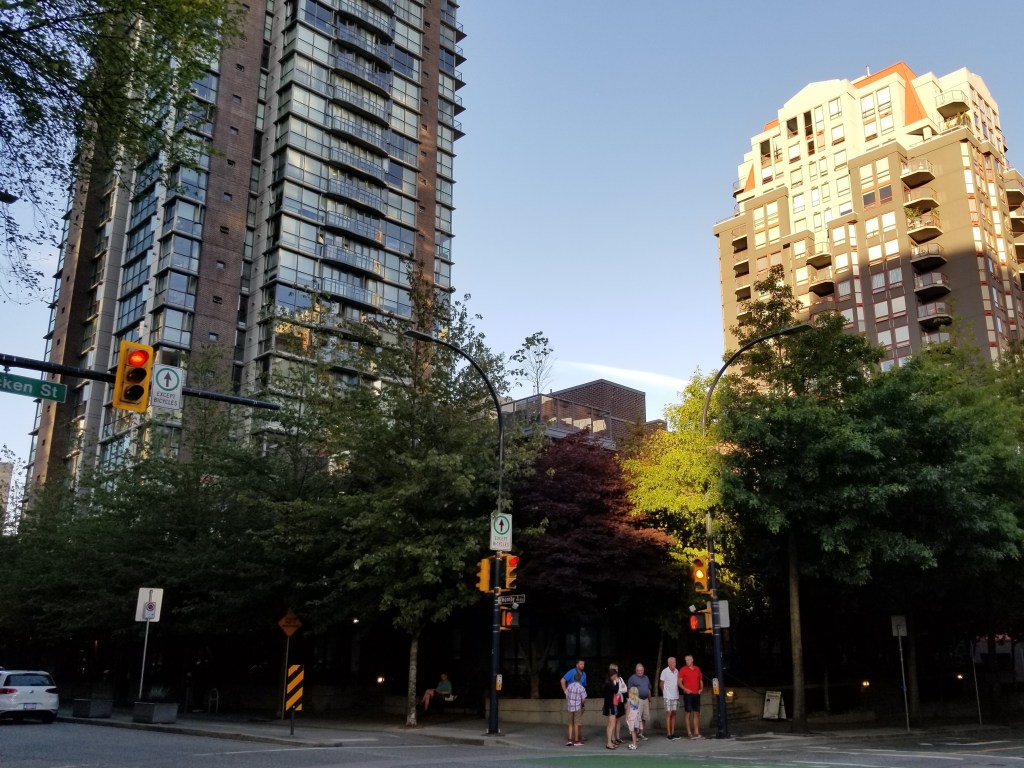
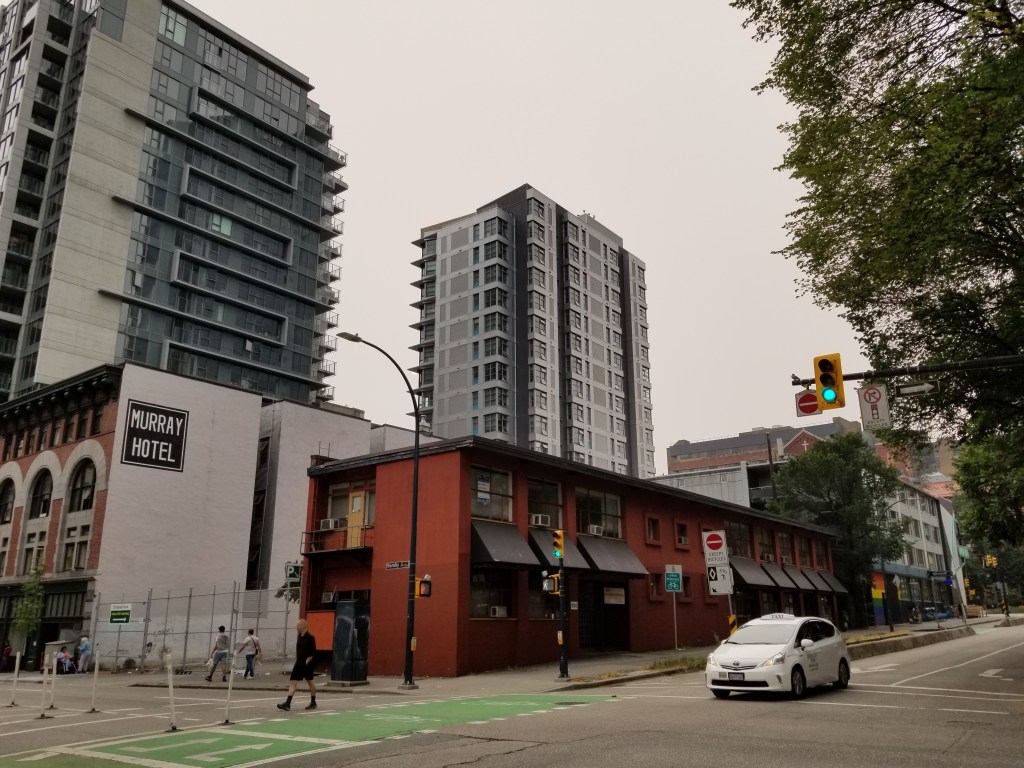
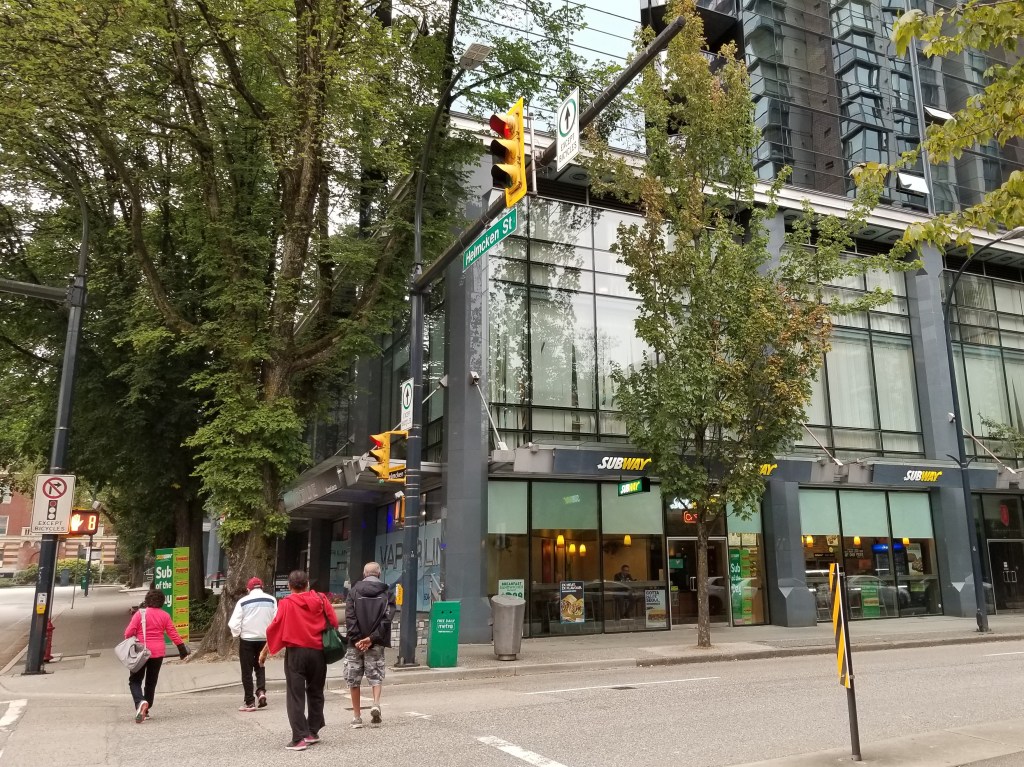
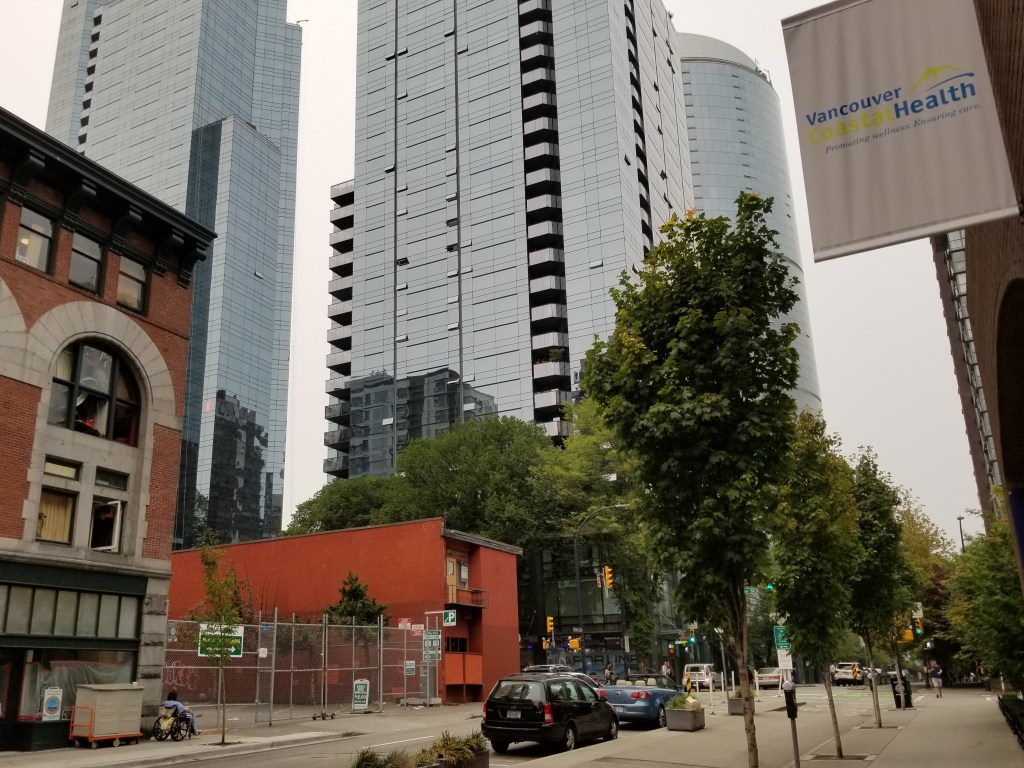
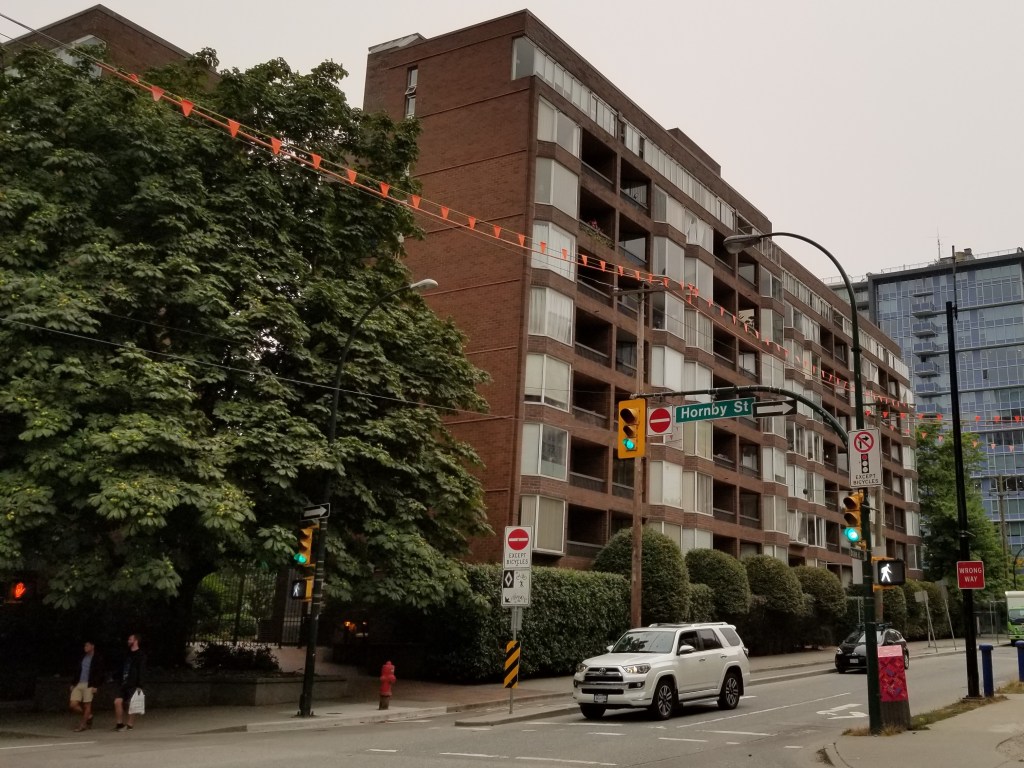
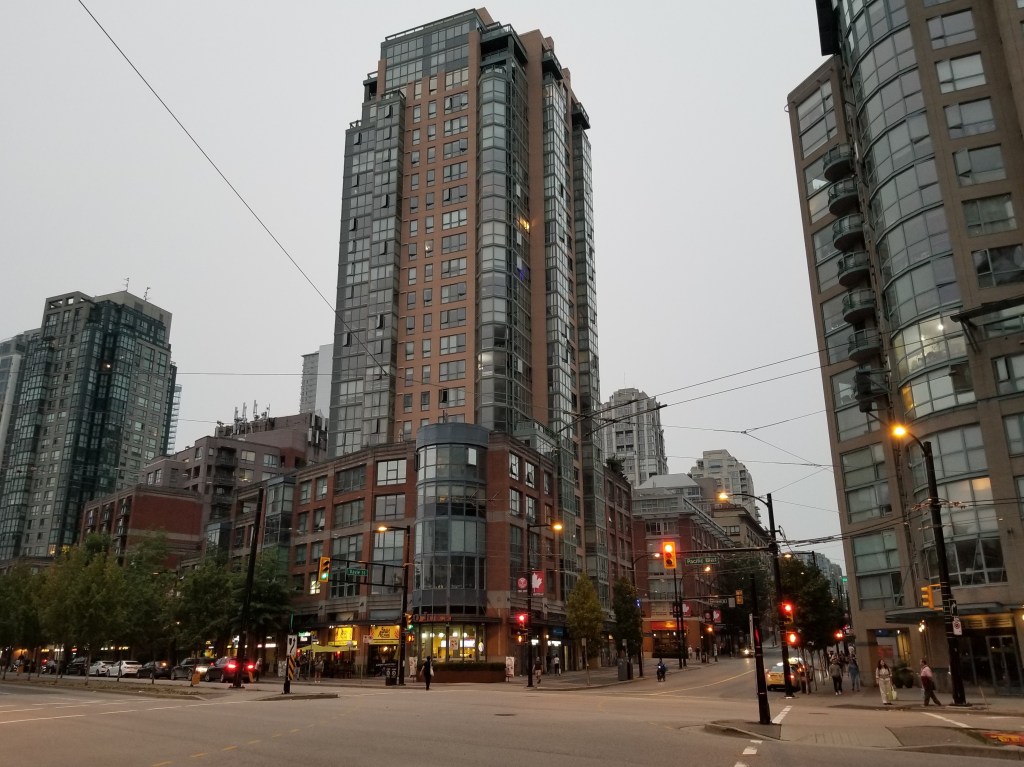
Davie Village (also known as Davie District or simply Davie Street) is a neighbourhood in the West End of Vancouver, British Columbia, Canada. It is the home of the city’s gay subculture, and, as such, is often considered a gay village, or gaybourhood. Davie Village is centred on Davie Street and roughly includes the area between Burrard and Jervis streets. Davie Street—and, by extension, the Village—is named in honour of A.E.B. Davie, eighth Premier of British Columbia from 1887 to 1889; A.E.B’s brother Theodore was also Premier, from 1892 to 1895.
Along Davie Street are a variety of shops, restaurants, services, and hotels catering to a variety of customers, in addition to private residences. The business with the most notoriety is Little Sister’s Book and Art Emporium (“Little Sister’s”), a gay and lesbian bookstore, because of its ongoing legal battles with Canada Customs that have received extensive national media coverage. Many businesses and residents along Davie Street and in the West End generally also fly rainbow flags as a symbol of gay pride, and many of the covered bus stop benches and garbage cans along Davie Street are painted bright pink.
The Village hosts a variety of events during the year, including the Davie Street Pride Festival which runs in conjunction with Vancouver’s annual Gay Pride Parade, during which sections of the street are closed to motor traffic.
Davie Day is also held each year in early September, to celebrate local businesses and the community itself. This Day is designed to build awareness and promote the surrounding businesses, and is focused around Jervis to Burrard Street.
The Davie Street Business Association coined the name “Davie Village” in 1999 and also commissioned banners from local artist Joe Average, which fly from lampposts in the district. The two-sided banners depict a rainbow flag on one side and a sun design by Average on the other.
Davie Village is also home to the offices of Xtra! West, a biweekly LGBT newspaper, Qmunity (formerly the Gay and Lesbian Centre) which provides a variety of services for the city’s lesbian, gay, bisexual, and transgender residents, and the Vancouver Pride Society, which puts on the annual Pride Parade and Festival.
 Igor's Blog