

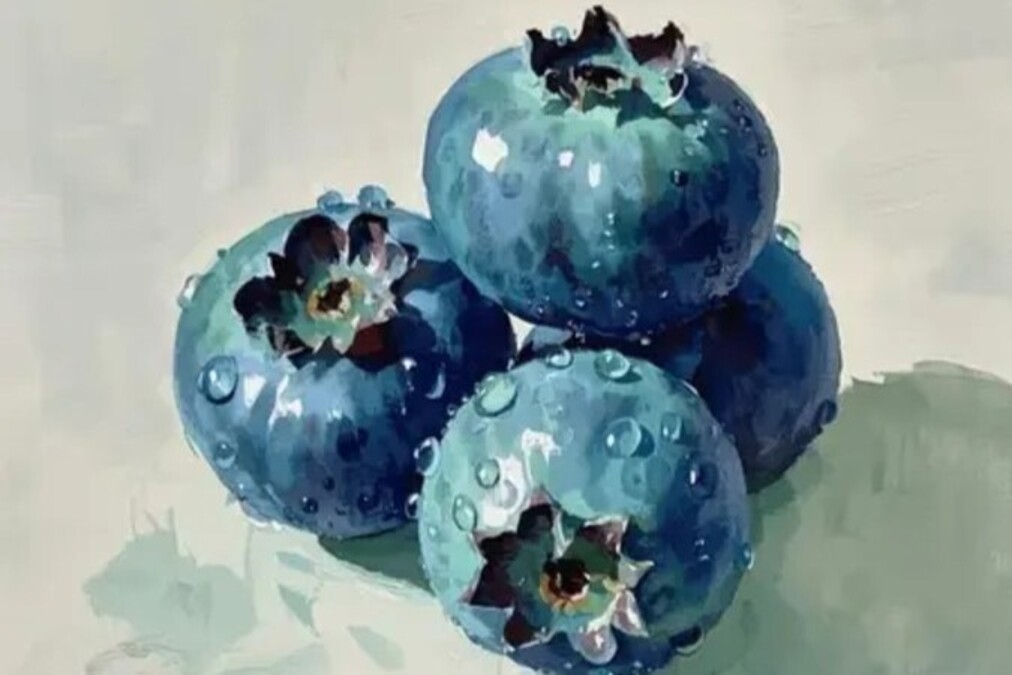
In this post, I will quote from ‘Age Less, Live More: Achieving Health and Vitality at 107 and Beyond’ (2008) by Bernando LaPallo. Before I do this, however, I will provide some updates on what I’ve been learning and consuming. One of the supplements the I’ve discovered to be of much use is L-Lysine because for me it turned out to be an “energy booster”. I think that the biggest, but certainly not the only, problem that a person with AuDHD has to deal with every day is exhaustion. This almost constant exhaustion comes from the fact that a person with AuDHD has to live like a neurotypical and to pretend to be neurotypical every day and almost all the time while at the same time trying to suppress the traits of both autism and ADHD in order to avoid discrimination, attacks, and criticism from the neurotypicals that surround him or her. This unique effort, which neurotypicals don’t have to perform, leads to the fact that a person with AuDHD is almost always in a state of tension and exhaustion. It’s a so-called survival mechanism that makes a person with AuDHD so exhausted that he or she needs a lot more rest and downtime than a neurotypical in order to recharge. Because neurotypicals don’t know this, and they don’t want to know about this, they call an exhausted and overwhelmed person with AuDHD lazy, dumb, or incompetent when he or she doesn’t want to or can’t perform tasks, which are designed for neurotypicals anyway. Since I, like every other person with AuDHD, have to deal with this neurotypical bigotry and ignorance all the time, I’ve been trying to find things that can provide me with more energy so that I can endure the hardships of everyday life more easily. Of course, before I began to read about the problems of autism, I didn’t know about this AuDHD issue either, but this still doesn’t mean that I have a high opinion of neurotypicals because, let’s not forget, neurotypicals kill each other all the time, and in big numbers, and in all sorts of ways. They’re programmed to understand each other, to get along with each other, and to act like one another, but this doesn’t mean that their society is without violence. This reminds me of the film The Matrix (1999), in which people are compared to a virus in one dialogue. I guess that this works in the context of the film, and this is something to think about, but people really are mammals. There’s one thing that makes them different from other mammals. They’re capable of creating complex tools and using complex tools. Because of their tools, people can stay in one place and multiply, but, of course, while they’re doing this, their behavior is such that they still end up using up resources, killing a lot of wildlife (such as other mammals), destroying plants, and also killing each other. If they can come up with new and better tools, they can still stay in one place and multiply even more. In The Matrix, one of the ideas that gets explored is what happens if people are treated like livestock by the machines, who aren’t mammals. I suppose that people also demonstrate their mammalian behavior when they attack someone because they do this in packs or at least in groups. I’ve been attacked by neurotypicals countless times, and, therefore, I know very well that they always attack in packs or in groups. They almost never attack an autistic person one on one. Does this make them cowards? You decide. But I can call the neurotypicals that attacked me cowards because they didn’t dare to attack me one on one. Moreover, they weren’t attacking another neurotypical. They were attacking a so-called disabled person. This really makes them cowards. But, then again, let’s not forget that neurotypicals attack anyone who’s different from them. This is what they’re programmed to do. This, again, makes them mammals. And this, again, is why autistics have to pretend to be neurotypical all the time, in order to avoid getting attacked. The hatred that neurotypicals have for people that are different is so strong that they don’t care about fairness when attacking a different person. They’re proud to bring harm to anyone who’s different in any way possible. And, like I already said, they also kill each other all the time, and in big numbers, and in all sorts of ways. The only thing that’s keeping neurotypicals from tearing each other apart all the time is law enforcement. Anyway, L-Lysine can provide me with focus because it provides me with energy. It is one of the nine essential amino acids that the body cannot produce on its own, so it must come from diet or supplements. It serves as a building block for proteins, supports collagen formation, aids calcium metabolism, and plays roles in hormone/enzyme production and immune function. It is abundant in animal foods (meat, fish, eggs, dairy) and present in smaller amounts in plant sources like legumes and quinoa. The most famous benefits of consuming L-Lysine are managing cold sores and Herpes Simplex Virus (HSV), improving calcium absorption and bone health, reducing anxiety and stress, healing wounds and producing collagen, supporting blood pressure, managing diabetes, and synthesizing protein for muscle turnover. Another supplement that is definitely worth mentioning is called Acetyl L-Carnintine. It’s a naturally occurring compound and the acetylated form of L-carnitine. It plays a key role in transporting fatty acids into mitochondria for energy production (beta-oxidation) and provides an acetyl group that supports acetylcholine synthesis (a neurotransmitter involved in memory and learning). ALCAR crosses the blood-brain barrier more readily than standard L-carnitine, giving it stronger potential effects on brain function, mood, and neuroprotection. While ALCAR doesn’t seem to me to be much of a focus booster, it still provides energy and seems to be effective at eliminating depression. The most famous benefits of ALCAR are in the areas of cognitive function and age-related decline, fatigue and tiredness reduction, mood and depression support, nerve health and neuropathy, exercise recovery, male fertility, neuroprotection, and metabolic support. ALCAR may slow cognitive decline, improve memory, attention, and overall mental function in older adults with mild cognitive impairment (MCI) or early Alzheimer’s/dementia. ALCAR can help reduce mental and physical fatigue, especially in older adults or after exercise. ALCAR shows antidepressant-like effects, sometimes comparable to medications but with fewer side effects in certain reviews. ALCAR may alleviate symptoms of diabetic neuropathy or chemotherapy-induced peripheral neuropathy by supporting nerve structure, reducing pain, and improving nerve function. So, Palmitoylethanolamide (PEA) isn’t the only supplement that can help with sensory overload and pain. ALCAR can also be helpful in this regard. Of course, as I already pointed out in an earlier post, there are some very common drugs such as aspirin (acetylsalicylic acid) that can be very helpful for a person with autism. When I take aspirin, my mood improves, my frequent headaches go away, my energy returns, and my sensory overload gets lessened. Advil is another drug that has similar effects, and I actually prefer advil over aspirin, though I always have both with me. One thing that is worth mentioning is that aspirin and advil aren’t really good for a person’s stomach. Therefore, they should be consumed with food or with milk. And if these drugs come in large tablets, I divide a tablet in two and take only half a tablet a day. This amount is enough to ease my pains. When I have enough energy, which is rather rare, I can act like a neurotypical very well and I can speak well. When I’m in such a good state, I can get a lot done and I can think very well. But, unfortunately, for a person with AuDHD, these energetic phases are uncommon, while the exhaustion phases are common. I think that I’ve gotten used to acting competently even when I’m exhausted simply because I’m almost always exhausted, but now I know that I need to rest more because I’d rather not strain myself. Anyway, I think that I will post everything that Bernando LaPallo had to say about what are, in his opinion, the ten most beneficial foods. I wonder how much influence his book had in the last two decades because the foods that he mentioned in his book have become a lot more popular since his book got published. They can now be found in almost every grocery store, cafe, and restaurant. Why am I posting this information on my blog? I’m doing this because I found LaPallo’s book to be interesting and useful, and because I run my blog for myself. Unlike Alex Jones and many other people on popular websites, I’m not here to please my audience and to make money, and I actually kind of like this. The problem with money makers on YouTube, for example, is that so many of them end up trying to please their audience in order to hopefully make more money and to gain more subscribers. Their content gets worse, they constantly check what people in faraway places are typing about them, and some of them break down. They become depressed, scared, bug-eyed puddles of green goo, just like Alex Jones. No wonder that Jones tries to keep his place of work secret. He doesn’t want to get attacked by a pack of neurotypicals. Well, no one want to get attacked by a pack of neurotypicals. The following is what Bernando LaPallo had to say about blueberries. “More and more studies are touting the wonderful benefits and antioxidant qualities of the common blueberry. I can’t go a day without these delicious little berries, and place them at the top of my Super Ten List. The blueberry and its relatives have been recognized for their wonderful medicinal qualities for literally thousands of years. True blueberries are one of only a very few fruits that are native to North America, (another being the cranberry), and so it makes perfect sense that the Native American people would have a great affinity and knowledge of this extraordinary plant. Because the end of each berry contains a five pointed star, these people thought of the fruit as a gift from the Great Spirit, sent to help stave off hunger during times of famine and distress. Native Americans also created a strong tea by boiling the roots, which was said to ease childbirth. Early American settlers learned this technique and many others from the native peoples of this land. Lewis and Clark observed that Native Americans would smoke the berries in order to preserve them for winter, and also pound them into meat before smoking and drying, helping to preserve the meat. In more recent times, a close relative of the blueberry, the bilberry, was touted by British aviators during World War II as improving their night vision after they’d consumed bilberry jam before taking off on a mission. Further studies confirmed that they indeed helped eyesight by improving micro-circulation in the capillaries of the eyes, and other areas of the body. Even animals seem to love blueberries! The Latin name, Vaccinium, is rooted in the word vaccinus, meaning cow. Both cows, and also bears, apparently have a great affinity for the blueberry, with bears being observed walking many miles on an empty stomach just to locate a supply of this delicious fruit. And finally, just put to rest any doubt that this unassuming berry is a valuable ally in the quest for longevity: A box huckleberry, a cousin of the blueberry still growing in Pennsylvania, is thought to be the oldest living thing on earth. Covering nearly a quarter mile, it’s been dated by botanists at 13,000 years old – a remnant of the last Ice Age! Because of the many health benefits and overall growth of the market, fresh and dried blueberries are now available year round. My first recommendation, as is the case with any food, is to purchase only fresh, certified organic products, if possible. The fewer pesticides and inorganic fertilizers that are ingested, the better! Blueberries are also available dried, but one should read the label before purchasing them. It seems that most dried blueberries are “first infused with a sugar solution to give them more weight and pliability.” The last thing we need, from a health standpoint, is more hidden sugars in our diet. Be aware! Blueberries are at the top of my list when it comes to all around health benefits – especially their antioxidant qualities. They contain high levels of vitamins C and E, and are near the top of the list for overall antioxidant activity. Another compound, anthocyanin, gives the berries their blue color and seems to protect neurons from oxidative damage. Recent tests on mice and humans have shown that a cup of blueberries per day have a marked and long lasting positive affect on motor skills and cognitive function, including long and short term memory, and the overall ability to learn. These discoveries bode very well for those at risk for developing Alzheimer’s disease and other memory and motor skill disorders. Yet another group of compounds, called proanthocyanidins, appear to prevent bacteria from sticking to the cells of the urinary tract, thus reducing risk of infection, and improving urinary tract health. These and other compounds, namely flavinoids and tannins, have been shown in animal studies to lessen stroke damage, and also may play a role in reducing risks of diseases like cancer. One cup of blueberries contains 14 percent of the daily recommended value of dietary fiber, and are very low in sodium and fat. They contain no cholesterol, and in fact have been shown to lower blood cholesterol. Finally, the improved capillary function and better circulation mentioned above can help with much more than just better vision. Arthritis, water retention, bruising, hemorrhoids, as well as varicose veins, are all positively influenced by improved blood flow. I incorporate copious amounts of fresh blueberries in my fruit salads, which I eat every day. They are wonderful as a snack, and as a tasty and healthy addition to my SuperFood drink with which I always start my day. I’ll cover this in detail later in the book. Suffice it to say that blueberries are an outstanding addition to anyone’s diet, and I believe that these ‘stars’ are indeed superstars! There are many sources of stress in our lives. Some of them are good – starting a new and exciting job, getting married, traveling to a new place, or learning a new skill, for example. But the types of stress that I want to address are more insidious, born of fear, and regret, and guilt. These are the drivers of disease and untold suffering. Thousands of years ago, life was a near constant fight for survival. I believe that most people at that time lived in fear, never knowing at what moment death would come. Would it approach slowly, from starvation or disease, or quickly as some wild beast sprang from behind the next tree? To live life always looking over one’s shoulder for fear of being someone else’s dinner had to be an unpleasant experience. The stress of that kind of life took many a man to an early grave, I’m sure. Now it’s true that those days no longer exist for most of us, and tigers do not typically lurk behind your neighbor’s SUV. But the fact remains that the mental and physical mechanisms that are activated by fear and stress still exist within us, and still produce the same negative effects as they did back then. The ‘fight or flight’ response, with its associated release of harmful chemicals into the bloodstream, still occurs just as it always did when we’re subjected to some perceived stress. I mention this because, although the snakes and lions are behind bars at the local zoo for the most part, many of us react to other less immediate or threatening situations in life just as our ancestors used to, with equally damaging results. Although the jungle is history, the perceived threats are real. If you believe in your heart that you’re a victim, then it’s so.”

