



In this video I explore the logical reasons that support the authenticity of the iconic Patterson-Gimlin Bigfoot film. I’ll delve into the details that skeptics often overlook, including the biomechanics and gait of the Bigfoot creature’s movement, muscle movements beneath the skin, scientific analysis and opinions, the many failed attempts to debunk the film and more. Whether you’re a believer or a skeptic, this analysis aims to provide insight into why the Patterson-Gimlin film remains a significant piece of evidence in the search for Sasquatch.
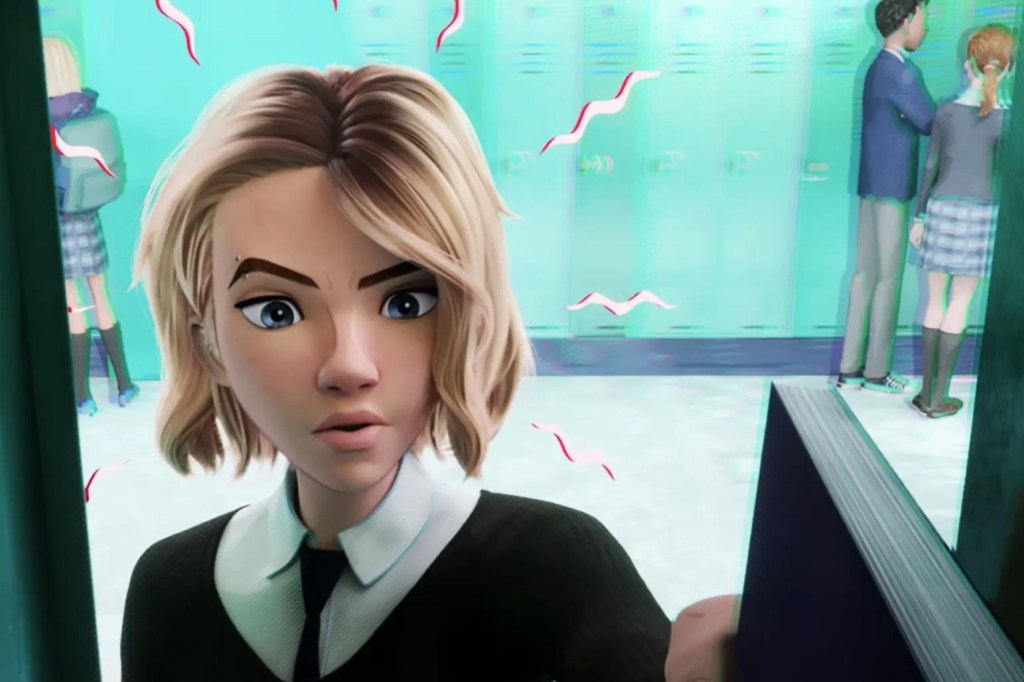
Miles Morales (Shameik Moore) is just your average New York City teenager trying to find his way in the world, when he gets bitten by a radioactive spider and develops unique superpowers. Well, maybe not so unique. You see, in Miles’ world, there already is a Spider-Man (Chris Pine), who promises to show our fledgling hero the ropes. But when a supercollider belonging to the notorious Kingpin (Liev Schreiber) goes haywire beneath Manhattan, that becomes impossible… and the impossible becomes reality. Multiple dimensions begin to converge, each with a “Spider” hero of its own. All of them have suddenly crossed over into Miles’ world and they’ll have to work together to save their “Spider-Verse” from annihilation.
I should admit this right up front: Spider-Man: Into the Spider-Verse may very well be my all-time favorite superhero film. That’s saying a lot, I know, but never has a film so perfectly captured this genre’s comic-book origins and visual texture before. The story – featuring characters that have nearly all appeared in the pages of different Spider-Man comic series – feels remarkably fresh, entertaining, and grounded. There’s great action here to be sure, but also a ton of humor, and genuine heart. In addition to the names I’ve already mentioned, the voice cast features Jake Johnson, Hailee Steinfeld, Mahershala Ali, Brian Tyree Henry, Lily Tomlin, Luna Lauren Velez, John Mulaney, Kimiko Glenn, Katheryn Hahn, Zoë Kravitz, and Nicolas Cage, all of whom make fine contributions to the story. But what really impresses here is that this film features the most ground-breaking animation to grace the big screen in years, with perhaps the most unique visual style since the Wachowski’s Speed Racer in 2008.
Part of this is due to the filmmakers applying an immediately recognizable halftone-dot and offset printing effect to the footage. They also blend 3D and 2D animation in both the characters and backgrounds – and some of the 2D is hand-drawn, with actual line work. The filmmakers break the widescreen frame with traditional comic page panels, reveal the occasional bit of dialogue or thought via word balloons, and pepper action scenes with sound effects text. Perhaps the most important technique they’ve applied, however, is apparent in the way they’ve rendered the image. Rather than rendering a full 30 frames-per-second of smooth animation, they’re actually rendering 15 frames and holding some as double or even triple frames, all while avoiding motion smoothing. It’s a little like watching really well done stop-motion animation, which lends the footage an interesting dash of physicality. It’s genuinely remarkable.
Sony Animation rendered Into the Spider-Verse in 2K, so it was upsampled for its release on 4K Ultra HD. But that’s okay; every bit of detail in the 2.39:1-framed image is visible here. And let me tell you, the High Dynamic Range grade (HDR10 only) is magnificent. Colors exhibit a more vivid luster and much greater nuance, the shadows are deepened, and the brightest areas have real pop. This is a visual feast – a definite eye candy title for the UHD format.
The 4K disc also provides a lively and dynamic English Dolby Atmos sound mix (TrueHD 7.1 compatible) that seldom disappoints. There’s a little less panning and movement than you might expect, but the staging is precise, with terrific immersion and tons of robust and subtle directional cues. Bass is firm with genuine heft, clarity is exceptional, and the score by Daniel Pemberton (mixed with pop/hip hop tracks by Post Maloe, Nicki Minaj, and others) is playful with fine fidelity. Additional audio options include English and French Descriptive Audio, and French and Spanish 5.1 Dolby Digital, with optional subtitles available in English, English SDH, French, and Spanish.
The actual 4K disc includes the film and following extras:
Note that the Spider-Ham short is upsampled to 4K but not graded for HDR, so you’ll want to turn that off when you watch it here.
The package also includes the film in 1080p HD on Blu-ray, which includes the following extras (all in HD):
The Spider-Ham short is cute in a throwback way and serves as a kind of setup to the film itself. The full-length commentary is good, with interesting stories and bits of trivia on the making of the film, but the Alternate Universe Mode is the real highlight of these extras. As you watch the film with it enabled, you get a look at deleted and alternate scenes, alternate dialogue and more, all of it presented back in the context of the film. It amounts to about 27 minutes of additional content in all, added back via seamless branching. Most of it is unfinished (storyboards and the like), but it’s pretty cool to see nonetheless.
The rest of the video-based extras feel a little bit glossy, but still manage to give you a nice look behind-the-scenes on the film’s development and production, how the actors were chosen and what they each brought to their roles, etc. A highlight is definitely the tribute to Stan Lee and Steve Ditko, and I particularly liked the explanation of how the animators achieved the film’s unique look. The featurette run times may not seem like much, but there’s a lot more information and insight packed into each one than you expect.
Unfortunately, there’s no Blu-ray 3D version of the film included in this package, and it doesn’t seem that Sony intends to release one separately here in the States. That’s a shame, because the theatrical 3D presentation was wildly popular. It does appear that Blu-ray 3D offerings will be available in Germany and France (click here and here to see those via international Amazon – we don’t yet know if those discs will be all-region). Thankfully, you do at least get a Movies Anywhere Digital code on a paper insert.
Co-written by Phil Lord and produced by Lord and Chris Miller (of Lego Movie and Solo fame) among others, Into the Spider-Verse is surprising and a real delight. As most of you know already, it won the Oscar for Best Animated film this year and damn well deserves it. Sony’s 4K Ultra release is not to be missed. But if I might offer a quick message to the studio: Blu-ray 3D please!
Welcome to the Cozy Hospital! You’ve come into our cosmetic otolaryngology department today because you’ve decided your ears aren’t symmetrical enough. Your doctor will examine your ears and measure them before giving them a good clean and proceeding with sculpting your ears.
** This is not a real procedure lmao
0:00 Intro 0:10 Doctor comes in, getting your history 3:08 Putting on gloves 3:57 Otoscope exam 9:32 Skin exam 16:16 Measuring your ears 24:06 Cleaning your ears 29:50 Placing protective covers over your ears 31:16 Dabbing gel on your ears 34:10 Writing notes while waiting for your ears to numb 39:32 Resurfacing and sculpting your ears 50:11 Checking with measuring tape 50:44 Cleaning off the gel 52:03 Writing 53:36 Instructions before you go
Drug addict Courtney Love has massive mood swings on her own talk show. Aired 05/11/96

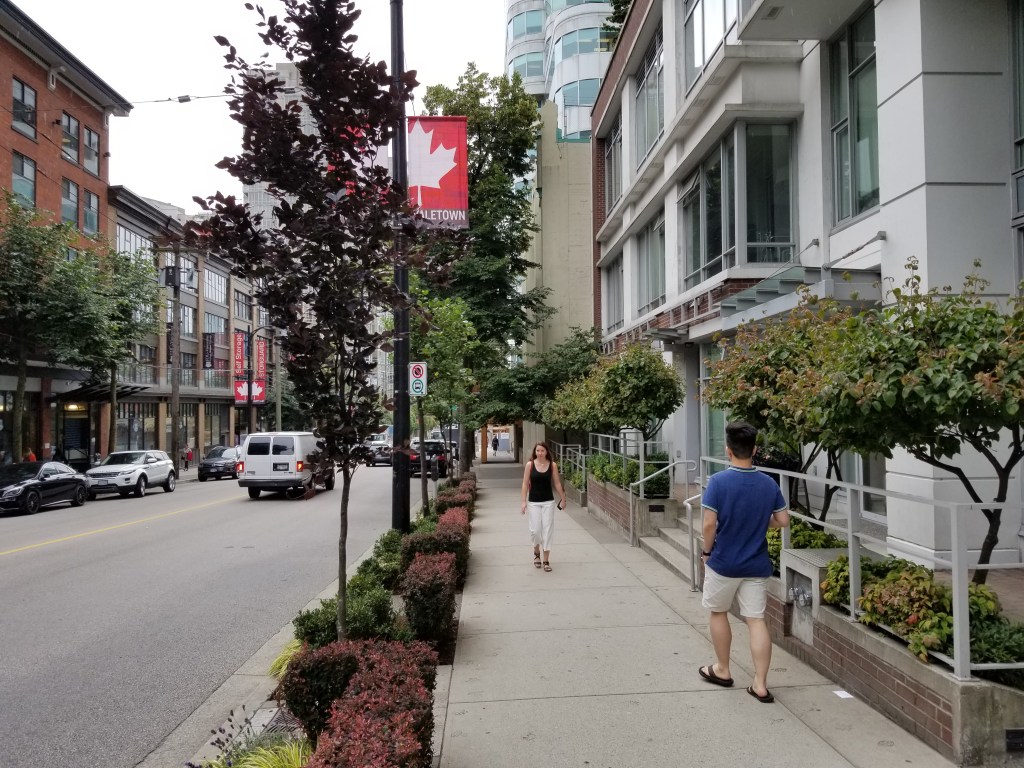
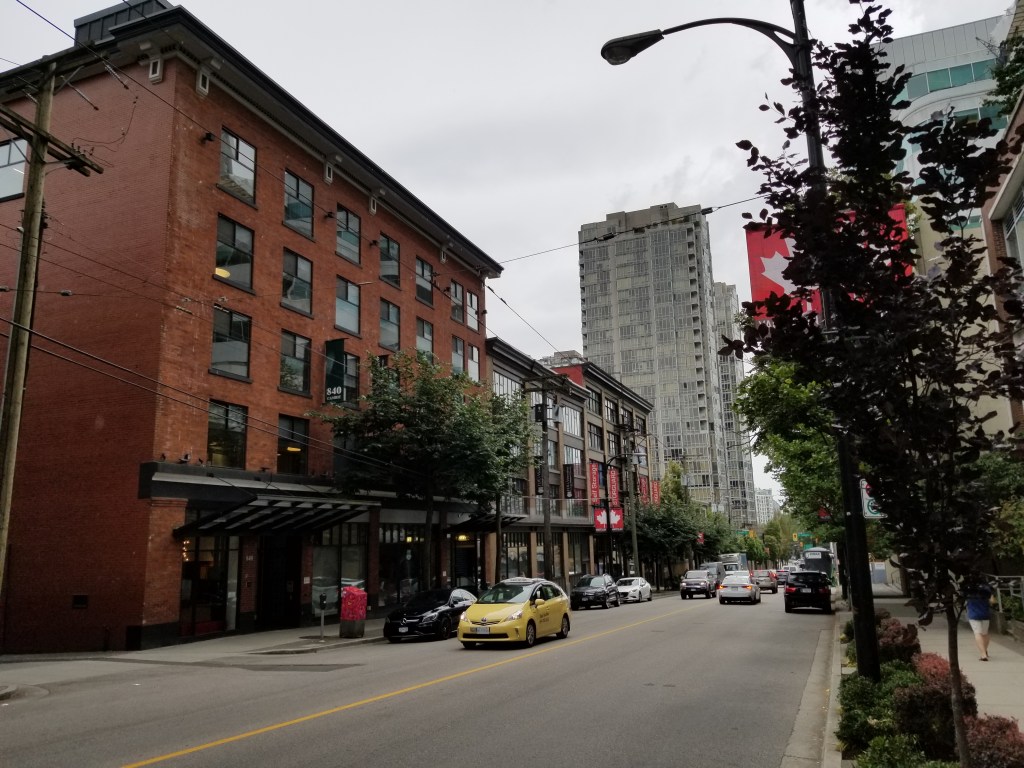
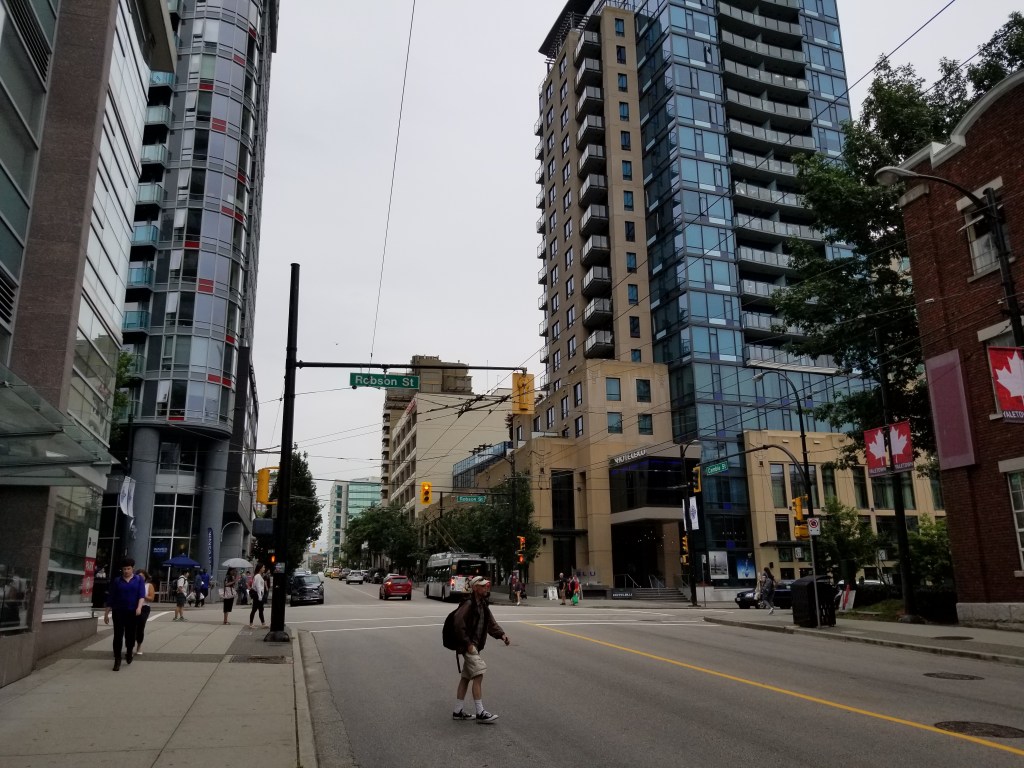
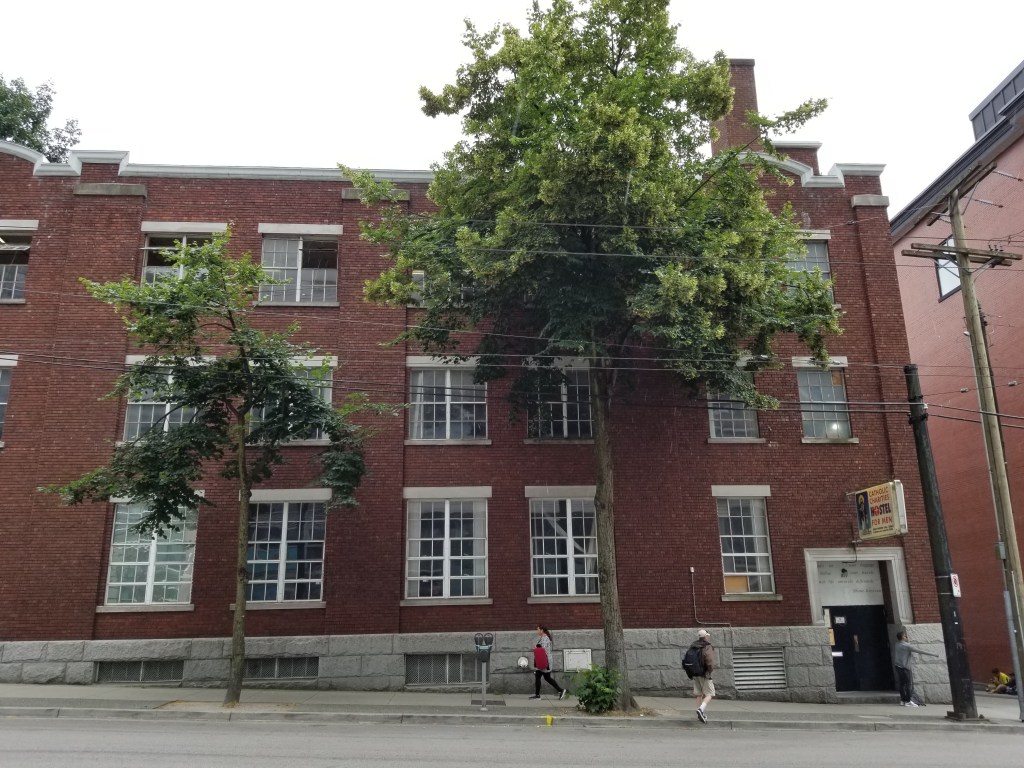
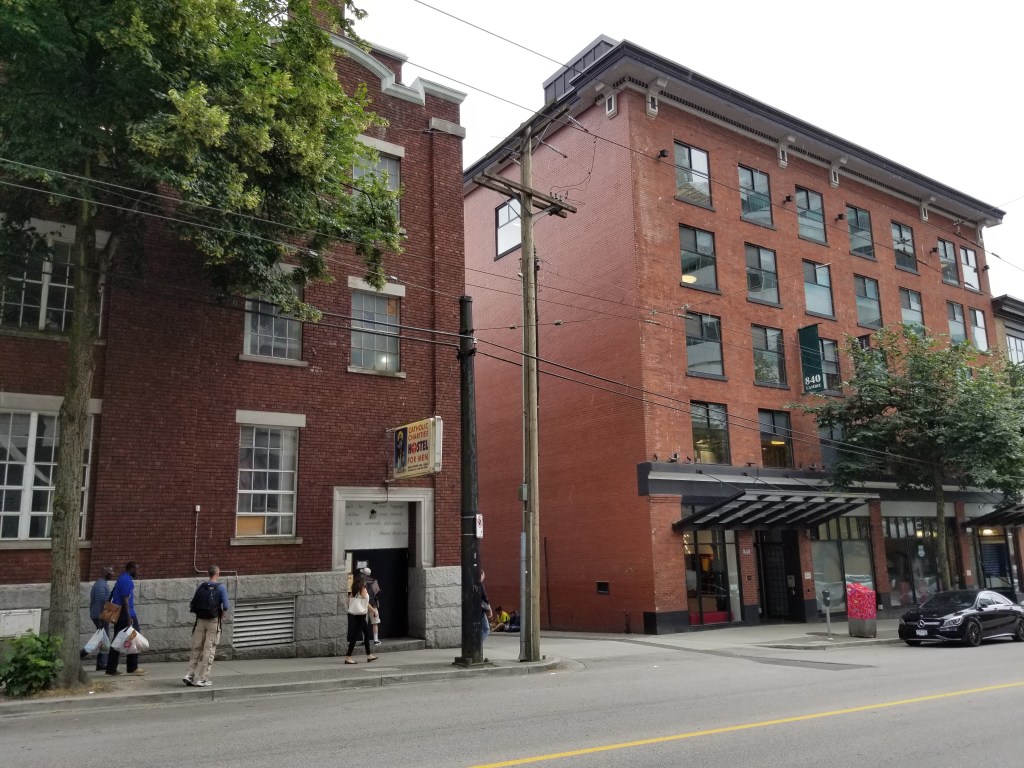
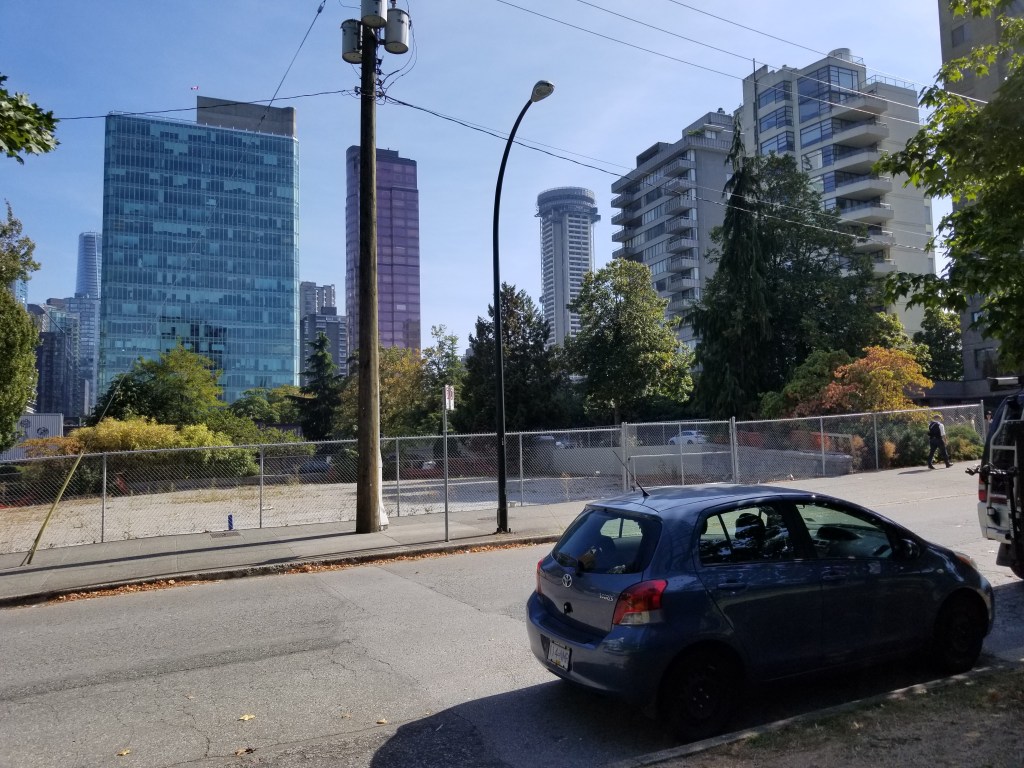
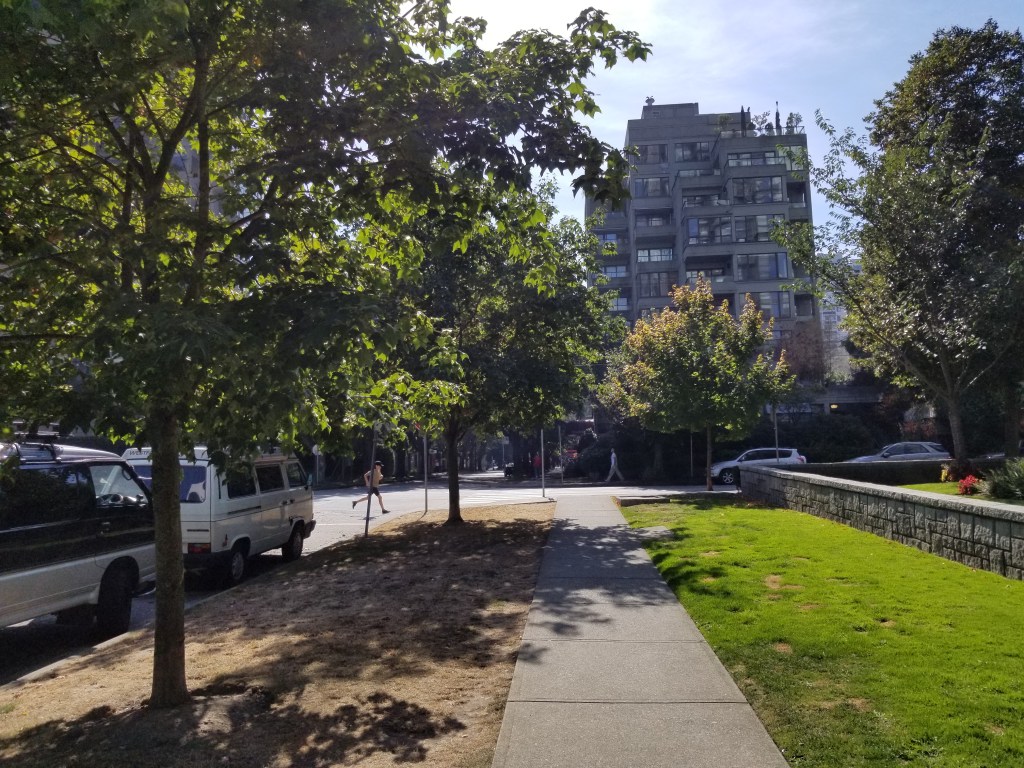
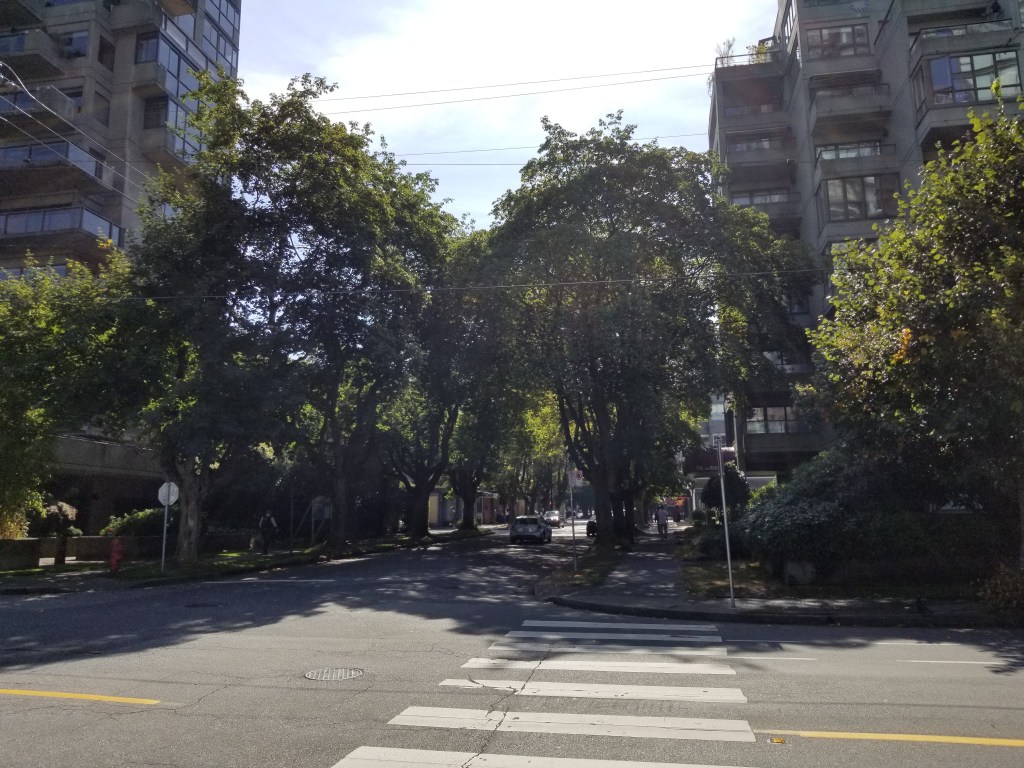
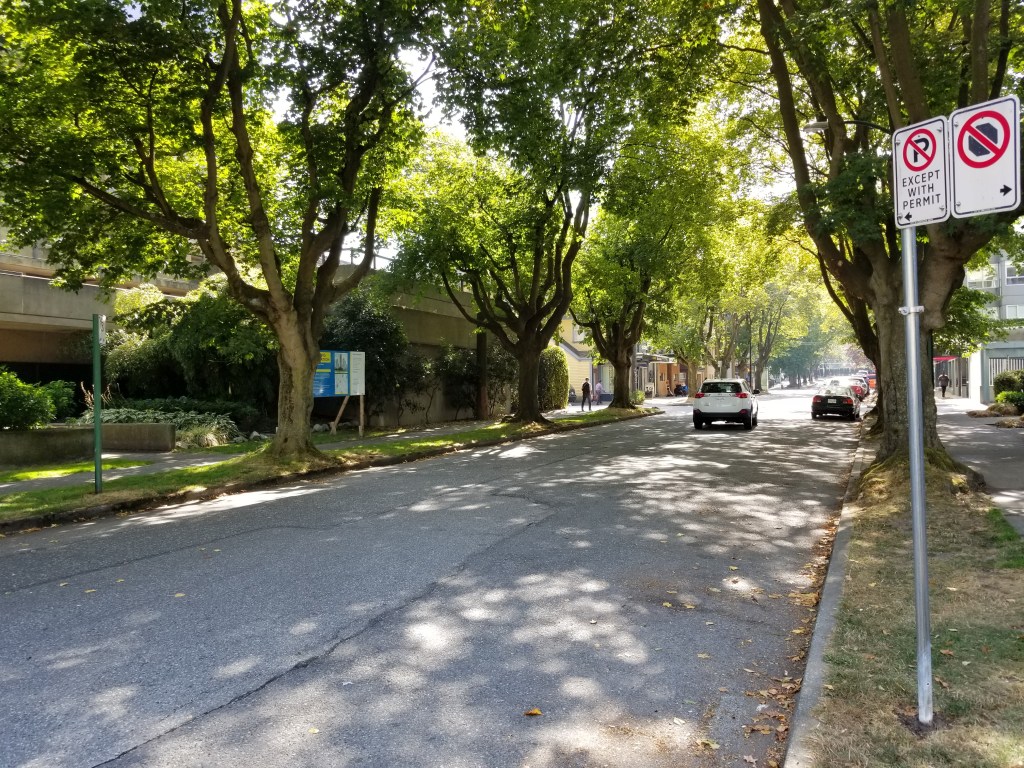
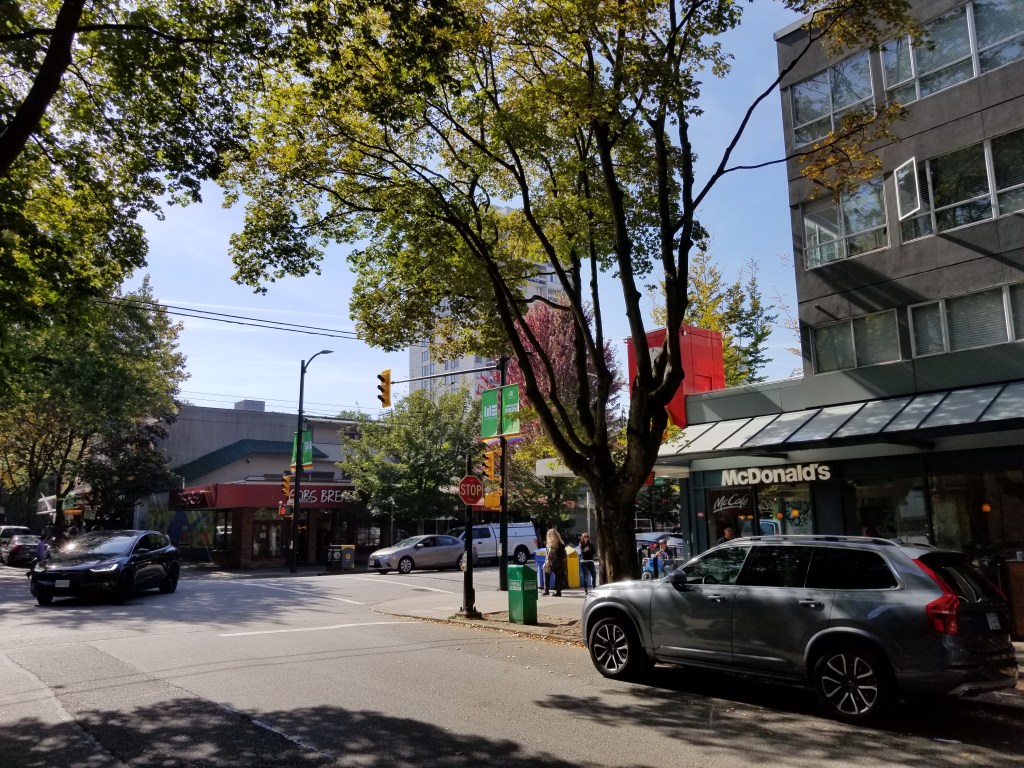
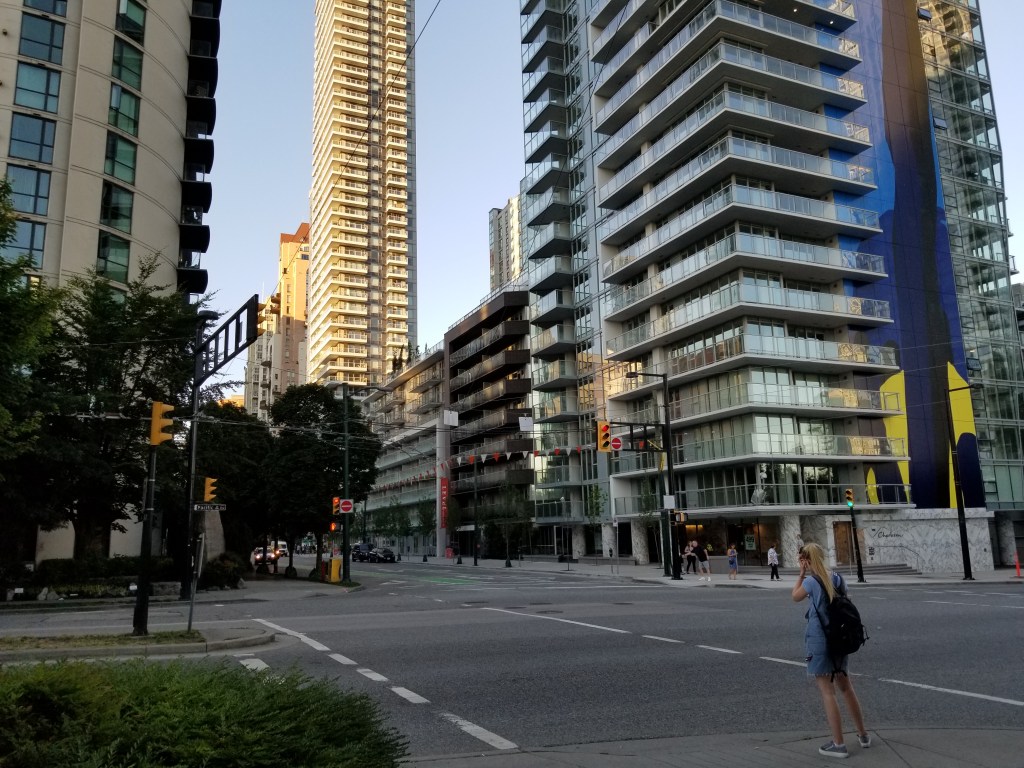
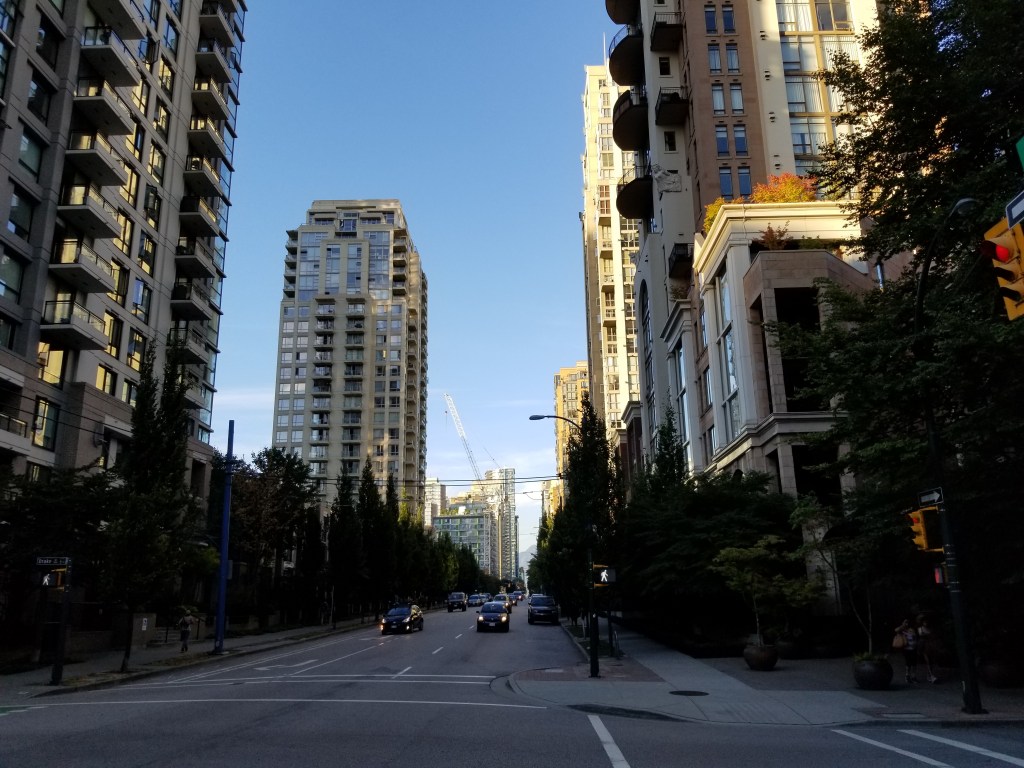
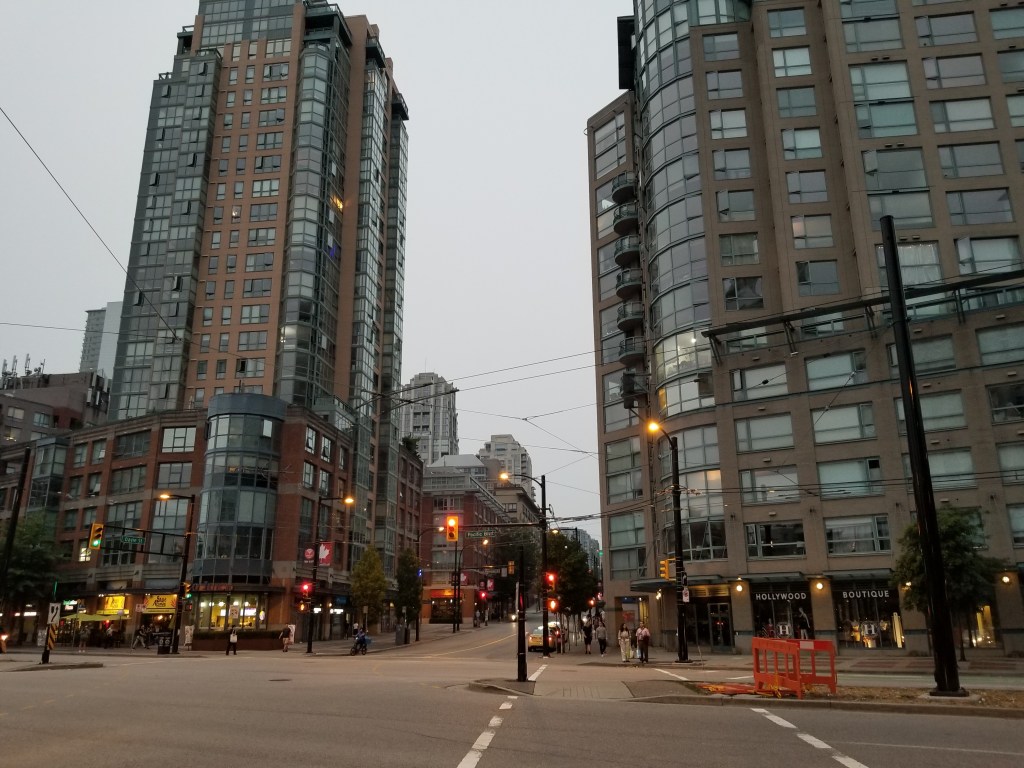
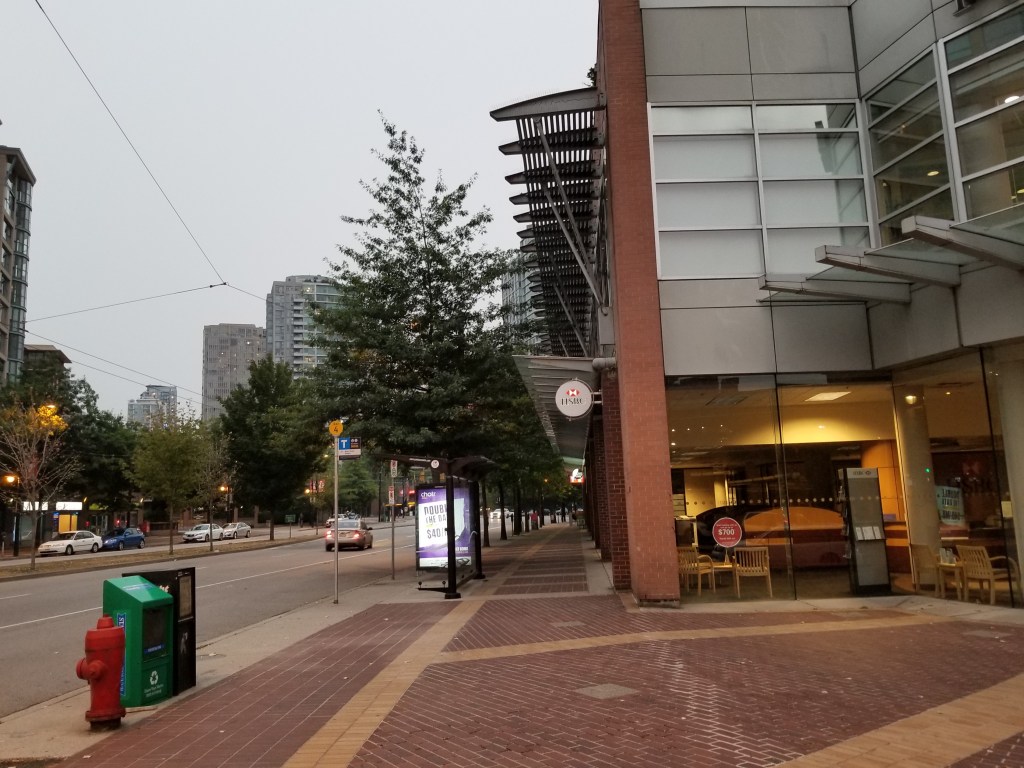
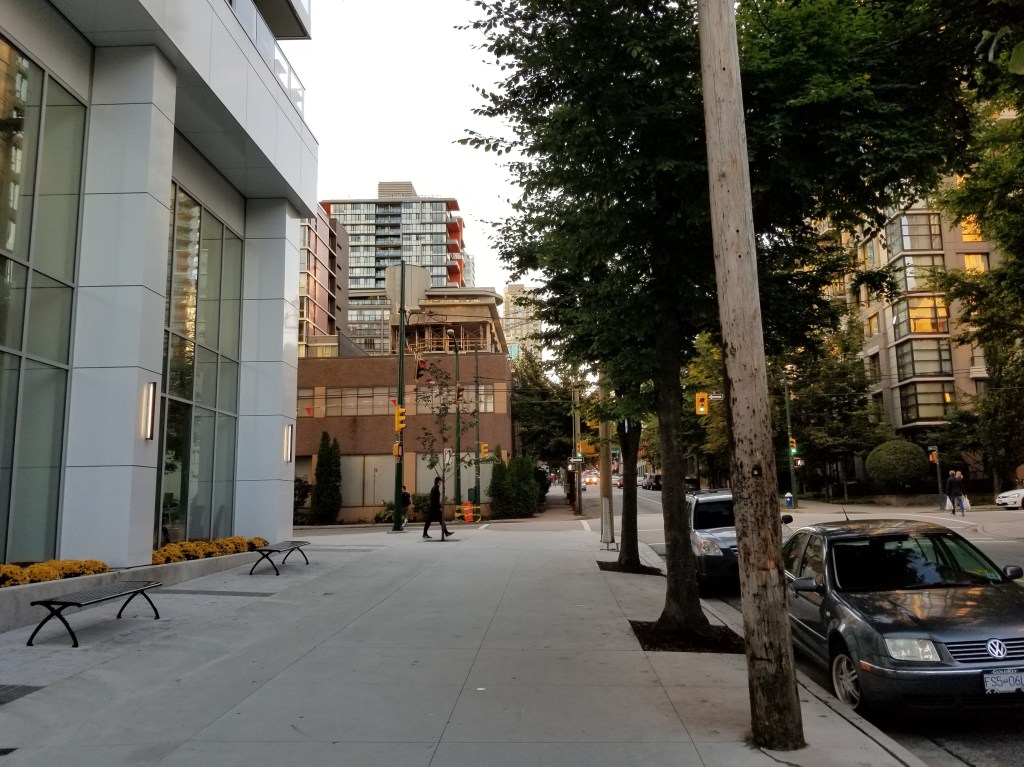
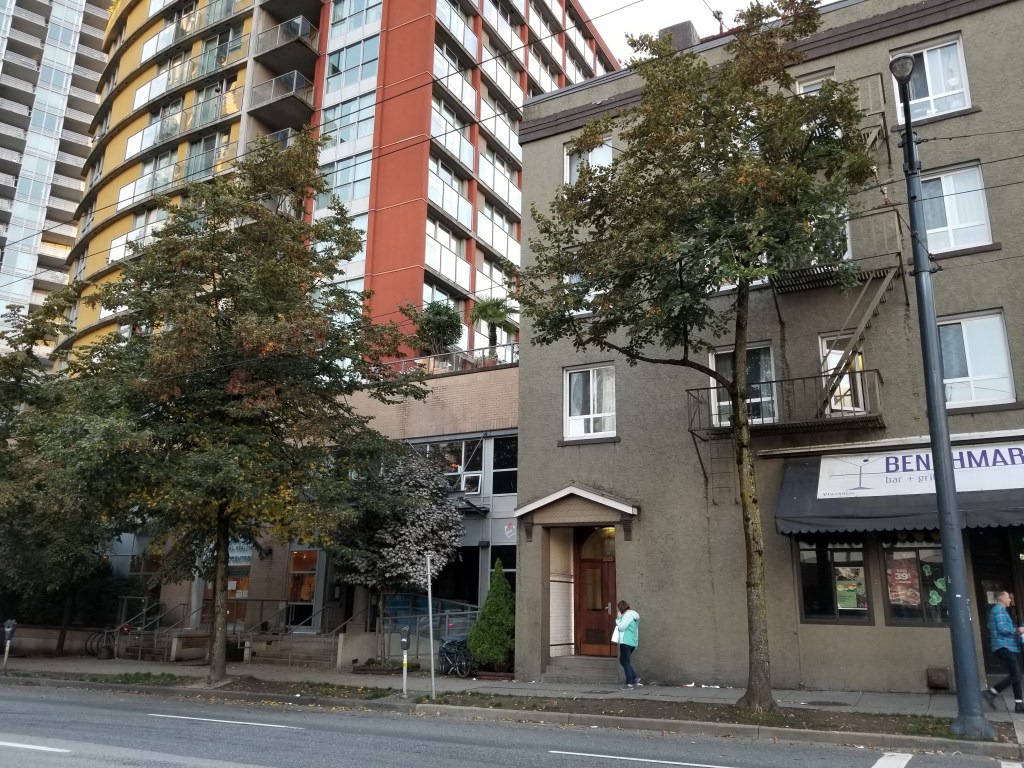
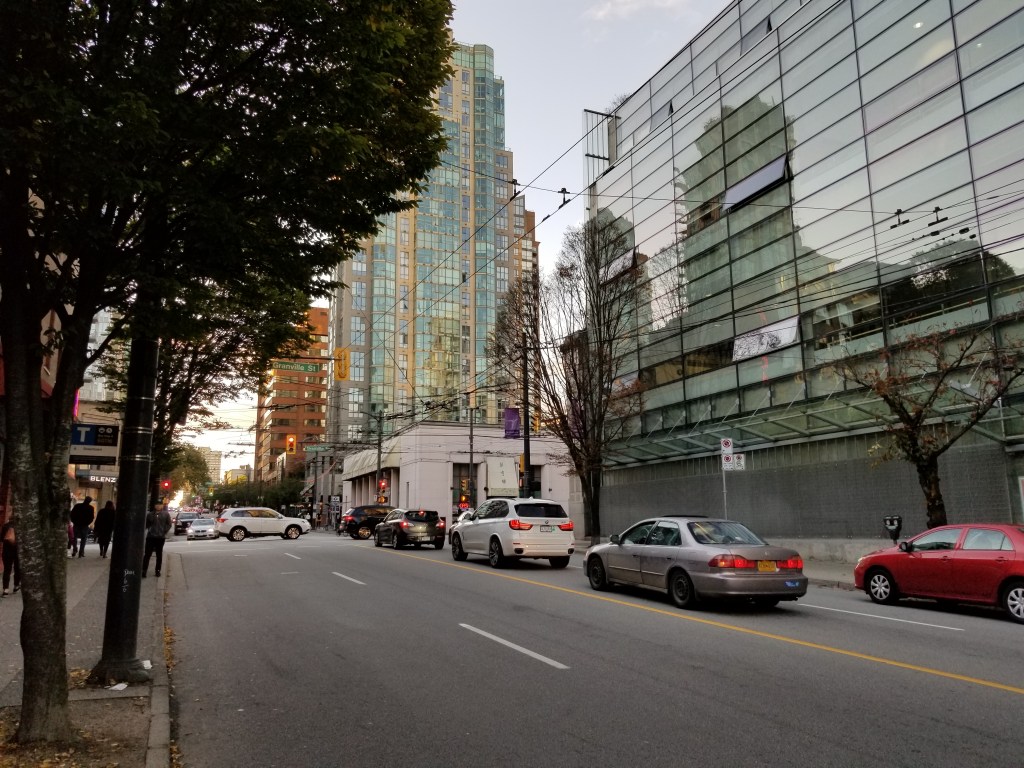
Robson Street is a major southeast-northwest thoroughfare in downtown and West End of Vancouver, British Columbia, Canada. Its core commercial blocks from Burrard Street to Jervis were also known as Robsonstrasse. Its name honours John Robson, a major figure in British Columbia’s entry into the Canadian Confederation, and Premier of the province from 1889 to 1892. Robson Street starts at BC Place Stadium near the north shore of False Creek, then runs northwest past Vancouver Library Square, Robson Square and the Vancouver Art Gallery, coming to an end at Lost Lagoon in Stanley Park.
As of 2006, the city of Vancouver overall had the fifth most expensive retail rental rates in the world, averaging US$135 per square foot per year, citywide. Robson Street tops Vancouver with its most expensive locations renting for up to US$200 per square foot per year. In 2006, both Robson Street and the Mink Mile on Bloor Street in Toronto were the 22nd most expensive streets in the world, with rents of $208 per square feet. In 2007, the Mink Mile and Robson slipped to 25th in the world with an average of $198 per square feet. The price of each continues to grow with Vancouver being Burberry’s first Canadian location and Toronto’s Yorkville neighbourhood (which is bounded on the south side by Bloor) now commanding rents of $300 per square foot.
In 1895, train tracks were laid down the street, supporting a concentration of shops and restaurants. From the early to middle-late 20th century, and especially after significant immigration from postwar Germany, the northwest end of Robson Street was known as a centre of German culture and commerce in Vancouver, earning the nickname Robsonstrasse, even among non-Germans (this name lives on in the Robsonstrasse Hotel on the street). At one time, the city had placed streetsigns reading “Robsonstrasse” though these were placed after the German presence in the area had largely vanished.
Robson Street was featured on an old edition of the Canadian Monopoly board as one of the two most expensive properties.
 Igor's Blog