
Chrono Cross was released in 1999 and developed by square. As the follow up to one of the greatest RPGs of all time, Chrono Trigger, this sequel had a lot to live up to. So does this game live up to the lofty legacy left by Chrono Trigger? Well that’s a difficult question because of how different and unique Chrono Cross is when compared to Trigger, or any other RPG for that matter. So let’s take a look with this review at all the interesting aspects of the game and see if it hits that same masterpiece level that its predecessor did…
Category: Uncategorized
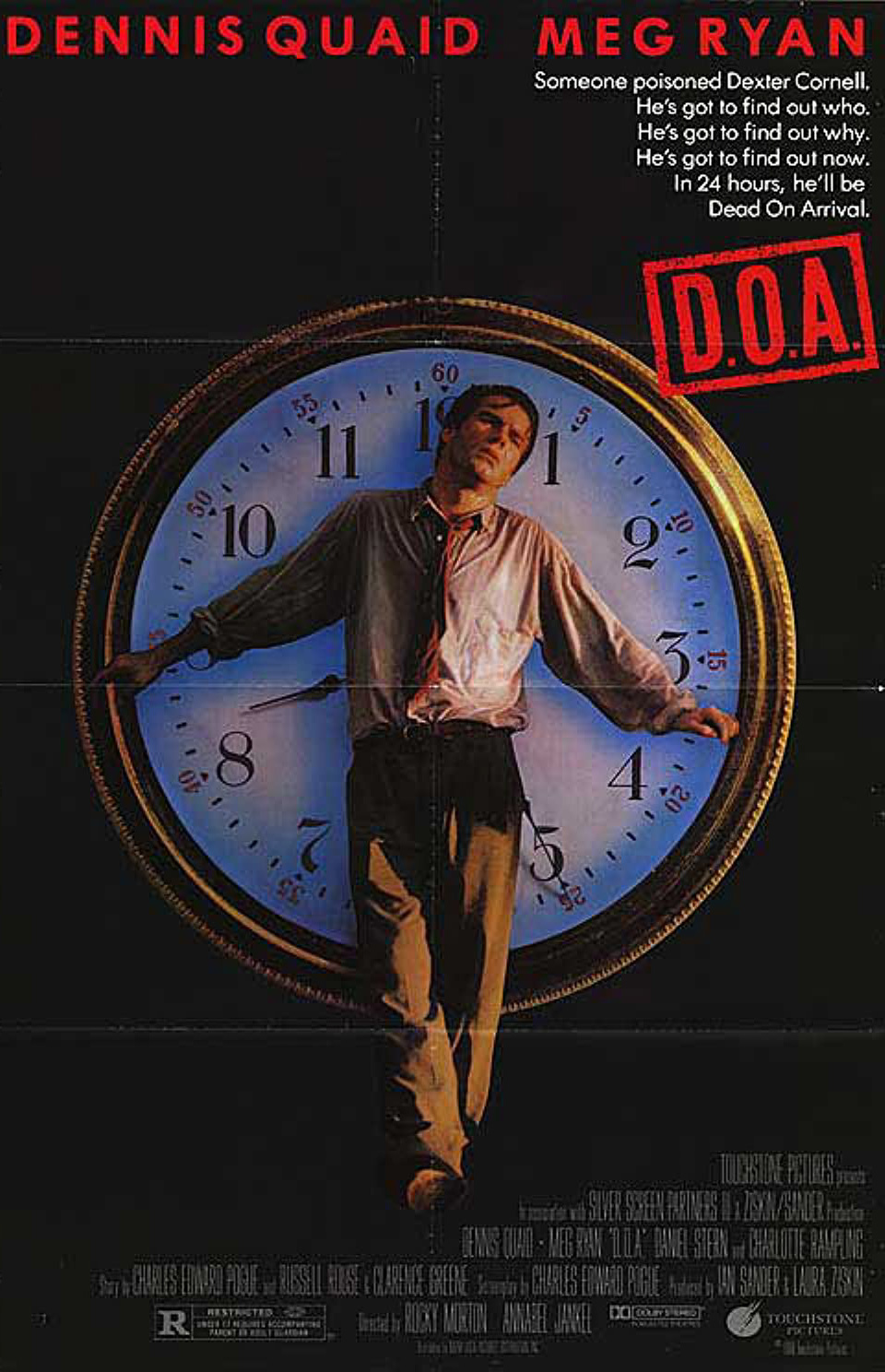
Just finished watching D.O.A. (1988) and Return Of The Jedi (1983)…

Ant-Man And The Wasp (2018) – Peyton Reed | Review | AllMovie
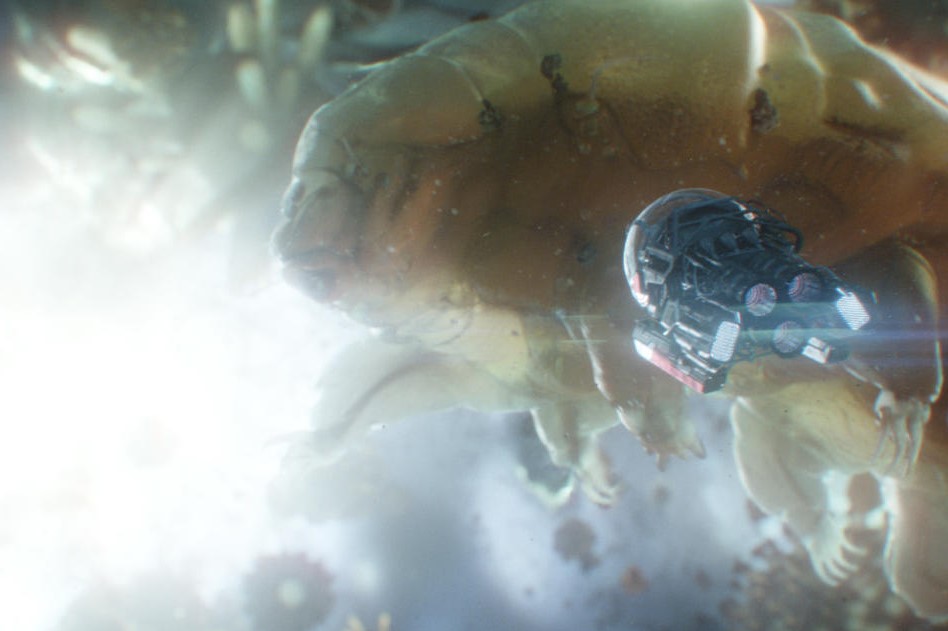
In Ant-Man and the Wasp, Director Peyton Reed (Yes Man) and principal writers Chris McKenna and Erik Sommers (Jumanji: Welcome to the Jungle) prove that size really doesn’t matter, whether that be of the characters or their place in the Marvel expanded universe.
Scott Lang (Paul Rudd) is trying to make it through the last stages of his house arrest after the events of Captain America: Civil War, but is being constantly harassed by his FBI keeper, Jimmy Woo (Randall Park). But a vision of Janet Van Dyne (Michelle Pfeiffer), wife of Hank Pym (Michael Douglas), who has been missing for thirty years in the quantum realm, leads him to contact Pym and his daughter Hope (Evangeline Lilly). This draws him reluctantly out of his home to help rescue her. In doing so, he gets entangled in a multi-layered plot to steal Pym’s technology, with each player having their own end goals. When caught between the self-serving Sonny Burch (Walton Goggins), the self-absorbed Ghost (Hannah John-Kamen), and the pursuit by the FBI, which wants to use him to find Pym, Lang’s life suddenly becomes filled with choices that are harder than any he has faced before.
It isn’t often that there is a film where everything seems to coalesce. For it to happen in what is admittedly one of the lower-rank character films in the Marvel universe is even more surprising. But that is exactly what happens here. The directing, writing, acting, and cinematography blend together into a film that can be classified as exceptionally entertaining.
The story, as well as the flow of it, is superb. Every scene that might have otherwise dragged is spiced with humor that keeps the audience both laughing and engaged. Despite the complexity of the multi-layered plotline, the viewer is unlikely to get lost.
With the talented cast this film has, Reed’s work as director appears to come easy. He manages to draw the most out of each performer, and the actors’ performances are neither too subtle nor too overdramatic. The well-crafted script goes a long way in assisting with this.
As mentioned, every actor gives his or her all to the character they play (although Douglas and Pfeiffer’s parts are an underuse of their talent), to the point that you can often almost read their thoughts. They don’t need to tell you their motivations, they adeptly show them to you, ranging from Rudd’s portrayal of Ant Man down to Abby Ryder Fortson’s portrayal of Scott’s daughter Cassie. Even some of the smaller parts stand out, particularly Michael Peña as Luis. The moment when his character is compelled to tell the whole truth, and nothing but the truth, is an inspired performance not only by Peña but also by other cast members, too.
Again, we are faced with a film that could have easily presented the audience with dizzying movement and hard to grasp action scenes, but the effects and cinematography follow in what seems to be a new trend in the Marvel movies – they don’t shove too much at the viewers so that they can’t track the characters on the screen without the use of slow motion. Of particular note are the camera angles, which do a wonderful job of taking advantage of the characters’ size changes and the finely crafted props used to enhance these scenes.
If there was one complaint, it would be the development of depth in some of the characters. We don’t see enough of Ava’s backstory (or more specifically, her father’s) to know if she really has a bone to pick with Hank Pym or has been misled. The same goes for Laurence Fishburne’s Dr. Bill Foster. Are the flashbacks accurate, and whose story of the past bears the most truth? In reality, though, these are minor details and probably questions for another movie to answer.
Other than this, there isn’t much fault to find in Ant-Man and the Wasp unless the humor bothers you, or you just plain don’t enjoy superhero films. As a representative of the true action hero genre, Ant-Man and the Wasp stands tall.
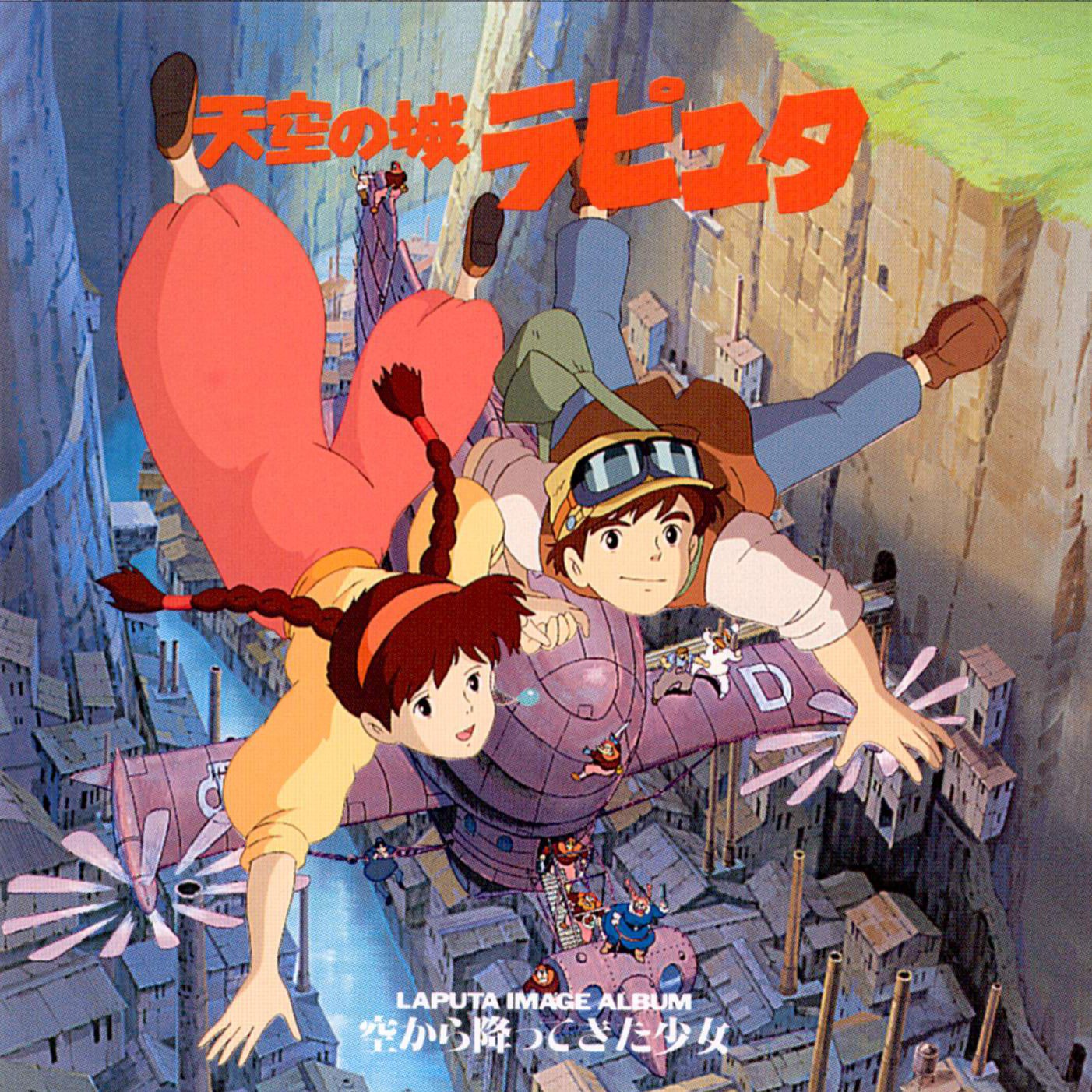
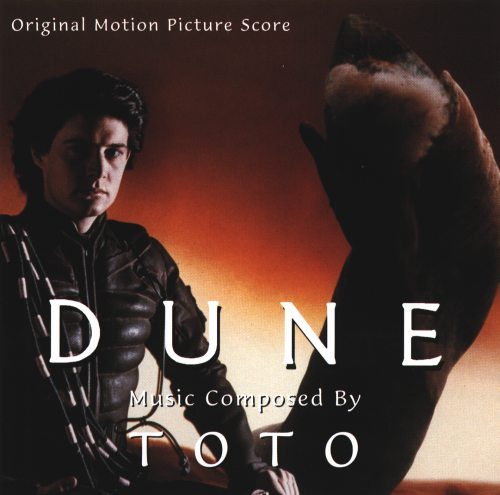
Now listening to Castle In The Sky by Joe Hisaishi and Dune by Toto…
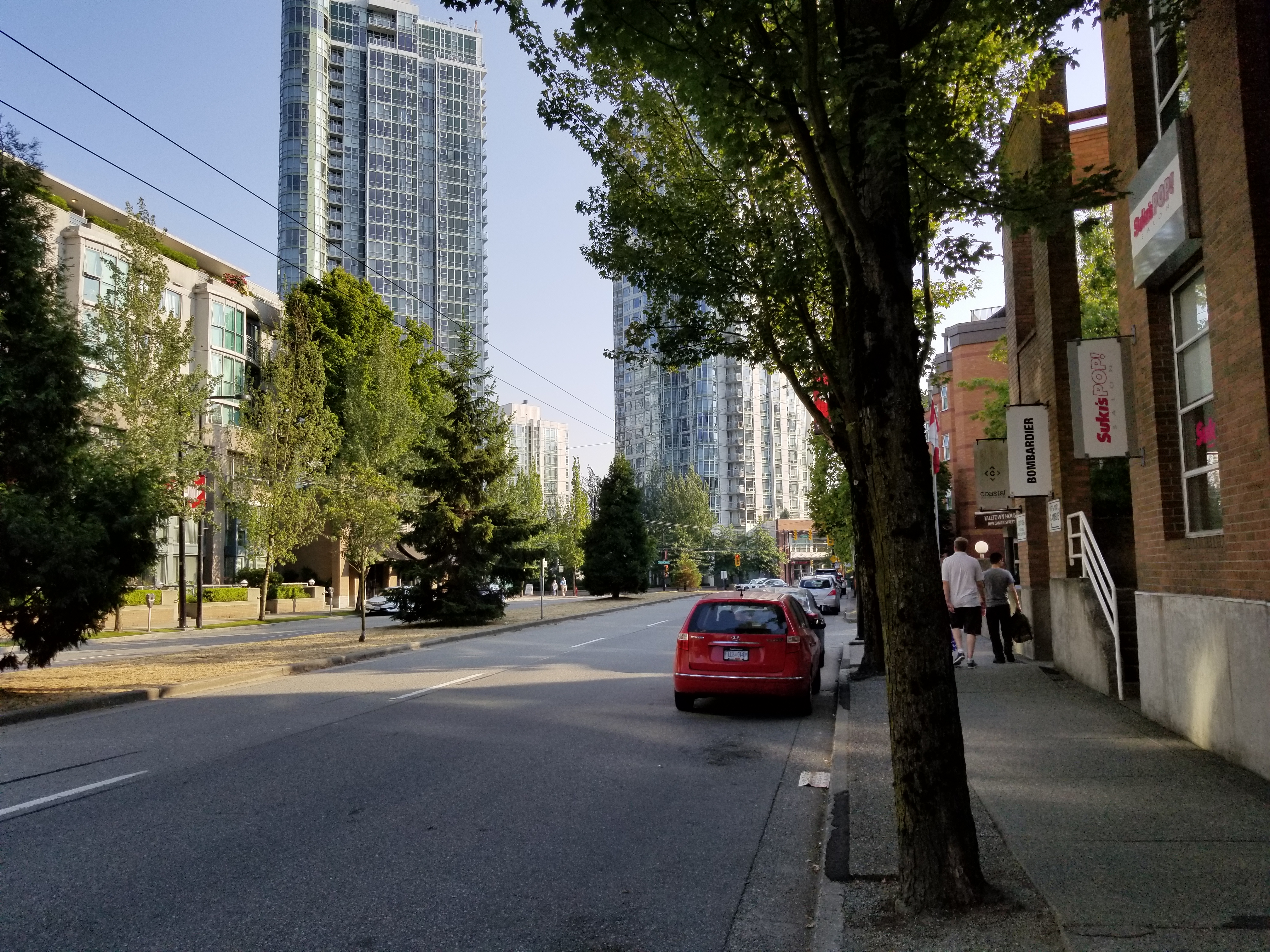
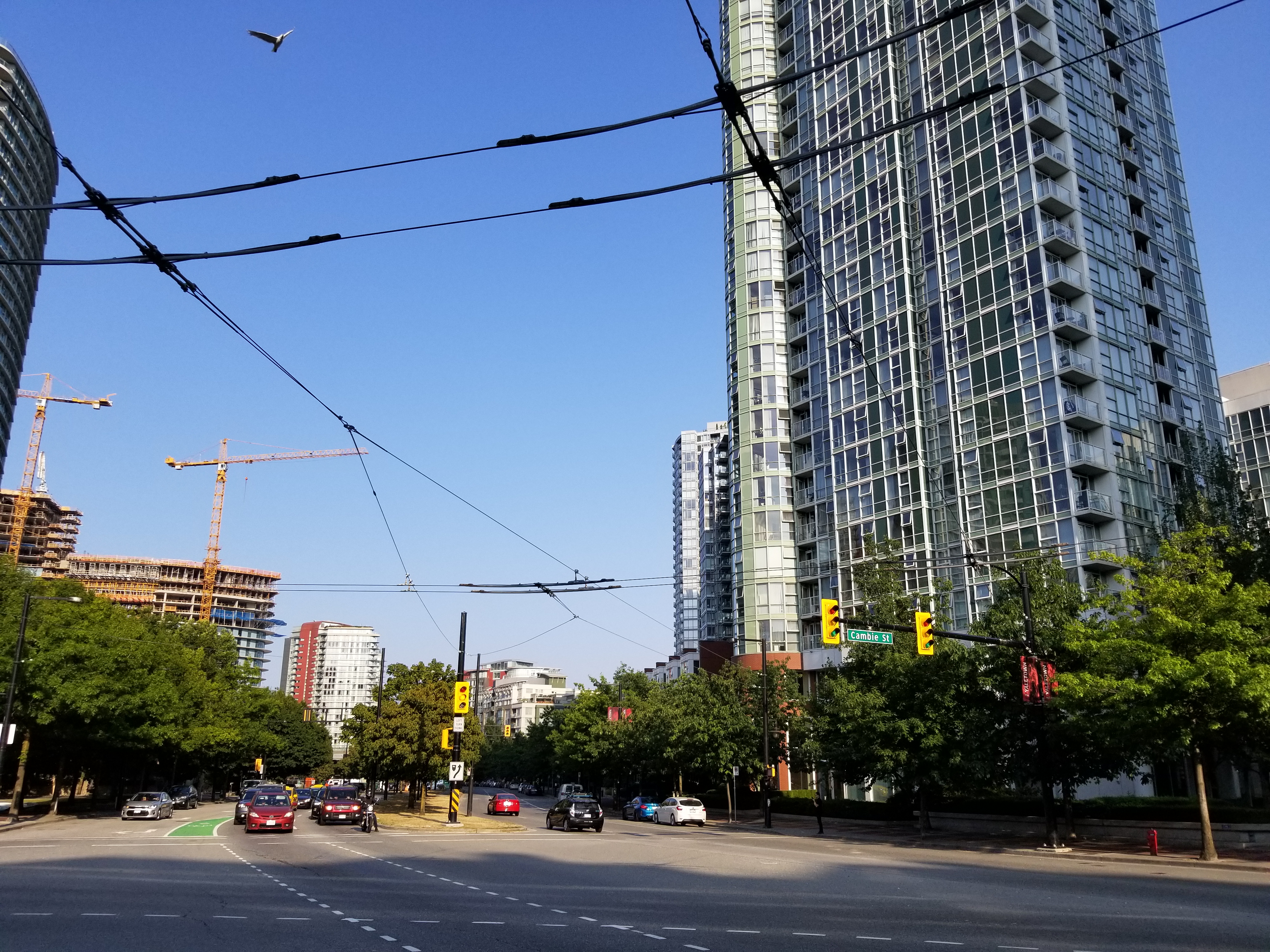
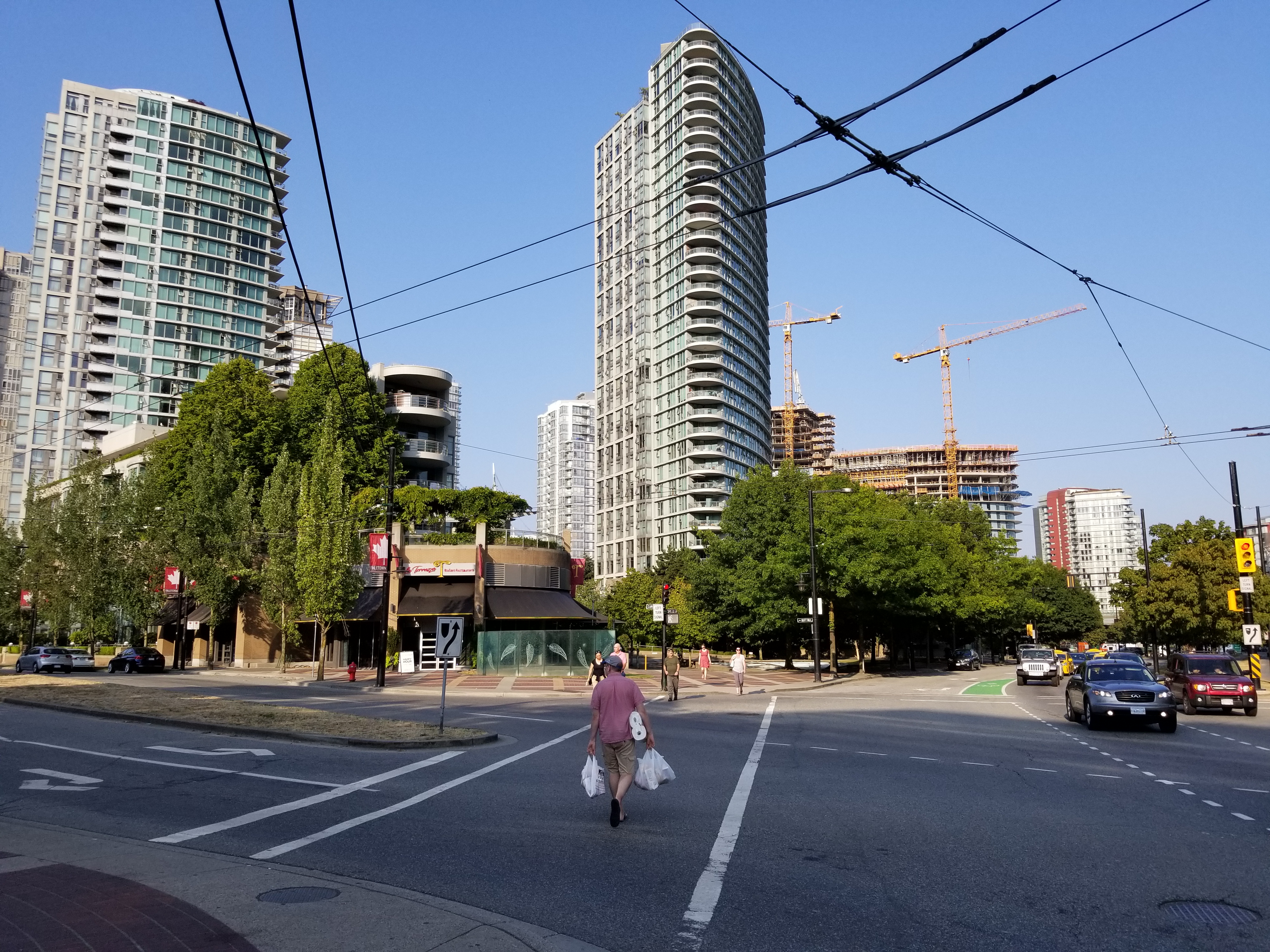
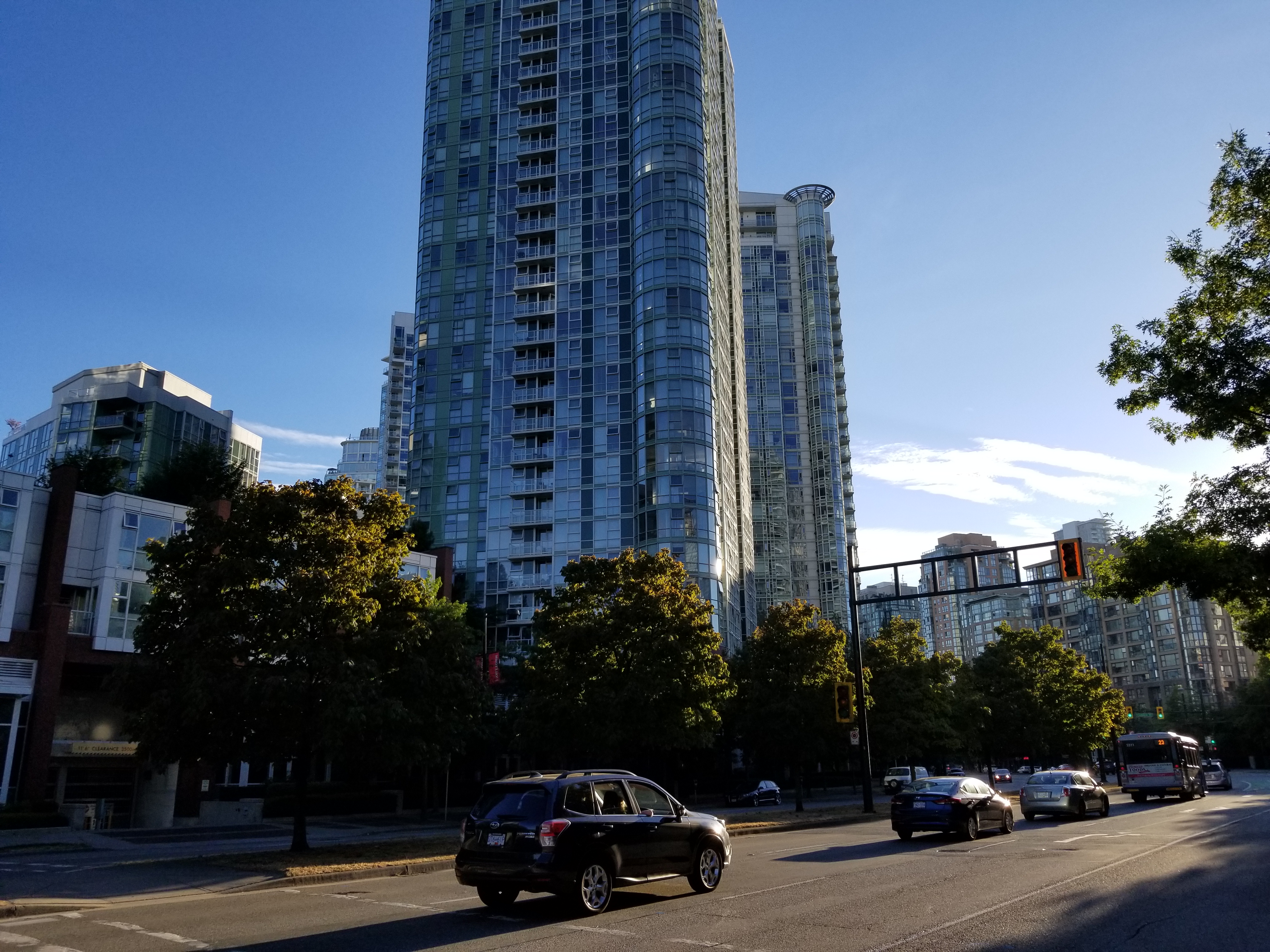
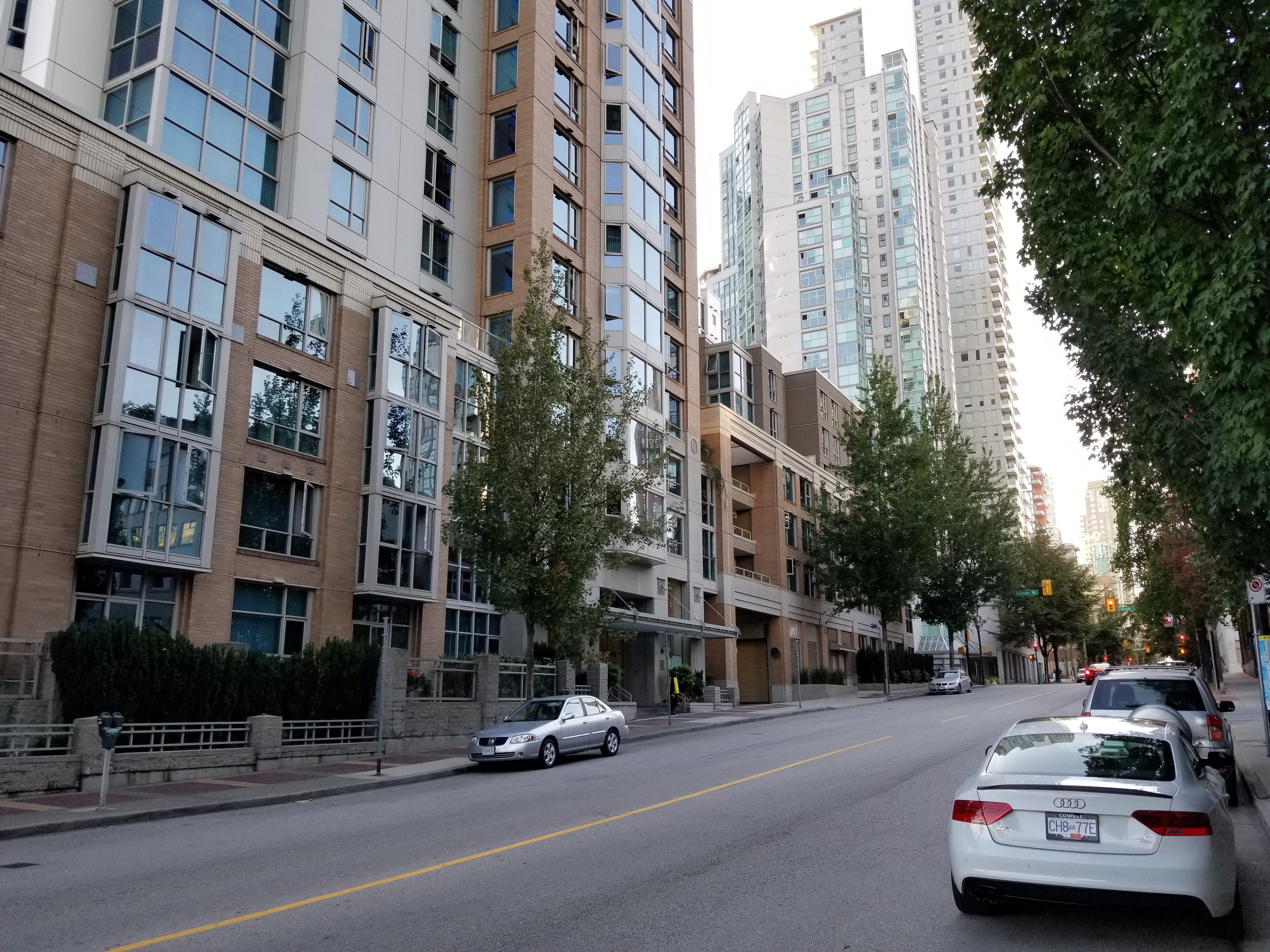
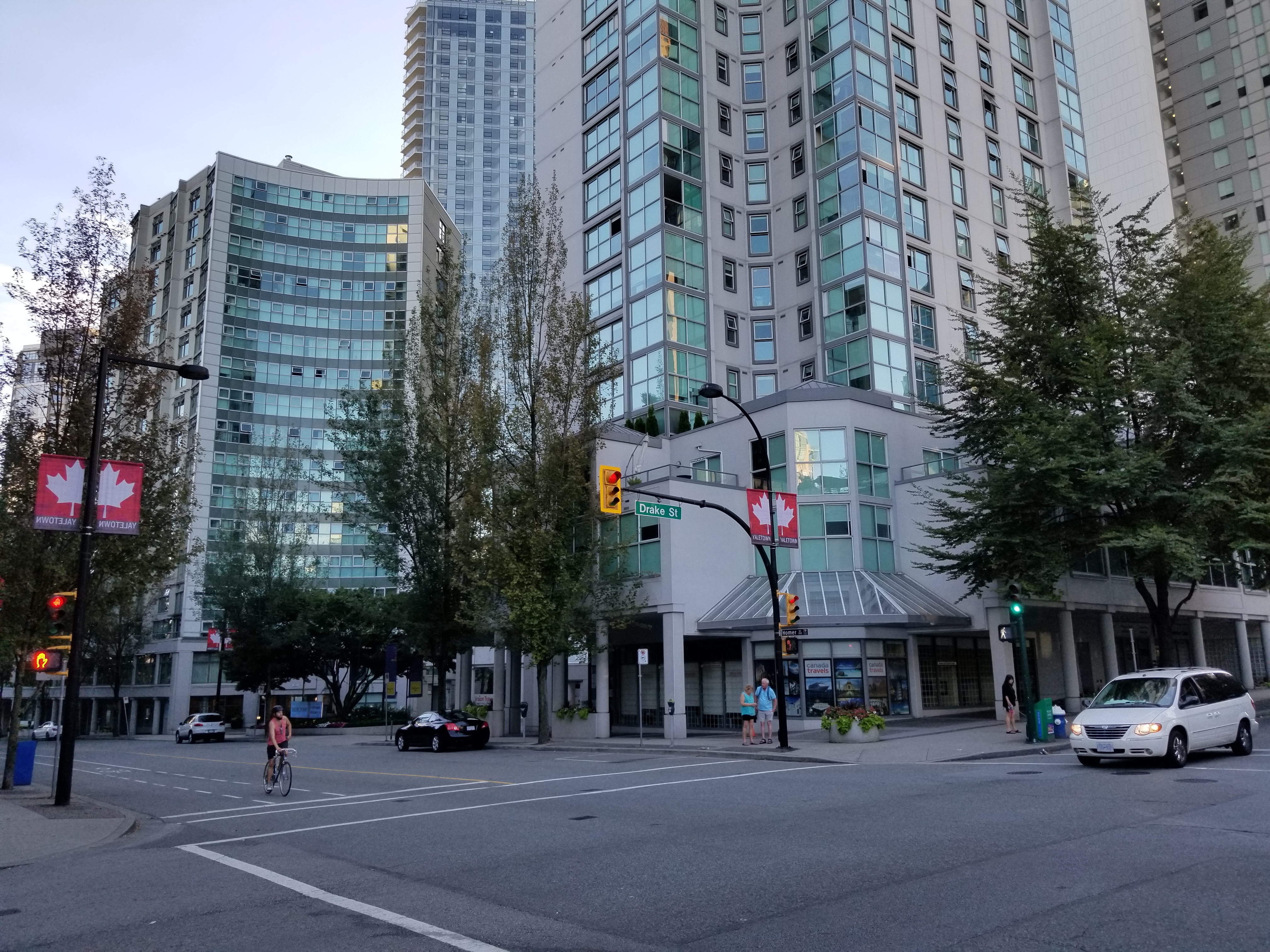
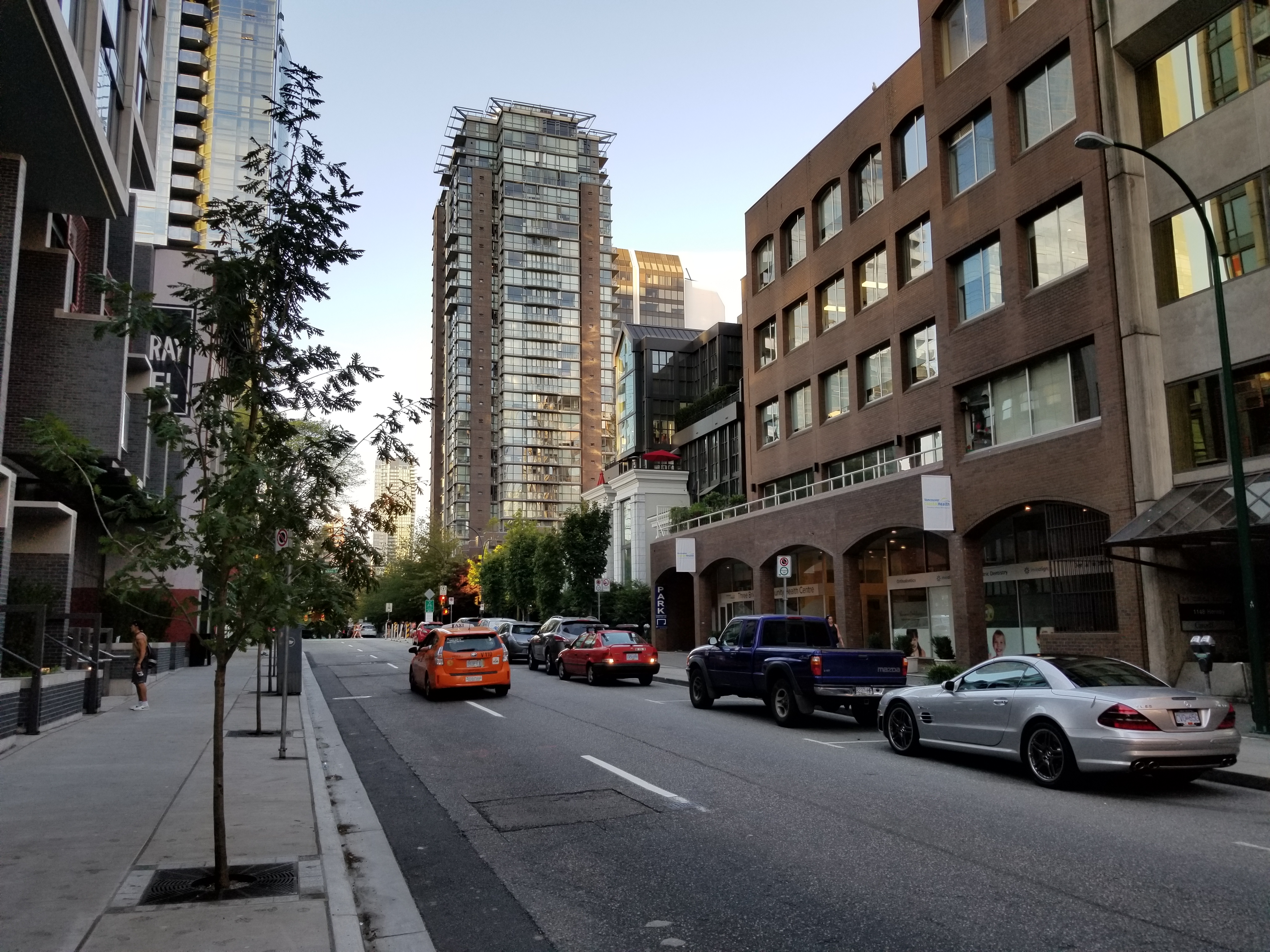
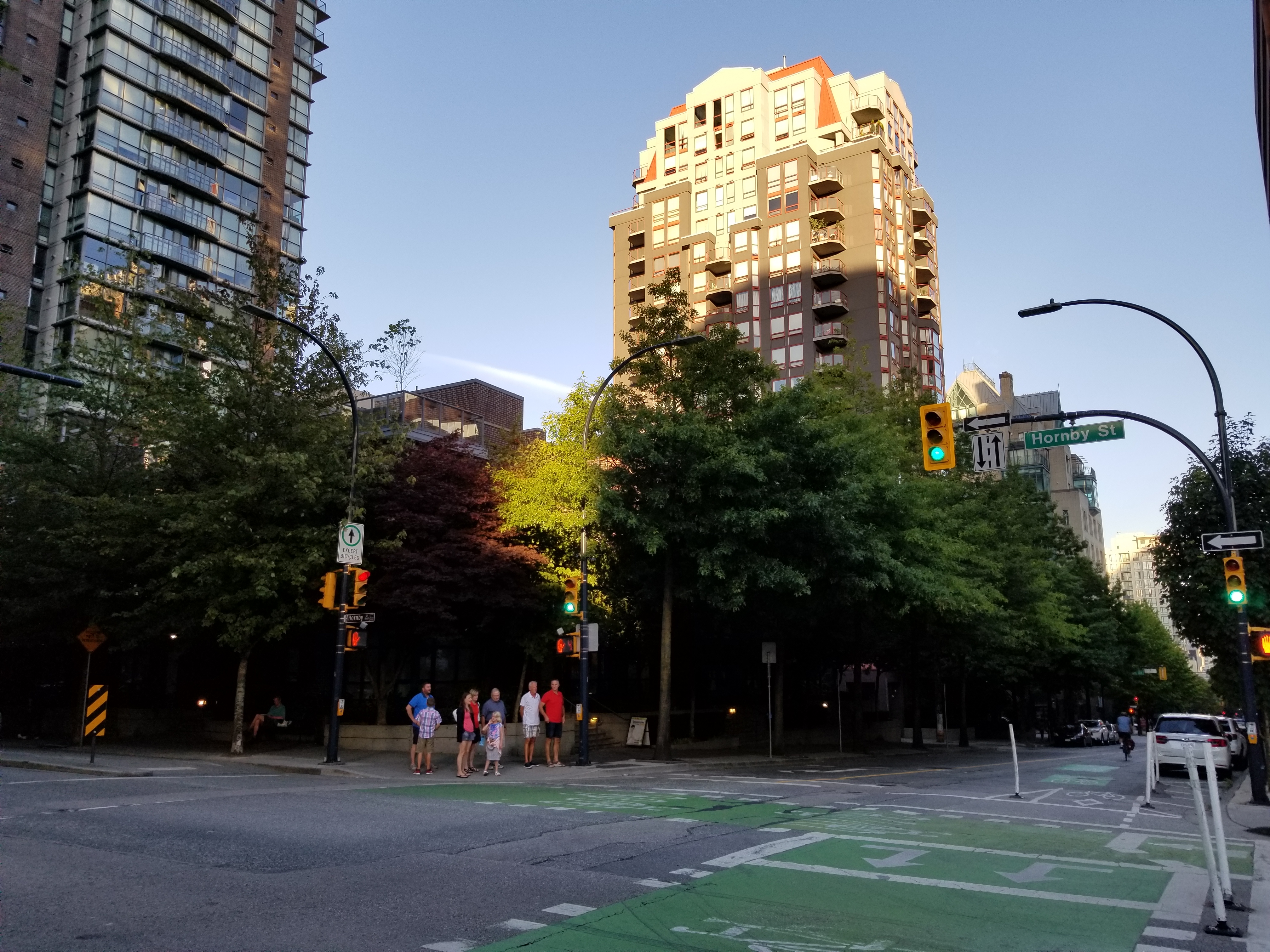
On Pacific Boulevard in Yaletown. Summer of 2018.


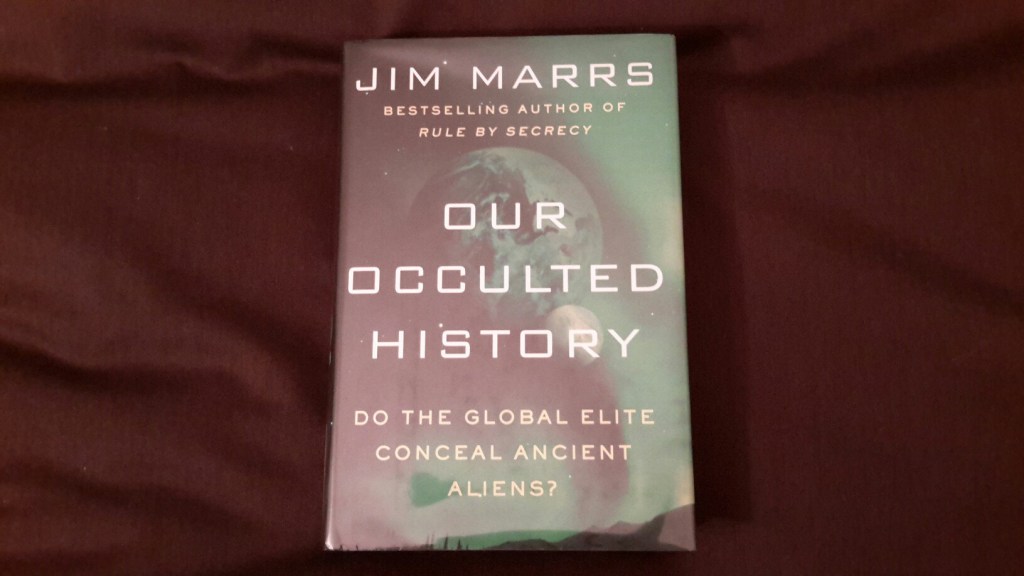
Now reading Our Occulted History: Do The Global Elite Conceal Ancient Aliens? by Jim Marrs…
Xenoblade Chronicles’ Forgotten Sci-fi Game Deserves a Port

Xenoblade Chronicles X is still stuck on the Wii U, and many fans are left to wonder why the sci-fi epic has yet to be ported to the Switch.
The story of the Xenoblade Chronicles trilogy has ended with the release of Xenoblade Chronicles 3, and now fans are wondering what the developer Monolith Soft is up to next. Some fans eagerly await the coming DLC waves for Xenoblade 3, while others look to Monolith’s past with hopes for a port of a forgotten classic: Xenoblade Chronicles X.
Given its launch on the Wii U and the already niche status of the Xenoblade series around the time of release, it’s no surprise that Xenoblade Chronicles X was not a big seller. Estimates place the game at having sold half a million units in a series that sells an average of two million units per game. Despite this, it has garnered a reputation within the fanbase, and with the rising popularity of the Xenoblade franchise, a Switch port could earn it the successful release it deserves.
Xenoblade Chronicles X acts as a spinoff entry, containing its own story. As the game is quite the departure, fans who have yet to play the main trilogy don’t need to worry about not understanding the story. Known traditionally for its blend of steampunk and fantasy aesthetics and stories that incorporate philosophical thinking, X leans into a much simpler plot that’s complemented by a heavy sci-fi aesthetic and majestic world.
Unlike its predecessor, Xenoblade Chronicles, X follows the destruction of Earth and the last remnants of humanity as they escape to a distant planet. A ship known as the White Whale is pursued by an alien coalition known as the Ganglion. Eventually, the White Whale crashes onto an alien planet, and the survivors are left to find the Lifehold that contains the rest of the ship’s occupants. The story ends on a cliffhanger that some fans believe is reason enough for a port and even a sequel.
While the cliffhanger may be gripping for some, others believe X’s simple story is somewhat lacking, as many fans used to the heavy narratives of other Xenoblade games may be put off by the more absent narrative. But the game is more focused on showing how the remnants of humanity struggle to survive on an alien planet, and thus more emphasis is placed on side-quests that show relations between characters and how their new environment impacts their livelihood. While the execution is a far cry from anything the trilogy has done, the main focus should be on Mira, the world the story takes place.
One of the largest worlds in gaming, topping The Legend of Zelda: Breath of the Wild and The Witcher 3: Wild Hunt, Mira is reason enough to port the game. Coming in at nearly 155 square miles across five continents, Mira pushed the Wii U to its limits and demonstrated the technical prowess of Monolith Soft. Mira is, in the eyes of many, a character in itself due to its scale and density in content. With numerous landmarks and caverns to uncover, unique monsters to hunt, and quests to take on, all backed by a soundtrack composed by Hiroyuki Sawano of Attack on Titan fame, Mira is packed with content that more than makes up for the lacking story.
The game received good reviews as a result, sitting as the highest user-rated Xenoblade game on Metacritic and averaging a solid 84 with critic reviews. Critics cite the immersion as the game’s most significant selling point, a painstakingly crafted open world to explore and look at in awe. Other reviewers cite the magnificent combat system, which, though it may seem complicated at first, grants fans a wide array of player character customization options.
For many JRPG fans, Xenoblade X’s combat is the main draw thanks to its diversity. With a whopping 16 classes that the player character can switch between and 18 party members available, with a max party being four characters, there are plenty of ways to tackle challenging encounters. This also disregards the skells, the giant pilotable mechs that the player unlocks through advancing the story. These can also be used in combat and come with unique skills depending on how the player equips them, and more importantly, they can be used outside of battle as a new way to navigate Mira.
During the game’s release period, the director and creator of the Xenoblade series, Tetsuya Takahashi, commented on the skells via Twitter. Translated by Siliconera, he proclaimed that he has finally “met the challenge [he] had within [him], of creating an RPG in which humans and robots can co-exist.” Unfortunately, Takahashi went on record in 2018, stating in an interview with USGamer that porting Xenoblade X would be difficult due to money. Knowing that his ambition is stuck on the Wii U is tragic. However, with how much the Switch has helped the series take off and the fact that the original Xenoblade Chronicles saw success as Switch ports, a Xenoblade X port could perform much better and prevent the game from being lost to time.
The work of disenchantment never ends: Kim Stanley Robinson’s Icehenge
Icehenge (1984) is my favourite Kim Stanley Robinson novel, at least when I’ve just finished reading it. I first read it in 1985 as soon as it was published in Britain, picking it up because I’d been blown away by some of his short stories. Icehenge is incredibly ambitious and it really works, but its ambitions are very unlike what we usually see done in science fiction.
It’s set on Mars and Pluto between 2248 and 2610. It’s written in three sections, and all three are autobiographies—autobiography has become a popular genre in this future because with modern medicine everybody confidently expects to live about a thousand years. Unfortunately, memory is finite, so people only really remember about eighty years, with just occasional flashes of the time before that. Writing diaries and autobiographies for your future self saves them looking things up in the public records, and there might be things you want yourself to know about yourself that you don’t want to get into those records.
It’s not possible to discuss the weird cool things Icehenge does without some odd spoilers—to be specific, I can’t talk about the second and third parts of the book without spoiling the first part, and there’s also a spoiler for some odd things it’s doing.
The first section is the diary/memoir of Emma Weil. She’s a lovely person to spend time with, direct, conflicted, an engineer. Her speciality is hydroponics and life-support. She’s aboard a mining spaceship in the asteroids when a mutiny breaks out—the mutineers are part of a planned revolution and their spaceship is part of a planned jury-rigged starship. They want her to go with them to the stars. She chooses instead to return to Mars and get involved with the revolution there.
Reading this section is such a joy that it doesn’t matter at all if you know what happens in it. This is also the most conventionally science fictional section—Emma’s an engineer, there’s a starship and a revolution, there are technical details about closed systems and they all have long life, you think you know what kind of book you’re getting into. You couldn’t be more wrong.
The second section is set in 2547 and is the memoir of Hjalmar Nederland, who is a Martian archaeologist literally digging up the remnants of his own life. (He knows he lived in the dome he is excavating, though he doesn’t remember it.) He finds Emma’s diary and it vindicates his theories. This whole section is both structured around and atmospherically charged by T.S. Eliot’s The Waste Land. Robinson directly references it from time to time: “We fragment these ruins against our shore,” the unreal city of Alexandria, the vision of Emma as another climber. More than that, the spirit of the poem is the spirit of Nederland. He reads Cavafy, but he breathes Eliot. This is very hard to do, and even harder to do subtly, but Robinson manages it. It’s a strange dance of despair. Nederland knows that we can’t really know what happened in history, that we constantly revise and reimagine it, even our own history, even when we do remember it.
In this section we see Mars much more terraformed, but still caught in the strange political limbo. The Cold War is still going on on Earth, and Mars has the worst of both systems, the corporations squeezing and the five year plans. It’s interesting that they don’t have an internet and the Cold War has resolved itself in such a different way, when they have colonized the solar system and do have computers. I find this odder than older science fiction in some ways. This doesn’t make me ask where is my Martian terraforming project and thousand year lifespan. Perhaps because I first read it when it was shiny and new it still feels like the future, just one that’s subtly skewed.
When a huge circle of standing liths is found on the north pole of Pluto, Nederland realises that a hint in Emma’s journal explains that this amazing monument was left by the expedition she didn’t join.
At about this point in my re-read, I realised that it is my love for Icehenge that prevents me from warming to Robinson’s Red Mars. I like this version of long-life and forgetting and this version of slow-changing Mars so much better than his later reimagining of them that I felt put off and then bored. Maybe I should give them another chance.
The third section, set in 2610, involves a debunking of Nederland’s theory by Nederland’s great grandson, though Nederland is still alive on Mars and defending himself. And this is where Robinson provides the greatest meta-reading experience I’ve ever had. The whole thrust of this section makes me, the reader, want to defend the first part of the book from the charge of being a forgery. I love Emma Weil, I want her words to be real, I can’t believe they’re forged, that they’re not real—but of course, at the same time, I totally know they’re not real, Robinson wrote them, didn’t he? I know they’re not real and yet I passionately want to defend their reality within the frame of the story. I can’t think of a comparable whiplash aesthetic experience. And it happens to me every single time. Emma’s narrative must be authentically written by Emma and true—except that I already know it isn’t, so I know nothing and I feel… strange. It’s a fugue in text.
This is a book that asks questions and provides poetic experiences rather than a book that answers questions. It has a Gene Wolfe quote on the cover, and I’m not at all surprised that Gene Wolfe likes this. (I just wish T.S. Eliot could have lived to read it.) It’s odd but it’s also wonderful.
Legend of Zelda: Ocarina of Time, The Review
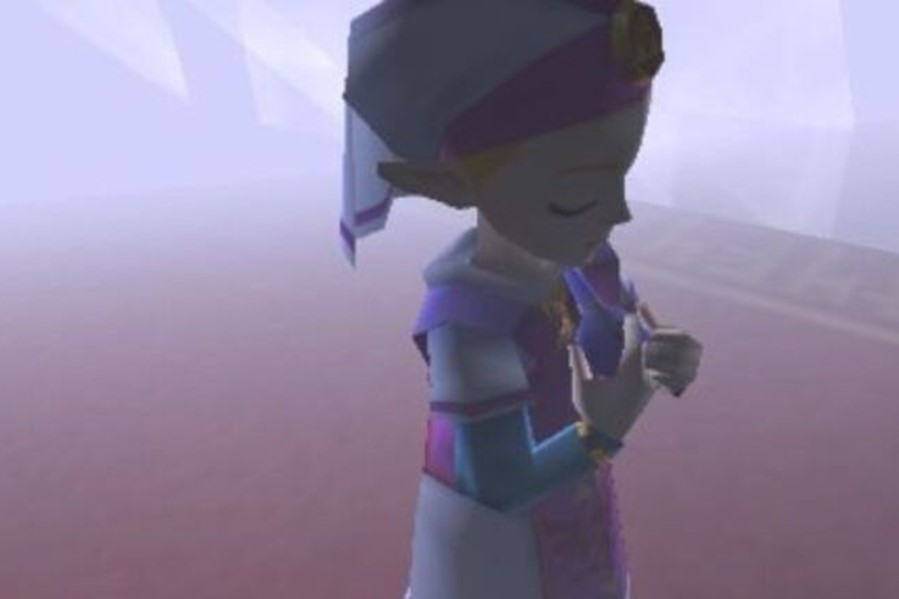
Ocarina of Time definitely follows in the footsteps of the previous games, and the result is a game that can’t be called anything other than flawless.
The Legend of Zelda is one of those magical series of games that always cause huge amounts of excitement. It sprung onto the NES scene in 1987, and it was a runaway success. Remember the chip shortages that delayed the 1988 release of the Adventure of Link? Or what about the first time you saw pictures of the Japanese version of 1991’s A Link to the Past? With the possible exception of Mario, no Nintendo series has caused such a level of hysteria or left behind so many great memories. Ocarina of Time definitely follows in the footsteps of the previous games, and the result is a game that can’t be called anything other than flawless.
You begin the game as a child of the forest. But by the time you’re done, you’ll be a fisherman, an errand boy, the hero of time, and, yes, even a traveling mask salesman. The game is chock-full of minitasks and subgames that run alongside the main quest, saving Hyrule from Ganondorf’s evil. This leads to an extreme feeling of freedom, even though a good portion of the game must be executed in a linear fashion. Stuck at the water temple? Then why not go scout around for some extra heart containers while you think about your dilemma?
The control really holds the game together. Most 3D game designers still haven’t mastered the art of controlling characters in a 3D environment, but that’s not the case here. Link moves beautifully, and controlling his various actions is a breeze. Essentially, your B button will always attack with the sword. The A button, however, acts as an action button, performing every non-item-related task in the game. At various times, A lets you climb, grab, dive, talk, and lots more. Three of the C buttons are used for items, any of which can be assigned to any of the three buttons. The top C button zooms in to a first-person perspective, which allows you to look around. The R shoulder button is used for blocking with the shield. The Z trigger is perhaps the most important button when it comes to dealing with enemies in the 3D realm. Hitting Z while looking at an enemy will cause you to lock on to that opponent. From there you can circle-strafe around them, hop from side to side, and always block in their direction. This is key to fighting all but the most basic of enemies and is extremely well conceived.
While there are some tough monsters, the main enemy in Zelda is the puzzle aspect of the game. Ocarina of Time forces you to think before you act, with numerous puzzles spread throughout the entire game. Some puzzles must be solved simply to exit a room, while other, larger puzzles sometimes cover an entire area. Some of the game’s puzzles are totally optional, usually rewarding you with a piece of a heart container – which you’ll need, but you won’t have to collect every single one as long as you’re quick with the Master Sword.The game’s items are the usual assortment you’ve come to expect from a Zelda game. The boomerang is an invaluable tool for young Link, as is the slingshot. These weapons are mere toys for Link’s adult body, however, so you’ll be using the bow and the hookshot (or grappling hook) for most of the game’s latter portions. Bombs, of course, come in handy no matter how old you are. The ocarina is probably the most-used item in the game. Throughout the entire game, you’ll learn various tunes for the ocarina. Playing these tunes does a lot of different things, such as turning night to day, opening certain doors, calling your horse, and warping from place to place. In a world as large as Hyrule, warping is an extremely useful time-saver.
Time plays an important role throughout the game. As you proceed, time passes, and day quickly becomes night. At night, the fields of Hyrule can be a dangerous place. Time travel also comes into play, allowing you to jump seven years into the future and back again. The two times act similarly to the light and dark worlds in the SNES Zelda game, A Link to the Past. Things you do as a child will affect locations, and a few puzzles require the use of both time periods.
Graphically, Ocarina of Time is simply unmatched. Everything about the game just looks fantastic. You can see Death Mountain in the background of some portions of the game, complete with various smoke effects depending on what stage of the game you’re in. The cinematics, which, of course, use the game engine, look absolutely spectacular, and the effects used (the time travel sequence is especially sweet looking) really give the game a spectacularly majestic look. The game’s sound is also really quite amazing. Every tune in the game perfectly relates to the onscreen action. Even the songs you play on the ocarina are hummable. The sound effects are also perfect. The speech consists of mostly laughter, gasps, and battle yelps (heavy on the “hi-yah!”) and works very, very well. The game also takes your location into consideration. Dungeons and large canyons sound appropriately echoey, while underwater, noises are nice and warbled.
In a way, Ocarina of Time is a textbook example of retro done right. It manages to combine small aspects from all the previous Zelda games, giving you the same Zelda feel but in an entirely new way. Even in its huge, fiercely 3D world, the game retains a truly classic feel. This is a sequel at its finest, expanding on previous themes and bringing plenty of new stuff to the table.
Even if you’re specifically looking for it, it’s hard to find fault in Ocarina of Time. OK, to be fair, there’s a slight bit of slowdown in a couple locations, such as the water temple, but it isn’t frequent or harmful enough to even matter. The game offers a nice challenge, a stunningly well-told story, and the gameplay to back it all up. This game is the real thing. This is the masterpiece that people will still be talking about ten years down the road. This is the game that perfectly exhibits the “quality not quantity” mantra that Nintendo has been touting since the N64 was released. In a word, perfect. To call it anything else would be a bald-faced lie.
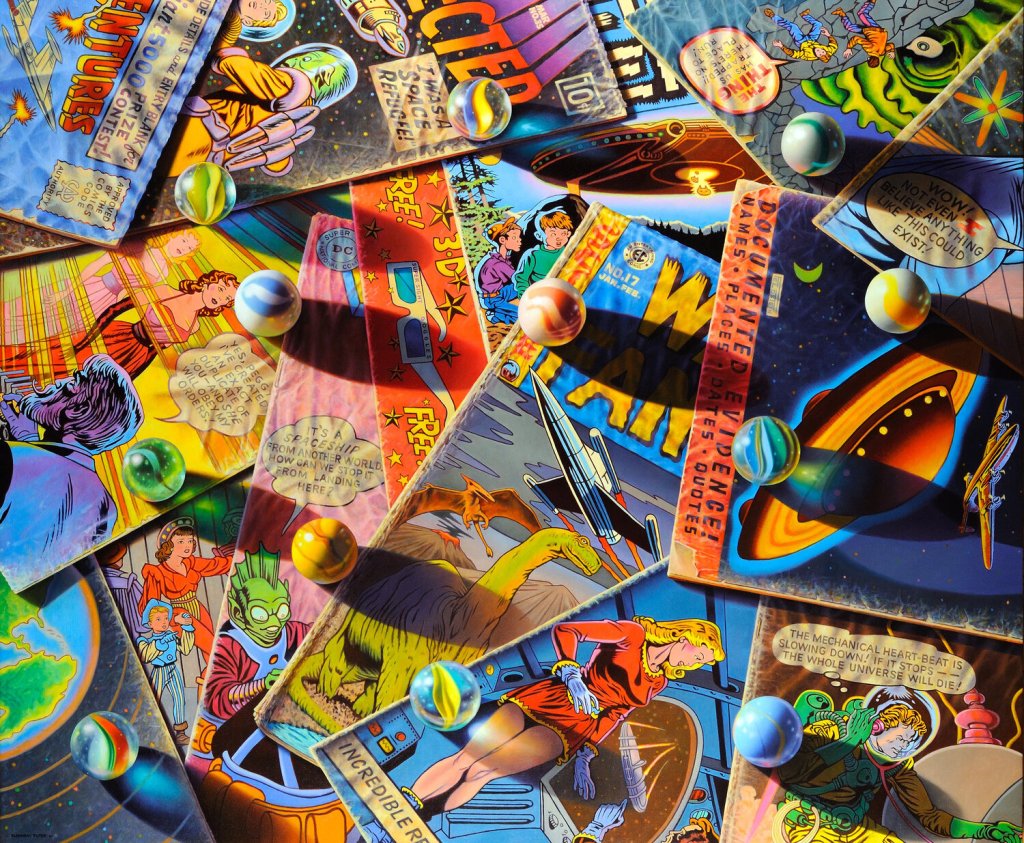
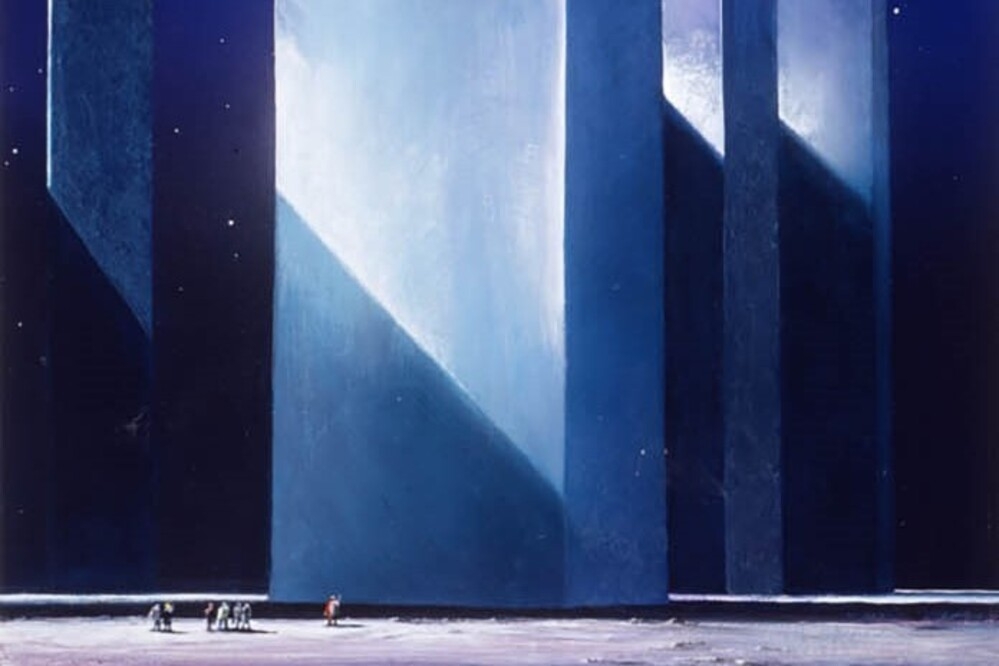
I Was A Space Refugee by Glennray Tutor, 2011.