


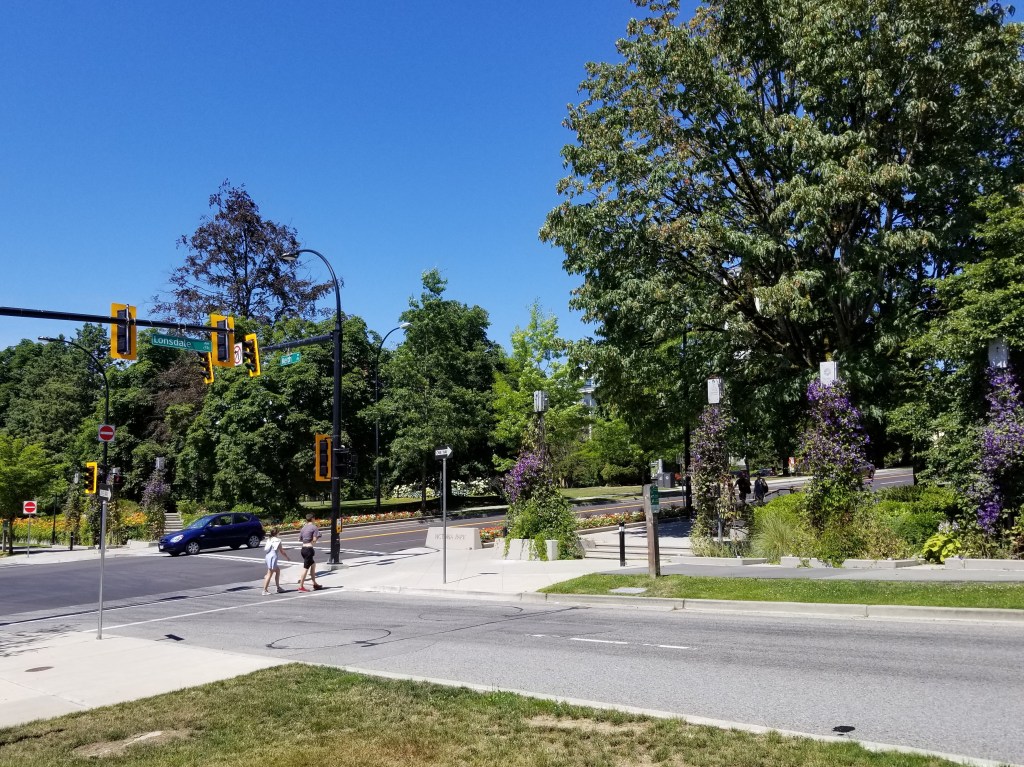
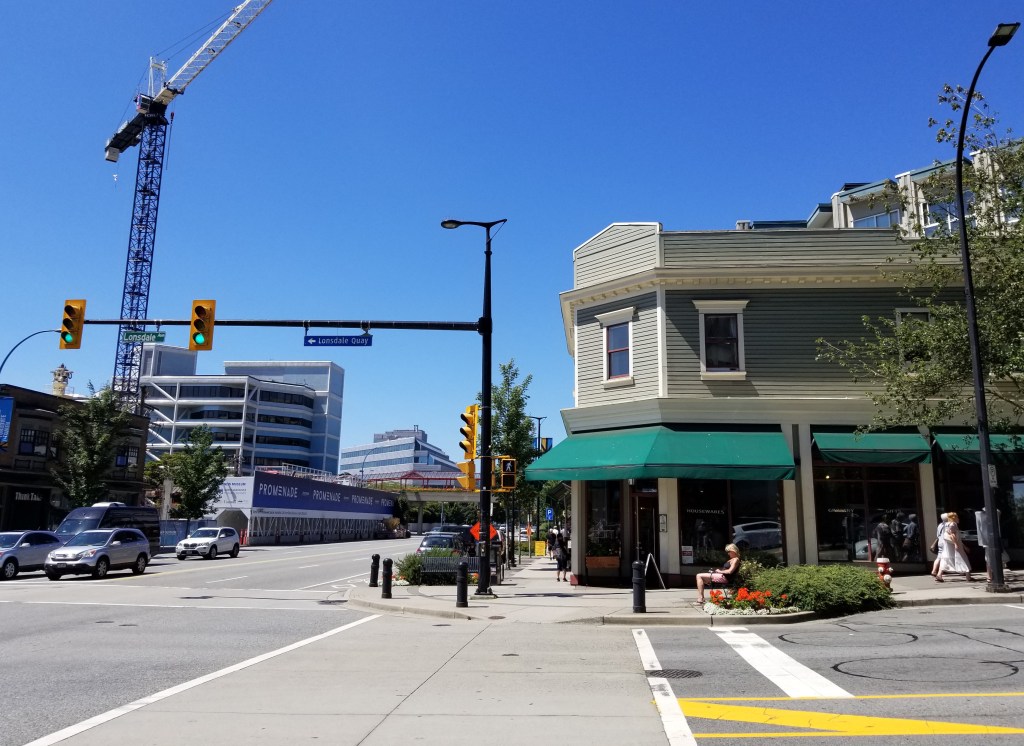
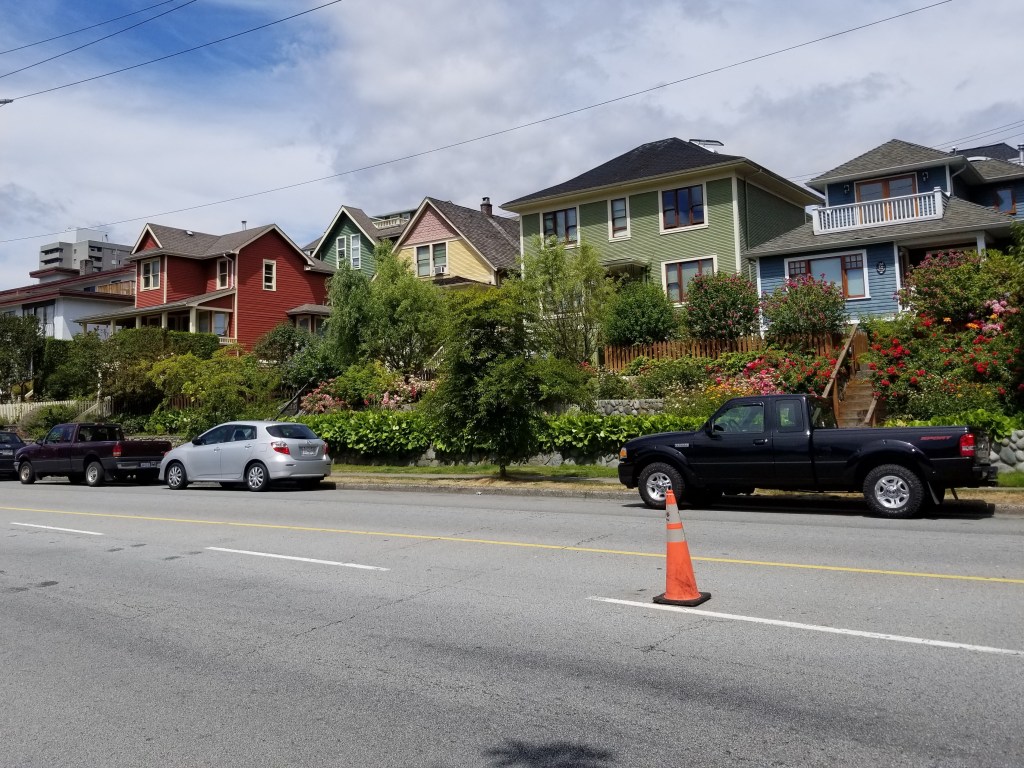
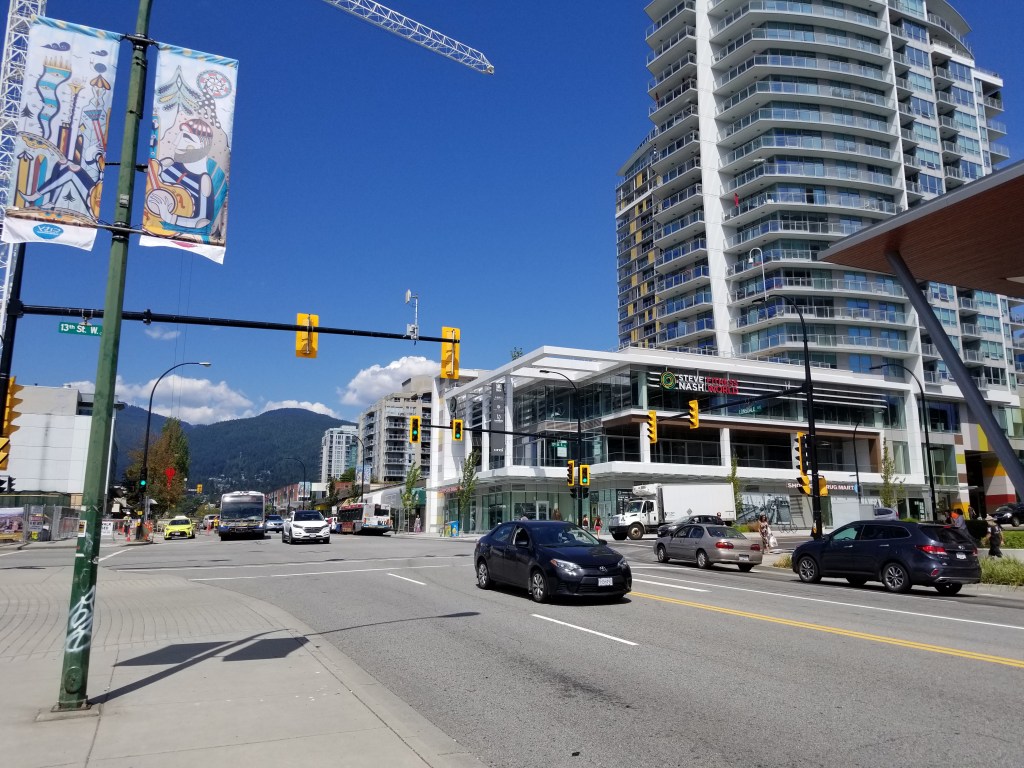
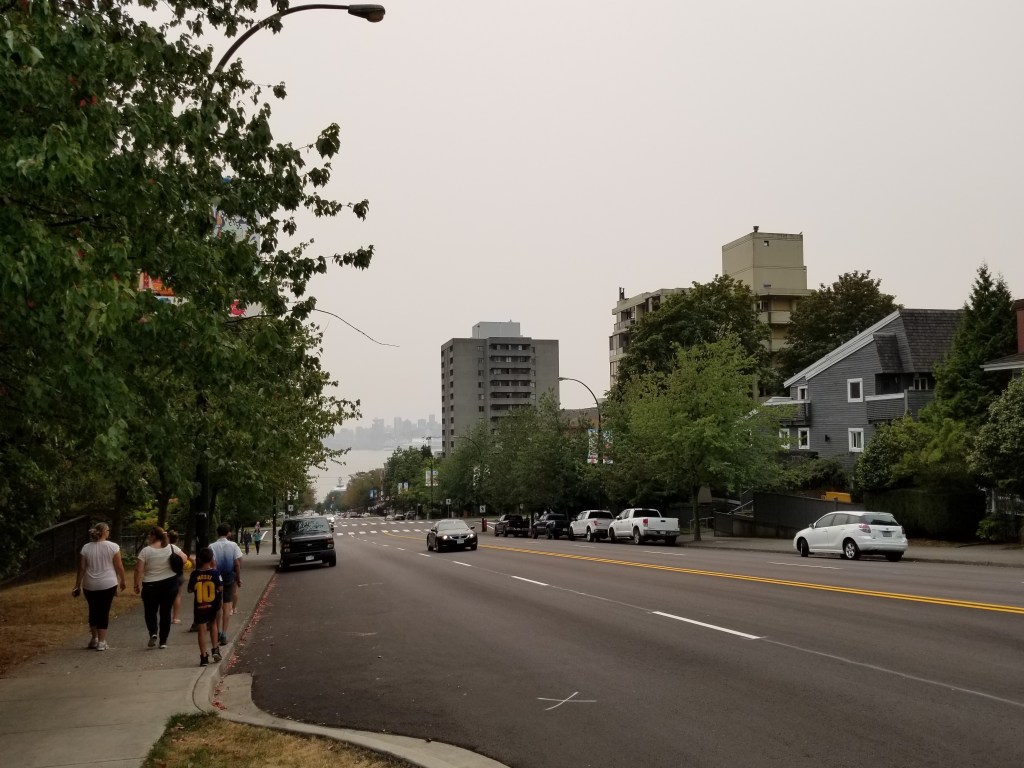
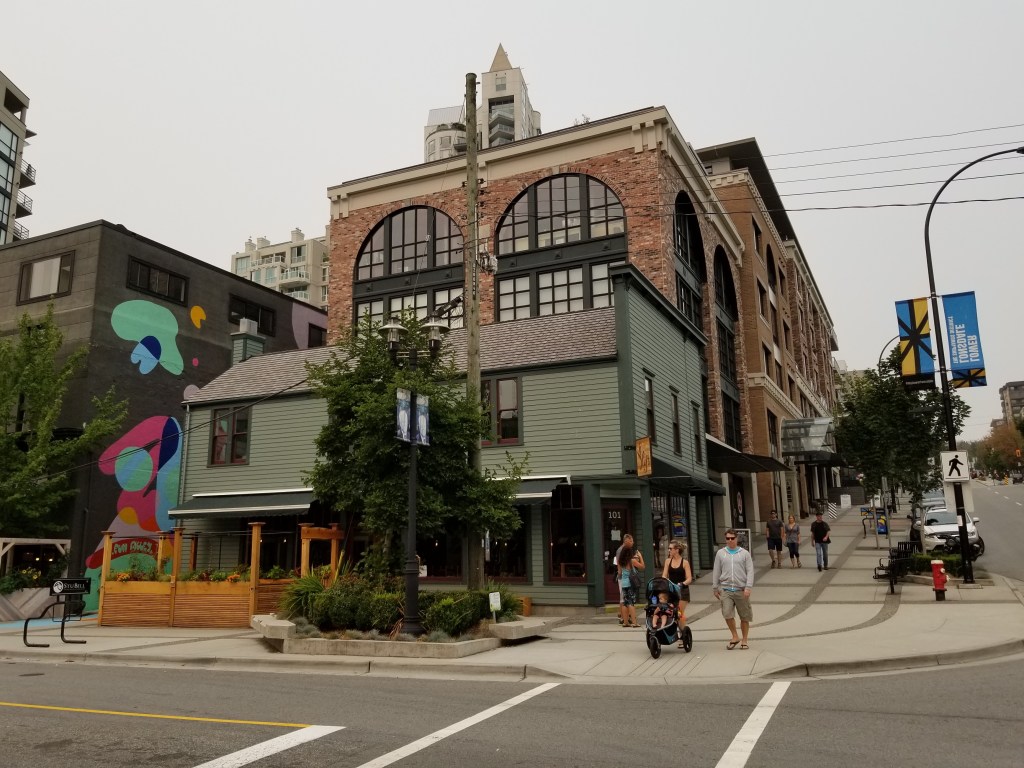
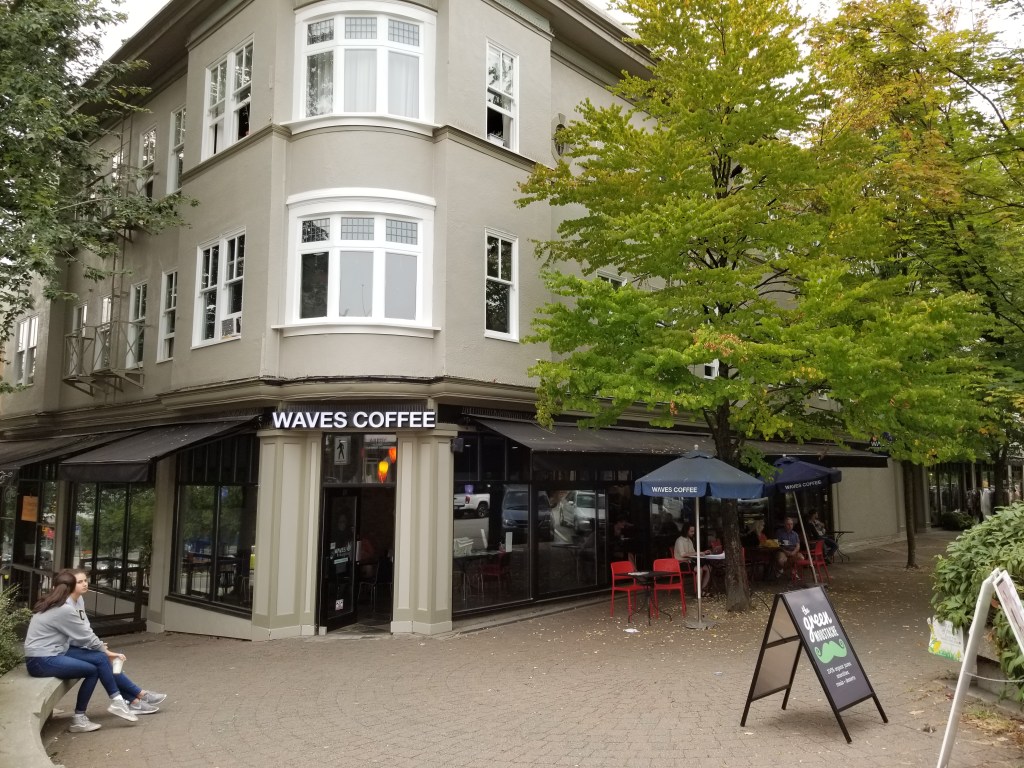
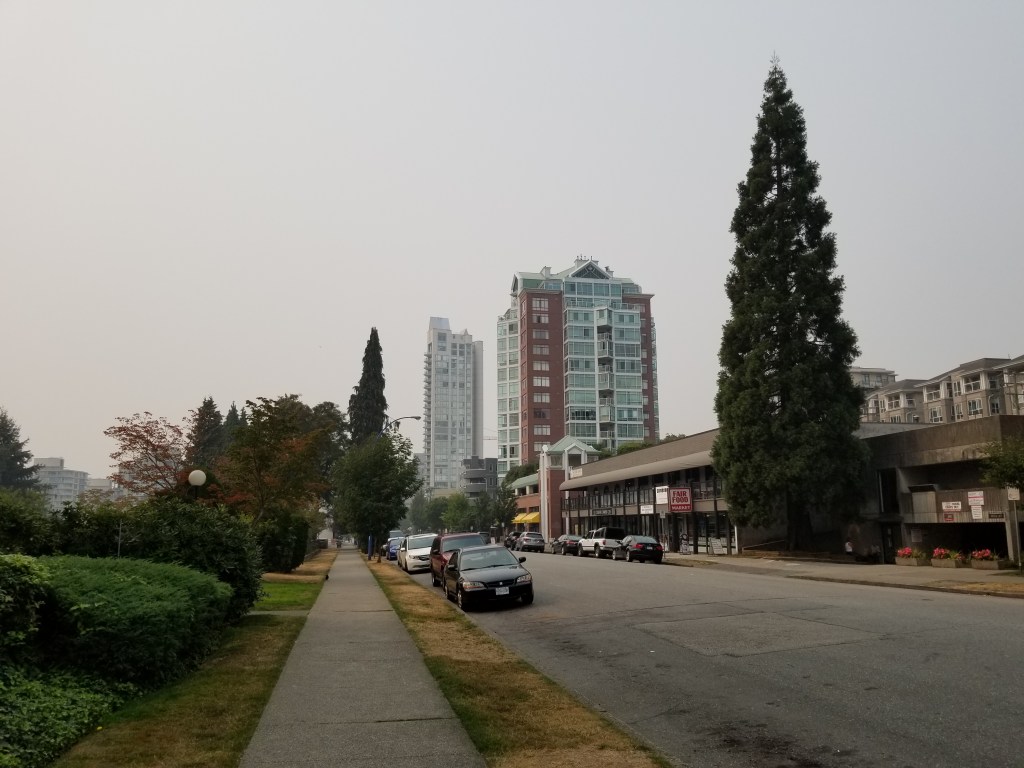
Lonsdale Avenue has been a cornerstone of North Vancouver since the city’s early days. When North Vancouver was first established, Lonsdale was planned as a prominent thoroughfare, running right down the middle of the city’s layout. Its strategic importance was tied to its role in transportation—originally, the ferry at the foot of Lonsdale (in Lower Lonsdale) was a key connection point. These ferries, initially privately owned, were later managed by the government as the city grew, ensuring steady access to resources and workforce mobility. This made Lonsdale a vital lifeline for the burgeoning community, connecting it to downtown Vancouver and beyond.
As of 2019, Lonsdale has become a desirable area for young professional families, business owners, and investors. With the cost of living in downtown Vancouver skyrocketing, many are drawn to North Vancouver for a high quality of life while still being close to the city. The avenue features art installations, new parklet outdoor spaces, and some of the North Shore’s best restaurants, shops, cafes, and parks.
Lower Lonsdale, closer to the waterfront, is known for its real estate market, with a mix of houses, apartments, condos, and vacant lots for sale. It’s also home to the Lonsdale Quay Market and the Shipyards, a popular spot for dining, events, and waterfront views.
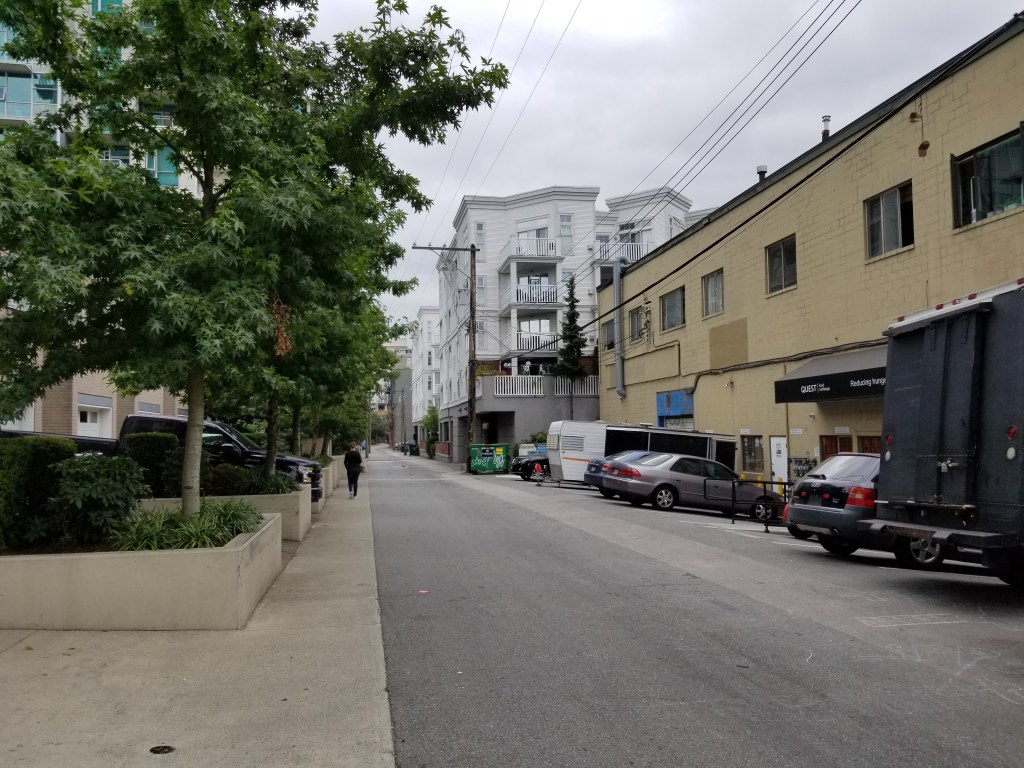
Further up the avenue, Central Lonsdale is more residential but still vibrant with charming coffee shops, restaurants, and boutique stores. It’s a walkable area with a community feel, often highlighted for its rows of shops and eateries.
Lonsdale Avenue encapsulates the evolution of North Vancouver—from a ferry-dependent settlement to a modern, thriving community. It’s a place where history meets contemporary living, offering a balance of cultural richness, accessibility, and community spirit.

Thank you for watching! This video is a detailed analysis and comparison between the Demon’s Souls PS5 remake and the original PS3 japanese version. I explain in detail why the remake’s changes ruin the original game’s story.

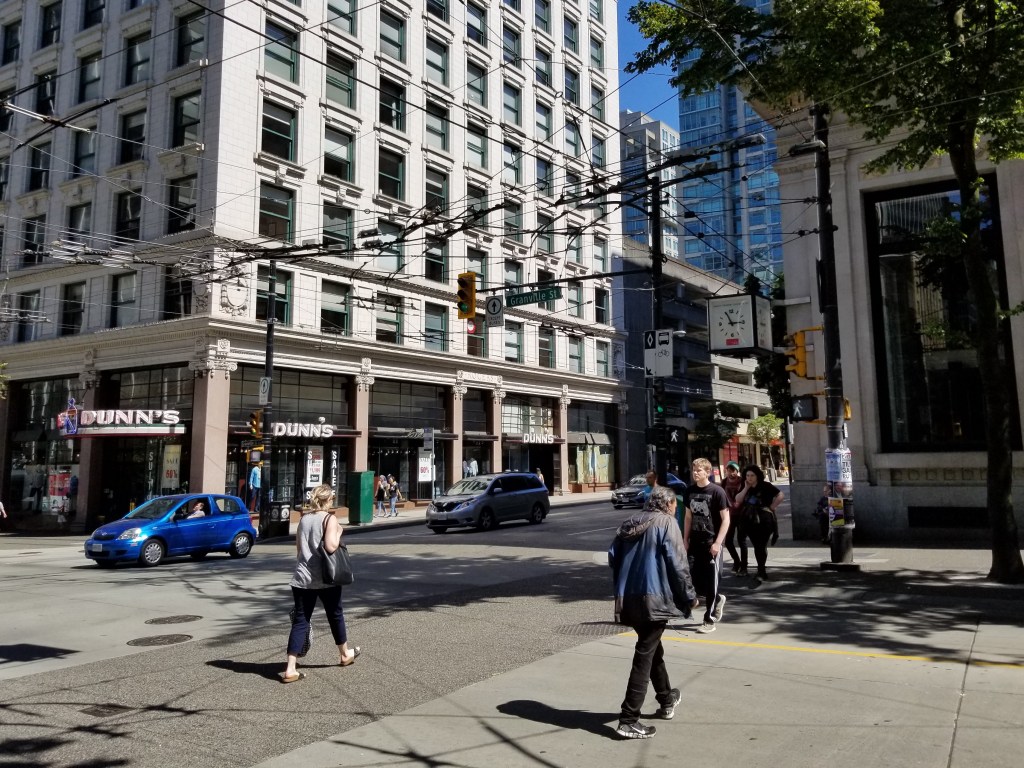
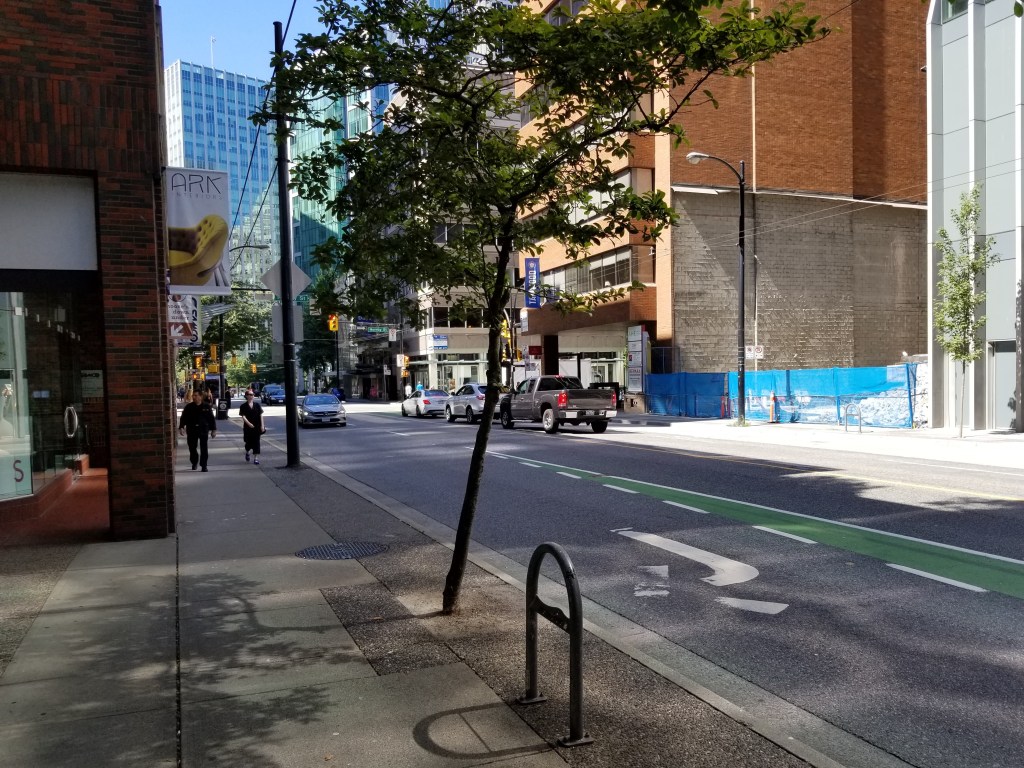
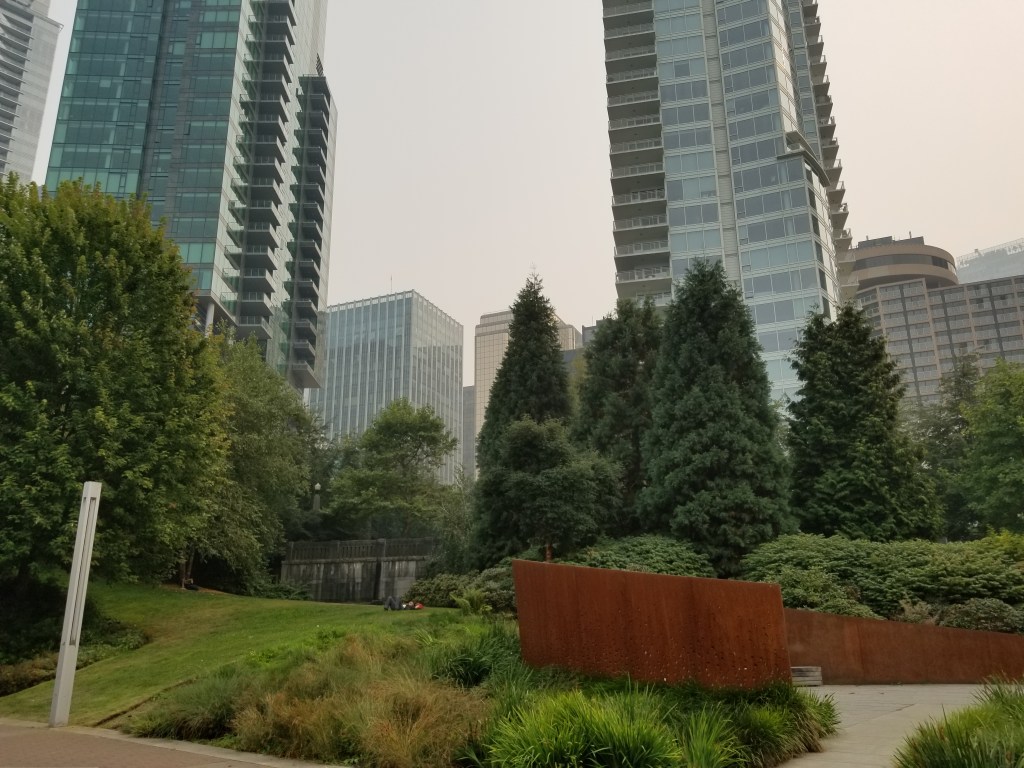
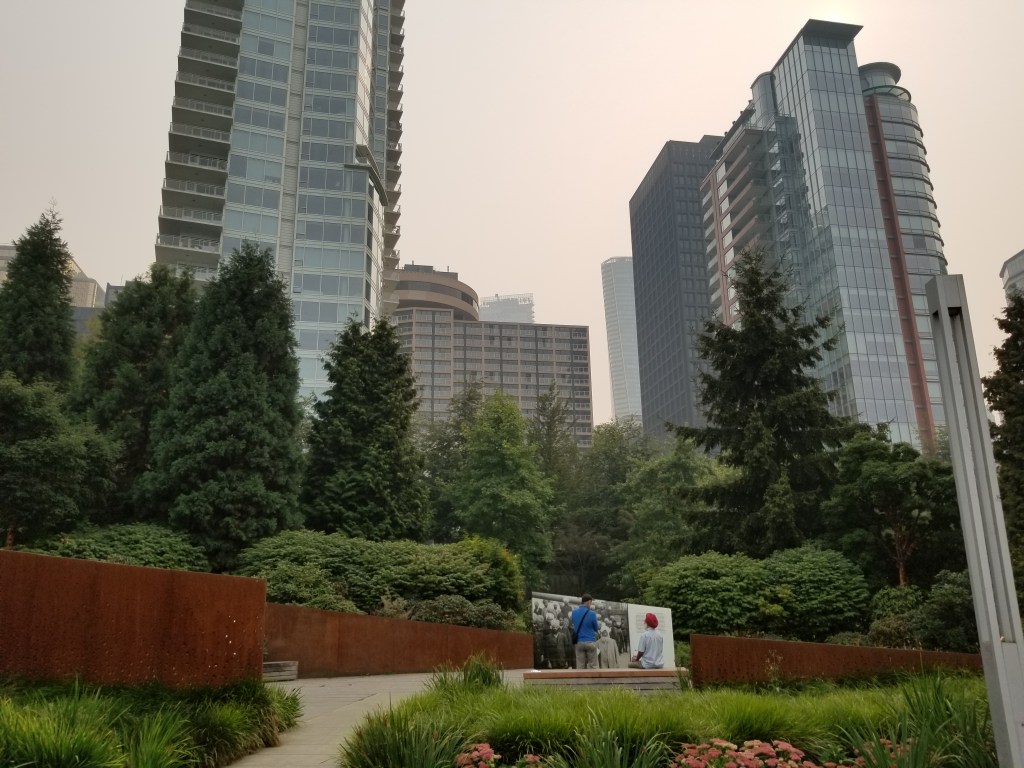
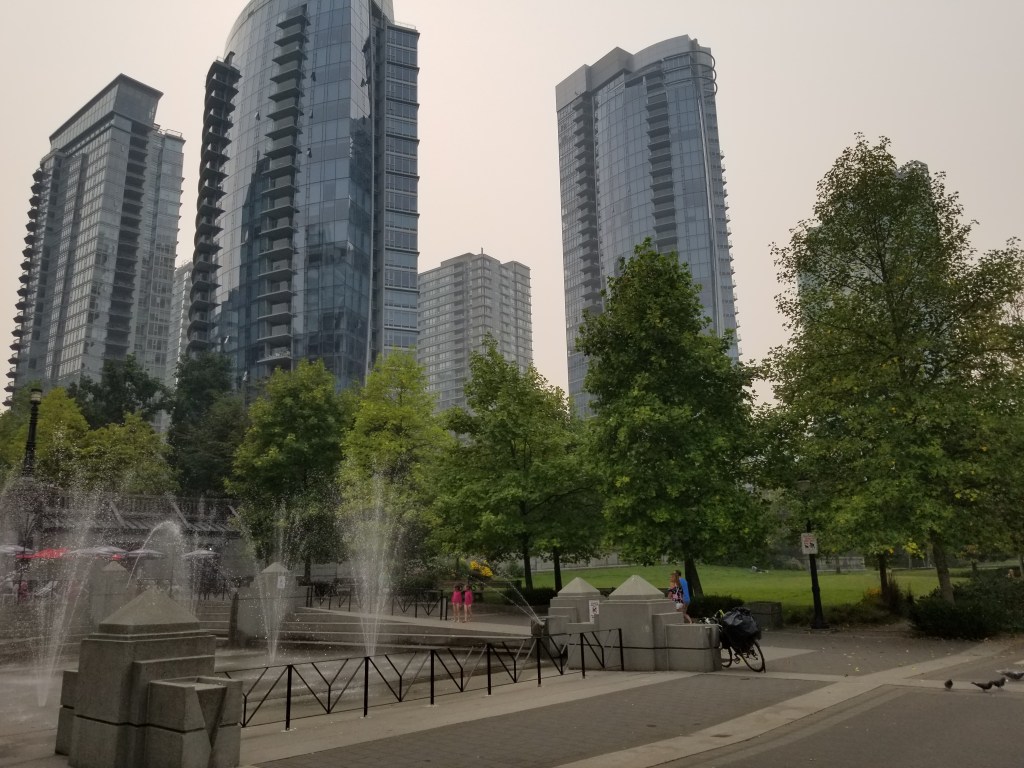
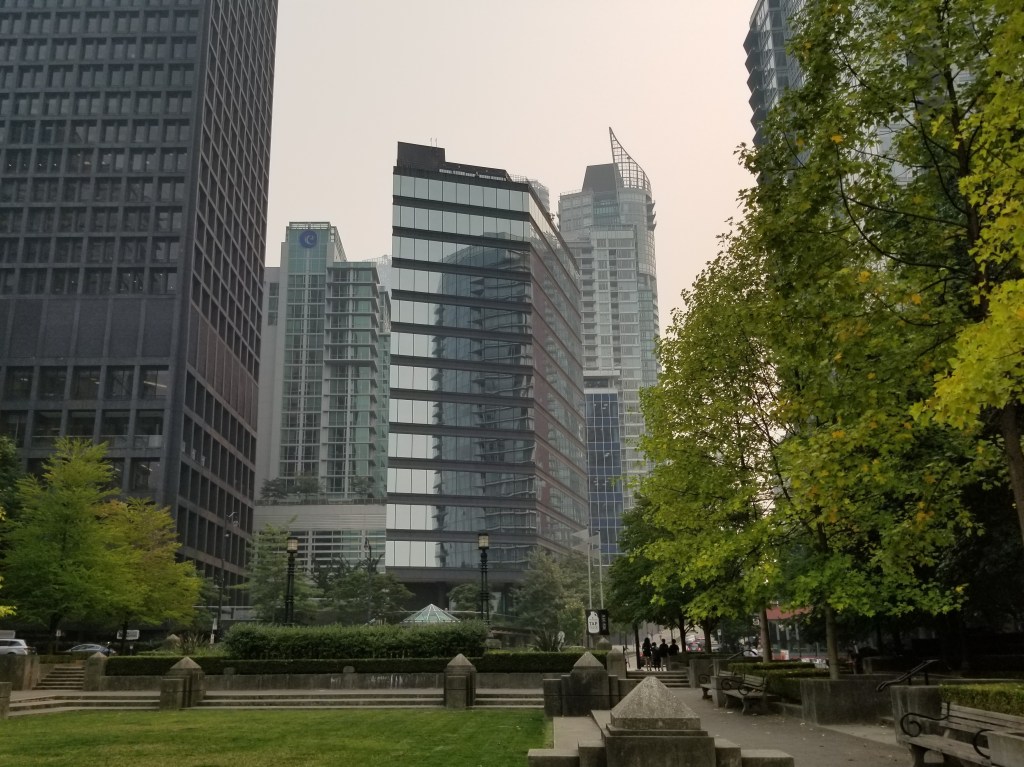
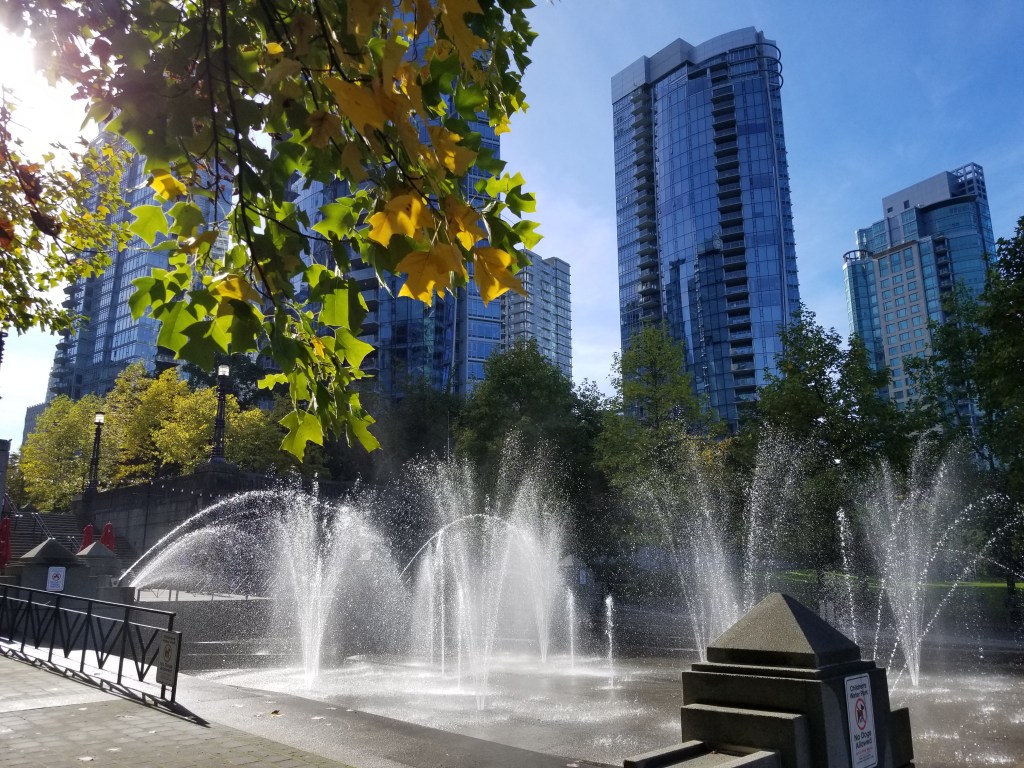
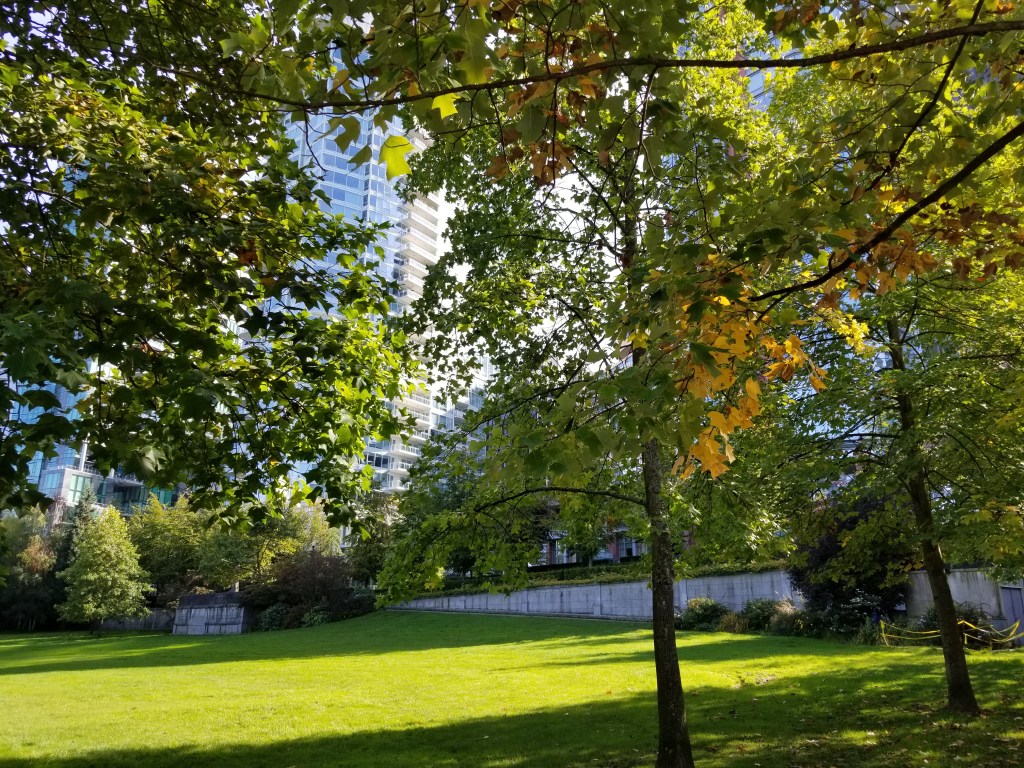
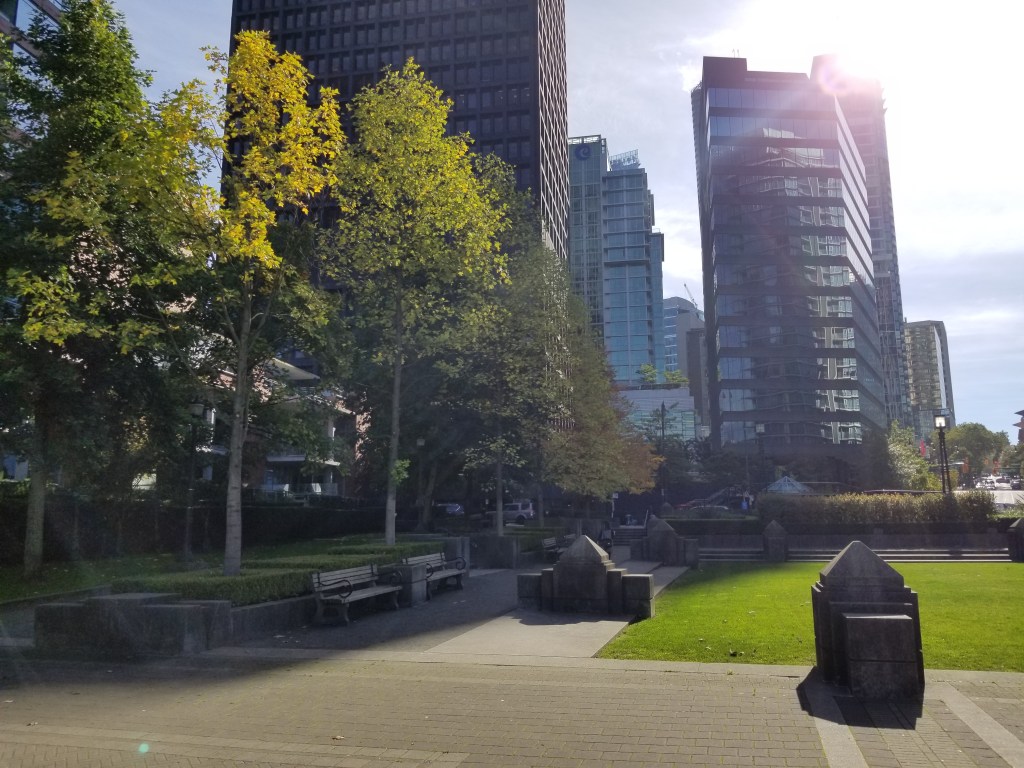
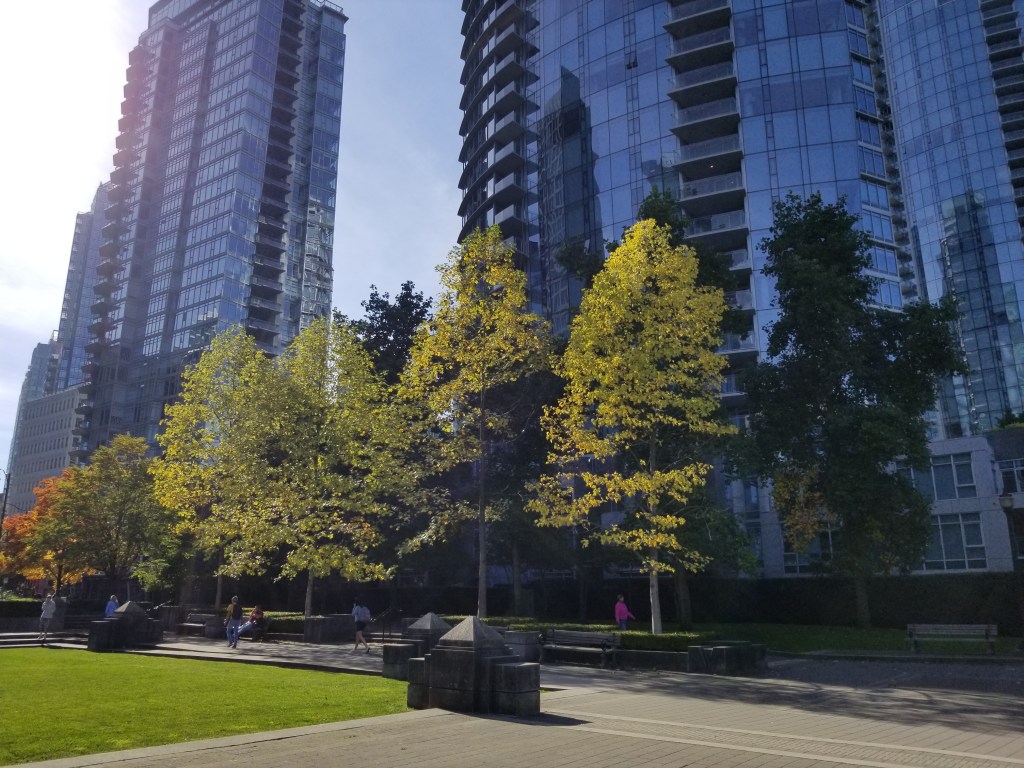
The Vancouver Seawall is part of the world’s longest uninterrupted waterfront path, the 28 km Seaside Greenway, stretching from the Vancouver Convention Centre to Spanish Banks Park. The downtown portion, particularly around Coal Harbour, is a popular segment for walking, offering a mix of natural beauty, urban views, and historical landmarks. Based on the web results, the Coal Harbour Seawall Destination Walk is a 5.77 km (approximately 7,572 steps) circular route that starts and ends at Canada Place, a notable landmark in downtown Vancouver. This walk takes you through lush green spaces, past prominent buildings, and provides exceptional views of the waterfront and the North Shore mountains.
Key highlights of this downtown seawall walk include passing through Harbour Green Park, the longest continuous waterfront park in the downtown area, which was constructed between 1997 and 2002. This park features a water feature that doubles as a spray park in the summer, with stepping stones winding through it. You’ll also get views of the Vancouver Rowing Club, several marinas, and Devonian Harbour Park, which serves as a gateway to Stanley Park. Along the route, you can spot artwork near the Coal Harbour Community Centre, inspired by the old boat sheds that once lined the shore, reflecting the area’s history.
The seawall in this area is designed for accessibility, with separate paths for walkers/joggers (closer to the water) and cyclists/inline skaters (on the inner path), ensuring a safe and enjoyable experience. The route showcases a blend of natural beauty and human ingenuity, with prominent buildings, green spaces, and the multi-use seawall path. It’s a great way to explore Vancouver’s history, architecture, and waterfront scenery, all while getting some fresh air and exercise.
If you’re looking to extend your walk, the Stanley Park Seawall, which connects to the Coal Harbour section, offers a longer 10 km loop (13,123 steps) that takes about 2-3 hours to walk. This loop is famous for its scenic vistas, landmarks, monuments, and sculptures that connect Vancouver’s past and present. Note that sections of the Stanley Park Seawall, like those between Prospect Point and Third Beach, may close briefly in winter for maintenance, such as rock scaling to prevent debris slides caused by weather conditions like heavy rain or spring thaw.
In short, the Seawall Water Walk in Downtown Vancouver, likely centered around the Coal Harbour area, is a picturesque and accessible way to experience the city’s waterfront, history, and urban-nature blend, making it a must-do for locals and visitors alike.
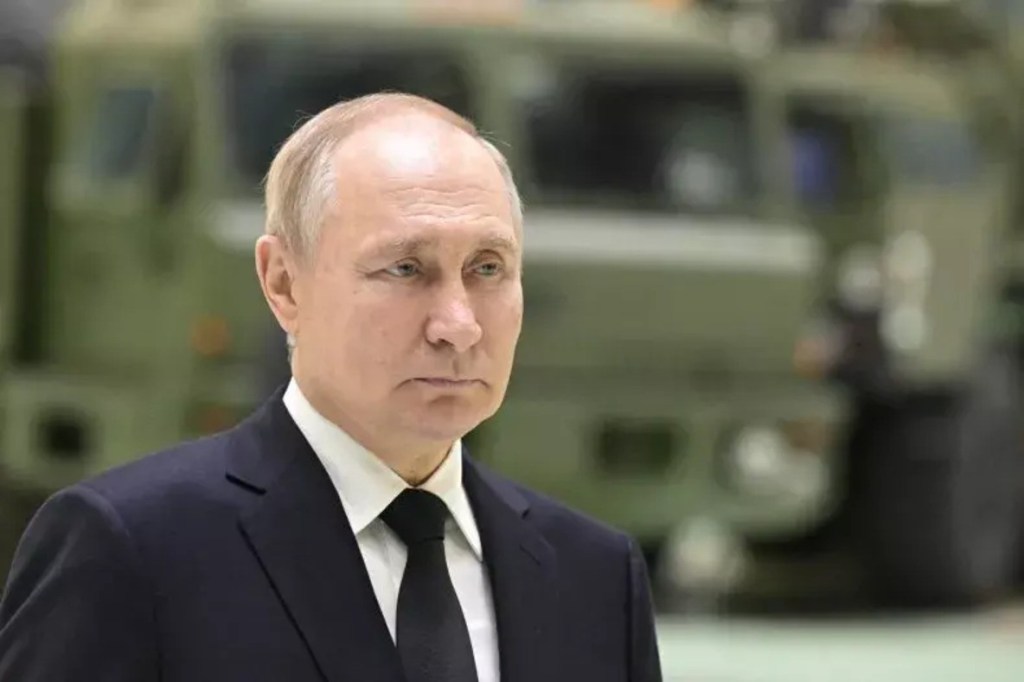
U.S. President Donald Trump’s pursuit of a better relationship with Moscow must not include easing sanctions on Russia that impact Vladimir Putin’s ability to wage war, a Ukrainian think tank has told Newsweek.
After a phone call with Trump on Tuesday, Russian President Putin agreed to a limited ceasefire in Ukraine but pushed back on plans for an immediate 30-day truce.
Further talks are scheduled between officials from Moscow and Washington on Sunday but whatever negotiations occur, the U.S.-led measures that have complicated Putin’s ability to fund and equip its war machine should not cease, according to the Kyiv School of Economics think tank, the KSE Institute.
Analysis by the think tank outlines how despite Putin’s record spending, Russia’s military industrial complex (MIC) is still beset by labor and component shortages, a collapse in arms exports and difficulties in modernizing.
“This is the exact wrong time to take the foot off the gas,” Benjamin Hilgenstock, KSE senior economist and one of the report’s coauthors, told Newsweek.
Newsweek has contacted the State Department for comment.
Why It Matters
Russia has proposed closer economic cooperation with America, including a joint effort to exploit rare earth minerals, which is a priority for Trump in the face of China’s dominance in the sector.
Reuters reported this month that the White House had asked the Treasury Department to explore easing energy sanctions ahead of the leaders’ phone call, which would be a reversal of the policy of former President Joe Biden, whose administration tried to choke off funds for Russian aggression.
But the KSE says that easing up on sanctions that have hurt the MIC could allow a rejuvenation of Putin’s war machine, posing an even greater security risk.
What To Know
Precise figures of Russia’s defense budget are tricky to pin down but spending on its military has soared to the highest levels since the Cold War.
In 2022, the first year of the full-scale invasion of Ukraine, it reached $86.4 billion—a 31 percent increase from the previous year. It then ballooned to $109.5 billion in 2023 and hit $112 billion in 2024, according to Ukrainian estimates.
While Russia’s military spending is projected to soar this year to $142 billion, or nearly one third (32.5 percent) of government outlays, the KSE has said this war economy only tells part of the story of Russia’s ability to arm itself.
The think tank found that Russia’s military faces significant challenges, including escalating funding costs, labor shortages, collapsing arms exports and sanctions.
While Russia has made strides in some areas, it struggles with the rapid pace of innovation required to maintain a competitive edge in modern warfare.
Hilgenstock said talks with Russia should take into account that sanctions and pressure on its MIC have worked, and it was the wrong time to ease them without any good reason. This poses a long-term challenge for the West to maintain such pressure.
Russia has faced huge losses of equipment, which it tried to offset with restoring stockpiled equipment, such as tanks, and Moscow has relied on cooperation with North Korea and Iran to overcome shortages in artillery shells, for example.
With direct supplies from Western countries drying up, China has become a lifeline for Russia, thanks to its imports of intermediate components, particularly high-tech electronics and industrial tools—many of which fall under export controls.
Putin is looking for sanctions relief from the U.S., but the KSE report says these measures should not cease because they have deteriorated macroeconomic conditions, caused acute labor shortages and disrupted supply chains for critical inputs.
KSE report co-author Pavlo Shkurenko said that North Korea supplies directly military products in terms of shells for their arterial and the artillery pieces, which show that the Russian military industry alone cannot satisfy its battlefield demands.
China is not directly supplying finished military products, but has given components such as electronics, radio and comms optics, he said.
Russia is also not able to produce large quantities of new advanced main battle tanks and the production of new equipment is limited.
This is why the focus should be not to devise new sanctions but to ensure the enforcement of existing ones and that the threat of secondary sanctions in the Chinese financial system has worked.
He said there was no U.S. self-interest in lifting sanctions on Russian military and that the military enterprises that would benefit from such a move would be ones that produce weapons that could one day pose a risk to the U.S. and Europe.
What People Are Saying
Hilgenstock: “U.S. sanctions and pressure on the Russian MIC have worked, and this is the exact wrong time to take the foot off the gas without any good reason to do so.”
Shkurenko: “There is absolutely no self-interest from the US side in lifting sanctions on Russian military.”
What Happens Next
The debate on whether the U.S. will ease sanctions on Russia will continue, but in the short term, talks between American and Russian officials are scheduled to take place in Saudi Arabia on Sunday in the wake of the Trump-Putin phone call.
Easing sanctions are not touted as being part of the negotiations, which are likely to focus on an energy attack pause and talks of a possible maritime ceasefire in the Black Sea.

Elana is a child of dark, one of the abyss spawn, a confounded quintessence of Manus and his Dark Soul. Like her sisters; Nashandra, Nadalia and Alsanna, Elana is a fragment of Manus’ emotions. She represents wrath or anger.
There is no mention of Elana outside of her soul and weapon. This is interesting to note in connection with her moniker “the Squalid Queen”. Squalid describes something that is extremely dirty and unpleasant, most often due to poverty or neglect. A Queen is not likely to live in poverty, but perhaps there is no mention of Elana because while she was the Queen, she was largely ignored by the Sunken King who focused on his Eternal Sanctum and the worship of the Slumbering Dragon. Perhaps she grew bitter due to this neglect, and allowed herself to fade into obscurity, all the while plotting vengeance against her King. How was it that Sir Yorgh managed to reach the Dragon’s Rest when all we find is Elana barring our way? When the entrance to the Eternal Sanctum was so heavily guarded, by those who would sacrifice even their physical form to eternally guard the Dragon? Perhaps there was someone on the inside, plotting vengeance upon the Sunken King.
How Elana came to be the Queen is unclear, but it is likely that in a similar way to the other shards of Manus, she took form and came to the Sunken King. She courted this monarch of considerable power, and desired to make the Sunken King’s power her own (see Chime of Want description). Why the shards of Manus seek power is not known. As they are children of Dark, it is likely that they seek to spread the Dark of the Abyss, and therefore extinguish the Light. Or perhaps, like Manus, they are simply driven by powerful emotions and these emotions are best expressed when wielded with great power.
Elana is amassing souls in anticipation of the coming day of vengeance. She is gathering more and more power so that either she can carry out vengeance (as this seems most likely) or so that she can defend herself against vengeance, in a similar way that Alsanna devotes herself to a ritual to escape the coming apocalypse.
We know that Elana sings to the dragon, the same song as the Sanctum Priestesses. The Priestesses also sing to the Dragon, and it is said that they sing to preserve the Dragon’s deep slumber. Elana rests beside the slumbering dragon, Sinh who resides in the Eternal Sanctum built by the Sunken King. She is said to accompany (as in go somewhere with or escort) Sinh. We are encouraged to view the song they sing as a sort of lullaby, but one wonders if a single phrase of their song ever reached the Dragon’s ears. How was it that Sinh became filled with poison? That he continued to fill with poison? From what we have seen of dragons, they do not naturally fill with poison. It therefore may have been that while the priestesses sang, their song cast a spell upon Sinh, and the spell filled Sinh with poison. The Sanctum Priestess tiara says it prevents effects that block spells. Sinh’s soul description says that when Sinh’s rain of death toppled the city, the dragon’s purity was restored. It is interesting that the Dragon had become impure, almost dirty and squalid. Elana and the priestesses’ association with poison indict them further. Elana’s Wrathful Axe creates a cloud of dark poison when its strong attack is used, while when the Priestesses die, they sometimes create pools of dark poison where they fall, almost as if they are filled with it.
The information we know about Elana raises more questions than it answers. How is she amassing souls? From what we know of her, she simply seems to be standing before a shrine dedicated to Sinh, singing her lullaby. How can this then be construed as soul amassing? The only way that souls appear to come to her is when the Player comes to kill her. Are we fulfilling the role of other would-be monarchs who she has slaughtered before?
Who does she wish to gain vengeance upon? Elana is an augur of wrath (extreme anger) and her axe is described as an armament (a military weapon). It may be that she wishes to avenge her dead husband, whose home was invaded and whose life was taken by unnecessary brutality. Or perhaps she wishes to carry out vengeance on a more grand scale, by making everything one with the Dark and extinguishing the would-be monarchs who seek after the Light. Perhaps she is simply driven by a strong emotion, and this emotion does not necessarily have a particular goal, only that it is enacted upon any it can be. The answer is illusive and illumination of her intentions go with her to the grave.

