

“Paradise State Of Mind” out now: https://fosterthepeople.lnk.to/paradisestateofmind
“Lost In Space” out now: https://fosterthepeople.lnk.to/lostinspace
Credits:
Director: Rupert Höller @ruperthoeller
Production Company: Glia Productions @glia_prod
Executive Producer: Sofie Warshafsky @sofiewar
Producer: Jami Arceo @jamiarceoo
Producer: Evan Thicke @evanthicke
Director of Photography: Jay Swuen @jayswuen
Production Designer: Cody Fusina @codyfusina
Choreographer: Teresa “Toogie” Barcelo @toogiesaurus
Video Commissioner: Trevor Joseph Newton @trevjoseph
Atlantic Video: Claudia Chiossone @claudiachiossoner
Atlantic Video: Derec Dunn @derec_dunn
Atlantic Creative Operations: Annie Moorhead @anniemoorhead
Production Coordinator (Glia): Lucy Tamarkin @lucytamarkin
1st AD: RJ Collins @rj.collins
2nd AD: Landon Watford @watfordlandon
1st AC: Ben Hernandez @ben3k1
2nd AC: Saori Kinai
Gaffer: Vatche Giragossian @giragossian.cine
Best Boy Electric: Moe Al-Kayed
SLT: Serge Svetnoy
Key Grip: Edgar Aragon @edgarwxsk
Best Boy Grip: Luis Ernesto Romero
Grip: Dennis Pires
Set Decorator: Emmett Tekstra @banchisimo
Lead: Ethan Kankula
Stylist (FTP): Illaria Urbinati @ilariaurbinati
Stylist Assistant (FTP): Kendall Spina
Stylist Assistant (FTP): Marlee Loiben
Groomer (FTP): Johnny Stuntz @ stuntzbeauty
Wardrobe Stylist: Parker Harwood @parkerharwood
HMU Combo: Julie Dinh @julieeedinhh
Dancer: Charissa Kroeger @charissakroeger
Dancer: Alyson Van @alysonvan
Dancer: Eric Schloesser @ericschlo
Dancer: Camila Arana @camilaaranaa
Dancer: Orlando Agawin @orlandonod90
Dancer: Clarys Biagi @myegotrip
Dancer: Adrian Hoffman @adrian.hoffman
Dancer: Malachi Middleton
Dancer: Courtney Darlington @courtdarlingt0n
Dancer: Owen Scarlett @owenscarlett
Dancer: Baylie Olsen @baylie_olsen
Dancer: Anna Chorneyko @annachorneyko
Medic: Paul Uhl
Production Assistant – Truck: Jahaziel Castaneda Arias
Production Assistant – Set: Isaac Friedenberg
Production Assistant – Set: Kris Wade
Editor: Rupert Höller
Colorist: Manuel Portschy @manuport
VFX: Rupert Höller, Rainer Maly
Beauty Retoucher: Luke Sargent @lukesargentdp
Director’s Agent: Jennifer Herrera / Las Bandas Be Brave @lasbandasbebrave
BTS Videographer: Joe Desantis @mrjoedesantis
BTS Photographer: Omar Gomez @omarfilmzz
Mark’s Suit by Gucci
Special Thanks to Natalie Rawling, Sogol Akbary, & Sabato de Sarno at Gucci, Matt Pollack, Gary Walker, Maddie Case, Julia Galvin, Jenna Rosenberg, Mark Obriski, Rob Gold, & Wes Teshome
Lyrics:
I was a trapped inside a glass heart
Shattered by the lights that were bouncing off the walls inside
And I’ve been drifting in a daydream
Fantasies that keep me in my bed and awake at night
Floating and drifting and flying through the open sky
And I’m lost without you
I’m lost in space
Turning through the sky around a screaming ball of fire
Love when I’m with you
a warm embrace
the more we give ourselves the more we have to give away
I was a flowering young angel
hungry for the wisdom that the animals held in their hands
I let the darkness in to teach me
I learned more than I wanted when I tried I couldn’t look away
Floating and drifting and flying through the open sky
And I’m lost without you
I’m lost in space
Turning through the sky around a screaming ball of fire
Love when I’m with you
a warm embrace
the more we give ourselves the more we have to give away
just look for the signs of glowing afterlife
Cause they’re all around us
just look for signs of glowing afterlife
Cause they’re all around
I want to follow you there
you know I’ll follow you anywhere
Cause I’m lost without you
I’m lost in space
Turning through the sky just looking for a sign
Love when I’m with you
a warm embrace
the more we give ourselves the more we have to give away
Cause we are in the search for glowing afterlife
Cause we are in the search for glowing afterlife
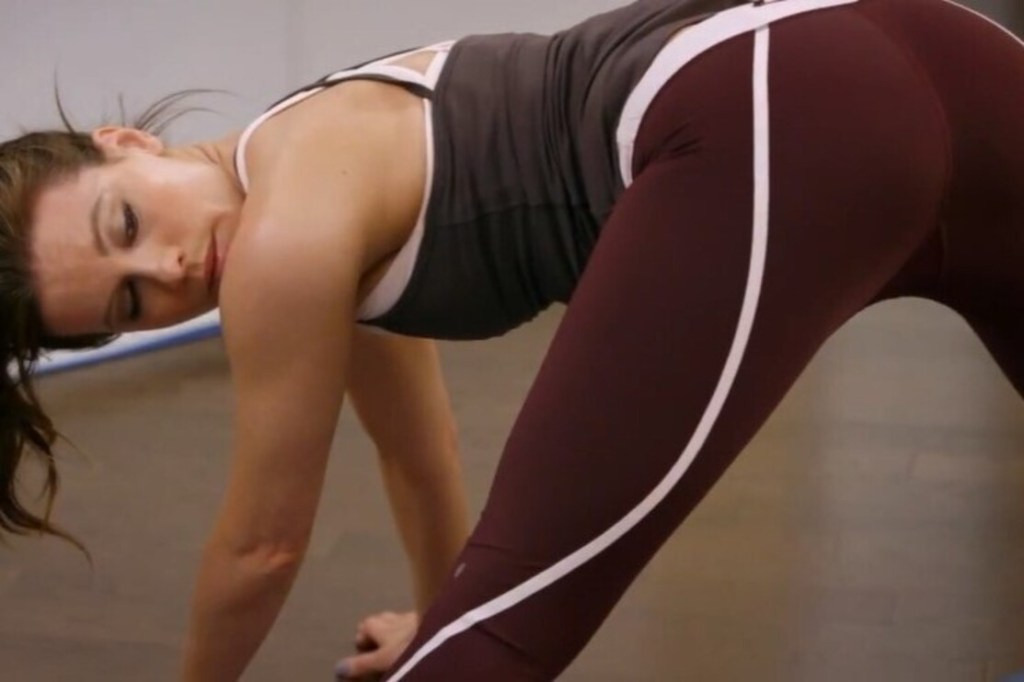
Kate Beckinsale is famous for her fabulous legs. And the star certainly didn’t get that killer body by sheer magic – as she recently showed her pal Chelsea Handler. Kate, 39, made an eye-opening appearance on E!’s Chelsea Lately, where she gladly instructed the out-of-shape talk show host how to firm up those limbs.
The English actress practices yoga at least five times a week, and often with yoga expert Mandy Ingber who also works with Jennifer Aniston. So Kate definitely has a leg up on Chelsea in that department. In the hilarious skit, the pair are shown doing some lunges and stretches in what looks like Chelsea’s studio office.
Kate and Chelsea are standing on their mats with feet braced four feet apart and bending from the waist down to the floor. While Kate has no trouble putting both palms on the ground, Chelsea manages to touch the polished floor with her fingertips while grimacing. Kate is wearing dark red leggings paired with two camisoles, one pink, the other brown. She easily displays a proper half moon lunge with arms stretched out.
The sweat is gathering on Kate’s face but thankfully she has put her long dark hair up high in a ponytail. Chelsea, meanwhile, is seen slouching in a pink camisole and black leggings. The ladies became good friends after the Underworld star appeared on Chelsea’s chat show in early 2012.
‘Kate is so funny. Wickedly funny. No one even knows how funny she is,’ Chelsea told Howard Stern. When she’s not doing yoga, Kate sweats it out by hiking or cycling with 12-year-old daughter Lily. Kate had an eight-year relationship with Lily’s father, actor Michael Sheen, but it ended in 2003. The leading lady of Total Recall has been married to director Len Wiseman for nine years and they live in Los Angeles.













Scientists have known about fisetin for almost 200 years, since it was first isolated from the Venetian sumach plant in 1833.
But fisetin didn’t come into the anti-aging and longevity scene until 2018 when it was recognized for use as a senolytic or senotherapeutic—a substance that destroys senescent cells.
As senescent cells are a leading contributor to accelerated aging and age-related disease, many researchers have entered the race to create safe yet powerful senolytics as an anti-aging tool.
In addition to its senolytic effects, fisetin’s health benefits include antioxidant, anti-inflammatory, anti-cancer, and brain-boosting action, making it a top contender in the longevity supplement space.
What is Fisetin?
Fisetin is a flavonoid—a broad category of compounds that give plants their vibrant hues and support health with potent antioxidant activity.
In this case, fisetin contributes to the yellowish tint behind several fruits and vegetables, including strawberries, onions, apples, and grapes.
Like all flavonoids, fisetin scavenges for free radicals and fights oxidative stress—the buildup of inflammatory and reactive compounds that damage cells and DNA.
What Are the Benefits of Fisetin?
Although the first published study on fisetin in 1966 boasts its antibacterial activity, the flavonoid is now most known for its contributions to fighting cellular senescence, boosting brain function, and slowing cancer cell growth.
One of fisetin’s most celebrated properties is its activity as a senolytic.
Cellular senescence is a state of irreversible growth arrest—essentially, cells stop dividing and lose their function.
However, while senescent cells lose function, they don’t completely die and leave the body—they enter a zombie-like state that damages neighboring cells and tissues.
This inflammatory damage that comes with senescent cells is thought to contribute to tissue and organ dysfunction and various age-related diseases.
Therefore, researchers have started testing and implementing the use of senolytics as a way of entirely destroying and removing senescent cells from the body.
In one landmark 2018 study, researchers tested a panel of ten potential senolytics in aged mice, finding that fisetin was the most effective, clearing senescent cells and extending the lifespan of the mice by over 10%.
Fisetin even outperformed resveratrol, quercetin, and curcumin—three popular antioxidant compounds that have been used for decades.
Although the majority of studies on fisetin and senescence are done using animals or cells that were treated or cultured in the lab, clinical trials with older adults are underway to determine how the flavonoid can support healthy aging.
This is why several anti-aging supplements use fisetin in their formulations, including Qualia’s Qualia Senolytic—a twice-a-month regimen designed to clear senescent cells.
Fisetin is linked to better brain function by reducing neuroinflammation, fighting oxidative stress in the brain, and clearing senescent cells.
In a study published in Molecular Neurobiology, mice with Alzheimer’s disease who received fisetin supplements had markedly improved memory, with reductions in neuroinflammation and suppressed degeneration in the hippocampus—the brain region most associated with memory and learning.
Other research has found that fisetin supports the aging brain by inducing autophagy—our body’s internal recycling program that removes old, damaged, or toxic cells and cell parts to make way for healthy ones.
Similar to fisetin’s senolytic qualities, we don’t yet have clinical research in humans backing up these brain-boosting claims—but so far, the data is promising.
Although fisetin isn’t approved for cancer prevention or treatment, cell-based and animal studies have pointed to its potential future use in slowing growth in cancer cell lines.
Fisetin induces apoptosis—programmed cell death—in various cancer cell lines, including lung, liver cancer, prostate, and laryngeal cancers.
In a study with mice, supplemental fisetin inhibits lung tumor cell growth by 67%, which was increased to 92% when combined with a chemotherapy drug.
Other studies showed that fisetin suppressed tumor growth by 66% in mice with melanoma.
These potential anti-carcinogenic effects likely occur primarily due to fisetin’s senolytic qualities, as some senescent cells can contain cancer-promoting mutations.
Can Fisetin Reverse Aging?
With its combination of senescent cell-clearing, autophagy-boosting, and cancer-fighting abilities, fisetin is a top contender for slowing the aging process.
Experiments with smaller species clearly show that fisetin can extend lifespan—demonstrating a lifespan extension of 55% and 23% in yeast and flies, respectively.
Fisetin also lengthens healthspan—the number of years lived without developing disease—by reducing the risk of several common age-related diseases.
Fisetin’s potential anti-aging effects are exciting, but we will need to wait and see if they can be confirmed in human trials.
Frequently Asked Questions About Fisetin
Now that we know how fisetin works, let’s answer some FAQs about fisetin supplements, fisetin toxicity and adverse effects, and how to take it.
What Are the Side Effects of Fisetin?
As fisetin has not been studied for very long as a supplement, researchers aren’t entirely sure about its long-term effects.
However, animal studies have not found any evidence of fisetin toxicity—even at very high doses.
There has been one clinical trial from the Mayo Clinic looking at fisetin’s effects on humans, which found that people with colorectal cancer who took 100mg of fisetin for seven weeks had no significantly different side effects than the control group.
Due to the current lack of available safety data, pregnant women and children should avoid fisetin supplements.
Fisetin may also increase the effects of blood-thinning drugs or medications that lower blood sugar, so check with your doctor before starting fisetin.
What Is The Best Source Of Fisetin?
Fisetin is found in many fruits and vegetables, with strawberries, onions, apples, persimmons, kiwi, and grapes being the most prominent.
However, fisetin only naturally occurs in these plants in low concentrations, leading many people to take fisetin supplements instead.
The average daily intake of fisetin from food sources is estimated to be only 0.4mg, while most supplements contain much more than this.
For example, Qualia’s Qualia Senolytic contains 1400mg of fisetin in their formulation, which is designed to be taken only two days out of every month.
Fisetin Dosage: How Much Fisetin Should I Take?
Since all clinical studies with fisetin have been conducted with animals, there is no established recommended dosage.
Most fisetin supplements range from 100-500mg per day—including the clinical trial with cancer patients, which used 100mg per day.
In the ongoing clinical trial looking at the effects of fisetin in older adults, fisetin is used at a higher dose of 20mg per kg of body weight for two consecutive days.
This would be around 1,400mg per day for an average-sized person of 155 pounds—identical to the dose found in Qualia’s Qualia Senolytic.
However, taking these high doses every day is not recommended, leading us to our next question.
Can I Take Fisetin Every Day?
You could likely take fisetin daily at smaller doses of about 100-500mg.
With higher doses of 1000mg or more, fisetin is not designed to be taken daily—as with Qualia Senolytic, supplementing only for a couple of days per month is recommended.
However, we will need more clinical data in humans before the ideal doses and timing of fisetin supplements are known.
How Should I Take Fisetin?
Although you could certainly gorge on strawberries and persimmons to boost your fisetin intake, opting for fisetin supplements is an easier option.
Unfortunately, fisetin is notoriously poorly absorbed by the body.
Researchers have found that taking fisetin with fats can increase its bioavailability, leading many supplement manufacturers to add certain oils to their formulations.
If you’re unsure if your fisetin supplement contains oil, having it alongside a fat-containing meal could do the trick.
And, be sure to recognize what type of fisetin supplement you have—for example, it may be a “hit-and-run” type designed to be utilized only two days out of the month, like Qualia’s Qualia Senolytic, or it could be formulated for daily use.
Key Takeaways
I discuss the possibilities and what needs to happen with the seemingly in progress Original Trilogy restoration. There has been only a single official announcement which was vague. The potential leaks of in progress working elements are still being analyzed across the Internet. This is a basic discussion video highlighting the important and basic aspects that have to be a part of any OT restoration. If only to highlight the extreme importance of preserving ALL of the original audio mixes.
Star Wars Visual Comparisons: https://starwarsviscomp.wordpress.com/
00:00 Introduction and discussion
03:32 What Needs To Happen
09:18 All three theatrical mixes of each film need to be preserved
10:47 How are Garbage Mattes being handled?
12:57 Original Theatrical Release Variations
13:13 1981 ANH Crawl
14:16 1977 Star Wars print variations-Rebel takeoff and end credits
14:57 ESB variations, 70mm early version
15:58 It would be nice to involve the fan community and end the closed door policy
19:31 What I would like to see on Disc and DCP
19:51 Star Wars
21:15 Explaining 70mm Dolby six track and both 4.0 and 5.1 home forms
21:55 Dolby stereo need 4.0 and 2.0 matrix forms
22:35 The all important mono mix
23:16 Including Legacy Home Video Remixes
25:03 ESB
26:03 ROTJ
26:30 All of this should be done in a restoration project
26:49 Potential Boxset extras-all vintage and legacy extras released and unreleased
29:19 New scan of 1997 Special Edition in a boxset
30:27 Include direct print preservation scans of all formats including 70mm
31:50 Post boxset ideas discussion
32:20 How much effort are they putting in-that’s the question
33:13 Current best official releases are all on Laserdisc
35:26 Why the Original Trilogy NEEDS to be preserved like ANY film deserves
37:11 Final Summary-This needs to be the true “Definitive Collection”

Lutein is a type of carotenoid that has antioxidant properties and can provide various health benefits.
The most researched benefit of lutein is related to eye health, but it has also been linked to heart health, improved cognitive function, and reduced risk of certain types of cancer.
This article explores everything you need to know about lutein, including food sources of it, supplements, health benefits, and potential risks.
Lutein is a xanthophyll, or an oxygen-containing carotenoid. Carotenoids are responsible for the naturally occurring yellow, orange, and red pigments found in foods. They are considered an essential nutrient — since our bodies can’t make them, we must get them through food.
There are two types of carotenoids. Xanthophylls, which contain oxygen and usually contribute to yellow pigments, and carotenes, which don’t contain oxygen and tend to contribute to orange pigments.
Lutein is found in the retina of the eye, along with another xanthophyll, zeaxanthin. Because these carotenoids are found concentrated in the back of the eye, they are known as macular pigments and may be beneficial for eye health.
Lutein has antioxidant properties that may also play a role in cognitive function, heart health, and the prevention of some cancers, though more studies are needed.
The Age-Related Eye Disease Study (AREDS) is an often-cited study on lutein and eye health. Researchers looked at specific formulations of supplements and their impact on age-related macular degeneration (AMD).
A supplement containing lutein and zeaxanthin reduced the occurrence of advanced AMD by 25% over 5 years in people who already had AMD. In people without AMD, the supplement did not prevent or treat the condition.
Beta carotene, another carotenoid linked to eye health, was originally used in the supplement but was found to increase the risk of lung cancer in people who smoke.
Swapping out beta carotene for lutein and zeaxanthin was just as beneficial for eye health and did not increase lung cancer risk.
Another eye-health plus for lutein is that it’s an antioxidant. Inflammation and oxidative stress are related to eye conditions such as glaucoma, diabetic retinopathy, and macular degeneration.
Lutein has antioxidant properties, and studies have found it to be significantly effective in the prevention of these eye conditions.
Additionally, research suggests that lutein is important for babies’ eye development during pregnancy and for vision throughout their lifespan, though more research is needed to determine the optimal dose for pregnant and breastfeeding women.
Lastly, lutein may be an effective treatment for dry eyes, though more studies in this area are needed.
High dietary intakes of lutein, as well as high levels of circulating lutein, have been associated with better heart health.
One study associated lutein and zeaxanthin with improvements in clinical markers in patients with heart disease. Researchers believe the anti-inflammatory properties were beneficial and suggest continued research in this area.
Another study found that daily supplementation of 20 mg of lutein for 3 months was associated with a decrease in cholesterol and triglyceride levels, both of which are known risk factors for heart disease.
However, research on lutein and heart health is mixed overall, and some studies have found no correlation at all. More research, specifically in humans, is needed to determine lutein’s role in heart health.
Lutein, along with other carotenoids, may improve cancer prognosis.
One study found that a high intake of lutein, along with other nutrients found in fruits and vegetables, was associated with a decreased risk of pancreatic cancer.
Additionally, lutein, along with other carotenoids, may be protective against breast cancer as well as head and neck cancer.
Overall, research on lutein and its benefits relating to cancer is promising but not definitive, and more human studies are needed.
Research indicates that a high dietary intake and high circulating levels of lutein are associated with both better cognitive performance and enhanced memory.
One study found that a daily supplement including 10 mg of lutein along with zeaxanthin and meso-zeaxanthin was effective in improving memory over the course of 1 year.
Carotenoids overall may play a protective role in preventing neurodegenerative diseases, too, meaning they may help promote brain health in older age, though the research is still mixed.
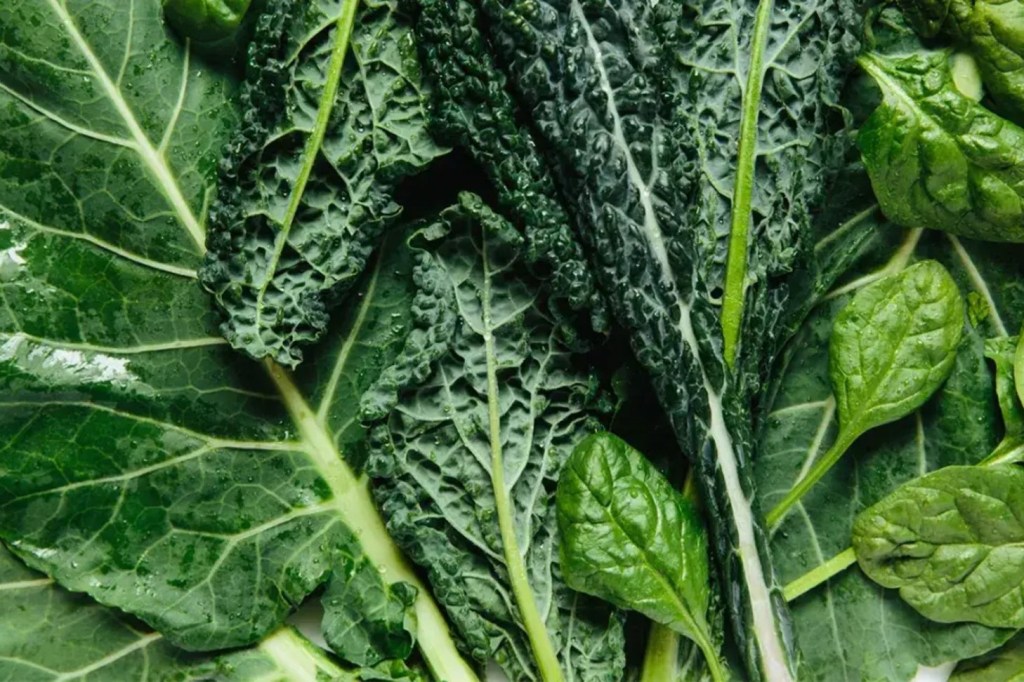
Lutein is generally found in dark, leafy green vegetables and yellow-pigmented foods. Because it’s a fat-soluble nutrient, you need to consume some fat to absorb the lutein you eat.
Some lutein-rich food sources are:
Because lutein is fat-soluble, your body will absorb it best when you eat it with other foods, particularly foods containing fat. However, if you prefer, lutein is available in supplement form, often in conjunction with zeaxanthin or as a part of the AREDS-2 formulation for eye health.
A typical diet contains 1–3 mg of lutein per day, but most benefits have been shown at 6 mg per day, which can be achieved through consuming food sources of lutein.
Most supplements contain 20 mg or more, which is much higher than the amount needed to get the benefits of lutein. However, most studies on lutein have used doses from 10–40 mg per day and have not found any adverse effects.
Lutein is categorized as Generally Regarded as Safe (GRAS), meaning that research has not found a significant link between regular lutein consumption and adverse side effects.
However, high intakes of xanthophylls, in general, have been linked to an increased risk of skin and stomach cancers.
While results from these studies were not found to be significant, more research is needed to confirm safe and optimal doses of xanthophylls such as lutein.
Before adding lutein supplements to your diet, it’s a good idea to talk with your doctor.
Lutein is a type of carotenoid with strong antioxidant properties that have been shown to be beneficial for eye health, cognitive function, and heart health and may even help decrease the risk of some cancers.
However, while some of the research is promising, most if it is not definitive and more studies are needed to confirm some of these benefits.
Foods such as dark, leafy greens and egg yolks are great sources of lutein. While you can find lutein in supplement form, it is possible to consume enough lutein through diet alone.

 Igor's Blog