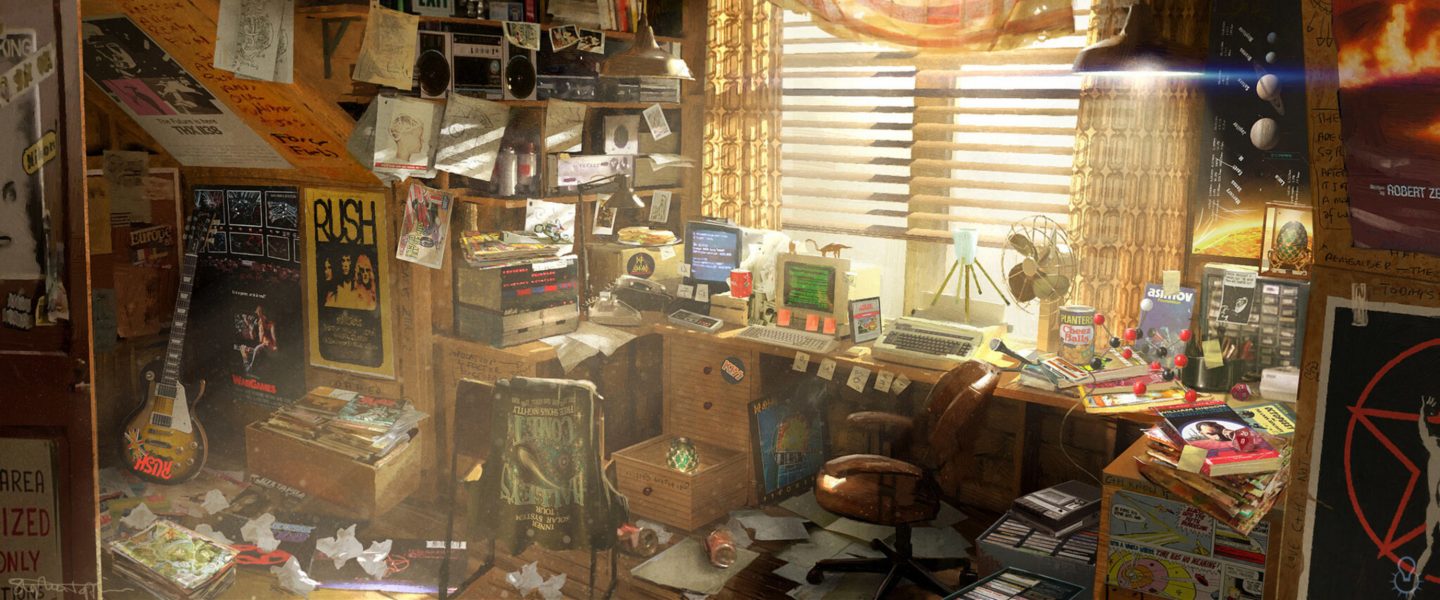


I can’t stop thinking about ICO… even 20 years after its release, it’s still truly unique. It’s a game that defied all my expectations, probably shown best by how it somehow made me love escort mission style gameplay. Leading Yorda through the mysterious and massive labyrinthian castle gave me all the time and space needed to prod my curiosity and make my mind wonder about it’s enigmatic world. There’s just something about all the elements of ICO’s design that really sticks with you long after you finish playing the game…

Myasnitskaya Street (in the 16th-17th centuries – Frolovskaya Street and Evplovskaya Street, in 1918-1935 – Pervomaiskaya Street, in 1935-1990 – Kirov Street) – a street in the Central Administrative District of Moscow (Basmanny and Krasnoselsky districts). It runs from Lubyanskaya Square to Sadovaya-Spasskaya Street. The numbering of houses is carried out from Lubyanka Square. On December 14, 1935, by a resolution of the Moscow City Council, the street was renamed Kirov Street in memory of a prominent figure in the Communist Party, Sergei Mironovich Kirov, on the basis that the body of the murdered Kirov was transported along Myasnitskaya Street for burial on Red Square.


If you’re one of the many who are frustrated with the stubborn reluctance of Japanese role-playing games to let go of their needlessly convoluted combat systems. If you’re embarrassed by their cheesy, melodramatic stories and disheartened by their clichéd and often creepy character design, The Legend of Heroes: Trails in the Sky will take you back to a simpler time of RPGs and remind you that the genre you once loved has not left you behind.
Though the Legend of Heroes franchise has been around for decades, Trails in the Sky is the start of a trilogy unrelated to the other titles. Taking place in a heavily forested nation enjoying the fruits of a technological revolution, the story follows a brother and sister who go from running errands in their local town to unwittingly discovering a treacherous scheme that threatens their entire kingdom. The setting may sound like old territory for some JRPG players, but it’s the story’s graceful flow through this vibrant world that makes your progression through the game feel pleasantly familiar rather than just old or boring.
Our two main characters, Estelle and Joshua, begin their story by becoming members of a guild of freelance warriors organized to protect and serve the cities and villages of the kingdom. As junior members of this guild, all your adventures – whether main story or divergent side quest – are conveniently recorded in a notebook that can be instantly referenced in case you’re ever distracted by a colorful town square and can’t quite remember why you went there in the first place.
As you confront enemies you’ll also encounter another of Trails’ exceptional aspects: its combat system. The combat’s flexibility for accommodating both drawn-out, strategic maneuvers or fast, rushed-through combat keeps it from ever feeling rote and makes the grinding (seldom needed, unless you really want to kick the crap out of your opponents) immensely more tolerable. Speeding through a monster encounter can be as simple as holding down X to perform basic attacks, zipping past the battle results, and quickly proceeding on to your destination. When it is time bust out the big moves a comprehensive skill and magic system can be customized and implemented to deal out huge damage and clobber your enemies.
Monsters appear on roads and trails as you travel about the lands and dungeons. Run into the monster from behind and you can get an advantage in the beginning of combat. Defeating enemies yields small crystals that you can then synthesize in towns and equip to your characters for magic and status upgrades. As you collect hundreds of varying crystals your opportunity for synthesizing new magics to equip and character abilities to unlock expands. You can also collect ingredients from monsters that contribute to a huge library of cooking recipes to discover and exploit.
The player-friendly nature of this JRPG continues with the option to save at any time and its ability to restart any battle you lost without penalty. Admittedly, it does make running from battles when things take a wrong turn somewhat pointless, but it’s hard to argue with getting a retry button than a boot to the start menu and all your unsaved progress lost. Don’t get us wrong though – this game doesn’t rock because it’s a pushover – its battles can be quite challenging.
Trails’ characters, richly populated towns, and interesting back story are expertly expressed through the characters and their journey. The characters may seem more than verbose or overly talkative at times, spending more than a few moments conducting small talk when you just wish they would get to the meat-and-potatoes of the conversation, but it succeeds in portraying them as enjoyable, believable characters with their own distinct behavior. Also, if you decide you just don’t give a damn about the story, holding down the Circle button can turn an eight-minute bout of exposition into a 15-second scene with a handy objective update added to your quest notebook.
If we had to drag out a gripe about Trails, we might mention the minor blurriness of some of the art, the way some inconsequential conversations between characters can feel too long, or the way monsters tend to appear along your path too suddenly. But these are easily negligible issues.
If you’ll pardon the references, Trails possesses the old-anime style and basic battle mechanics of a Grandia or Lunar and mixes in the modern, flexible, hassle-free, yet deep execution of a battle system like Persona 4. Just when we thought the PSP (and, arguably, what we once knew as a JRPG) was slowly walking out the door, Trails provides a pleasant bastion of everything that drew so many to this genre long ago. Amusing characters, a rich setting and great mechanics all smoothly coalesce to create a surprising and thoroughly enjoyable tale, prompting us to speculate that our little PSPs are far from retirement. We’re ready for part 2.
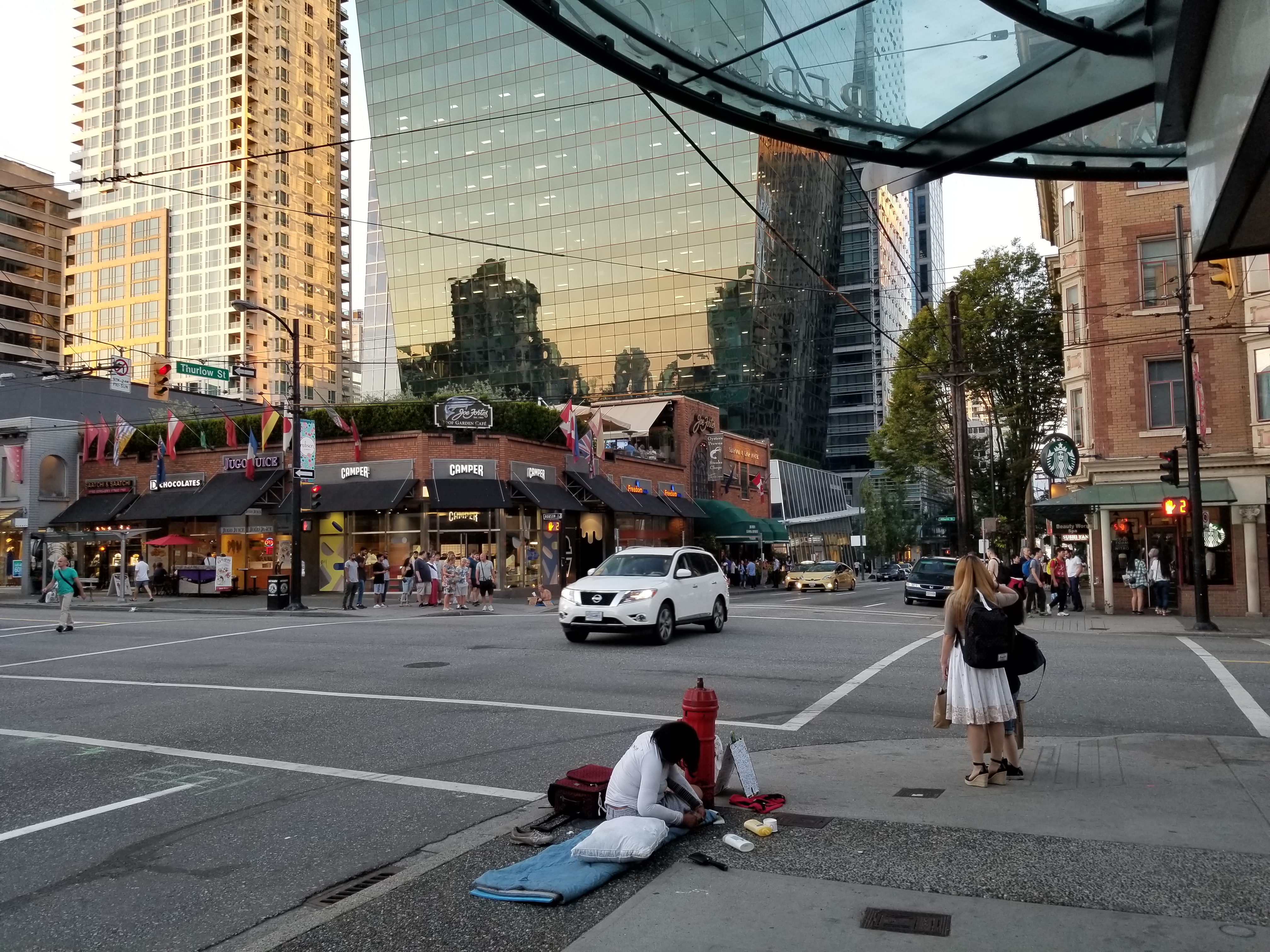
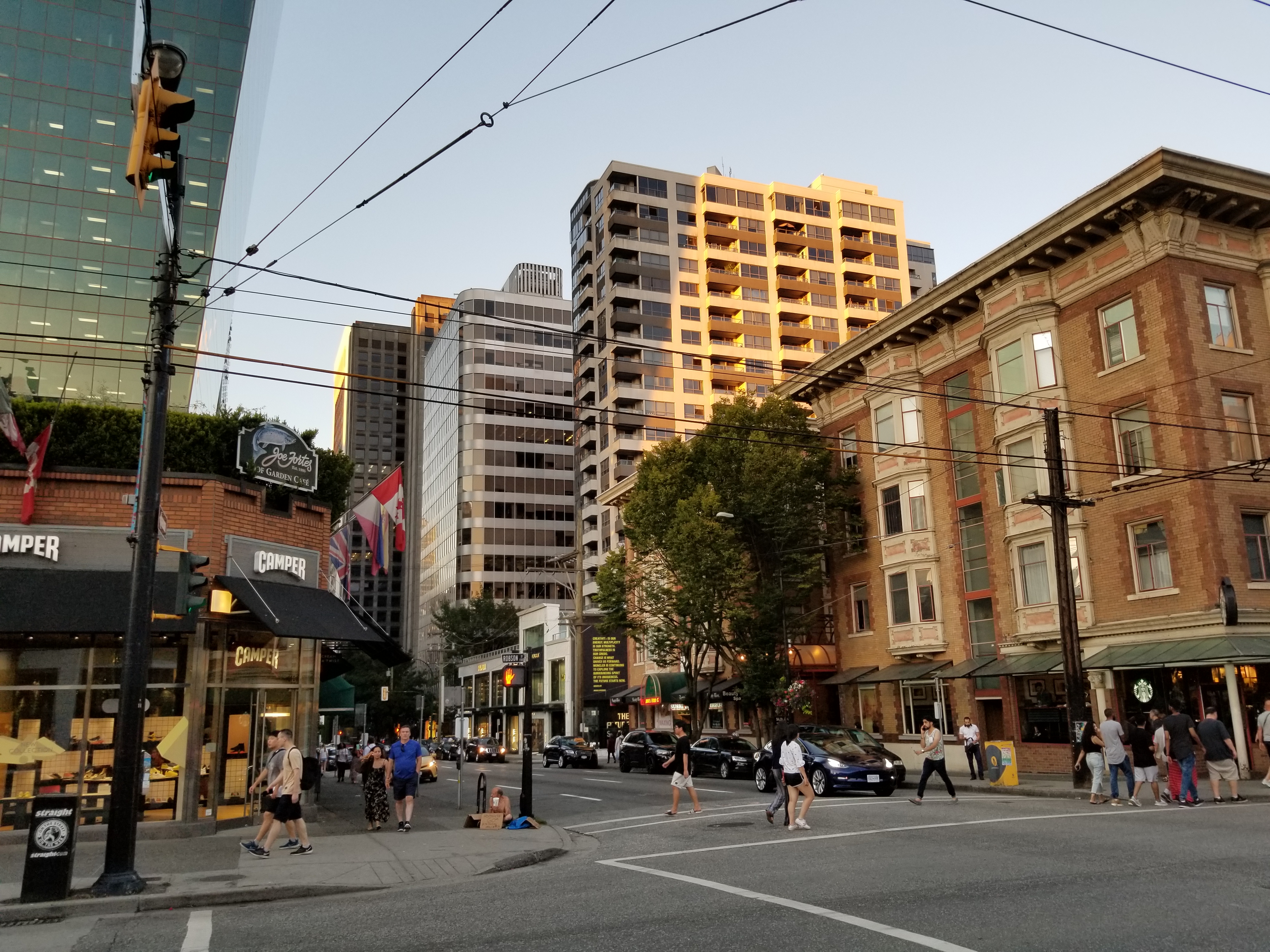
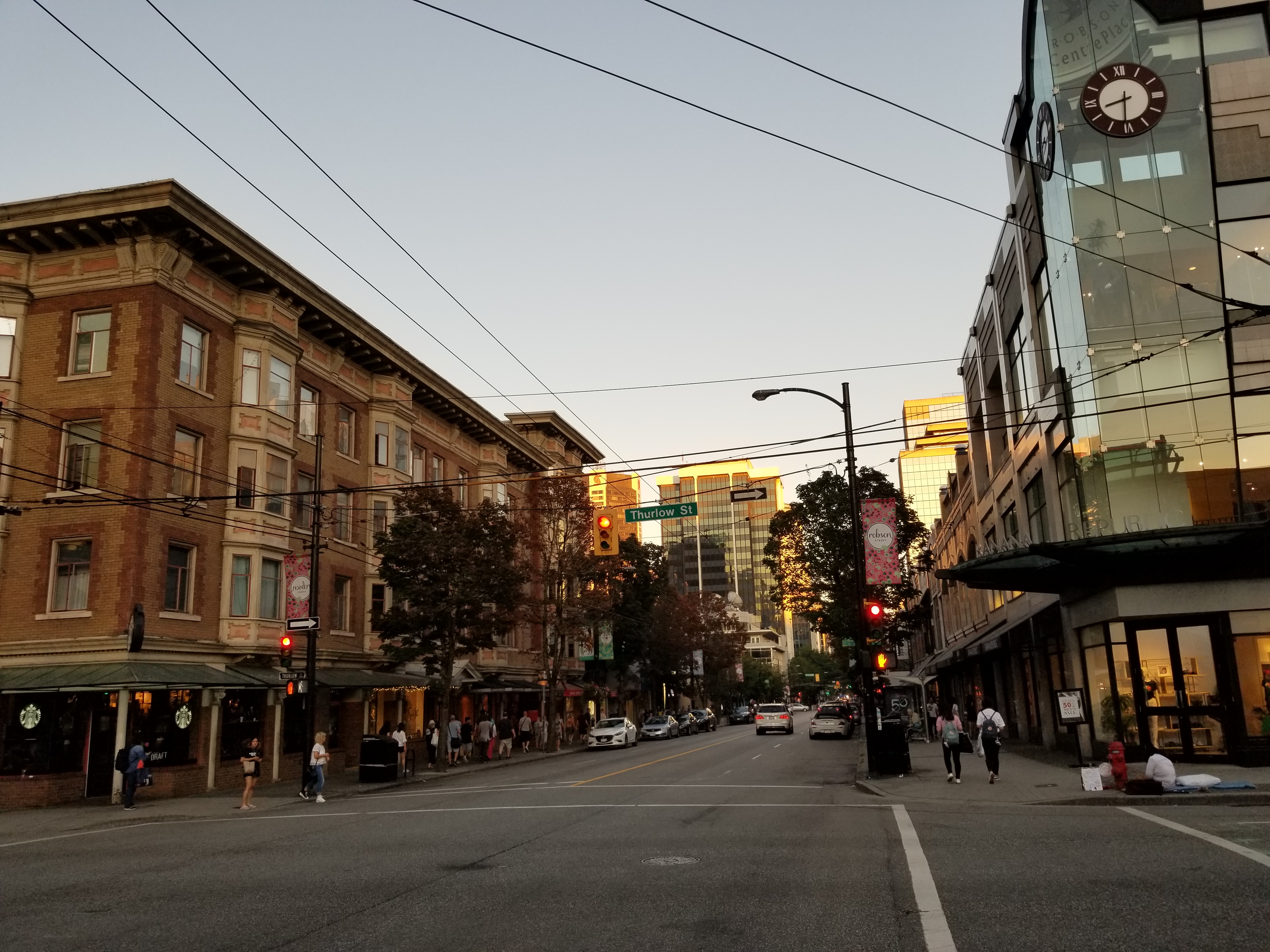
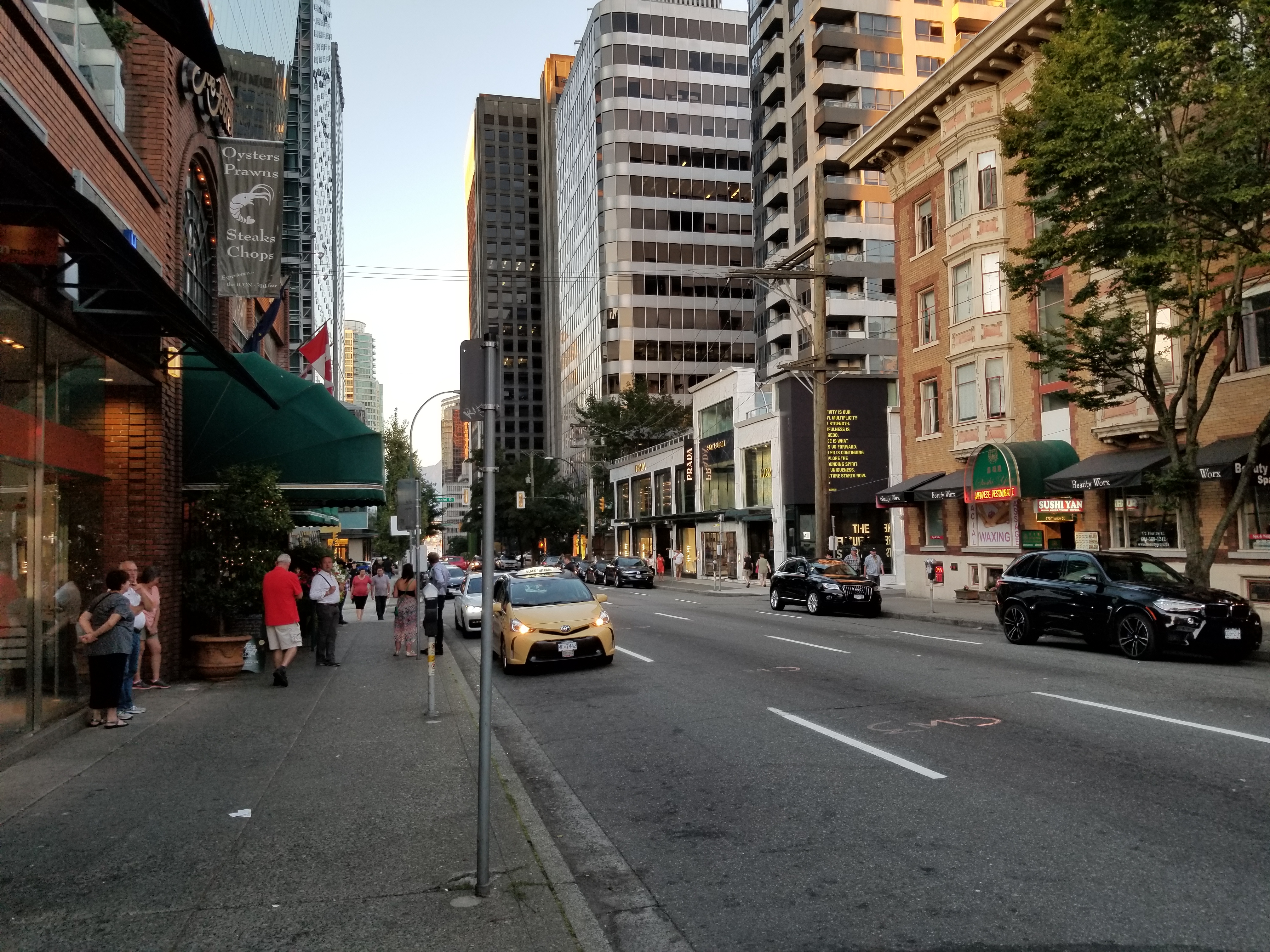
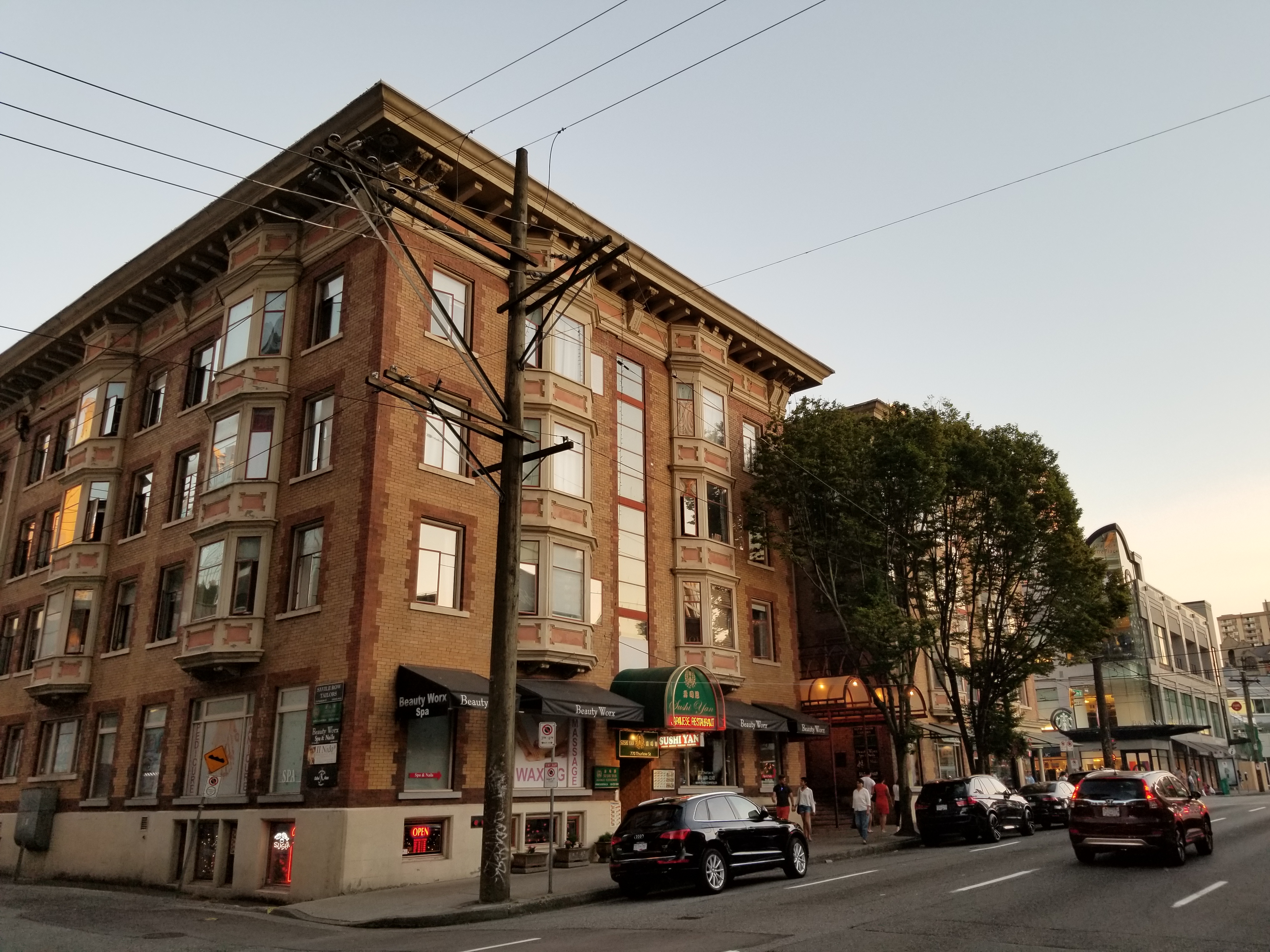
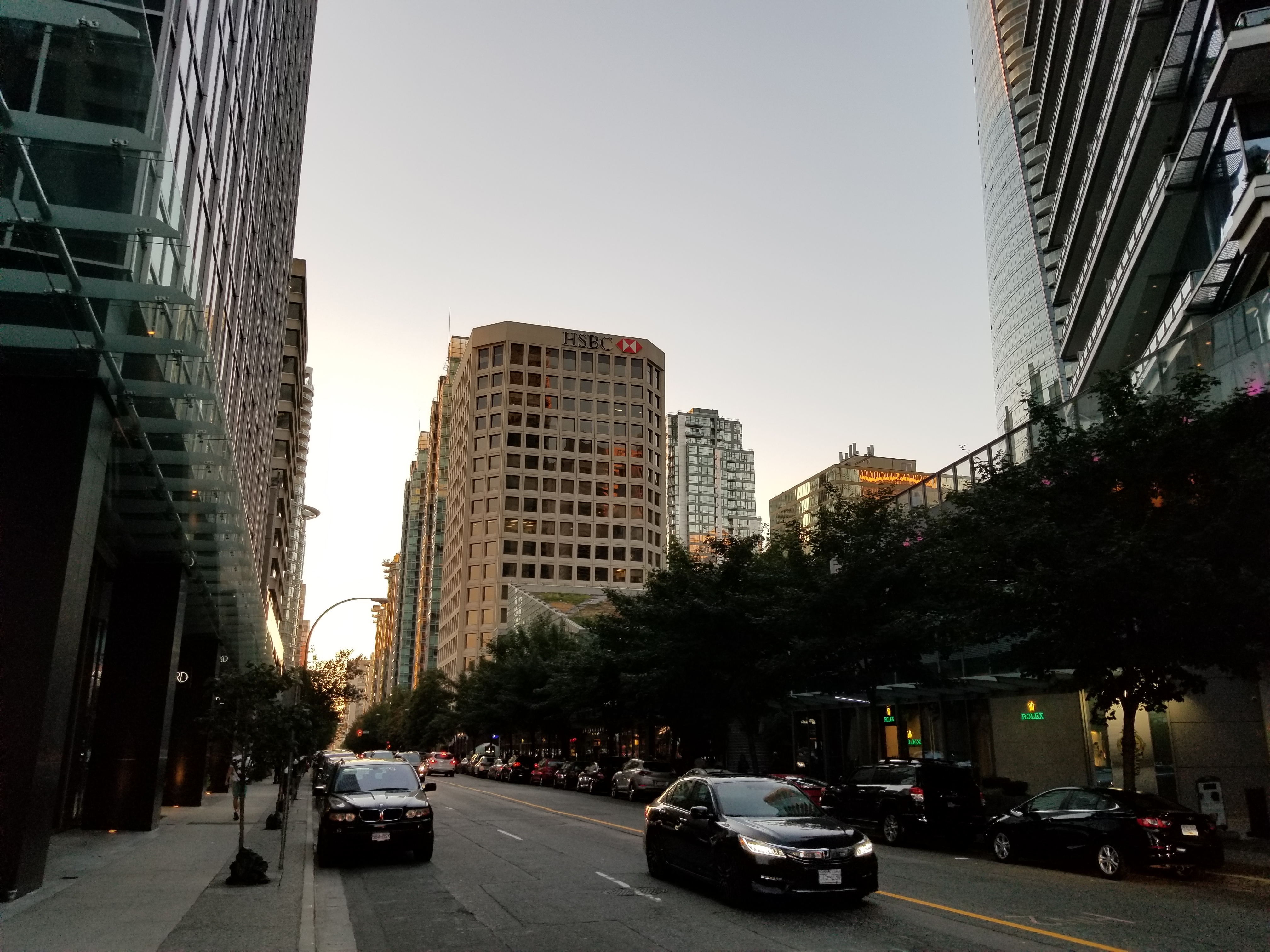
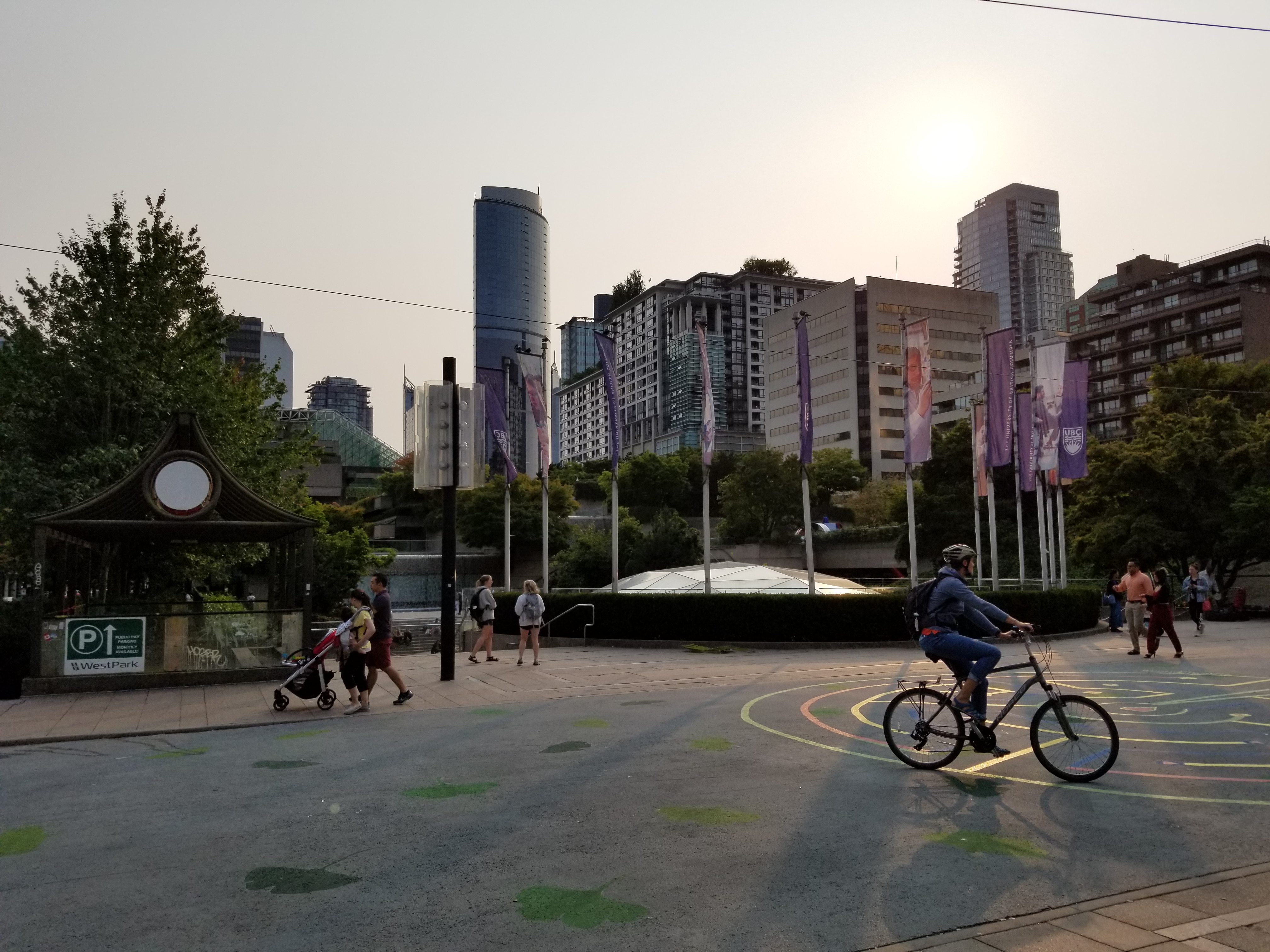
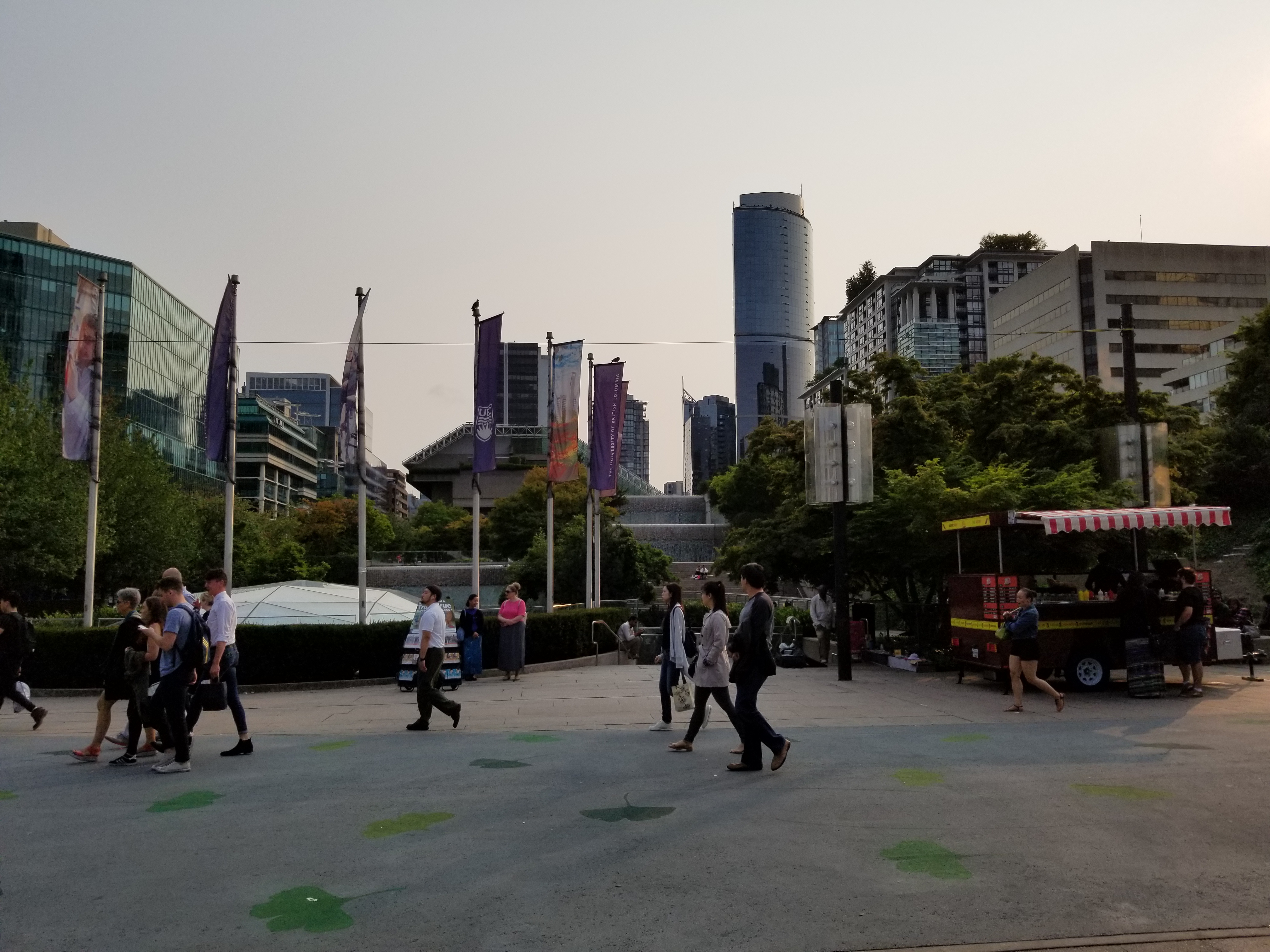
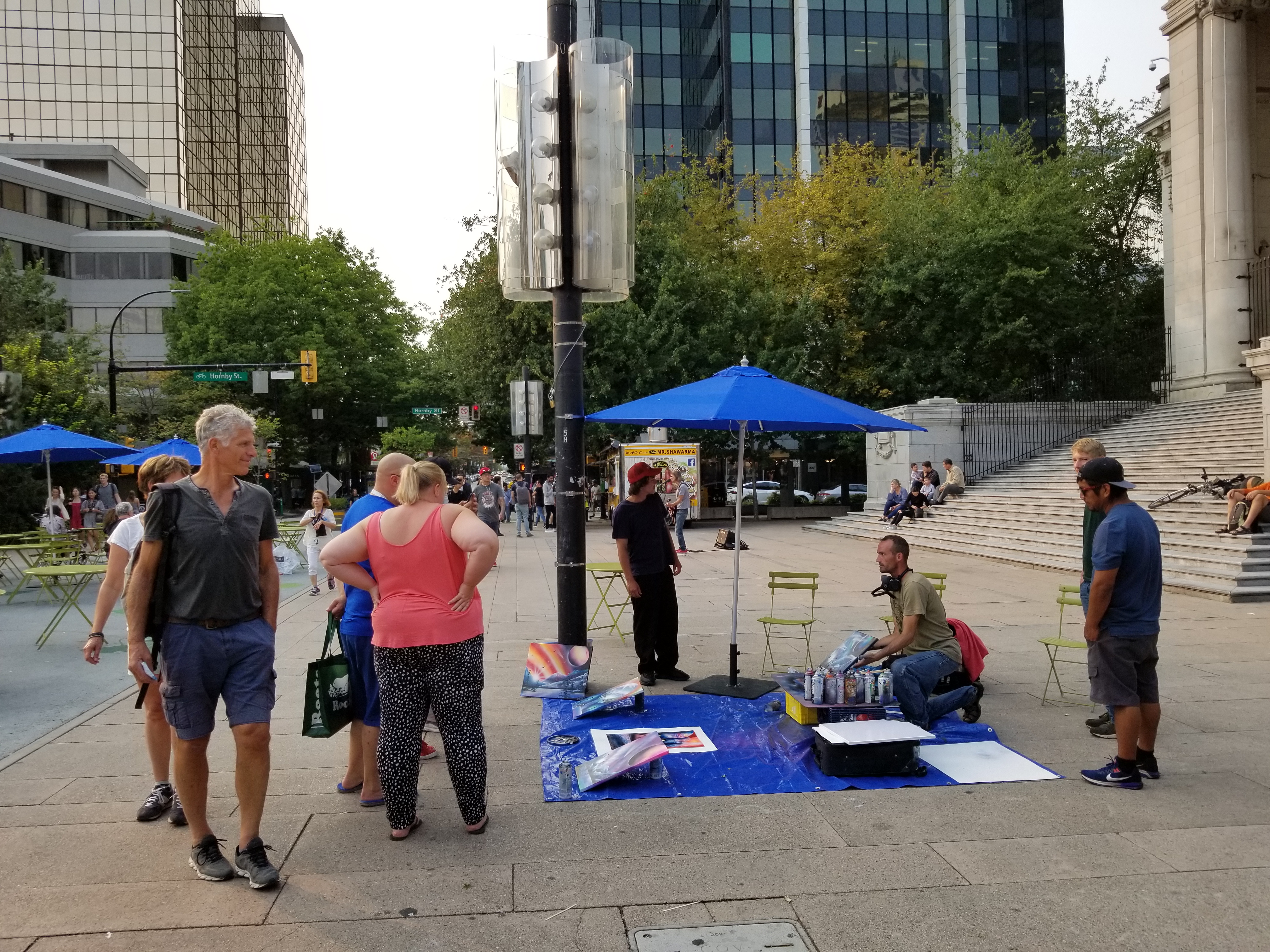
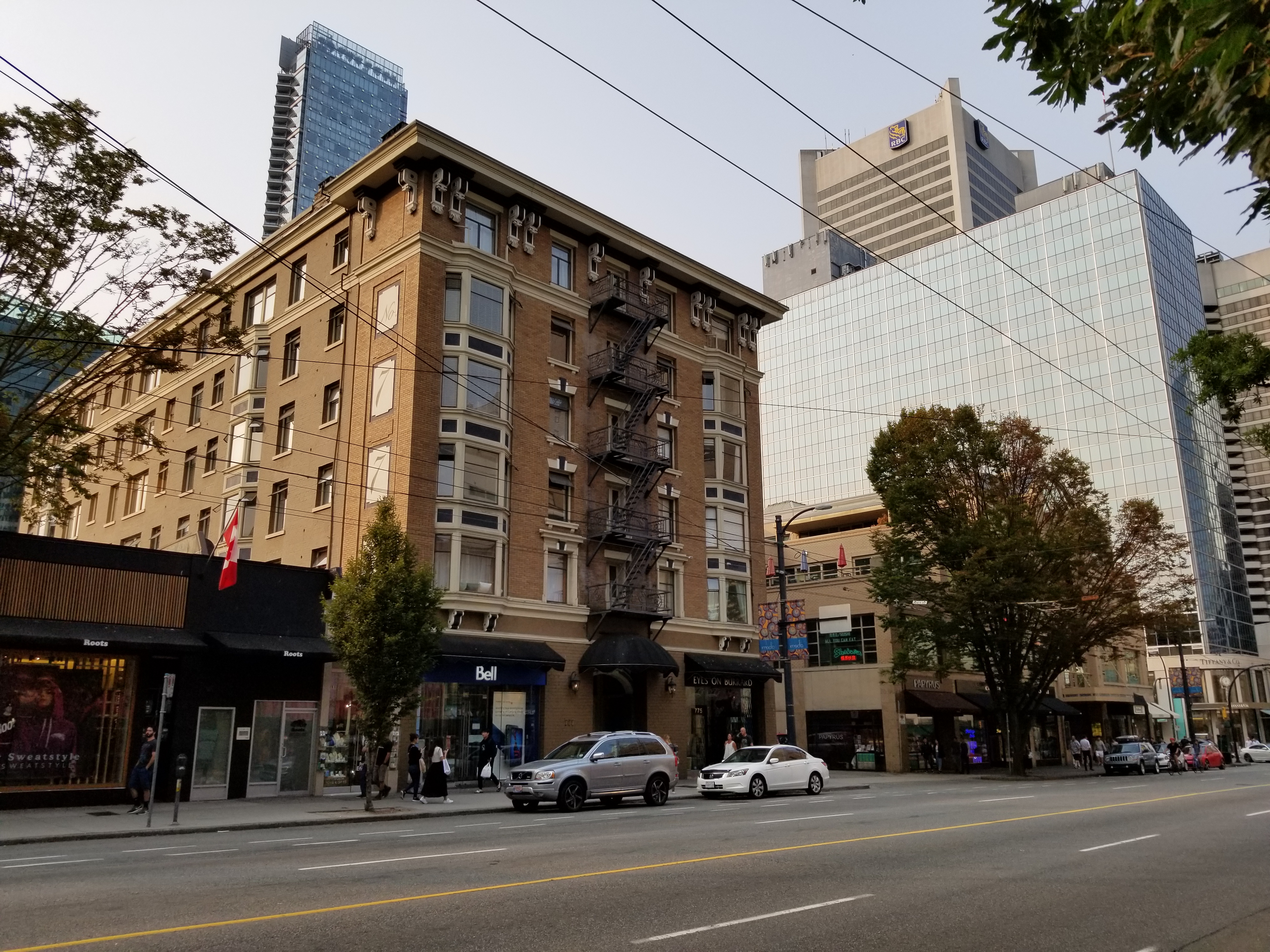
Robson Street is a major southeast-northwest thoroughfare in downtown and West End of Vancouver, British Columbia, Canada. Its core commercial blocks from Burrard Street to Jervis were also known as Robsonstrasse. Its name honours John Robson, a major figure in British Columbia’s entry into the Canadian Confederation, and Premier of the province from 1889 to 1892. Robson Street starts at BC Place Stadium near the north shore of False Creek, then runs northwest past Vancouver Library Square, Robson Square and the Vancouver Art Gallery, coming to an end at Lost Lagoon in Stanley Park.
As of 2006, the city of Vancouver overall had the fifth most expensive retail rental rates in the world, averaging US$135 per square foot per year, citywide. Robson Street tops Vancouver with its most expensive locations renting for up to US$200 per square foot per year. In 2006, both Robson Street and the Mink Mile on Bloor Street in Toronto were the 22nd most expensive streets in the world, with rents of $208 per square feet. In 2007, the Mink Mile and Robson slipped to 25th in the world with an average of $198 per square feet. The price of each continues to grow with Vancouver being Burberry’s first Canadian location and Toronto’s Yorkville neighbourhood (which is bounded on the south side by Bloor) now commanding rents of $300 per square foot.
In 1895, train tracks were laid down the street, supporting a concentration of shops and restaurants. From the early to middle-late 20th century, and especially after significant immigration from postwar Germany, the northwest end of Robson Street was known as a centre of German culture and commerce in Vancouver, earning the nickname Robsonstrasse, even among non-Germans (this name lives on in the Robsonstrasse Hotel on the street). At one time, the city had placed streetsigns reading “Robsonstrasse” though these were placed after the German presence in the area had largely vanished.
Robson Street was featured on an old edition of the Canadian Monopoly board as one of the two most expensive properties.
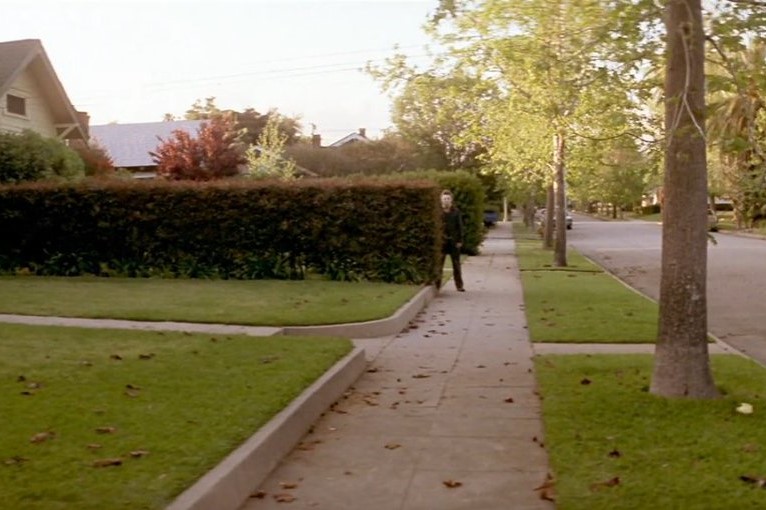
In 1963, a boy named Michael Myers (Will Sandin) slaughters her sister and is institutionalized. His doctor Sam Loomis (Donald Pleasence) sees evil in Michael, but his warnings go unheard. When Michael escapes on Halloween years later, he heads home. Pursued by Loomis, Michael finds his next batch of victims. A girl named Laurie Strode (Jamie Lee Curtis) and her friends are babysitting, but Halloween will end in terror as Michael hunts them.
Directed by John Carpenter, Halloween really kicked off the genre of the slasher despite previous ventures. The low-budget film gained good word of mouth, big ticket sales, and became a classic that airs multiple times during the Halloween season. It is often considered one of the best horror films of all time.
Halloween really gets it right. It has great pacing, builds great suspense, and good scares. Movies like Black Christmas experimented with the psycho-slasher aspect, but this film perfected it. The bloody deaths are creative and violent (I always love Michael in the ghost costume…and the fogged windows). The story also has the classic “more than human” ending with Michael disappearing after being shot, stabbed, etc.
Michael Myers is a great villain who is sometimes just referred to as “The Shape”. It is rarely remembered that he is unmasked in this film (played by Tony Moran). The reason is that Michael makes such an impression in his William Shattner mask (inside out). The idea of a superstrong killer that slowly and methodically kills was new and opposed to the dumb-as-a-box-of-rocks Jason Voorhees, his intelligence makes him more interesting.
Joining the creepy Michael Myers is Jamie Lee Curtis in her feature film debut. Anne Lockhart had been a front runner for the role, but Jamie Lee’s mother’s ties to Psycho did help sway casting her for publicity. She makes a good victim since she doesn’t just give up when she’s pursued. She’s the classic “virginal” survivor that gets to live because she doesn’t have sex. Curtis is joined by Carrie veteran P.J. Soles (with her signature pigtails) and Nancy Kyes as Laurie’s friends. Veteran actor Donald Pleasence plays his role as the doctor with a lot of fun, but it is a bit unfortunate because he damned to bad films after this film.
Halloween is a classic. I can watch it over and over again. It is a great Halloween edition that despite the R-Rating can be enjoyed right next to the original Frankenstein or It’s the Great Pumpkin, Charlie Brown. Halloween was followed by its first sequel Halloween II in 1981. It was also remade by Rob Zombie in 2007. In 2018, Halloween was released starring Jamie Lee Curtis as a sequel to this film, and that story ignored all of the original sequels and Rob Zombie films.

