Killing Two Capitalist Myths

https://theredphoenixapl.org/2009/12/08/killing-two-capitalist-myths/

There is a widespread popular myth that the capitalists are entitled to their compensation, as well as the value of other peoples’ labor, simply because they take “risks” or because they come up with original ideas for production of goods. A second popular myth is that we cannot criticize capitalism as a system, because capitalism has made our modern lifestyle possible. In other words, capitalism has provided us with consumer goods, should all just shut up and stop complaining. These are not ideas exclusive only to radical libertarians or Austrian School advocates; they are far more commonly accepted even by people who admit that there are many problems with the capitalist system.

The Theory of “Original Risk”

First, let’s look at this matter of “risk.” Who takes more risks—the worker or the capitalist? The capitalist is someone who has capital, at least enough to invest in some industry or business. After all, this is what we are speaking of when we speak about capitalists taking risks—they invest in some business or industry with the hopes of getting a high return on their investment. Recent events have shown us how wonderfully this system works, but let’s ignore that for a moment. What happens when the capitalist takes a risk and loses? Most likely, he/she will not lose everything unless they have been very foolish with their money and careless with their investments. Even if that should happen, what is the absolute worst that could occur? They will have to work for a living, like everyone else. How dreadful!

Now what about the worker’s risk? The worker is already forced into a life-or-death situation, as working people have no means of subsistence other than their ability to work. They are forced by necessity to work for the capitalist by his or her conditions in order to be paid money to live. Thus for many men, women and even underage children, the worker may often be risking physical injury, disease or death. Millions of workers worldwide are forced to risk their health and life by working long hours under extremely dangerous conditions such as exposure to toxic fumes, heavy machinery, unsafe structures and so on.

As if that wasn’t enough, the worker is also taking a risk when they trust that the company they work for isn’t going to go belly-up within a short time, putting them back out on the street. This is especially devastating in these days when unemployment is very high. Workers may have to relocate and disrupt their lives just to find a decent job. When they are laid off soon after relocating, all their plans are shattered. The capitalist by stark contrast, risks at most being reduced to the state of the worker. Clearly, the worker risks far more, and yet their compensation is far less than that of the capitalist, thus dispelling the idea that risk entitles one to wealth.

Capital, in a capitalist system, is generally accumulated via surplus value; that is the exploitation of workers’ labor. Moreover, what about those capitalists who make wise investments, searching for investments which will guarantee profitable returns? Should they be penalized or taxed in some way for not making risky investments? But how are investments risky when the richest capitalists can trust the governments they control to bail them out if they should fail? Those banks and companies which invested their money weren’t risking anything at all, since the government promptly compensated them for their failure at the expense of the public.

“Capitalism Has Given You All This!”

Now for the next item on the chopping block. In discussions about capitalism, we have heard many times the argument that reduces anti-capitalism and anti-imperialism to complaining: “You complain so much about capitalism, but capitalism is why you have a computer, phones, toasters, clothes…” and so on and so forth.

This argument essentially says that we have no right to be anti-capitalist because, presumably, capitalism is providing a better standard of living. There are many flaws with this argument. Foremost is the fact that capitalism is not providing such a wonderful lifestyle for the majority of the world’s population. More than half the world’s population—about 3 billion people—currently lives on less than a few dollars a day. Imagine if we were to suggest that African-Americans had no right to complain about the system of segregation and Jim Crow laws in the South simply because they had it worse under slavery. Slavery was objectively worse, as feudalism is objectively worse than capitalism, but that does not mean that the post-slavery society of the South should be beyond reproach. As well, this logic must also mean that because of the inventions that feudalism gave us, which we still use to this day, we must not criticize the feudal system of serfs, kings and lords.

We must also consider that in many countries which formerly had socialist systems, including revisionist market-socialist systems, the standard of living has dropped, often quite dramatically, with frightening consequences for many populations. It’s easy to look at modern-day Eastern European cities, note the people carrying expensive cell phones, the internet cafes, and the modern clubs and restaurants and conclude that this is an improvement over the late “socialist” societies which previously existed here. However, let us be honest—many of the innovations that make these societies bearable today did not exist even in capitalist societies in the last days of the USSR and Eastern Bloc, such as our wonderful modern cell phones.

These countries now import many luxuries and consumer goods that are out of reach for most of the world population. Not to mention that many people in the West acquired their homes, cars, and other luxury consumer goods through credit, and now we can all see the results of that scheme.

In Moscow, people work ridiculously long hours just to get a piece of that capitalist pie, to the point where many people will tell you that they have virtually no time for recreation. By contrast, the socialist government, even in the corrupt, revisionist post-Khrushchev era made it a point to ensure that workers had access to recreation and cultural facilities, and provided workers with the means to develop their various talents. When we look at the negative aspects of full capitalist restoration, such as plunging birthrates, migration, corruption, drug addiction, shortened life-spans, ethnic violence, sex slavery, and a failing social welfare system, it is clear that while it can be said that Western capitalist countries had a higher-standard of living compared to the socialist bloc countries, the standard of living in these countries today is in many ways worse.

So much worse in fact, that a number of articles from sources including The Wall Street Journal and the AFP report that recent polls show a growing discontent with capitalism and a rising opinion that life under “communism” was in many ways better. So to say that capitalism has provided us a much better world today is clearly dishonest as it has also provided a much worse standard of living for many people.

Now if we consider the argument that we should be grateful that capitalism has produced everything we use today, we see that it is also illogical on the grounds that capitalism has been the dominant system for several hundred years, and it has had time to develop unlike the first attempts at building socialism. To say that we can’t criticize capitalism because we depend on it today would be like attacking capitalism from a feudal perspective, pointing out that capitalism could not have accomplished anything without feudalism. How can the pro-capitalist sing the praises of capitalist innovation when so much of that innovation is based on previous technology, in turn based on previous scientific knowledge and methodology, all dating back centuries, even thousands of years in some cases, developed by societies which existed long before the development of capitalism and the money-based economy. Does capitalism owe a debt to the theocratic Islamic Caliphate, under which a great deal of crucial inventions and scientific advances were made? Try that argument next time a capitalist apologist tells you to thank capitalism.

Class Nature & Origin of these Arguments

These myths persist like urban legends. They are often the products of various think tanks and right-wing organizations who bankroll the books, television, and radio programs of pundits whose job is to convince working class people to align with the businessmen at the top, rather than consider their own interests.

Because there is an inherent contradiction between these two classes, in that what benefits one class necessarily comes at the expense of the other, the apologists for capitalism have little choice but to resort to illogical arguments in favor of capitalism. No wonder that right-wing punditry seems to prefer focusing on social issues, creating false outrages every week, and generally relying mainly on emotional appeals, especially fear.

Conclusion

Explaining that a capitalist deserves to profit off of others’ labor because he allegedly takes a risk simply does not stand up to scrutiny. Thus, the right today seems far more interested in convincing our fellow workers that they are in danger of a Marxist dictatorship, being taken over by “illegal aliens,” that their religion is under attack, and so forth. We must obviously engage and expose these lies, since if we attack the foundations of those myths which are used to justify capitalism in the eyes of the worker, it can only help towards building class consciousness. When class consciousness becomes strong enough, and the working class is fully aware of their class interests, all the whining, fear-mongering, and conspiracies of a thousand Glenn Becks will be able to throw the working class off their course toward revolution.

Ancient Egyptian civilization (article) | Khan Academy

https://www.khanacademy.org/humanities/world-history/world-history-beginnings/ancient-egypt-hittites/a/egypt-article

Overview

  • Egyptian civilization developed along the Nile River in large part because the river’s annual flooding ensured reliable, rich soil for growing crops.
  • Repeated struggles for political control of Egypt showed the importance of the region’s agricultural production and economic resources.
  • The Egyptians kept written records using a writing system known as hieroglyphics.
  • Egyptian rulers used the idea of divine kingship and constructed monumental architecture to demonstrate and maintain power.
  • Ancient Egyptians developed wide-reaching trade networks along the Nile, in the Red Sea, and in the Near East.

Early Egypt

Much of the history of Egypt is divided into three “kingdom” periods—Old, Middle, and New—with shorter intermediate periods separating the kingdoms. The term “intermediate” here refers to the fact that during these times Egypt was not a unified political power, and thus was in between powerful kingdoms. Even before the Old Kingdom period, the foundations of Egyptian civilization were being laid for thousands of years, as people living near the Nile increasingly focused on sedentary agriculture, which led to urbanization and specialized, non-agricultural economic activity.

Evidence of human habitation in Egypt stretches back tens of thousands of years. It was only in about 6000 BCE, however, that widespread settlement began in the region. Around this time, the Sahara Desert expanded. Some scientists think this expansion was caused by a slight shift in the tilt of the Earth. Others have explored changing rainfall patterns, but the specific causes are not entirely clear. The most important result of this expansion of the Sahara for human civilization was that it pushed humans closer to the Nile River in search of reliable water sources.

Apart from the delta region, where the river spreads out as it flows into the sea, most settlement in the Nile Valley was confined to within a few miles of the river itself (see map above). The Nile River flooded annually; this flooding was so regular that the ancient Egyptians set their three seasons—Inundation, or flooding, Growth, and Harvest—around it.

This annual flooding was vital to agriculture because it deposited a new layer of nutrient-rich soil each year. In years when the Nile did not flood, the nutrient level in the soil was seriously depleted, and the chance of food shortages increased greatly. Food supplies had political effects, as well, and periods of drought probably contributed to the decline of Egyptian political unity at the ends of both the Old and Middle Kingdoms.

Although we do not know the specific dates and events, most scholars who study this period believe that sometime around the year 3100 BCE, a leader named either Narmer or Menes—sources are unclear on whether these were the same person!—united Egypt politically when he gained control of both Upper and Lower Egypt.

Somewhat confusingly, when you look at a map of this area, Lower Egypt is the delta region in the north, and Upper Egypt refers to the southern portion of the country, which is upriver from the delta. You may encounter this terminology when reading about rivers in history, so a good trick is to remember that rivers flow downhill, so the river is lower toward its end at the sea and higher closer to its source!

After political unification, divine kingship, or the idea that a political ruler held his power by favor of a god or gods—or that he was a living incarnation of a god—became firmly established in Egypt. For example, in the mythology that developed around unification, Narmer was portrayed as Horus, a god of Lower Egypt, where Narmer originally ruled. He conquered Set, a god of Upper Egypt. This mythologized version of actual political events added legitimacy to the king’s rule.

The use of hieroglyphics—a form of writing that used images to express sounds and meanings—likely began in this period. As the Egyptian state grew in power and influence, it was better able to mobilize resources for large-scale projects and required better methods of record-keeping to organize and manage an increasingly large state. During the Middle Kingdom, Egyptians began to write literature, as well. Some writing was preserved on stone or clay, and some was preserved on papyrus, a paper-like product made from reed fiber. Papyrus is very fragile, but due to the hot and dry climate of Egypt, a few papyrus documents have survived. Hieroglyphic writing also became an important tool for historians studying ancient Egypt once it was translated in the early 1800s.

As rulers became more powerful, they were better able to coordinate labor and resources to construct major projects, and more people required larger supplies of food. Projects to improve agricultural production, such as levees and canals became more important. Irrigation practices consisted of building mud levees—which were walls of compacted dirt that directed the annual flooding onto farmland and kept it away from living areas—and of digging canals to direct water to fields as crops were growing.

Elites, those individuals who were wealthy and powerful, began building larger tombs which were precursors to the pyramids. These tombs represented a growing divide between the elite and common people in Egyptian society. Only the wealthy and important could afford and be considered as deserving of such elaborate burials.

Old Kingdom Egypt: 2686-2181 BCE

During the Old Kingdom period, Egypt was largely unified as a single state; it gained in complexity and expanded militarily. Old Kingdom rulers built the first pyramids, which were both tombs and monuments for the kings who had them built. Building monumental architecture—such as the Great Pyramid and the Sphinx in Giza, and temples for different gods—required a centralized government that could command vast resources.

The builders of the pyramids were not enslaved people but peasants, working on the pyramids during the farming off-season. These peasants worked alongside specialists like stone cutters, mathematicians, and priests. As a form of taxation, each household was required to provide a worker for these projects, although the wealthy could pay for a substitute. This demonstrates both the power of the state to force people to provide labor and also the advantages enjoyed by elites, who could buy their way out of providing labor.

Egyptians also began to build ships, constructed of wooden planks tied together with rope and stuffed with reeds, to trade goods such as ebony, incense, gold, copper, and Lebanese cedar—which was particularly important for construction projects—along maritime routes.

Middle Kingdom: 2000-1700 BCE

The Middle Kingdom saw Egypt unified again as kings found ways to take back power from regional governors. From the Middle Kingdom era forward, Egyptian kings often kept well-trained standing armies. The ability of the Egyptian state to create and maintain a standing military force and to build fortifications showed that it had regained control of substantial resources.

Political fragmentation led to the Second Intermediate Period. The precise dates are unclear; even though writing allowed for more events to be recorded, most things still were not, and many more records have been lost or destroyed.

Taking advantage of this political instability in Egypt, the Hyksos appeared around 1650 BCE. They were a Semitic people, meaning they spoke a language that originated in the Middle East, which indicated that they were not native to Egypt. The Hyksos imposed their own political rulers but also brought many cultural and technological innovations, such as bronze working and pottery techniques, new breeds of animals and new crops, the horse and chariot, the composite bow, battle-axes, and fortification techniques for warfare.

New Kingdom: 1550-1077 BCE

Around 1550 BCE, the New Kingdom period of Egyptian history began with the expulsion of the Hyksos from Egypt and the restoration of centralized political control. This period was Egypt’s most prosperous time and marked the peak of its power.

Also in this period, Hatshepsut, Egypt’s most famous female ruler, established trade networks that helped build the wealth of Egypt and commissioned hundreds of construction projects and pieces of statuary, as well as an impressive mortuary temple at Deir el-Bahri. She also ordered repairs to temples that had been neglected or damaged during the period of Hyksos rule.

The term pharaoh, which originally referred to the king’s palace, became a form of address for the king himself during this period, further emphasizing the idea of divine kingship. Religiously, the pharaohs associated themselves with the god Amun-Ra, while still recognizing other deities.

In the mid-1300s BCE, one pharaoh attempted to alter this tradition when he chose to worship Aten exclusively and even changed his name to Akhenaten in honor of that god. Some scholars interpret this as the first instance of monotheism, or the belief in a single god. This change did not survive beyond Akhenaten’s rule, however.

New Kingdom Egypt reached the height of its power under the pharaohs Seti I and Ramesses II, who fought to expand Egyptian power against the Libyans to the west and the Hittites to the north. The city of Kadesh on the border between the two empires was a source of conflict between the Egyptians and the Hittites, and they fought several battles over it, ultimately agreeing to the world’s first known peace treaty.

Third Intermediate Period: 1069-664 BCE

The costs of war, increased droughts, famine, civil unrest, and official corruption ultimately fragmented Egypt into a collection of locally-governed city-states. Taking advantage of this political division, a military force from the Nubian kingdom of Kush in the south conquered and united Lower Egypt, Upper Egypt, and Kush. The Kushites were then driven out of Egypt in 670 BCE by the Assyrians, who established a client state (a political entity that is self-governing but pays tribute to a more powerful state) in Egypt.

In 656 BCE, Egypt was again reunited and broke away from Assyrian control. The country experienced a period of peace and prosperity until 525 BCE, when the Persian king Cambyses defeated the Egyptian rulers and took the title of Pharaoh for himself, along with his title as king of Persia.

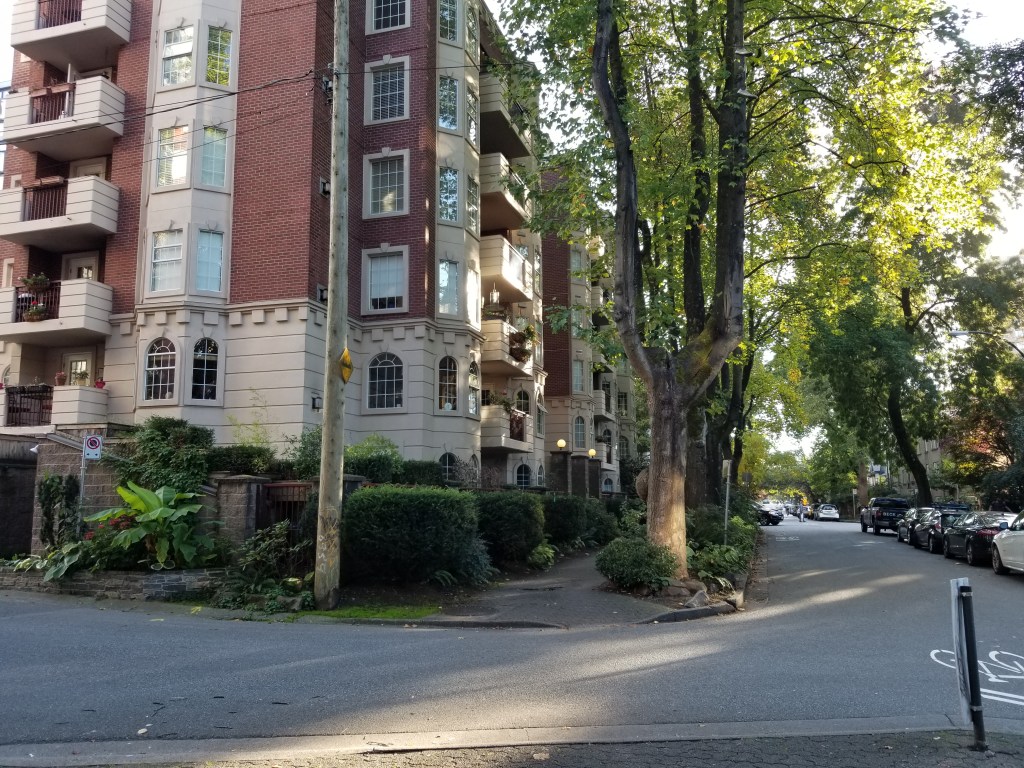
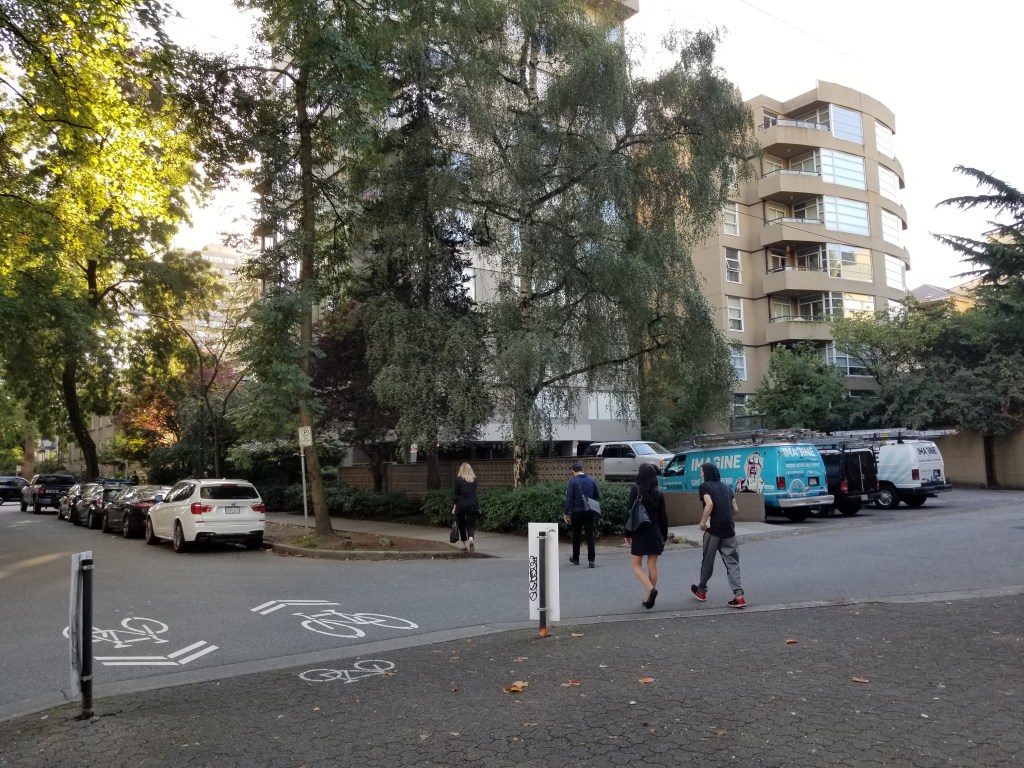
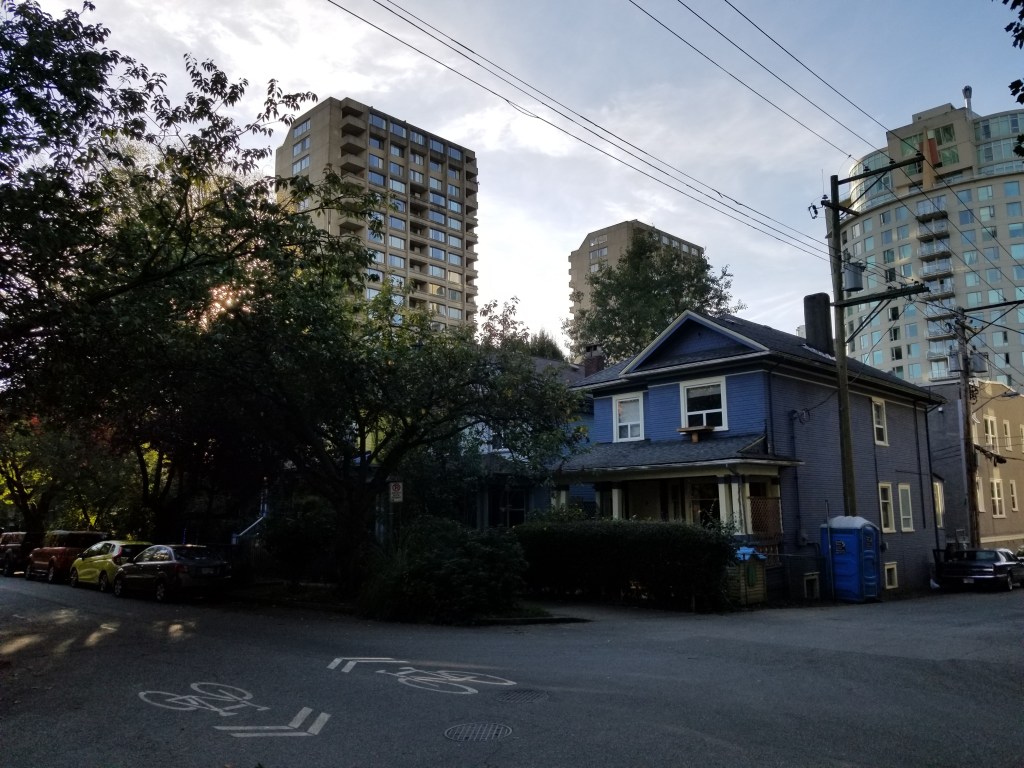
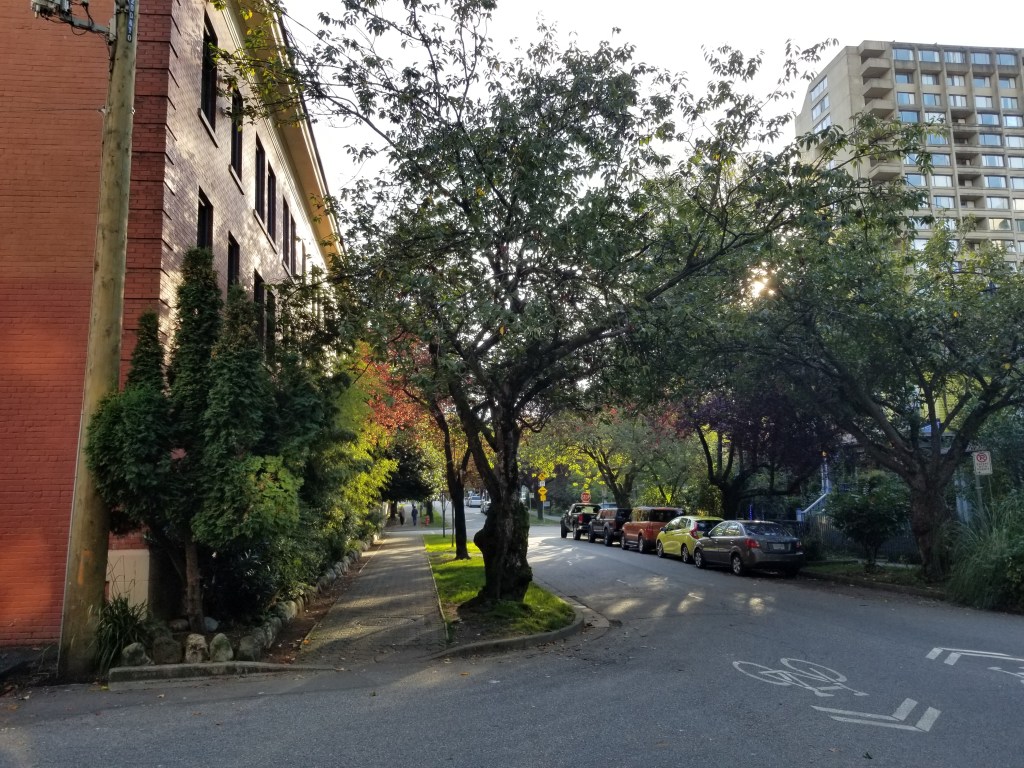
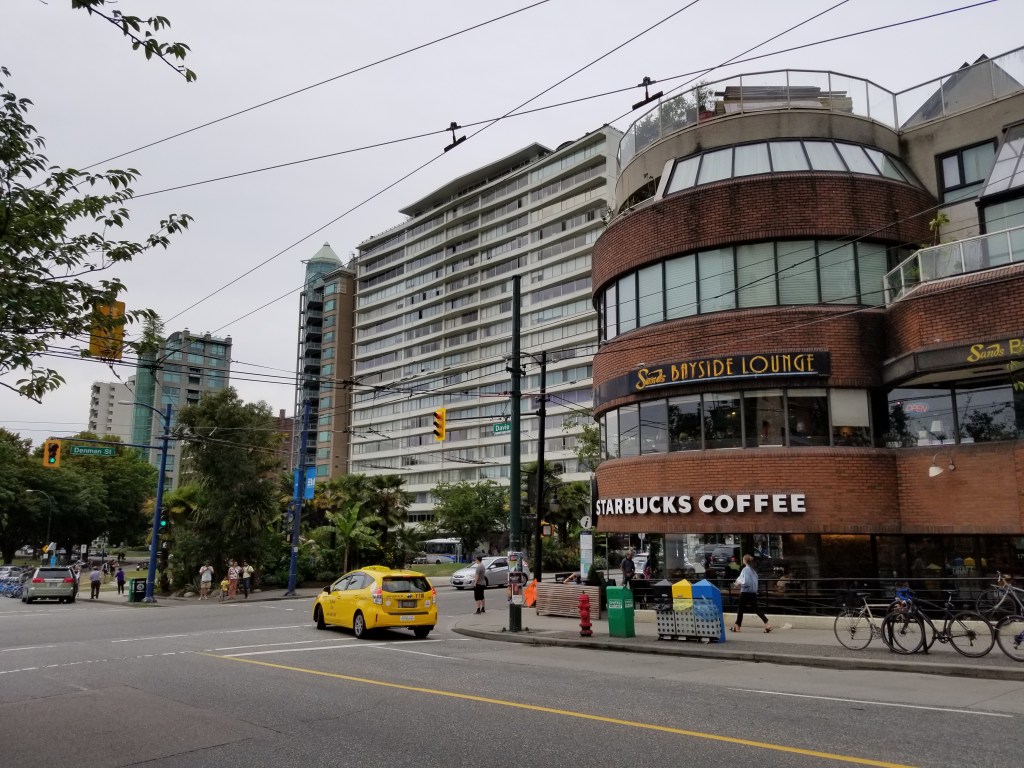
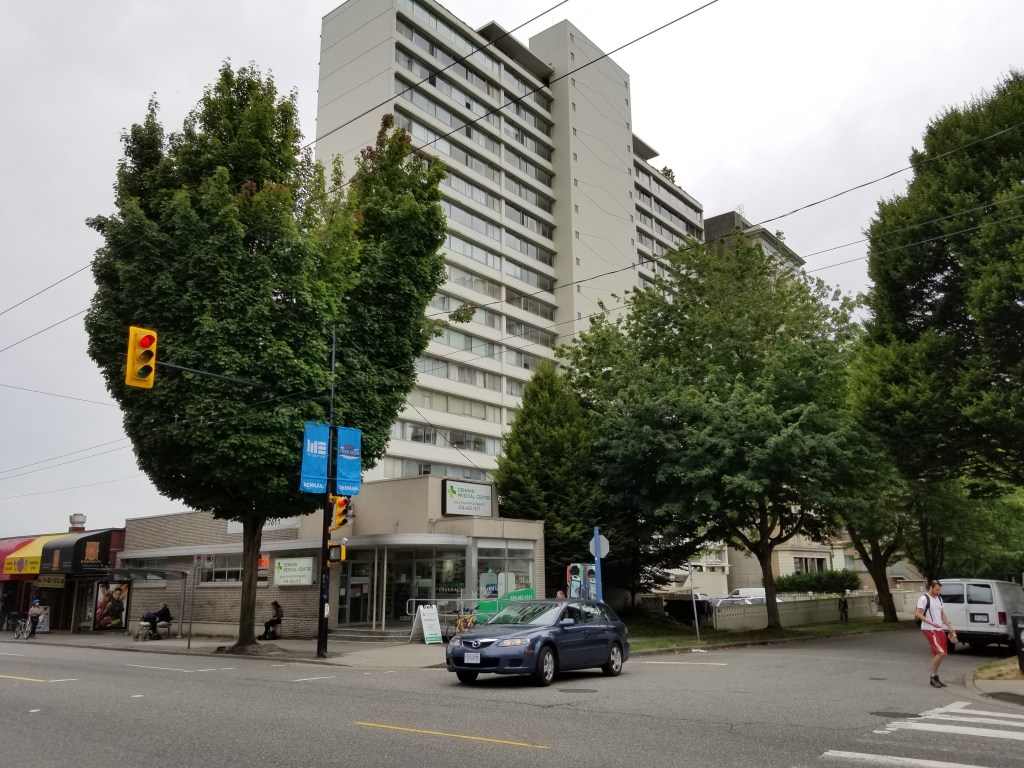
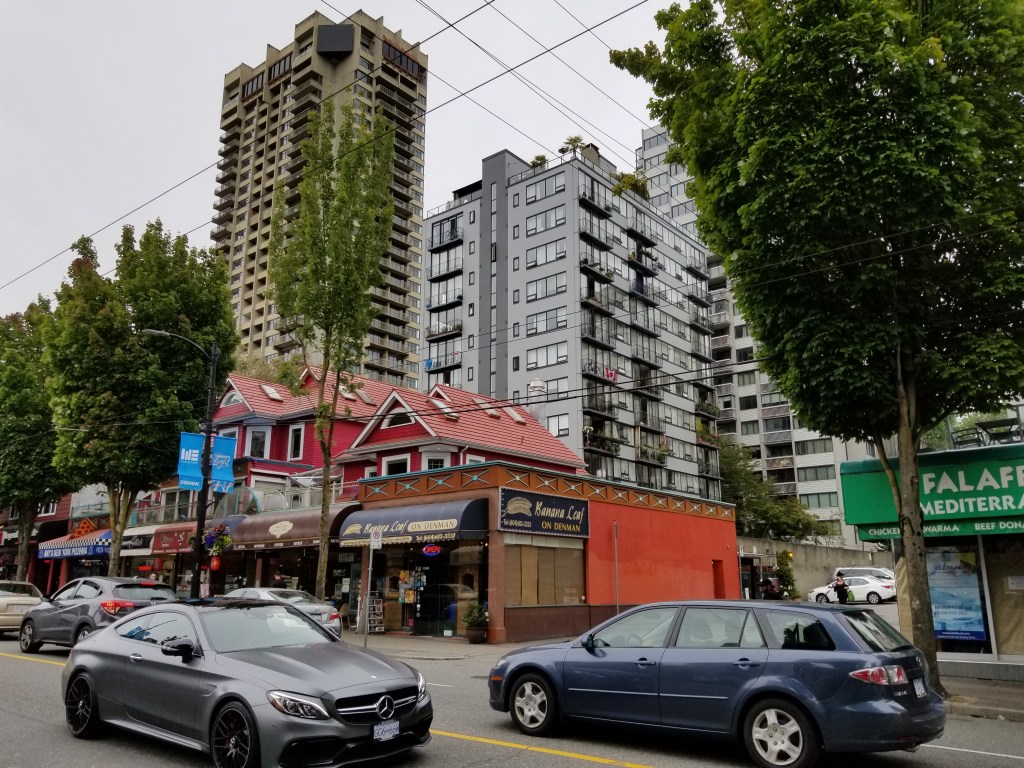
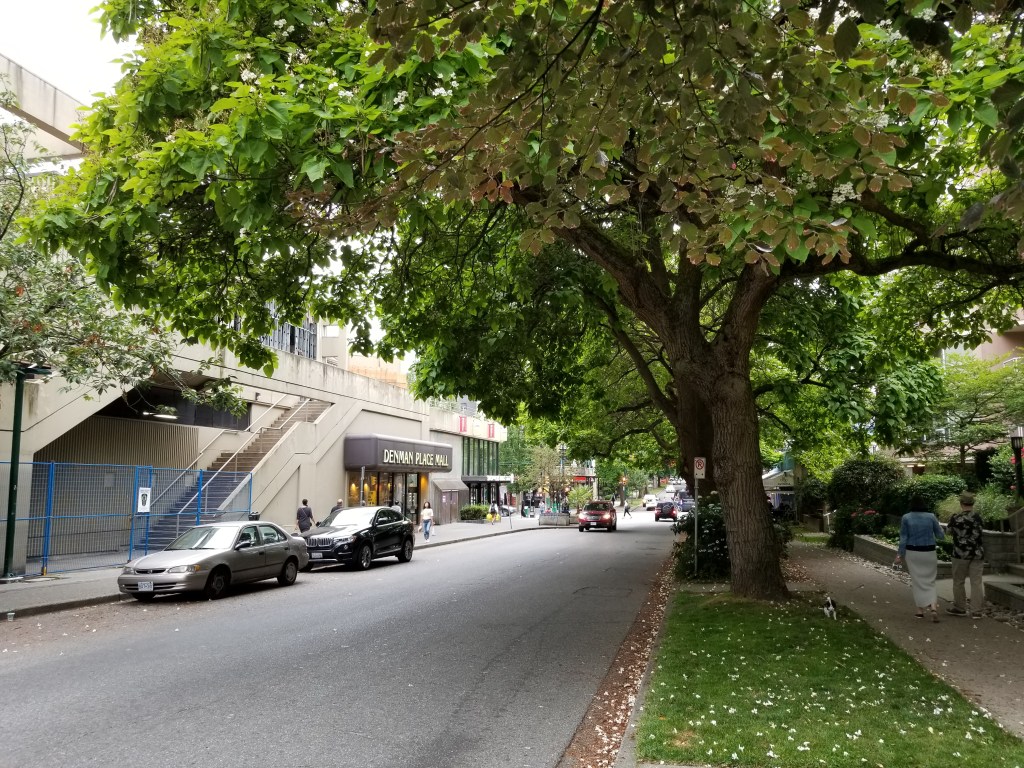
On Cambie Street in Downtown Vancouver. Summer of 2020.

Cambie Street is a street in Vancouver, British Columbia, Canada. It is named for Henry John Cambie, chief surveyor of the Canadian Pacific Railway’s western division (as is Cambie Road, a major thoroughfare in nearby Richmond).

There are two distinct sections of the street. North of False Creek, the street runs on a northeast-southwest alignment (following the rotated street grid within Downtown Vancouver). As such, the street direction is approximately 45 degrees to that of the Cambie Bridge, and there is no seamless connection between the two. Instead, Nelson Street carries southbound traffic onto the bridge, and Smithe Street carries northbound traffic away from the bridge. The downtown section of Cambie Street runs from Water Street in Gastown in the north to Pacific Boulevard in Yaletown in the south and is a two-way street for its length.

South of False Creek, the street is a major six-lane arterial road, and runs as a two-way north-south thoroughfare according to the street grid for the rest of Vancouver. This section of the street was originally named Bridge Street, and was first connected to Cambie Street after the first Cambie Bridge opened in 1891; it was renamed Cambie Street after the second Cambie Bridge opened in 1912.

Between King Edward Avenue West and Southwest Marine Drive, the street has a 10 metre wide boulevard with grass and many well established trees on it; the boulevard was designated as a heritage landscape by the city of Vancouver in 1993.

When proposals to build SkyTrain’s Canada Line (formerly known as the Richmond-Airport-Vancouver or RAV Line) along Cambie Street first emerged, they were heavily protested by residents and business owners who wanted to keep the street as a heritage boulevard. They argued in favour of using the existing Arbutus Street rail corridor instead.

Once the decision was made to use the Cambie alignment for the Canada Line anyway, residents along the corridor successfully persuaded authorities to put the rail line in a tunnel instead of running it as a surface route, and to dig the tunnel using a tunnel boring machine. However, due to cost concerns and time constraints, the winning bidder decided to use a cut-and-cover method to build the tunnel – which required disruption to traffic and business along the corridor during the construction. As such, even though it cost less and was much faster than using a tunnel boring machine, the plan drew heavy criticism from area residents and businesses.

During 2006 to 2009, portions of the street south of False Creek were closed to traffic to allow for construction of the line. The cut-and-cover tunnel runs underneath the east side of the street for most of its route. South of West 63rd Avenue, the line emerges from the tunnel and runs on an elevated structure across the Fraser River.

Gregor Robertson, who later became the mayor of Vancouver, was a strong supporter of Cambie Street merchants and spoke regularly about hardships from the Canada Line construction. He called the handling of the rail line construction an “injustice.”

On March 23, 2009, Robertson testified in a lawsuit brought by Cambie Street merchant Susan Heyes, owner of Hazel & Co., in the B.C. Supreme Court regarding damage to her business from the construction, a lawsuit for which she was awarded $600,000 by the B.C. Supreme Court due in part to the fact that there was insufficient action to mitigate the effects of Canada Line construction on Cambie Street merchants. The award for damages was later reversed at the British Columbia Court of Appeal, which determined that while the project had resulted in a legal nuisance to the claimant, the government had acted within its authority and was therefore not liable for damages. Leave for further appeal to the Supreme Court of Canada was subsequently denied. On the Canada Line’s opening day of August 17, 2009, Robertson said Greater Vancouver needed more rapid transit but the Canada Line was a “great start” and that he was a “Johnny-come-lately” to the project.

The work of engineer Eladio Dieste: Church of Atlántida

http://whc.unesco.org/en/list/1612

The Church of Atlántida with its belfry and underground baptistery is located in Estación Atlántida, 45 km away from Montevideo. Inspired by Italian paleo-Christian and medieval religious architecture, the modernistic Church complex, inaugurated in 1960, represents a novel utilization of exposed and reinforced brick. Built on rectangular plan of one single hall, the church features distinctive undulating walls supporting a similarly undulating roof, composed of a sequence of reinforced brick Gaussian vaults developed by Eladio Dieste (1917-2000). The cylindrical bell-tower, built in openwork exposed brick masonry, rises from the ground to the right of the main church facade, while the underground baptistery is located on the left side of the parvis, accessible from a triangular prismatic entrance and illuminated via a central oculus. The Church provides an eminent example of the remarkable formal and spatial achievements of modern architecture in Latin America during the second part of the 20th century, embodying the search for social equality with a spare use of resources, meeting structural imperatives to great aesthetic effect.

Brief synthesis

The Church of Atlántida of engineer Eladio Dieste with its belfry and underground baptistery is located in Estación Atlántida, a low-density locality, 45 km away from Montevideo. Inspired by Italian paleo-Christian and medieval religious architecture, the Church with its belfry and baptistery, all built in exposed bricks, exhibit forms dictated by the effort to achieve greater robustness with limited resistant sections and use of material.

The property is an emblematic example of the application of a new building technique, reinforced ceramic, which Dieste developed by drawing on a thousand-year long tradition of brick construction, while applying modern scientific and technological knowledge, and thus opening up new structural and expressive possibilities for architecture.

Designed from the outset to be built with local materials by local people, the Church of Atlántida, located in a lower middle-class semi-rural community, has its roots in long-established building traditions, while embodying the scientific and technical achievements of modernity. The Church of Atlántida reflects efforts to optimise the use of resources and ensure sustainability. The property is imbued with the humanistic principles that constantly guide the spatial and material concepts of engineer Dieste.

Criterion (iv): The Church of Atlántida of engineer Eladio Dieste represents the highest spatial and aesthetic expression of a construction and technological innovation – the reinforced brickwork coupled with the mobile formwork – that draws from tradition, whilst reinterpreting and innovating it, and opens up structural and formal opportunities in architecture impossible to conceive and achieve up to that date with traditional masonry. The property embodies the post-war search for a renewed architectural language, expressing a modernity rooted in tradition and in the vernacular in Latin America and worldwide. It also reflects the locale and its people who built it. The church illustrates the confluence of geometry, of the static conception of the building, of the form expressed by the chosen building material.

Integrity

The Church of Atlántida includes all the elements linked to the history of the location and the period over which the building has been functioning. Its dimensions are sufficient to provide a comprehensive representation of the characteristics and processes that embody its Outstanding Universal Value. The church, which is in constant use, is currently in a good state of conservation. Thanks to a recent conservation programme, the building does not face any risks, and the pathologies affecting it can be treated.

Authenticity

The property is authentic in terms of location, time, construction materials, surroundings, and the substance of its creation and liturgical use.

Protection and management requirements

Requirements for the protection of the property are linked to its designation as a National Historic Monument by virtue of Heritage Law no. 10.040 of August 1971, amended in 2008 and 2015, and of Regulatory Decree 536/72. Conservation is the responsibility of the Heritage Commission, under the Ministry of Education and Culture. The Partial Land Use Plan for the commune of Atlántida and Estación Atlántida, which constitutes the legal land use instrument, recognises the heritage property status of the Church of Atlántida. Ownership is currently shared by the Bishopric of Canelones and the Congregation of the Rosarian Nuns, two institutions of the Catholic Church; however, steps have been undertaken to gather all elements of the property into the Bishopric’s ownership.

The Church is administered by the Management Unit, which incorporates an Executive Committee, and a Deliberative Committee consisting of a set of institutional and social stakeholders who ensure the participation of citizens in the management of the heritage property. The Executive Committee, which takes decisions relating to intervention of all types on the property, is composed of the Ministry of Education and Culture, the Heritage Commission and the Bishopric of Canelones. The Deliberative Committee provides direct support to the Executive Committee; it consists of stakeholders involved in the routine management of the church as regards operational and material matters and its surroundings. The technical, administrative and economic resources are provided by State institutions and by the Catholic Church.

Putin’s state of the nation speech highlights crisis of Russian oligarchy

https://www.wsws.org/en/articles/2018/03/06/puti-m06.html

On March 1, Vladimir Putin delivered a state of the nation speech that highlighted the crisis of the Russian oligarchy which finds itself beleaguered by US imperialism while Russia is in the midst of prolonged economic and social decline.

The annual speech to members of the Federal Assembly (i.e. both the upper and lower houses of the Russian parliament) is usually given in December, but was delayed multiple times before the Kremlin announced just a few weeks ago that it would be held just 17 days before the presidential election. Unlike in the past, Putin gave his speech not in the Kremlin’s St. George Hall but at the much larger Manege, an old Tsarist riding school outside the Kremlin.

Putin’s two-hour speech was riddled with contradictions, combining extreme nationalism with social demagogy, concessions to the liberal opposition and the announcement of Russia entering a nuclear arms race with the United States (see also: “Responding to US threats, Russian President Putin proclaims nuclear arms race”).

Before he proceeded to Russia’s military rearmament, on which all Western press reports have focused, Putin devoted some two parts of his speech to social and economic questions. It was the first time that Putin, who is widely expected to win the presidential elections on March 18, has revealed something akin to an election program.

Putin deliberately refused to acknowledge the massive impact of the sanctions of the EU and US on the Russian economy. He did not once mention gas exports and oil prices, on which the Russian economy and budget heavily rely. Even though the sanctions and the drop in international oil prices have led to a recession in Russia from 2014-2016 from which the economy has still not fully recovered, Putin mentioned the crisis and the sanctions only once in passing, arguing instead that “a new macroeconomic reality has been created in Russia today with a low inflation and a generally stable economy.”

In delivering a speech that, in its final parts, was aimed at preparing the population for the possibility of a nuclear war with the United States, Putin thus tried to belittle both the extent of Russia’s social and economic crisis and its extreme dependence on the world market.

In addressing the social situation, Putin offered a bizarre mixture of grandiose social promises with statements that everything was going great already followed by grudging, vague admissions of an acute social and economic crisis in Russia.

Many of these promises were reminiscent of what Putin had promised before time and again. If anything, the demagogy was even starker. Putin proposed an increase in pensions; massive government investments into the development of cities and small towns, the infrastructure of streets and railways, which are in a desperately poor state; the development of the housing stock; as well as a substantial increase in spending on education and the health care system. This is after almost two decades in which Putin has been president or prime minister while drastic cuts to almost all of these sectors were undertaken.

Virtually every task that Putin set for the new government was followed by a variation of the phrase: “This will be a very difficult task. But I’m confident that we can solve it.” He briefly mentioned his May decrees from 2016 in which he had already set forth a series of social demands, including a livable income for everyone, basically acknowledging that they had not been realized.

With this lengthy but remarkably vague and demagogic part of his speech, Putin was no doubt responding to growing unrest in the working class. Just a few weeks ago, a series of teachers in Tagaranrog had protested against the poverty wages they received, referring to Putin’s May decrees. One of the teachers involved was promptly fired (see also: “Russian teacher fired after criticizing low salaries”).

Shortly thereafter, a young nurse from the southern Urals posted a video of herself on vkontakte (a Russian version of Facebook), reciting a poem in which she severely criticized the decrepit state of Russia’s social and health care system and explained why she was becoming ever more nostalgic about the Soviet Union: “I’m teaching my children to love their motherland, but I cannot explain them for what. My father did not make it until retirement age, he could not bear the burden, he always paid into the pension fund but where is his money now?” The video has been viewed by over 200,000 people.

After describing at length all social issues that his new government would allegedly address, Putin announced an economic program that de facto caters to the demands of the liberal opposition and figures such as Ksenia Sobchak, and would inevitably be accompanied by further social austerity.

He added: “In order for the economy to work at its maximum strength we need to fundamentally improve the business climate, and guarantee the highest level of entrepreneurial freedoms and competition. …The participation of the state in the economy must be gradually lowered”. He also promised to ruthlessly fight all tendencies by the state and law enforcement to intervene in private business activities.

In the final part of the speech, Putin emphasized repeatedly and at length that the Russian government had undertaken every possible effort to negotiate with the United States about issues such as the Missile Defense System. “There was a time when I thought that a compromise could be found. But all our proposals, literally all our proposals, were rejected.”

The massive nuclear rearmament that the Russian government was now undertaking was, Putin stressed, a defensive measure.

In an unprecedented military show of strength, Putin detailed Russia’s new weapons systems and showed a video simulation of a nuclear attack on Florida. Finally, he warned that Russia would consider any attack with nuclear weapons, of whatever size, on its territory or that of an ally, an assault on Russia which would be “answered accordingly”.

He concluded his speech with appeals to nationalism, implying that “the Russia we all dream of” would and could now be created in the 21st century and that “our bright victories” still lie ahead.

The speech by Putin highlights the profound crisis of the Russian oligarchy. If in the 1990s, the generally held motto of the ascending oligarchs who were plundering and destroying the economy was “après moi le déluge” (after me the deluge), they now find themselves in the midst of the deluge and do not know how to get out of it. From its very inception, the Russian oligarchy has been based on the destruction of the Soviet economy, the brutal exploitation of the working class, the frenzied selling off of raw material resources and an economic and political dependence on imperialism. Yet their economic basis is now becoming ever more flimsy, there is growing unrest in the working class and US imperialism, on which the oligarchs had always counted as a possible ally, and is now openly preparing for war against Russia.

The oligarchy’s only way out of this crisis lies in a desperate combination of the whipping-up of nationalism and massive rearmament on the one hand, and attempts to find a last-minute negotiated settlement with US imperialism on the other. For the working class in Russia and internationally, either would result in a disaster.