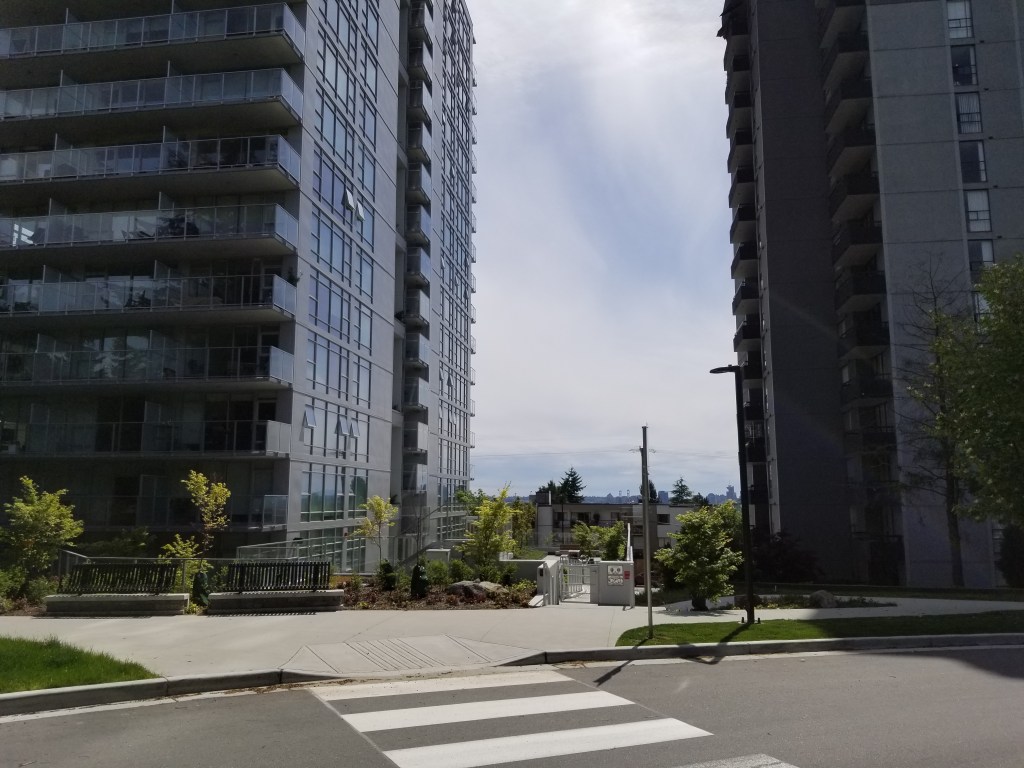
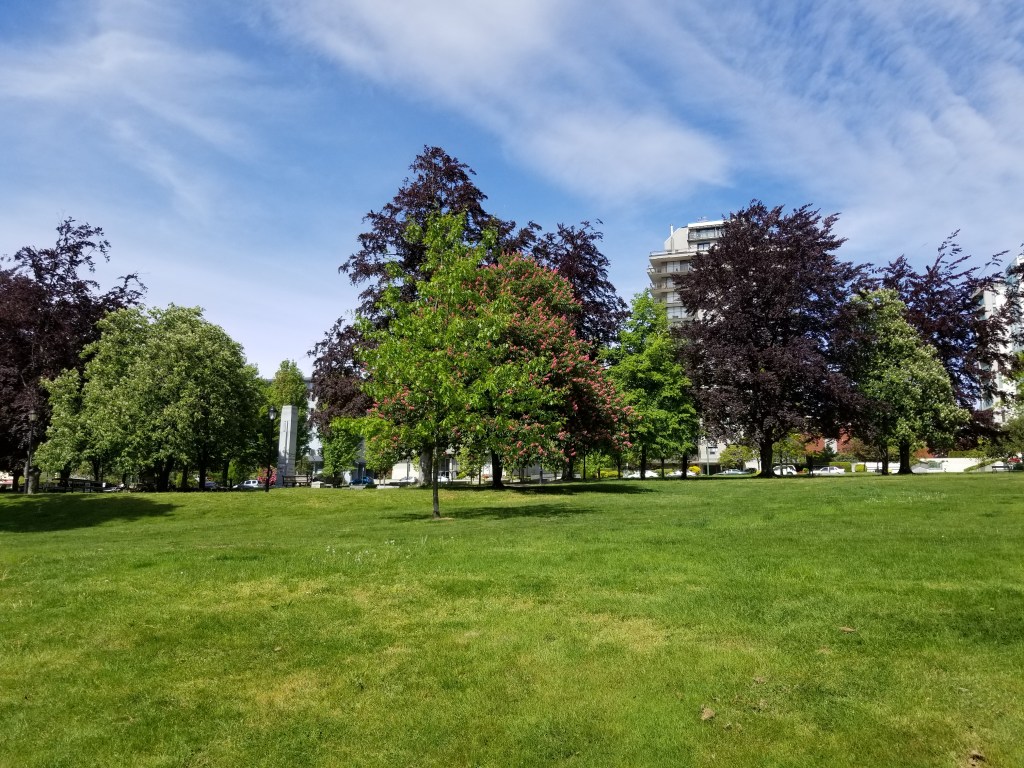
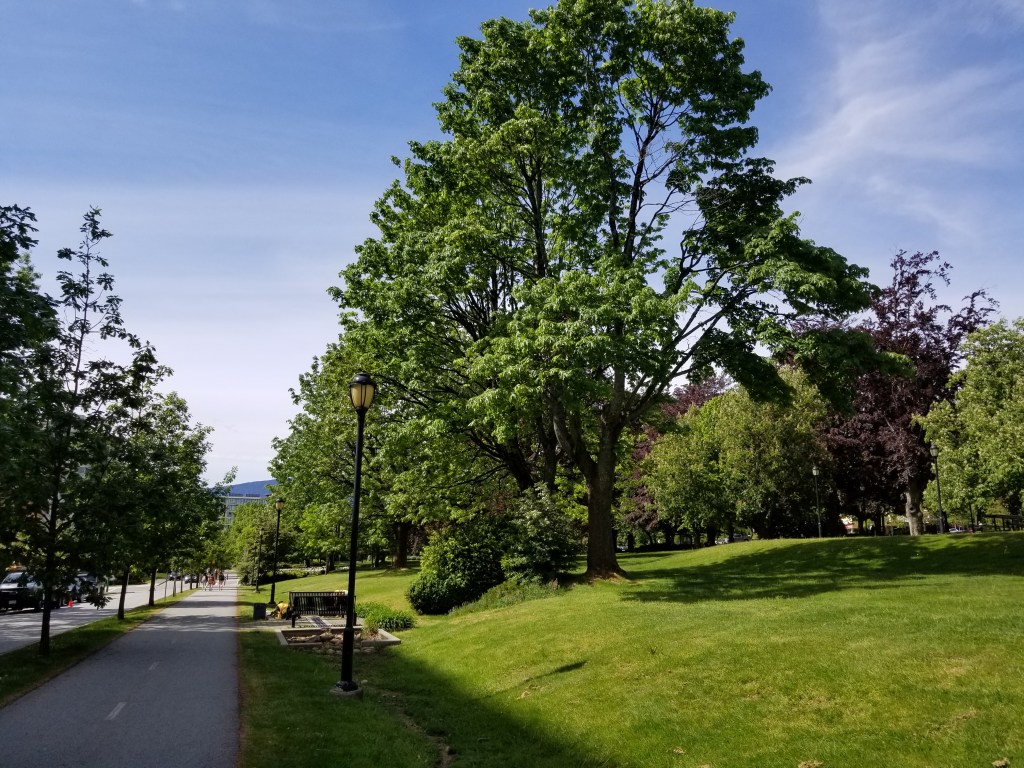
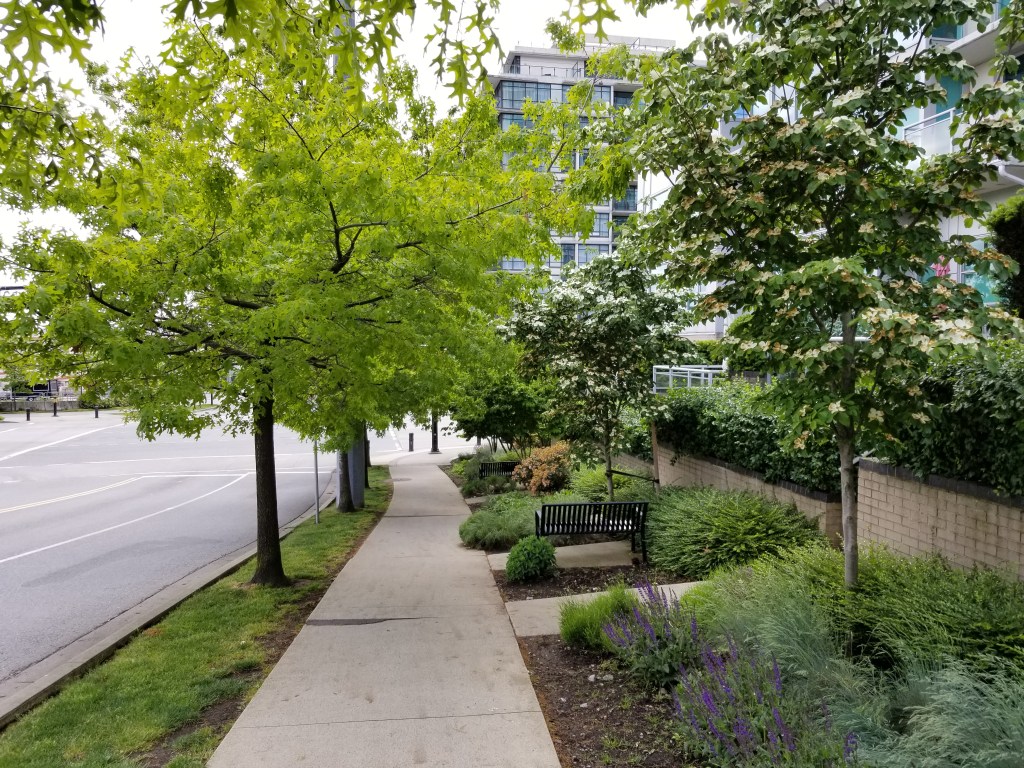
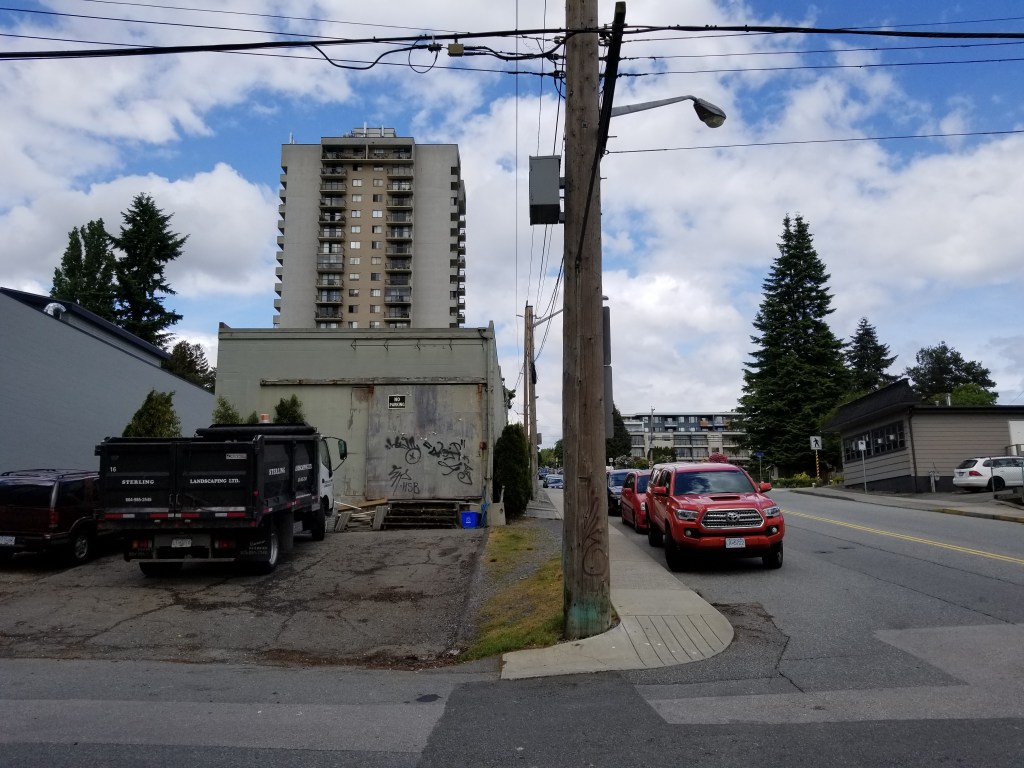
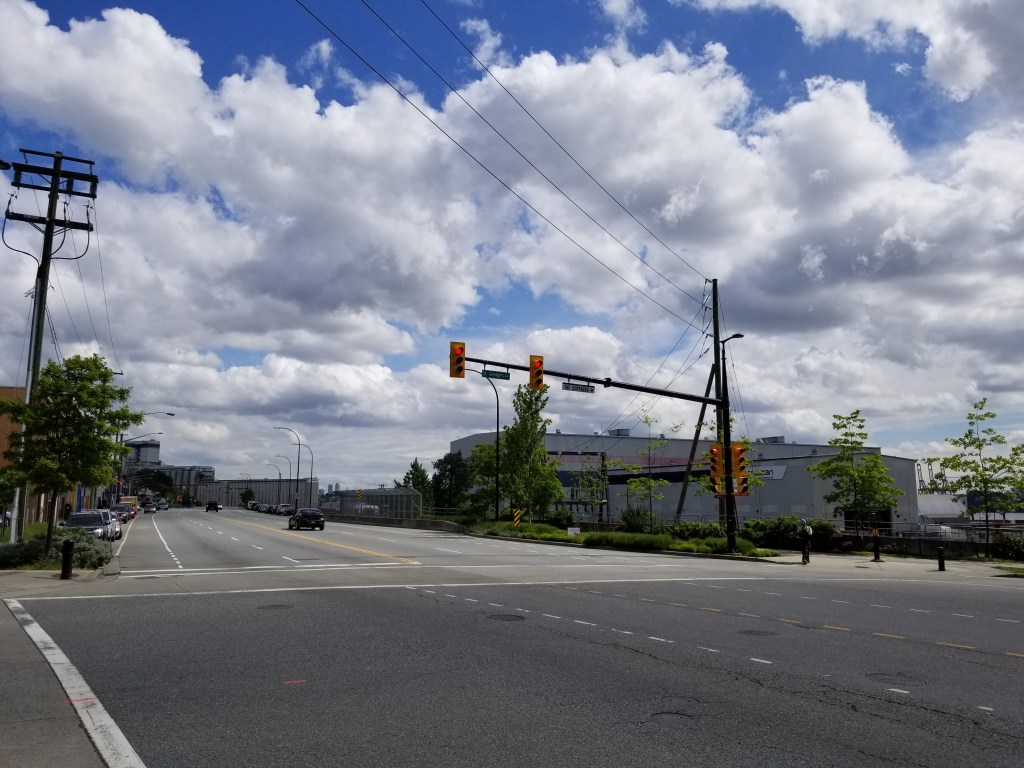
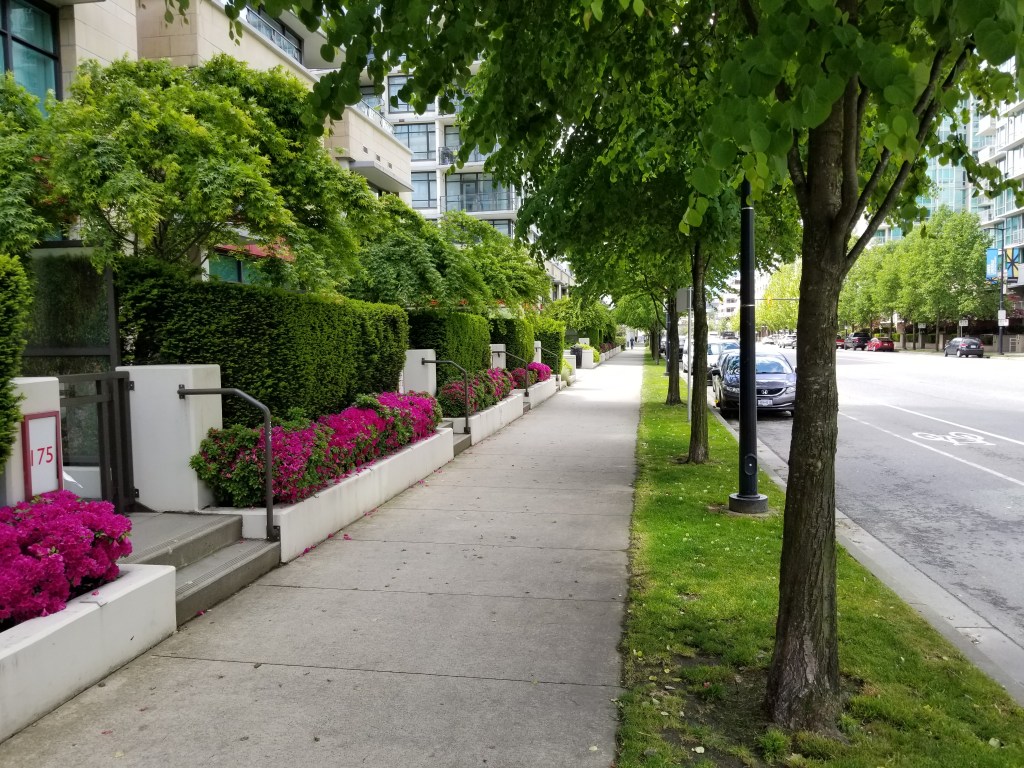
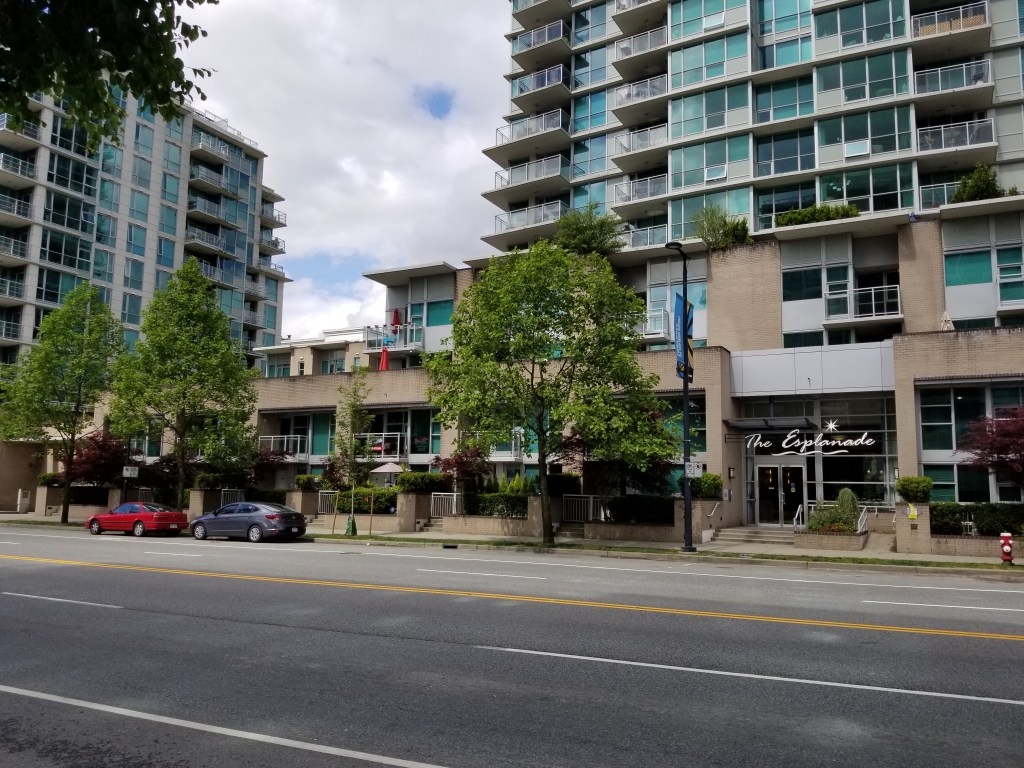
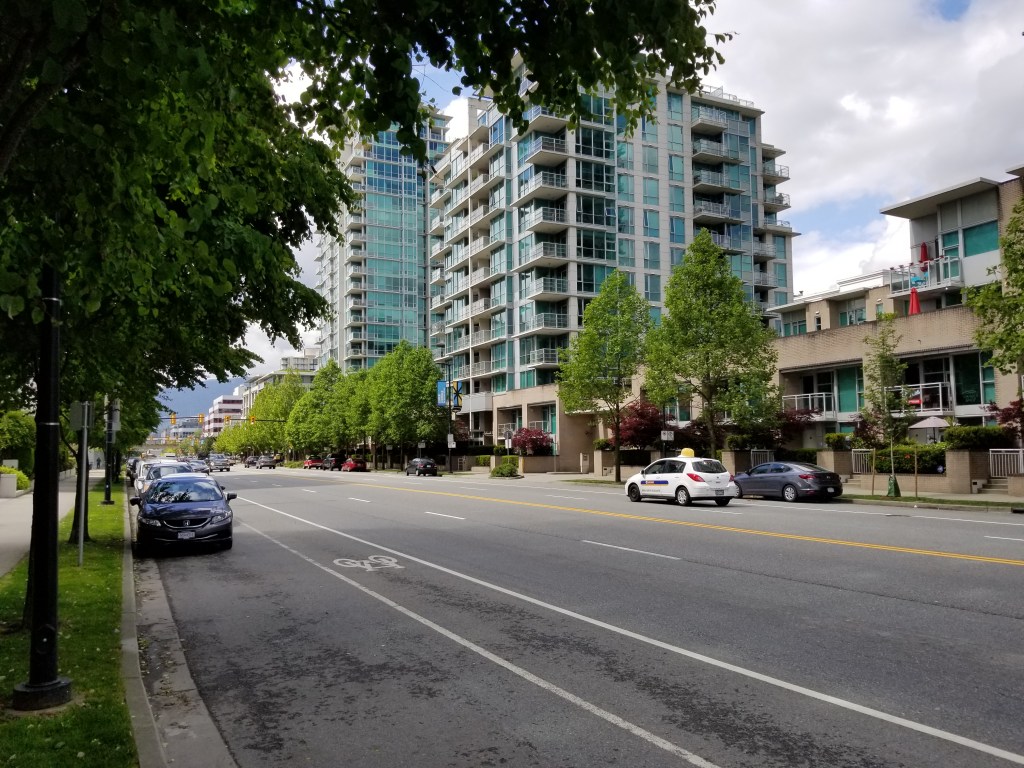
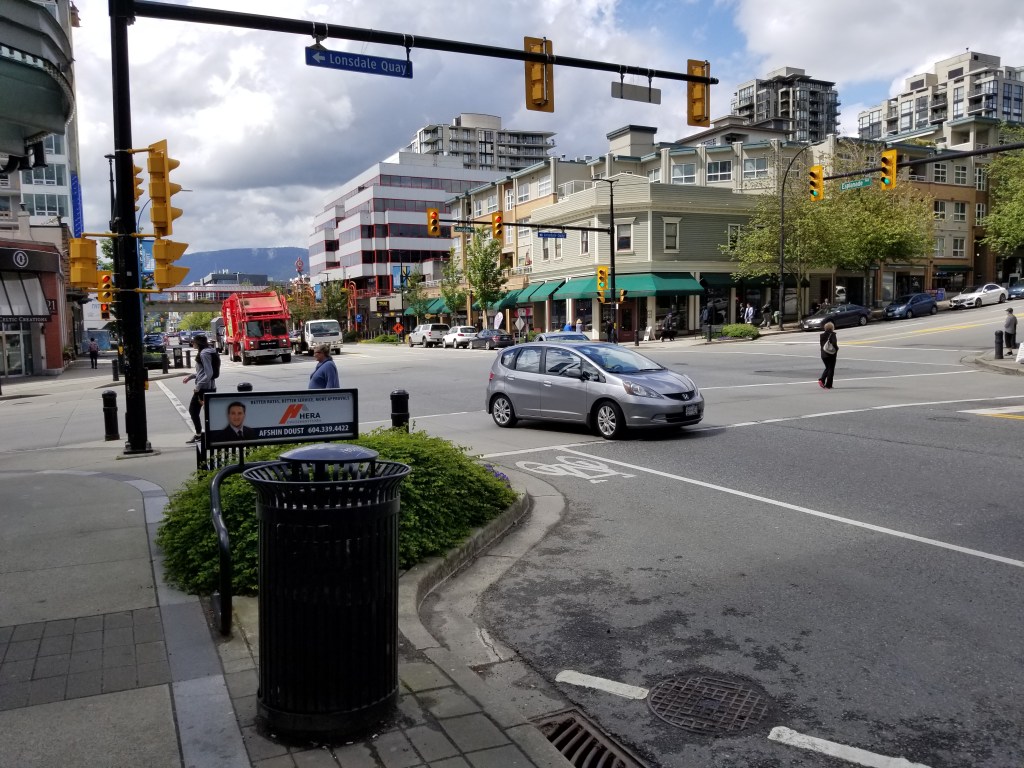
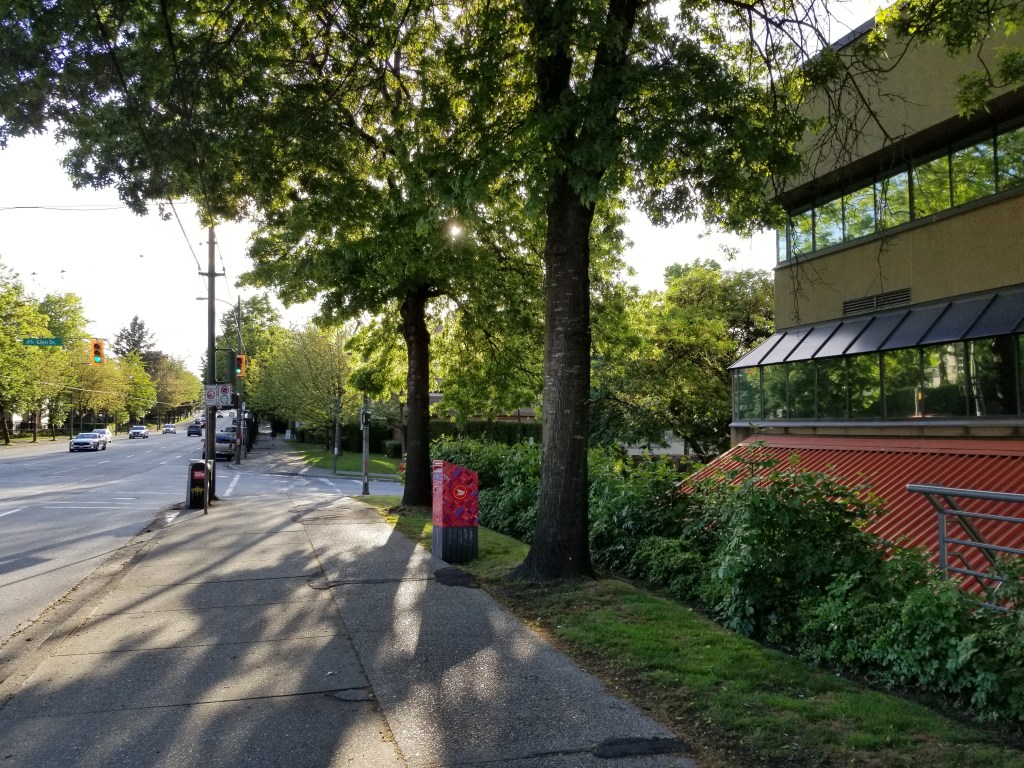
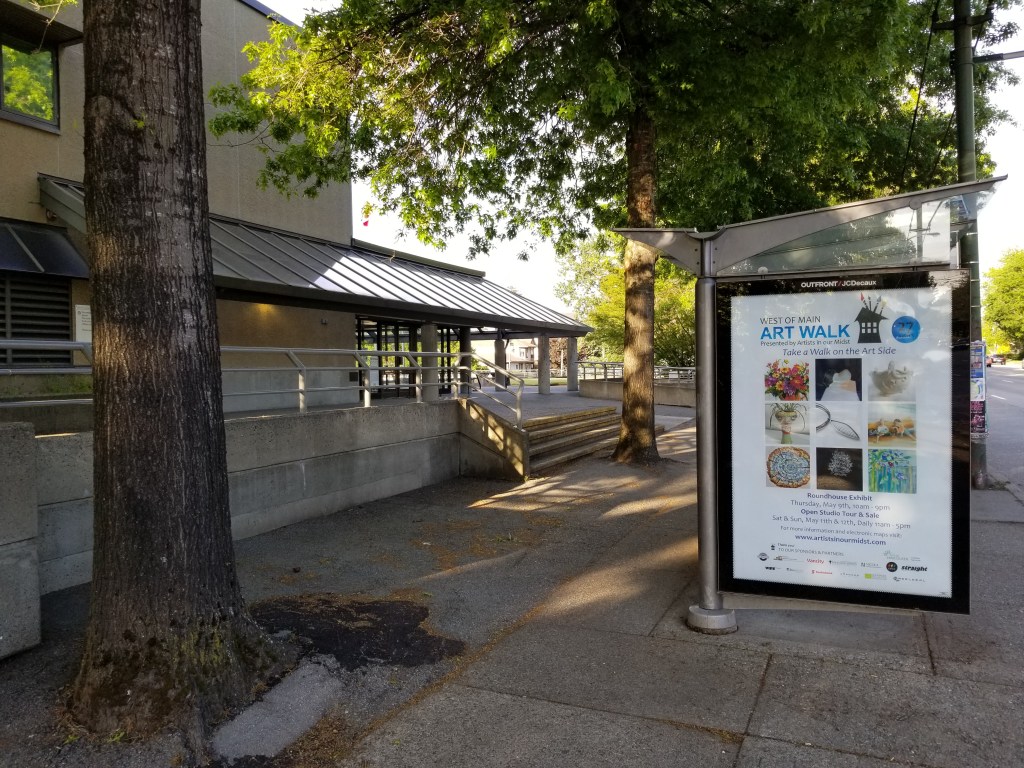
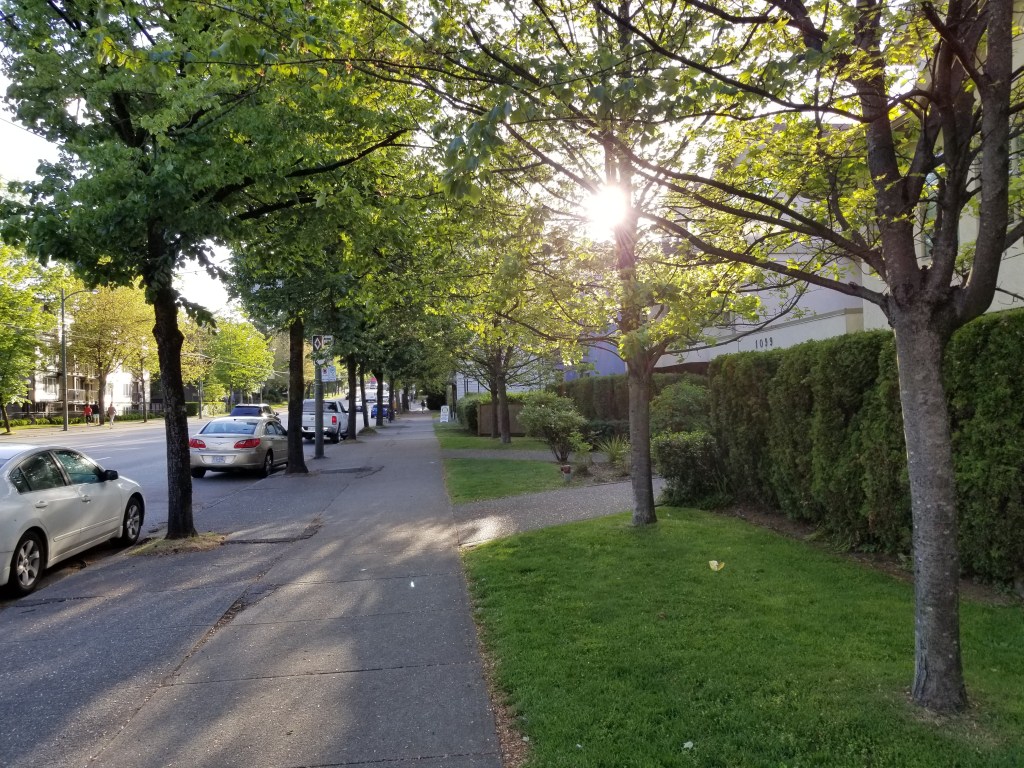
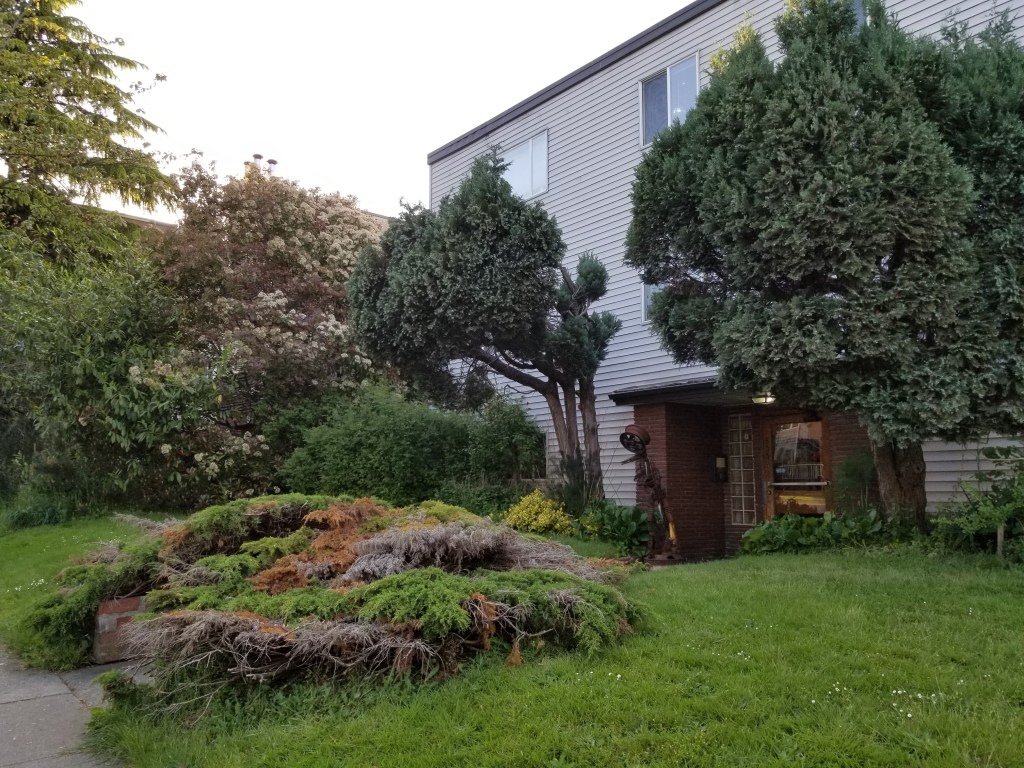
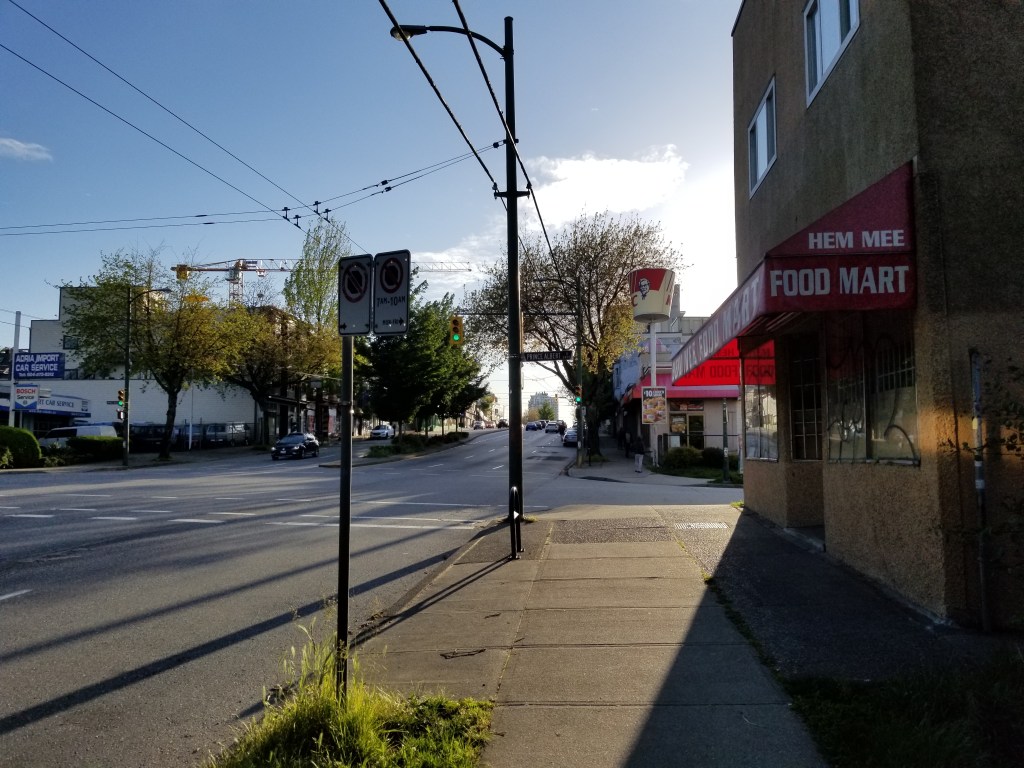
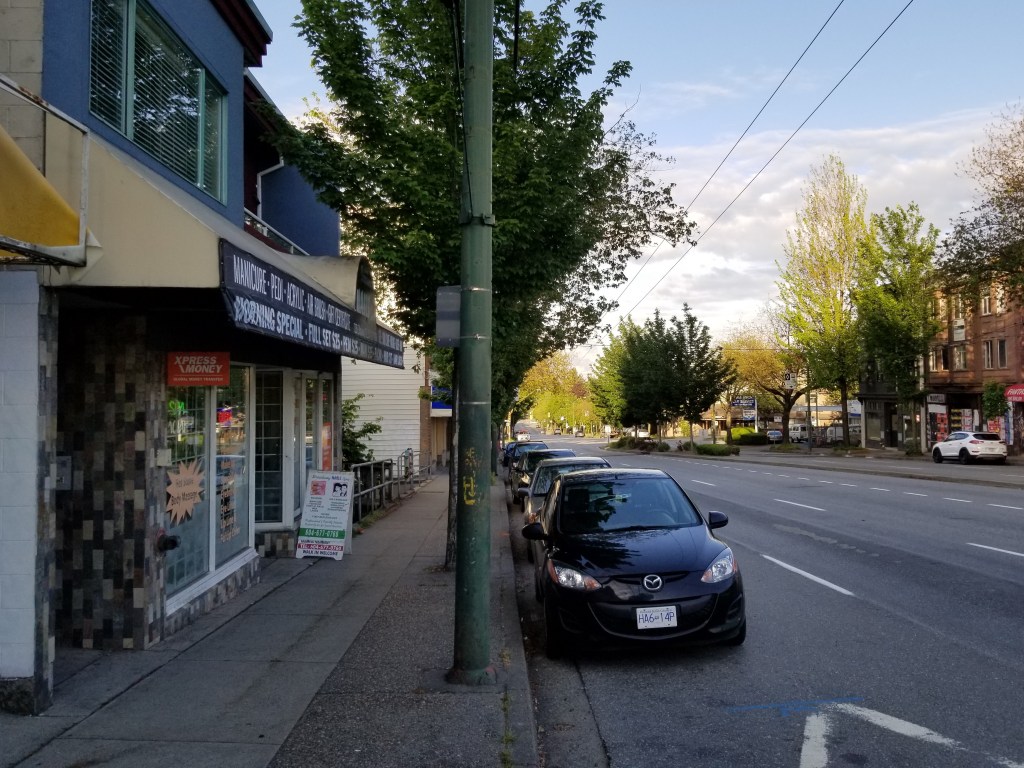
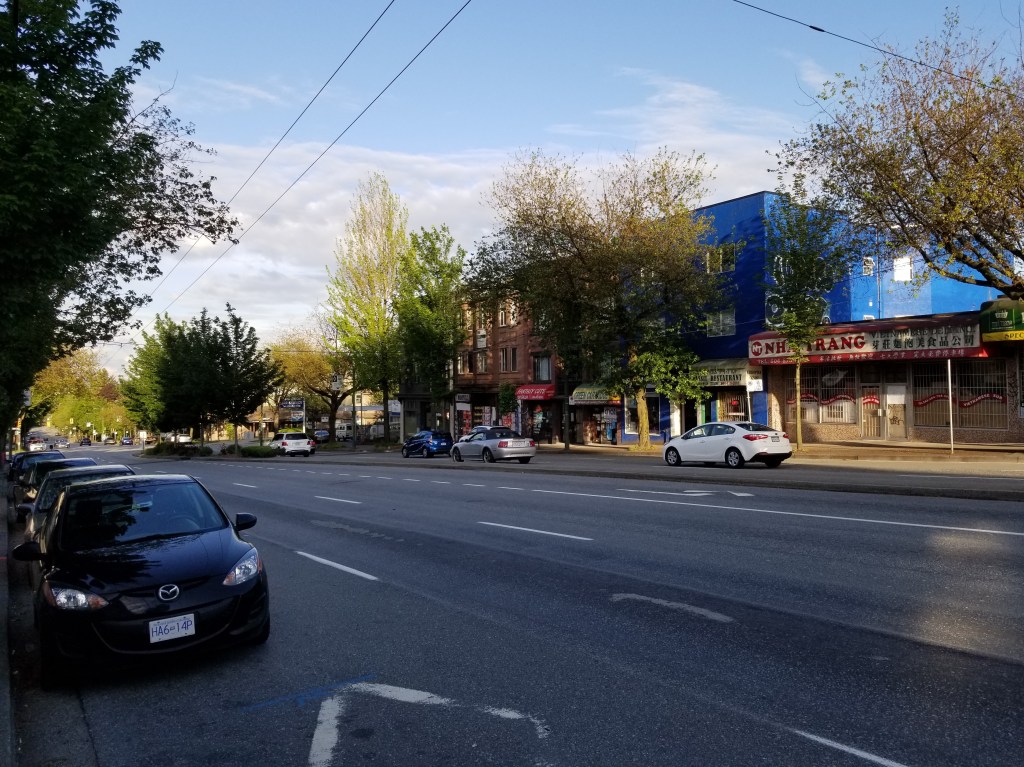
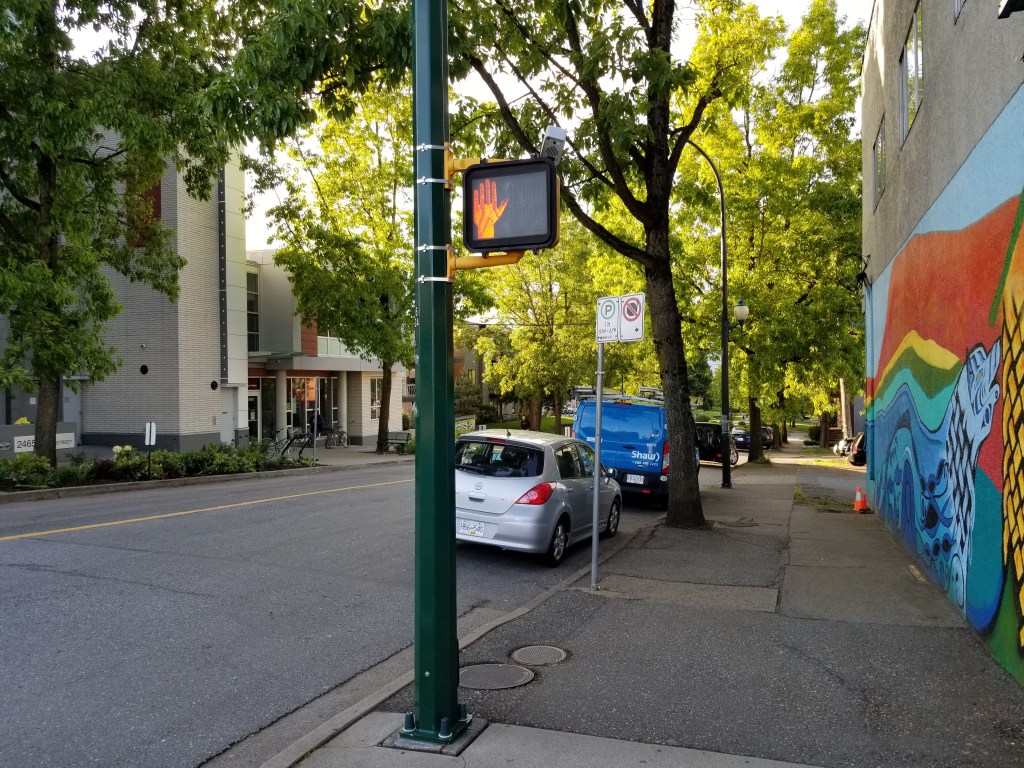
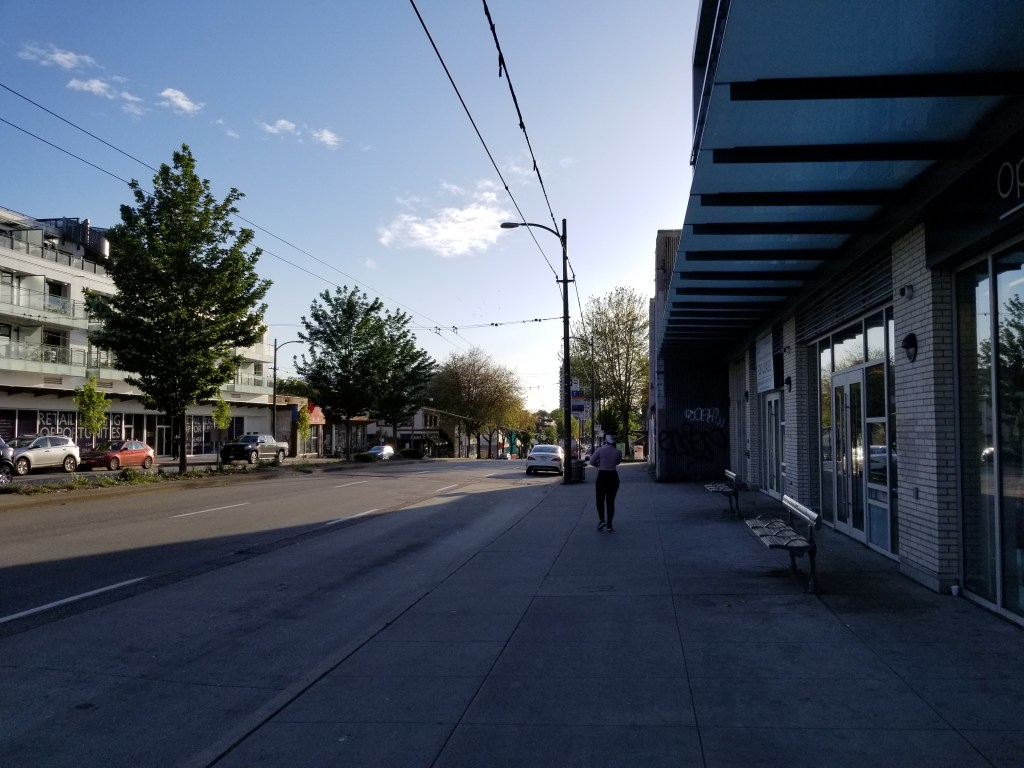
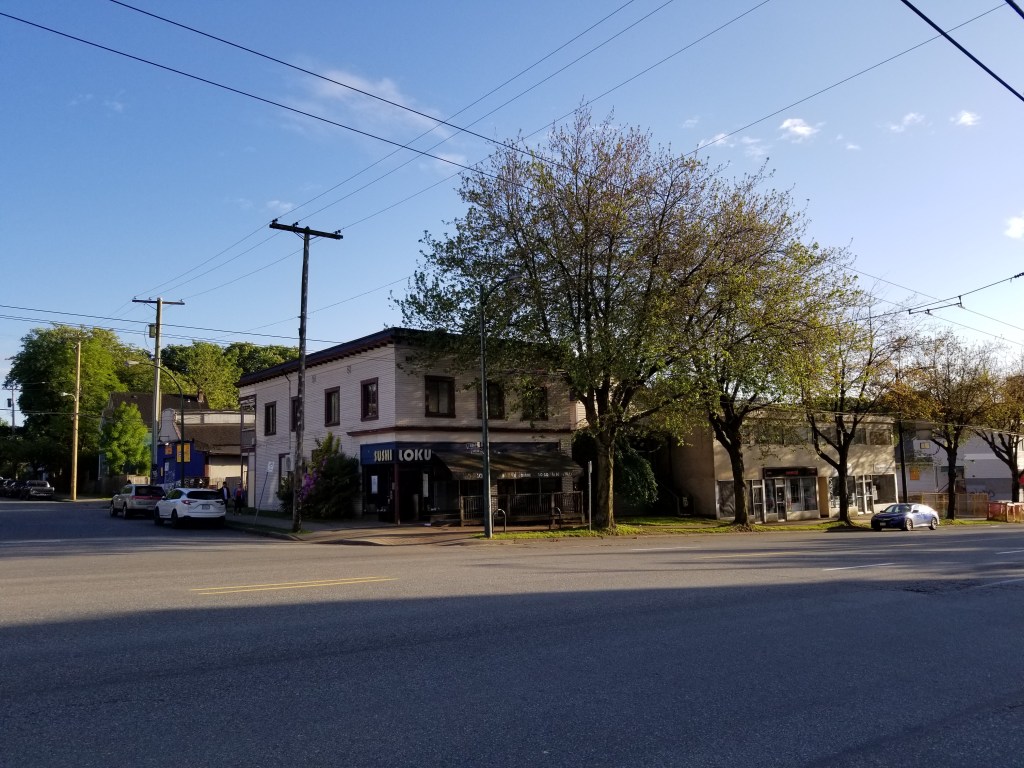
St. Georges Avenue is a residential street in North Vancouver, a scenic city across the Burrard Inlet from Vancouver, known for its blend of urban amenities and natural beauty (e.g., proximity to the North Shore Mountains). It runs through the Central Lonsdale neighborhood, a bustling area with shops, restaurants, and community services. The street is part of a well-connected residential zone, with easy access to key local landmarks and transit options, making it a desirable place to live or visit.
The Saint George Apartments is a multi-faceted community on or near St. Georges Avenue. It offers studio, 1-bedroom, 2-bedroom apartments, and 3-bedroom townhomes, featuring amenities like in-suite laundry, in-floor radiant heating, and stainless-steel appliances. Located near Central Lonsdale, it’s close to Lonsdale Quay Market, retail shops, and outdoor attractions like water and mountain vistas. It emphasizes a “better way of life,” appealing to those seeking modern living with access to nature, suggesting St. Georges Avenue is a hub for young professionals, families, or retirees.
St. Georges Avenue is well-integrated into the city’s road network, accessible via major arteries like Lonsdale Avenue. Its location near Central Lonsdale places it within walking distance of public transit (e.g., SeaBus to Vancouver) and the Highway 1 corridor, enhancing connectivity.
As of 2025, North Vancouver’s real estate remains competitive, with Central Lonsdale seeing steady demand due to its amenities and views. Prices for condos or apartments on St. Georges Avenue likely range from CAD 600,000 to over CAD 1 million, depending on size and condition.
Central Lonsdale, where St. Georges Avenue is located, is known for its vibrant community feel, with local favorites like the Lonsdale Quay Market offering fresh produce and artisan goods. The area’s proximity to parks (e.g., Lynn Canyon) and outdoor activities aligns with Vancouver’s active lifestyle culture. The population includes a mix of young families, professionals, and older residents, with a growing international community reflecting North Vancouver’s diversity. North Vancouver is generally safe, with low crime rates compared to Vancouver proper. St. Georges Avenue’s residential nature suggests a quiet, family-friendly environment, though its central location means some traffic noise.
St. Georges Avenue in North Vancouver is a residential street in the heart of Central Lonsdale, offering modern living options like The Saint George apartments, strong connectivity, and proximity to shopping and nature. It’s an attractive spot for those seeking a balanced urban-outdoor lifestyle, with a real estate market reflecting its desirability.
Luteolin is a bioflavonoid that neutralizes free radicals, reducing oxidative stress, which is held to be associated with aging. It is naturally occurring in many foods including artichoke, celery, parsley and peanuts.
Like PEA, luteolin has several mechanisms of action. It inhibits mast cells, as well as mast cell-dependent T cell activation. Luteolin modulates microglial activation and inhibits pro-inflammatory cytokine production. It also acts on GABA and opioid receptors in the spinal cord.
The combination of PEA with luteolin has been shown to decrease mast cell activation significantly more than PEA or luteolin alone, and to reduce pro-inflammatory cytokines (TNF-alpha, IL-1 beta, IL-6) and chemokines (MIP-1 alpha, MIP-2) significantly more than PEA or luteolin alone. Additionally, PEA with luteolin was shown to reduce oxidative and nitrosative damage more effectively than PEA or luteolin alone.
Broadway is a major east-west thoroughfare in the city of Vancouver, British Columbia, Canada. In Vancouver’s numbered avenue grid system, it runs in place of a 9th Avenue, between 8th and 10th. The street has six lanes for most of its course. Portions of the street carry the British Columbia Highway 7 designation.
The route begins as “West Broadway” at the intersection of Wallace Crescent and 8th Avenue, in the affluent residential neighbourhood of West Point Grey, a few kilometres east of the University of British Columbia (UBC). Past Alma Street, Broadway takes over from 10th Avenue as one of Vancouver’s major thoroughfares, as it enters Greek West Broadway (or Greektown) section of Vancouver’s Kitsilano district. East of here are several blocks of generally trendy, upscale shops interspersed with low-rise apartment blocks and small supermarkets. The surrounding neighbourhoods generally consist of large, older homes dating from the early twentieth century, many of which have been subdivided into rental suites.
As Broadway approaches Arbutus Street, the commercial establishments become larger before transitioning into a mix of small to mid-size apartment blocks. East of Burrard Street, the apartment blocks get progressively taller, and commercial establishments larger and busier. Between Burrard and Main Street, Broadway can be considerably congested by vehicular traffic. Past Granville Street, Broadway yields completely to medium-to-large commercial structures and high-rise apartments and condominiums. Between Cambie and Main, the commercial establishments become smaller and somewhat more downscale.
At Ontario Street, two blocks west of Main, the route becomes “East Broadway.” After bisecting Main and Kingsway, traffic on Broadway eases somewhat, and the character returns to a mix of small-to-medium apartment buildings and commercial establishments, interspersed with older homes – all considerably less affluent than those to the west. At Commercial Drive, Broadway passes by the Commercial–Broadway SkyTrain Station. Past here for several blocks, the neighbourhood consists predominantly of older residential homes.
As Broadway travels east of Renfrew Street, the neighbourhood once again becomes mixed, with older homes to the north and larger industrial, commercial, and warehouse establishments to the south. Broadway finally ends at Cassiar Street, just short of the Vancouver-Burnaby boundary, where it becomes the Lougheed Highway.
Broadway was created at the turn of the 20th century, along with other gridded roads south of False Creek, to meet the needs of an expanding population in Vancouver. The name of the route was changed from 9th Avenue to Broadway in 1909, at the behest of merchants around Main Street (at that time the hub of Vancouver commerce), who felt that it bestowed a more cosmopolitan air. Commercial establishments originally spread out around the intersections of Cambie and Main Streets, while the character of the rest of the route remained predominantly single-family dwellings.
By the 1970s, the length of Broadway had become a major arterial route in Vancouver, conveying commuters from downtown to the neighbourhoods of the west and east sides. With the growth of UBC and the expansion of the Vancouver General Hospital (one block south of Broadway between approximately Oak and Cambie), traffic demands accelerated. In the 1990s, the agency then responsible for public transit in Greater Vancouver — BC Transit — introduced an express bus route, the 99 B-Line, to help reduce congestion. The Vancouver transportation plan for Broadway notes that congestion is such that the bus service is at capacity, and will not be eased until a new rapid transit line is built paralleling the street. It is anticipated that the SkyTrain’s Millennium Line will be extended to Central Broadway by 2021; the extension is expected to connect with Canada Line at Broadway-City Hall Station, at the intersection of Broadway and Cambie Street.
Palmitoylethanolamide (PEA) is a unique nootropic that can help people with ADHD, anxiety disorders, and depression. It has also been shown to improve memory in animal studies.
What is Palmitoylethanolamide (PEA)?
Palmitoylethanolamide, or PEA, is made in the body naturally to alleviate pain and inflammation. Many plants and animals also synthesize PEA like:
Soy lecithin
Soybeans
Egg yolk
Peanuts
… and alfalfa are all high producers of PEA.
Since its discovery in the 1950s, scientists have been interested in PEA. It has potential as a pain reliever, but there is a lack of large-scale safety and efficacy data.
Nonetheless, PEA has also been found to have anti-inflammatory properties, which is why it’s often used in supplements for people who are diagnosed with arthritis or other inflammatory conditions.
Palmitoylethanolamide (PEA) has also been found to work on the cannabinoid receptors in the brain, which is why it has become increasingly popular in the biohacking-sphere.
The fact that Palmitoylethanolamide (PEA) has been shown to work on the cannabinoid receptors, is the reason for its anxiolytic, antidepressant, and cognitive effects.
Palmitoylethanolamide’s Mechanism of Action
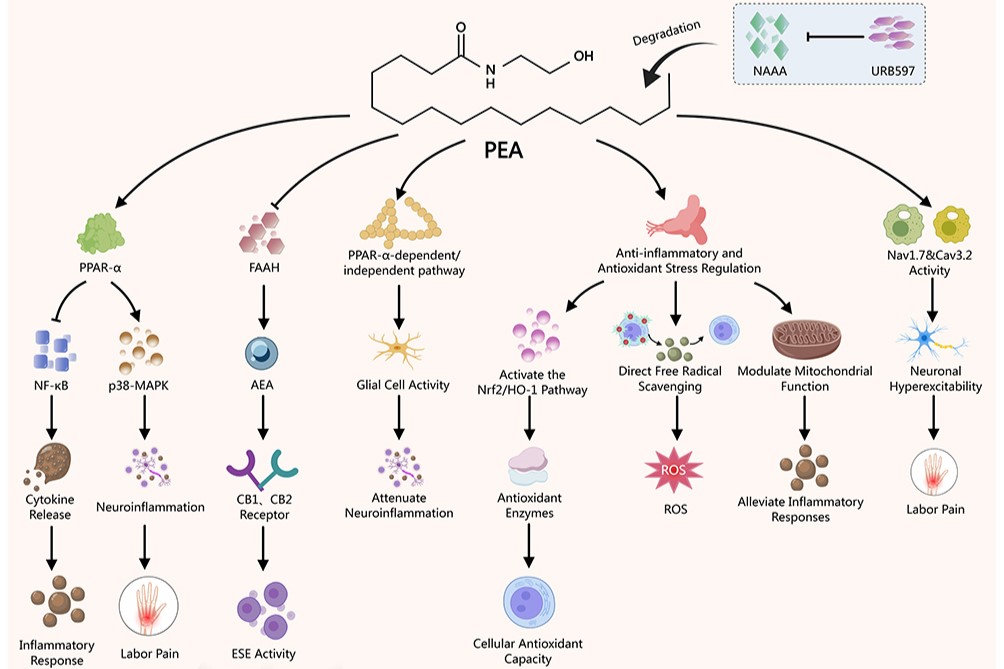
PEA activates the energy-boosting, fat-burning, and anti-inflammatory PPAR alpha.
PEA inhibits pro-inflammatory genes and the synthesis of numerous inflammatory chemicals by activating this important protein.
PEA activates the bliss gene, FAAH, which degrades natural anandamide.
This results in increased amounts of soothing anandamide in your system, allowing you to relax and feel better.
It may also activate cannabinoid receptors (CB2 and CB1).
The palmitic acid in PEA might be the basis for its synthesis. The body’s starting point for PEA production is saturated fatty acids.
It has also been claimed that consuming extra palmitic acid or other dietary fats will not boost PEA creation in the body. This is because your body only uses PEA when it is needed to relieve inflammation or pain, and its levels vary considerably throughout the day.
The most effective approach to get PEA’s advantages is to use standardized supplements or PEA-rich meals, according to researchers.
Their idea remains in the realm of hypothesis at this time.
Benefits of Palmitoylethanolamide (PEA)
One study found that PEA can reduce chronic neuropathic pain by influencing neurotransmitter signaling.
This is mainly due to its anti-inflammatory properties, which help with managing inflammatory conditions like arthritis and other diseases.
It can also be used as a supplement for people who are dealing with symptoms of depression or anxiety.
PEA has also been shown to improve memory, learning, and brain processing in animals.
It may do this by increasing the release of dopamine from neurons involved in cognition-related processes like motivation and attentional control.
This is why it has become increasingly popular for people who take Nootropics and want to improve their focus and attention spans.
PEA’s effects on these neural circuits resemble those of conventional ADHD medications.
PEA has also been shown to be effective in analgesic in rats.
It was found to work on the mu-opioid receptor, which is thought to be responsible for its painkilling effects.
At this time, there isn’t enough research to determine whether it has similar effects in humans.
Many other benefits of Palmitoylethanolamide (PEA) are just beginning to be discovered.
Let’s take a closer look at each benefit below…
Pain Relief
Palmitoylethanolamide (PEA) is an anti-inflammatory agent with analgesic effects.
It has been used in different types of pain management, including nerve and muscle aches.
This may be due to its ability to influence neurotransmitter signaling at the spinal level by activating descending inhibitory pathways that block the transmission of pain signals.
PEA also reduces chronic neuropathic pain by influencing neurotransmitter signaling.
It does this primarily through its anti-inflammatory properties, which are beneficial for managing inflammatory conditions like arthritis and other diseases.
Brain Health and Regeneration
Palmitoylethanolamide (PEA) may even be able to promote the growth of new neurons.
It can do this by activating PPAR alpha, which is a protein that encourages cell differentiation and regeneration in different parts of your body.
This also makes it useful for people who want to improve their memory or reduce cognitive decline.
PEA has been shown to have a positive effect on cognitive abilities in animals with dementia-like symptoms from neurodegenerative disorders or brain injury.
This is thought to be due to its ability to improve memory, learning, and the processing of stimuli by increasing dopamine output from neurons involved in cognition-related processes like motivation and attentional control.
PEA’s effect on these neural circuits is similar to the effects of conventional ADHD medications.
Hormone Regulation
Palmitoylethanolamide (PEA) also regulates many hormones in your body.
It can do this by either increasing or decreasing the production of certain hormones, depending on what is needed for a given situation.
For example, it has been shown to reduce cortisol levels when they are elevated due to stress and fatigue.
This means that PEA may help improve sleep quality and provide energy to deal with stress.
On the other hand, it increases insulin production in diabetics who have hyperglycemia by reducing glucagon levels.
This makes PEA useful for people who are dealing with diabetes or hypoglycemia.
Symptoms of Depression And Anxiety
Palmitoylethanolamide (PEA) has been studied for its mood-elevating effects in animals.
It works by neurotransmitter signaling to activate the release of serotonin, dopamine, and GABA.
The inhibition of these chemicals is thought to be responsible for feelings of depression or anxiety which makes PEA useful as a treatment for depression and anxiety.
One study found that PEA improved symptoms of depression in mice treated with electroconvulsive therapy (ECT).
This is why more research on Palmitoylethanolamide (PEA) as an anti-depressant medication has been called for by many people who are dealing with depression.
Overall, Palmitoylethanolamide (PEA) is a very promising nootropic compound that has many positive health benefits for improving quality of life.
Side Effects of Palmitoylethanolamide (PEA)
Some people have reported that they experience mild side effects when taking PEA supplements or consuming high-fat meals with lots of palmitic acids, like indigestion and nausea.
Other side effects include:
Muscle twitches and cramps
Drowsiness or fatigue
Loss of appetite
These side effects might be due to PEA’s ability to activate the energy-boosting PPAR alpha protein in the body, which may also be responsible for its anti-inflammatory effects.
If you want to minimize your risk of experiencing side effects, it’s best to take PEA supplements that are standardized for their active ingredient and remember to consume electrolytes.
The best way to take Palmitoylethanolamide
Palmitoylethanolamide is a fatty acid derivative.
Because it takes some time for Palmitoylethanolamide to build up in our bodies, certain effects may not be apparent right away.
The pain-relieving benefits of PEA are the most time-sensitive of its effects.
However, don’t be discouraged, since many individuals have had excellent results with PEA after supplementing it for 2-4 weeks.
This implies that if you want to get the most out of Palmitoylethanolamide, you must take it regularly.
When it comes to dosage, the standard dose for Palmitoylethanolamide is 400 mg-800mg, twice a day.
To maximize absorption, you should time your supplement intake with meals that contain dietary fats.
In Summary
Palmitoylethanolamide (PEA) is a fatty acid derivative that has been studied for its mood-elevating effects in animals.
It works by neurotransmitter signaling to activate the release of serotonin, dopamine, and GABA.
The inhibition of these chemicals is thought to be responsible for feelings of depression or anxiety which makes PEA useful as a treatment for depression and anxiety.
Palmitoylethanolamide (PEA) is best taken regularly and at a dose of 400-800 mg, twice per day.
Finally, remember to take PEA supplements with meals that contain dietary fats for maximum absorption.
American professor Grover Furr talks about his book Trotsky’s “Amalgams.” Trotsky’s Lies, The Moscow Trials As Evidence, The Dewey Commission.
Grover Carr Furr III (born April 3, 1944) is an American professor of Medieval English literature at Montclair State University, best known for his books on Joseph Stalin and the Soviet Union. He has published many books on this subject.
The cultural landscape and archaeological remains of the Bamiyan Valley represent the artistic and religious developments which from the 1st to the 13th centuries characterized ancient Bakhtria, integrating various cultural influences into the Gandhara school of Buddhist art. The area contains numerous Buddhist monastic ensembles and sanctuaries, as well as fortified edifices from the Islamic period. The site is also testimony to the tragic destruction by the Taliban of the two standing Buddha statues, which shook the world in March 2001.
Brief synthesis
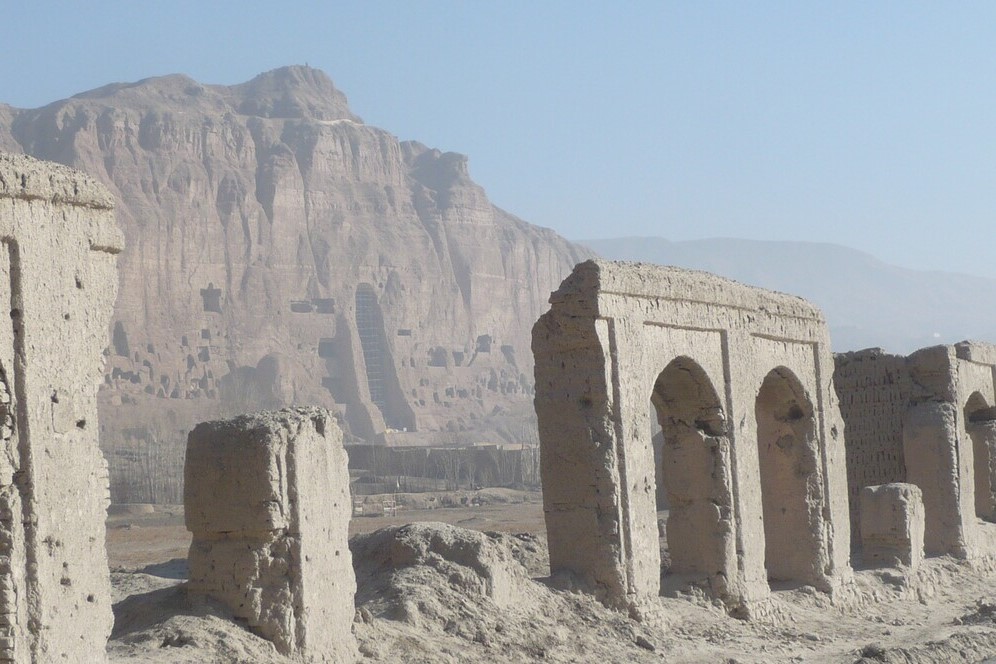
Enclosed between the high mountains of the Hindu Kush in the central highlands of Afghanistan, the Bamiyan Valley opens out into a large basin bordered to the north by a long, high stretch of rocky cliffs. The Cultural Landscape and Archaeological Remains of the Bamiyan Valley comprise a serial property consisting of eight separate sites within the Valley and its tributaries. Carved into the Bamiyan Cliffs are the two niches of the giant Buddha statues (55m and 38m high) destroyed by the Taliban in 2001, and numerous caves forming a large ensemble of Buddhist monasteries, chapels and sanctuaries along the foothills of the valley dating from the 3rd to the 5th century C.E. In several of the caves and niches, often linked by galleries, there are remains of wall paintings and seated Buddha figures. In the valleys of the Bamiyan’s tributaries are further groups of caves including the Kakrak Valley Caves, some 3km south-east of the Bamiyan Cliffs where among the more than one hundred caves dating from the 6th to 13th centuries are fragments of a 10m tall standing Buddha figure and a sanctuary with painted decorations from the Sasanian period. Along the Fuladi valley around 2km southwest of the Bamiyan Cliffs are the caves of Qoul-i Akram and Lalai Ghami, also containing decorative features.
Punctuating the centre of the valley basin to the south of the great cliff are the remains of the fortress of Shahr-i Ghulghulah. Dating from the 6th to 10th centuries CE, this marks the original settlement of Bamiyan as stopping place on the branch of the Silk Route, which linked China and India via ancient Bactria. Further to the east along the Bamiyan Valley are the remains of fortification walls and settlements, dating from the 6th to 8th centuries at Qallai Kaphari A and B and further east still (around 15km east of the Bamiyan Cliffs) at Shahr-i Zuhak, where the earlier remains are overlaid by developments of the 10th to 13th centuries under the rule of the Islamic Ghaznavid and Ghorid dynasties.
The Cultural Landscape and Archaeological Remains of the Bamiyan Valley represent the artistic and religious developments which from the 1st to the 13th centuries characterised ancient Bactria, integrating various cultural influences into the Gandharan school of Buddhist art. The numerous Buddhist monastic ensembles and sanctuaries, as well as fortified structures from the Islamic period, testify to the interchange of Indian, Hellenistic, Roman, Sasanian and Islamic influences. The site is also testimony to recurring reactions to iconic art, the most recent being the internationally condemned deliberate destruction of the two standing Buddha statues in March 2001.
Criterion (i): The Buddha statues and the cave art in Bamiyan Valley are an outstanding representation of the Gandharan school in Buddhist art in the Central Asian region.
Criterion (ii):The artistic and architectural remains of Bamiyan Valley, an important Buddhist centre on the Silk Road, are an exceptional testimony to the interchange of Indian, Hellenistic, Roman and Sasanian influences as the basis for the development of a particular artistic expression in the Gandharan school. To this can be added the Islamic influence in a later period.
Criterion (iii):The Bamiyan Valley bears an exceptional testimony to a cultural tradition in the Central Asian region, which has disappeared.
Criterion (iv): The Bamiyan Valley is an outstanding example of a cultural landscape which illustrates a significant period in Buddhism.
Criterion (vi): The Bamiyan Valley is the most monumental expression of the western Buddhism. It was an important centre of pilgrimage over many centuries. Due to their symbolic values, the monuments have suffered at different times of their existence, including the deliberate destruction in 2001, which shook the whole world.
Integrity
The heritage resources in Bamiyan Valley have suffered from various disasters and some parts are in a fragile state. A major loss to the integrity of the site was the destruction of the large Buddha statues in 2001. However, a significant proportion of all the attributes that express the Outstanding Universal Value of the site, such as Buddhist and Islamic architectural forms and their setting in the Bamiyan landscape, remain intact at all 8 sites within the boundaries, including the vast Buddhist monastery in the Bamiyan Cliffs which contained the two colossal sculptures of the Buddha.
Authenticity
The cultural landscape and archaeological remains of the Bamiyan Valley continue to testify to the different cultural phases of its history. Seen as a cultural landscape, the Bamiyan Valley, with its artistic and architectural remains, the traditional land use and the simple mud brick constructions continues to express its Outstanding Universal Value in terms of form and materials, location and setting, but may be vulnerable in the face of development and requires careful conservation and management.
Protection and management requirements
The monuments and archaeological remains of the Bamiyan Valley are public property, owned by the State of Afghanistan. However, large parts of the buffer zone are in private ownership. Many documents defining the ownership were destroyed during the decades of conflict and civil unrest, and are now being re-established. The State Law on the Protection of Historical and Cultural Properties (Ministry of Justice, May 21st 2004)is in force and provides the basis for financial and technical resources.
The management of the serial property is under the authority of the Ministry of Information and Culture (MoIC) and its relevant departments (Institute of Archaeology and the Department for the Preservation of Historical Monuments), as well as the Governor of the Bamiyan Province. The Ministry of Information and Culture has a provincial local office representative in Bamiyan. There are 8 guards specifically protecting the site against vandalism and looting, with additional resources provided by the Ministry of Interior in the form of a dedicated police contingent for the protection of cultural property (Police unit 012).
At present, the management system is provisional with help from the international community for the appropriate administrative, scientific and technical resources. Since 2003, UNESCO has been leading a three-phase safe-guarding plan for the property. Its focus has been to consolidate the Buddha niches, to safeguard the artefacts that survived the destruction of the Buddha statues and to render the site safe, notably by pursuing the complex de-mining operations at the site. A Management Plan for the property is under preparation with the objective to prepare and implement a programme for the protection, conservation and presentation of the Bamiyan Valley, to undertake exploration and excavation of the archaeological remains, and to prepare and implement a programme for sustainable cultural tourism in the Valley. The Governor of the Province is responsible for the implementation of a regional development plan, which includes rehabilitation of housing, provision of health and educational services, and development of infrastructure and agriculture.
In March 2011, it was concluded by Afghan officials and international experts at a meeting of the 9th Bamiyan Expert Working Group hosted by UNESCO that the World Heritage site is potentially ready to be removed from the List of World Heritage in Danger by 2013, pending continued progress in addressing security risks, the structural stability of the remains of the two giant Buddha sculptures and their niches, the conservation of the archaeological remains and mural paintings and implementation of the Management Plan.